Why Rosacea Often Goes Undiagnosed for Years
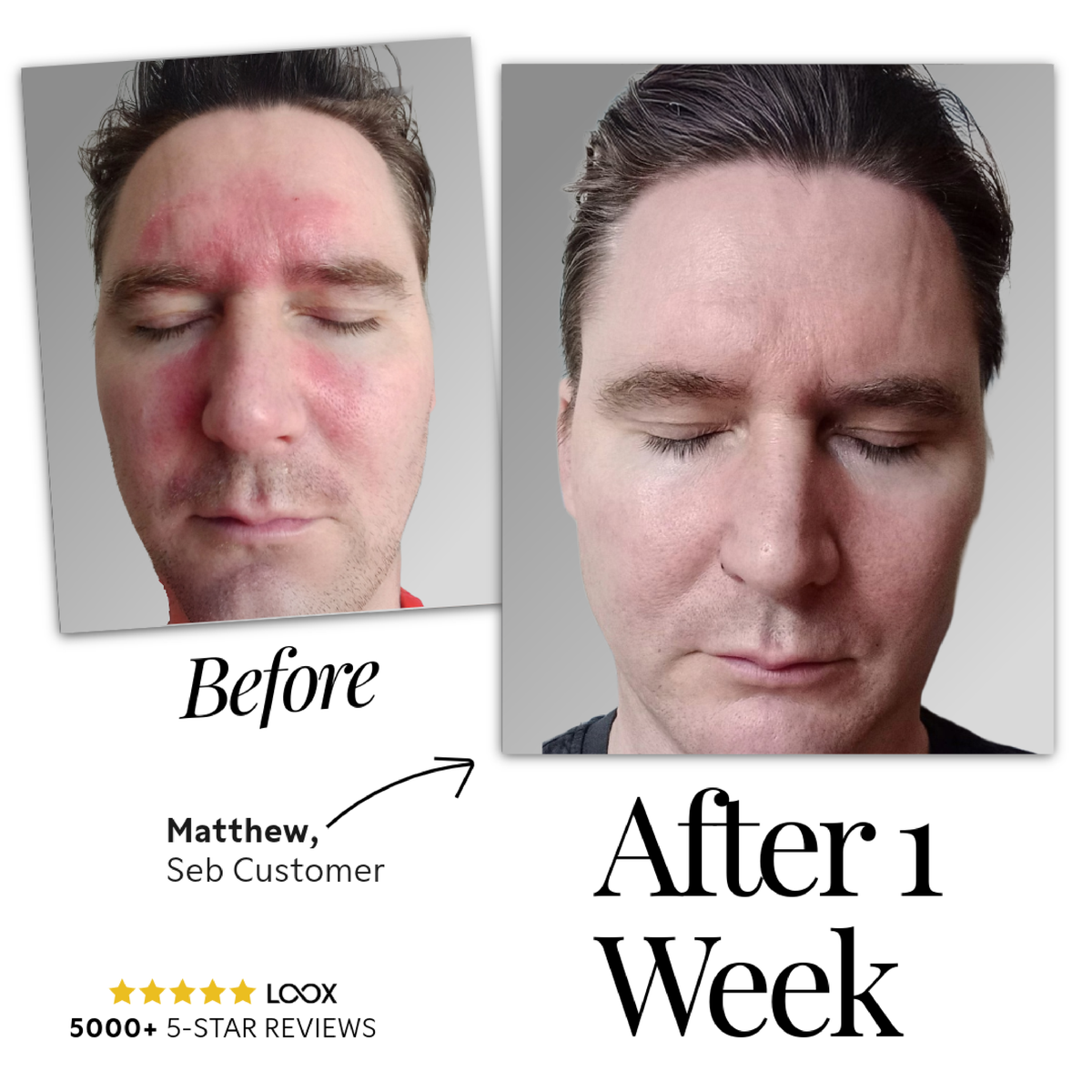
Rosacea is a chronic skin condition that affects millions of people worldwide, yet it is notoriously under-diagnosed and misunderstood. Characterised by persistent redness, visible blood vessels, bumps, and sometimes eye irritation, rosacea can mimic other skin issues, which contributes to the long delays in diagnosis. Many patients live with symptoms for years before realising that what they are experiencing is not just occasional skin irritation but a medical condition that deserves attention. Let’s explore why rosacea often goes undiagnosed for years.
1. Subtle Early Symptoms
One of the main reasons rosacea is often missed is because its early signs are subtle and intermittent. Many individuals first notice mild flushing or redness that comes and goes, often triggered by heat, stress, spicy foods, or alcohol. Because these symptoms are episodic, people tend to attribute them to lifestyle factors rather than an underlying condition. For instance, occasional facial redness after exercise or sun exposure might seem normal, delaying medical consultation.
2. Mistaken for Other Skin Conditions
Rosacea shares symptoms with several common dermatological issues, which can lead to misdiagnosis. Some people are initially told they have:
-Acne: Rosacea can present with red bumps and pustules similar to acne, particularly on the nose, cheeks, and forehead. However, unlike acne, rosacea rarely produces blackheads.
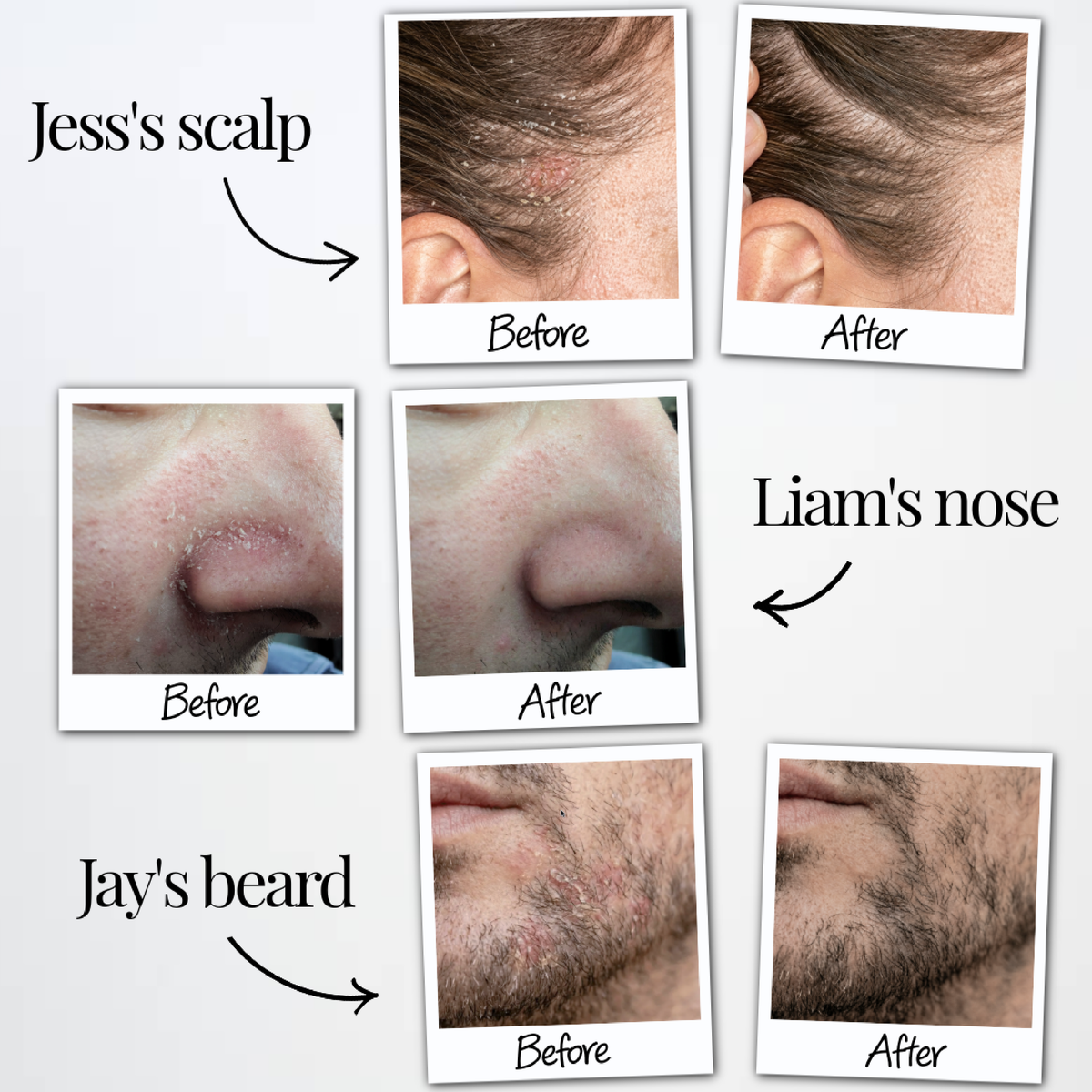
-Eczema or dermatitis: Dryness and irritation from rosacea may be mistaken for eczema or contact dermatitis.
-Sun damage or sensitive skin: Persistent redness may be brushed off as “reactive” or sun-damaged skin rather than a chronic inflammatory condition.
Misdiagnosis can delay appropriate treatment, sometimes for years, leaving the condition untreated while symptoms worsen.
3. Lack of Awareness Among Patients
Many people simply don’t know about rosacea. Public awareness of this condition is lower than that for acne or eczema, so patients may not recognize the signs or seek medical advice. Some may even feel embarrassed by the redness or bumps, assuming it is a cosmetic issue rather than a medical condition, which further delays diagnosis.
4. Variability in Presentation
Rosacea is not a one-size-fits-all condition. There are four recognized subtypes, each with different manifestations:
1. Erythematotelangiectatic rosacea – persistent redness and visible blood vessels.
2. Papulopustular rosacea – redness with acne-like bumps.
3. Phymatous rosacea – thickening of the skin, often on the nose (rhinophyma).
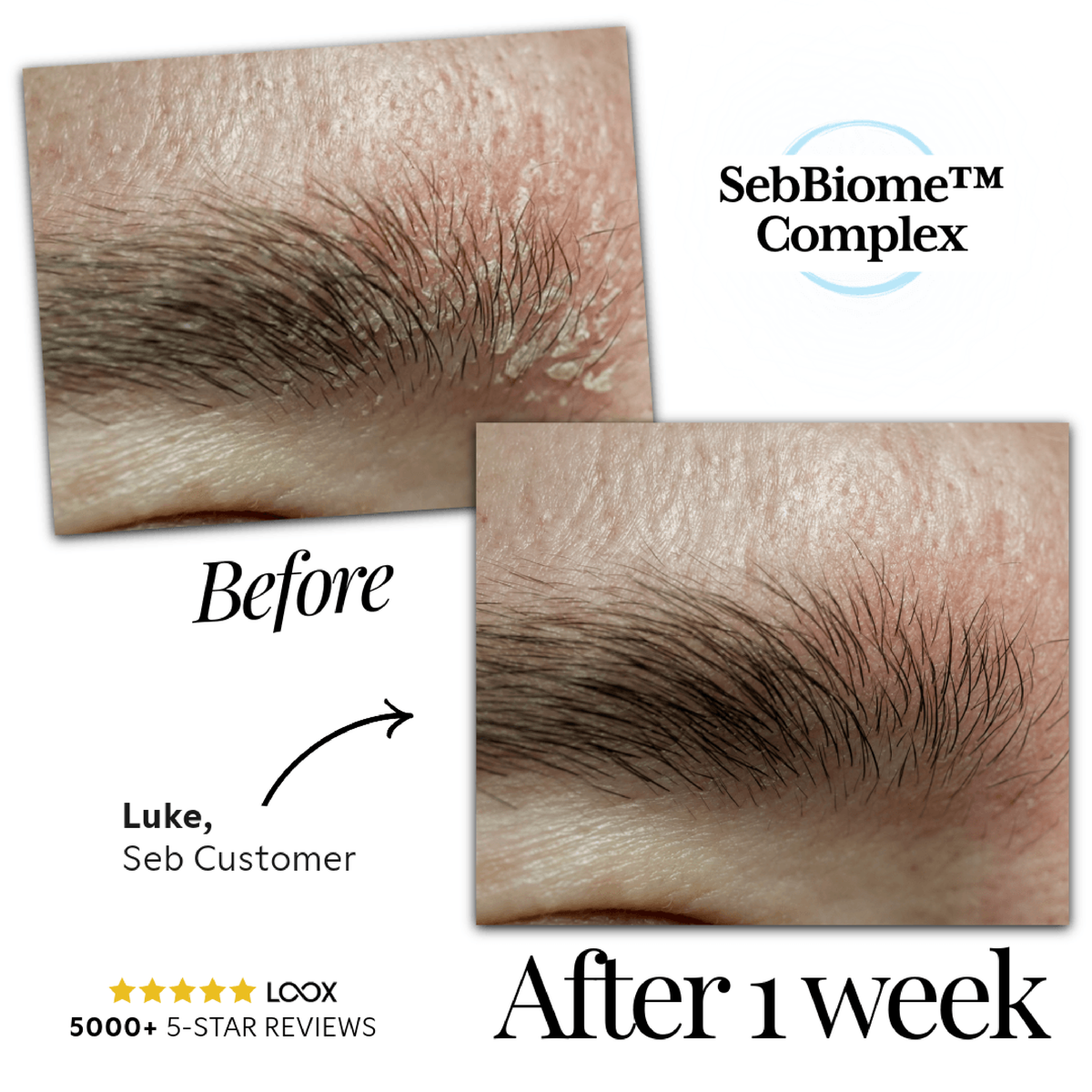
4. Ocular rosacea – affects the eyes, causing dryness, irritation, or redness.
Because symptoms vary so widely, some patients may not fit the “classic” image of rosacea and may not receive the correct diagnosis immediately.
5. Slow Disease Progression
Rosacea often develops gradually. Early symptoms may be mild and easily ignored, progressing slowly over months or years. Because it is a chronic and often slow-moving condition, patients and even some healthcare providers may not immediately identify it as a distinct medical issue.
6. Psychological and Social Factors
Many individuals hesitate to seek medical advice for skin problems due to stigma or embarrassment. Facial redness can cause self-consciousness and social anxiety, leading some people to hide symptoms with makeup or lifestyle modifications rather than consulting a dermatologist. This avoidance can inadvertently prolong the period before diagnosis.
7. Limited Training Among General Practitioners
While dermatologists are generally well-equipped to diagnose rosacea, general practitioners may not always recognize the subtle signs. This can result in patients receiving treatments for conditions they do not have, further delaying accurate identification and management.
How to Reduce Delays in Diagnosis
Raising awareness of rosacea’s early signs is key. Here are some actionable steps:
-Educate patients: Understanding triggers and symptoms can help people seek medical advice sooner.
-Consult dermatologists early: Even mild, intermittent redness deserves evaluation.
-Track flare-ups: Keeping a symptom diary can help healthcare providers identify patterns consistent with rosacea.
-Avoid self-diagnosis: Over-the-counter treatments may provide temporary relief but do not address the underlying inflammation.
Conclusion
Rosacea’s subtle early symptoms, variability in presentation, similarity to other conditions, and limited public awareness all contribute to why it often goes undiagnosed for years. Recognising these challenges is the first step toward earlier intervention, improved treatment outcomes, and better quality of life for those affected. If you or someone you know experiences persistent facial redness, bumps, or eye irritation, seeking professional dermatological advice can be life-changing. Early diagnosis allows for tailored treatment strategies that can manage symptoms effectively and prevent progression.