Why Does Seborrheic Dermatitis Keep Coming Back? Understanding the Skin’s Delicate Balance
One of the most frustrating things about seborrheic dermatitis is that it often feels like it never completely disappears.
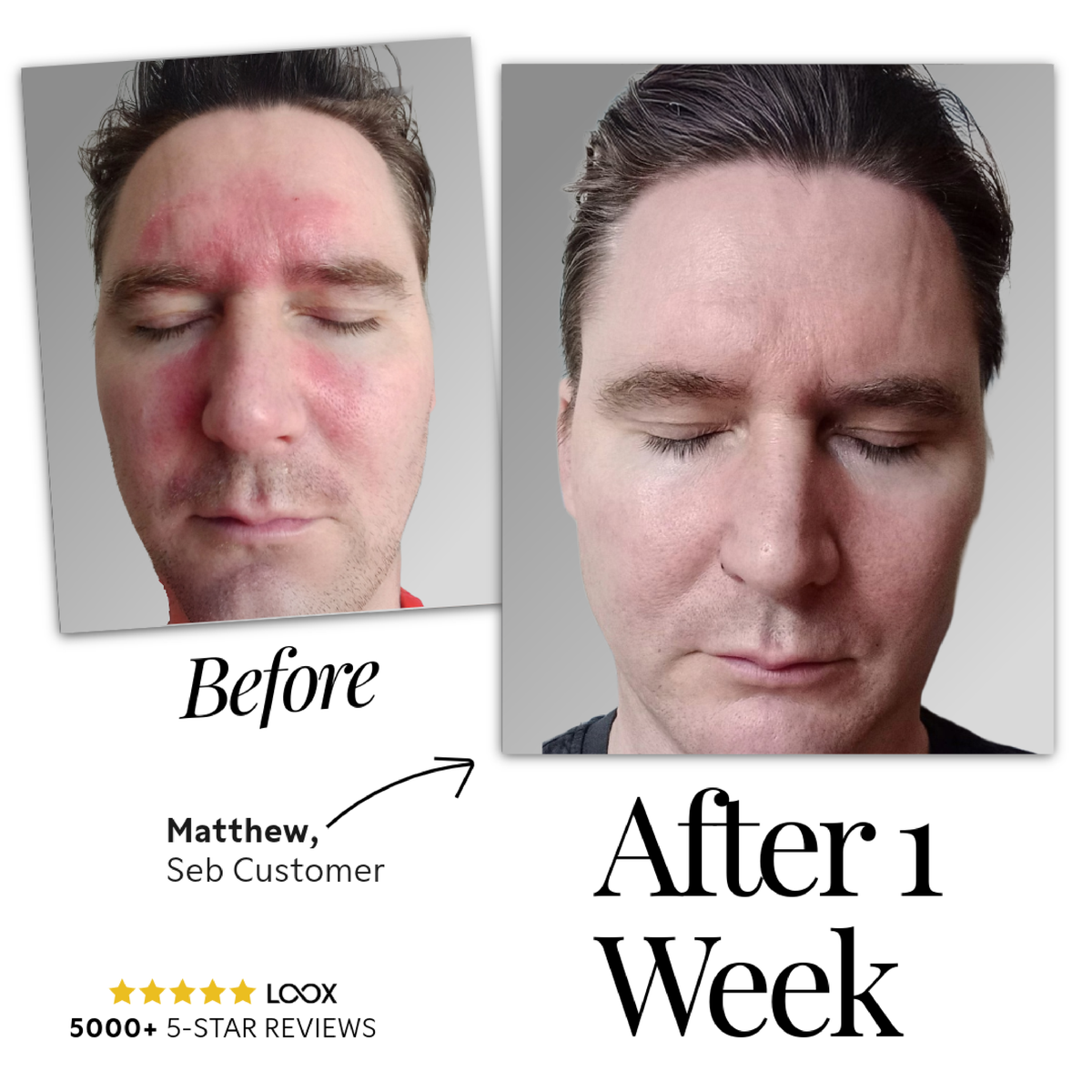
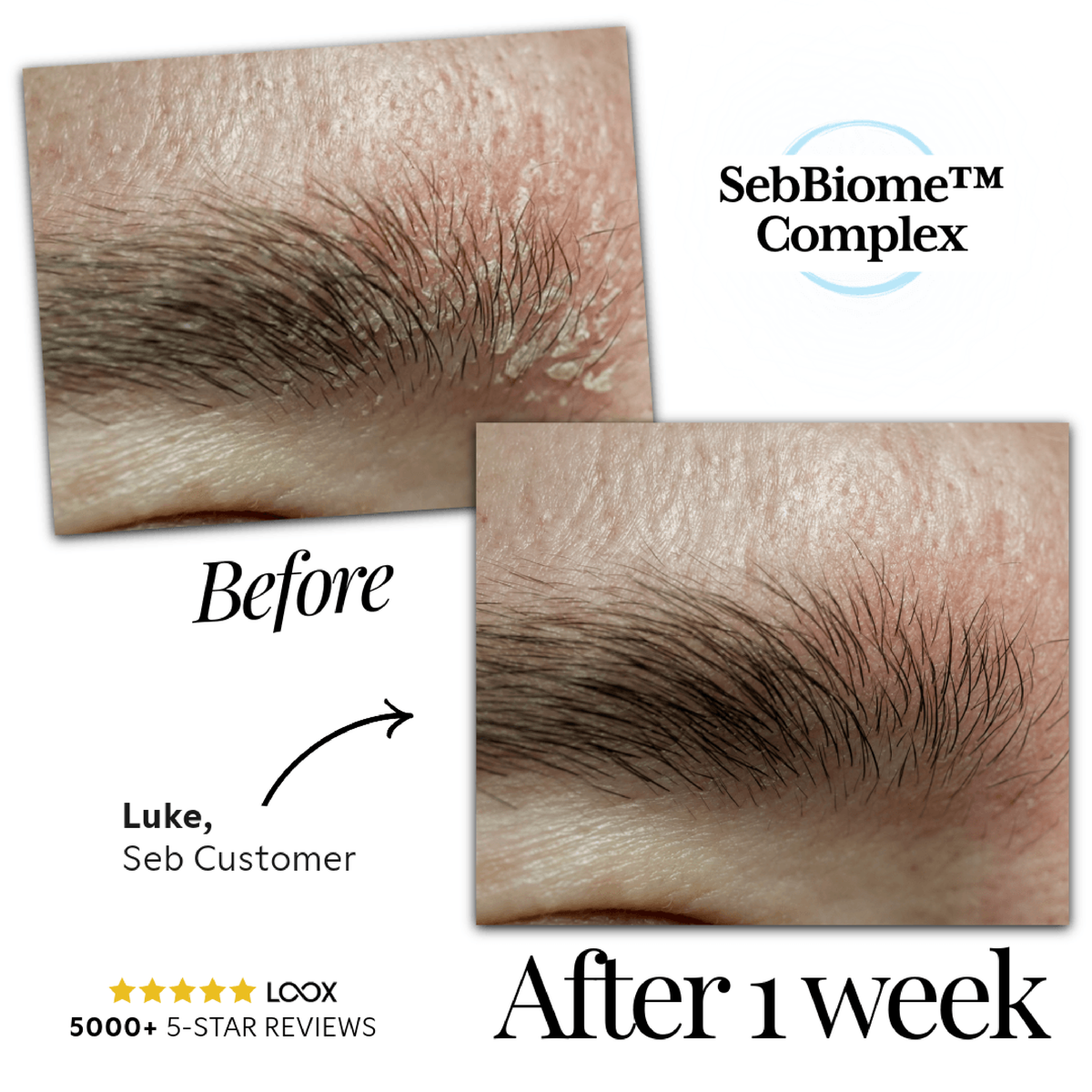
A flare may settle, the redness reduces, and the skin starts to feel more comfortable — but then the symptoms return. Flaking around the scalp, eyebrows, ears or face can reappear, leaving many people wondering why their skin keeps reacting.
The reason is that seborrheic dermatitis is not simply a problem caused by dry skin. It is linked to a complex relationship between the skin barrier, natural oils, microorganisms that live on the skin and the way the immune system responds.
Understanding this balance is the first step towards managing the condition more effectively.
Your Skin Has Its Own Ecosystem
The skin is home to millions of microorganisms, including bacteria and yeast, that naturally exist as part of the skin’s ecosystem.
One of these microorganisms is a type of yeast called Malassezia. It is normally found on healthy skin and does not cause problems for most people.
However, in those who are prone to seborrheic dermatitis, the skin can react differently. Factors such as genetics, oil production, barrier function and immune response can influence how the skin responds to this natural yeast.
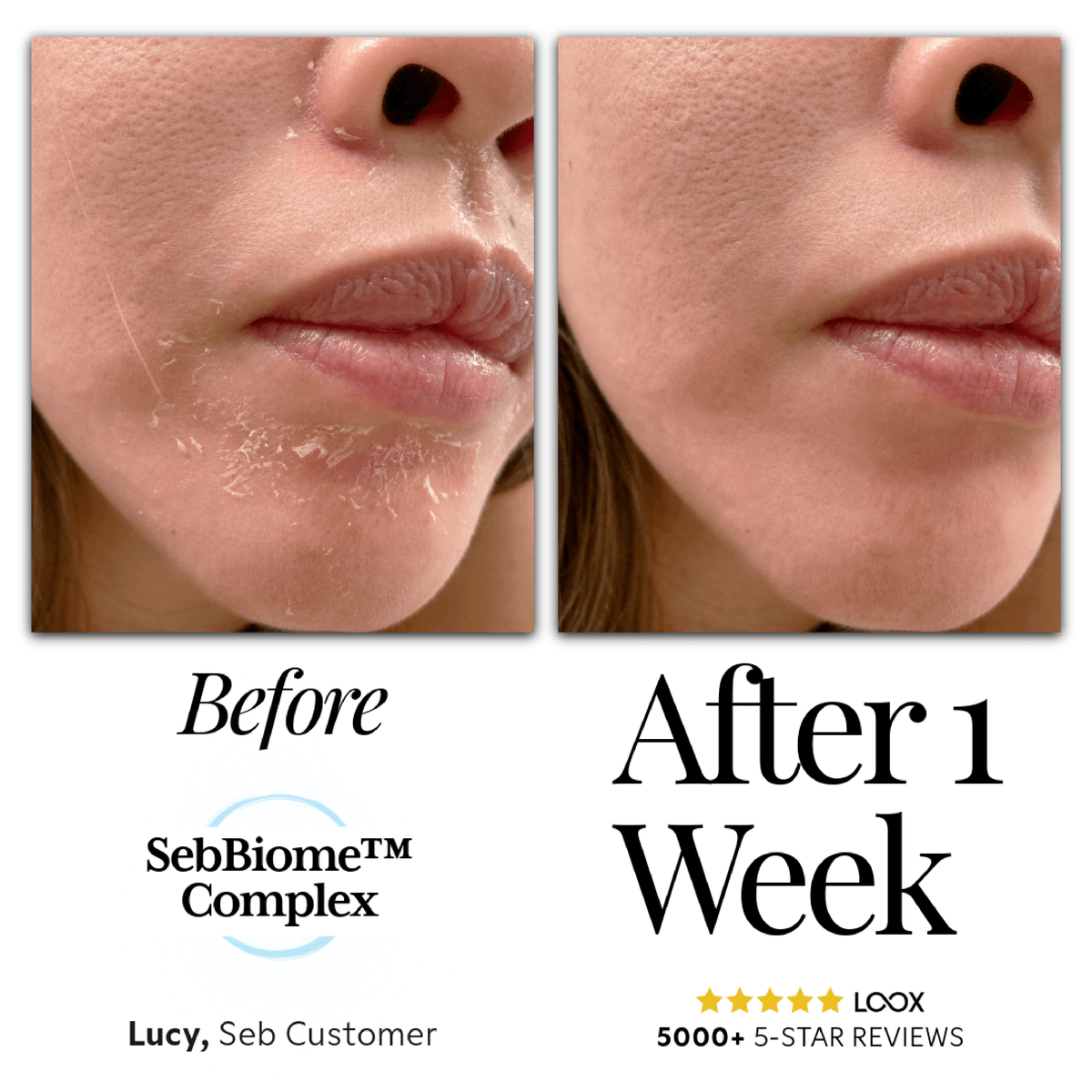
The result can be irritation, redness, itching and the formation of flaky patches.
This means seborrheic dermatitis is not caused by having an “unclean” scalp or skin. In fact, excessive washing or using harsh products can sometimes make the skin feel more irritated by disrupting its natural balance.
Why Seborrheic Dermatitis Appears in Certain Areas
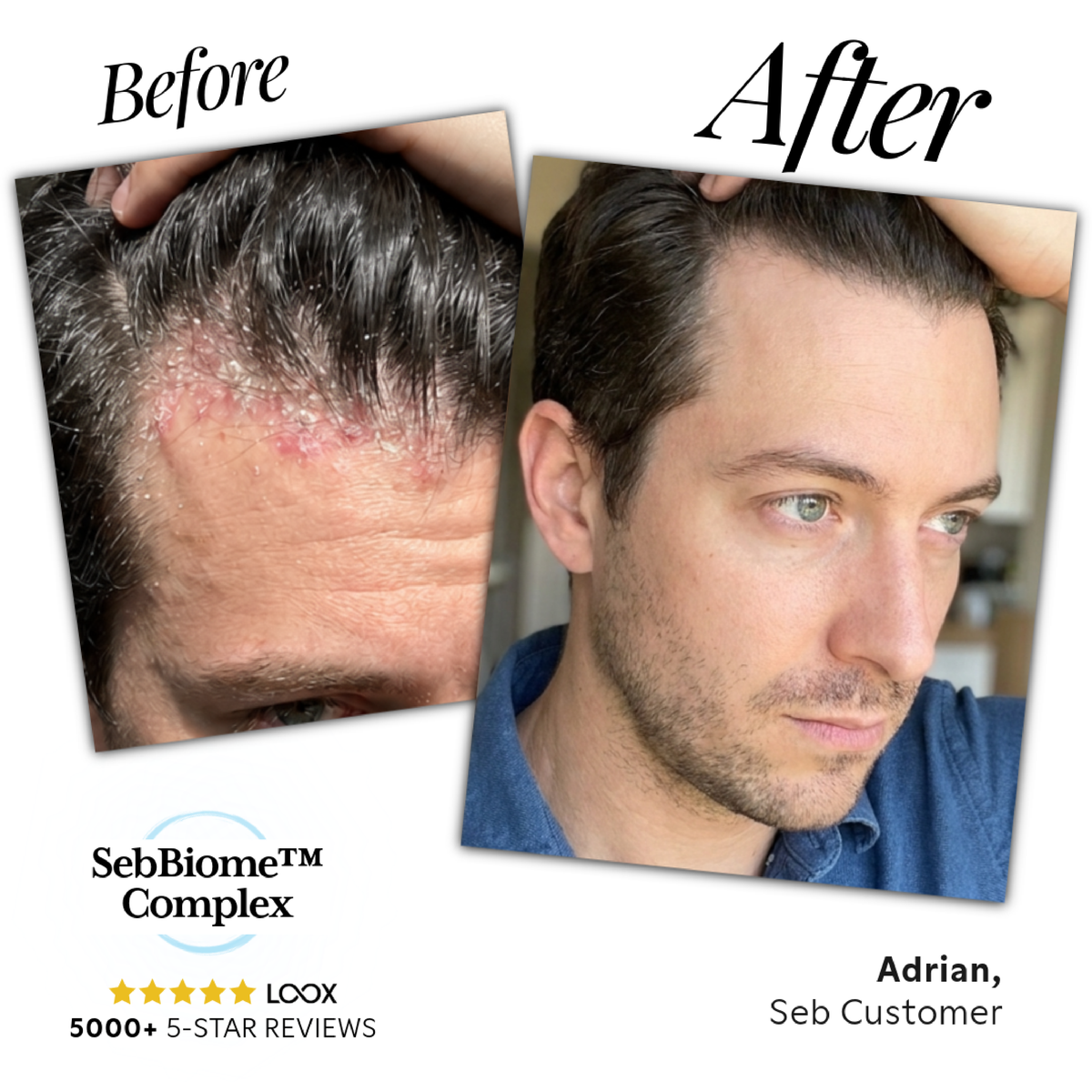
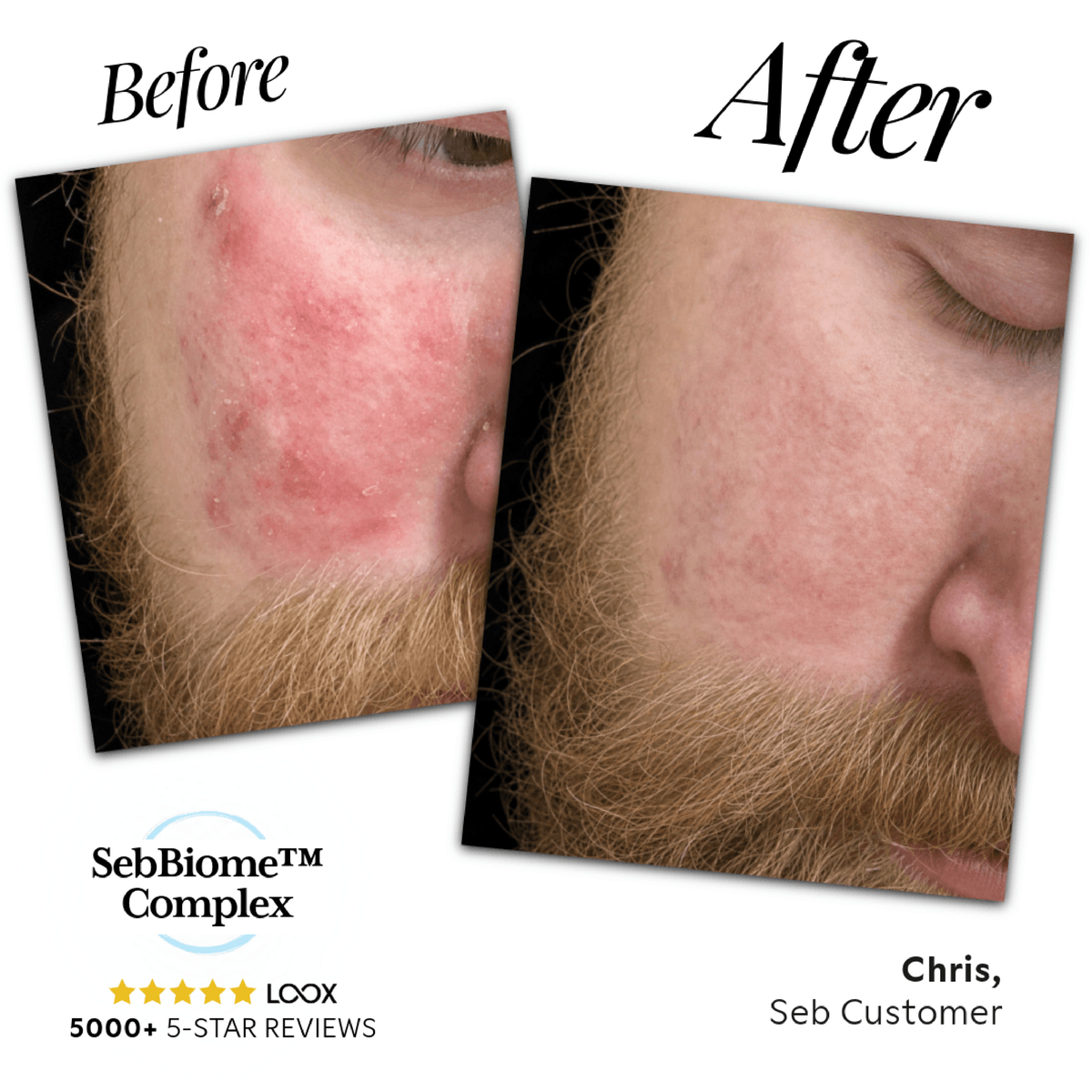
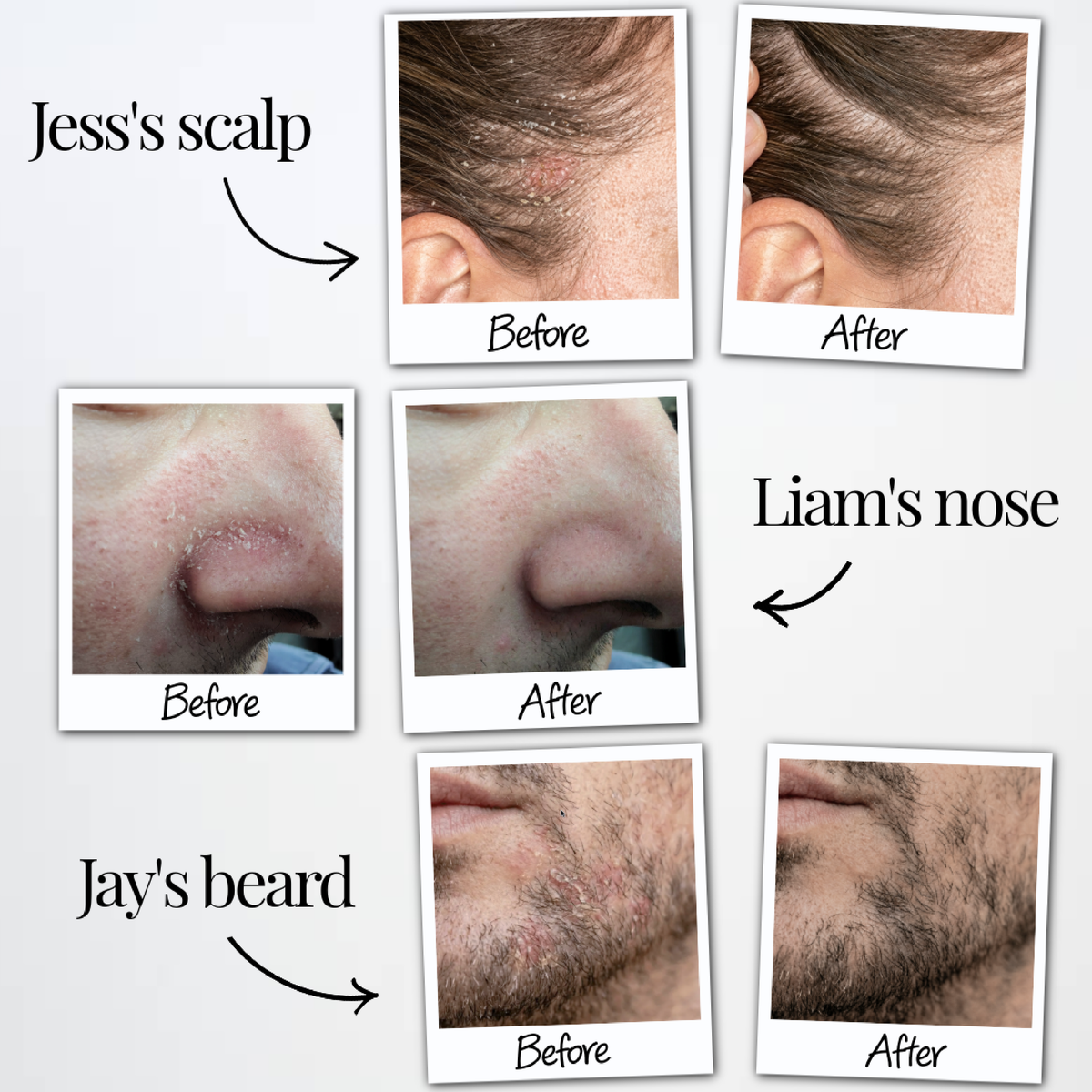
Many people notice that seborrheic dermatitis affects areas such as the scalp, eyebrows, sides of the nose, beard area, ears and upper chest.
These locations are not random.
They are areas where sebaceous glands produce more natural oils. These oils help protect and moisturise the skin, but they can also influence the environment where Malassezia naturally lives.
For someone prone to seborrheic dermatitis, this combination of oil, skin sensitivity and immune response can create the ideal conditions for irritation.
This is why the condition often appears in areas that are richer in oil rather than simply areas that are the driest.
Why Over-Cleansing May Not Be the Answer
When people notice flakes or oiliness, the instinct is often to wash more frequently or use stronger products.
However, aggressive cleansing can sometimes remove too much of the skin’s natural protective layer.
The skin barrier plays an important role in keeping moisture balanced and protecting against irritation. When this barrier is disrupted, the skin may become more reactive and uncomfortable.
The goal is not to remove every trace of oil from the skin. Natural oils are an important part of healthy skin function.
Instead, the aim is to support a balanced environment where the skin feels comfortable and protected.
The Role of Weather, Stress and Lifestyle
Seborrheic dermatitis can change depending on what is happening around you and within your body.
Many people notice flare-ups during colder months when the air is drier and indoor heating can affect the skin. Others experience worsening symptoms during periods of stress, illness or changes in routine.
Stress does not cause seborrheic dermatitis, but it may influence the way the body responds to inflammation and can affect the skin’s overall balance.
Sleep patterns, skincare habits and environmental factors can all play a role in how the skin behaves.
This is why managing seborrheic dermatitis often requires looking at the bigger picture rather than focusing on one single trigger.
The Importance of Consistent Skin Support
Because seborrheic dermatitis can return, many people benefit from thinking about long-term skin maintenance rather than only reacting during flare-ups.
A consistent routine that supports the skin barrier can help maintain comfort between periods of irritation.
Gentle products designed for sensitive or easily irritated skin can help avoid unnecessary disruption while providing hydration and support.
The best routine is often one that is simple, comfortable and realistic enough to maintain regularly.
Caring for Seborrheic Dermatitis-Prone Skin
Everyone’s skin responds differently, and finding the right approach may require patience. What works during a flare may not always be the same as what works for daily maintenance.
The aim is to support the skin’s natural balance, avoid unnecessary irritation and understand that seborrheic dermatitis is a condition that often requires ongoing care.
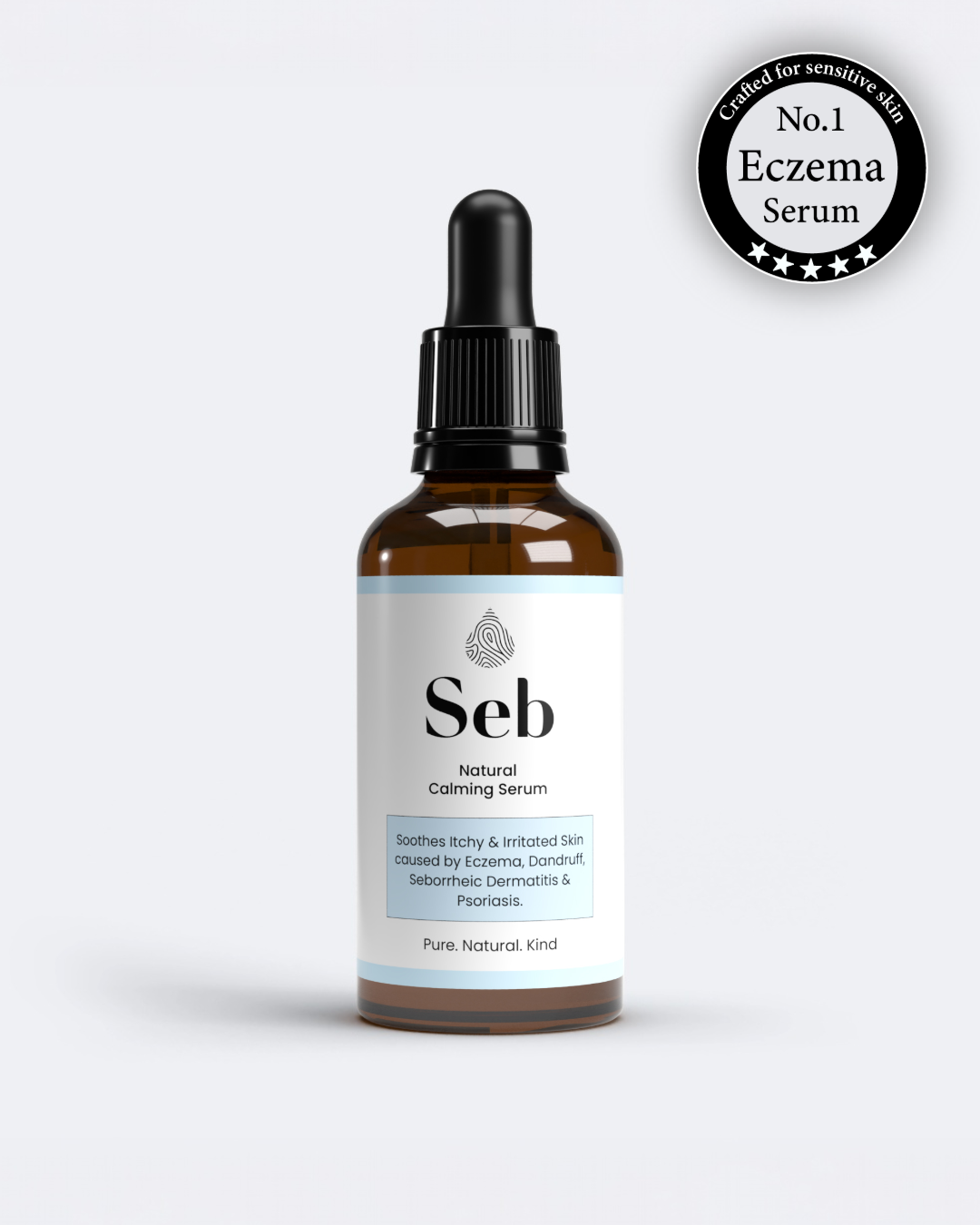
At Seb Skincare, our approach focuses on supporting sensitive and compromised skin with carefully considered formulations designed to fit into everyday skincare routines.
Seborrheic dermatitis can be frustrating, especially when symptoms return after periods of improvement. However, understanding why the condition behaves the way it does can make it easier to care for your skin with confidence.
Rather than constantly fighting against your skin, the goal is to work with it, supporting its natural barrier, respecting its balance and giving it the care it needs over time.