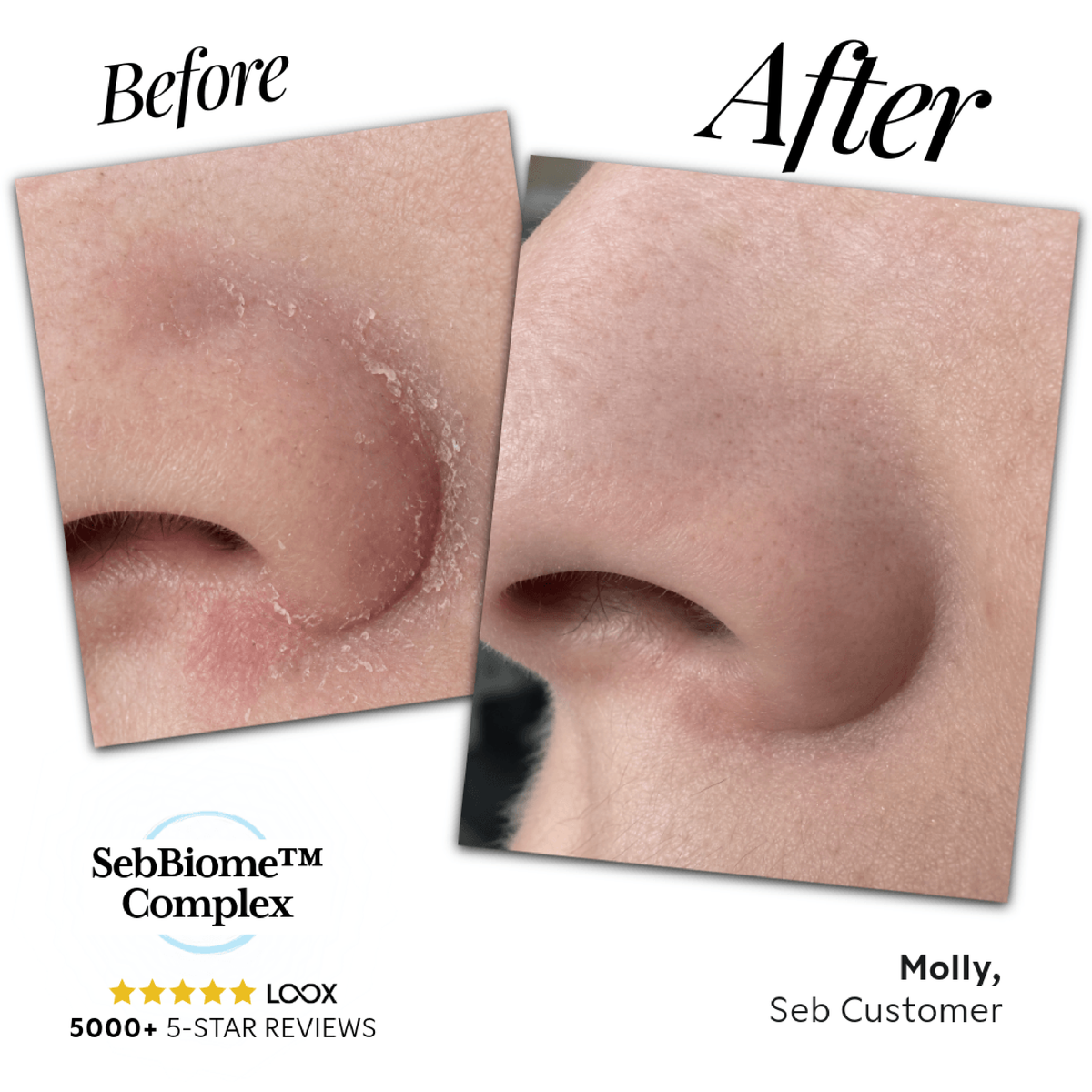
Why Does Eczema Keep Coming Back? Understanding the Skin Barrier and Flare-Up Cycle
If you live with eczema, you may know the frustration of seeing your skin improve, only for symptoms to return weeks or even days later. The redness settles, the itching calms down, and your skin feels more comfortable, then suddenly another flare appears.
Many people assume this means they have done something wrong or that their skincare routine is not working. However, eczema is often more complicated than simply treating dry or irritated skin. The key to understanding why eczema returns lies in the skin barrier.
Your Skin Can Look Better Before It Is Fully Recovered
The outer layer of your skin acts as a protective barrier. Its job is to keep moisture locked in and prevent irritants, allergens and environmental factors from easily entering.
In eczema-prone skin, this barrier can be weaker. The skin may lose moisture more quickly, become more sensitive and react more easily to things that would not normally cause a problem.
One of the biggest misconceptions about eczema is that when redness and itching disappear, the skin is completely healed. In reality, the visible signs of a flare can improve before the skin barrier has fully recovered.
This means your skin may still need extra support even when it appears healthy.
Why Small Things Can Trigger Big Reactions
Many people with eczema spend years trying to identify their triggers. They may blame a new product, a certain fabric, the weather or stress — and sometimes these factors do play a role.
However, eczema flare-ups are often not caused by one single thing.
Instead, they can happen when several small stresses combine. Cold weather, indoor heating, frequent washing, sweating, friction from clothing or a stressful period may all place extra pressure on already sensitive skin.
When the skin barrier is weakened, it becomes less effective at protecting itself. This can lead to increased dryness, irritation and inflammation.
This is why something that does not bother someone else’s skin may cause discomfort for someone with eczema.
The Importance of Looking After Your Skin Between Flare-Ups
Many people focus on eczema care only when symptoms become noticeable. While treating flare-ups is important, maintaining the skin during calmer periods can be just as valuable.
A consistent skincare routine helps support the skin barrier and creates better conditions for the skin to remain balanced.
This does not mean using lots of different products or constantly changing your routine. In fact, sensitive skin often benefits from simplicity.
Gentle, nourishing products designed for dry or compromised skin can help support moisture levels and reduce the feeling of tightness and discomfort that many eczema sufferers experience.
Eczema Is More Than Just Dry Skin
Although dryness is one of the most common symptoms of eczema, the condition involves much more than a lack of moisture.
Eczema is linked to the way the skin barrier functions and how the immune system responds to irritation. This is why simply applying any moisturiser may not always be enough.
The goal is not only to add moisture but to help create an environment where the skin can better protect itself.
Understanding this can change the way people approach eczema. Instead of constantly reacting to flare-ups, a long-term approach focuses on supporting the skin every day.
Finding a Routine That Works for Your Skin
Everyone’s eczema experience is different. What works for one person may not work for another, which is why listening to your own skin is important.
A good skincare routine should feel sustainable. It should fit into your daily life and support your skin even when symptoms are not at their worst.
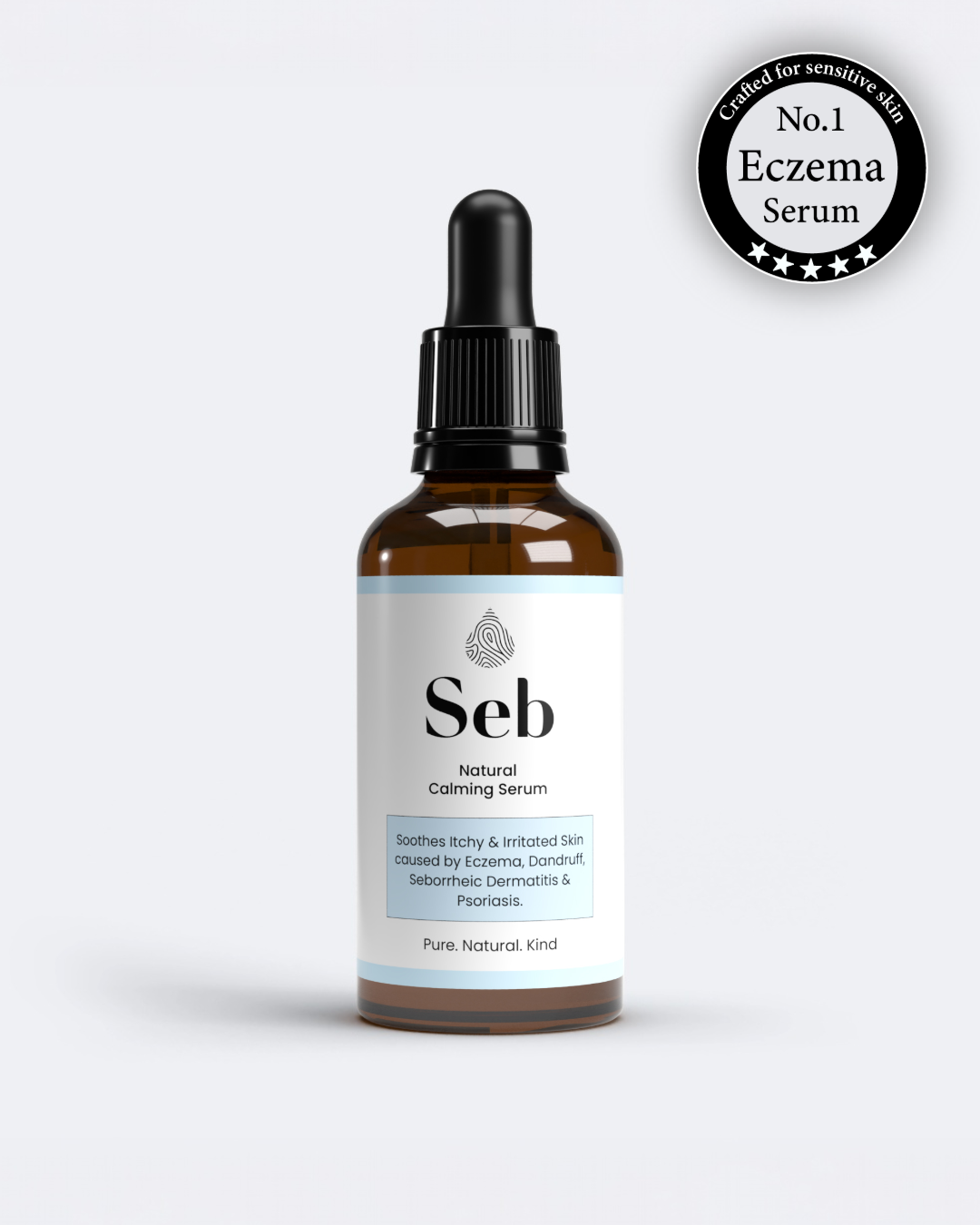
At Seb Skincare, our focus is on creating skincare solutions that help support sensitive and compromised skin, making them suitable for those looking to care for their skin barrier as part of their everyday routine.
Living with eczema can be challenging, but understanding how your skin works is one of the first steps towards managing it with greater confidence.