What Triggers Seborrheic Dermatitis? Understanding Flare-Ups, Deficiencies, and Rising Cases
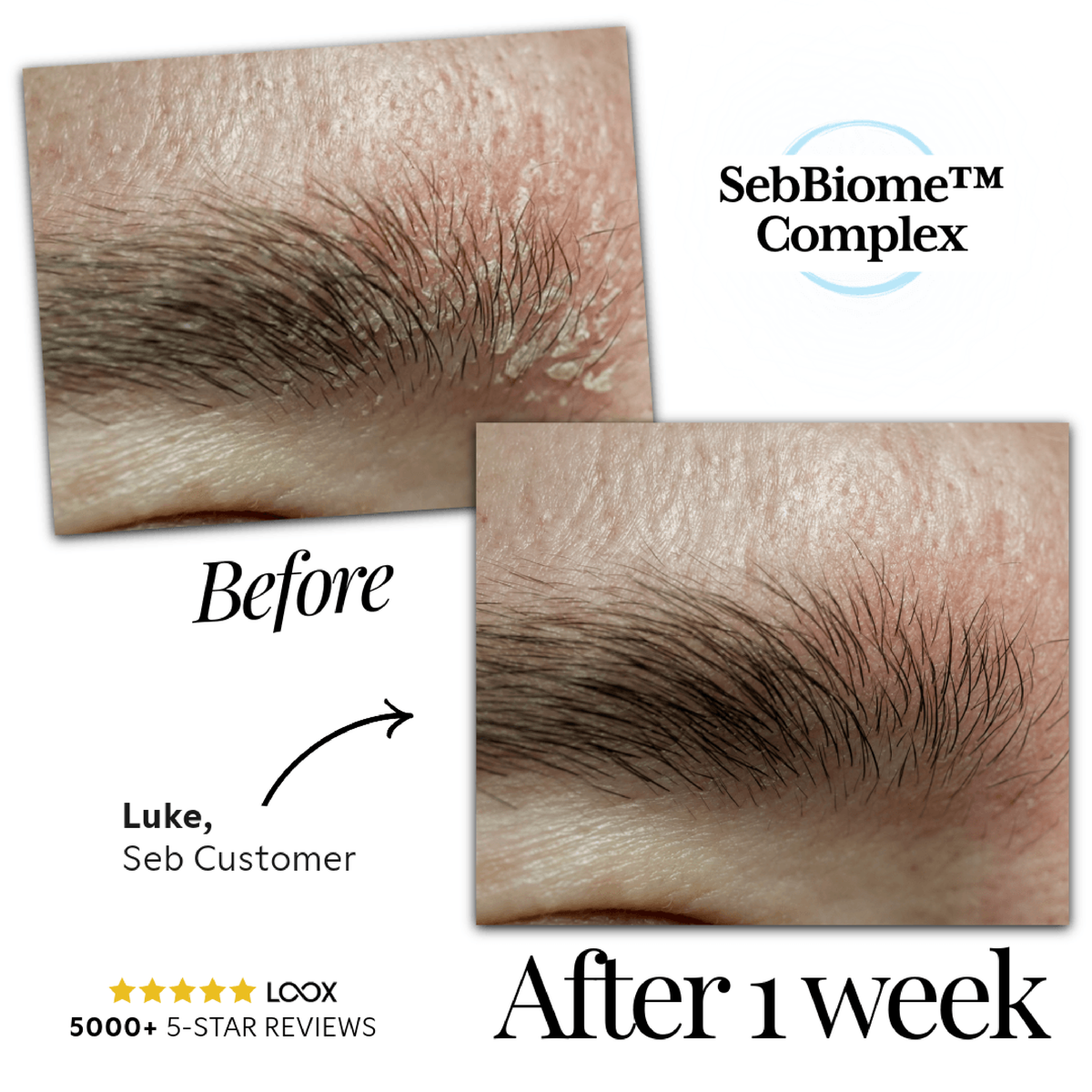
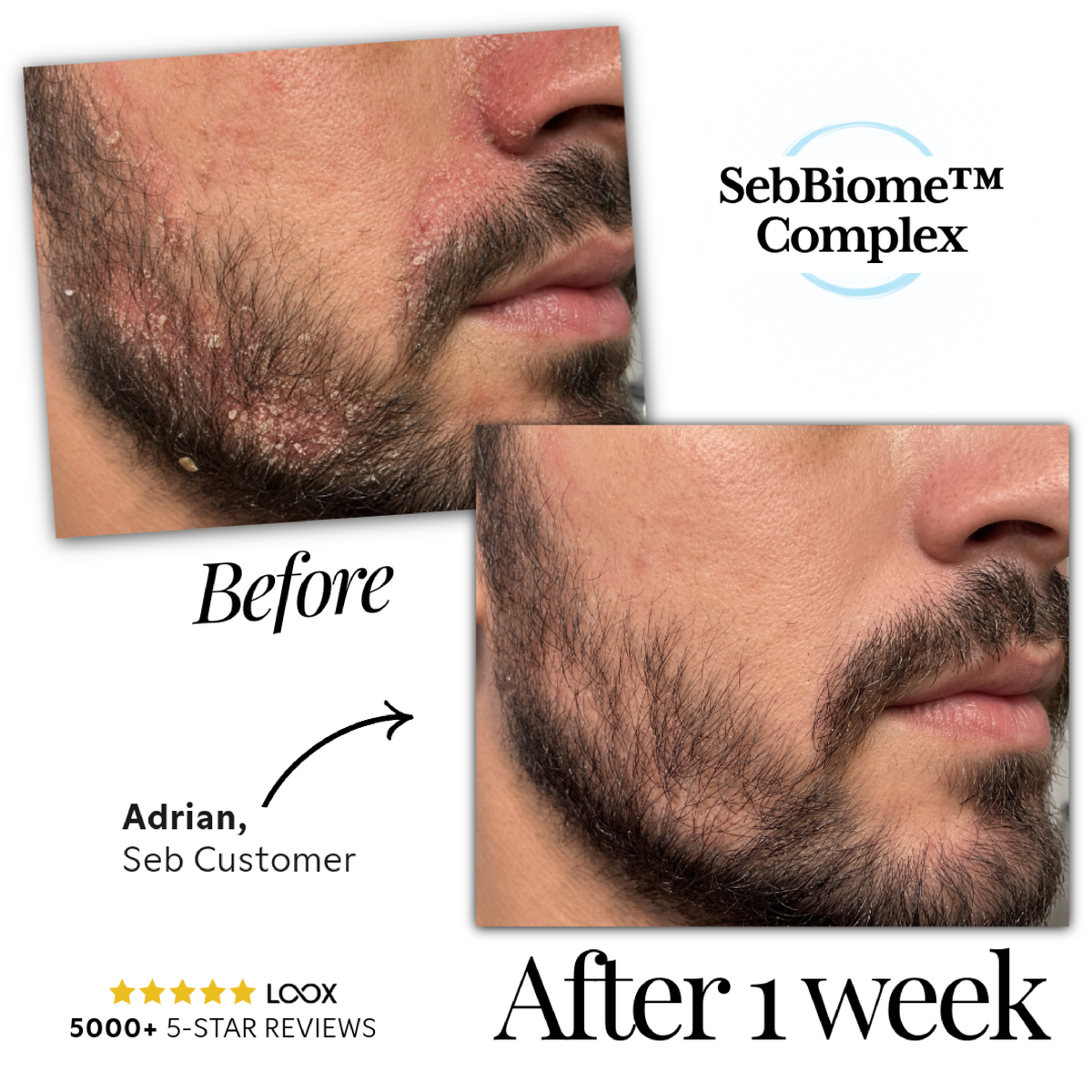
Seborrheic dermatitis (SD) is a chronic skin condition that affects millions of people worldwide. It commonly presents as red, scaly, and itchy patches, especially on the scalp, face, and other oil-rich areas of the body. While it is not life-threatening, SD can be uncomfortable and sometimes embarrassing. Understanding what triggers seborrheic dermatitis is key to managing it effectively and reducing flare-ups. In this post, we’ll explore the triggers, nutritional links, and reasons why more people are experiencing SD today.
What Triggers Seborrheic Dermatitis Flare-Ups?
Seborrheic dermatitis flare-ups can be triggered by several internal and external factors. The main triggers include:
-Malassezia Yeast Overgrowth:
SD is closely linked to Malassezia, a fungus naturally present on the skin. When it grows excessively, it irritates the skin and triggers inflammation.
-Excess Sebum (Skin Oil) Production:
Oily skin provides an ideal environment for Malassezia to thrive, leading to flares.
-Stress and Hormonal Changes:
Emotional stress or hormonal fluctuations can weaken the skin barrier and immune response, increasing the likelihood of flare-ups.
-Weather Conditions:
Cold, dry air or sudden changes in climate can exacerbate dryness and scaling, while hot and humid conditions can increase oil production.
-Skin Irritants:
Harsh soaps, chemical-laden skincare products, or excessive washing can strip natural oils and trigger inflammation.
-Medical Conditions:
Neurological disorders like Parkinson’s disease or immune deficiencies can make individuals more prone to SD.
Tip: Identifying your personal triggers through careful observation can help you minimise flare-ups and keep SD under control.
What Vitamin Deficiency Causes Seborrheic Dermatitis?
Nutrition plays a surprisingly important role in skin health. Certain vitamin deficiencies have been associated with seborrheic dermatitis, including:
-Vitamin B Complex Deficiency:
Deficiencies in vitamins like B2 (riboflavin), B6 (pyridoxine), and B7 (biotin) have been linked to SD. These vitamins help maintain healthy skin, reduce inflammation, and support normal sebum production.
-Vitamin D Deficiency:
Low levels of vitamin D can weaken the immune system and impair skin barrier function, potentially triggering flare-ups.
-Zinc Deficiency:
Zinc supports immune function and skin repair; low zinc levels may increase susceptibility to SD.
Ensuring adequate intake of these vitamins through a balanced diet or supplements can help support skin health and reduce the severity of SD.
Why Are So Many People Getting Seborrheic Dermatitis?
The prevalence of seborrheic dermatitis appears to be rising. Some contributing factors include:
-Modern Lifestyle and Stress:
Higher stress levels and fast-paced lifestyles can impact immune function, increasing the frequency of flare-ups.
-Increased Awareness and Diagnosis:
With better dermatological knowledge and access to skincare products, more cases are being identified than in the past.
-Environmental Factors:
Pollution, harsh weather, and exposure to chemical irritants can aggravate skin conditions like SD.
-Changes in Diet:
Diets high in sugar and processed foods can influence inflammation and sebum production, indirectly triggering seborrheic dermatitis.
-Genetic Predisposition:
Some people are more prone to SD due to inherited traits that affect skin oil production and immune responses.
Managing Seborrheic Dermatitis
While SD cannot be permanently cured, flare-ups can be managed with a combination of topical anti-fungals, gentle skincare, and lifestyle adjustments.
Tips for management:
-Use anti-fungal shampoos containing ketoconazole, zinc pyrithione, or selenium sulfide.
-Keep skin clean but avoid over-washing.
-Reduce stress through mindfulness, exercise, or adequate sleep.
-Maintain a balanced diet rich in vitamins B, D, and zinc.
-Identify and avoid personal triggers such as harsh skincare products or extreme weather conditions.
The Takeaway:
Seborrheic dermatitis is a multifactorial condition influenced by fungal overgrowth, sebum, stress, environmental factors, and nutritional deficiencies. Understanding what triggers flare-ups, recognising vitamin deficiencies that may contribute to the condition, and being aware of why more people are experiencing SD today can help individuals take proactive steps toward management. While it is a chronic condition, with proper care and attention, seborrheic dermatitis can be controlled effectively, allowing for healthier, more comfortable skin.