Understanding Seborrheic Dermatitis — What It Is, Why It Happens, and Who Gets It
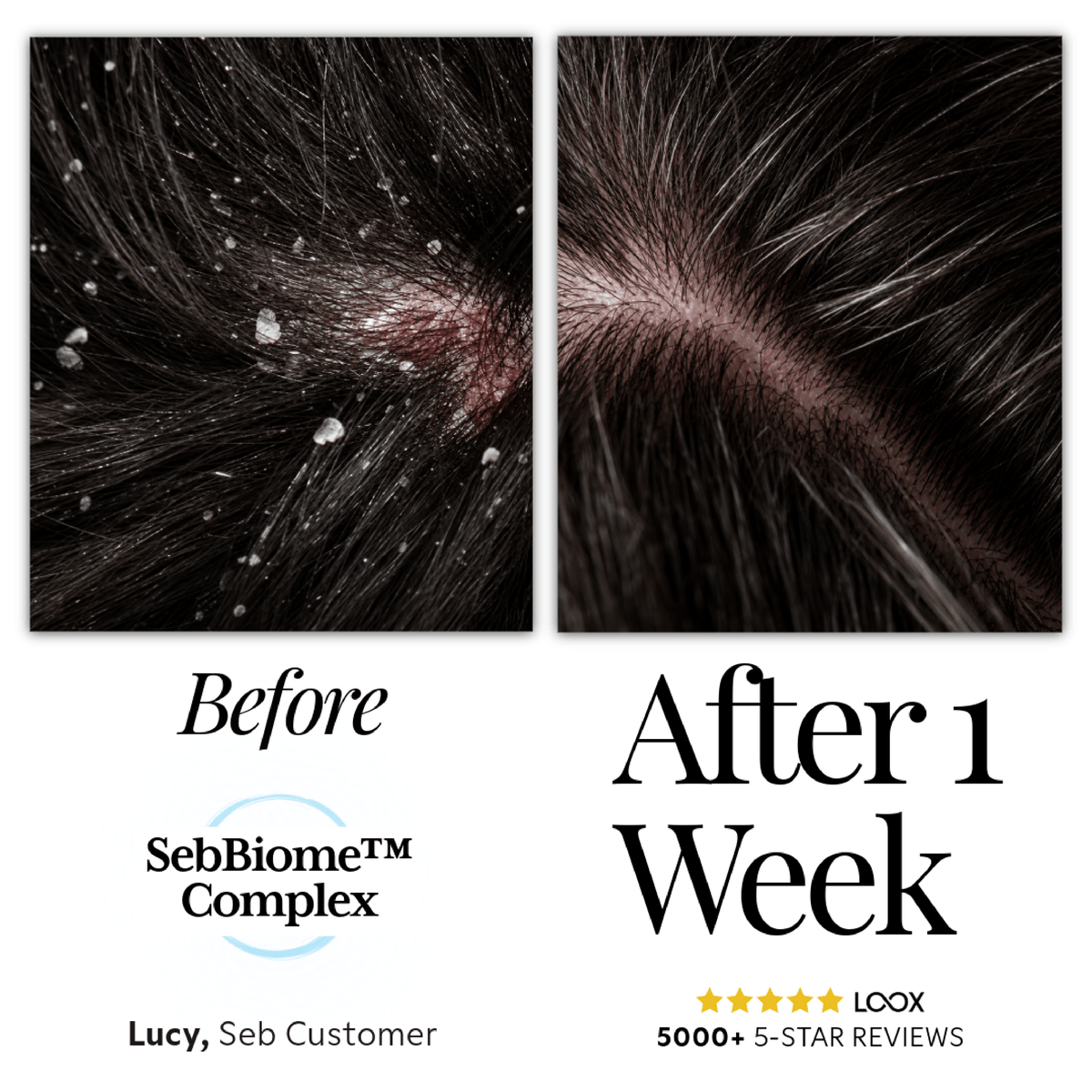
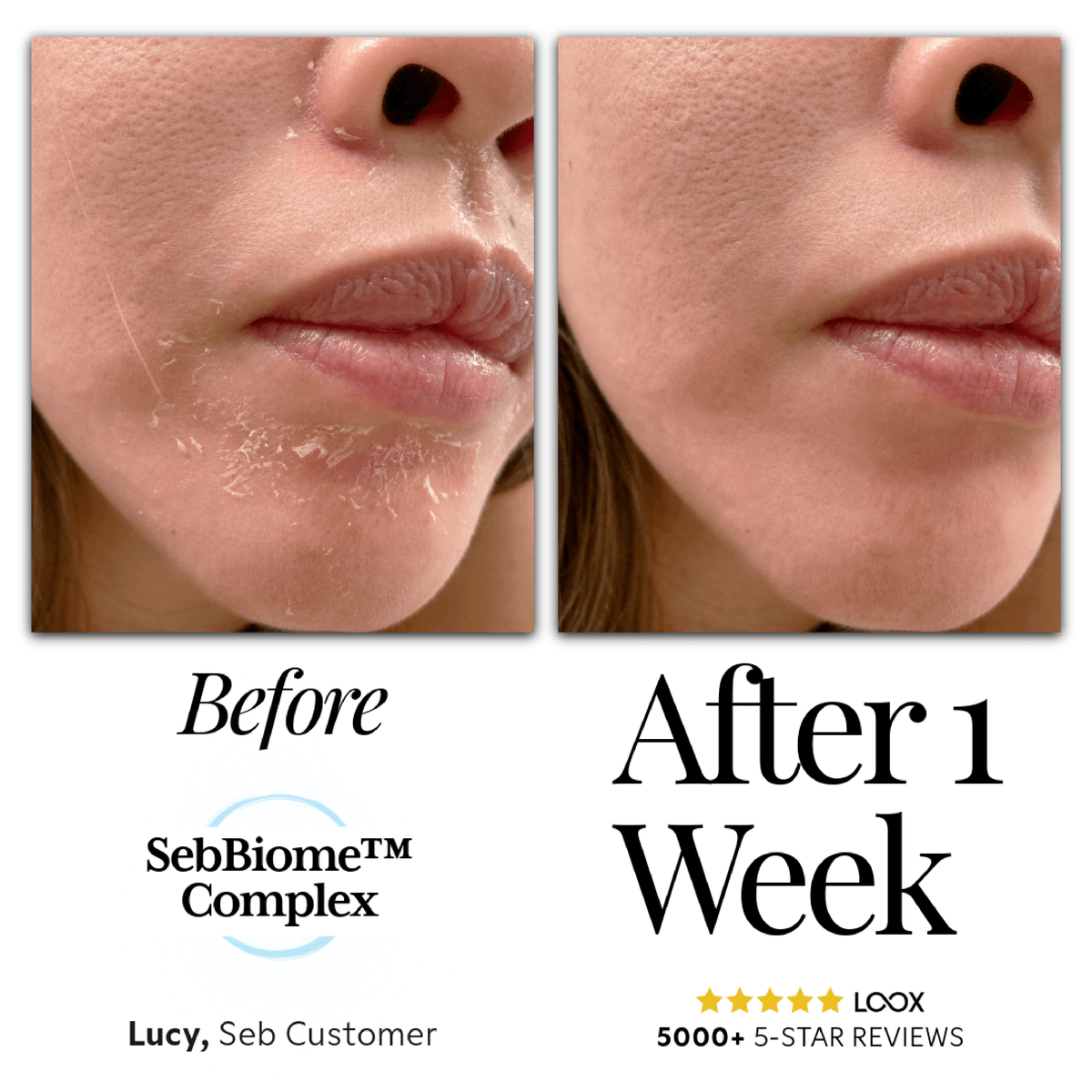
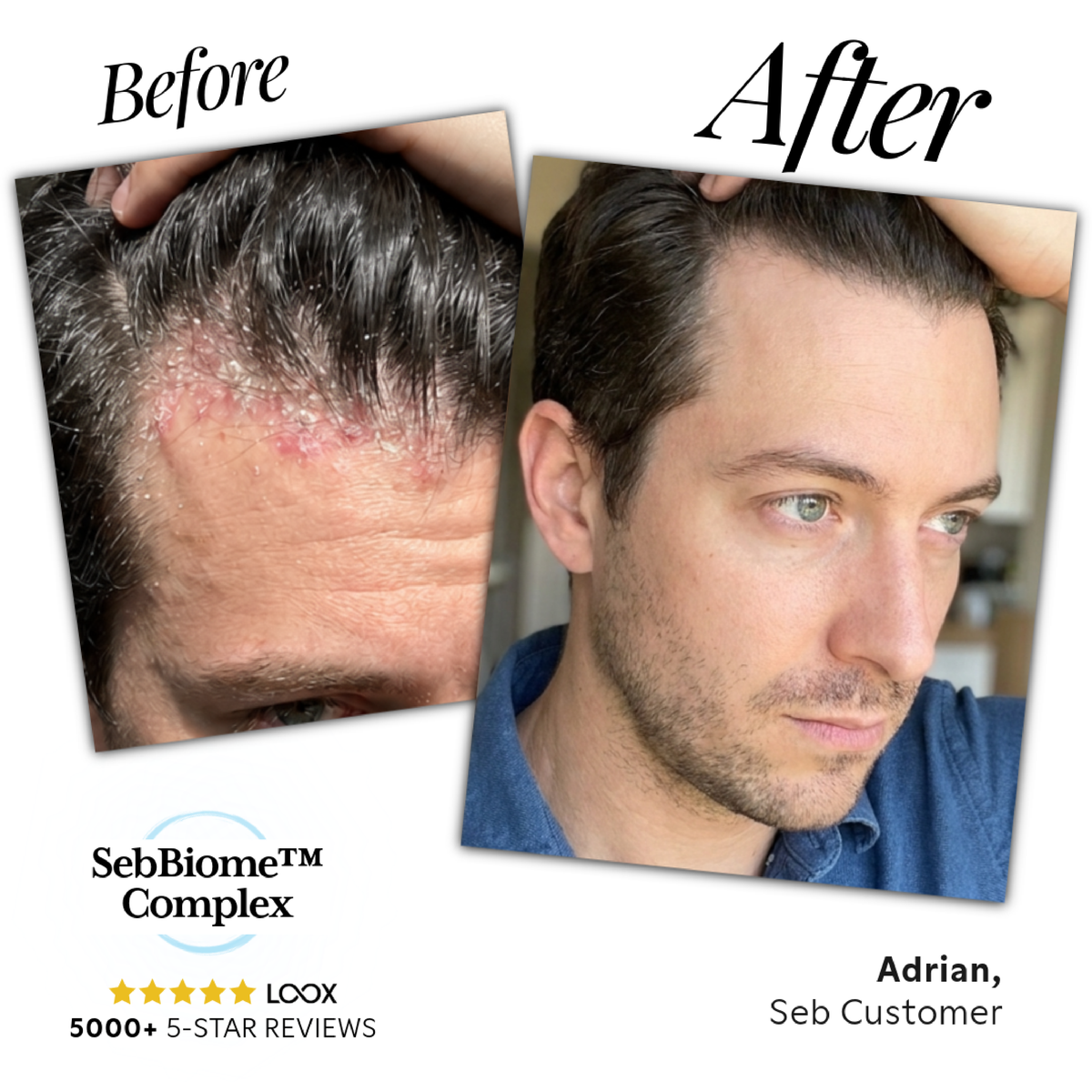
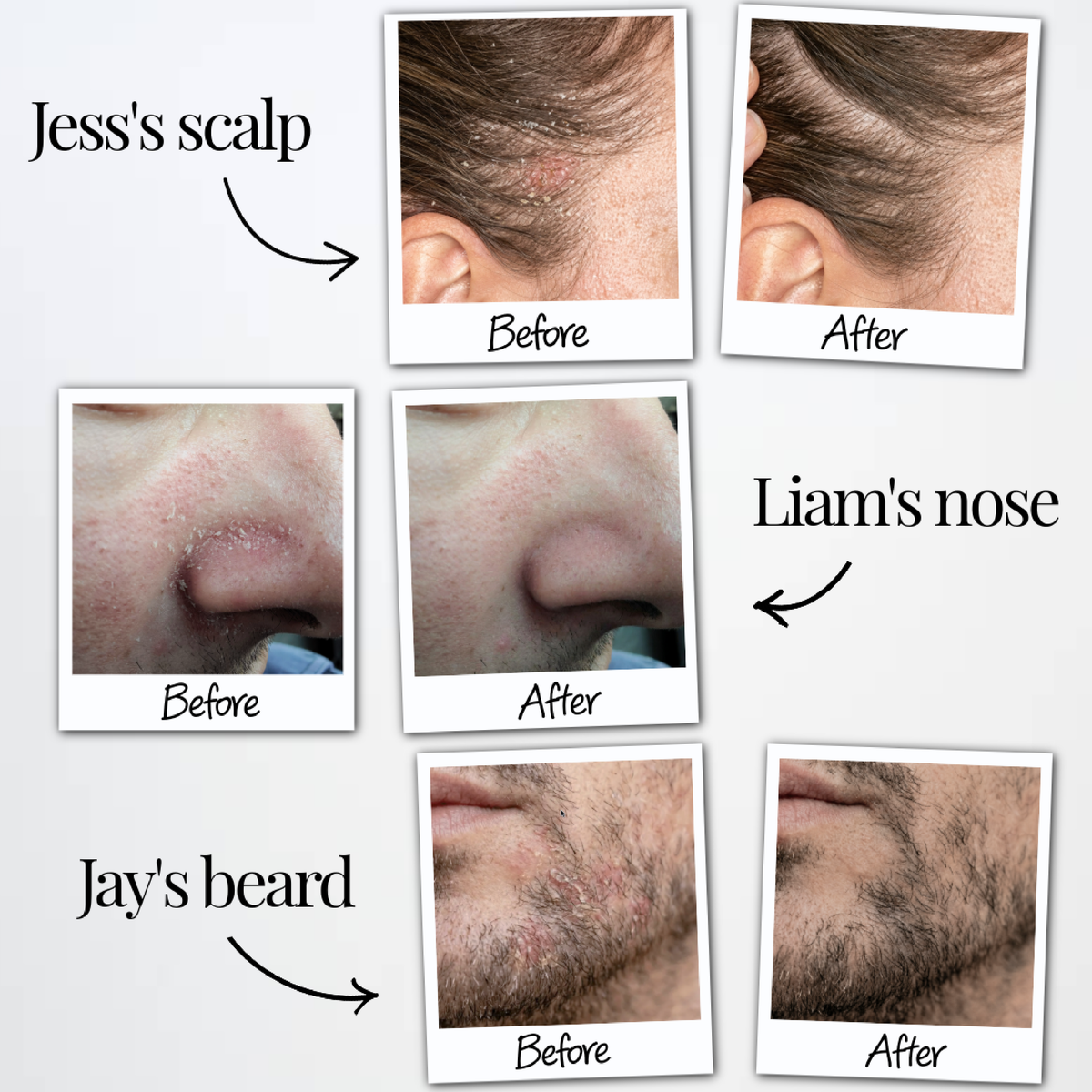
Seborrheic dermatitis is one of the most common yet misunderstood skin conditions. It often appears as persistent redness, flaking, and irritation on areas of the body where oil production is higher — such as the scalp, sides of the nose, eyebrows, ears, and chest.
Although it can look like simple “dry skin” or dandruff, seborrheic dermatitis is more complex. It is a chronic inflammatory skin condition that tends to come and go, often flaring during certain triggers such as stress, weather changes, or hormonal shifts.
What exactly is happening in the skin?
Seborrheic dermatitis is believed to involve a combination of three factors:
- Overproduction of skin oil (sebum)
- A naturally occurring yeast called Malassezia
- An inflammatory response from the immune system
Malassezia lives on everyone’s skin, but in some individuals, it can overgrow and interact with skin oils in a way that triggers irritation. This leads to redness, flaking, and sometimes itching.
Common areas affected
- Scalp (dandruff is a mild form of seborrheic dermatitis)
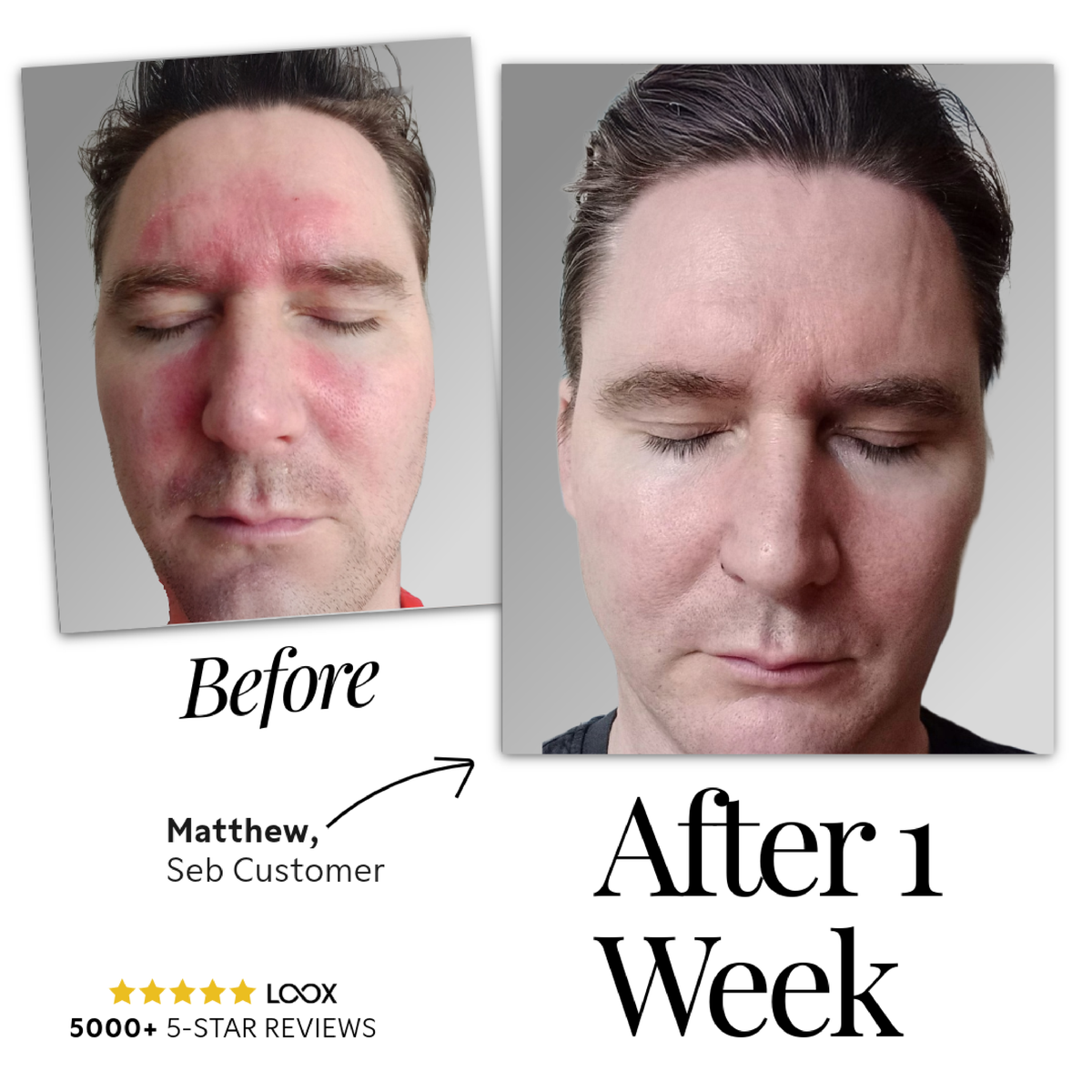
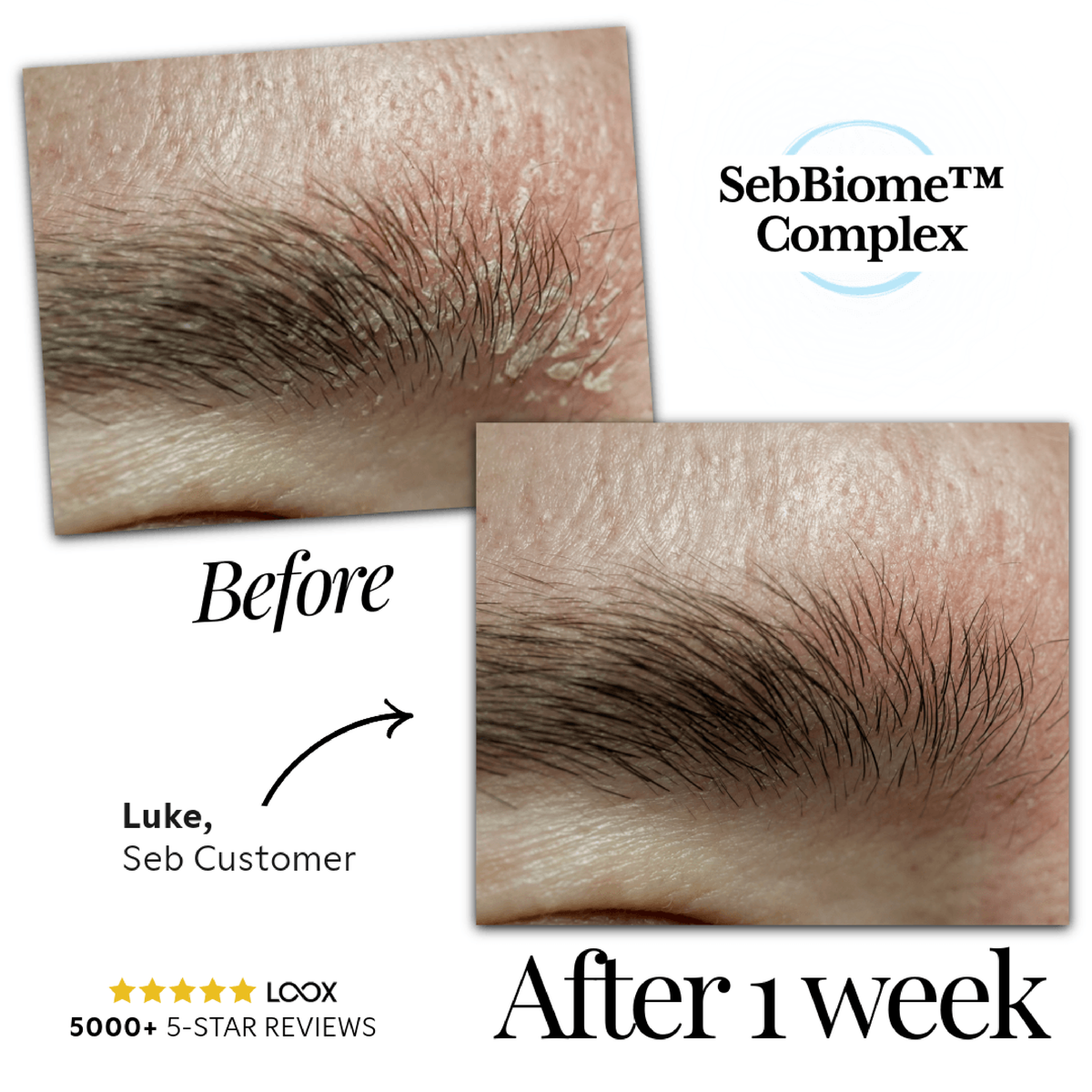
- Eyebrows and forehead
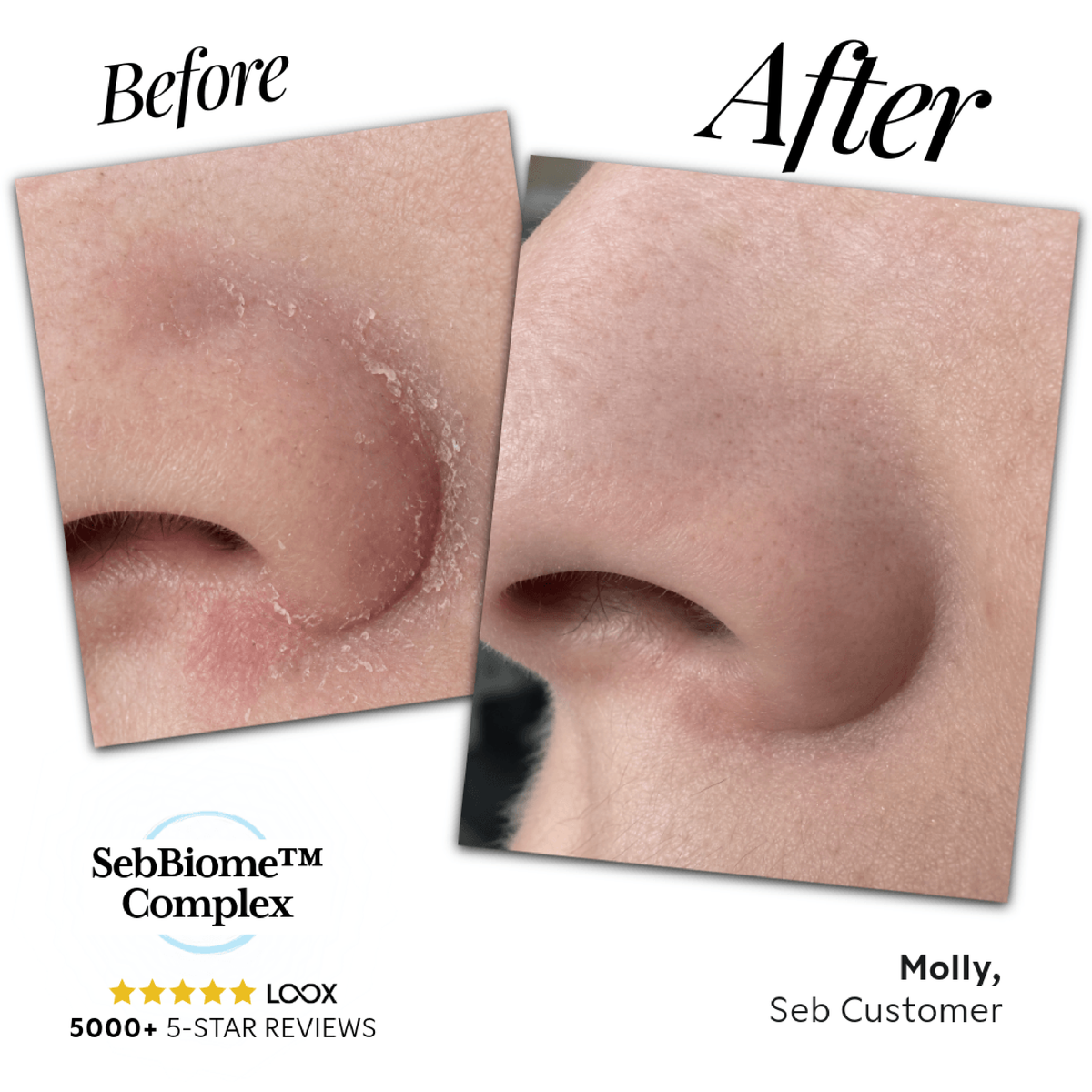
- Sides of the nose
- Behind the ears
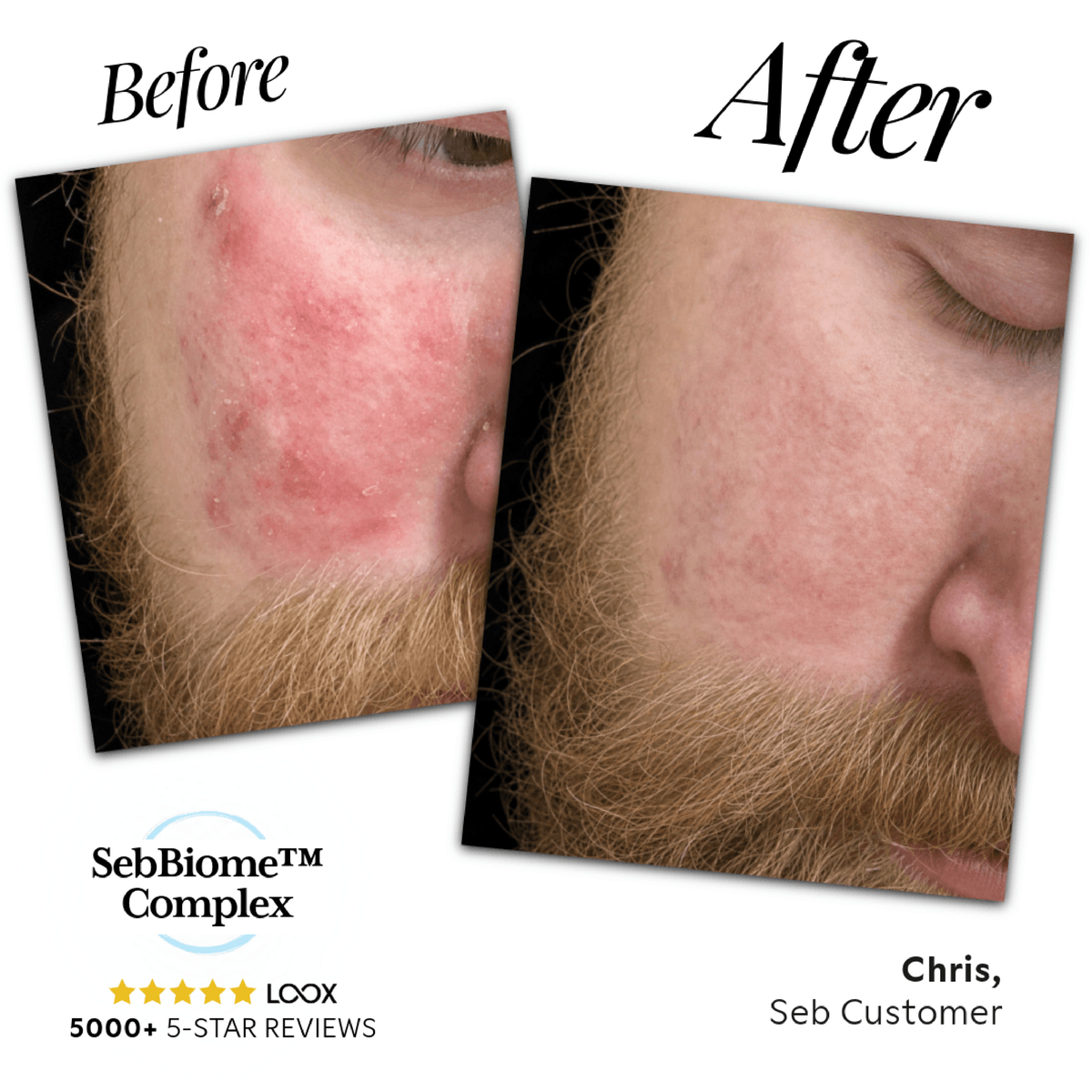
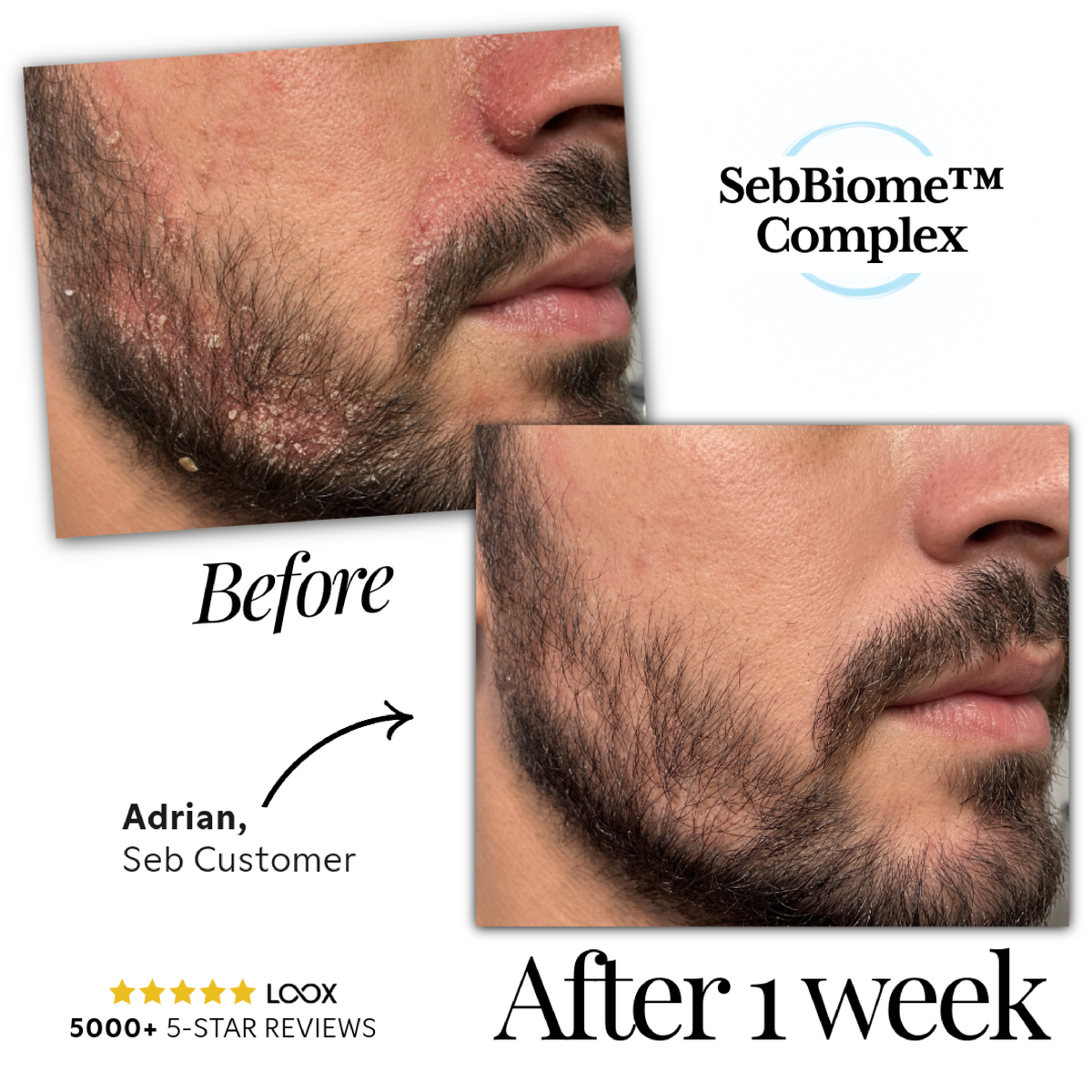
- Beard area (in men)
- Chest and upper back
What does it look like?
Symptoms can vary, but most people experience:
- Flaky or scaly skin (white or yellowish)
- Red or inflamed patches
- Greasy or oily-looking skin in affected areas
- Itching or sensitivity
- Flare-ups that come and go
Who is most likely to get it?
Seborrheic dermatitis can affect anyone, but it is more common in:
- Adults aged 18–50
- People with oily skin
- Individuals under high stress
- Those living in cold or dry climates
- People with compromised skin barrier function
It is also more common in people with certain neurological conditions or weakened immune systems, although many healthy individuals experience it too.
Is it contagious?
No. Seborrheic dermatitis is not contagious and cannot be spread through touch, sharing towels, or close contact.
The emotional impact
While not dangerous, seborrheic dermatitis can significantly affect confidence. Visible flaking and redness on the face or scalp can be frustrating and sometimes socially uncomfortable. Understanding the condition is the first step toward managing it effectively.
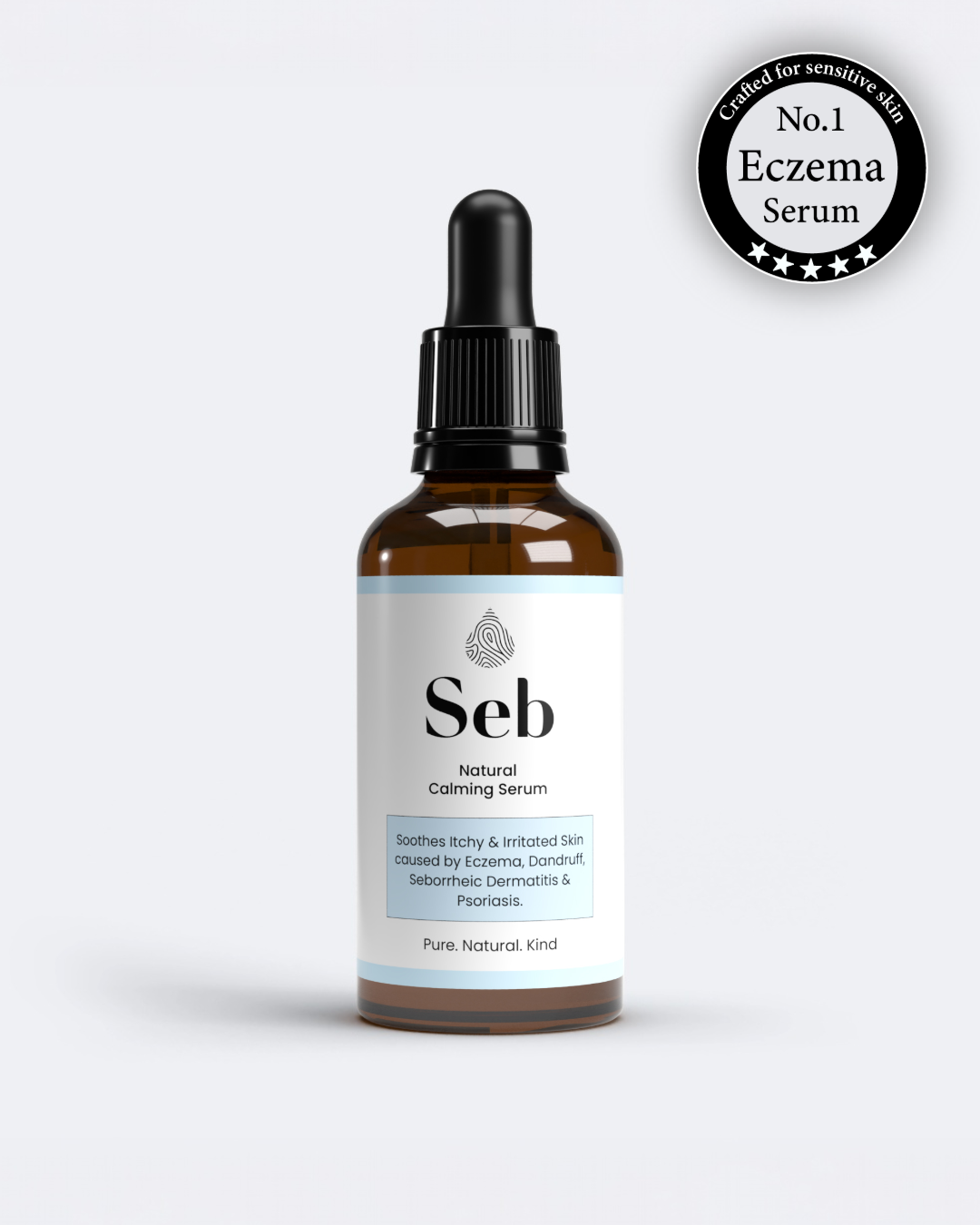
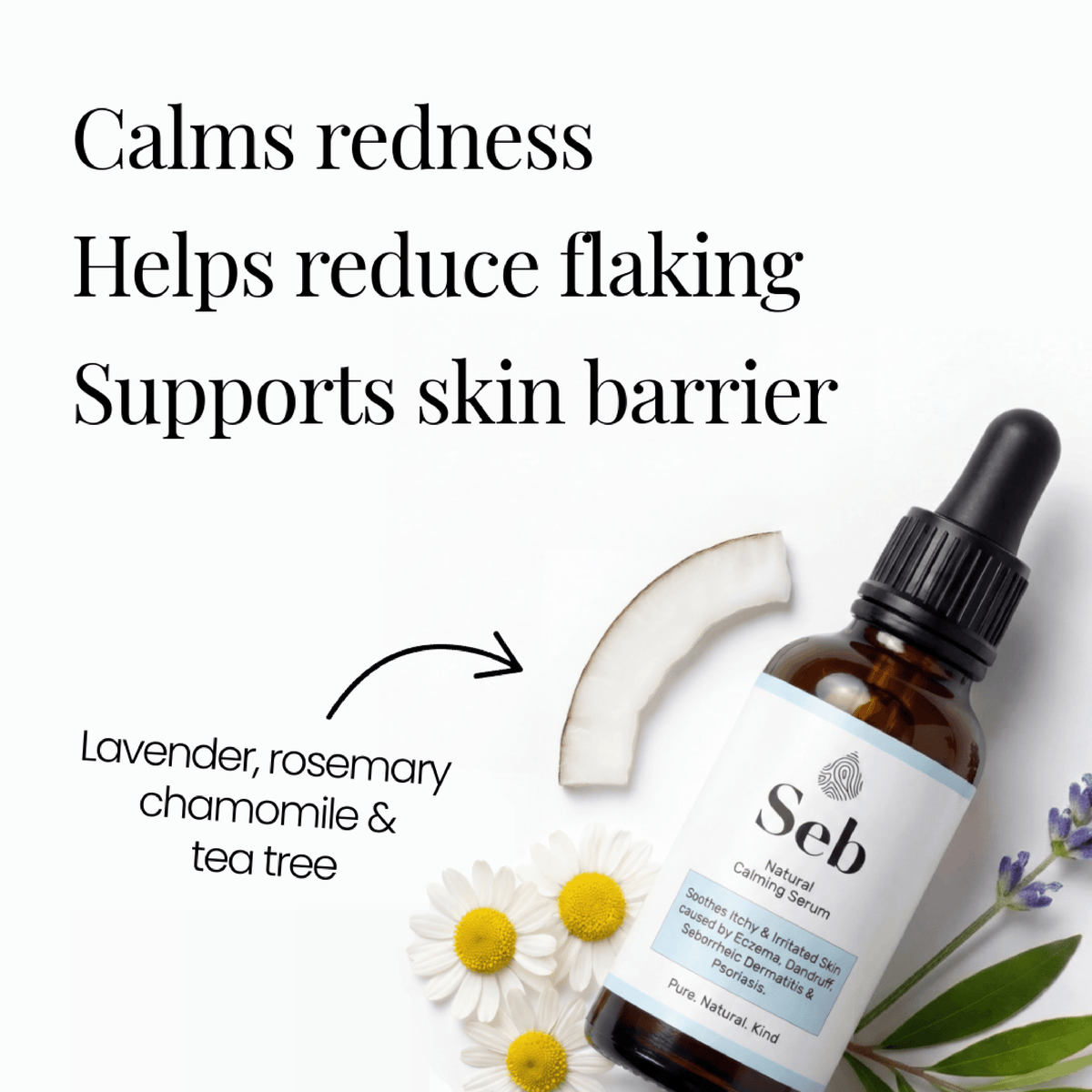
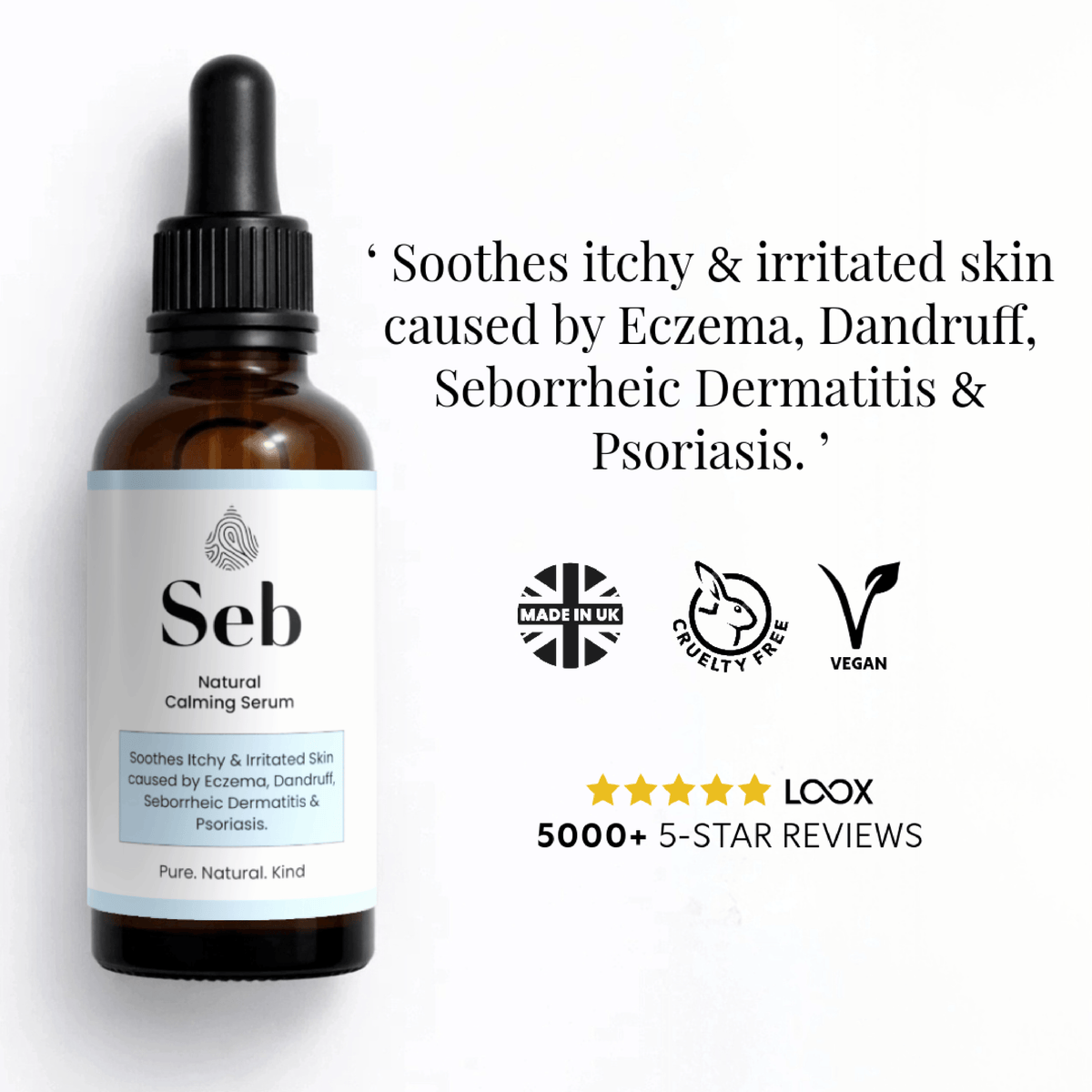
At Seb Skincare, we believe in simplifying skin health by focusing on barrier support, scalp balance, and gentle routines that help reduce flare-ups over time.