Understanding Seborrheic Dermatitis — Causes, Triggers, and What’s Really Happening on Your Skin
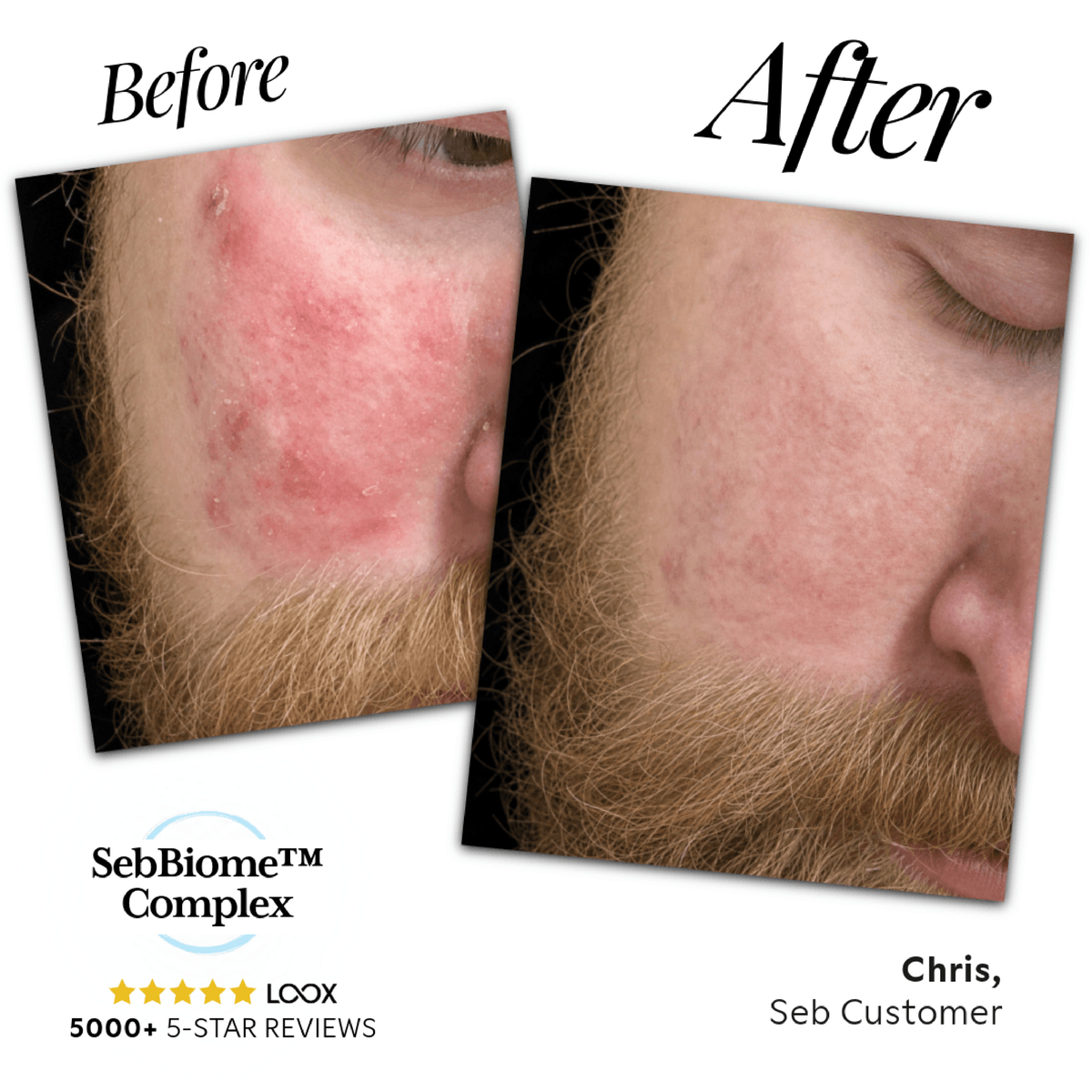
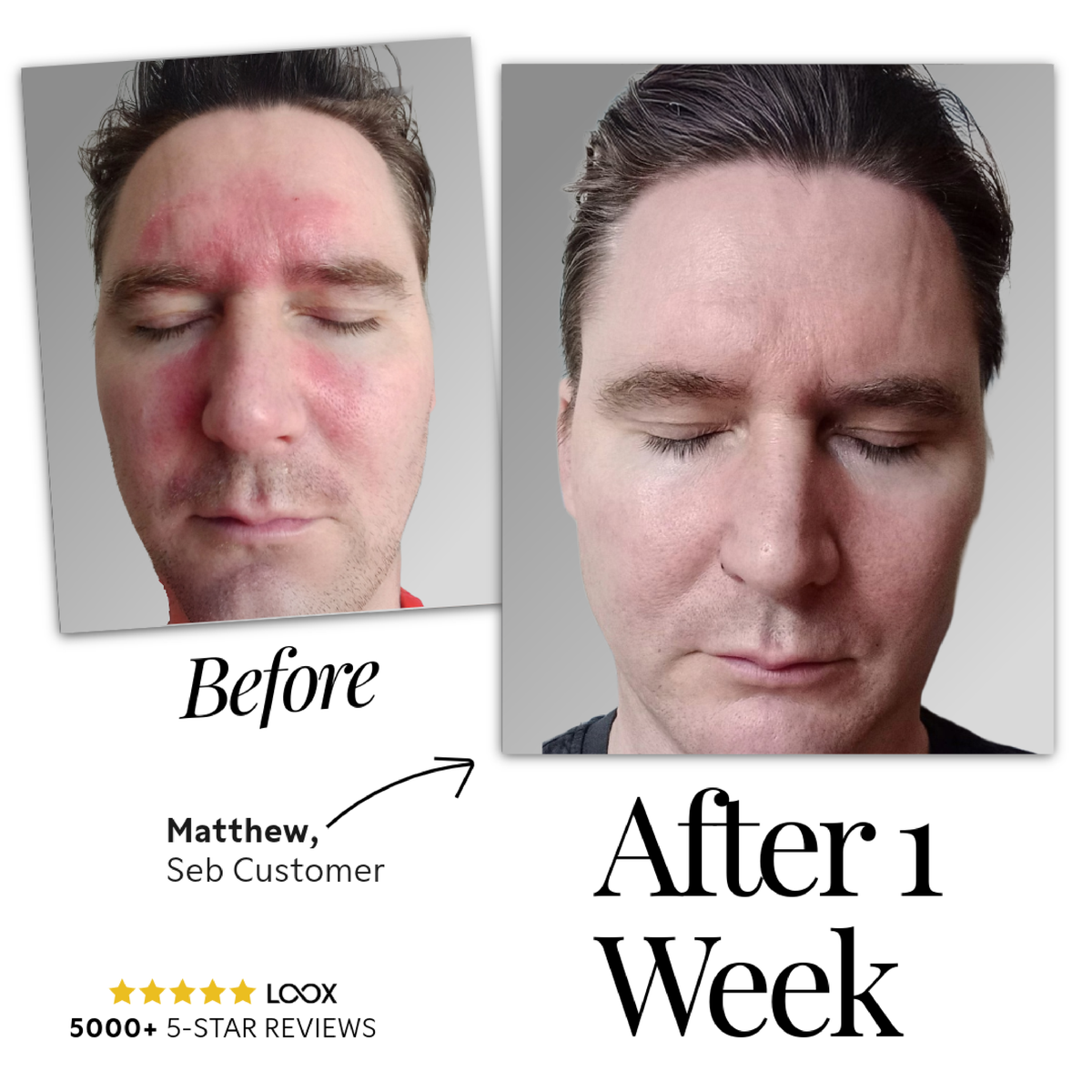
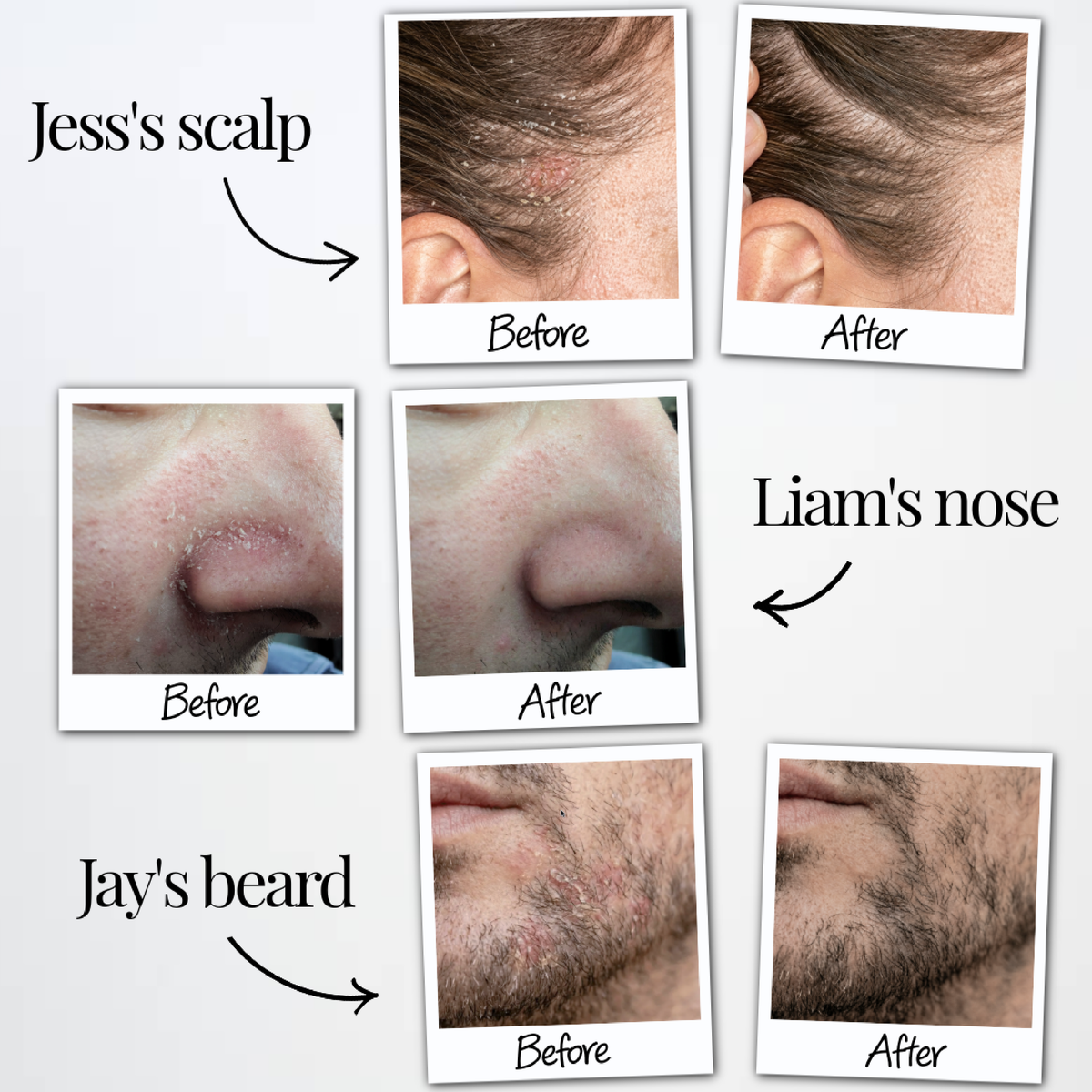
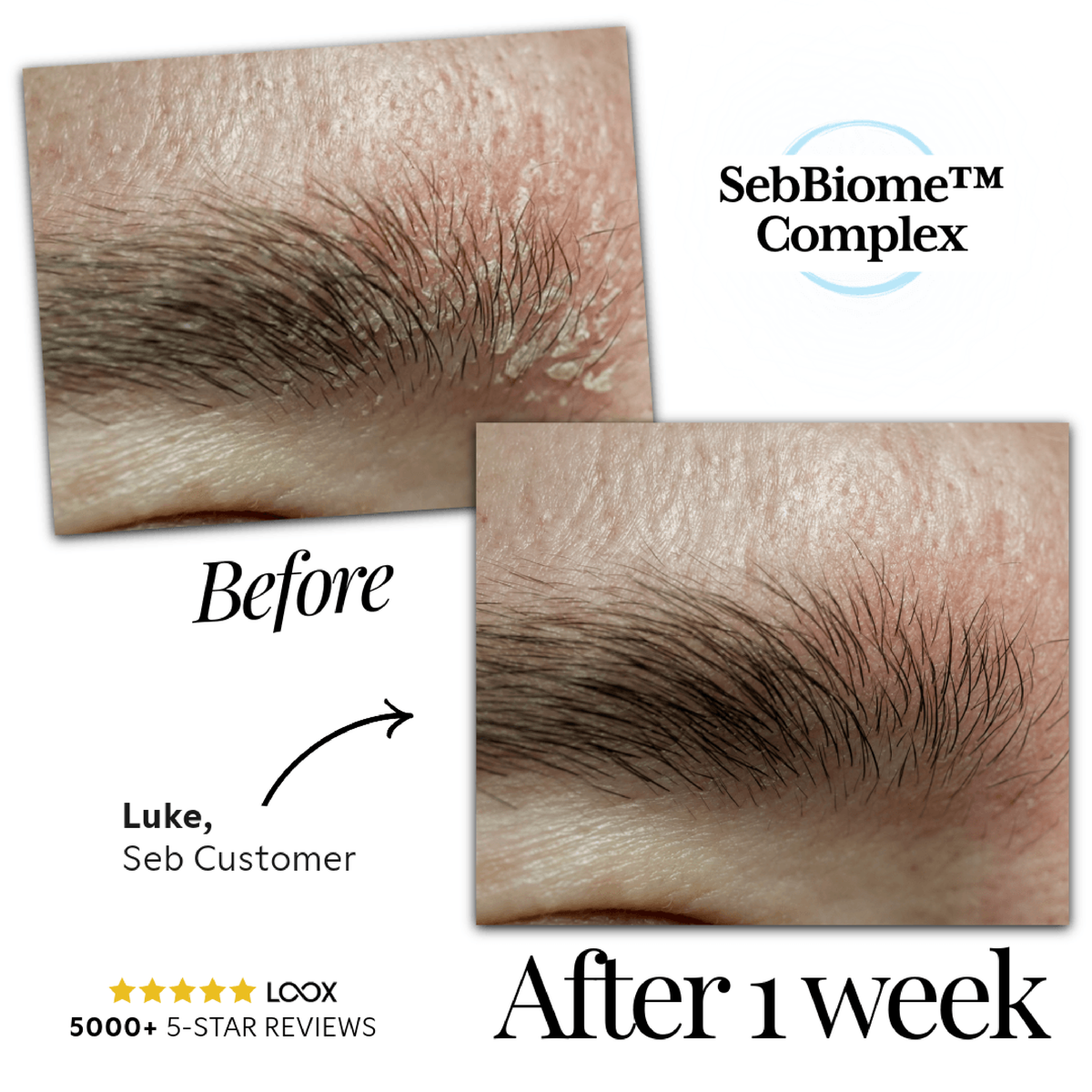
Seborrheic dermatitis is a common inflammatory skin condition that tends to show up in areas rich in oil glands: the scalp, sides of the nose, eyebrows, ears, and sometimes the chest. It often presents as red, flaky, greasy-looking patches of skin that can itch or feel irritated. Although it’s not dangerous or contagious, it can be persistent and frustrating.
At its core, seborrheic dermatitis is best understood as a reaction involving your skin’s natural oil production, yeast, and immune response. One of the key players is a naturally occurring yeast called Malassezia, which lives on everyone’s skin. In most people, it causes no issues. However, in those prone to seborrheic dermatitis, the immune system seems to overreact to its presence.
This reaction leads to inflammation, which speeds up skin cell turnover. Instead of shedding normally, skin cells build up and form visible flakes or scales. That’s why the condition often looks like dandruff on the scalp or greasy, flaky patches on the face.
Several factors can influence flare-ups:
1. Oil production (sebum):
Sebaceous (oil) glands are more active in certain areas of the body. More oil provides a richer environment for Malassezia to thrive.
2. Weather and climate:
Cold, dry weather often worsens symptoms. Interestingly, some people also flare in humid conditions due to increased sweating and oil production.
3. Stress and fatigue:
Emotional stress is one of the most commonly reported triggers. While stress doesn’t cause the condition directly, it can worsen inflammation and immune responses.
4. Skin barrier changes:
If the skin barrier is compromised (due to harsh cleansers, over-washing, or other skin conditions), it becomes more reactive.
5. Neurological and health associations:
Seborrheic dermatitis is more common in people with conditions such as Parkinson’s disease, and in individuals with weakened immune systems, though it also occurs in otherwise healthy people.
The important thing to understand is that seborrheic dermatitis is not caused by poor hygiene. In fact, over-washing or using harsh products can make it worse by irritating the skin further.
Managing it effectively starts with recognising that it is a chronic, relapsing condition, meaning it can come and go over time. The goal isn’t always a permanent cure, but rather long-term control.