Understanding Psoriasis: What It Is, What Causes It and How to Care for Your Skin
If you or someone you know lives with psoriasis, you'll understand that it's much more than just dry skin. Psoriasis is a long-term skin condition that can cause patches of red, inflamed skin covered with silvery scales. While symptoms vary from person to person, one thing remains the same – looking after your skin every day can make a real difference to comfort and confidence.
In this guide, we'll explain what psoriasis is, what can trigger flare-ups and how a gentle skincare routine can help keep your skin feeling its best.
What Is Psoriasis?
Psoriasis is a chronic autoimmune skin condition that causes skin cells to renew much faster than normal. Instead of taking around a month for new skin cells to develop, the process can happen in just a few days. This leads to a build-up of skin cells on the surface, creating raised, flaky patches known as plaques.
Psoriasis isn't contagious, so you can't catch it from another person or pass it on through touch.
Although there's currently no cure, many people successfully manage their symptoms through a combination of medical treatment, lifestyle choices and good skincare.
Common Symptoms
Psoriasis affects everyone differently, but common symptoms include:
-
Red patches of skin
-
White or silvery scales
-
Dry, cracked skin that may bleed
-
Itching or burning sensations
-
Thickened or ridged nails
-
Soreness around affected areas
Symptoms often come and go, with periods of improvement followed by flare-ups.
Where Does Psoriasis Usually Appear?
Psoriasis can develop anywhere on the body, but it's most commonly found on:
-
Elbows
-
Knees
-
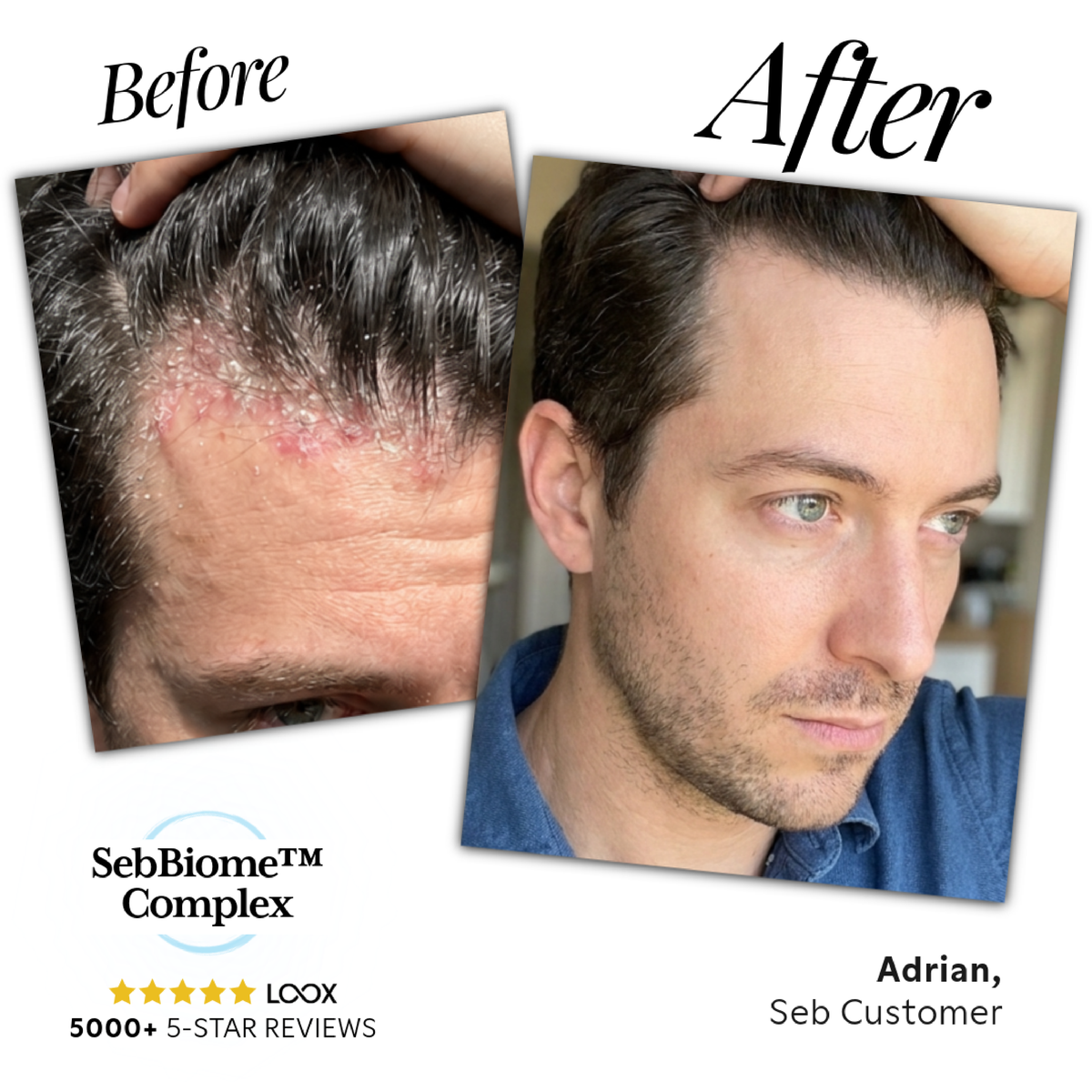
Scalp
-
Lower back
-
Hands
-
Feet
Some people experience small patches, while others may have larger areas affected.
What Can Trigger a Flare-Up?
Although the exact cause isn't fully understood, certain triggers are known to make psoriasis worse.
These can include:
-
Stress
-
Cold, dry weather
-
Skin injuries such as cuts or sunburn
-
Certain medications
-
Infections such as sore throats
-
Smoking
-
Excessive alcohol consumption
Keeping track of your triggers can help you better manage future flare-ups.
Why Moisturising Matters
One of the simplest yet most effective ways to support psoriasis-prone skin is by keeping it well moisturised.
A good moisturiser can help:
-
Reduce dryness
-
Improve skin comfort
-
Minimise cracking
-
Soften rough, scaly patches
-
Support the skin's natural protective barrier
Applying moisturiser after bathing, while your skin is still slightly damp, helps lock in hydration.
Choosing the Right Skincare Products
When your skin is sensitive, choosing gentle skincare products becomes even more important.
Look for products that:
-
Are fragrance-free or lightly scented for sensitive skin
-
Help replenish moisture
-
Support the skin barrier
-
Contain nourishing ingredients suitable for dry skin
-
Avoid harsh exfoliants or strong alcohol-based formulas
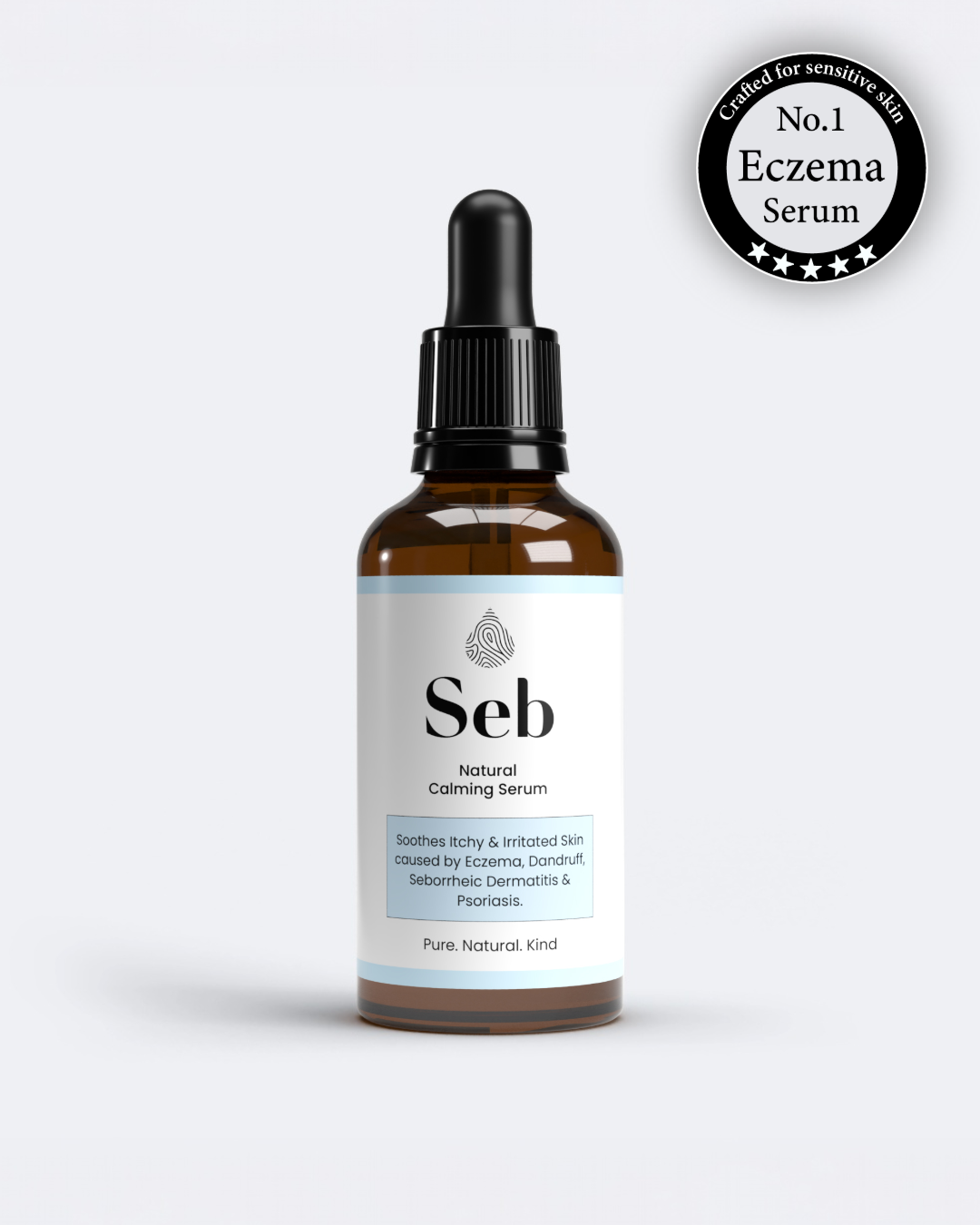
At SEB Skincare, we believe skincare should work with your skin, not against it. Gentle, nourishing products can help maintain hydration and leave skin feeling softer and more comfortable as part of your everyday skincare routine.
Everyday Tips for Caring for Psoriasis-Prone Skin
Small daily habits can have a big impact.
Keep Showers Warm, Not Hot
Hot water may feel soothing, but it can strip away your skin's natural oils. Warm showers are usually a better choice.
Moisturise Every Day
Consistency is key. Even when your skin feels good, regular moisturising helps maintain the skin barrier.
Avoid Scratching
Scratching can damage the skin and may worsen irritation. Instead, try applying a moisturiser if your skin feels itchy.
Wear Soft Clothing
Natural, breathable fabrics such as cotton are often more comfortable than rough or tight-fitting materials.
Stay Hydrated
Drinking enough water supports your overall health and helps maintain healthy-looking skin.
Can Diet Help?
There's no single diet that cures psoriasis, but many people find that eating a balanced diet rich in fruit, vegetables, whole grains and healthy fats supports their overall wellbeing.
Some people also notice that reducing alcohol or maintaining a healthy weight helps reduce flare-ups, although everyone's experience is different.
If you're considering major dietary changes, it's always worth discussing them with your GP or healthcare professional.
When Should You See a Doctor?
If your psoriasis becomes painful, spreads rapidly, affects your daily life or you develop swollen, painful joints, it's important to seek medical advice.
A healthcare professional can recommend treatments tailored to your individual needs, which may include medicated creams, light therapy or prescription medicines.
Looking After Your Skin Every Day
Living with psoriasis can be challenging, but developing a gentle daily skincare routine can help improve comfort and support healthier-looking skin.
Simple habits like moisturising regularly, avoiding harsh products and understanding your personal triggers can all play a part in keeping your skin feeling its best.
At SEB Skincare, we're passionate about creating skincare that supports dry and sensitive skin with gentle, nourishing ingredients. While skincare isn't a cure for psoriasis, choosing products that help maintain your skin's natural barrier can become an important part of your everyday self-care routine.
Frequently Asked Questions
Is psoriasis contagious?
No. Psoriasis cannot be passed from person to person.
Can moisturiser cure psoriasis?
No. Moisturisers don't treat the underlying condition, but they can help relieve dryness, improve comfort and support the skin barrier.
Should I exfoliate psoriasis?
Avoid harsh scrubs or abrasive exfoliants, as these may irritate affected skin. Gentle skincare is usually the better option.
Can stress make psoriasis worse?
For many people, yes. Stress is a common trigger for flare-ups, so managing stress may help reduce symptoms.