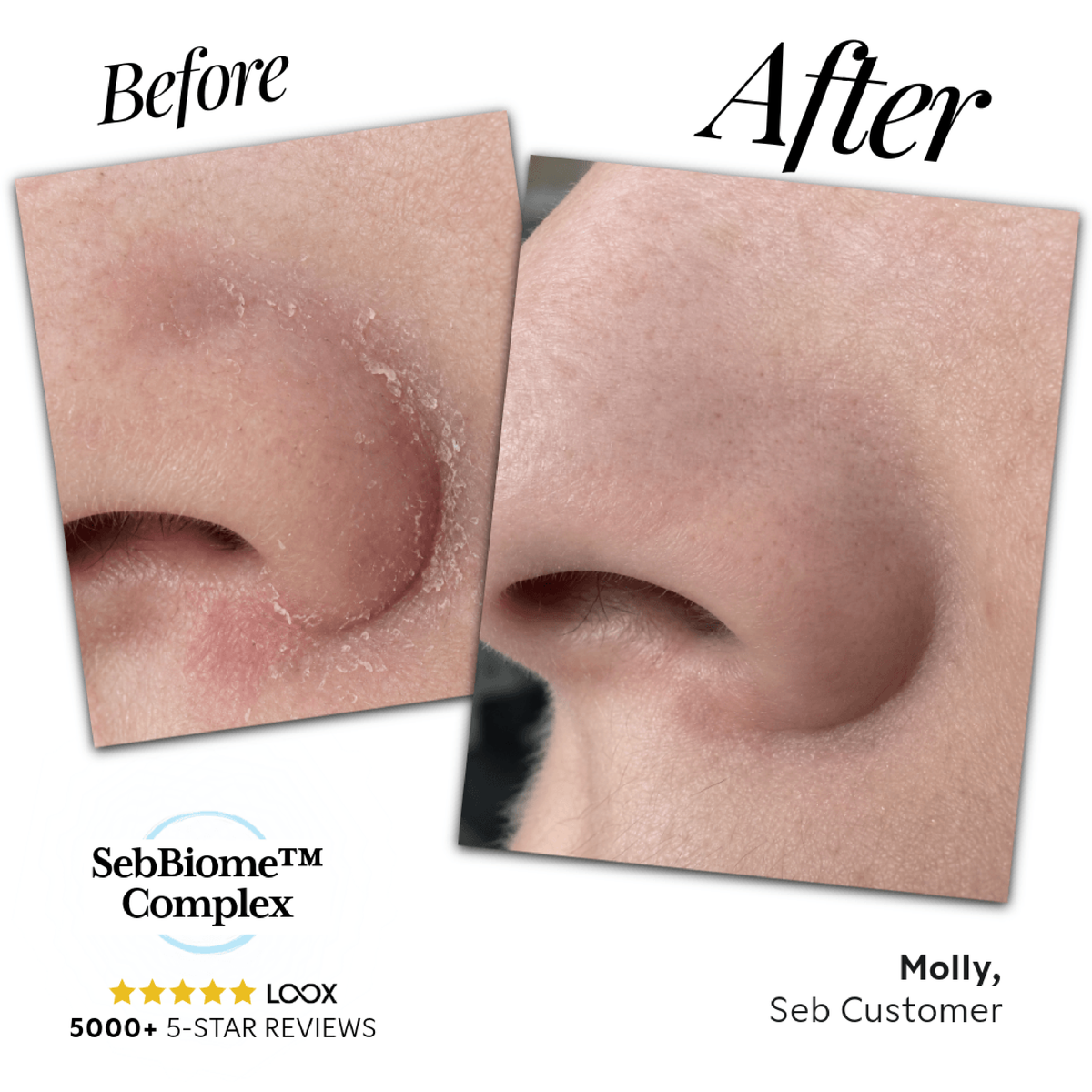
Understanding Eczema — Why It Happens and How to Manage It Naturally and Medically
Eczema is more than just dry skin. For millions of people worldwide, it is a chronic inflammatory condition that causes itching, redness, irritation, and emotional distress. The constant urge to scratch, disrupted sleep, and visible flare-ups can deeply affect daily life.
Despite how common eczema is, many misconceptions still surround the condition. Some people believe it is contagious, while others think it only affects children. In reality, eczema can affect people of all ages and often requires long-term management.
Understanding the causes, triggers, and treatment options can help people regain control over their skin and improve their quality of life.
What Is Eczema?
Eczema is a broad term used to describe a group of inflammatory skin conditions. The most common type is atopic dermatitis.
Eczema weakens the skin barrier, making it harder for the skin to retain moisture and protect against irritants, allergens, and bacteria. As a result, the skin becomes dry, inflamed, and extremely itchy.
Common Symptoms of Eczema
Symptoms vary depending on severity and skin tone, but common signs include:
-Dry, cracked skin
-Intense itching
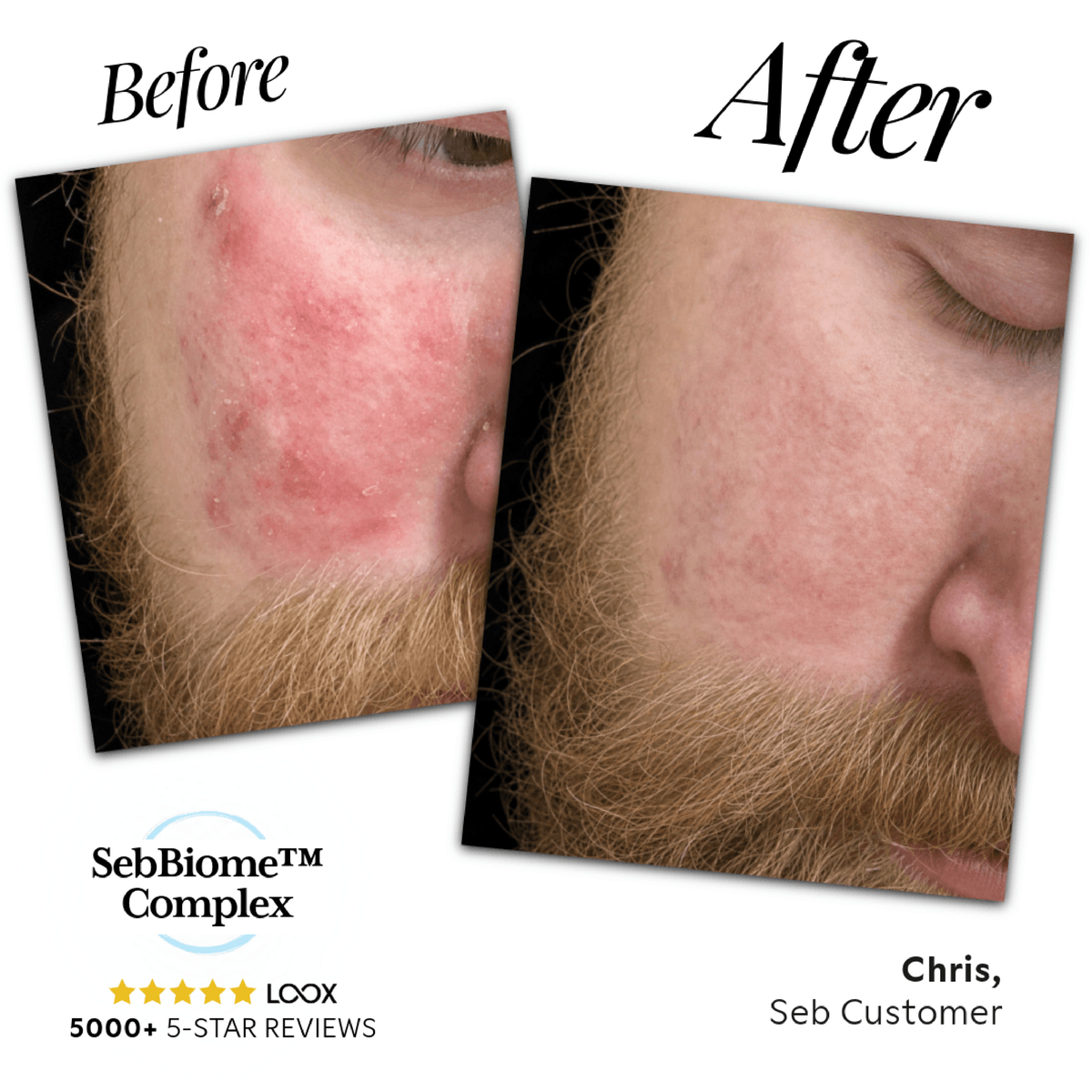
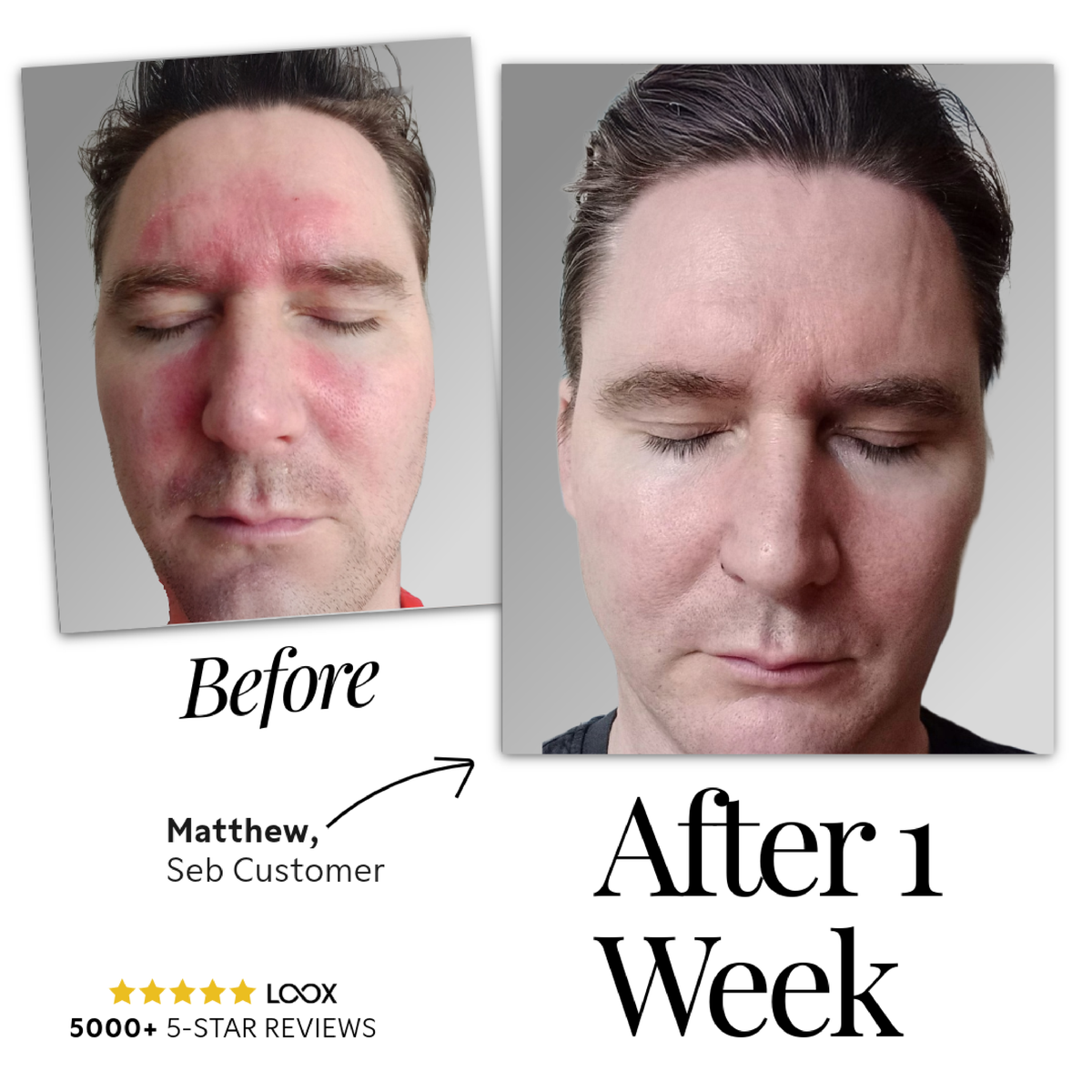
-Red or inflamed patches
-Thickened skin from scratching
-Small bumps that may leak fluid
-Sensitive or swollen skin
-Darkened patches after healing
Eczema can appear anywhere on the body, but common locations include:
-Hands
-Neck
-Face
-Inner elbows
-Behind the knees
-Feet
What Causes Eczema?
Eczema develops from a combination of genetic, environmental, and immune-related factors.
Skin Barrier Dysfunction
Healthy skin acts like a protective wall. In people with eczema, this barrier is weaker, allowing moisture to escape and irritants to enter more easily.
Immune System Overreaction
The immune system becomes hypersensitive and overreacts to triggers that normally would not cause inflammation.
Genetics
People with a family history of eczema, asthma, or allergies are more likely to develop the condition.
Environmental Factors
Pollution, allergens, soaps, weather changes, and stress can all contribute to flare-ups.
Eczema Triggers
One of the most challenging aspects of eczema is that triggers differ from person to person.
Harsh Soaps and Detergents
Many soaps strip away natural oils and worsen dryness.
Weather Changes
Cold air and low humidity can severely dry out the skin.
Allergens
Dust mites, pollen, mold, and pet dander may trigger symptoms.
Stress
Stress can intensify inflammation and worsen itching.
Certain Fabrics
Wool and synthetic materials may irritate sensitive skin.
Sweat and Heat
Overheating can increase itching and discomfort.
The Itch-Scratch Cycle
One of the defining features of eczema is the itch-scratch cycle.
-The skin becomes itchy.
-Scratching damages the skin barrier.
-Damage causes more inflammation.
-More inflammation leads to more itching.
Breaking this cycle is one of the primary goals of eczema treatment.
Different Types of Eczema
Eczema is not a single condition. Several forms exist, including:
Atopic Dermatitis
The most common and chronic form.
Contact Dermatitis
Triggered by contact with irritants or allergens.
Dyshidrotic Eczema
Causes small, itchy blisters on the hands and feet.
Nummular Eczema
Appears as coin-shaped patches.
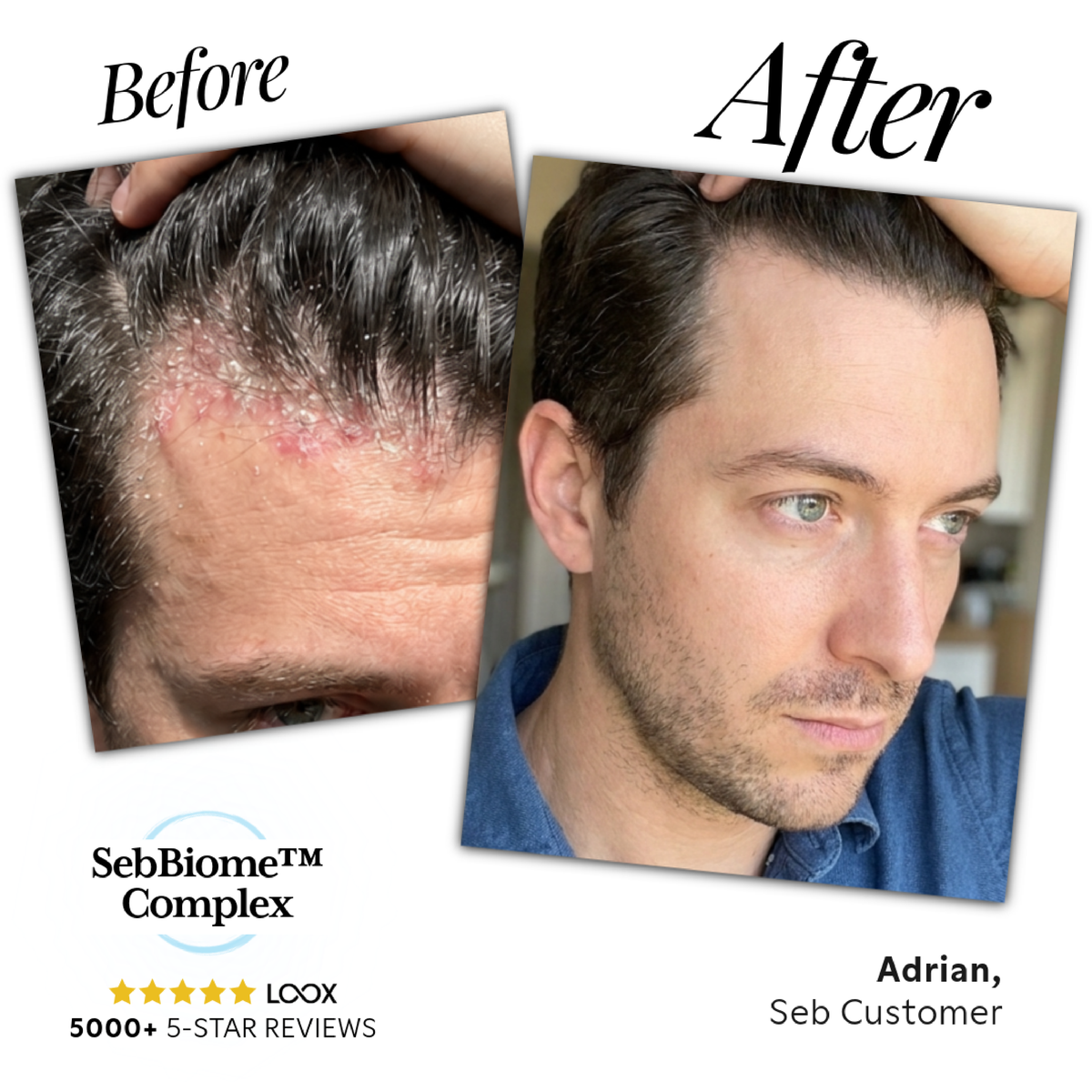
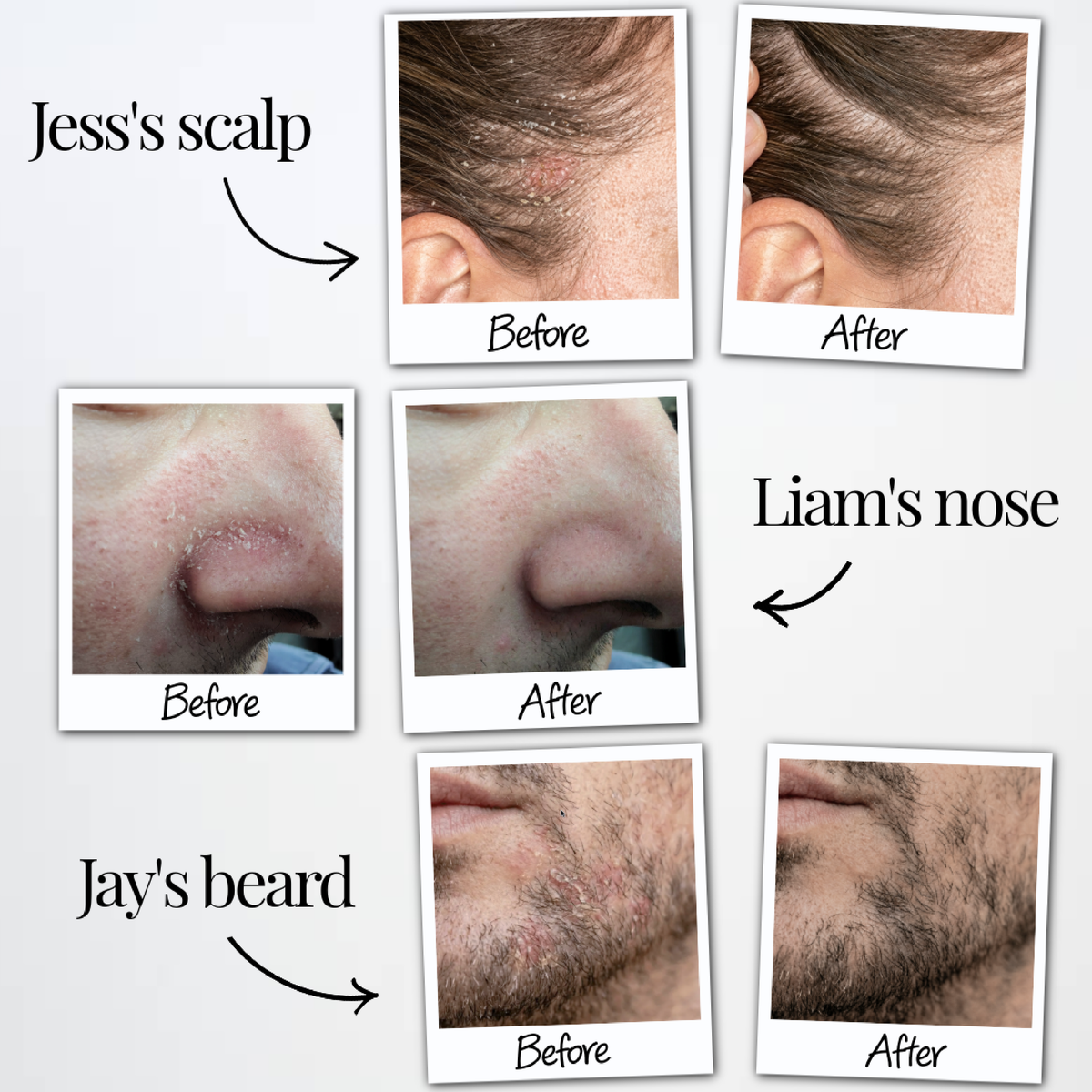
Seborrheic Dermatitis
A form of eczema affecting oily areas like the scalp and face.
How Eczema Is Treated
There is currently no permanent cure for eczema, but treatment can significantly reduce symptoms.
Moisturising
Daily moisturising is one of the most important aspects of eczema care.
Thick creams and ointments are usually more effective than lightweight lotions because they better protect the skin barrier.
Topical Steroids
Steroid creams reduce inflammation during flare-ups. They should be used carefully and according to medical guidance.
Non-Steroidal Creams
Prescription medications like calcineurin inhibitors may help sensitive areas such as the face.
Antihistamines
These may help reduce nighttime itching and improve sleep.
Biologic Medications
For severe eczema, biologic treatments can target specific immune pathways involved in inflammation.
Light Therapy
Controlled ultraviolet light exposure may help moderate severe cases.
Natural and Lifestyle Approaches
Some people benefit from combining medical treatment with lifestyle changes.
Avoid Overheating
Cool environments may reduce itching.
Use Gentle Skincare
Choose fragrance-free and hypoallergenic products.
Take Short, Lukewarm Showers
Hot water can worsen dryness and irritation.
Manage Stress
Stress reduction techniques may improve flare frequency.
Keep Nails Short
Short nails reduce skin damage from scratching.
Can Diet Affect Eczema?
Diet does not cause eczema directly, but certain foods may trigger symptoms in some individuals.
Potential triggers may include:
-Dairy
-Eggs
-Nuts
-Processed foods
-Artificial additives
However, eliminating foods unnecessarily can create nutritional deficiencies. Any elimination diet should be discussed with a healthcare professional.
Emotional Impact of Eczema
Eczema affects more than the skin. Chronic itching, visible rashes, and sleep disruption can impact mental health and confidence.
Children may struggle socially at school, while adults may feel embarrassed in professional or social situations.
Support groups, therapy, and education can play an important role in emotional well-being.
When to Seek Medical Help
A healthcare professional should be consulted if:
-Symptoms interfere with daily life
-Skin becomes infected
-Over-the-counter treatments stop working
-Sleep is regularly disrupted
-Severe pain or swelling develops
Living Well With Eczema
Although eczema is chronic, many people successfully manage it with consistency and patience. Learning personal triggers, protecting the skin barrier, and maintaining an effective routine can dramatically improve symptoms over time.
The goal is not perfection but control. Even small improvements in skincare habits and lifestyle can make a meaningful difference in comfort and confidence.