Understanding Eczema: What Your Skin Is Trying to Tell You
Eczema is one of the most common skin conditions, affecting people of all ages and skin types. While many people associate eczema with dry skin, it is a much more complex condition that can involve sensitivity, irritation, redness, itching, and discomfort.
For those living with eczema-prone skin, understanding what is happening beneath the surface can make a big difference. When you understand your skin’s needs, you can make more informed choices about the products you use and the way you care for your skin every day.
What is eczema?
Eczema is a condition that affects the skin barrier — the outer layer of skin that helps protect the body from external factors while keeping essential moisture locked in.
A healthy skin barrier works like a protective shield. It helps prevent water loss and protects against irritants such as pollution, weather changes, and certain ingredients. However, when the barrier becomes weakened, the skin may struggle to retain moisture and can become more reactive.
This can lead to common eczema symptoms, including:
-
Dry, rough, or flaky skin
-
Itching and discomfort
-
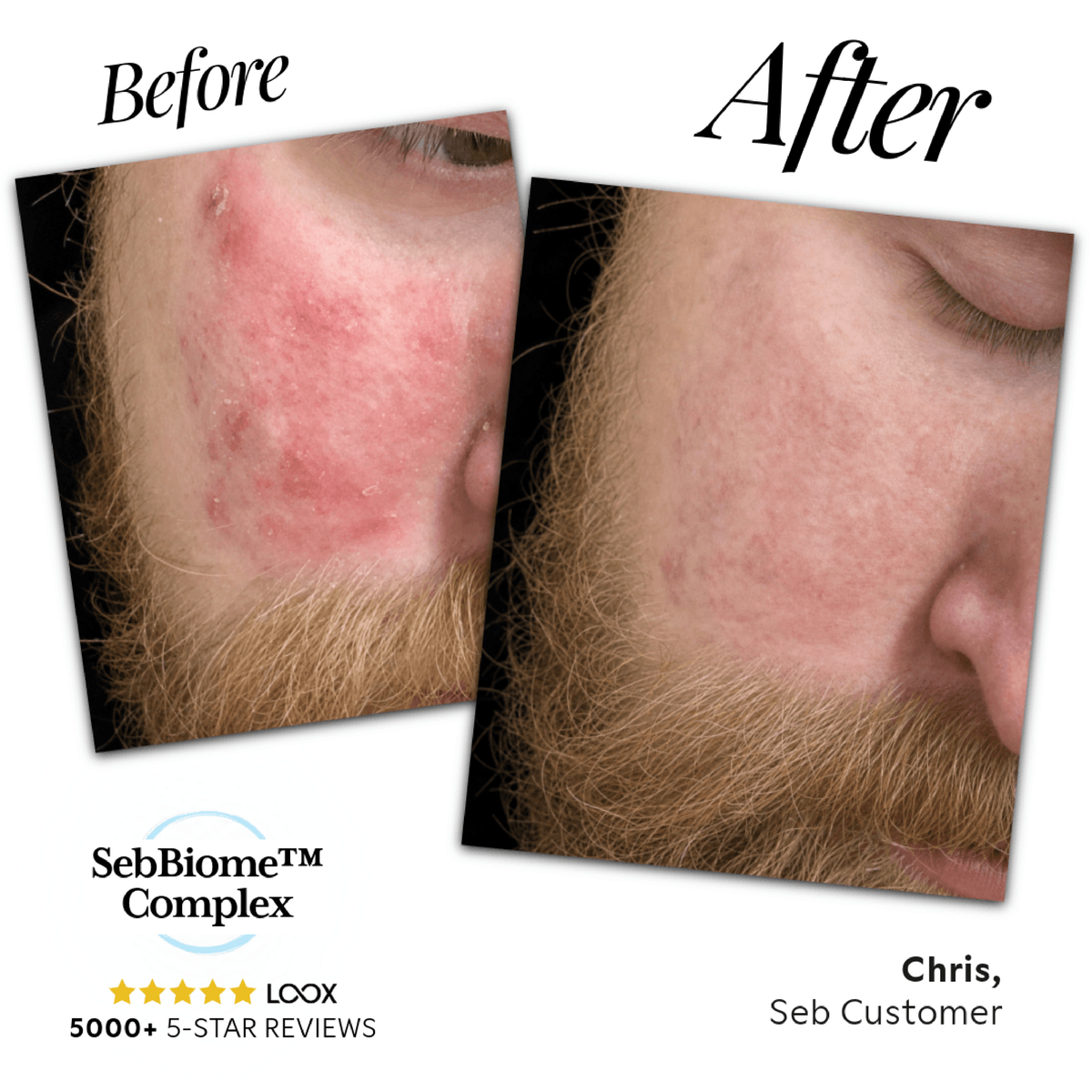
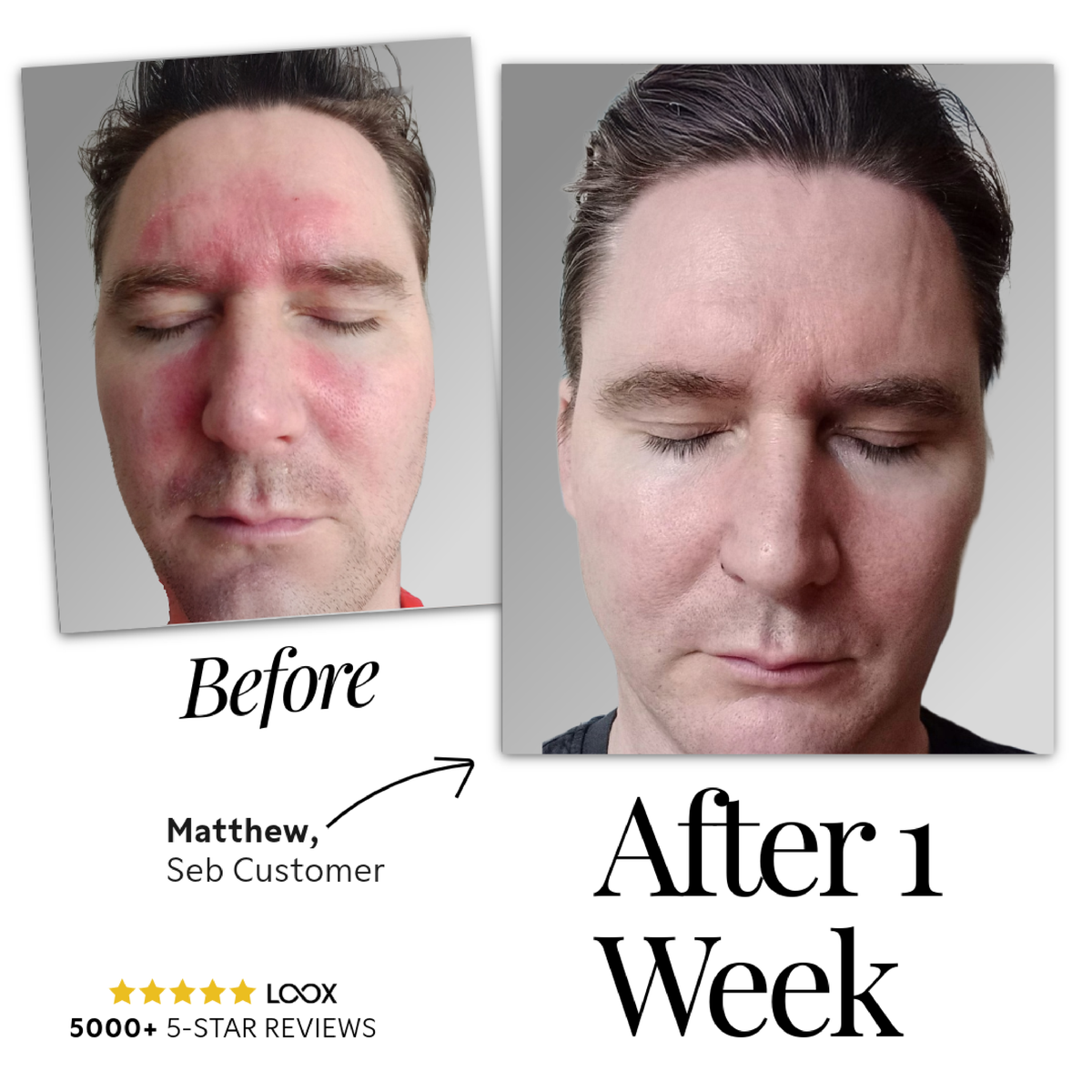
Redness or irritation
-
Increased sensitivity
-
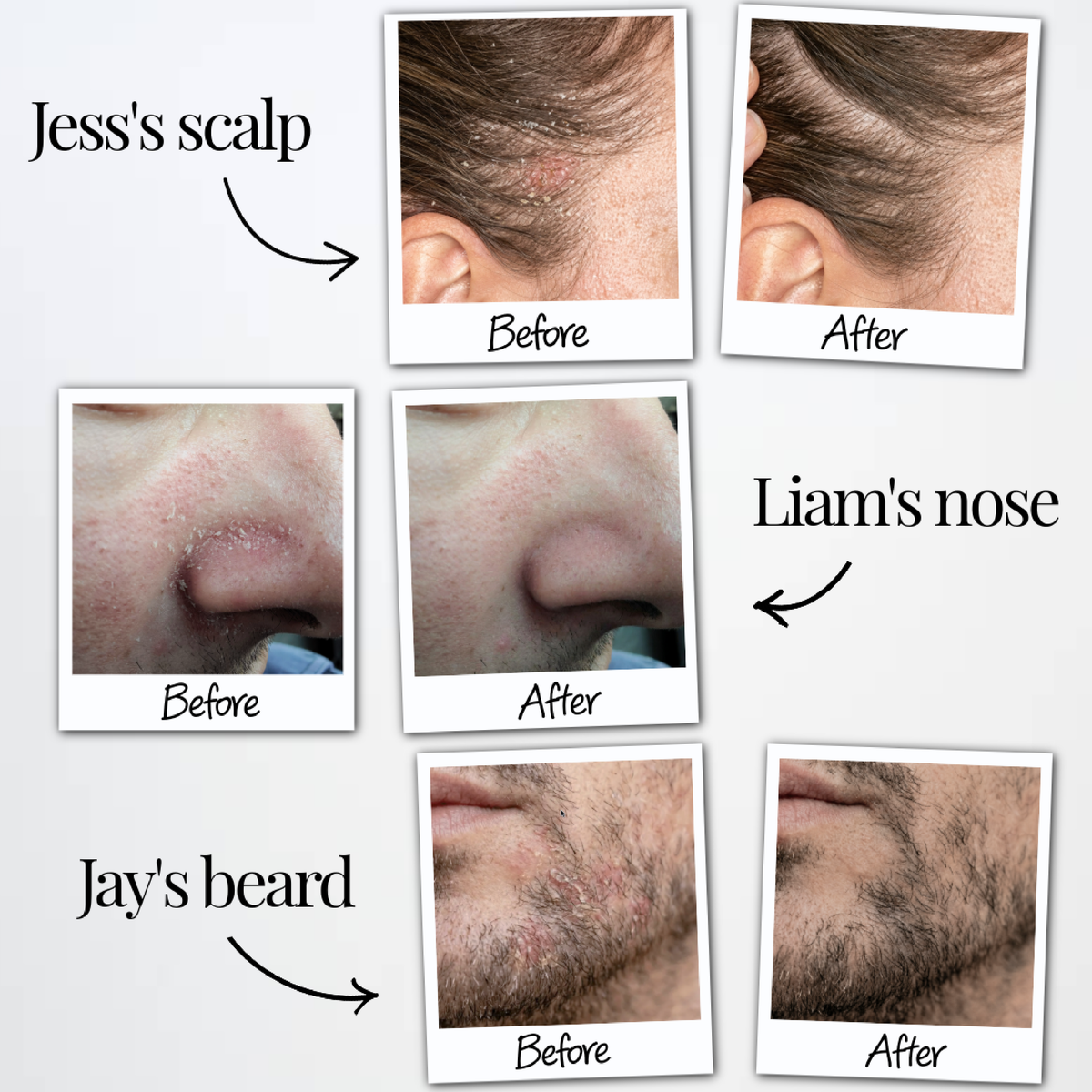
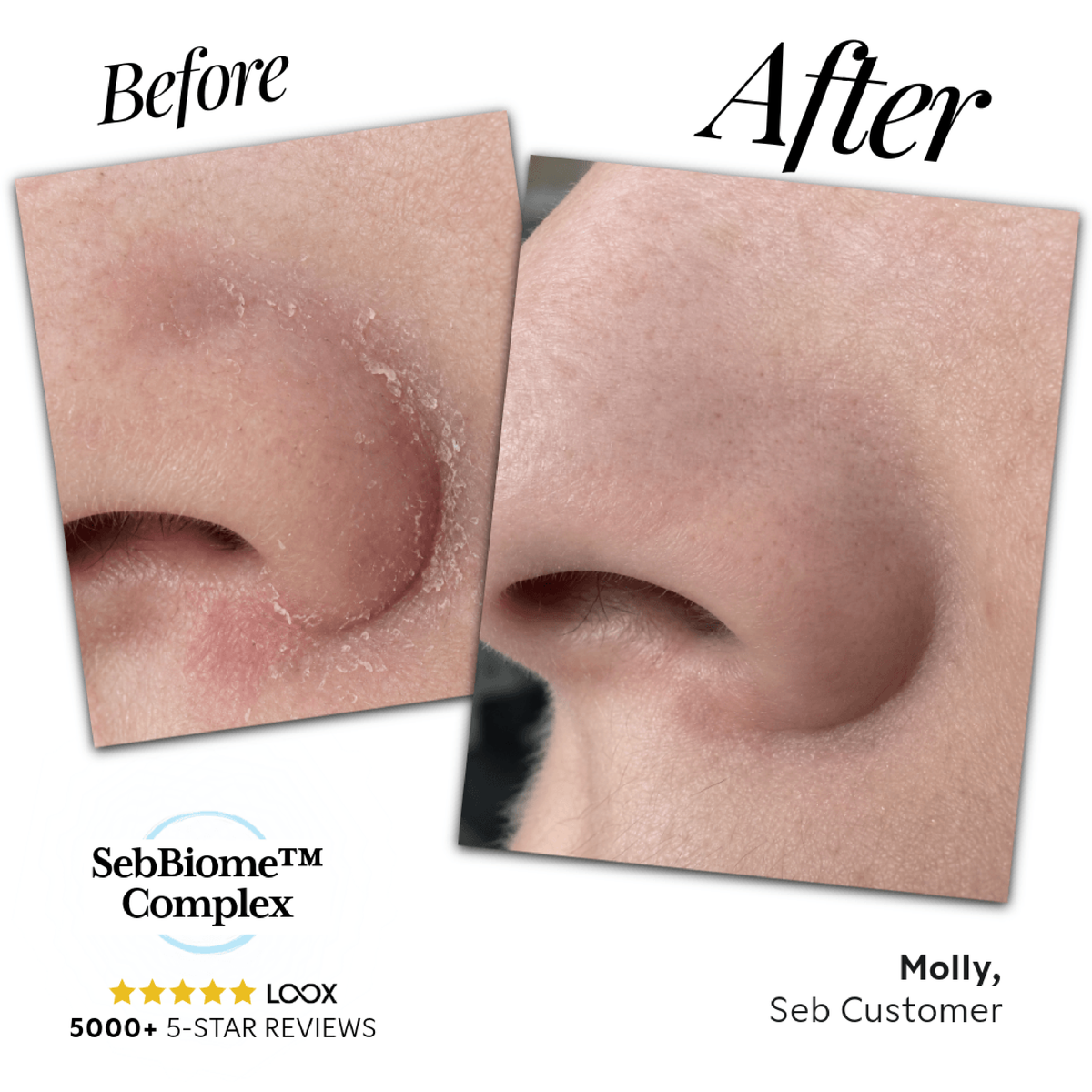
Areas of cracked or sore skin during flare-ups
Eczema can appear anywhere on the body, including the face, hands, arms, legs, and areas where skin folds naturally occur.
Why does eczema happen?
There is no single cause of eczema. It is usually influenced by a combination of genetic, environmental, and lifestyle factors.
Some people are naturally more likely to develop eczema because their skin barrier is more sensitive. Others may notice symptoms appearing or worsening due to certain triggers.
Common eczema triggers can include:
Environmental changes
Cold temperatures, dry air, seasonal changes, and exposure to harsh weather can all affect the skin. During colder months, many people notice their skin feels drier because moisture is lost more quickly from the surface.
Skincare ingredients
Fragrances, strong cleansers, and certain active ingredients may be irritating for some people with sensitive skin. Choosing gentle formulas designed to support the skin barrier can help reduce unnecessary stress on the skin.
Stress and lifestyle factors
Stress, lack of sleep, and changes in routine may also influence how the skin looks and feels. Looking after your overall wellbeing can be an important part of supporting healthy skin.
The importance of supporting your skin barrier
When caring for eczema-prone skin, the goal is often not about using more products — it is about using the right products consistently.
A supportive skincare routine usually focuses on three key steps:
Cleanse gently: Avoid over-cleansing or using products that leave the skin feeling tight or uncomfortable.
Hydrate regularly: Moisturising helps replenish hydration and supports the skin barrier, helping skin feel softer and more comfortable.
Protect daily: Reducing exposure to known triggers and maintaining a consistent routine can help support skin health over time.
Ingredients such as ceramides, glycerin, oat-based ingredients, and other moisturising agents are commonly found in products designed for dry and sensitive skin.
Every skin journey is different
Eczema can look and feel different from person to person. Some people experience occasional flare-ups, while others manage ongoing sensitivity.
The most important thing is learning what works for your individual skin. Paying attention to your skin’s reactions, choosing gentle skincare, and maintaining a consistent routine can all help you care for eczema-prone skin.
Healthy skin begins with understanding your skin — and with the right approach, sensitive skin can feel more comfortable, balanced, and supported.