Topical Steroid Fear: What People Get Wrong About Steroid Creams
If you’ve ever been prescribed a steroid cream for seborrheic dermatitis, chances are you hesitated before using it. Maybe you Googled side effects, stumbled into forums warning about “topical steroid withdrawal,” or heard someone say, “Those creams are dangerous—avoid them at all costs.”
This fear—even among people who genuinely need treatment—has a name: topical steroid phobia. And while concerns about medications are valid, much of what people believe about steroid creams is either misunderstood, exaggerated, or missing important context.
Let’s unpack what seborrheic dermatitis is, how topical steroids actually work, and—most importantly—what people get wrong.
What Is Seborrheic Dermatitis, Really?
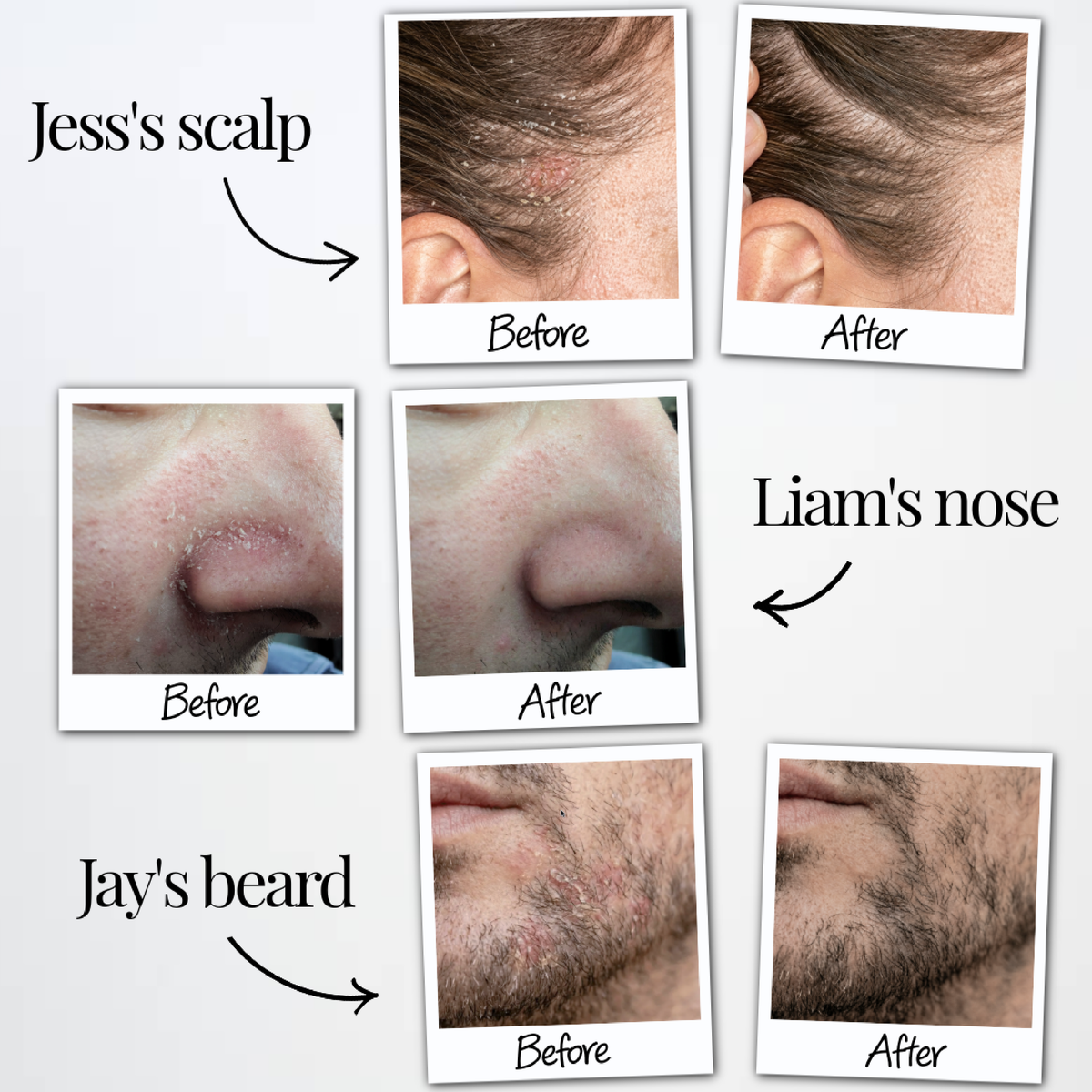
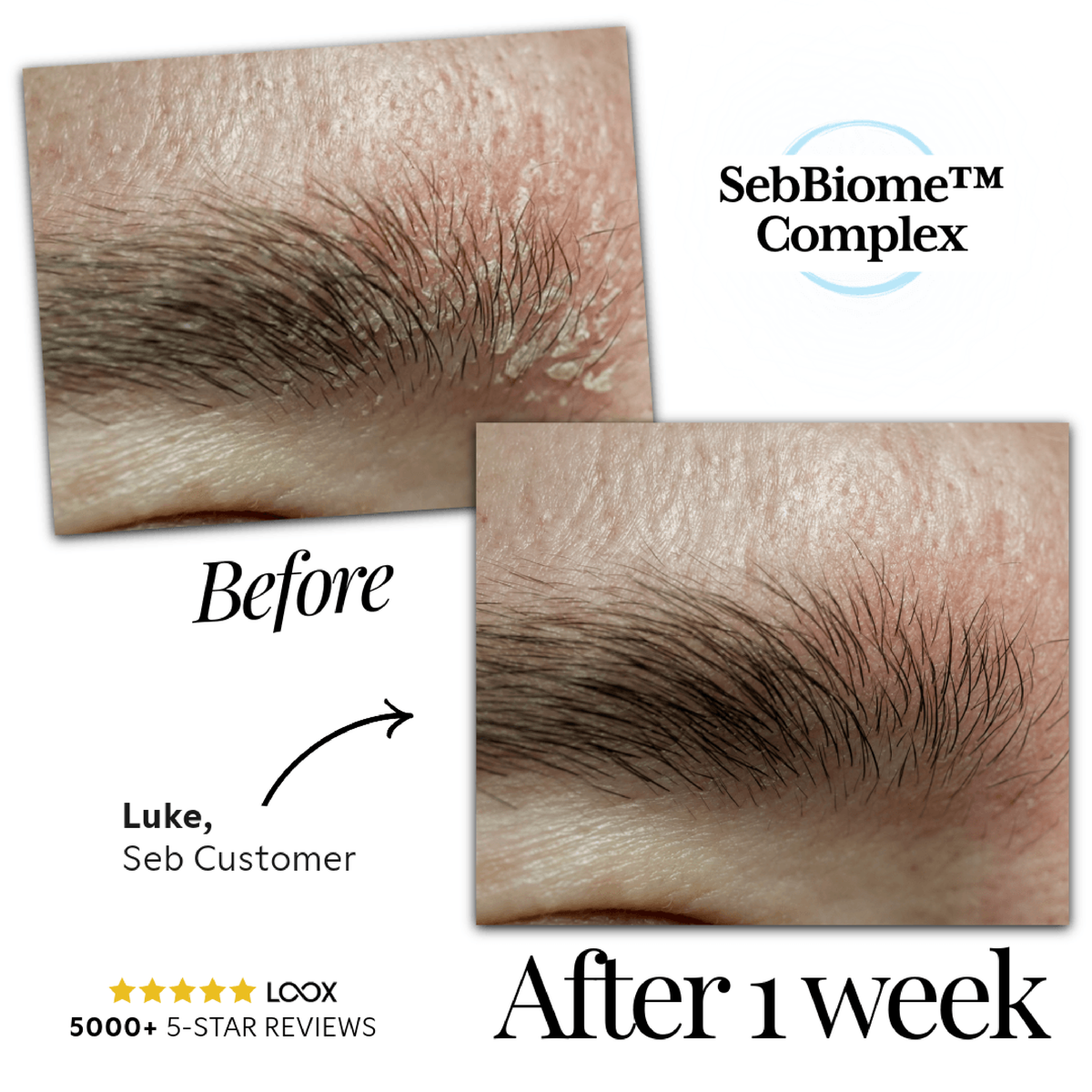
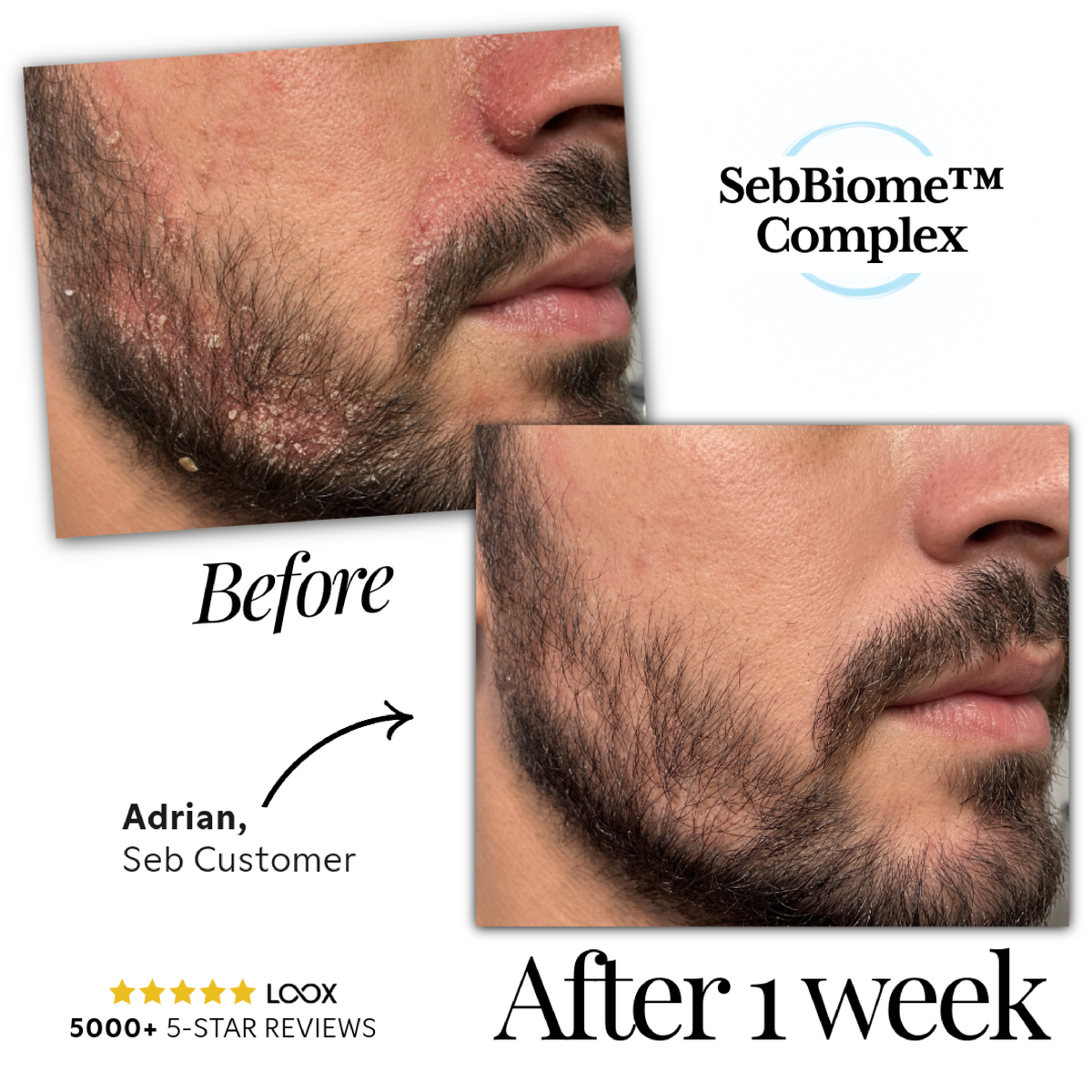
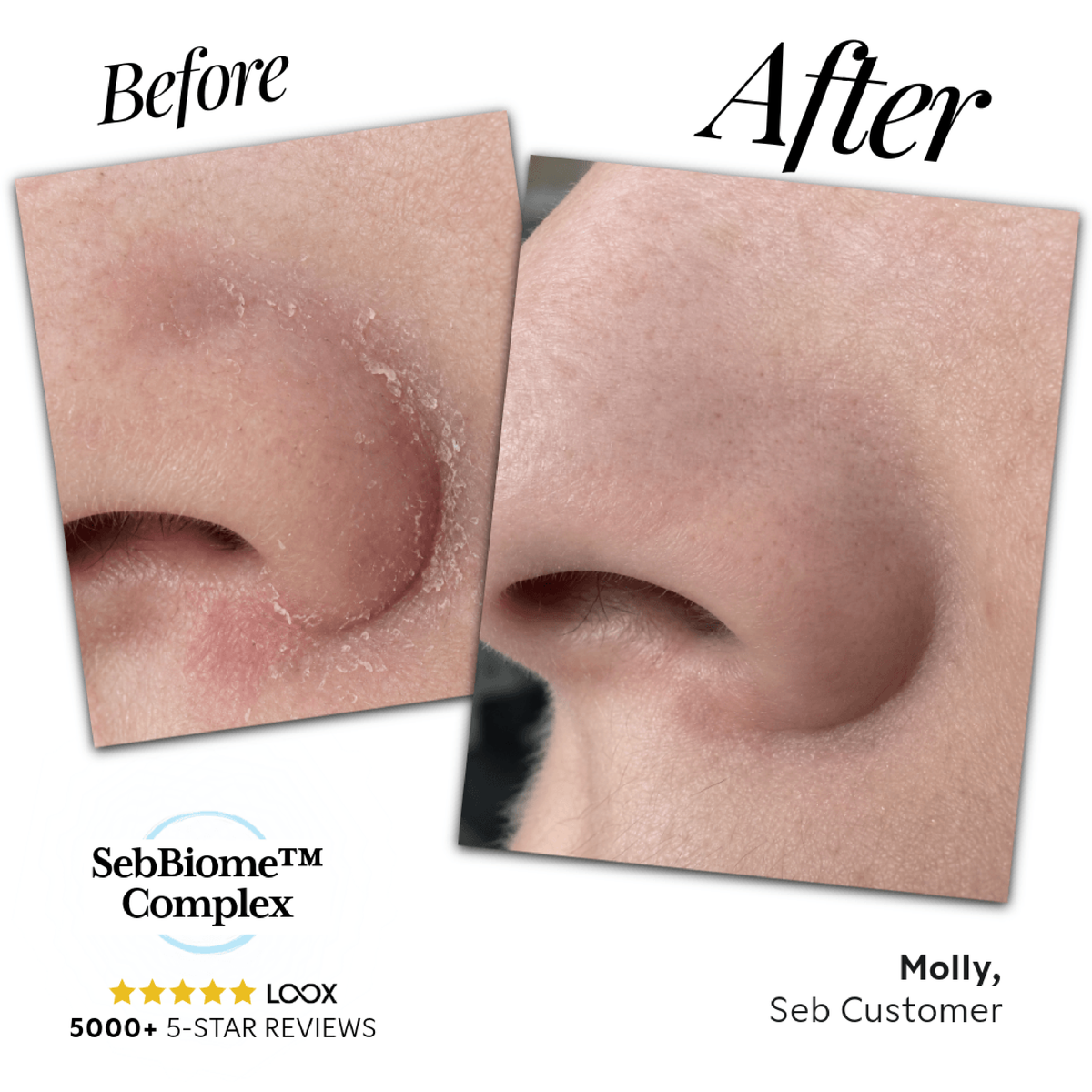
Seborrheic dermatitis is a chronic inflammatory skin condition that commonly affects areas rich in oil glands—like the scalp, face (especially around the nose and eyebrows), ears, and chest.
It often shows up as:
-Red, inflamed skin
-Flaky or greasy scales
-Itching or irritation
-Dandruff-like shedding on the scalp
The condition is linked to a combination of factors:
-Overgrowth of Malassezia yeast (a normal skin organism)
-Oil (sebum) production
-Individual immune response
Because inflammation plays a central role, calming that inflammation is key—which is where topical steroids come in.
What Steroid Creams Actually Do
Topical corticosteroids are anti-inflammatory medications. When applied correctly, they:
-Reduce redness and swelling
-Calm itching
-Suppress immune overreaction in the skin
-Help restore the skin barrier
They don’t “cure” seborrheic dermatitis (nothing does, permanently), but they can quickly bring a flare under control.
The Biggest Misconceptions
1. “All steroid creams are dangerous”
This is probably the most widespread misunderstanding.
Not all steroid creams are the same. They come in different strengths, ranging from very mild (like hydrocortisone) to very potent (used for severe conditions).
For seborrheic dermatitis—especially on the face—doctors typically prescribe:
-Low-potency steroids
-Short treatment durations
-Controlled application areas
When used this way, the risk of serious side effects is very low.
The fear often comes from stories involving:
-High-potency steroids
-Long-term misuse
-Use without medical guidance
That’s not the same as short, targeted treatment.
2. “If you start using them, your skin will become dependent”
This idea stems from confusion around topical steroid withdrawal (TSW).
Here’s the reality:
-TSW is rare and usually associated with prolonged, inappropriate use, often of medium- to high-potency steroids
-It typically occurs after months or years of continuous application—not a few days or weeks
Using a mild steroid for a short flare (e.g., 5–10 days) is not the same scenario.
For most people with seborrheic dermatitis:
-Steroids are used intermittently
-Other treatments (like antifungals) handle maintenance
There is no automatic “dependency” created by responsible use.
3. “Steroid creams thin your skin permanently”
Yes, topical steroids can cause skin thinning—but context matters.
Skin thinning (atrophy) generally occurs when:
-Potent steroids are used
-Applied too frequently
-Used over long periods
-Applied to thin skin (like the face) without supervision
In contrast:
-Low-potency steroids used short-term are unlikely to cause permanent thinning
-Doctors often recommend breaks or switching therapies to minimize risk
The key variable isn’t the steroid itself—it’s how it’s used.
4. “Natural remedies are safer and just as effective”
This belief often pushes people away from treatments that actually work.
While some natural options (like tea tree oil or aloe) may provide mild relief, they:
-Do not reliably control inflammation
-Do not target the yeast involved
-Often lack strong clinical evidence
Meanwhile, untreated seborrheic dermatitis can:
-Persist for months or years
-Worsen over time
-Lead to more intense inflammation
“Natural” doesn’t automatically mean safer—or effective.
5. “You should avoid steroids completely and use antifungals only”
Antifungal treatments (like ketoconazole) are a cornerstone of seborrheic dermatitis care. They target the yeast component.
But they don’t always:
-Calm inflammation quickly
-Relieve severe itching or redness
That’s where steroids come in—as a short-term rescue tool.
The most effective approach is often:
-Antifungals for long-term control
-Steroids for short-term flare management
It’s not either/or—it’s strategic use of both.
Why Steroid Fear Can Backfire
Avoiding steroid creams altogether can lead to:
-Prolonged flares
-Increased discomfort
-Overuse of less effective treatments
-Skin damage from chronic inflammation
Ironically, fear of side effects can result in worse outcomes than the medication itself would have caused.
What Safe Use Actually Looks Like
Responsible use of topical steroids for seborrheic dermatitis typically means:
-Using low-potency steroids (especially on the face)
-Applying a thin layer once or twice daily
-Limiting use to short periods (usually under 1–2 weeks)
-Taking breaks or switching to non-steroid treatments
-Following medical guidance
When used this way, steroid creams are not something to fear—they’re a useful, controlled tool.
A More Balanced Perspective
Steroid creams are not miracle cures—but they’re also not villains.
They sit in a middle ground:
-Powerful when needed
-Safe when used correctly
-Problematic only when misused
Much of the fear surrounding them comes from extreme cases being treated as the norm, or from a lack of understanding about dosage, potency, and duration.
Final Thoughts
If you’re dealing with seborrheic dermatitis, it’s completely reasonable to be cautious about what you put on your skin. But caution should be informed—not driven by internet horror stories or blanket statements.
Topical steroids, when used properly, can:
-Shorten flares
-Reduce discomfort
-Improve quality of life
The goal isn’t to rely on them forever—it’s to use them wisely as part of a broader treatment plan.
If you’re unsure, the best step isn’t avoidance—it’s a conversation with a qualified professional who can tailor treatment to your skin, your condition, and your concerns.
Because in the end, the real problem isn’t steroid creams—it’s misunderstanding them.