The Role of Yeast (Malassezia) in Seborrheic Dermatitis
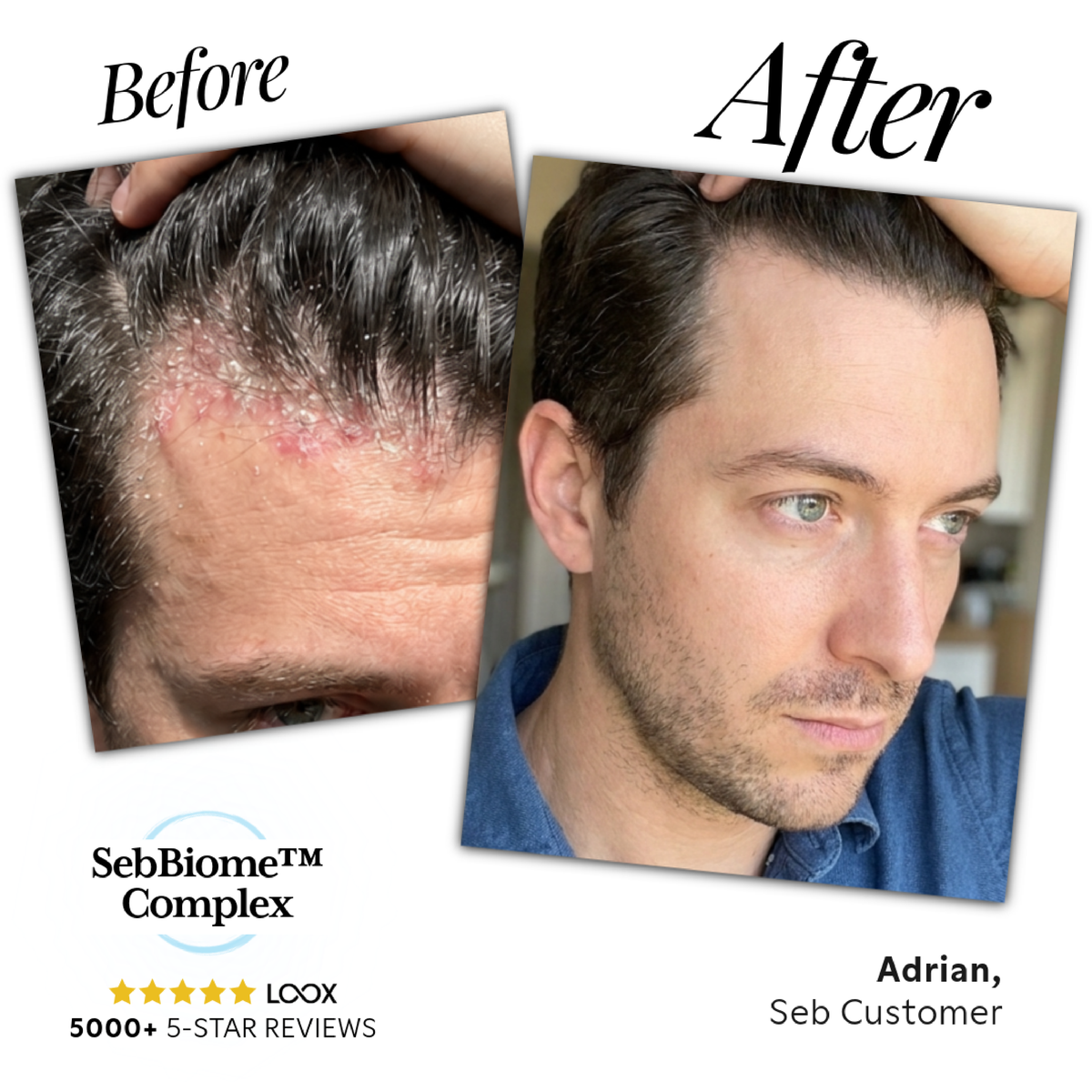
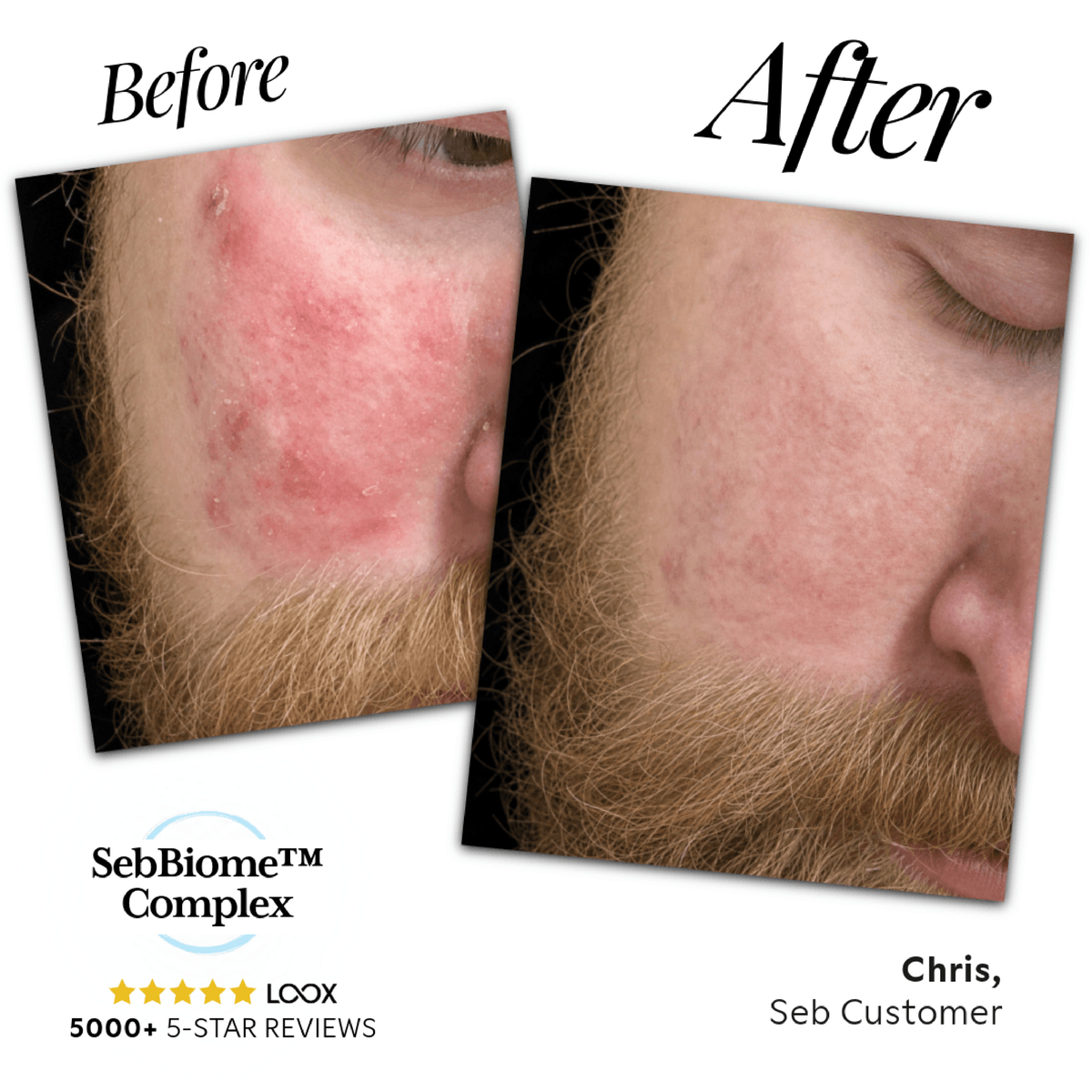
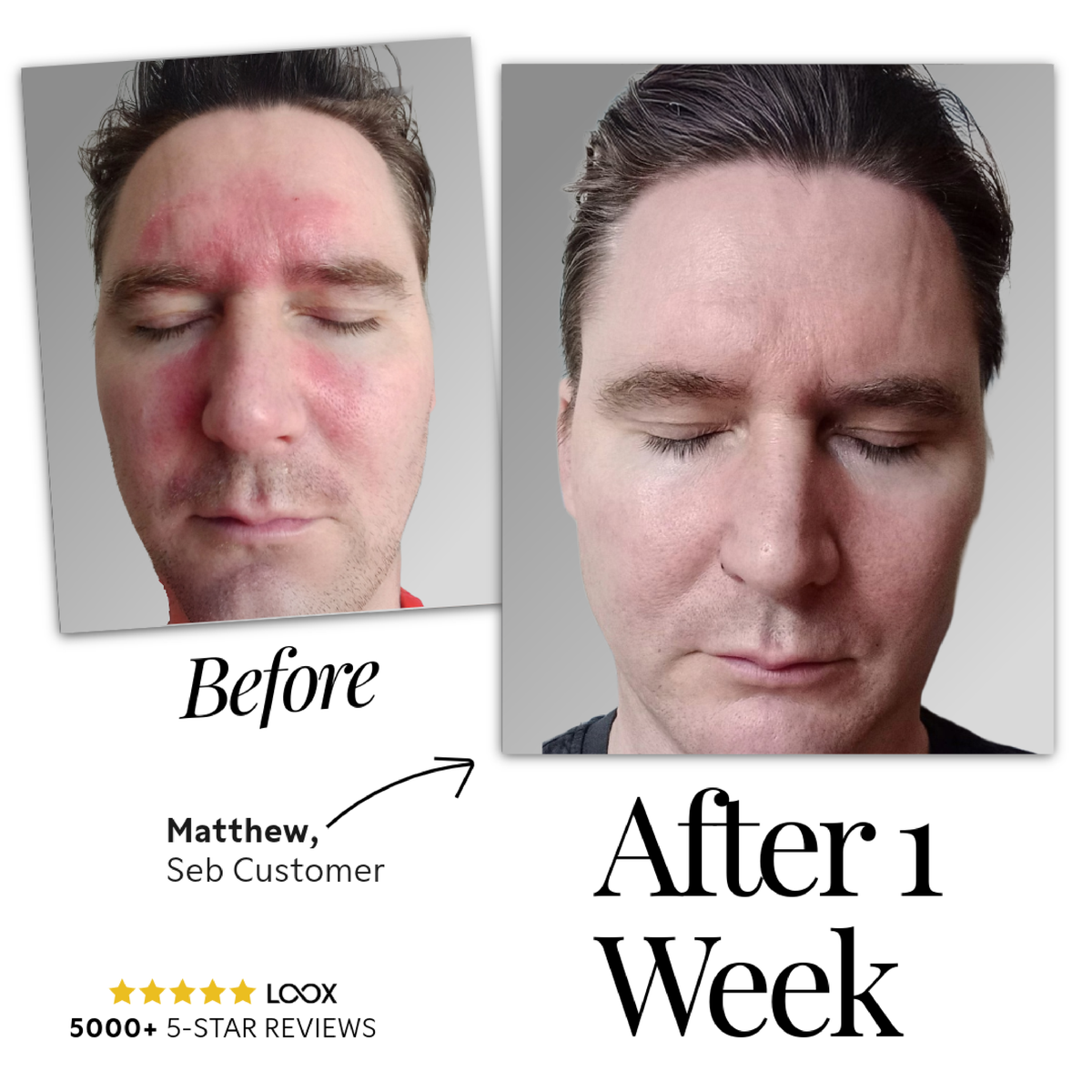
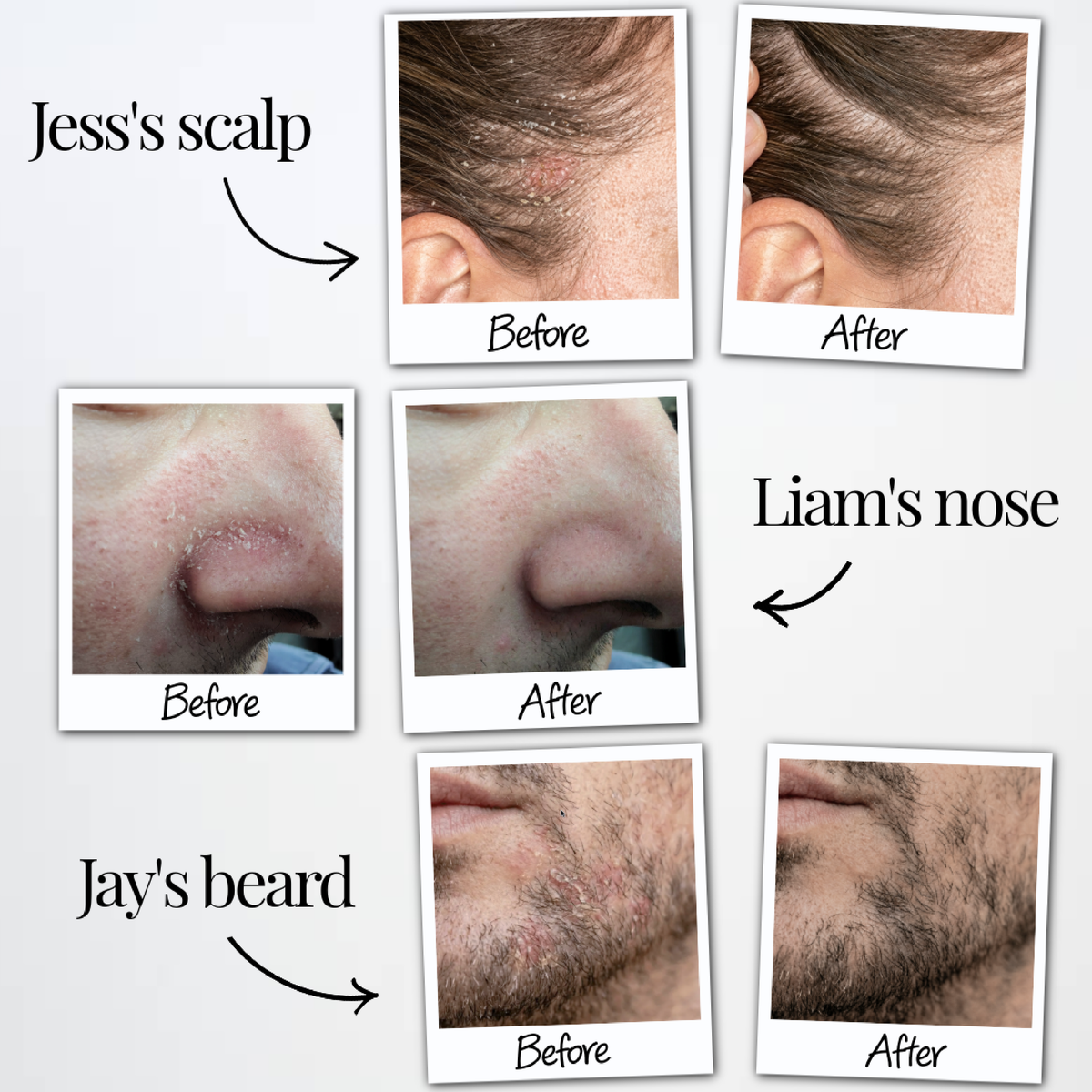
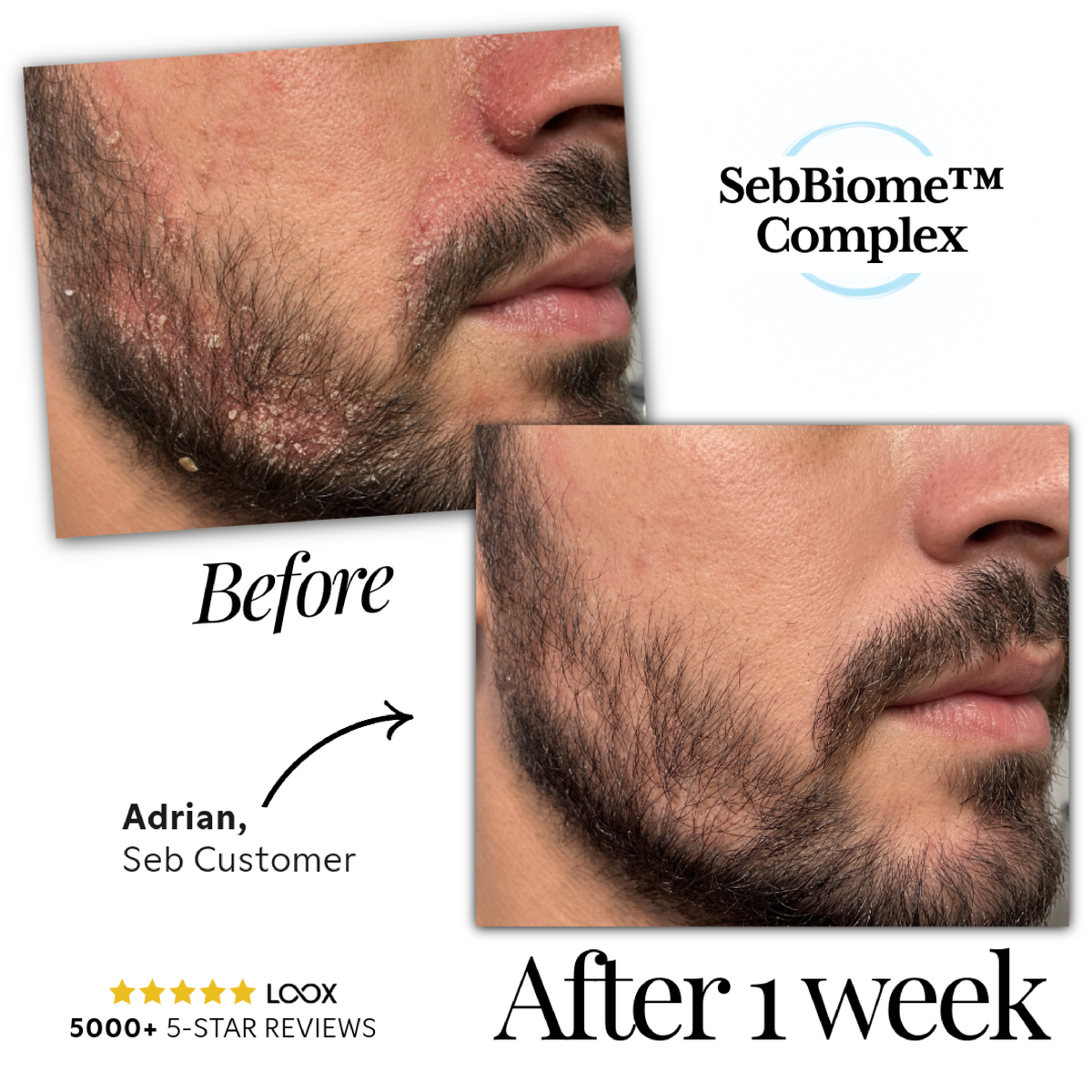
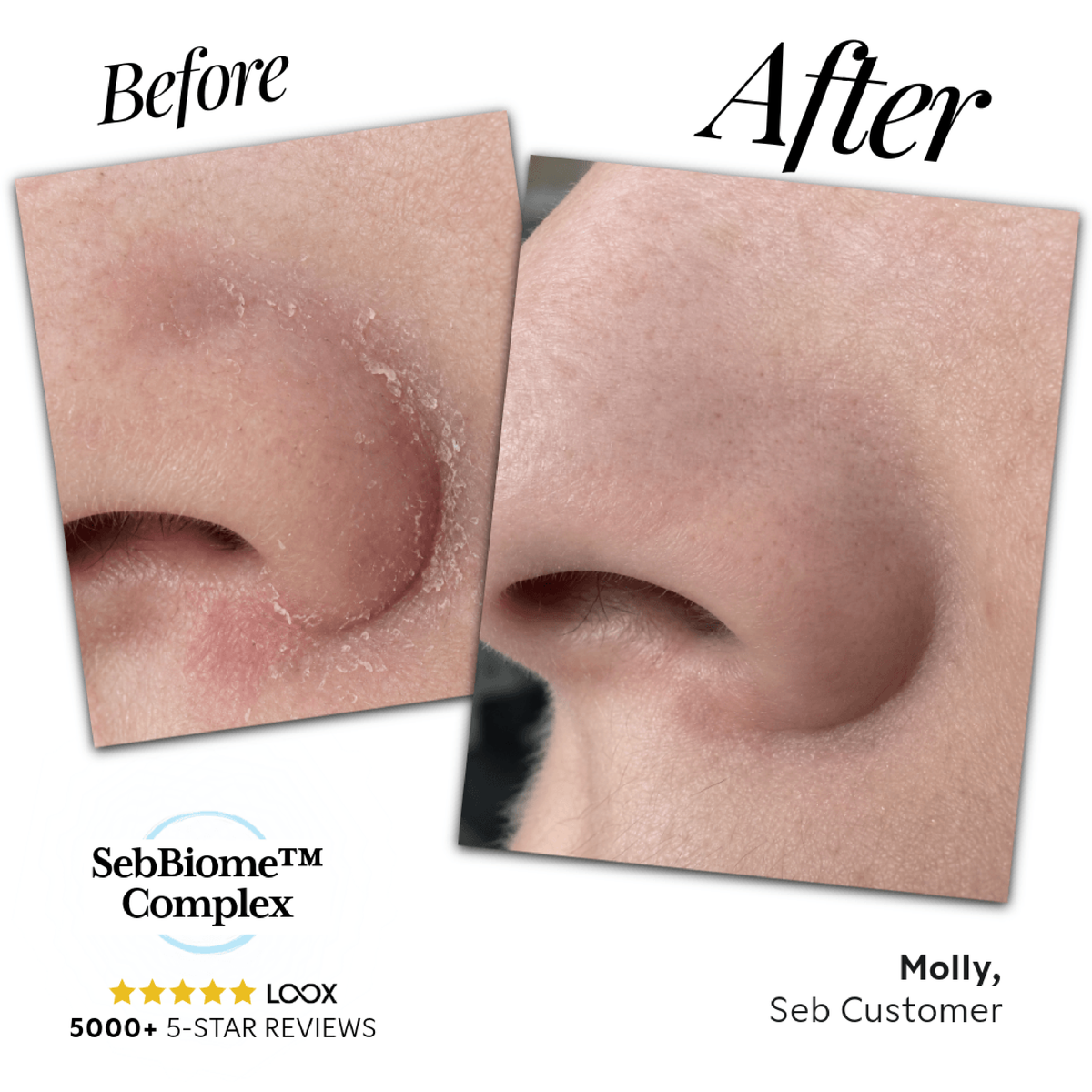
Seborrheic dermatitis (SD) is a common chronic skin condition affecting the scalp, face, and other oily areas of the body. Characterised by redness, flaking, and itching, SD is often confused with dandruff, eczema, or psoriasis. While multiple factors contribute to the development of seborrheic dermatitis, one of the central players is a naturally occurring yeast called Malassezia. Understanding how Malassezia interacts with the skin, why it can trigger flare-ups, and how to manage it effectively is essential for long-term relief.
What Is Malassezia?
Malassezia is a genus of yeast that lives naturally on human skin. It is a lipophilic yeast, meaning it thrives in oily environments, feeding on the skin’s natural sebum. Everyone has Malassezia on their skin, and in most people, it coexists harmlessly.
However, in individuals with seborrheic dermatitis:
-Malassezia may grow excessively
-The immune system may overreact to its presence
-Inflammatory processes lead to redness, scaling, and itching
This combination of overgrowth and immune response is a hallmark of SD.
How Malassezia Contributes to Seborrheic Dermatitis
1. Yeast Overgrowth in Oily Areas
Malassezia thrives in areas rich in sebaceous (oil) glands, such as:
-Scalp
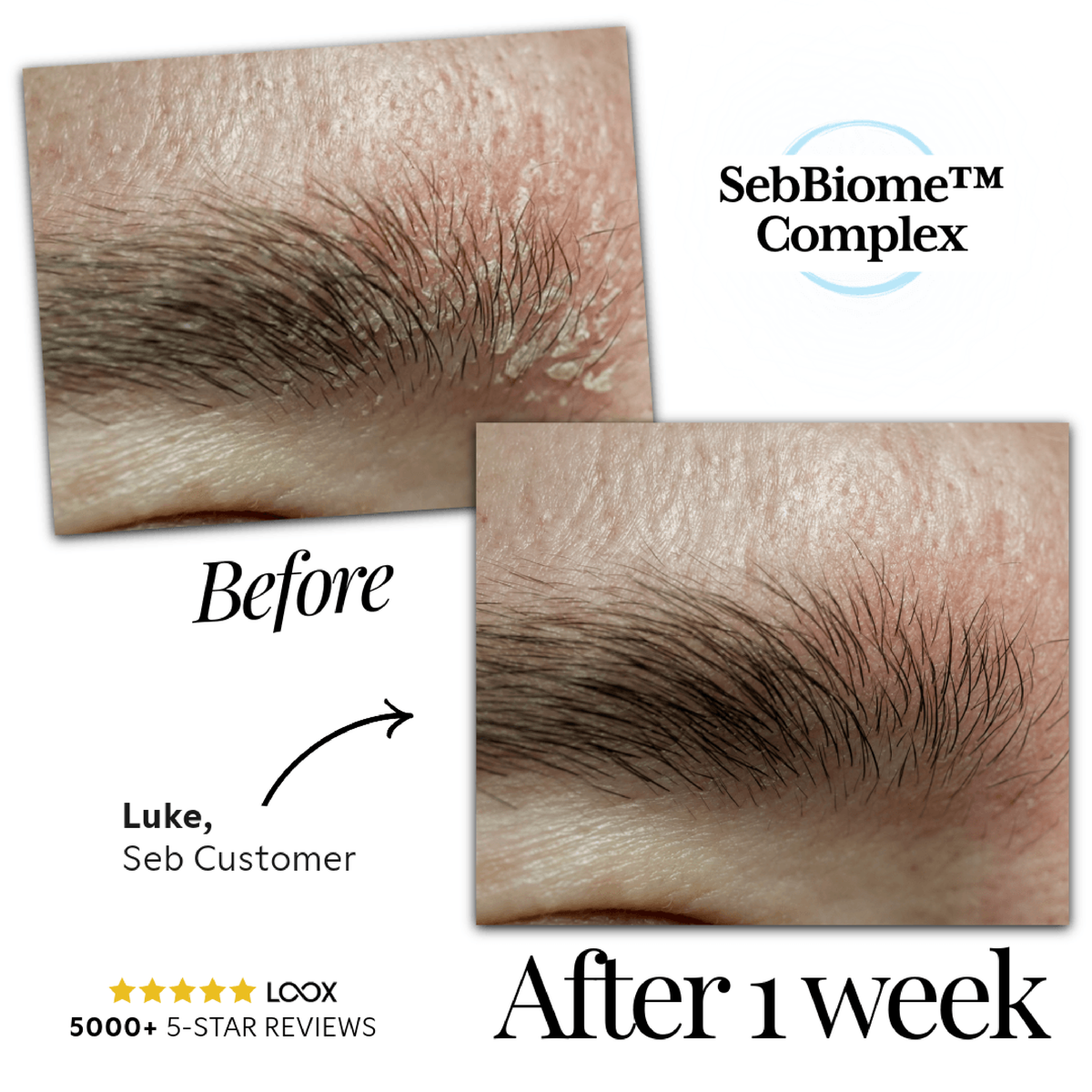
-Eyebrows and eyelids
-Sides of the nose
-Ears and behind the ears
-Chest and upper back
Excess sebum provides a nutrient-rich environment for Malassezia, allowing the yeast to multiply more rapidly.
2. Byproducts Trigger Immune Response
When Malassezia breaks down sebum, it produces fatty acids and other metabolites. These byproducts can irritate the skin and trigger an inflammatory response in susceptible individuals.
-The immune system reacts to these byproducts as if they were harmful pathogens
-Inflammation causes redness, flaking, and itching
-Chronic immune overreaction can sustain flare-ups, even if yeast levels are moderate
3. Disruption of Skin Barrier
Overgrowth of Malassezia and the resulting inflammation can weaken the skin barrier.
-Damaged skin allows irritants and allergens to penetrate more easily
-This amplifies the immune response, creating a vicious cycle of flare-ups
Why Malassezia Overgrowth Doesn’t Affect Everyone
Not everyone with Malassezia develops seborrheic dermatitis. Susceptibility depends on:
-Immune system sensitivity: Some immune systems overreact to yeast or its byproducts
-Genetic factors: Certain genes increase the likelihood of SD
-Skin barrier health: Damaged or compromised skin allows yeast byproducts to trigger inflammation more easily
-Environmental factors: Climate, humidity, and pollution can promote yeast overgrowth
Factors That Promote Malassezia Activity
Several factors can encourage Malassezia overgrowth or worsen its effects on the skin:
-Excess Sebum Production: Hormonal fluctuations (puberty, menstrual cycle) increase oil production; oily skin creates an ideal environment for yeast proliferation
-Stress: Chronic stress impacts immune function and sebum production, worsening SD
-Climate: Humid, warm conditions accelerate yeast growth; dry, cold conditions may reduce yeast activity but can damage the skin barrier, triggering flare-ups
-Medical Conditions: Immunocompromised individuals (e.g., HIV, organ transplant recipients) are more prone to severe SD
-Harsh Skincare Products: Over-cleansing or using harsh soaps strips the skin’s natural oils, disrupting the barrier and worsening inflammation
How to Manage Malassezia in Seborrheic Dermatitis
Managing Malassezia involves both controlling yeast overgrowth and supporting the skin barrier to reduce inflammation.
1. Anti-Fungal Treatments
Topical treatments are the first-line approach to controlling yeast:
-Shampoos: Ketoconazole, selenium sulfide, and zinc pyrithione can reduce scalp yeast levels
-Creams: Topical ketoconazole or ciclopirox for facial or body lesions
-Frequency: Typically, treatments are used several times per week, then tapered to maintain control
2. Gentle Skincare
Supporting the skin barrier helps minimize inflammation:
-Use mild, fragrance-free cleansers
-Avoid alcohol-based or harsh exfoliating products
-Moisturise with barrier-supporting ingredients like ceramides, glycerin, or hyaluronic acid
3. Lifestyle and Environmental Adjustments
-Manage stress through meditation, yoga, or adequate sleep
-Adjust skincare and treatment routines based on climate and seasonal changes
-Avoid excessive heat and sweating without proper skin cleansing
4. Diet and Supplements
While research is ongoing, anti-inflammatory diets and probiotics may help support skin and immune health:
-Omega-3 fatty acids (fish oil, flaxseed)
-Fruits and vegetables rich in antioxidants
-Fermented foods or probiotic supplements
The Science Behind Anti-Fungal Efficacy
Anti-fungal treatments work by reducing Malassezia numbers on the skin:
-Ketoconazole inhibits yeast growth by disrupting cell membrane formation
-Selenium sulfide reduces oiliness and directly decreases yeast activity
-Zinc pyrithione has anti-fungal and anti-inflammatory properties
Even when yeast is under control, flare-ups may still occur if the skin barrier is weak or the immune system is overreacting. That’s why a combination of anti-fungal therapy and barrier repair is often the most effective approach.
Common Misconceptions About Malassezia and SD
-“Malassezia is the only cause of SD.” Not true. SD is multifactorial, involving yeast, immune response, genetics, and environmental factors.
-“Over-washing eliminates SD.” Over-washing strips the skin of protective oils, which can worsen flare-ups.
-“Only scalp is affected.” SD can affect face, ears, chest, and other oil-rich areas.
-“Anti-fungals cure SD permanently.” Anti-fungals manage yeast overgrowth but do not address immune overreaction. Maintenance therapy and barrier support are key.
Long-Term Management Strategies
For people living with SD, managing Malassezia requires a holistic approach:
-Consistent Treatment: Anti-fungal shampoos or creams to control yeast
-Barrier Repair: Gentle cleansers and moisturizers to protect the skin
-Lifestyle Adjustments: Stress management, climate awareness, and proper hygiene
-Monitoring Flare-Ups: Keep a diary to track triggers and seasonal patterns
-Professional Guidance: Dermatologists can recommend tailored therapies, including medicated creams and preventive regimens
The Takeaway
Malassezia plays a central role in seborrheic dermatitis, but it is not the sole cause. The interaction between yeast overgrowth, immune response, and skin barrier integrity drives the symptoms of SD. By understanding the role of Malassezia, individuals can better manage flare-ups with targeted anti-fungal treatments, skin barrier repair, and lifestyle adjustments.
Seborrheic dermatitis is a chronic condition, but with the right approach, flare-ups can be controlled, symptoms minimised, and quality of life significantly improved. Understanding the yeast behind the condition is the first step toward long-term relief.