The Psychological and Emotional Impact of Seborrheic Dermatitis and Eczema: Beyond the Skin
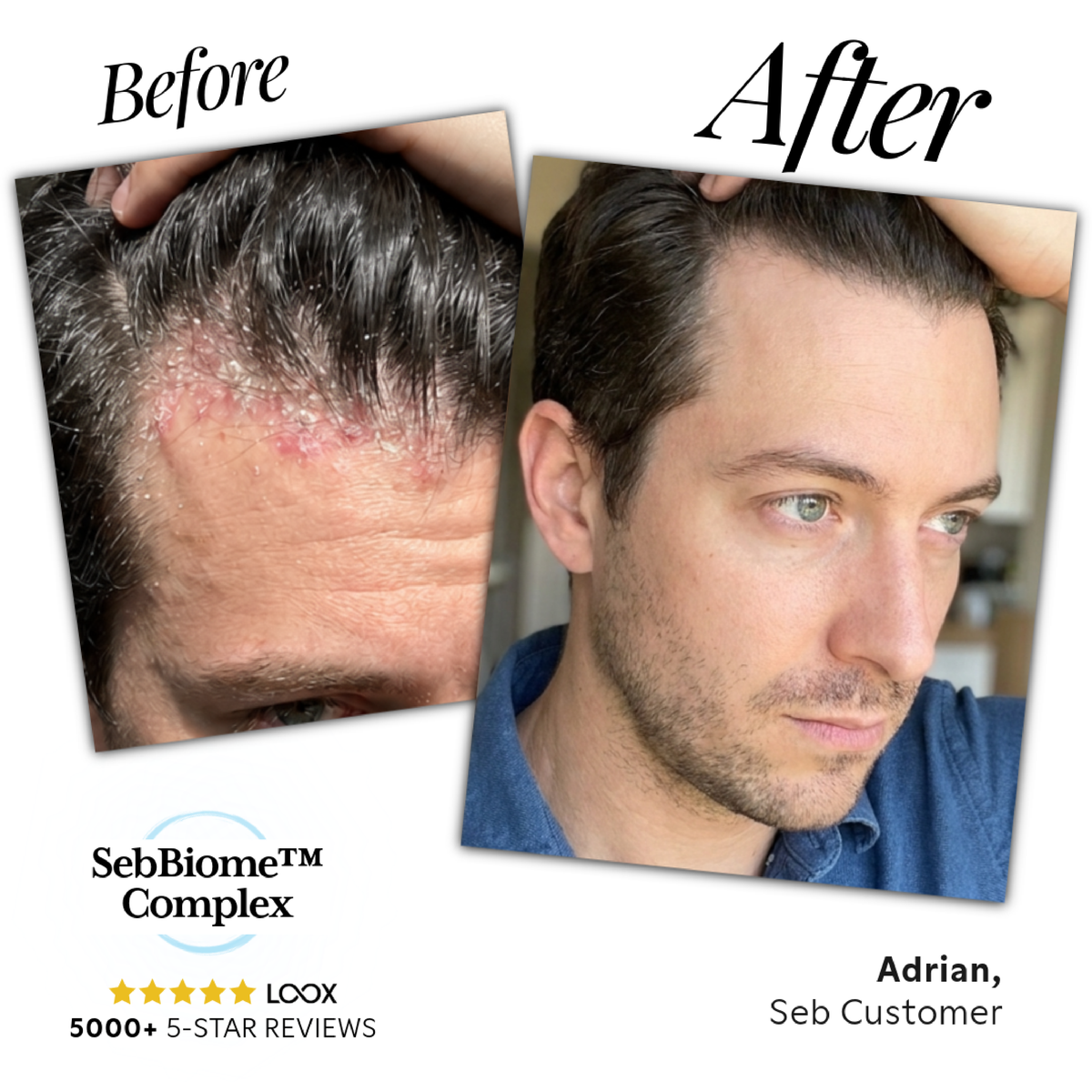
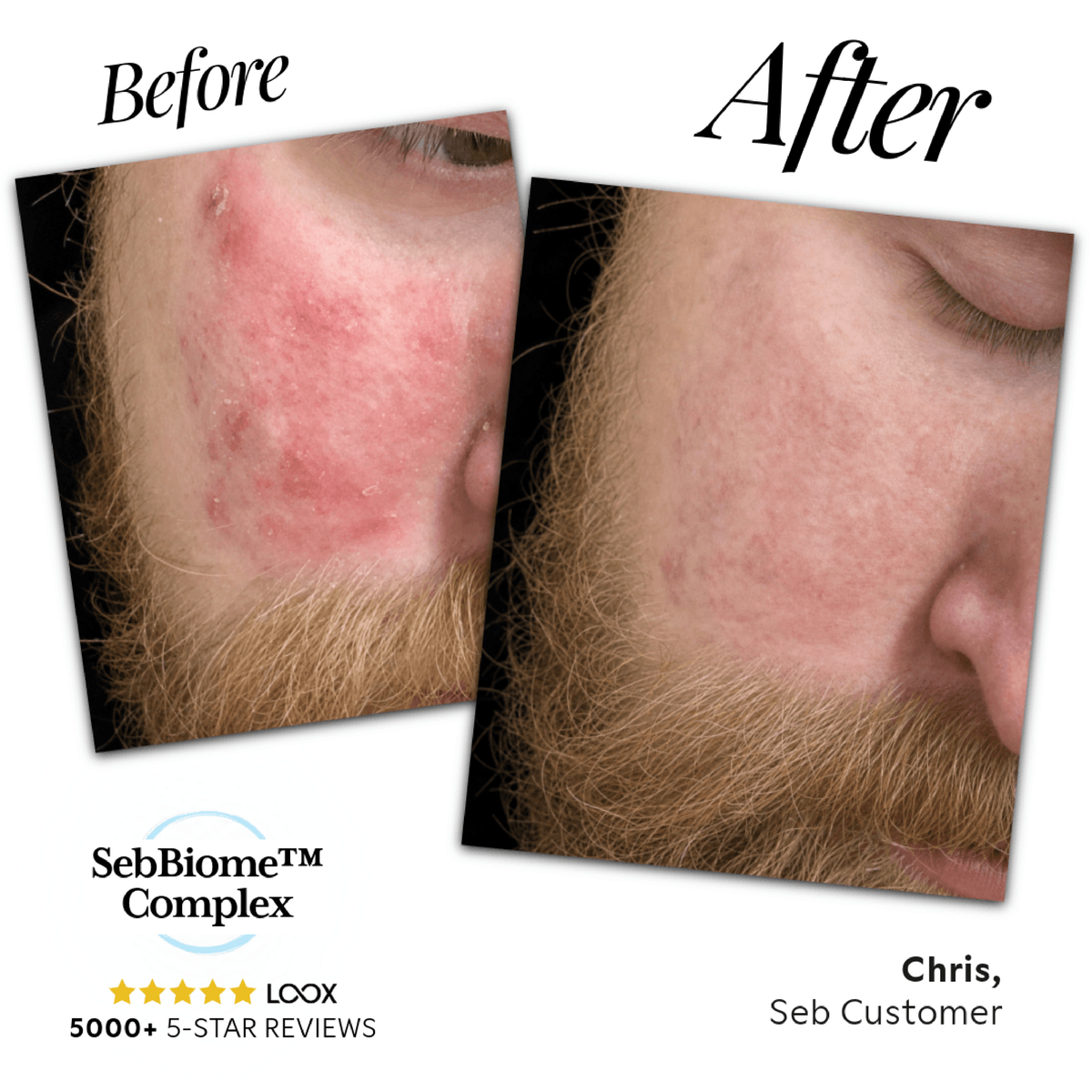
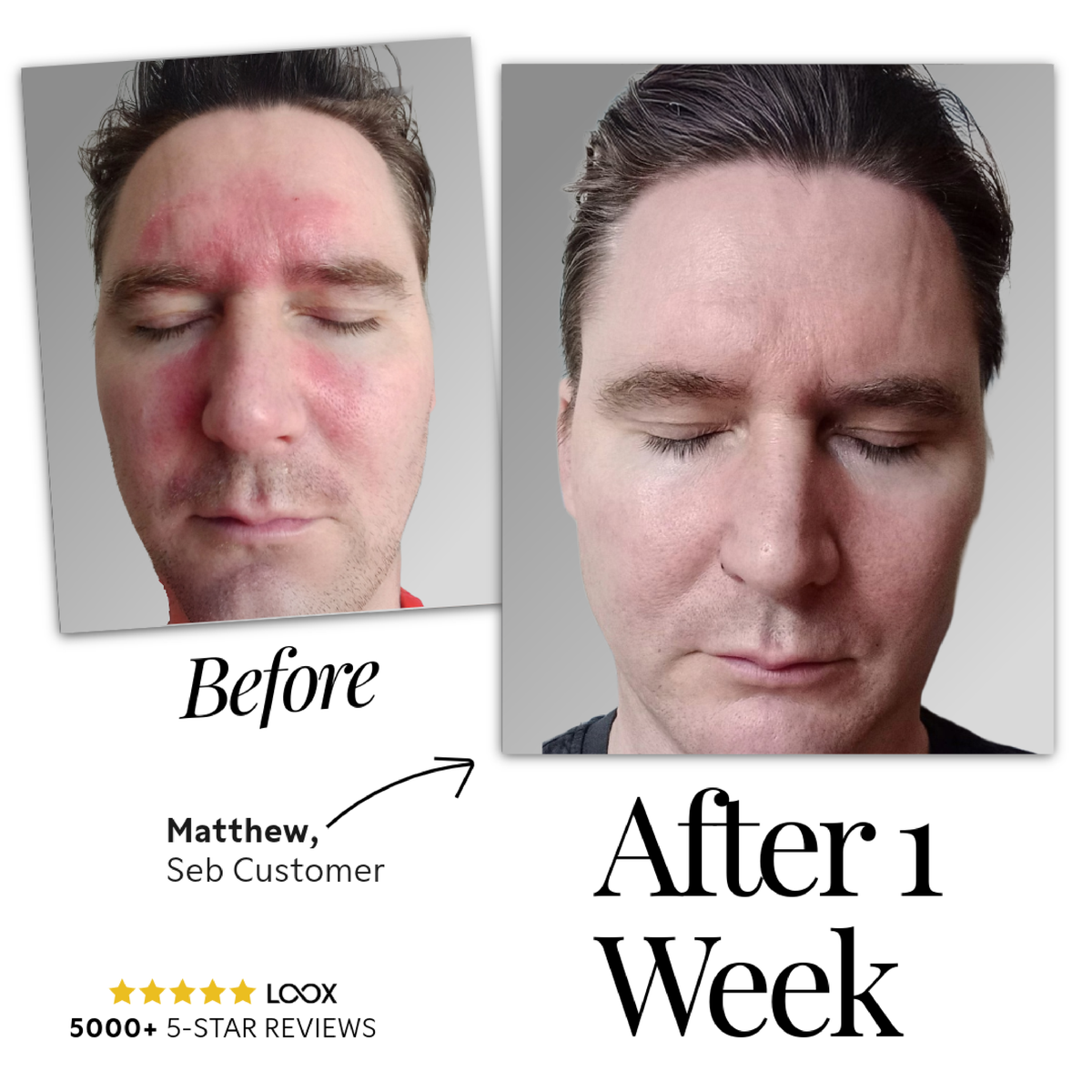
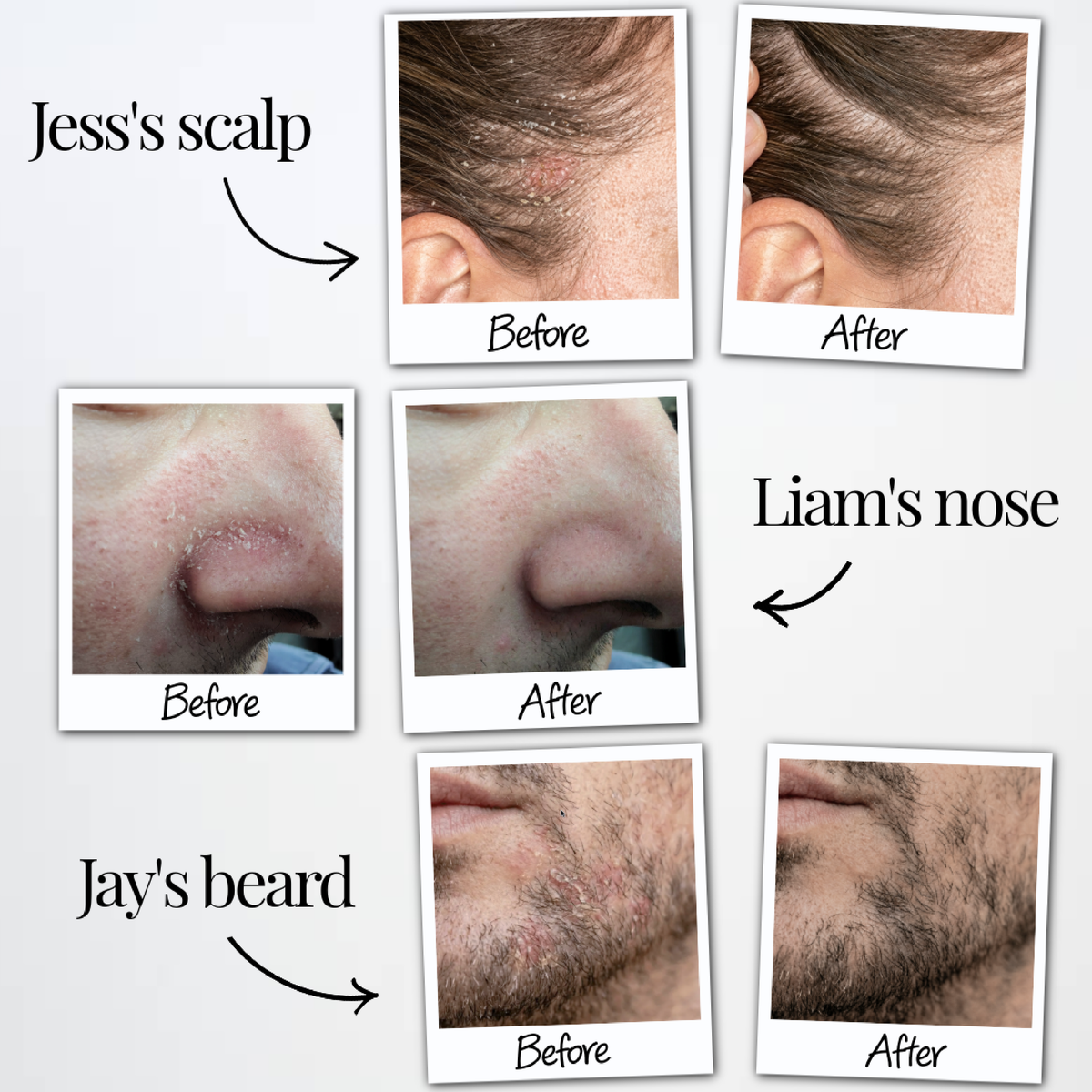
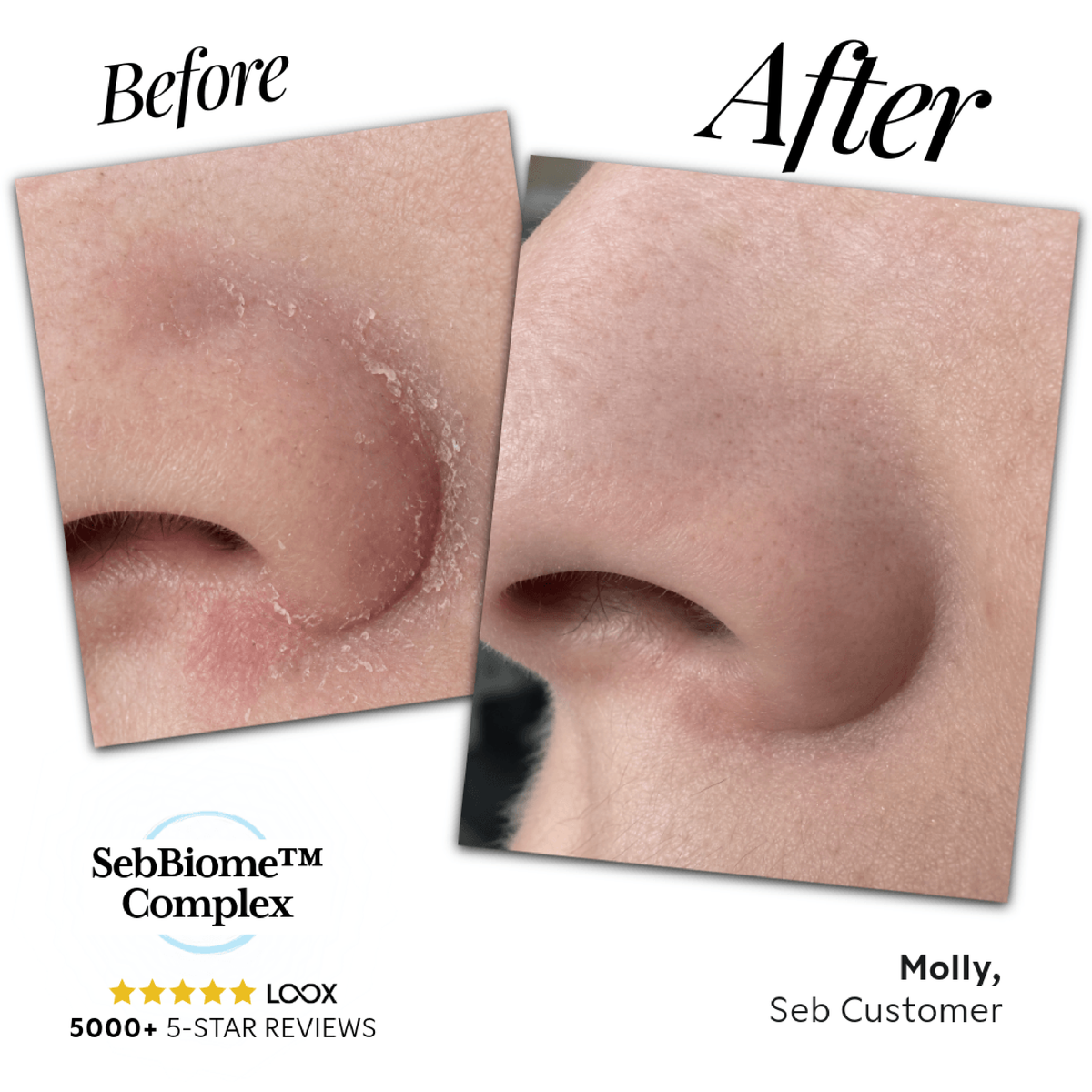
Seborrheic dermatitis and eczema are often viewed narrowly as physical skin conditions marked by redness, scaling, and itchiness. Yet, the psychological and emotional impact of these chronic conditions is profound and deserves greater attention. The visible nature of these disorders can deeply affect self-esteem, social interactions, and overall mental health, making comprehensive care essential.
Living with seborrheic dermatitis or eczema means managing more than just physical discomfort. The appearance of inflamed, flaky, or irritated skin—especially on the face, scalp, or hands—can lead to feelings of embarrassment, self-consciousness, and social anxiety. These feelings are intensified by societal pressures and beauty ideals that prize clear, flawless skin. Individuals may avoid social events, photographs, or even professional opportunities due to fear of judgment or negative reactions.
The relentless itch and discomfort further compound emotional distress. Chronic itching disrupts sleep, leading to fatigue and decreased focus during the day. Sleep deprivation can worsen mood disorders like anxiety and depression, creating a complex interplay between skin symptoms and mental well-being. Unfortunately, stress and anxiety themselves are known triggers for seborrheic dermatitis and eczema, setting up a difficult cycle that can be hard to escape.
Addressing the emotional dimension of these skin conditions is crucial for effective management. Integrating mental health support into dermatological care is becoming more common. Techniques such as cognitive-behavioral therapy (CBT) can help patients develop healthier coping mechanisms for the stress and anxiety related to their skin condition. Mindfulness practices, relaxation exercises, and stress management also contribute to reducing flare-up frequency and severity.
Community support plays an equally vital role. Connecting with others who share similar experiences through support groups or online forums can provide emotional relief and a sense of belonging. Sharing stories and coping tips helps reduce isolation and stigma, empowering individuals to advocate for their own skin health.
Ultimately, treating seborrheic dermatitis and eczema effectively requires a holistic approach that acknowledges both the skin and the mind. Recognizing and addressing the psychological burden can significantly improve quality of life, making it easier to manage physical symptoms and maintain a positive outlook on the journey to healthier skin.