The Link Between Stress Hormones and Seborrheic Dermatitis
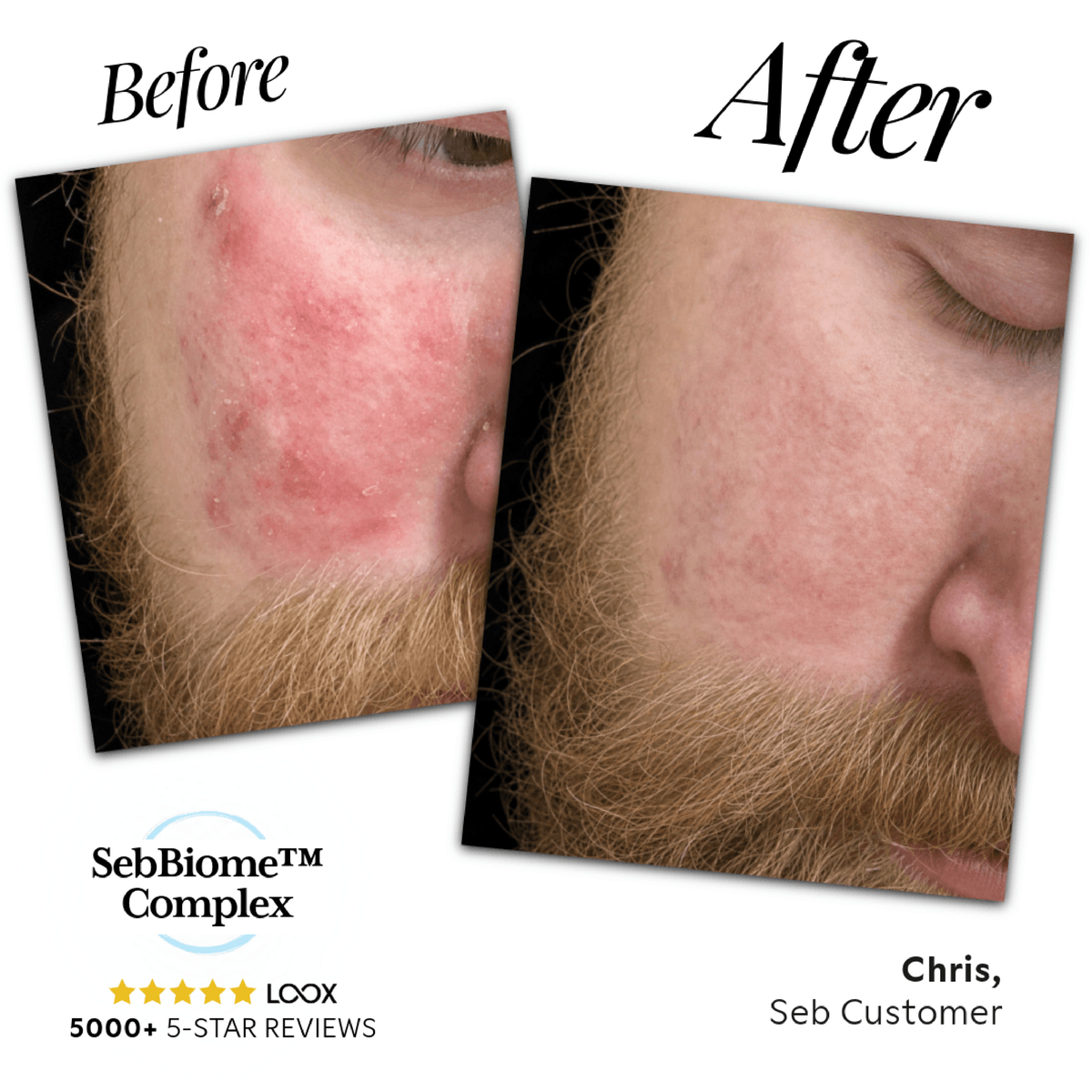
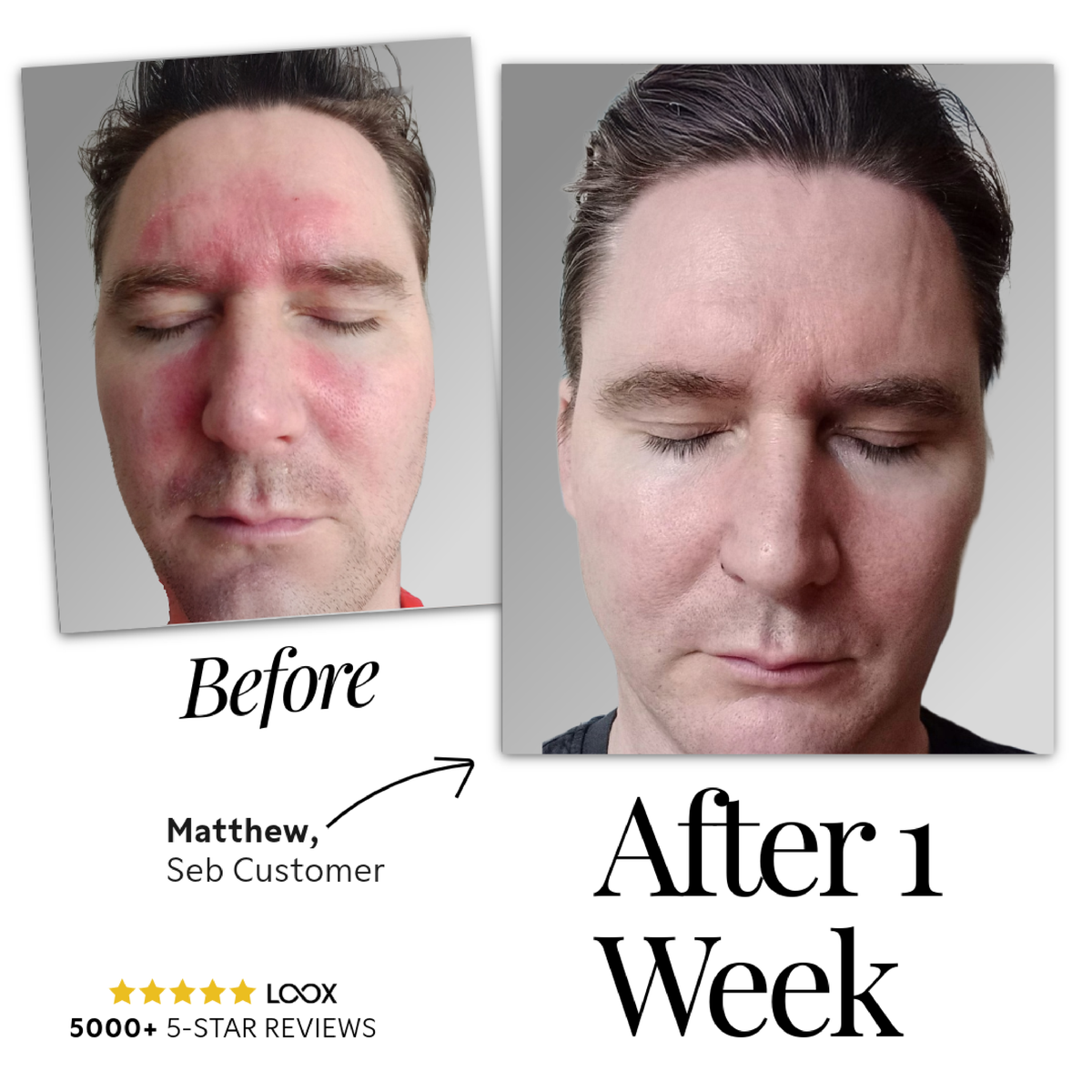
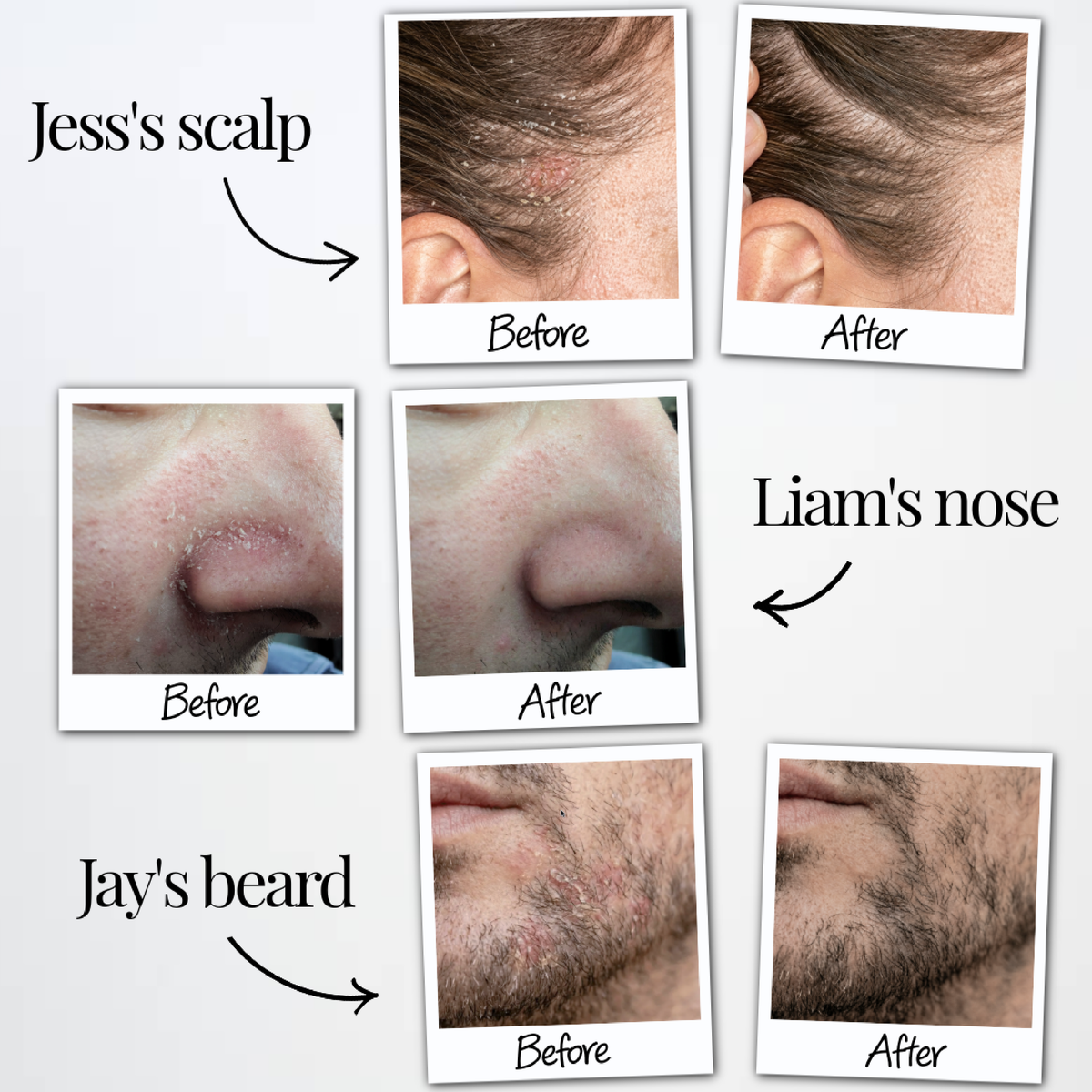
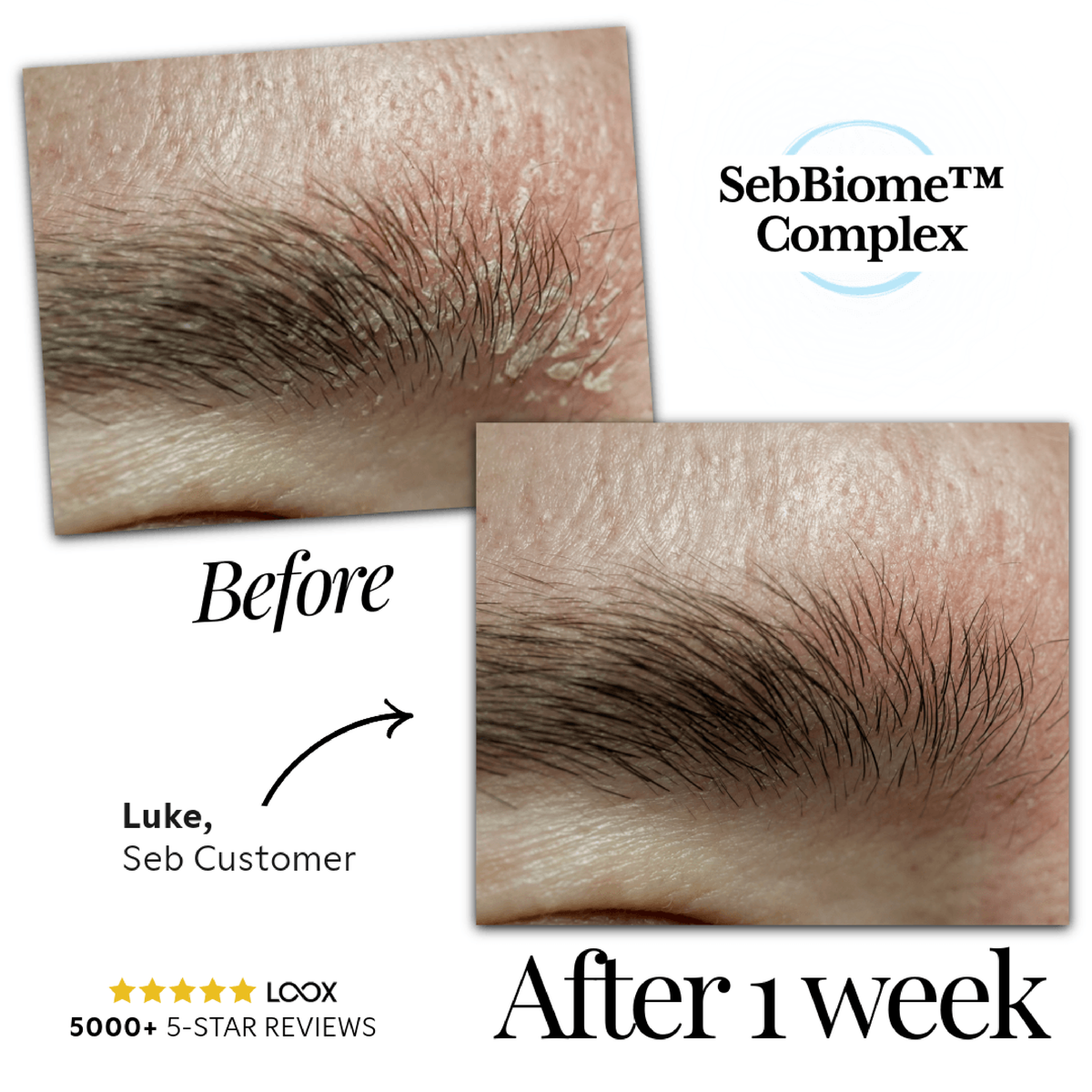
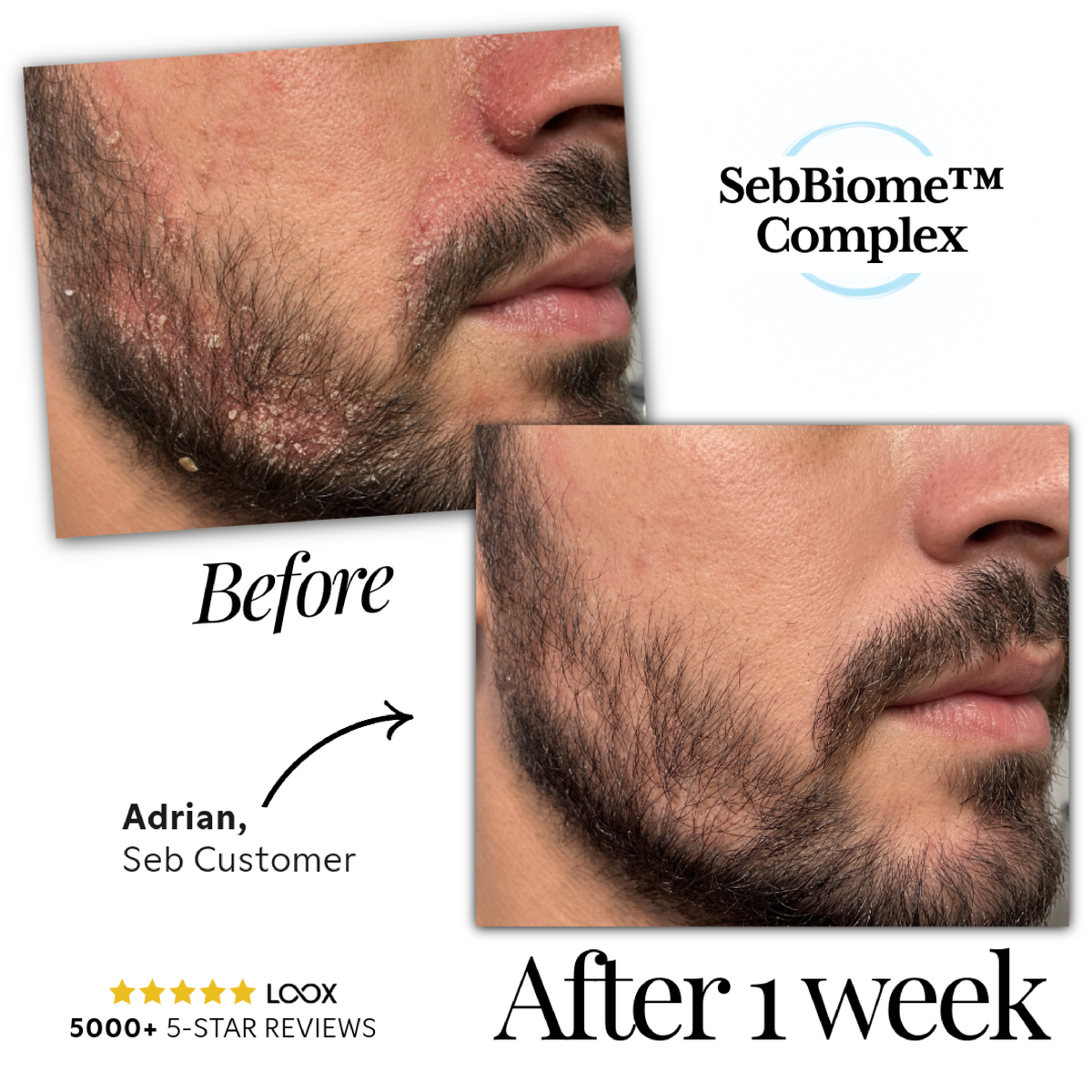
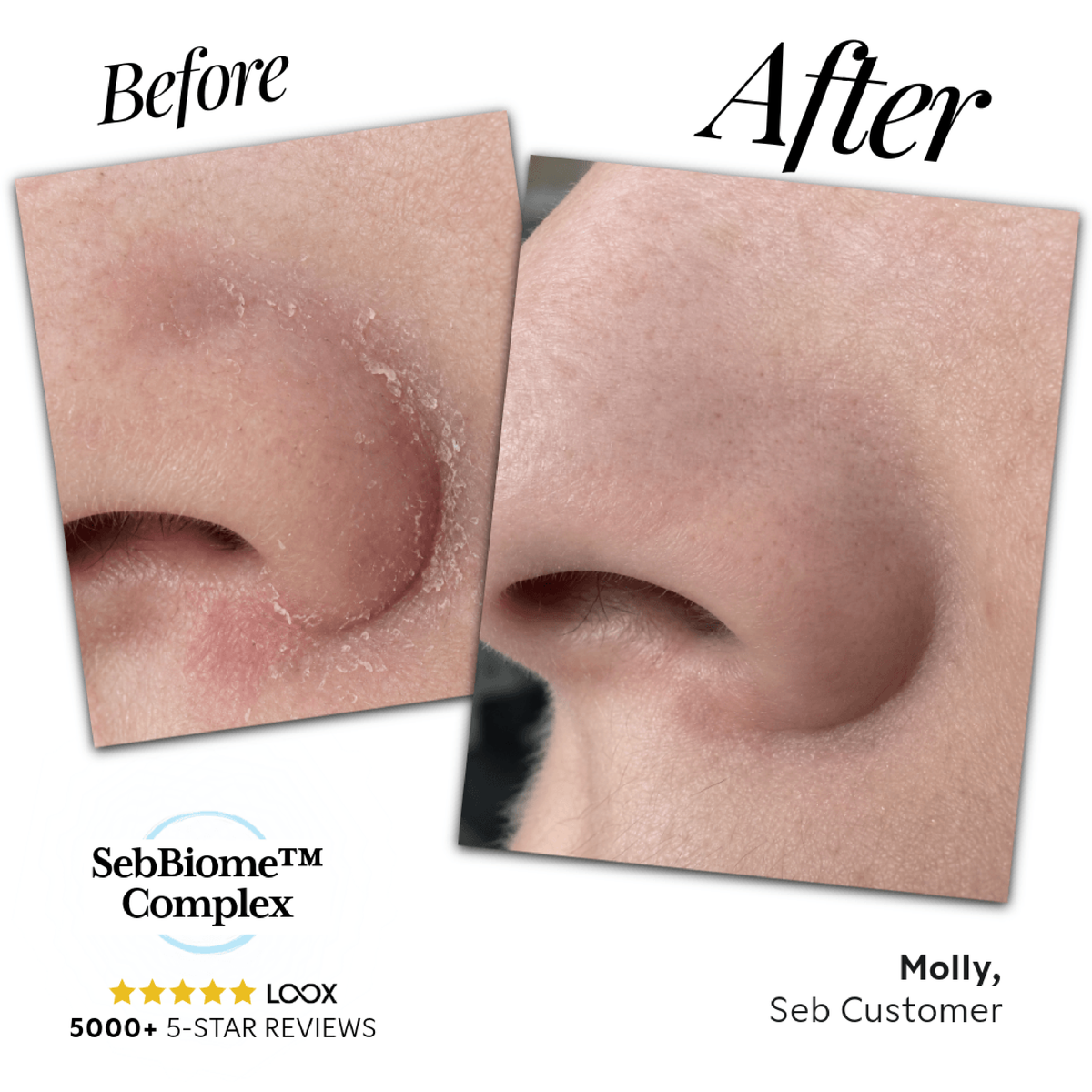
Seborrheic dermatitis (SD) is a common, chronic inflammatory skin condition characterised by red, scaly, and itchy patches, most frequently affecting the scalp, face, and upper chest. While its exact cause remains multifactorial, growing evidence suggests that stress plays a significant role in triggering or worsening flare-ups. But what exactly is the connection between stress, hormones, and seborrheic dermatitis?
Understanding Seborrheic Dermatitis
Before diving into the role of stress, it’s important to understand the underlying mechanisms of seborrheic dermatitis:
-
Malassezia Yeast Overgrowth: Malassezia is a type of fungus that naturally resides on the skin. In SD patients, overgrowth of this yeast can trigger an inflammatory response.
-
Sebum Production: Sebum, the natural oil produced by sebaceous glands, is another key factor. Areas with high sebum production, like the scalp and face, are particularly susceptible.
-
Inflammatory Response: The immune system reacts to both Malassezia and sebum components, leading to redness, scaling, and itching.
-
Genetic and Environmental Factors: Genetics, weather, diet, and lifestyle also influence SD development.
With these factors in mind, it becomes clear that SD is not merely a superficial skin condition but a manifestation of deeper physiological processes. Stress, through its hormonal effects, can act as a significant amplifier.
Stress Hormones: Cortisol and Beyond
When your body perceives a threat—physical or psychological—it activates the hypothalamic-pituitary-adrenal (HPA) axis. This leads to the release of stress hormones, primarily cortisol, along with adrenaline and noradrenaline. These hormones are essential for the “fight or flight” response, but chronic elevation can have far-reaching effects:
-Immune System Modulation: Cortisol suppresses certain immune functions while activating inflammatory pathways, potentially aggravating inflammatory skin conditions.
-Skin Barrier Function: High cortisol levels can impair the skin barrier, making it more susceptible to irritation, infections, and fungal overgrowth.
-Sebum Production: Some studies suggest that stress hormones can influence sebaceous glands, potentially increasing oil production and providing a favorable environment for Malassezia.
The Mechanistic Link: Stress and Seborrheic Dermatitis
-
Immune Dysregulation
Chronic stress alters the balance between pro-inflammatory and anti-inflammatory cytokines. This imbalance can exacerbate the immune response to Malassezia, leading to more pronounced SD symptoms. -
Increased Sebum Production
Stress can stimulate sebaceous glands via the adrenal cortex, increasing the availability of lipids that Malassezia feeds on. The more the yeast thrives, the more inflammation occurs. -
Skin Barrier Disruption
Cortisol reduces the production of natural moisturising factors and lipids that maintain skin integrity. A weakened barrier makes the skin more prone to irritation, scaling, and microbial imbalance. -
Neurological and Psychological Feedback Loops
It’s not just a one-way street. The visible symptoms of SD—redness, flaking, itchiness—can themselves trigger stress and anxiety, creating a vicious cycle where stress worsens SD, and SD worsens stress.
Clinical Evidence
Several studies have highlighted the link between stress and seborrheic dermatitis:
-Patient Surveys: Individuals with SD often report flare-ups during periods of high psychological stress, such as exams, work pressure, or personal crises.
-Hormonal Analysis: Research shows that patients with chronic SD often have altered cortisol rhythms, suggesting dysregulation of the HPA axis.
-Experimental Stress Models: Animal and in vitro studies indicate that stress hormones can increase sebaceous gland activity and modulate immune responses, both key factors in SD pathogenesis.
While more large-scale clinical trials are needed, the evidence strongly supports stress as a significant trigger for SD flare-ups.
Managing Stress to Control Seborrheic Dermatitis
Since stress can exacerbate SD, addressing it can help reduce flare-ups. Practical strategies include:
-
Mindfulness and Meditation: Daily mindfulness or meditation practice can lower cortisol levels and improve skin outcomes over time.
-
Exercise: Regular moderate exercise helps regulate stress hormones and improves overall immune function.
-
Sleep Hygiene: Quality sleep is critical for maintaining healthy cortisol rhythms.
-
Psychological Support: Counselling or cognitive behavioural therapy (CBT) can be beneficial for patients with severe stress-triggered flare-ups.
-
Complementary Skincare: While managing stress, using anti-fungal shampoos, gentle cleansers, and moisturisers can help mitigate flare-ups.
The Takeaway
Seborrheic dermatitis is not just a cosmetic issue—it’s a condition deeply connected to the body’s hormonal and immune systems. Stress, through the action of hormones like cortisol, can influence immune responses, sebum production, and skin barrier integrity, all of which can trigger or worsen SD. Recognising the link between mind and skin is crucial for both managing symptoms and improving overall quality of life.
Incorporating stress-reduction strategies alongside conventional SD treatments may not only improve your skin but also enhance your overall health. After all, happy skin often starts with a calmer mind.