The Intricate Skin Microbiome Connection in Seborrheic Dermatitis and Eczema
When exploring seborrheic dermatitis and eczema, much of the mainstream conversation focuses on symptom relief and trigger identification. Yet, one of the most compelling and increasingly researched dimensions lies in the skin microbiome—the complex, dynamic community of microorganisms inhabiting our skin. This microbiome plays a crucial role in maintaining skin health and immune balance, and its disruption can be a key factor in these chronic skin conditions.
The skin is not just a physical barrier; it is an ecosystem supporting diverse bacteria, fungi, viruses, and other microbes. This symbiotic community helps defend against pathogens, modulate immune responses, and maintain the skin’s natural pH and moisture. In healthy skin, microbial populations exist in harmony, but in conditions like seborrheic dermatitis and eczema, this balance is disturbed.
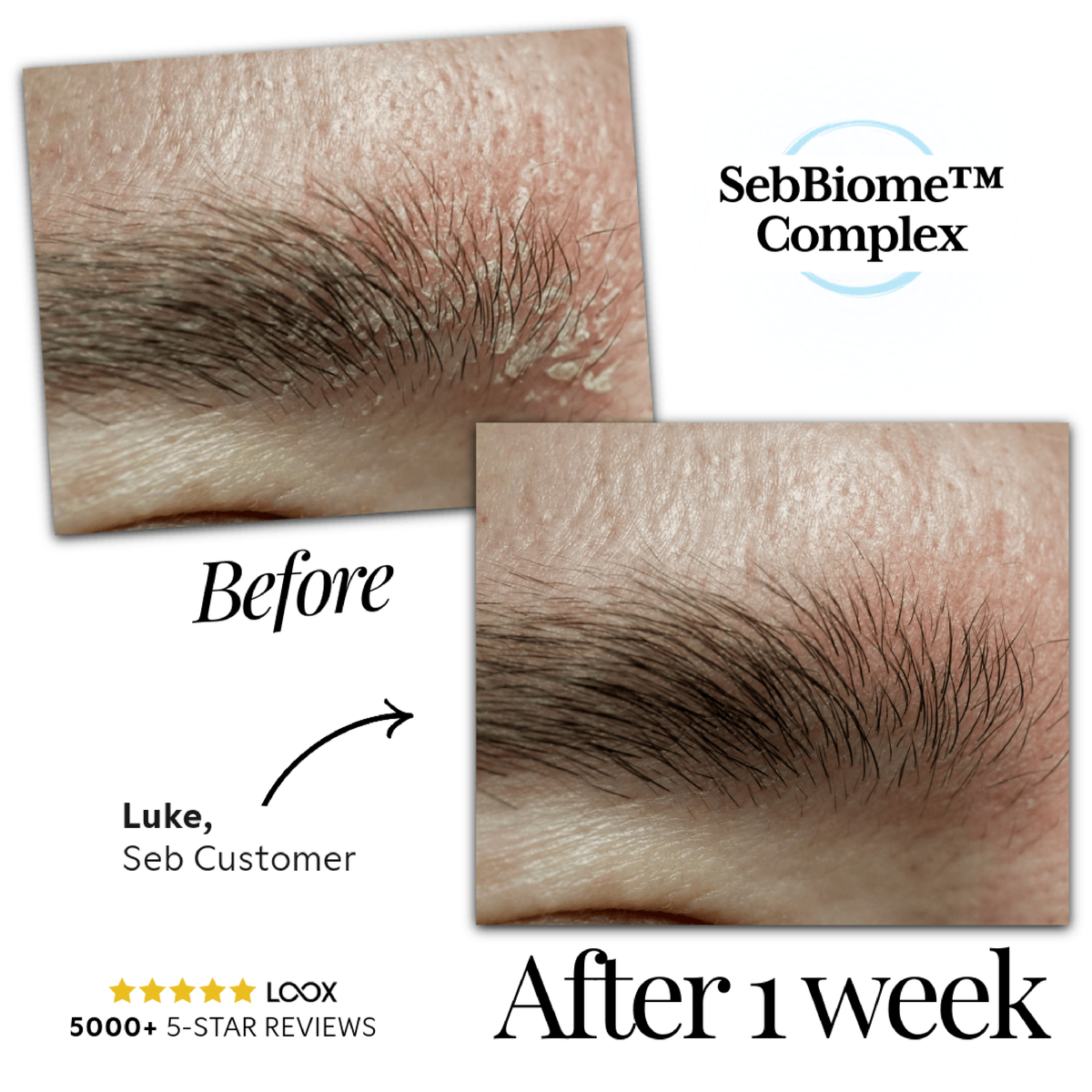
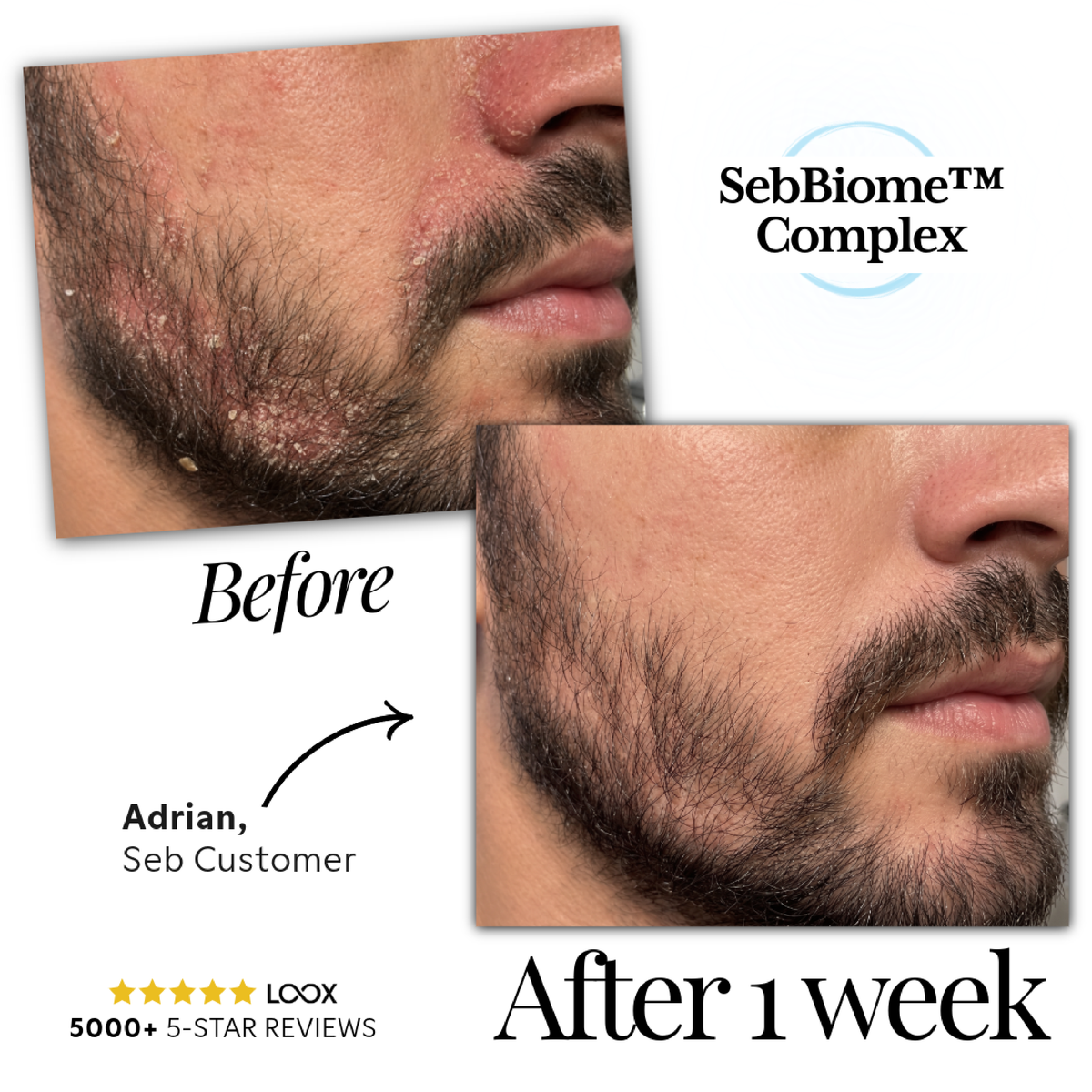
In seborrheic dermatitis, the fungus Malassezia is often found in higher numbers. This yeast thrives in oily, sebaceous gland-rich areas such as the scalp, face, and upper chest, which explains the typical distribution of seborrheic dermatitis symptoms. However, the mere presence of Malassezia is not enough to cause the condition—many people have this yeast on their skin without issues. The problem arises when changes in sebum composition or immune response allow this yeast to overgrow, triggering inflammation, redness, and scaling.
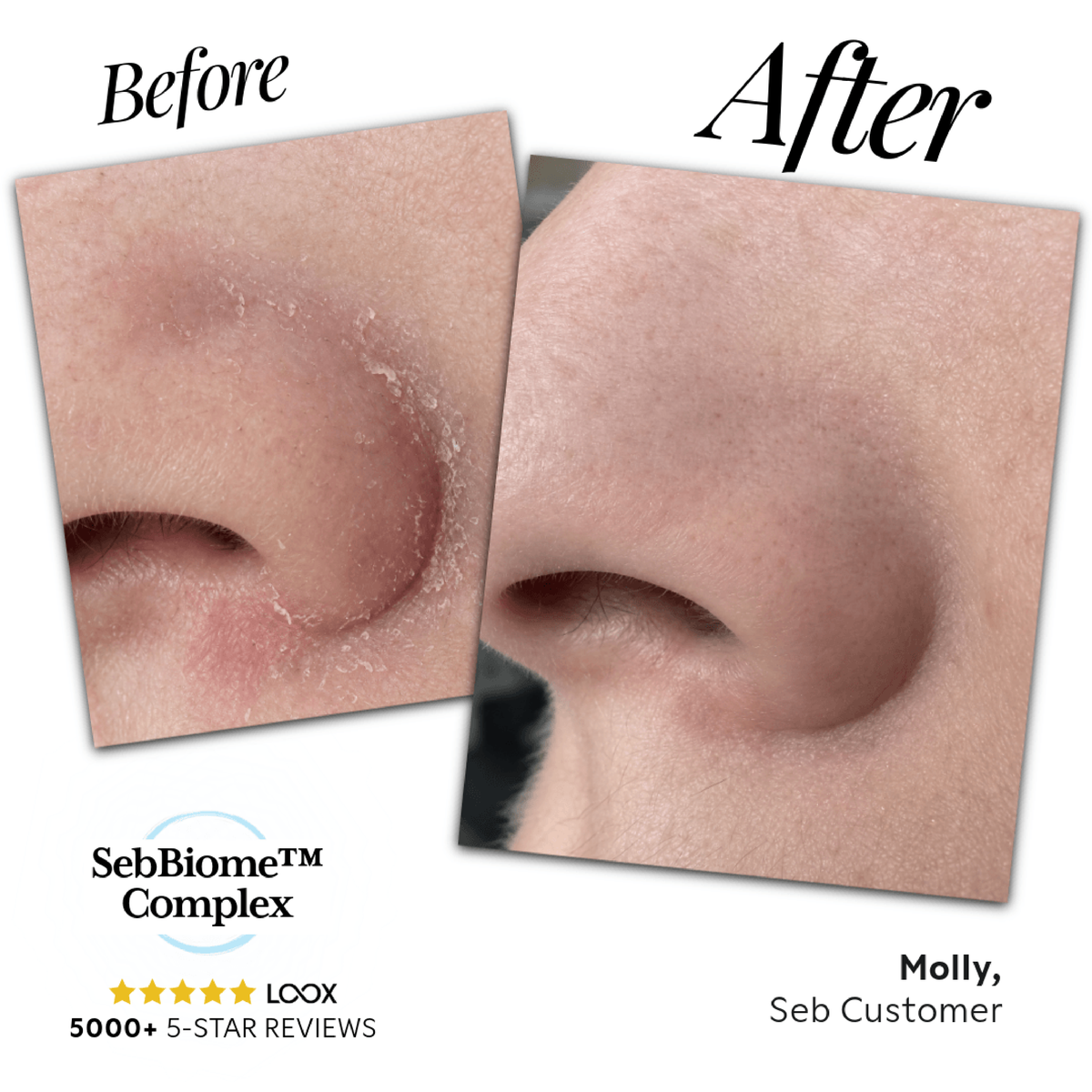
Eczema, particularly atopic dermatitis, also involves microbiome disruption but with a slightly different mechanism. Eczema is characterized by a weakened skin barrier, which means the skin loses moisture more easily and becomes more permeable to irritants and allergens. This compromised barrier also allows opportunistic bacteria, especially Staphylococcus aureus, to colonize the skin in excessive amounts. This bacterial overgrowth worsens inflammation and itching, perpetuating the cycle of eczema flare-ups.
Recognizing the microbiome’s role in these conditions shifts the treatment focus from simply suppressing symptoms to restoring microbial harmony. Emerging skincare approaches include probiotic formulations that introduce beneficial bacteria to the skin, and prebiotics, which nourish these good microbes to encourage their growth. Unlike traditional antifungals or antibiotics that can indiscriminately kill microbes, microbiome-friendly products aim to balance the ecosystem, potentially reducing flare-ups with fewer side effects.
For individuals managing seborrheic dermatitis or eczema, adopting skincare routines that support the microbiome is critical. This means using gentle, non-stripping cleansers, avoiding harsh chemicals or over-exfoliation, and incorporating ingredients that promote a healthy microbial environment. Understanding that your skin is an ecosystem helps frame these conditions as imbalances rather than infections or purely immune disorders, offering a more holistic path to managing symptoms and improving skin resilience.