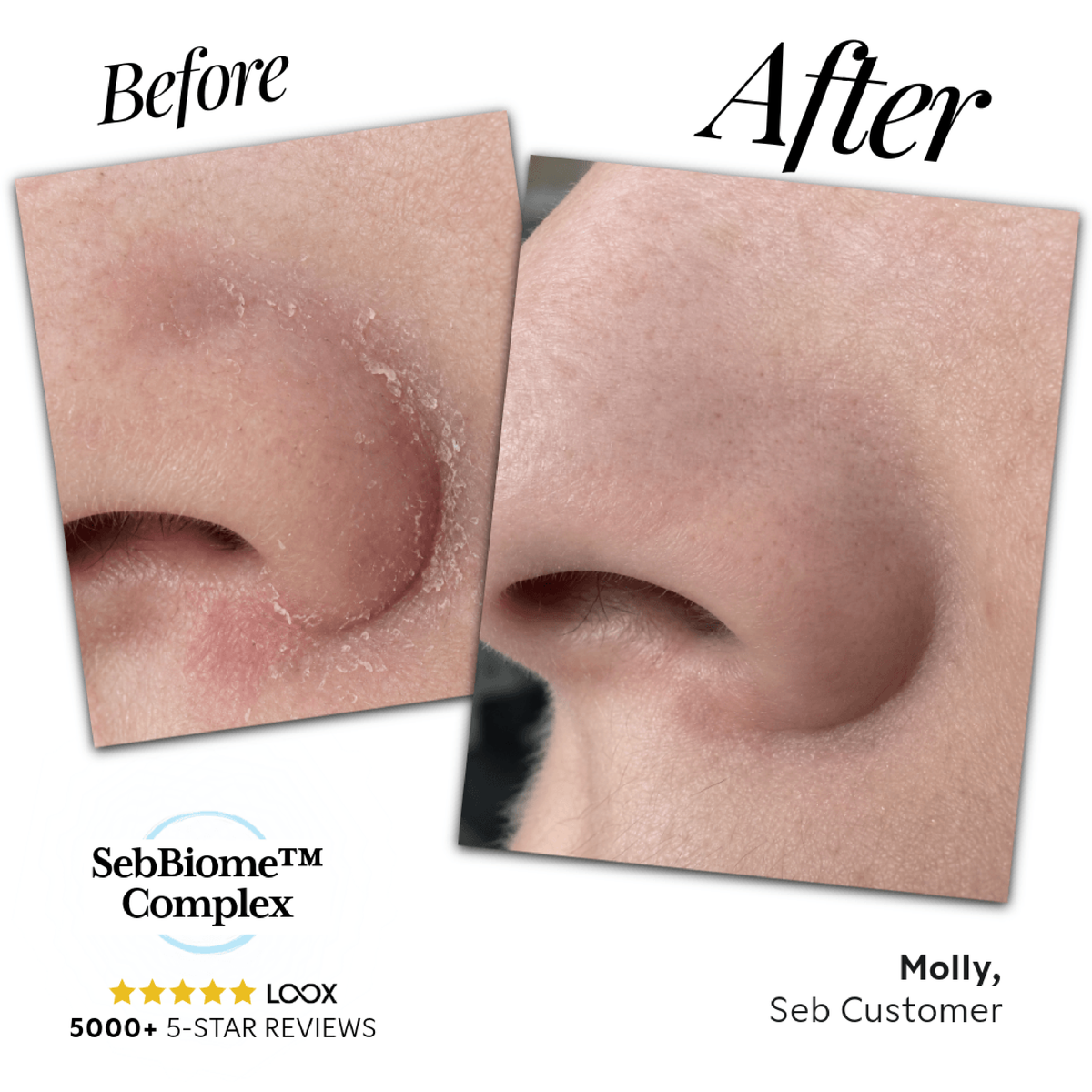
The Gut-Skin Axis: Can Probiotics Improve Seborrheic Dermatitis?
Seborrheic dermatitis is often treated as a purely skin-level problem—managed with medicated shampoos, antifungal creams, and topical anti-inflammatories. But in recent years, researchers and clinicians have started asking a deeper question: could what’s happening in the gut influence what’s happening on the skin?
This question sits at the center of what’s known as the gut–skin axis, an emerging area of research that explores how gut health, microbiota, and immune function interact with inflammatory skin conditions. For people struggling with recurrent seborrheic dermatitis, this has sparked interest in probiotics as a potential supportive therapy.
So, do probiotics really help? Or is this just another wellness trend? Let’s break it down.
Understanding the Gut–Skin Axis
The gut and skin are both major immune organs. In fact, around 70% of the immune system resides in the gut, where trillions of microorganisms help regulate inflammation, metabolism, and immune responses.
The gut–skin axis refers to the two-way communication between:
-The gut microbiome
-The immune system
-The skin barrier
When the gut microbiome is imbalanced (a state known as dysbiosis), it can contribute to systemic inflammation—potentially worsening inflammatory skin conditions such as eczema, acne, psoriasis, and seborrheic dermatitis.
Seborrheic Dermatitis and Inflammation
Seborrheic dermatitis is driven by several interconnected factors:
-Overgrowth of Malassezia yeast on the skin
-Excess oil (sebum) production
-An abnormal inflammatory immune response
Interestingly, people with seborrheic dermatitis often have heightened immune sensitivity, meaning their skin reacts more strongly to triggers that might not affect others.
This is where gut health comes into the conversation.
What Are Probiotics?
Probiotics are live microorganisms—usually beneficial bacteria—that help maintain or restore balance in the gut microbiome.
Common probiotic strains include:
-Lactobacillus species
-Bifidobacterium species
They are found in:
-Supplements
-Fermented foods (yogurt, kefir, kimchi, sauerkraut, miso)
Probiotics are known to support:
-Immune regulation
-Reduced systemic inflammation
-Improved gut barrier function
How Probiotics May Help Seborrheic Dermatitis
While probiotics don’t act directly on the skin like antifungal creams, they may influence seborrheic dermatitis indirectly through immune and inflammatory pathways.
1. Modulating the Immune Response
Probiotics can help regulate immune activity, potentially reducing the exaggerated inflammatory response seen in seborrheic dermatitis.
A more balanced immune system may:
-React less aggressively to Malassezia yeast
-Reduce redness, itching, and scaling
2. Reducing Systemic Inflammation
Chronic gut inflammation can spill over into the rest of the body. Certain probiotic strains have been shown to:
-Lower inflammatory markers
-Improve immune tolerance
This may help reduce the frequency or severity of seborrheic dermatitis flares.
3. Supporting the Skin Barrier
Emerging research suggests that gut health influences:
-Skin hydration
-Barrier integrity
-Sensitivity to irritants
A stronger skin barrier may be less prone to irritation, flaking, and flare-ups.
4. Improving Response to Conventional Treatments
Some dermatologists believe probiotics may enhance the effectiveness of topical treatments by improving the body’s overall inflammatory balance—making the skin more responsive to therapy.
What Does the Research Say?
Research on probiotics and seborrheic dermatitis is still evolving, but early findings are promising.
-Small clinical studies have shown that certain Lactobacillus and Bifidobacterium strains may reduce redness, scaling, and itch in seborrheic dermatitis.
-Probiotics have demonstrated clearer benefits in related inflammatory skin conditions, such as atopic dermatitis—supporting the idea that immune modulation can influence skin health.
-Results appear to be strain-specific, meaning not all probiotics produce the same effects.
Importantly, probiotics are best viewed as a supportive therapy, not a replacement for anti-fungal or anti-inflammatory treatments.
Oral vs. Topical Probiotics
Oral Probiotics
-Act systemically through the gut–skin axis
-May reduce inflammation over time
-Require consistent use for weeks to months
Topical Probiotics
-Aim to balance the skin microbiome directly
-Limited clinical evidence for seborrheic dermatitis
-Often included in cosmetic or barrier-repair products
At present, oral probiotics have stronger scientific backing than topical formulations for inflammatory skin conditions.
Who Might Benefit the Most?
Probiotics may be particularly helpful if you:
-Experience frequent flare-ups
-Have digestive symptoms alongside skin issues
-Notice stress-related worsening of symptoms
-Have seborrheic dermatitis that coexists with other inflammatory conditions
A dermatologist or healthcare provider can help determine whether probiotics are a reasonable addition to your treatment plan.
Choosing the Right Probiotic
Not all probiotics are created equal. When considering a supplement, look for:
-Clinically studied strains (Lactobacillus rhamnosus, Lactobacillus paracasei, Bifidobacterium lactis, for example)
-Adequate colony-forming units (CFUs)
-Clear labelling and quality control
Consistency matters—benefits typically appear after 4–8 weeks of regular use.
Limitations and Realistic Expectations
It’s important to keep expectations grounded:
-Probiotics won’t “cure” seborrheic dermatitis
-Results vary between individuals
-They work best as part of a broader management strategy
Diet, stress management, topical treatments, and skincare habits all play a role.
What Dermatologists Think
Most dermatologists agree that:
-Probiotics are generally safe for most people
-They may offer modest benefits in inflammatory skin conditions
-More large-scale studies are needed
Many now consider probiotics a reasonable adjunct therapy, especially for patients interested in a more holistic approach.
Final Thoughts
The gut–skin axis offers an exciting new lens through which to understand seborrheic dermatitis. While probiotics aren’t a standalone solution, they may help reduce inflammation, support immune balance, and improve overall skin resilience.
If you’re curious about probiotics, talk to your dermatologist or healthcare provider about whether they make sense for your situation. When combined with evidence-based dermatologic care, they may be a small but meaningful step toward better long-term control.