The Best Ingredients for Seborrheic Dermatitis Relief (and What to Avoid)
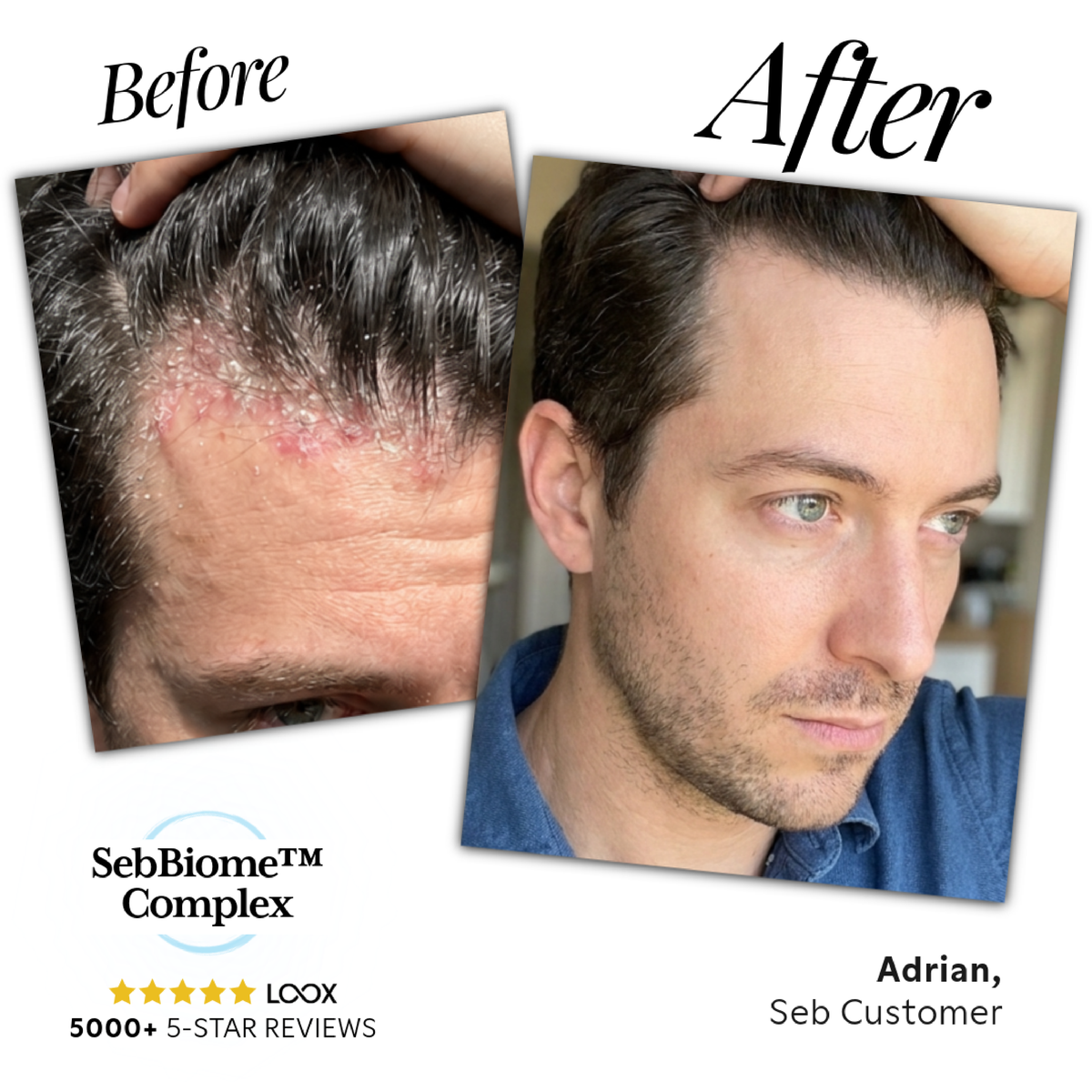
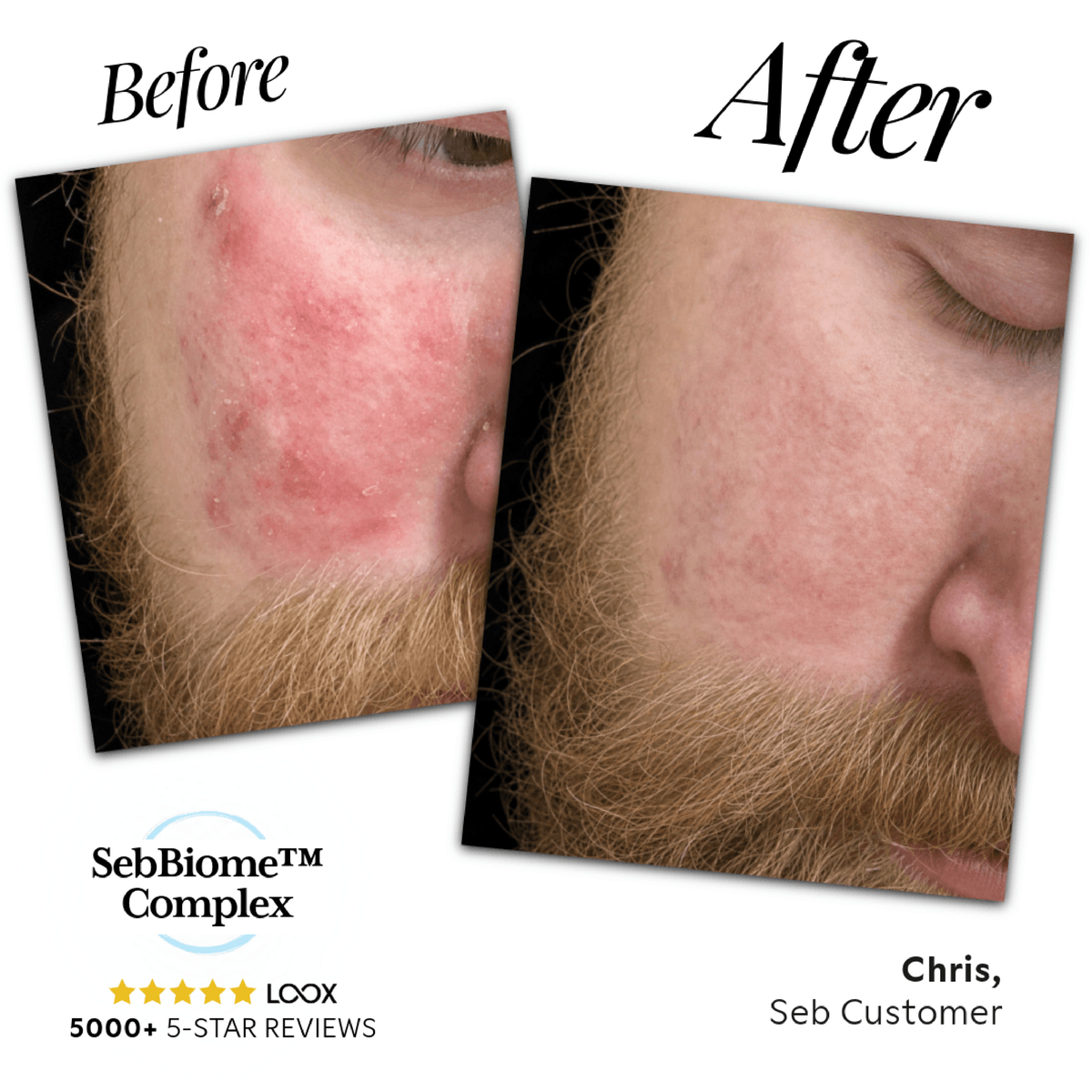
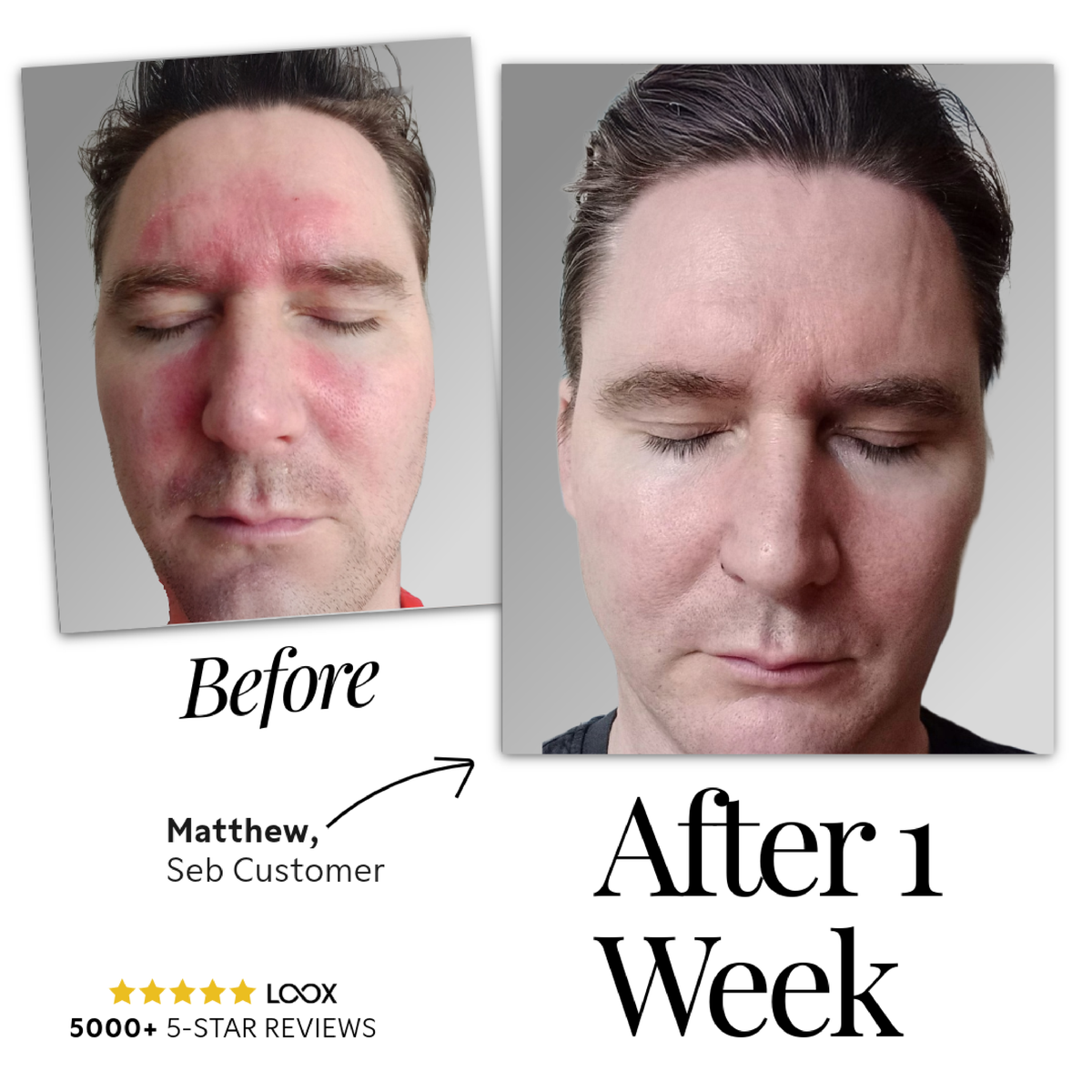
When your skin is prone to seborrheic dermatitis, what you apply and what you avoid matter a lot. The right ingredients soothe and help manage the underlying yeast; the wrong ones can feed it or trigger irritation — undoing your progress. Let’s break that down, and show how Seb Skincare’s products align with the “right side” of the table.
Which Oils Trigger Seborrheic Dermatitis?
Some oils are actually problematic for seb‑derm prone skin because they feed Malassezia or clog pores:
Oils rich in long‑chain fatty acids (e.g., olive oil, sunflower oil, wheat germ oil) may feed the yeast or make the condition worse.
Heavy or occlusive oils that trap sebum and yeast under the surface.
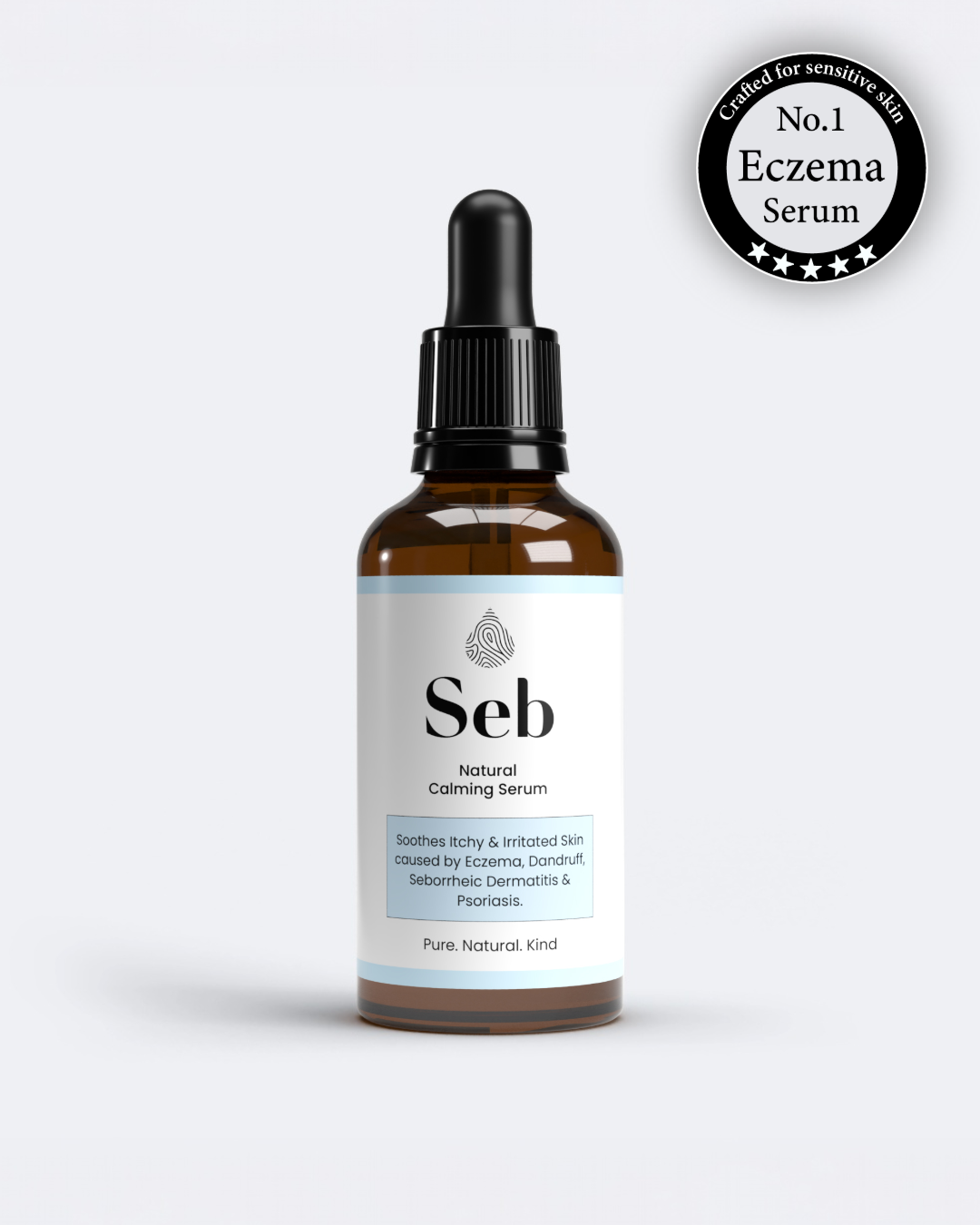
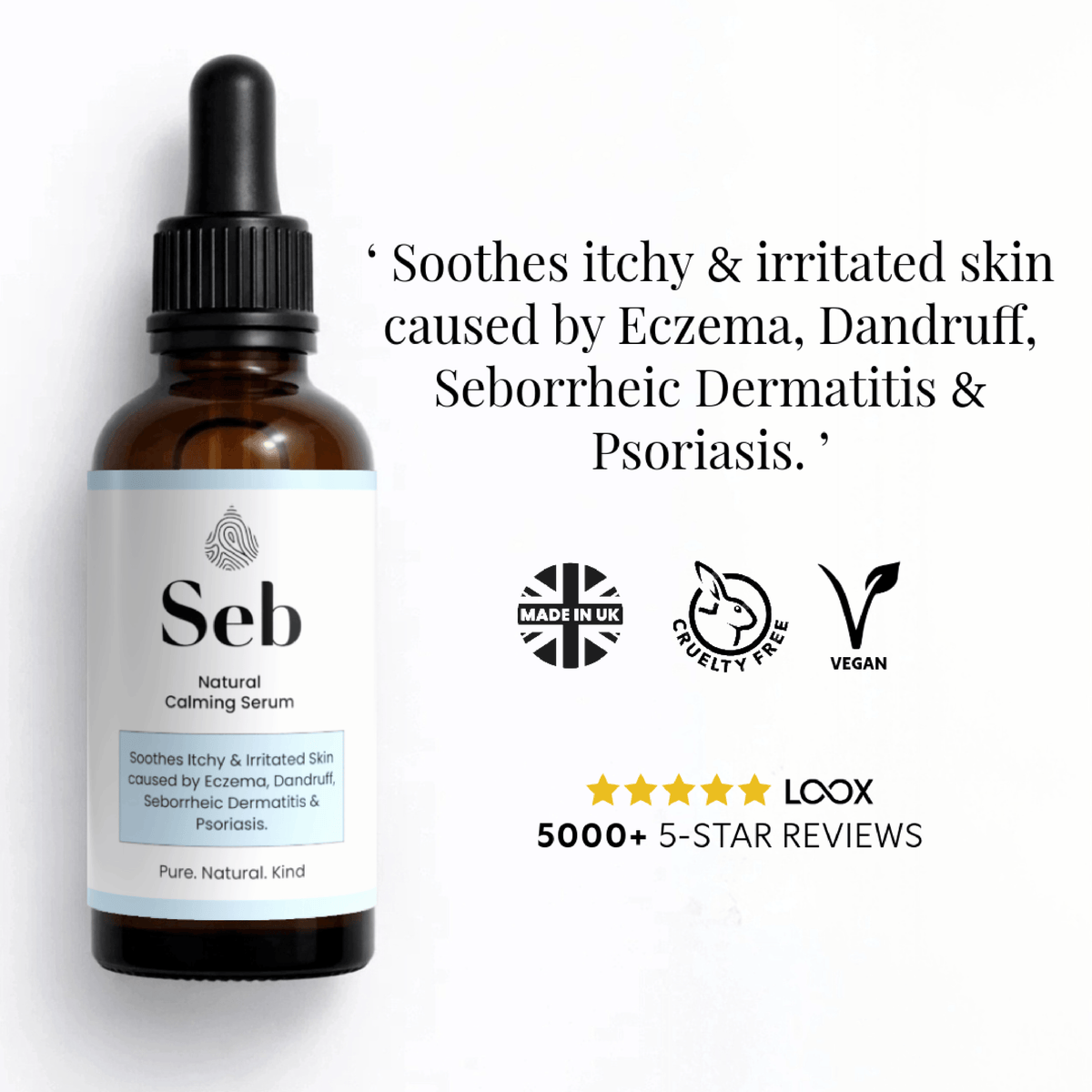
In contrast, Seb’s Calming Serum uses Caprylic/Capric Triglyceride (MCT oil) and squalane which are lighter and less likely to feed yeast.
Which Ingredients Feed Malassezia Yeast?
Malassezia thrives on certain lipids. So when a product contains:
Long‑chain triglycerides/fatty acids
Certain esters like isopropyl myristate
Heavy plant oils with abundant complex lipids
… those ingredients may support the yeast’s growth. Many seb‑derm safe brands exclude those, but our formulas are designed to “inhibit Malassezia yeast… naturally antifungal & antibacterial” on their site.
What Fungus Causes Seborrheic Dermatitis?
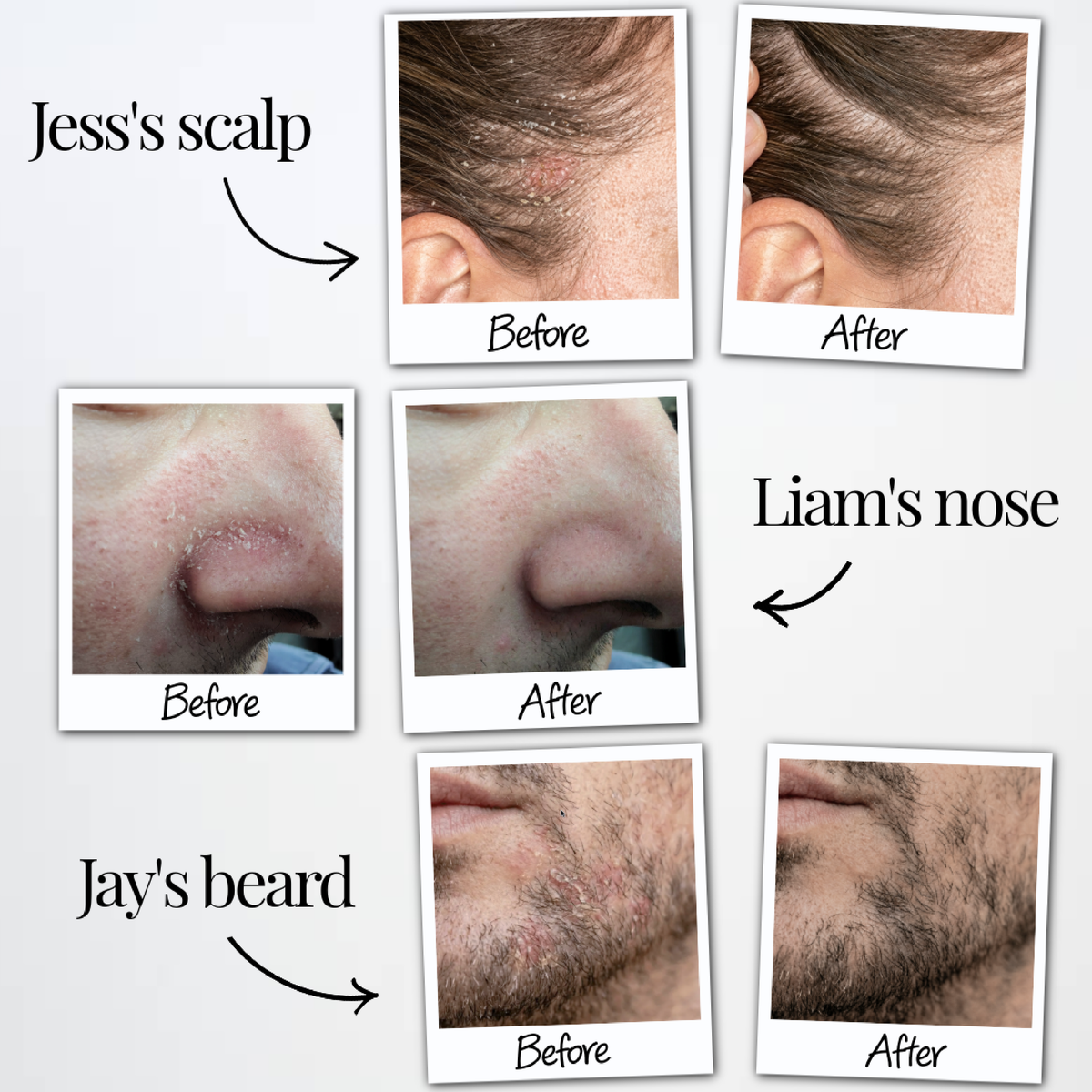
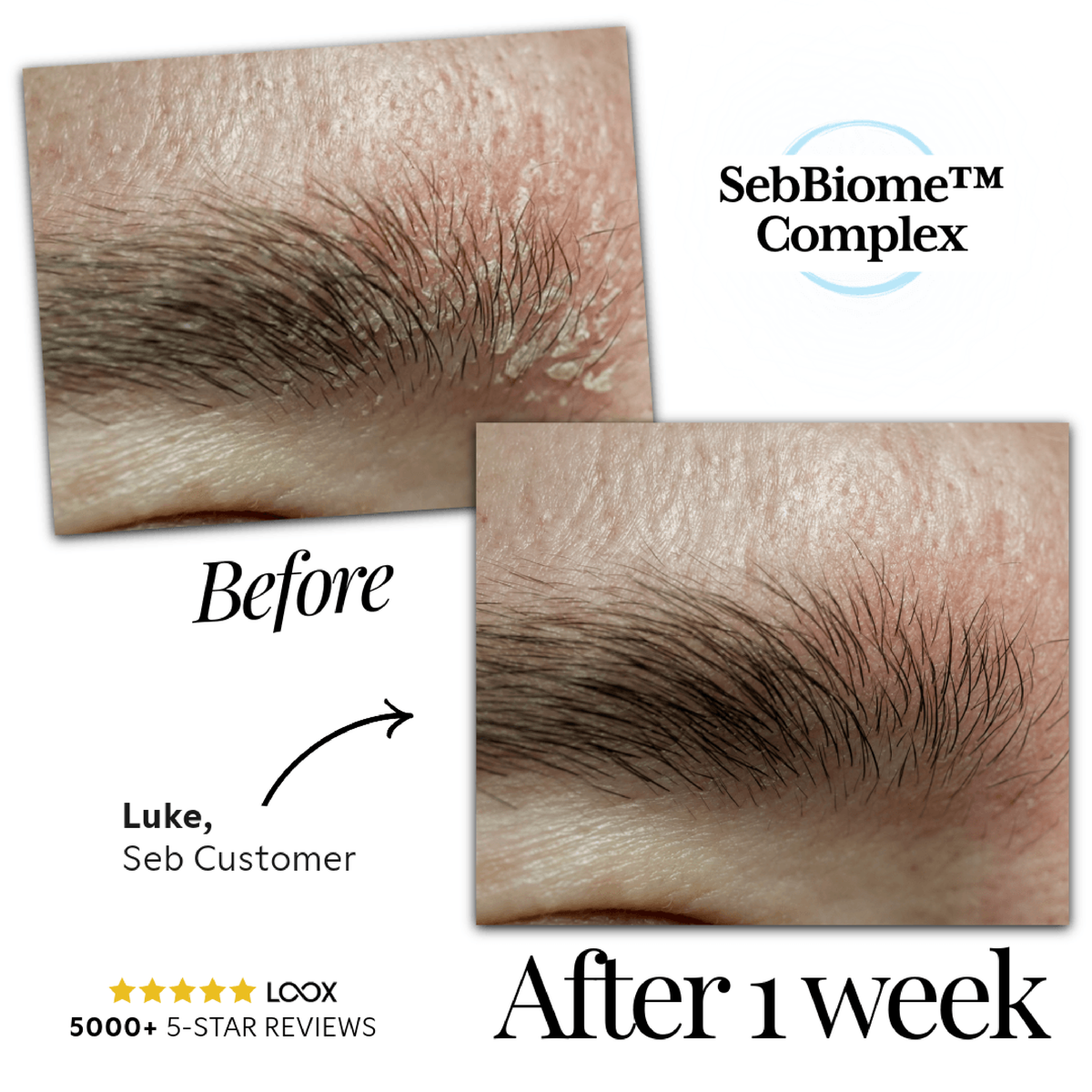
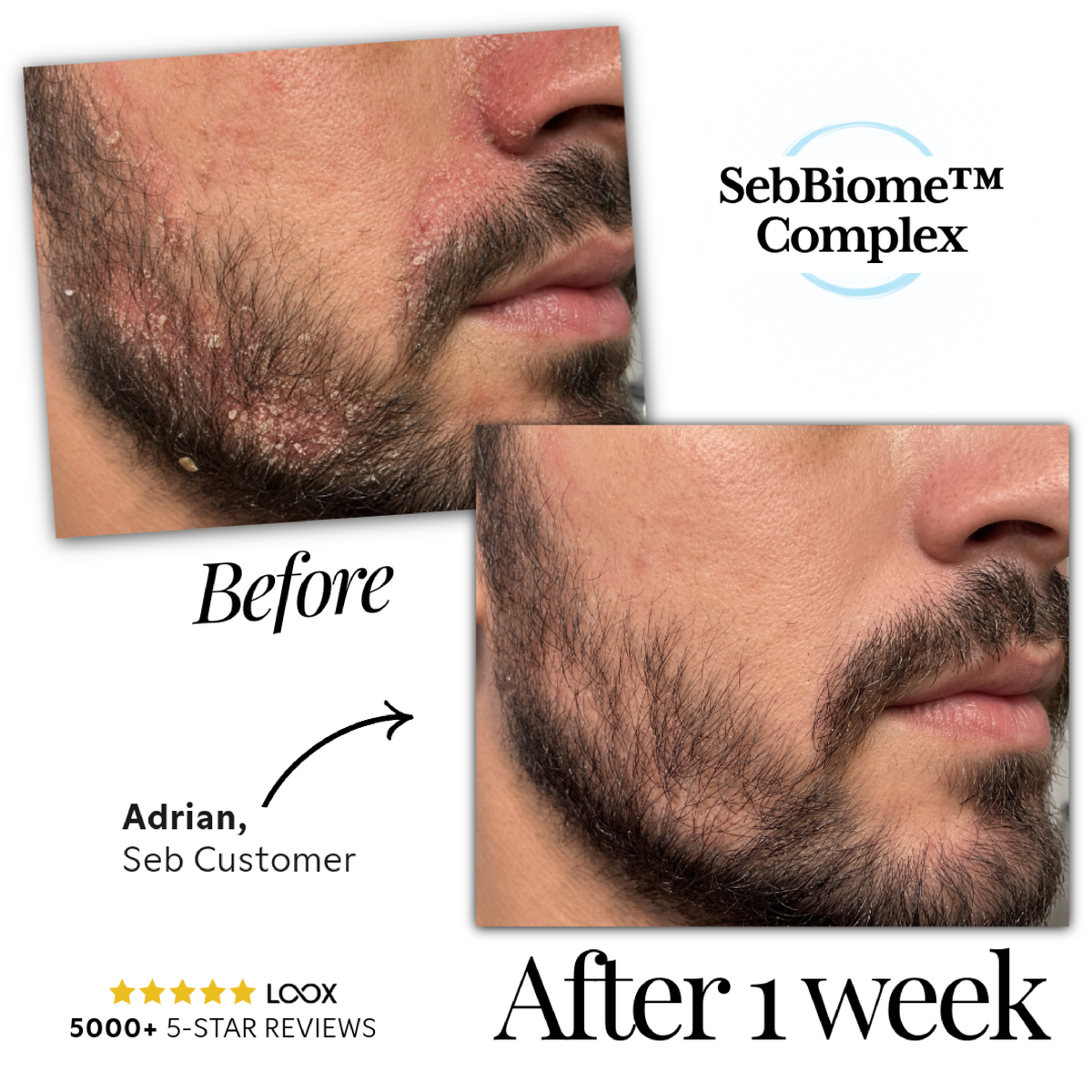
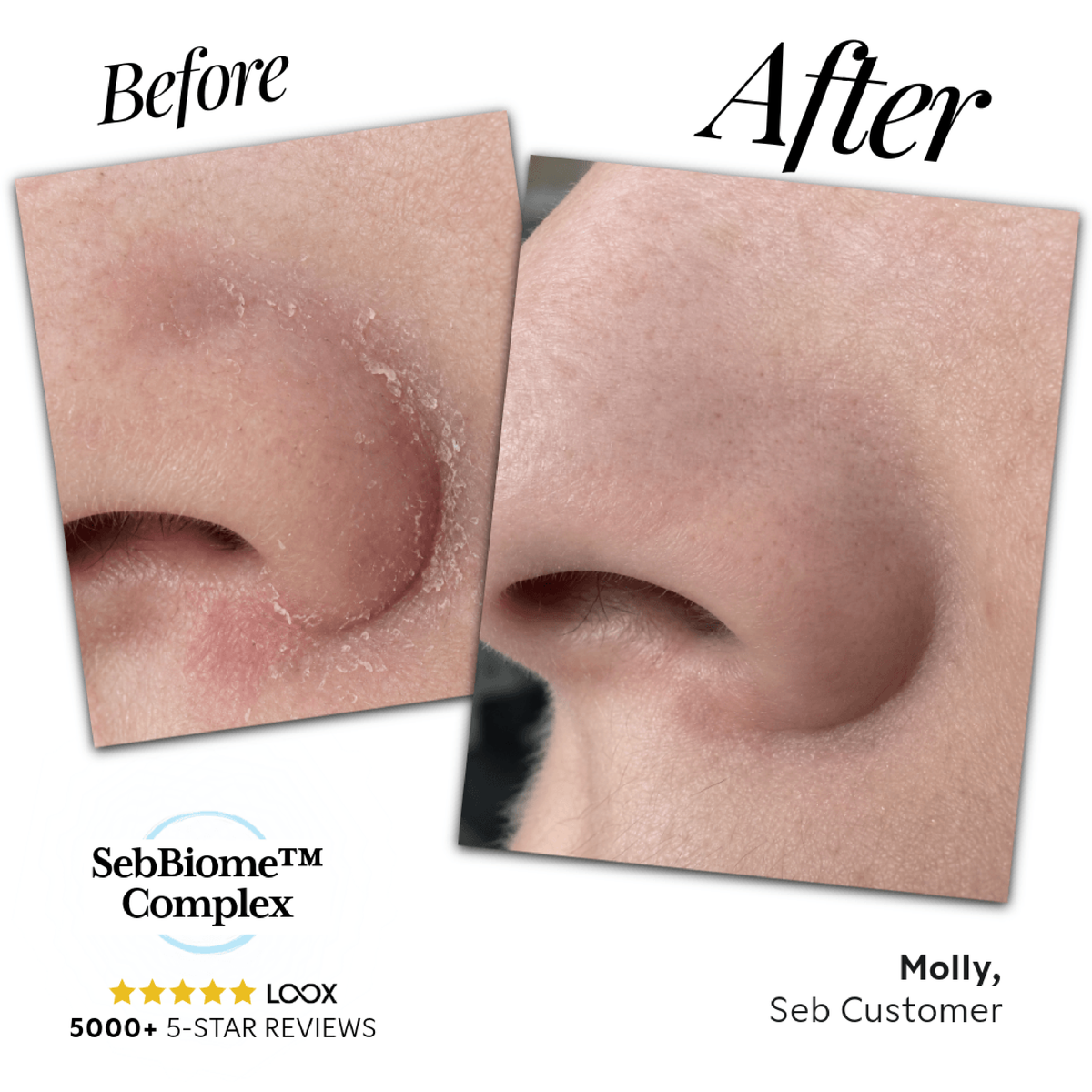
The primary fungus is Malassezia — a yeast that naturally lives on the skin, especially oil‑rich areas (scalp, face, eyebrows, sides of nose). In certain people, it overgrows and triggers inflammation, flaking, itchiness. Seb Skincare identifies this root cause: “we target the root cause … the growth of Malassezia yeast” on their product page.
How Seb Skincare’s Formulas Align with the “Good Ingredients” List
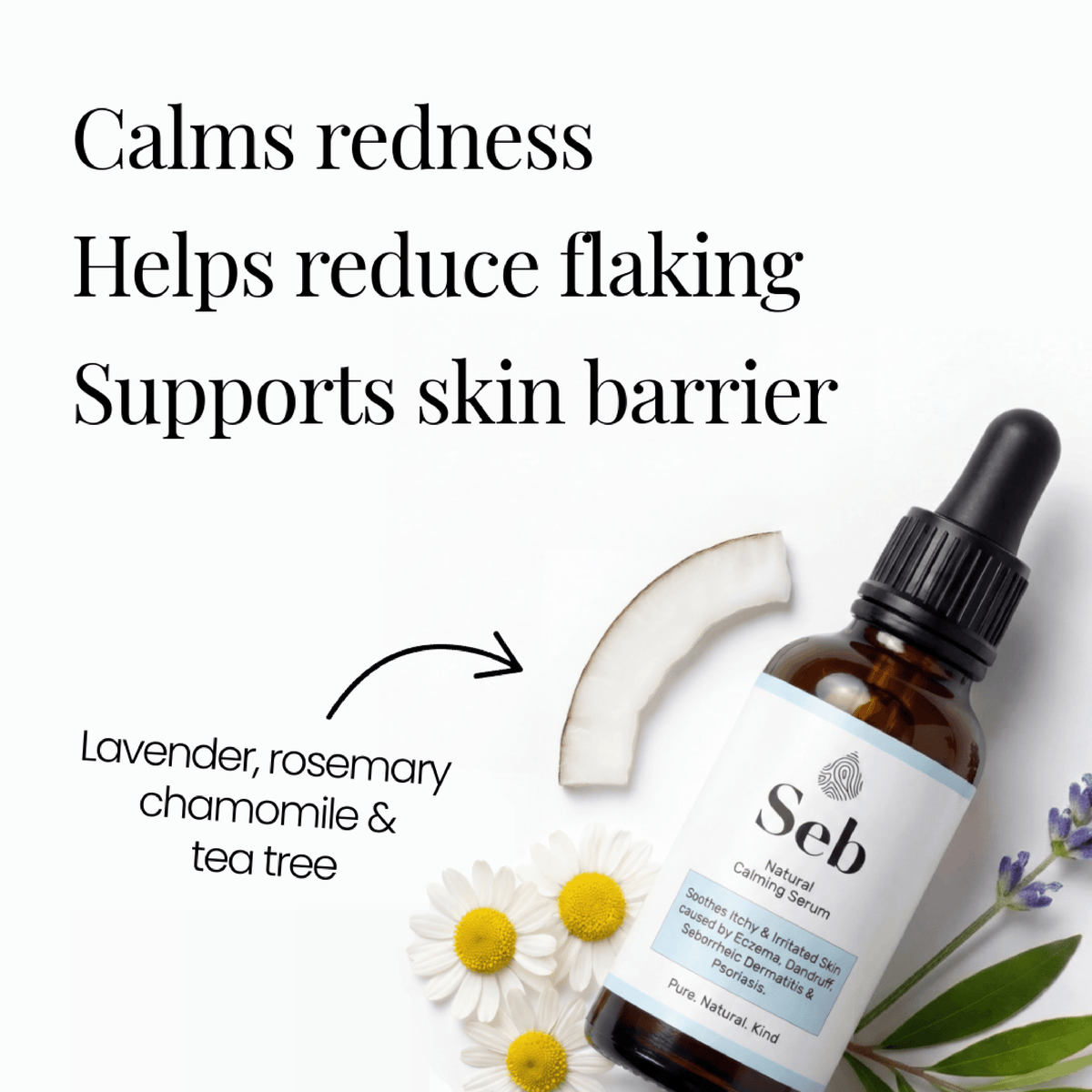
The Calming Serum: includes antifungal botanicals (tea tree, oregano oil, clove bud oil) and uses MCT oil + squalane to avoid feeding yeast.
The company emphasises being cruelty‑free, vegan, natural/organic and free from harsh synthetics (“No artificial dyes, synthetic fragrances, parabens or sulfates”).
While the Soothing Balm isn’t detailed in full here, it’s presented alongside the serum and designed to soothe flare‑ups and ease the frustration caused by Seborrheic Dermatitis.
What to Avoid in Your Routine
Heavy oils listed above.
Products with lots of fragrance / essential oil blends (some can trigger irritation). Even though Seb Skincare uses essential oils, they position them carefully and the base is less likely to feed yeast.
Harsh exfoliants, aggressive detergents, high‑alcohol toners — these can damage your skin barrier (which in turn can worsen seb derm) and stimulate more oil/yeast activity.
Products that claim “heavy moisturising” via rich occlusive oils — might suit dry skin but for seb‑derm it can backfire.
The Takeaway
Choosing the right ingredients is half the battle. With Seb Skincare’s targeted formulas and your awareness of what feeds yeast vs what supports the skin, you’re in a much stronger position to manage flare‐ups and support calmer skin long‑term.