Summer Scalp Care for Seborrheic Dermatitis: A Practical Hair-Care Routine
Summer can be particularly demanding on the scalp. Heat, sweating, swimming, frequent washing and changes to your usual hair-care routine can all affect how your scalp feels.
For people with seborrheic dermatitis, maintaining a consistent scalp-care routine can make summer much easier to manage.
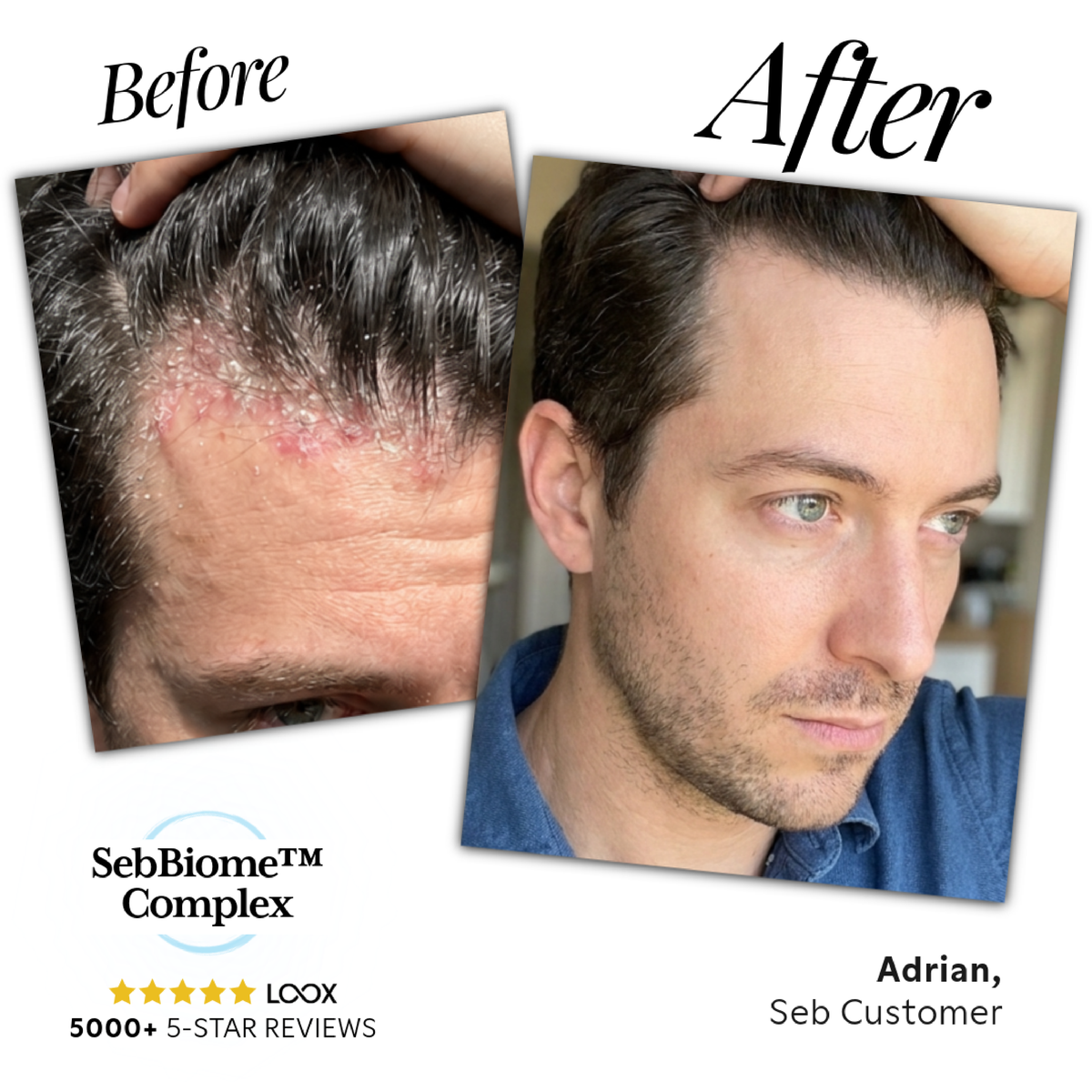
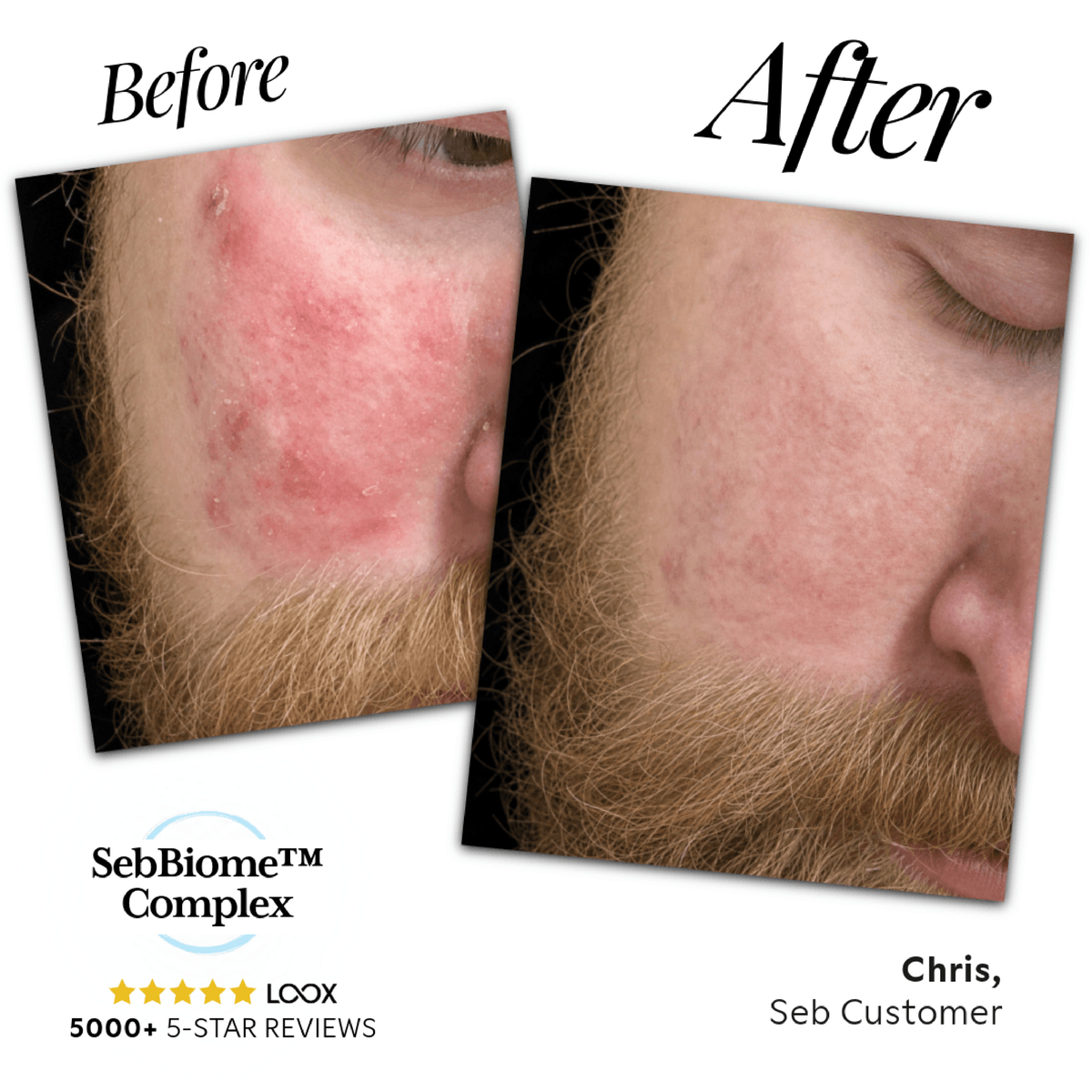
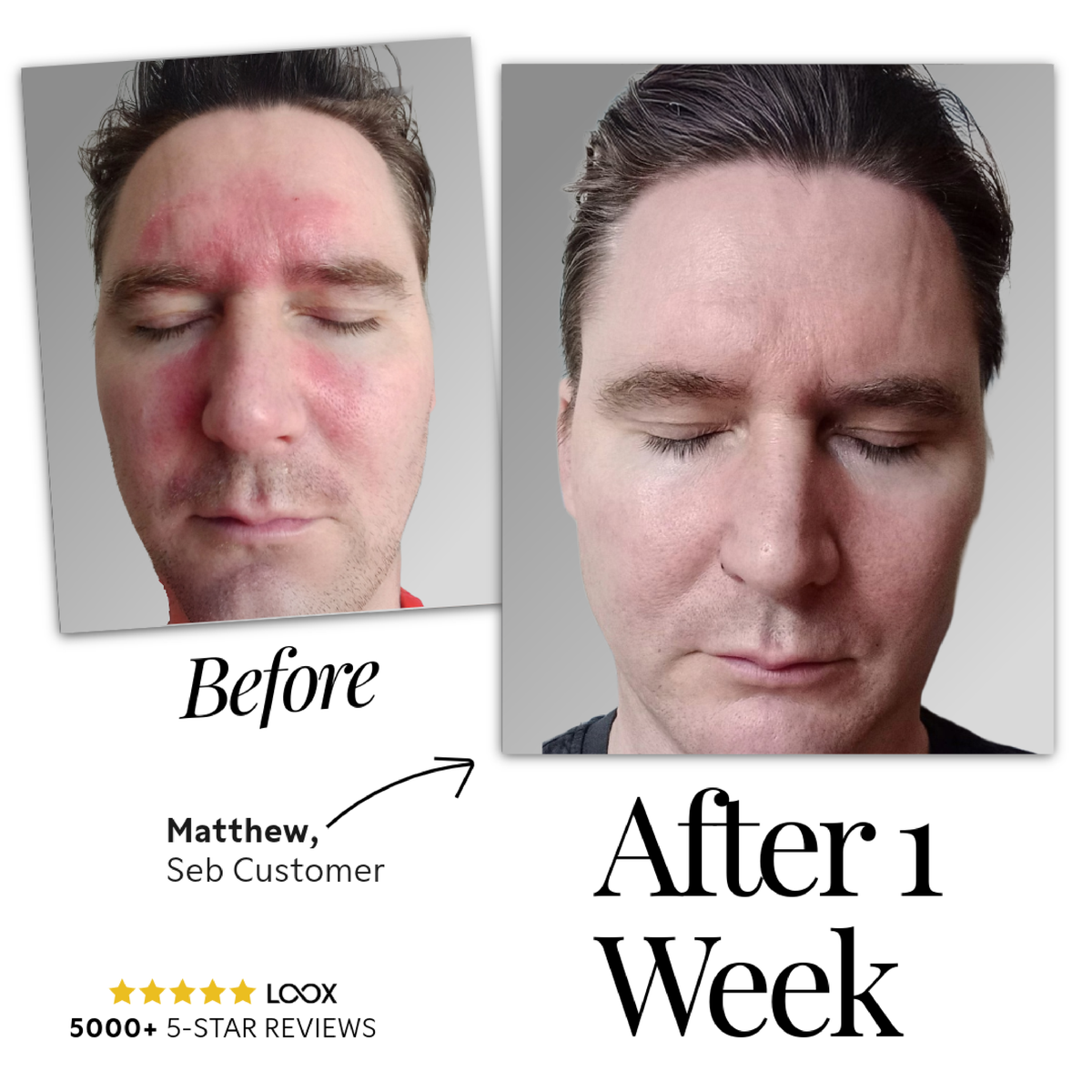
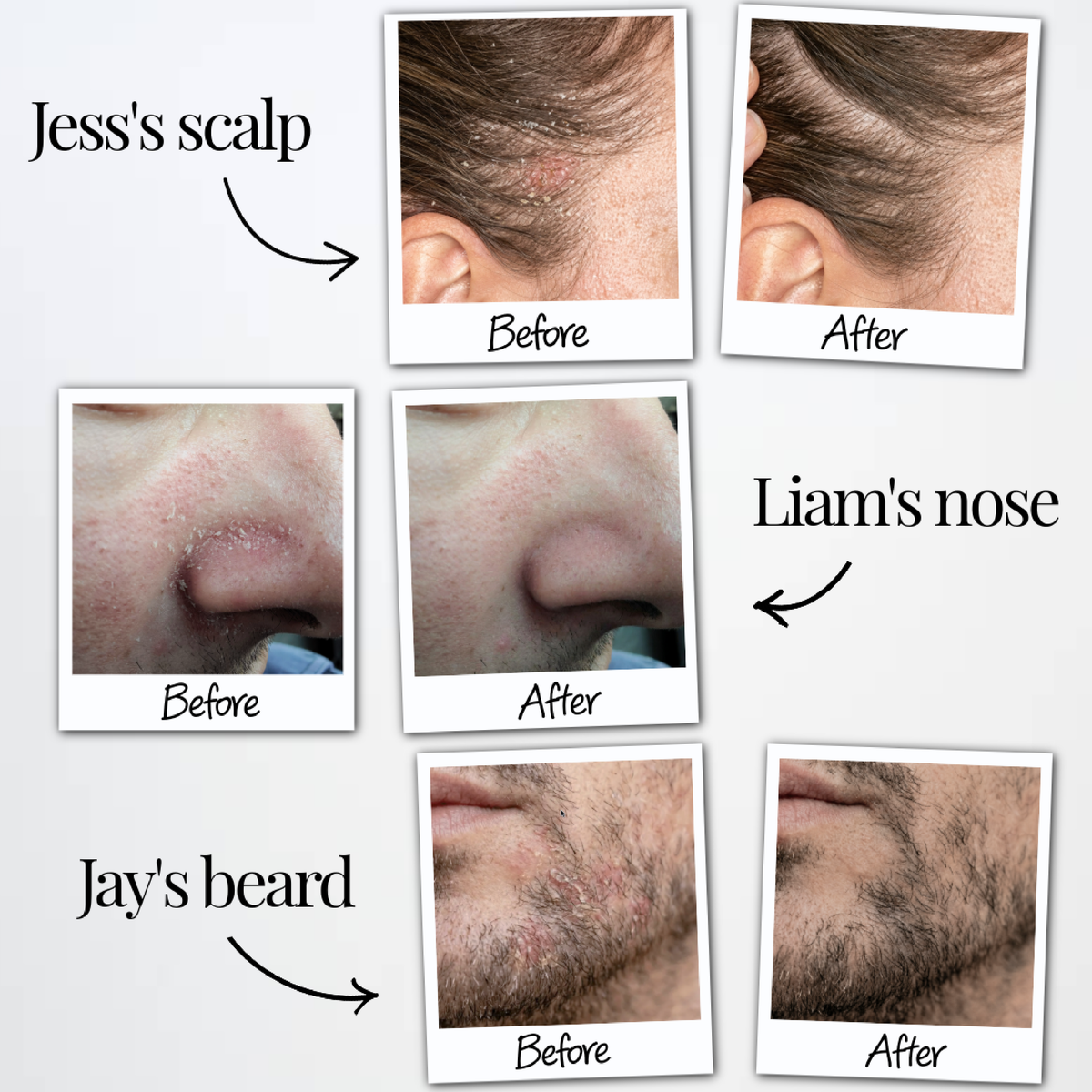
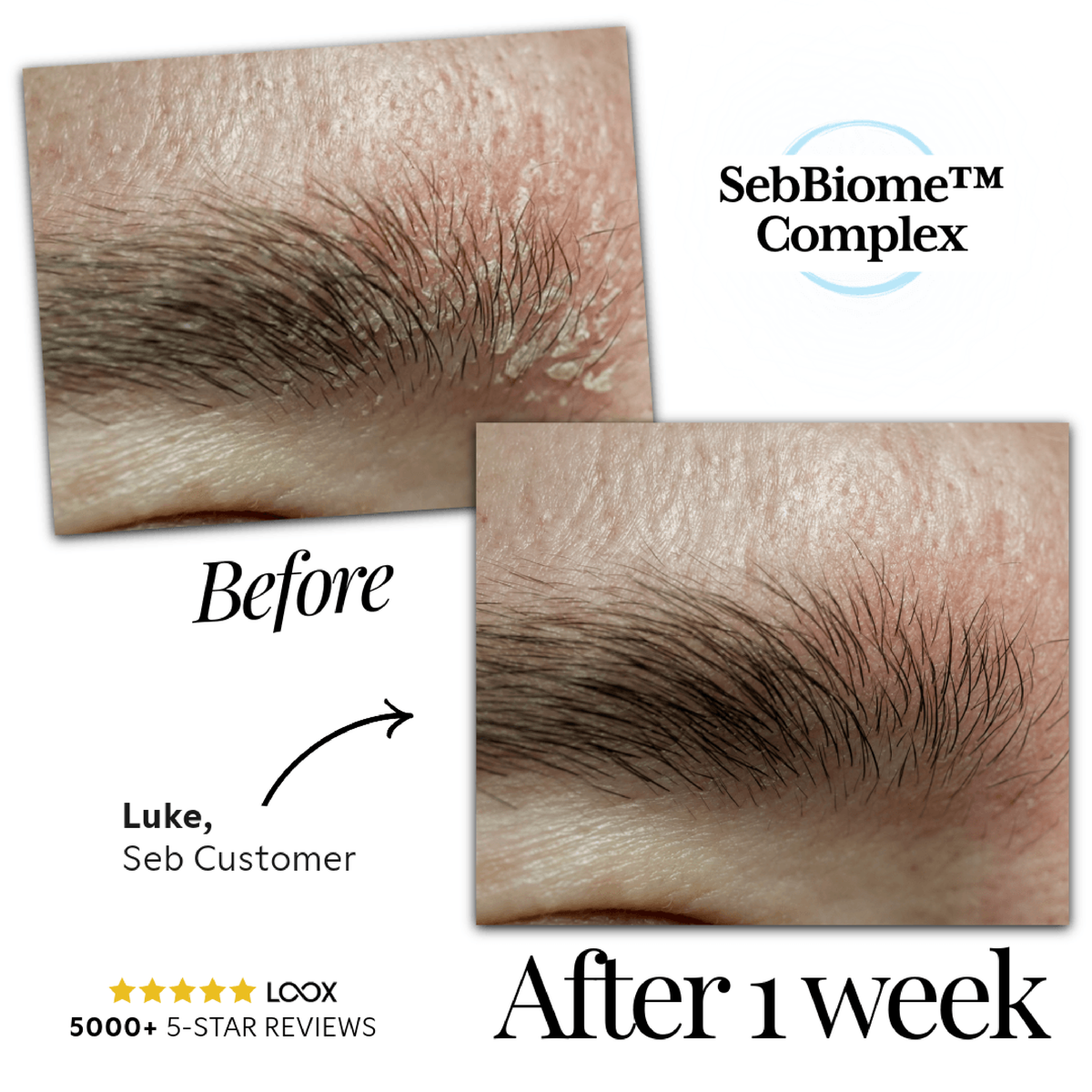
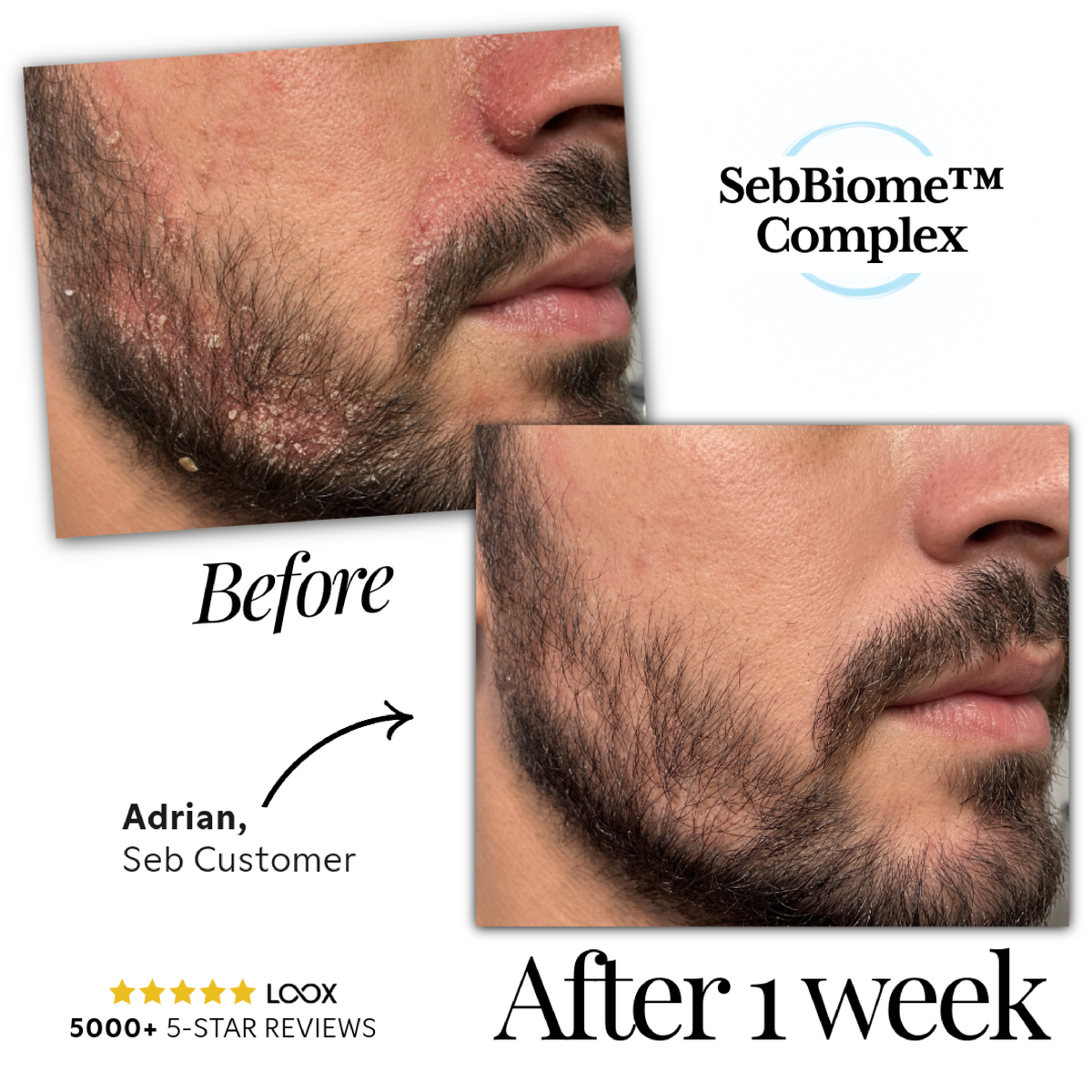
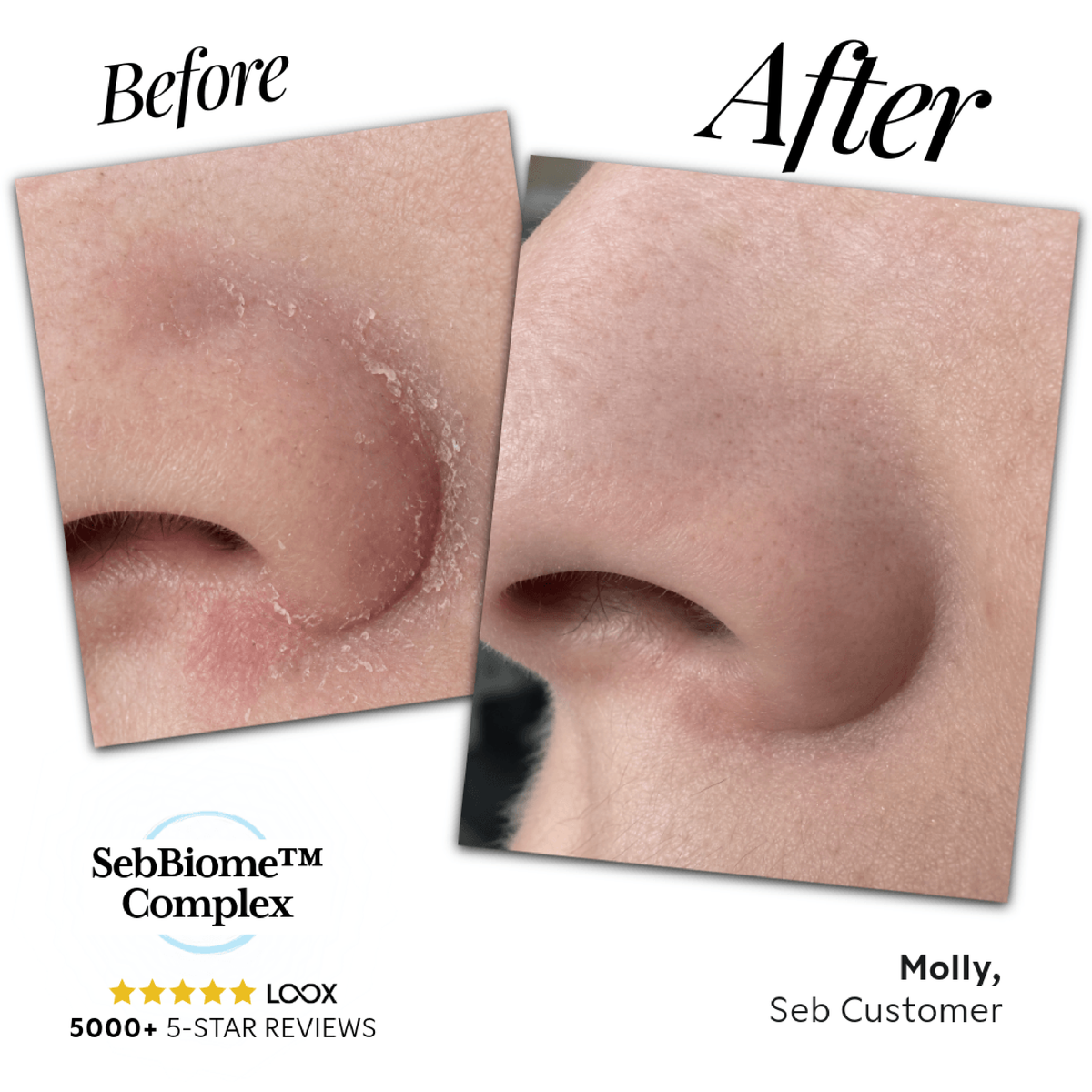
Seborrheic dermatitis commonly affects the scalp and can cause dandruff, itching, redness and scaling. It can also affect areas such as the eyebrows, ears, sides of the nose and beard area.
Why does summer affect the scalp?
Sweating is one potential trigger for seborrheic dermatitis flare-ups. During hot weather or exercise, sweat can build up around the scalp and hairline. For some people, this can increase irritation and make itching or flaking more noticeable.
At the same time, summer often means more frequent exposure to chlorine, salt water, styling products and sunlight.
The result? Your normal hair routine may need a few adjustments.
A simple summer scalp-care routine
1. Wash your scalp appropriately
How frequently you need to shampoo depends on your hair, scalp and treatment plan. If you have been advised to use a medicated shampoo, follow the instructions provided by your healthcare professional or on the product.
The aim is to keep the scalp clean without unnecessarily irritating it.
2. Don't scratch flakes away
It can be tempting to scratch an itchy scalp or pick at flakes, but this can further irritate the skin.
Instead, gently cleanse the scalp and follow your recommended treatment routine.
3. Rinse after swimming
Whether you're swimming in a pool or the sea, rinsing your hair and scalp afterwards can help remove chlorine, salt and other residues.
Follow with your usual hair-care routine and avoid excessively hot water.
4. Be selective with styling products
Summer hairstyles often involve gels, sprays, pomades and other styling products. Some people with seborrheic dermatitis find that these products contribute to irritation.
If you notice a connection between a particular product and flare-ups, stop using it temporarily and see whether your symptoms improve.
5. Keep your scalp cool
Try to avoid prolonged overheating where possible. Take breaks in the shade, stay hydrated and consider breathable hats when you need protection from the sun.
If you wear a hat, make sure it is comfortable and not excessively tight or irritating.
6. Don't forget the hairline and face
Seborrheic dermatitis isn't limited to the scalp. The hairline, eyebrows, sides of the nose and beard area can also be affected.
When washing your hair, rinse thoroughly so shampoo and styling products do not remain on surrounding skin. Keep your facial skincare routine gentle and avoid products that you know irritate your skin.
When should you seek professional advice?
Dandruff is common, but persistent or severe scalp symptoms should not simply be ignored. The NHS advises seeking medical advice if dandruff is severe, the scalp is very itchy, the scalp becomes red or swollen, or flaky itchy patches develop on the face or elsewhere.
A GP, pharmacist or dermatologist can help determine whether the problem is seborrheic dermatitis or another scalp condition and recommend an appropriate treatment.
Enjoy summer with a scalp-friendly routine
Seborrheic dermatitis does not have to stop you from enjoying summer. By managing sweat, rinsing after swimming, choosing gentle hair products, protecting your scalp from the sun and sticking to an appropriate treatment routine, you can help keep your scalp comfortable throughout the season.