Seborrheic Dermatitis on the Scalp: What works and what doesn't
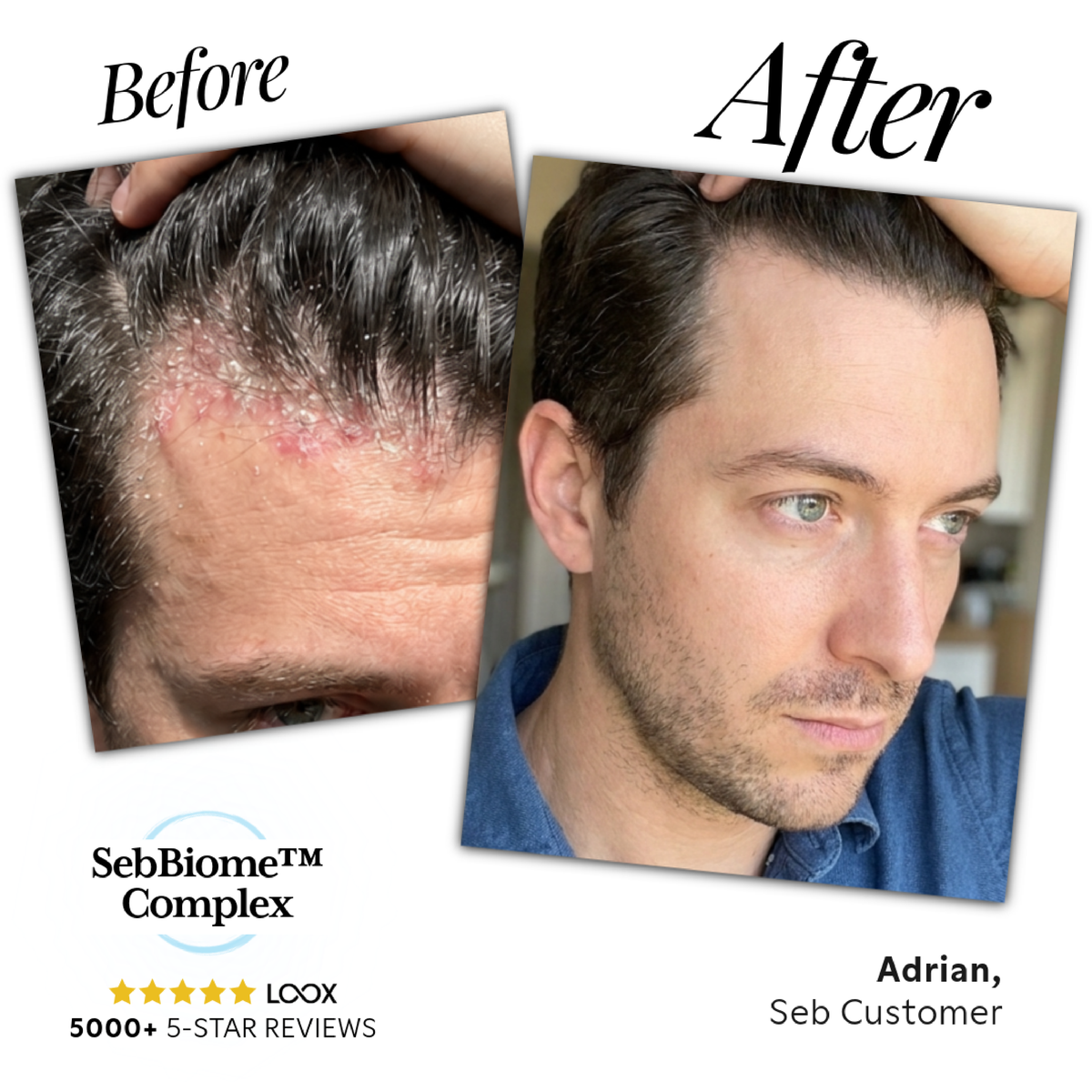
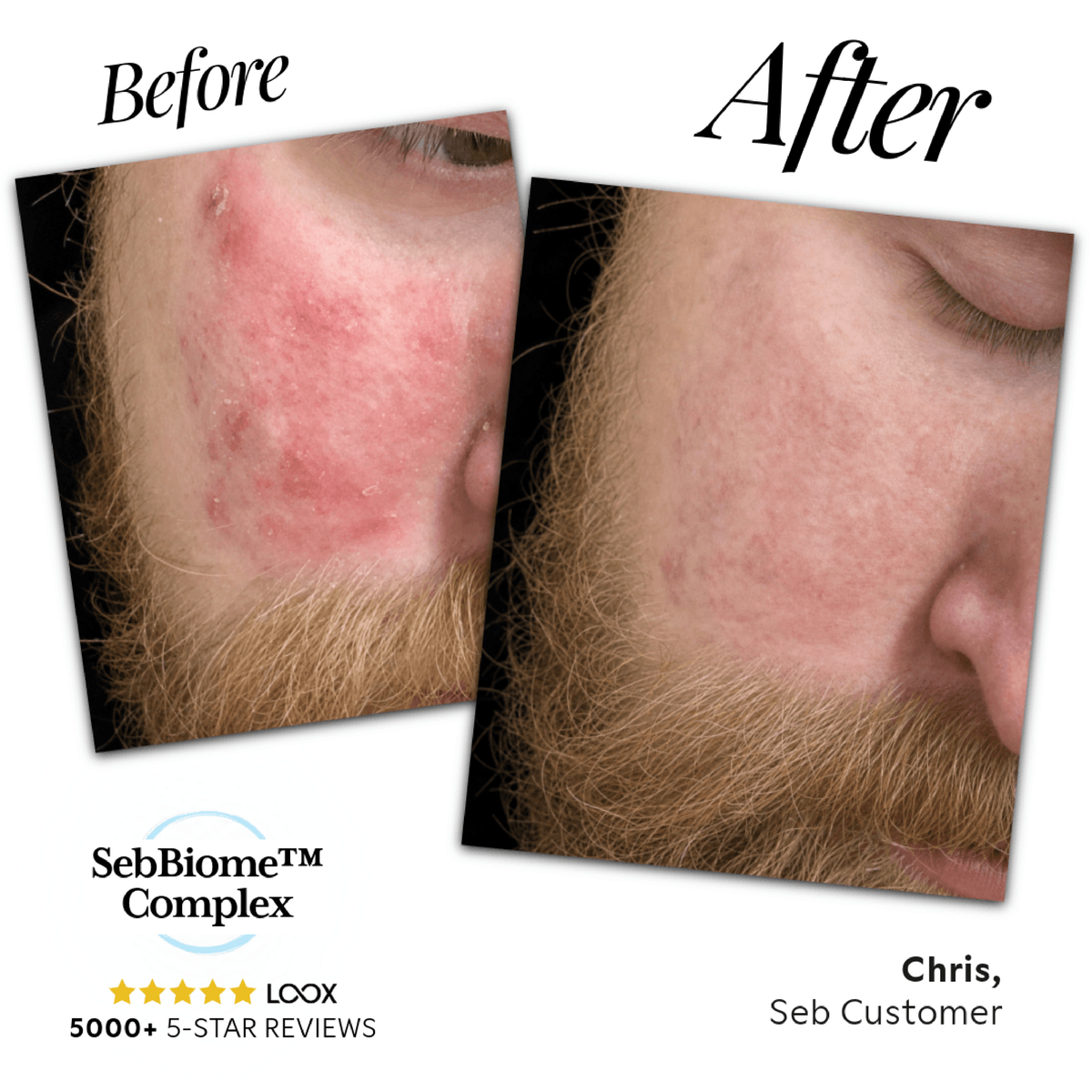
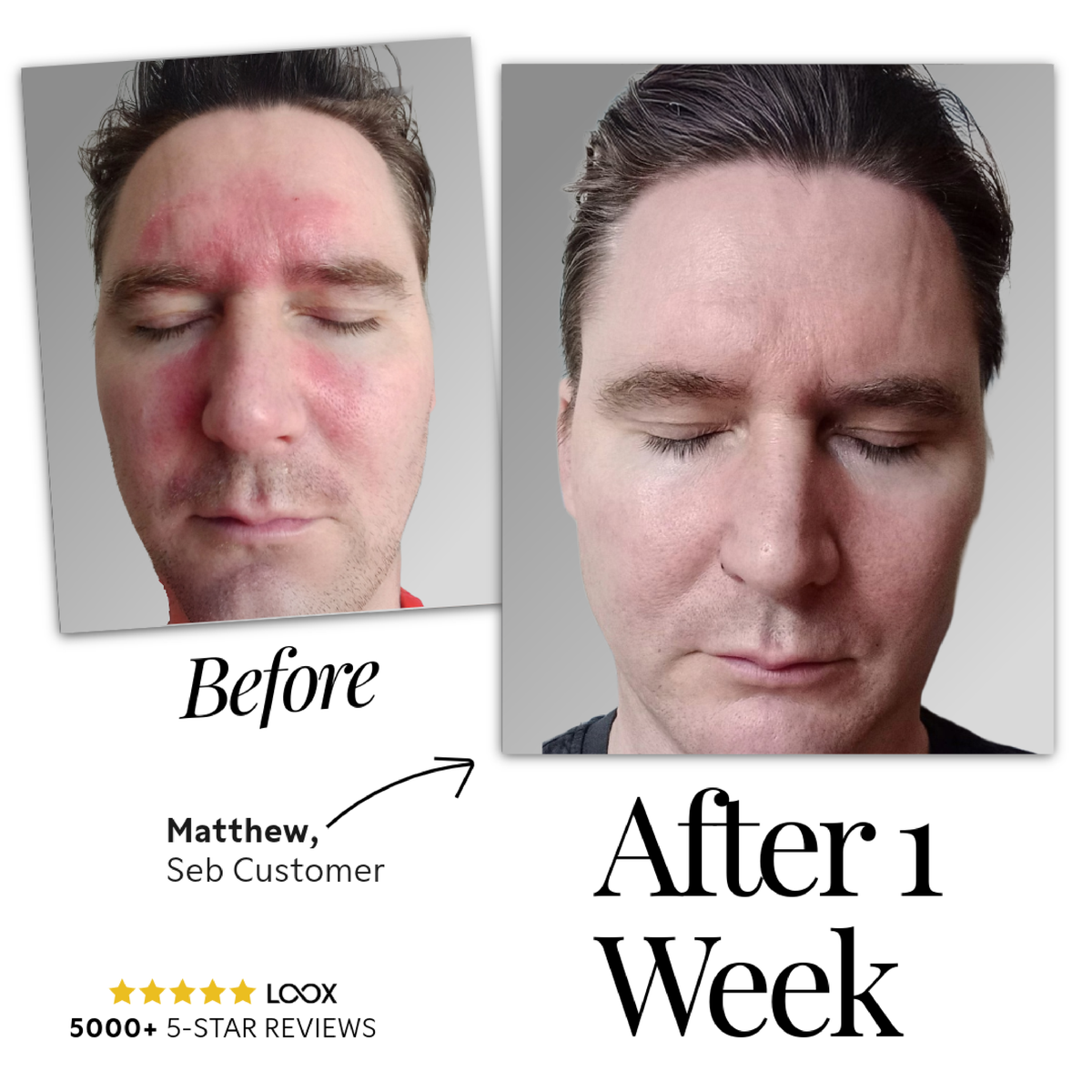
Seborrheic dermatitis (SD) is one of the most common—but also one of the most stubborn—scalp conditions. Characterised by flaking, redness, itching, and sometimes burning or sensitivity, it can easily be mistaken for simple dandruff. But seborrheic dermatitis is more than just a dry scalp issue. It’s chronic, inflammatory, and often frustrating for those who deal with it regularly.
While the exact cause isn’t fully understood, experts believe it’s linked to an overgrowth of Malassezia yeast on the skin, excess oil production, genetics, and immune system sensitivity. The good news? Although SD can be long-term, it can be managed extremely well with the right routine.
Let’s break down what actually works, what doesn’t, and answer some of the most common questions people ask about seborrheic dermatitis.
Which shampoo is best for seborrheic dermatitis?
The best shampoos for seborrheic dermatitis are medicated shampoos with anti-fungal or anti-inflammatory ingredients. Dermatologists generally recommend rotating two or three of the following because different ingredients work in different ways:
Most effective options:
Ketoconazole (1–2%) – e.g., Nizoral
One of the strongest antifungal shampoos; often considered the top choice.
Ciclopirox – prescription
More powerful antifungal, used if ketoconazole isn’t enough.
Selenium sulfide – e.g., Selsun Blue
Reduces yeast and slows down skin shedding.
Pyrithione zinc – e.g., Head & Shoulders Clinical Strength
Anti-fungal and anti-inflammatory.
Coal tar – e.g., Neutrogena T/Gel
Slows down excess skin-cell turnover.
Salicylic acid – e.g., Neutrogena T/Sal
Helps lift thick scales so medicated ingredients can reach the skin.
Best overall:
A rotation including ketoconazole plus either selenium sulfide or pyrithione zinc tends to give the strongest results for most people.
Can seborrheic dermatitis cause hair loss?
Yes, but the hair loss is usually temporary.
Seborrheic dermatitis can cause:
Increased shedding due to inflammation around the hair follicles
Hair that comes out more easily during flare-ups
Breakage from scratching, picking, or harsh washing
Thinning that looks worse because flakes cling to the hair
However, seborrheic dermatitis does not cause scarring or permanent baldness. Once the inflammation is controlled, the hair normally grows back and returns to its usual thickness.
Will seborrheic dermatitis go away after shaving?
Shaving can reduce symptoms, but it does not make seborrheic dermatitis go away permanently.
Why shaving helps:
Treatments reach the skin more easily
Oil and sweat don’t get trapped in the hair
Scales don’t build up as thickly
It’s easier to keep the scalp clean
The Takeaway
Seborrheic dermatitis affects the skin itself, not the hair—so even without hair, the redness, flaking, and irritation can still happen.
Shaving may make flare-ups milder and easier to control, but it does not cure the condition. The underlying yeast/inflammation process stays the same.