Seborrheic Dermatitis on the Face: Gentle Care Tips for Sensitive Skin
Why Seborrheic Dermatitis Appears Around the Nose and Eyebrows
There are a few reasons why seb‑derm often surfaces in these facial zones:
Oily Zones with Many Sebaceous Glands
The skin around the nose, eyebrows, and sides of the face has high concentrations of sebaceous (oil) glands.
Sebum (natural oil) nourishes the skin, but it also serves as a food source for Malassezia yeast, which is closely linked to seborrheic dermatitis.
More oil → more yeast activity → increased risk of flare-ups.
Occlusion and Less Frequent Exfoliation
Glasses, sunglasses, or even mask straps can trap moisture, oil, and sweat, creating a microenvironment that encourages yeast growth.
Eyebrow and nose skin may also receive less regular exfoliation than other areas, allowing dead skin cells to accumulate and worsen scaling.
Mechanical Irritation
Daily facial movements, touching the face, rubbing, or friction from masks can irritate sensitive skin, triggering or exacerbating seborrheic dermatitis.
Even subtle pressure or friction can make the redness and flaking more noticeable.
How to Soothe Seborrheic Dermatitis on the Face Without Clogging Pores
Treating facial seborrheic dermatitis requires a balance: you want to reduce yeast and inflammation, but facial skin is more sensitive and prone to clogged pores than scalp or beard skin. Here’s a detailed approach:
Use a Gentle Antifungal Cleanser
Mild antifungal cleansers, such as ketoconazole 1% (if advised by a dermatologist), or other over-the-counter anti-yeast options can help reduce flaking and redness.
Apply the cleanser gently, focusing on the skin itself rather than just the hair.
Let the product remain on the skin for the recommended time before rinsing to maximize effectiveness.
Moisturise With Lightweight, Non-Comedogenic Products
After cleansing, use a lightweight, non-greasy moisturizer or soothing serum.
Avoid heavy oils, thick creams, or occlusive products, which can trap sebum and worsen yeast activity.
Ingredients like ceramides, niacinamide, or aloe can support the skin barrier while calming irritation.
Avoid Irritating Ingredients
Products with high alcohol content, strong fragrances, or harsh essential oils can trigger further irritation.
Stick to formulas specifically designed for sensitive or seborrheic dermatitis-prone skin.
Targeted Creams or Serums
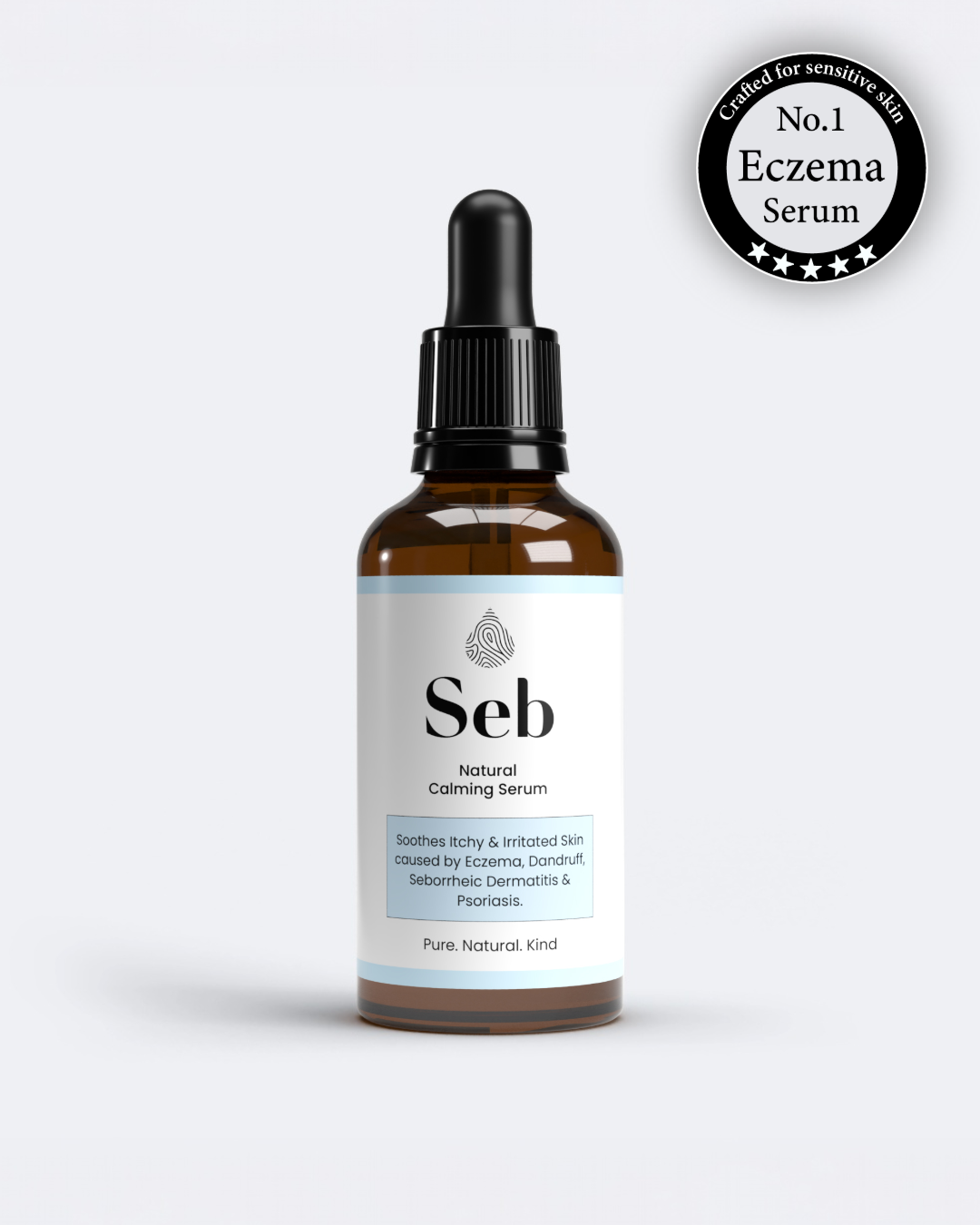
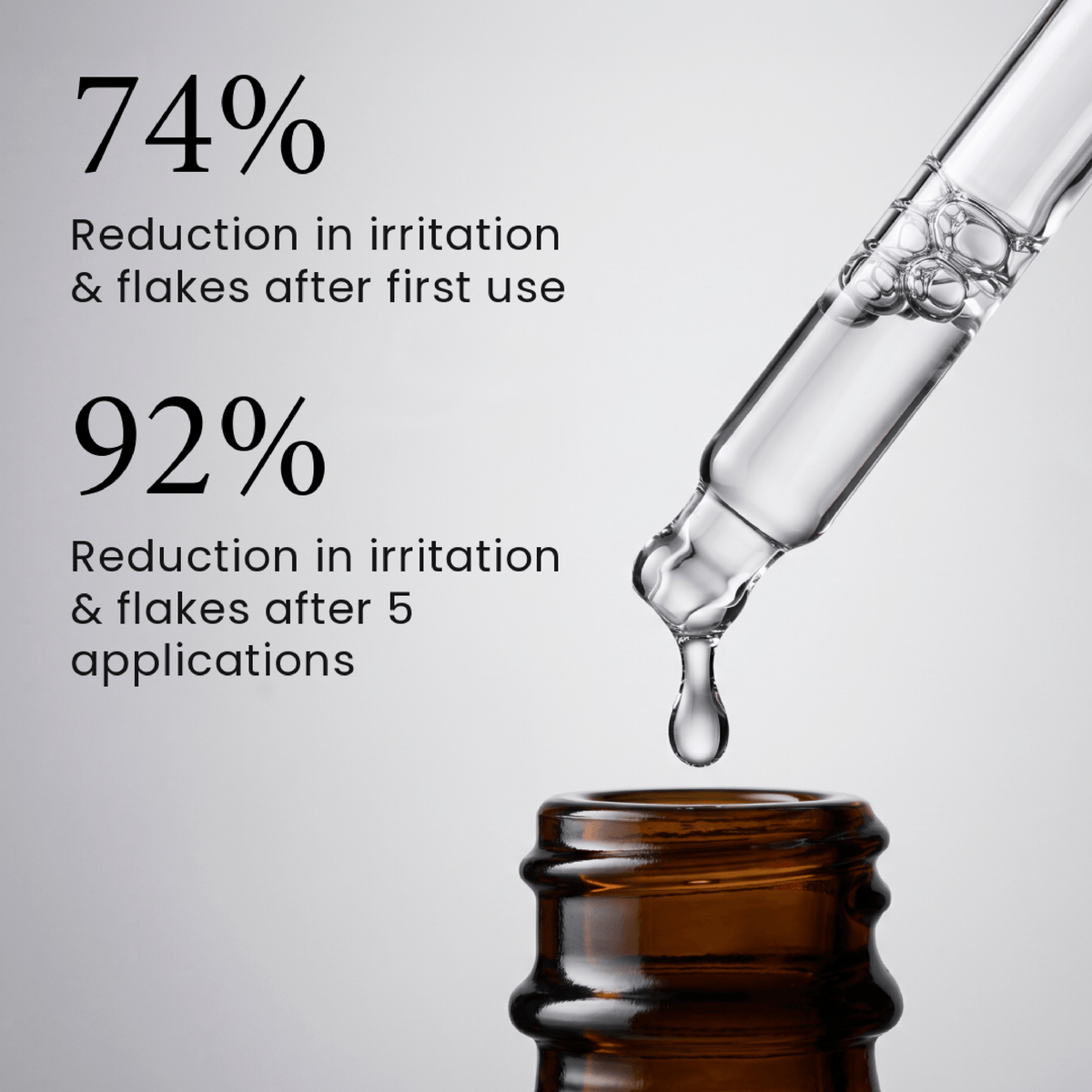
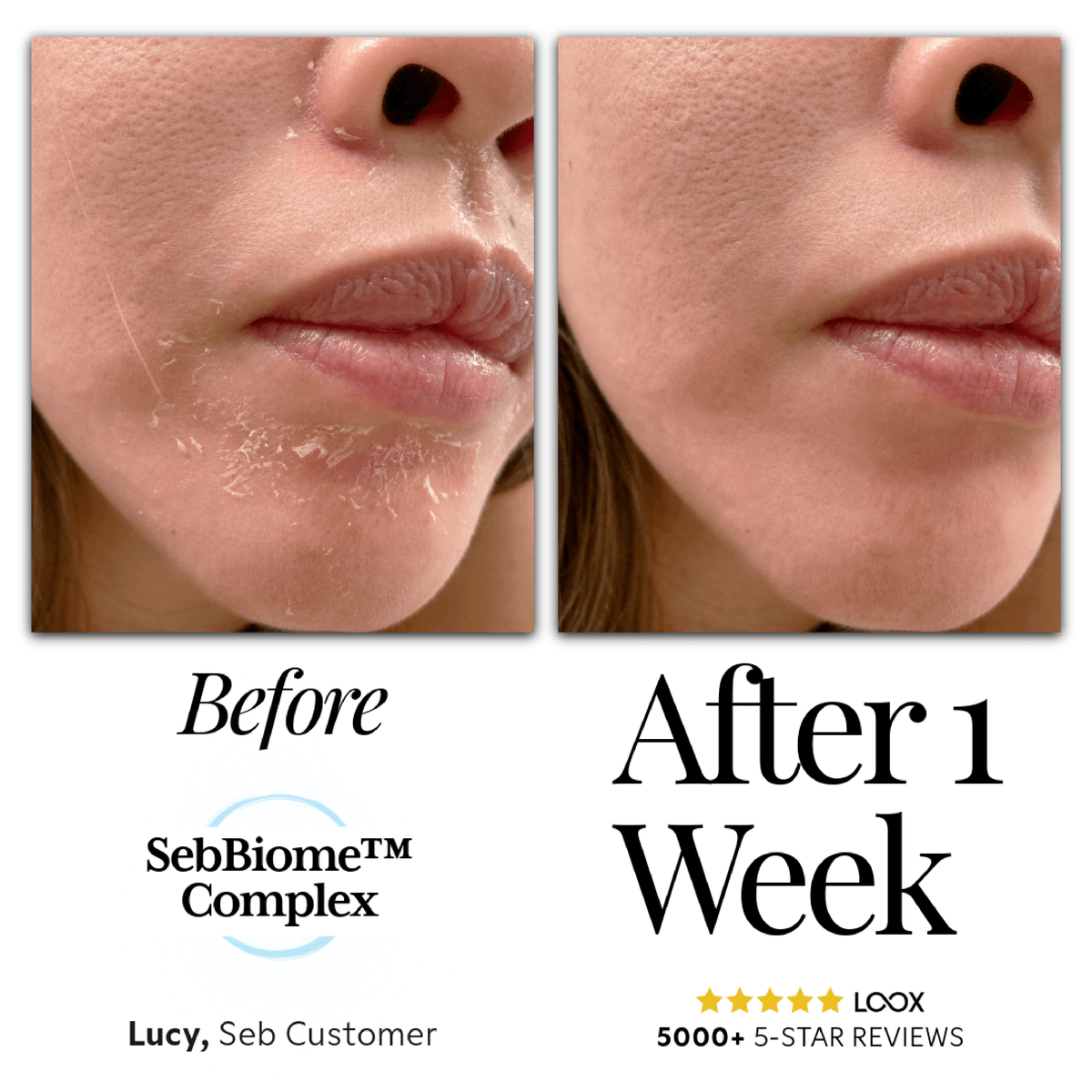
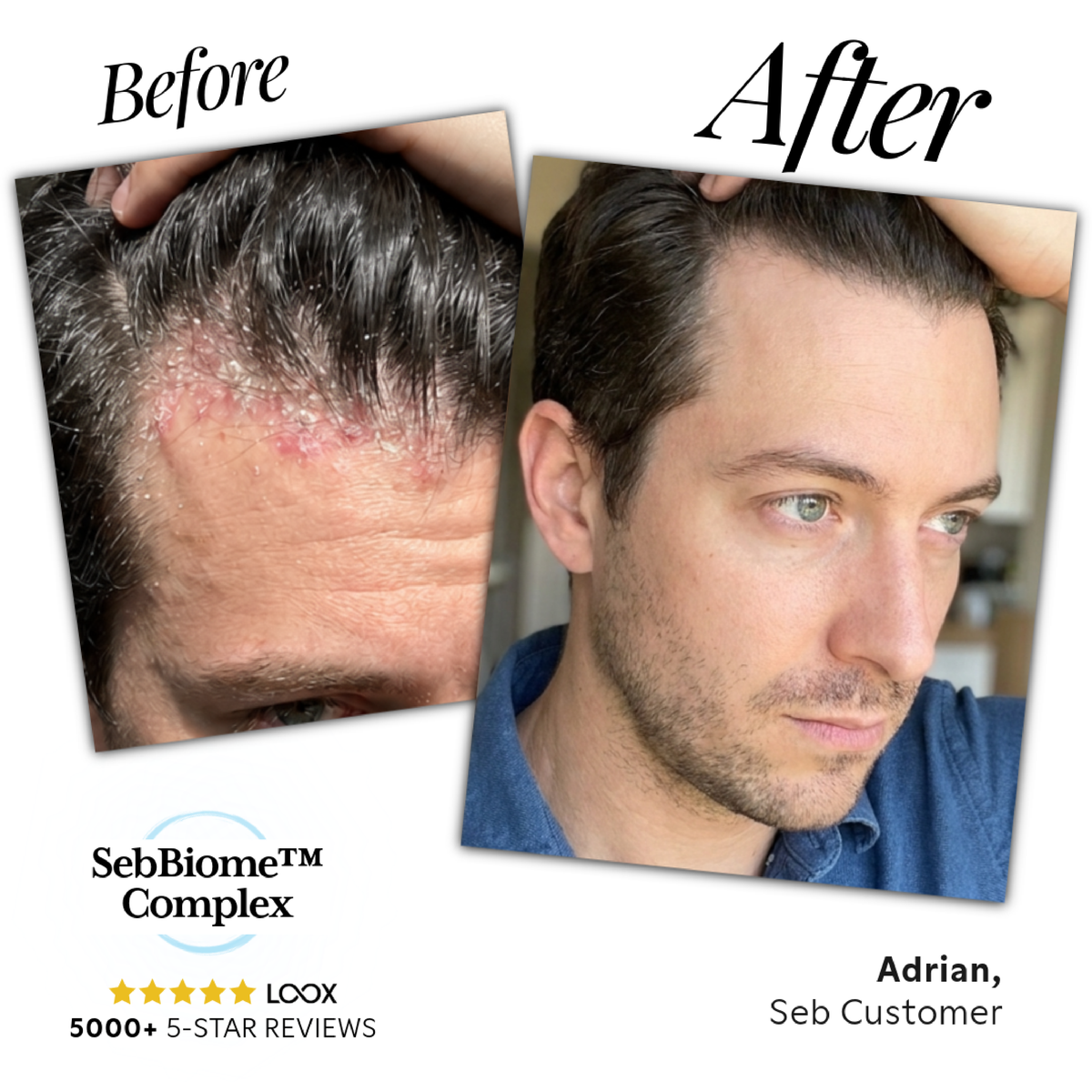
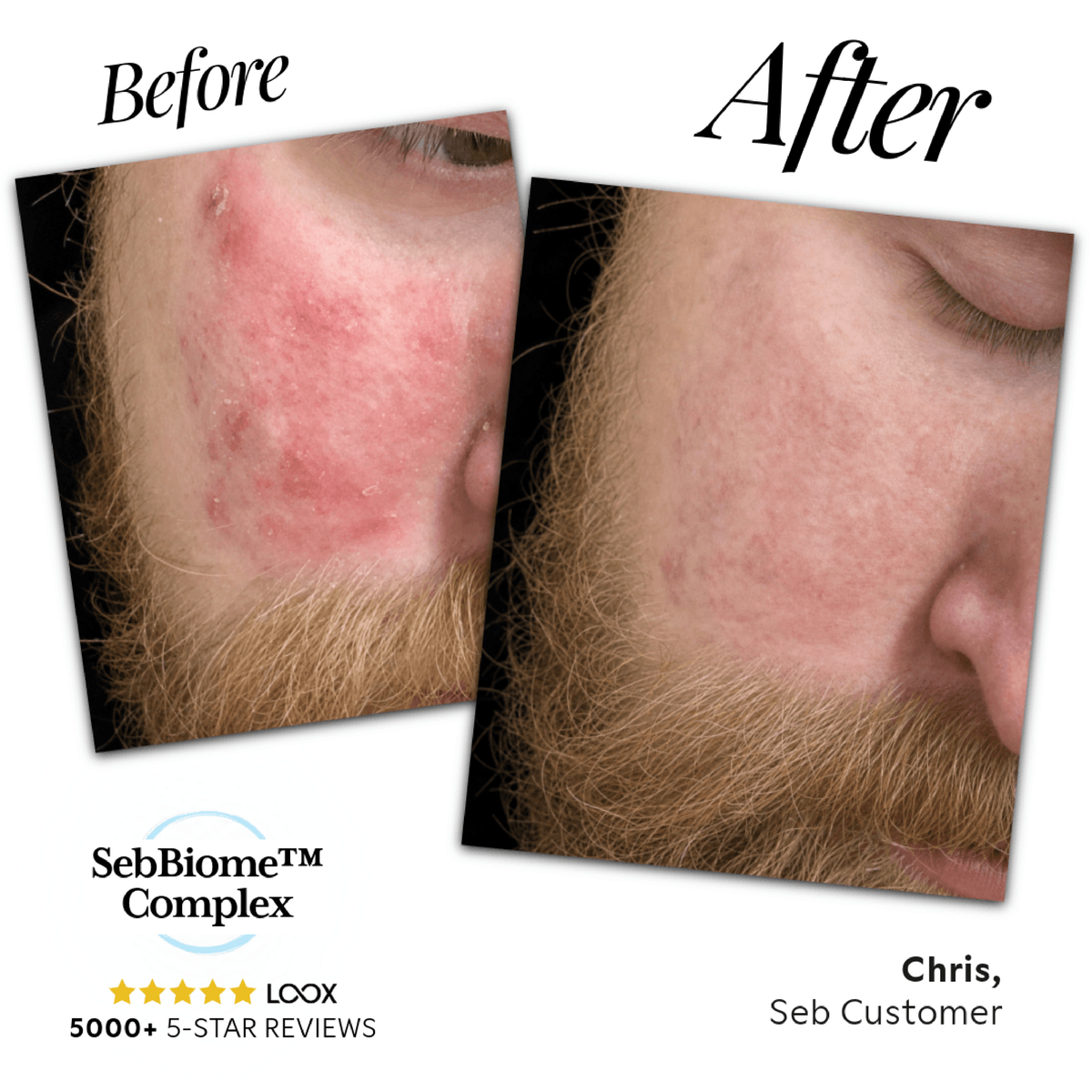
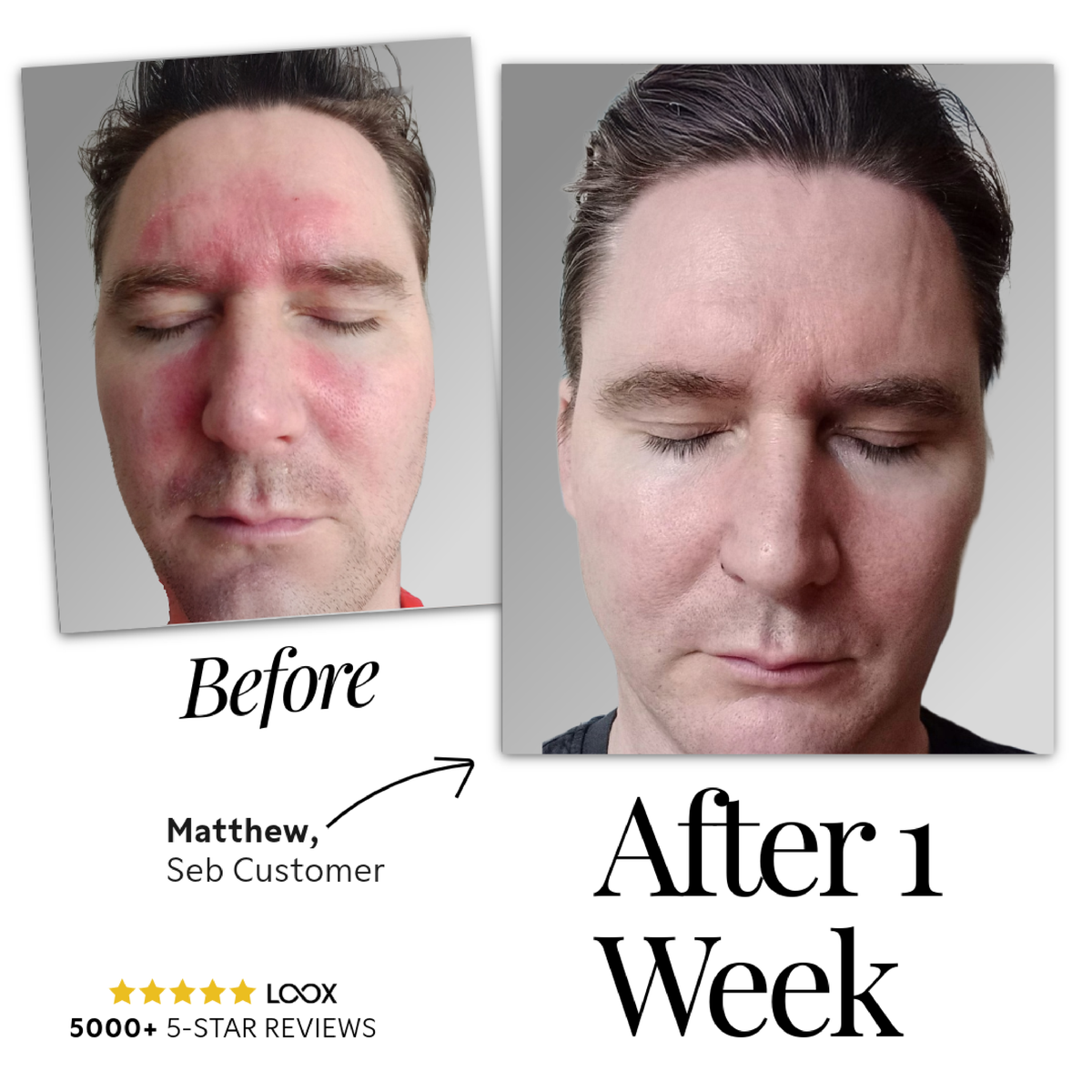
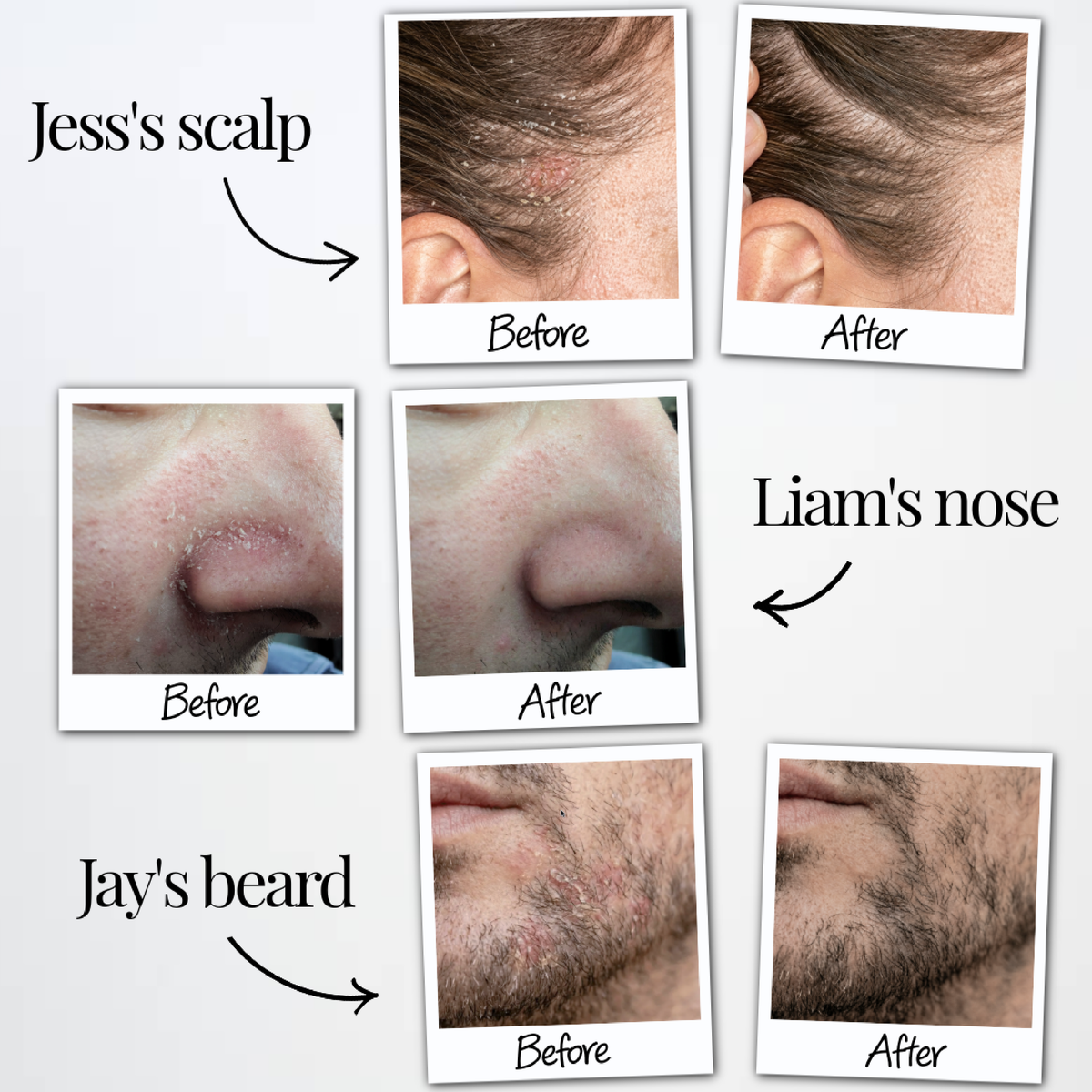
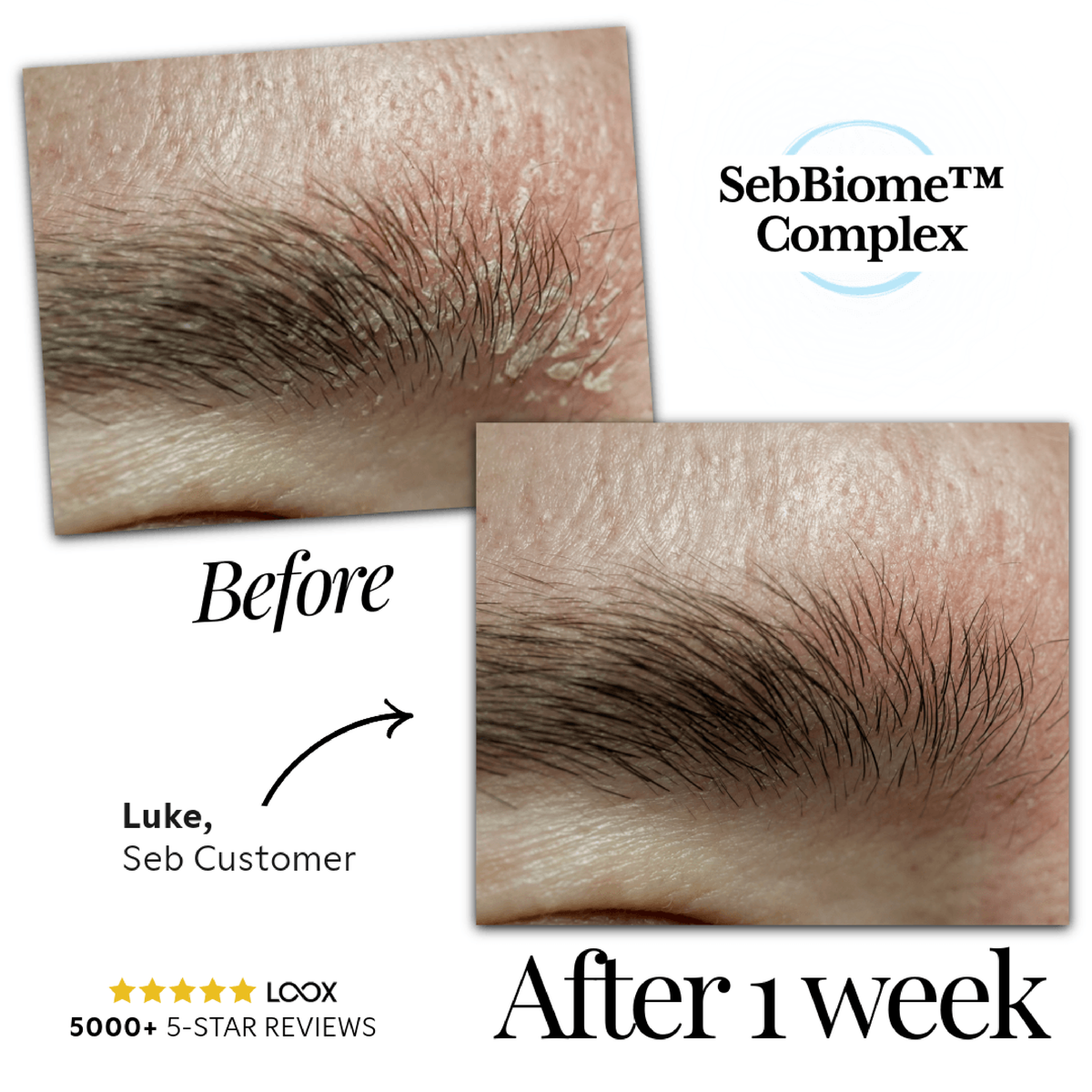
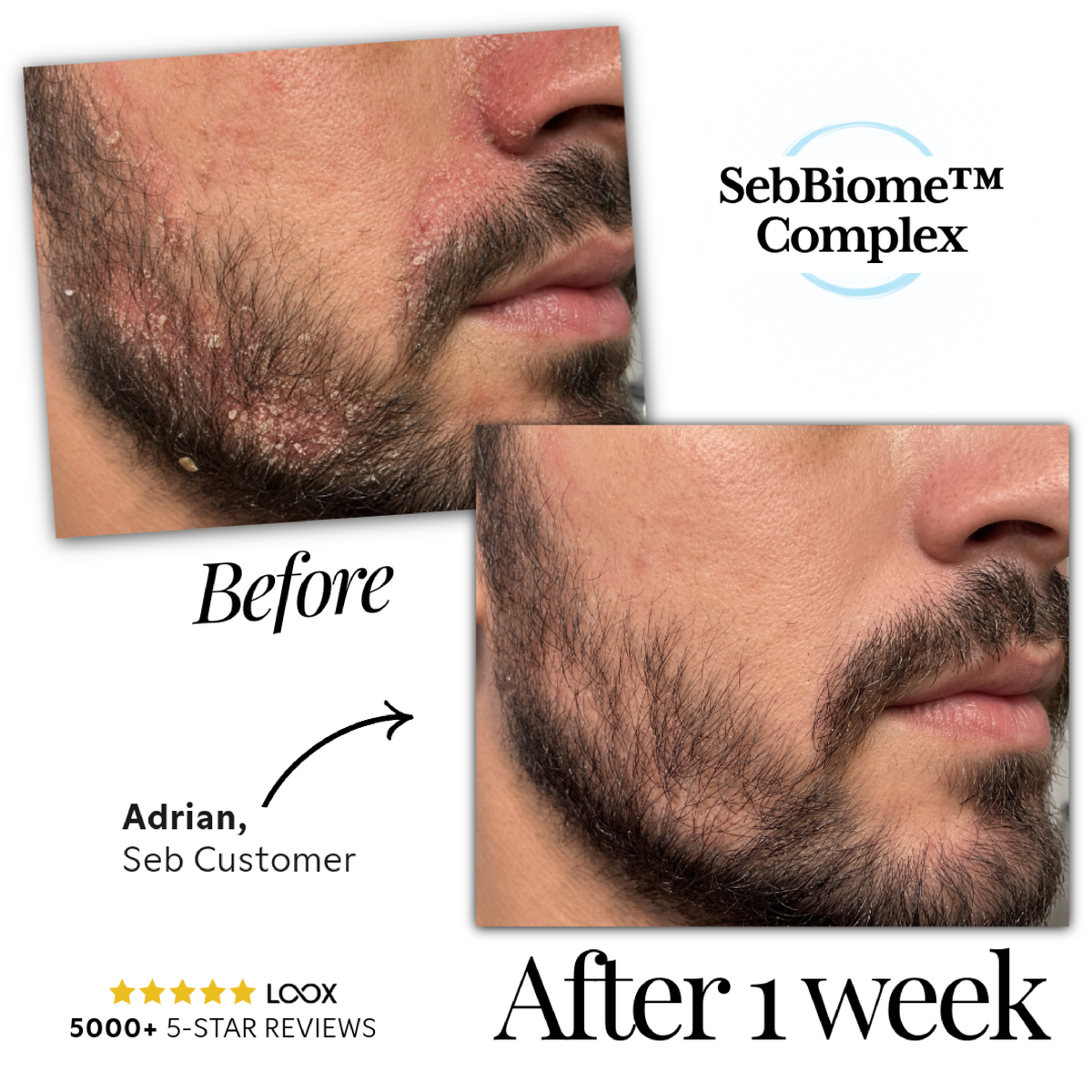
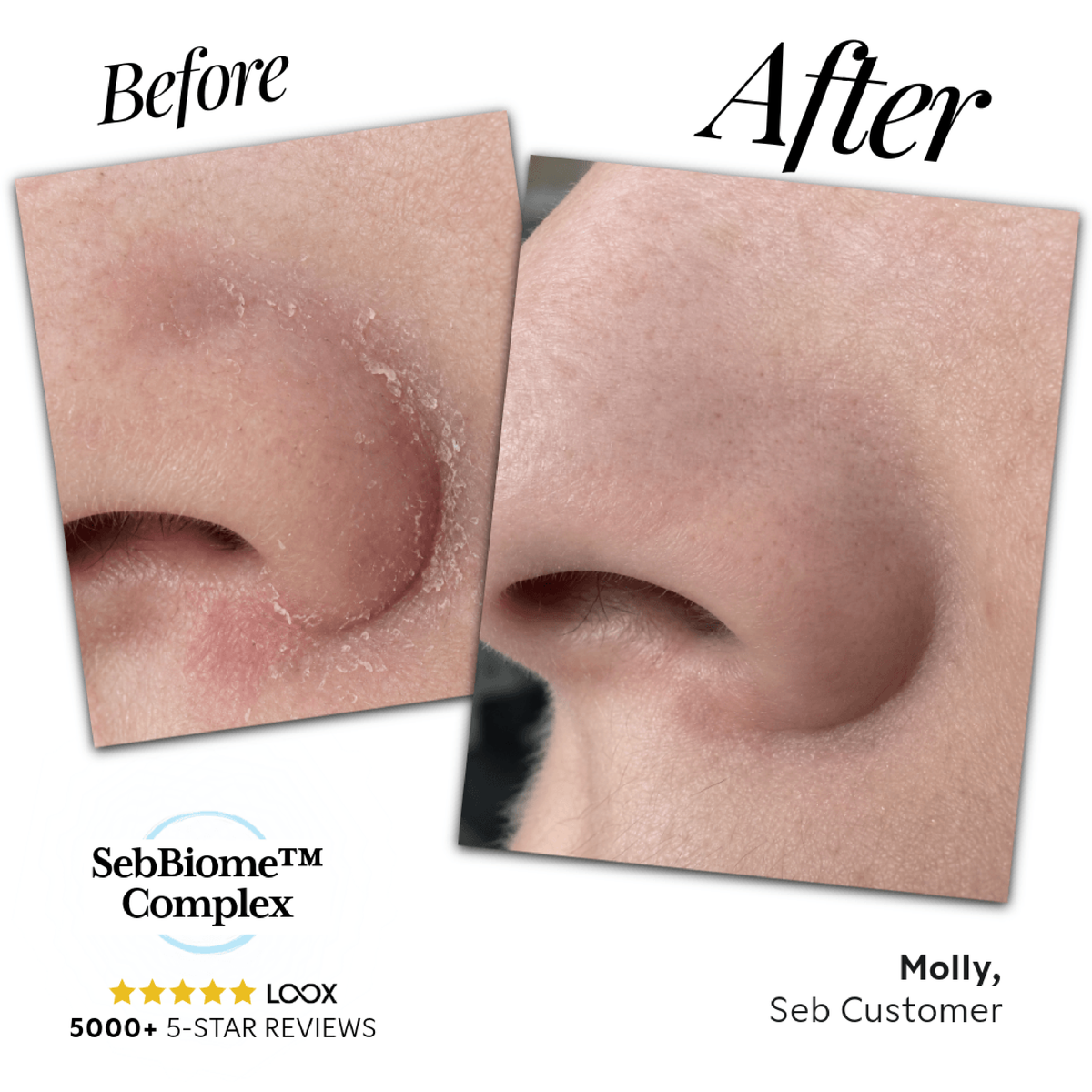
Seb skincare products are formulated with science-backed ingredients that directly target the root cause of seborrheic dermatitis: the Malassezia yeast. The serum is packed with natural anti-fungals like tea tree, lavender, and clove, along with calming ingredients that help reduce redness, flakes, and irritation. These botanicals work to restore balance to your skin microbiome while soothing symptoms. Most people see results in 1–7 days, with long-term balance when used regularly!
These can be particularly helpful in delicate areas like around the nose and eyebrows.
Maintain Clean Accessories and Habits
Regularly clean glasses, sunglasses, or mask straps that contact the skin.
Avoid excessive touching or rubbing of affected areas.
Gentle exfoliation, if tolerated, can help remove dead skin cells without aggravating inflammation.
Extra Tips for Managing Facial Seborrheic Dermatitis
-
Consistency is key: Seborrheic dermatitis is chronic, so flare-ups are normal. Regular treatment is more effective than occasional interventions.
-
Monitor triggers: Stress, weather changes, and sweat can worsen flare-ups—being mindful of these can help.
-
Professional guidance: If OTC treatments are not enough, or if the redness, flaking, or irritation is severe, a dermatologist can prescribe stronger topical anti-fungals or mild corticosteroids.
The Takeaway
Facial seborrheic dermatitis often occurs around the nose and eyebrows because these are oil-rich areas that may also experience occlusion or friction. Managing seb‑derm in these areas follows the same core principles as scalp or beard care:
-
Control yeast growth with gentle anti-fungal cleansers.
-
Support the skin barrier with lightweight, non-comedogenic moisturisers or serums.
-
Avoid heavy, occlusive products that trap oil or irritate the skin.
-
Maintain hygiene and minimise mechanical irritation from glasses, masks, or touch.
With careful and consistent care, facial seborrheic dermatitis can be significantly reduced, leaving skin calmer, healthier, and less flaky.