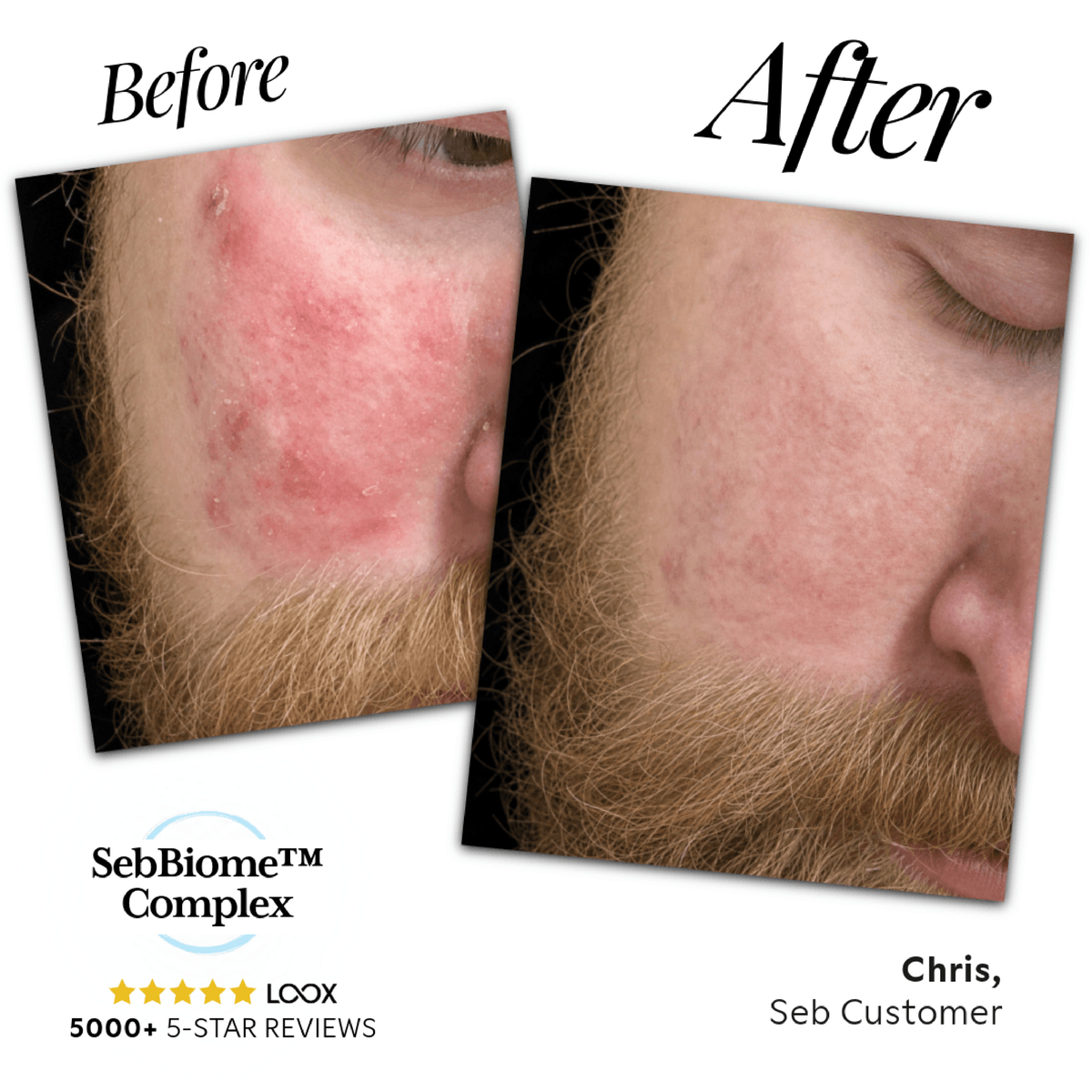
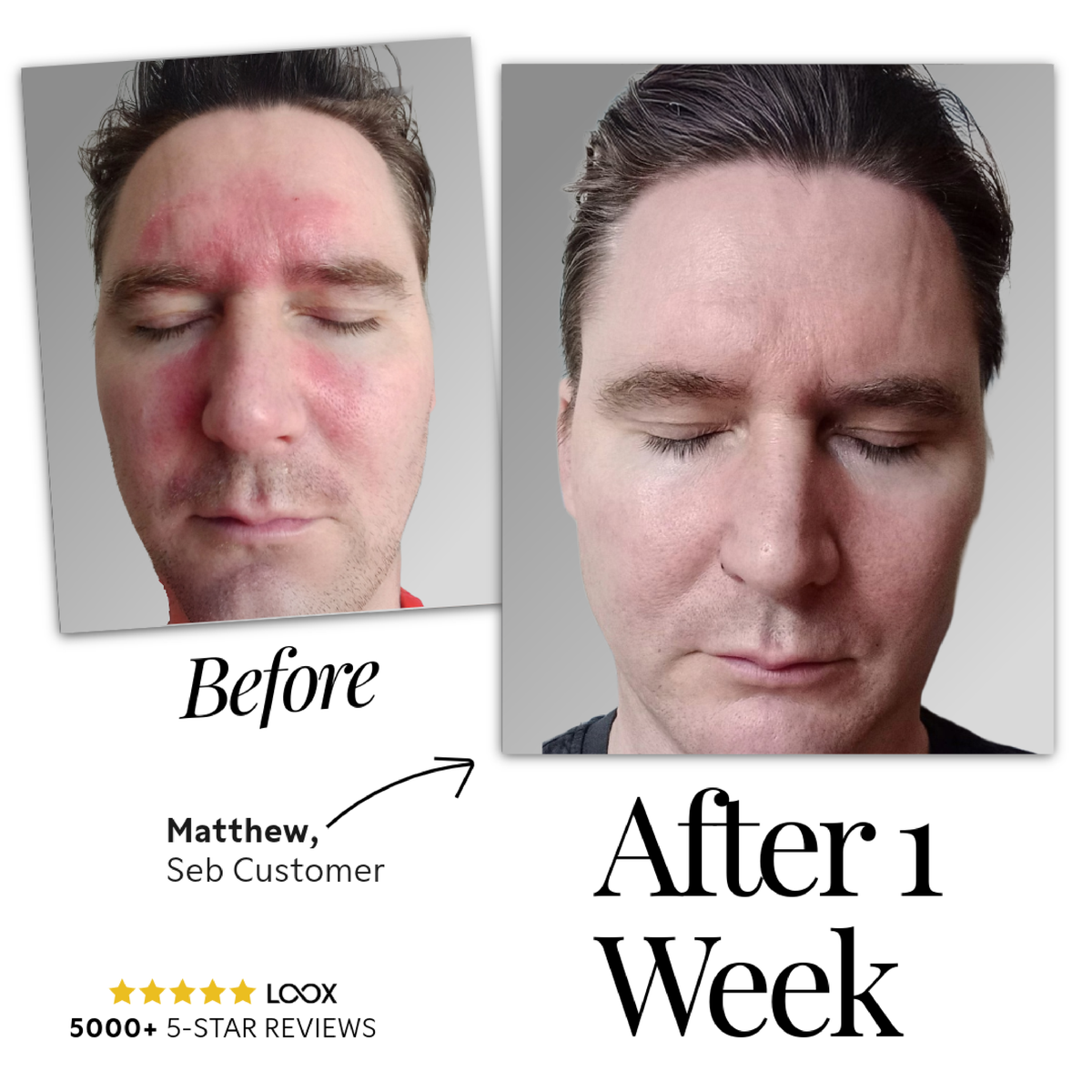
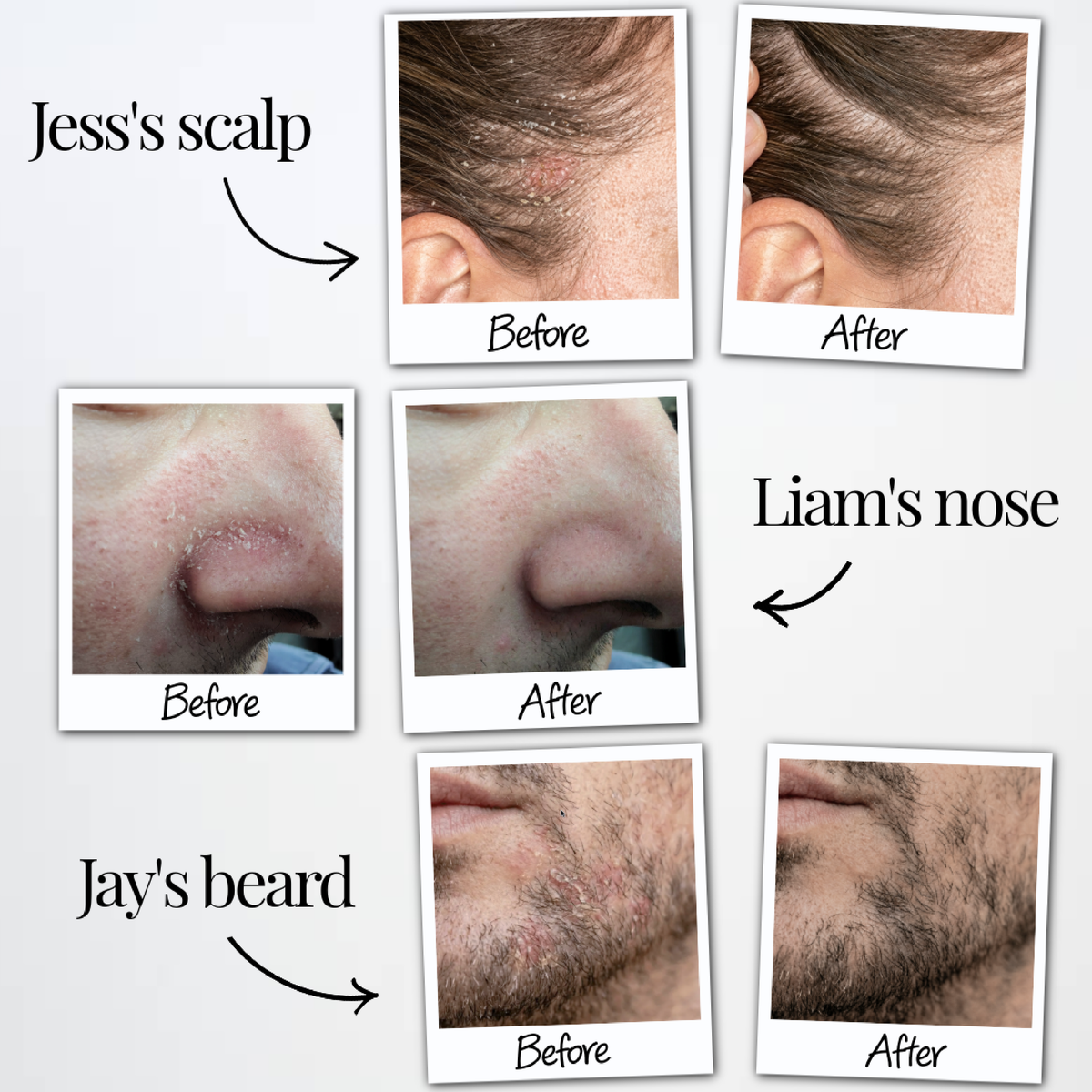
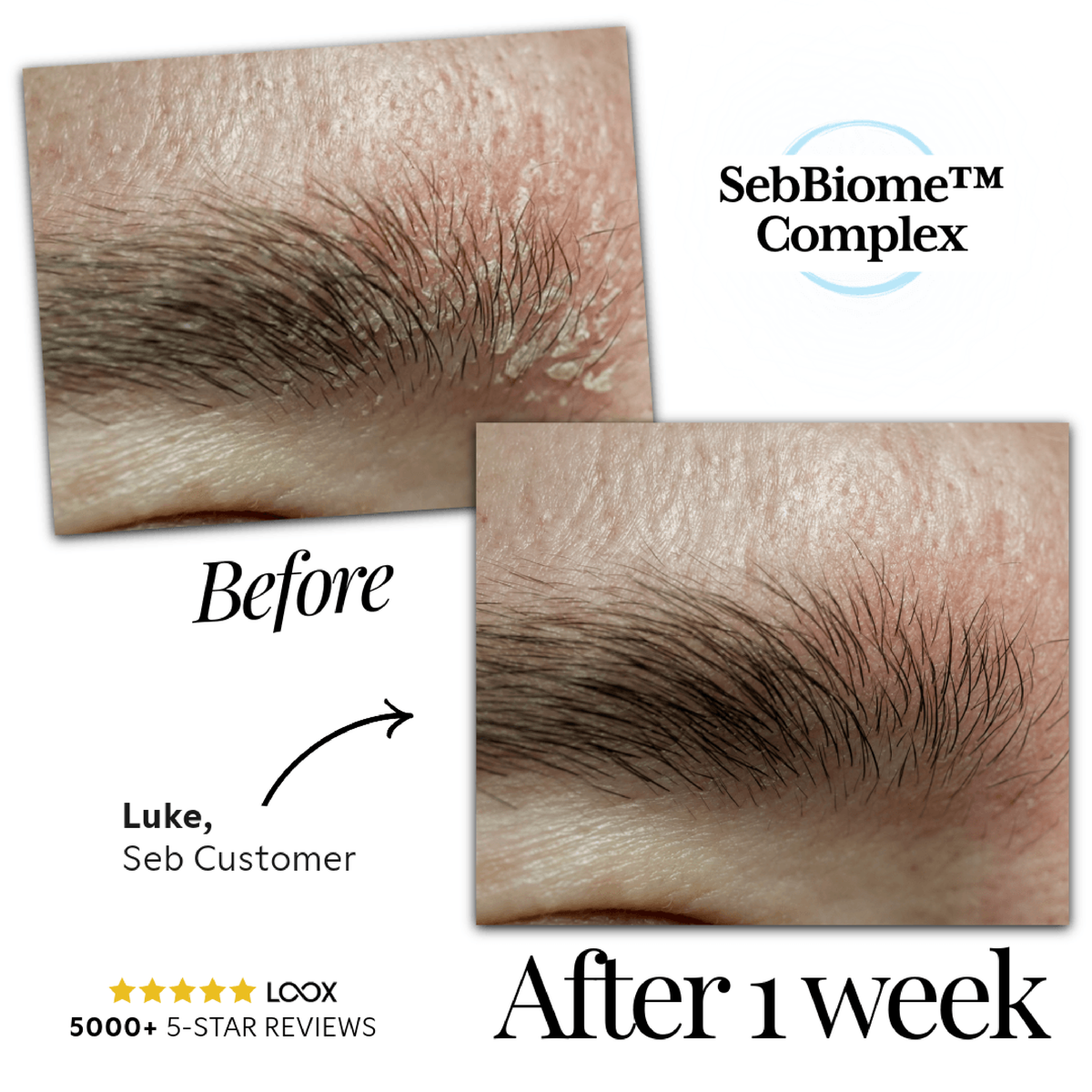
Seborrheic Dermatitis Is Not Just Dandruff — It’s a Nervous System, Skin Barrier, and Microbiome Story
Most people think seborrheic dermatitis is simply dandruff that got out of control. That assumption is exactly why so many people spend years cycling through medicated shampoos, steroid creams, and internet hacks without understanding why the condition keeps returning.
Seborrheic dermatitis is far more complex than flaky skin. It sits at the intersection of the skin barrier, immune signaling, stress physiology, fungal ecology, oil production, and even neurological health. If you only treat the flakes, you often miss the real drivers.
The Strange Relationship Between Oil and Inflammation
One of the most misunderstood aspects of seborrheic dermatitis is the role of sebum.
People assume oily skin automatically causes the condition. But that’s only partially true.
The issue is not simply “too much oil.” The real issue is what happens when skin oils are broken down by microorganisms — particularly Malassezia yeast.
Malassezia naturally lives on human skin. In many people, it causes no problems at all. But in seborrheic dermatitis-prone individuals, the yeast metabolizes sebum into inflammatory byproducts that disrupt the skin barrier and trigger an exaggerated immune response.
This explains why:
-The condition appears in oil-rich areas like the scalp, eyebrows, ears, chest, and sides of the nose
-Washing excessively can worsen symptoms
-Strong anti-fungal products sometimes work immediately — then suddenly stop helping
-Stress can trigger flares even when skincare remains unchanged
The skin is not just “dirty” or “oily.” It is overreacting to a biologically normal resident.
Why Stress Is Often the Real Trigger
Many people notice seborrheic dermatitis flares during:
-Sleep deprivation
-Emotional burnout
-Exams or deadlines
-Relationship stress
-Travel
-Winter isolation
-Overwork
This is not coincidence.
Stress changes immune behaviour, oil production, inflammation levels, and skin healing speed. Cortisol dysregulation can weaken barrier integrity and alter microbial balance.
What makes seborrheic dermatitis unique is that stress often affects it faster than other skin conditions.
People commonly report:
“I was clear for months, then one brutal week at work caused a full flare.”
That rapid shift reveals something important: seborrheic dermatitis behaves less like a purely cosmetic issue and more like an inflammatory stress-responsive condition.
The Neurological Connection Nobody Talks About
Seborrheic dermatitis occurs at unusually high rates in people with neurological disorders.
Conditions linked with severe seborrheic dermatitis include:
-Parkinson’s disease
-Traumatic brain injury
-Depression
-HIV/AIDS
-Stroke-related neurological changes
Researchers still debate why this happens, but several mechanisms may be involved:
-Altered sebum production
-Changes in autonomic nervous system signalling
-Impaired immune regulation
-Reduced skin turnover control
-Behavioural factors like less frequent cleansing
The Parkinson’s connection is especially fascinating.
Some neurologists even consider excessive facial oiliness and seborrheic dermatitis-like symptoms to be early non-motor clues in certain patients.
This does not mean dandruff predicts neurological disease. But it does reveal how deeply connected skin and nervous system regulation actually are.
The Hidden Damage of Over-Treating It
One of the biggest reasons seborrheic dermatitis becomes chronic is treatment overkill.
People often attack the condition aggressively with:
-Daily ketoconazole use
-Harsh sulfates
-Apple cider vinegar
-Tea tree oil overload
-Alcohol-heavy toners
-Repeated steroid application
-Constant exfoliation
Initially, inflammation decreases.
Then suddenly the skin becomes:
-Tight
-Burning
-Hyper-reactive
-More flaky
-Redder than before
Why?
Because the skin barrier gets damaged.
When the barrier is compromised, the skin loses water faster and becomes vulnerable to irritants. Ironically, this can increase sensitivity to the very yeast being targeted.
In many chronic sufferers, the problem eventually becomes a combination of:
- Seborrheic inflammation
- Barrier dysfunction
- Irritant dermatitis from treatment itself
That’s why some people improve dramatically only after simplifying everything.
Why Some People Suddenly Develop It in Adulthood
Another mystery: why do some people develop seborrheic dermatitis out of nowhere?
Common contributors include:
-Hormonal changes
-Climate shifts
-Chronic stress accumulation
-Skin microbiome disruption
-Illness recovery
-Overuse of active skincare
-Nutritional deficiencies
-Burnout-related immune dysregulation
Sometimes the trigger is not one event but cumulative physiological overload.
The skin eventually loses resilience.
What looked like a random flare was actually the final stage of a long inflammatory buildup.
The Minimalist Treatment Strategy That Often Works Better
The internet pushes aggressive “fight the fungus” strategies.
But long-term management often looks surprisingly boring.
The most effective routines usually combine:
-Gentle cleansing
-Intermittent antifungal use instead of daily dependence
-Barrier repair
-Stress management
-Sleep consistency
-Lower-fragrance products
-Scalp hydration balance
Many dermatologists now believe seborrheic dermatitis behaves best under maintenance control rather than elimination.
Trying to eradicate Malassezia entirely is unrealistic.
The goal is ecological balance.
The Emotional Side of Facial Flaking
Seborrheic dermatitis has a psychological burden that outsiders often underestimate.
Because it commonly affects visible facial areas, people become hyper-aware of:
-Eyebrow flakes
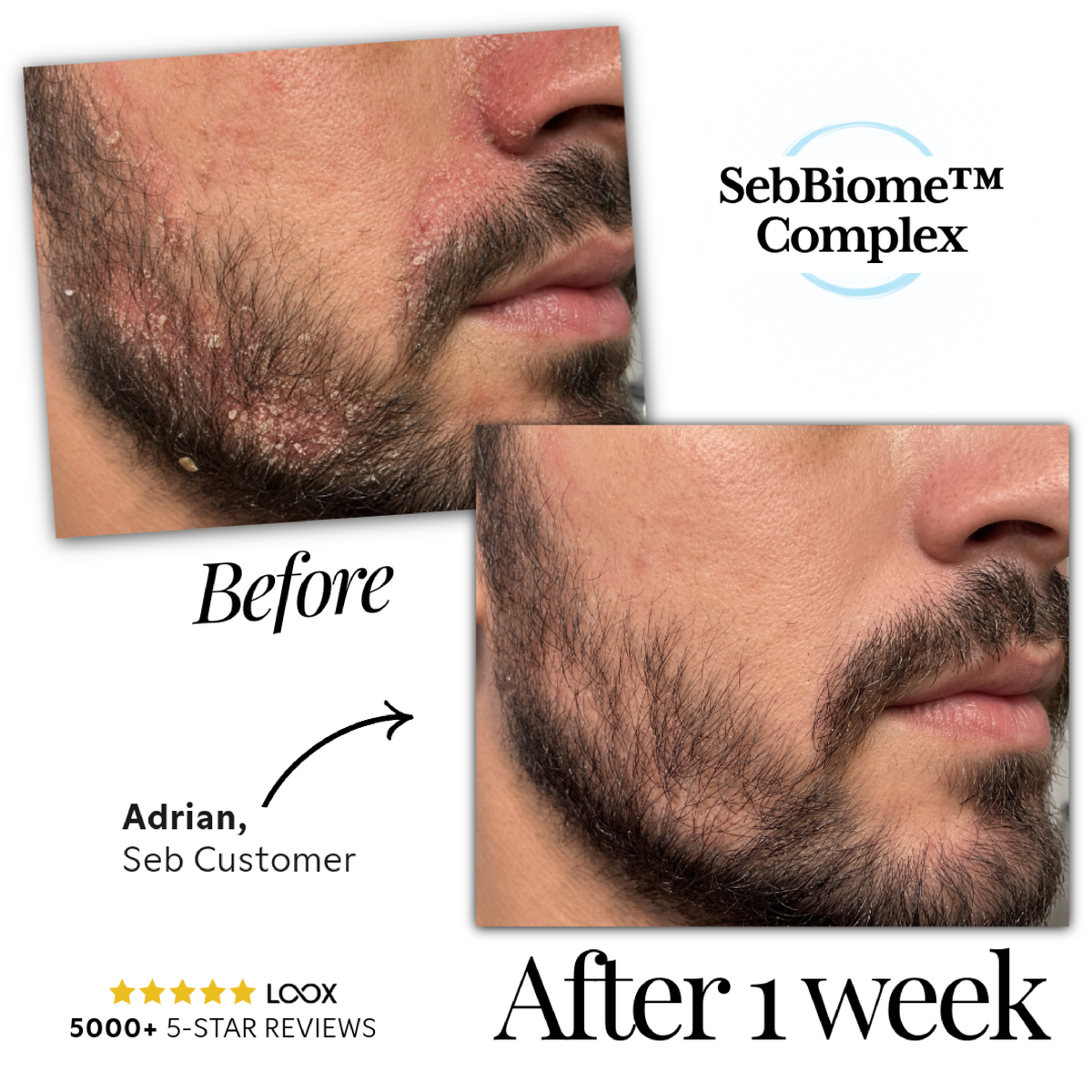
-Beard scaling
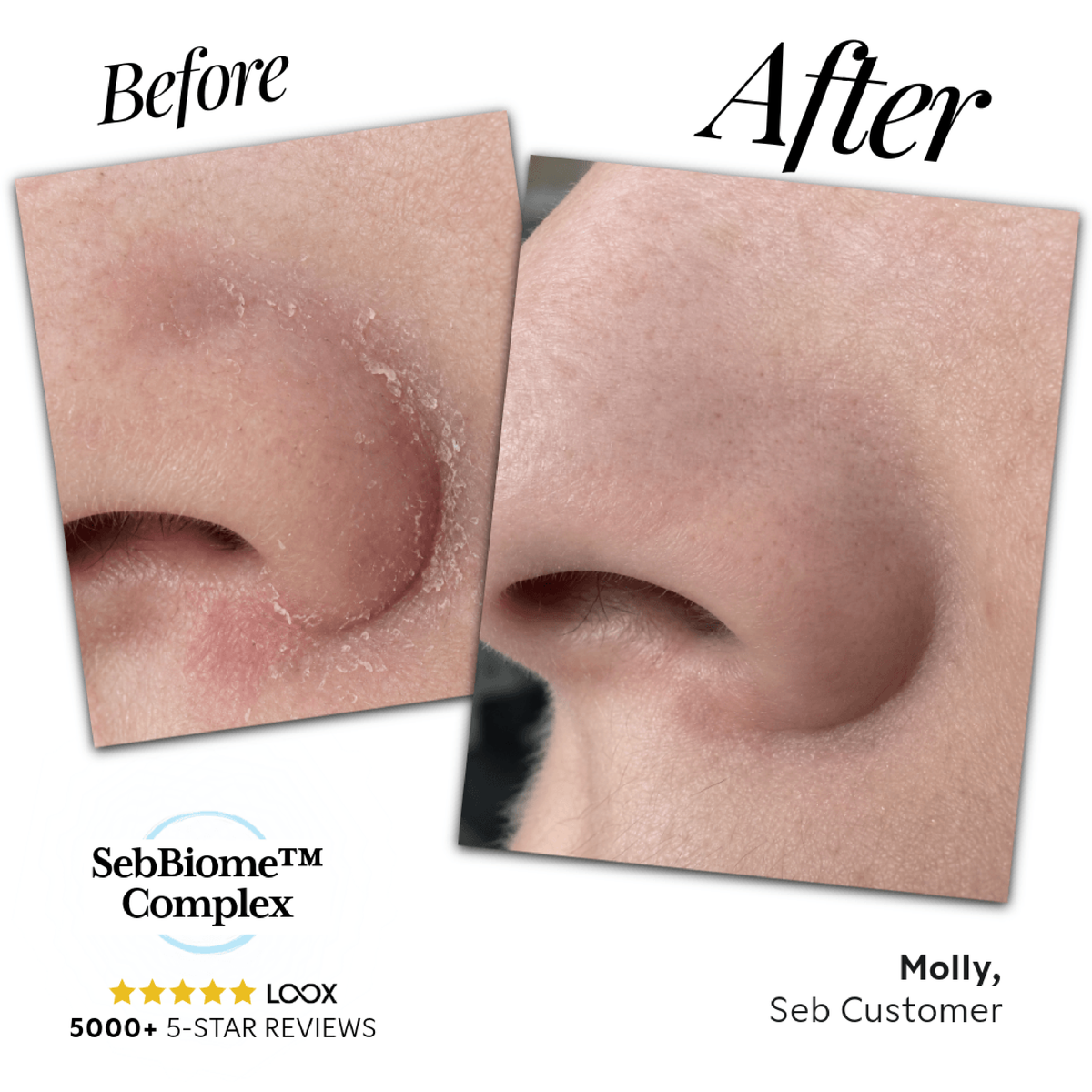
-Nose redness
-Greasy appearance
-Hairline shedding
-Ear scaling
Many sufferers:
-Avoid bright lighting
-Fear close conversations
-Over-monitor mirrors
-Constantly touch their scalp
-Become socially self-conscious
This creates a stress loop:
Stress worsens seborrheic dermatitis. Seborrheic dermatitis increases stress.
The condition becomes emotionally exhausting not because it is medically dangerous, but because it is visually persistent and unpredictable.
Why There Probably Won’t Be a “Cure” Soon
People often search endlessly for:
-The missing vitamin
-The perfect shampoo
-The hidden allergy
-The miracle supplement
But seborrheic dermatitis is probably not a single-pathway disease.
It appears to involve:
-Genetics
-Immune sensitivity
-Skin ecology
-Barrier resilience
-Nervous system regulation
-Environmental stress
That complexity makes one universal cure unlikely.
The future of treatment may instead focus on:
-Microbiome-targeted therapies
-Immune modulation
-Personalised skin ecology analysis
-Barrier restoration science
-Neuroinflammatory regulation
In other words: less warfare against the skin, more stabilisation of the skin ecosystem.
Final Thought
Seborrheic dermatitis is often dismissed as “just dandruff,” but chronic sufferers know it behaves more like an inflammatory ecosystem disorder.
The flakes are only the surface expression.
Underneath is a conversation between your immune system, nervous system, microbiome, stress physiology, hormones, and skin barrier.
That’s why the condition can feel so unpredictable.
And that’s also why sustainable improvement usually begins when people stop treating their skin like an enemy battlefield.