Seborrheic Dermatitis in Summer: How Heat and Sweat Can Affect Your Skin
Summer is often associated with sunshine, holidays and outdoor activities, but for people living with seborrheic dermatitis, warmer weather can sometimes bring new skin-care challenges.
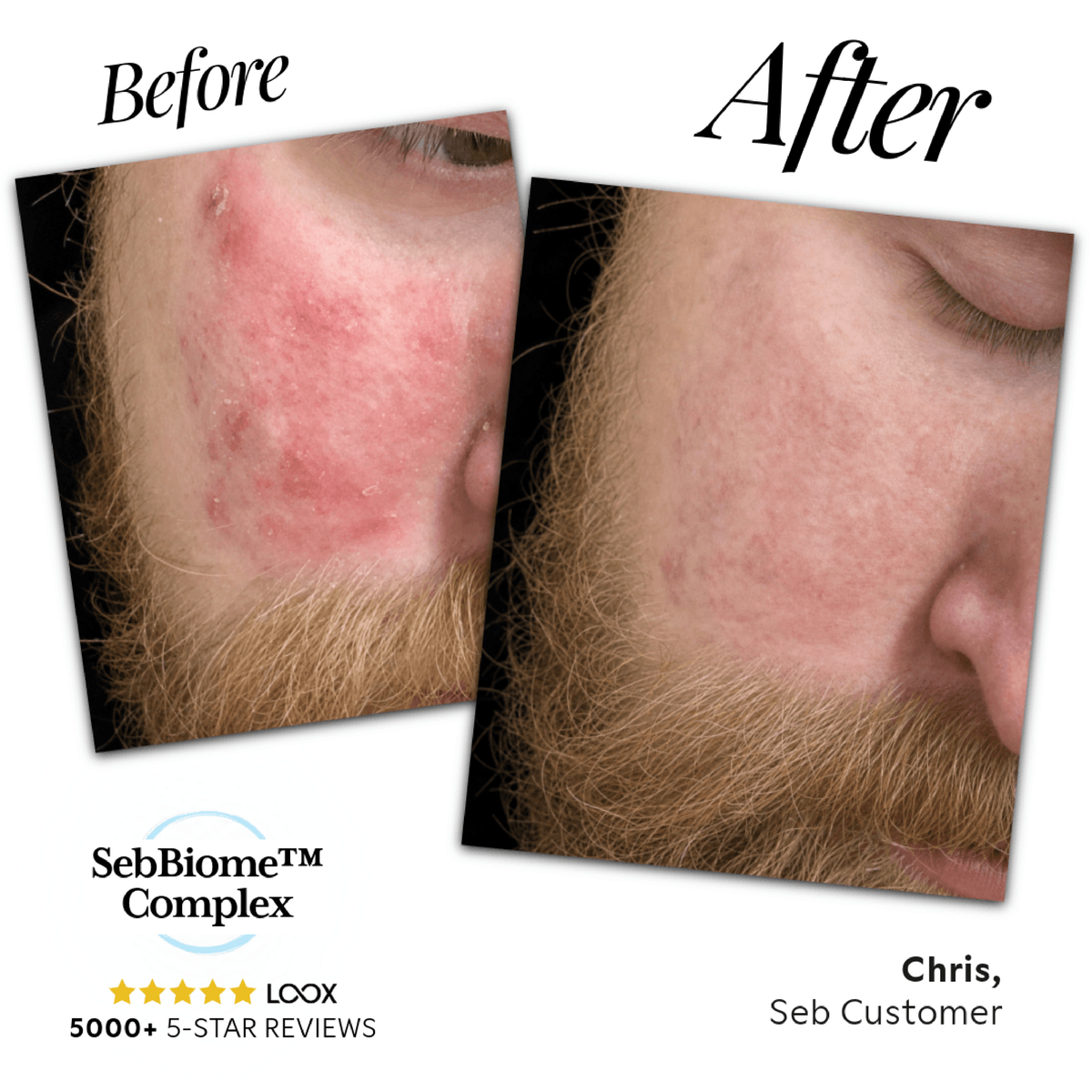
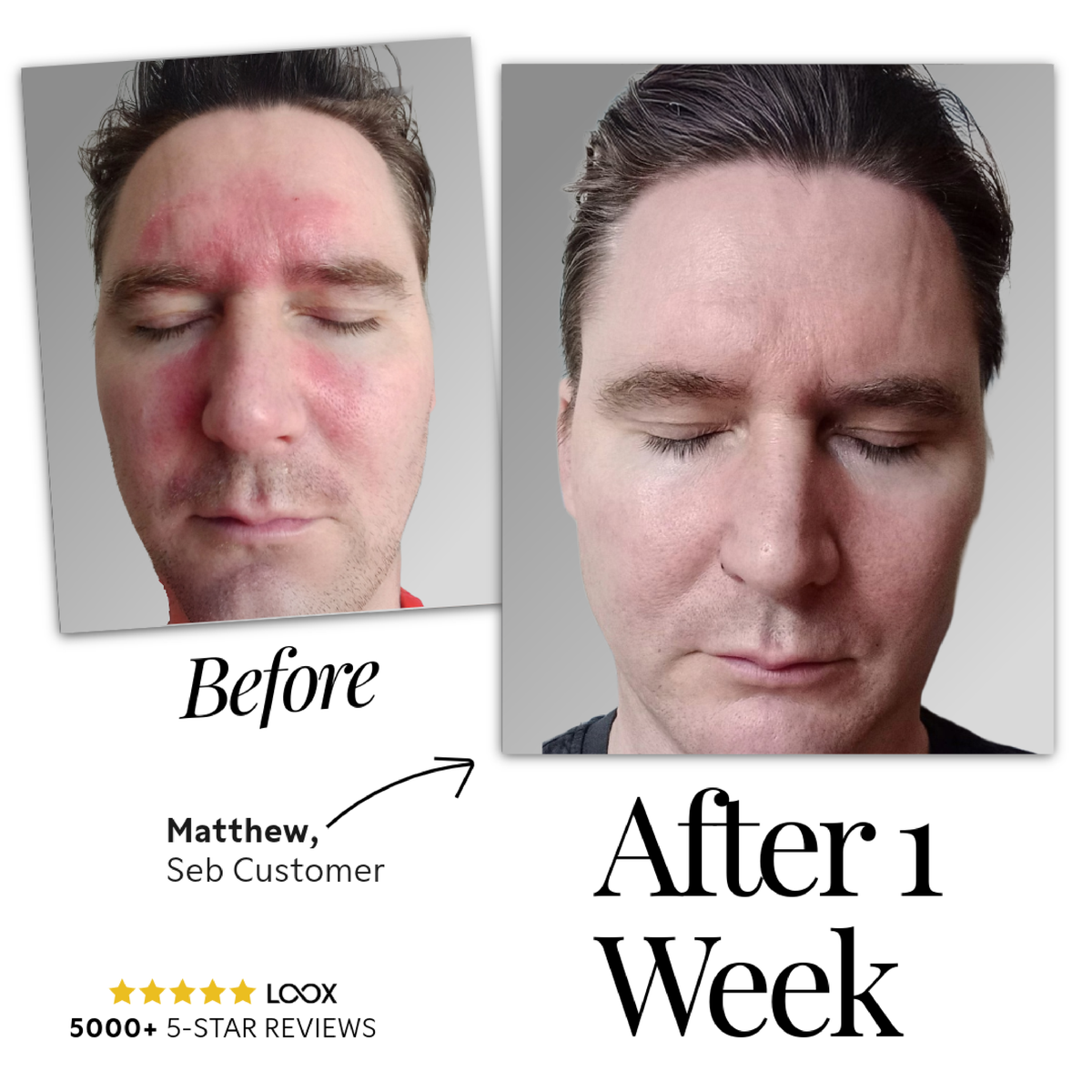
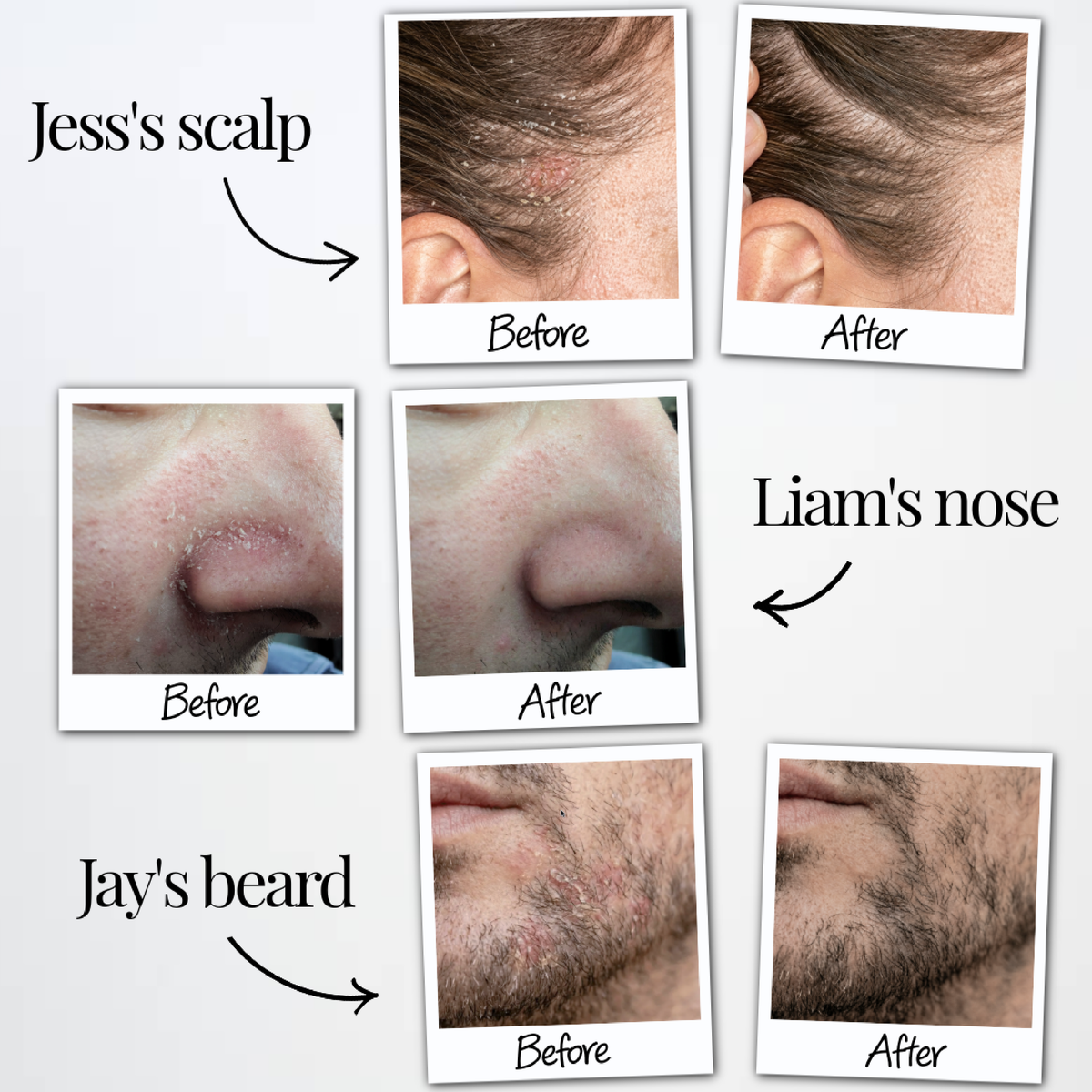
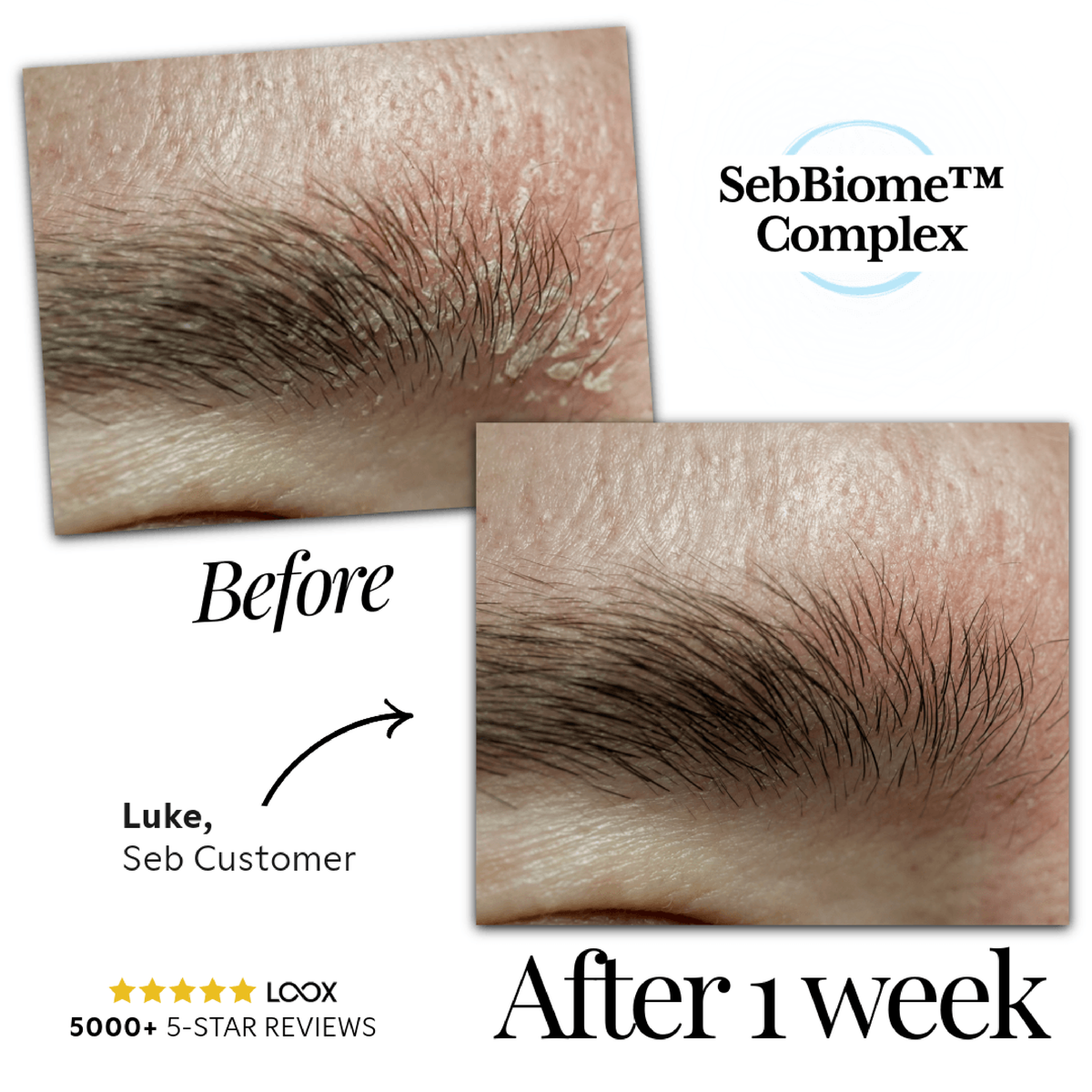
Seborrheic dermatitis is a common inflammatory skin condition that can cause redness, itching, flaking and greasy or scaly patches. It commonly affects areas where the skin has more oil glands, including the scalp, face, eyebrows, sides of the nose and chest.
Does summer make seborrheic dermatitis worse?
The relationship between summer weather and seborrheic dermatitis is not the same for everyone. In fact, the American Academy of Dermatology notes that many people experience fewer symptoms during warm, humid weather, while colder, drier weather can trigger flare-ups.
However, summer can introduce other potential triggers — particularly heat and sweating.
Sweat can irritate already-sensitive skin, and the salt left behind when sweat dries may contribute to irritation. Exercise, hot days and spending long periods outdoors can therefore make symptoms more noticeable in some people.
5 ways to manage seborrheic dermatitis during hot weather
1. Rinse away sweat
After exercising or spending time in hot weather, gently wash or rinse your skin rather than allowing sweat to sit on it for long periods.
Avoid vigorous scrubbing, as irritated skin can be more prone to flare-ups.
2. Keep showers comfortably warm
Very hot water can dry and irritate the skin. Choose lukewarm water and use a gentle, fragrance-free cleanser where appropriate.
3. Choose breathable clothing
Loose-fitting, soft clothing can help reduce heat and irritation. Lightweight cotton clothing may be particularly comfortable during hot weather.
4. Be careful with styling products
Hair gels, sprays and pomades can sometimes contribute to irritation or flare-ups. If you notice that a particular product makes your symptoms worse, consider reducing its use or switching to a gentler alternative.
5. Know your personal triggers
Not everyone reacts to summer in the same way. Keeping a simple record of when flare-ups occur can help you identify patterns — for example, whether symptoms appear after exercise, prolonged sweating or particular products.
Remember: summer does not have to mean flare-ups
Managing seborrheic dermatitis is often about understanding your individual triggers and maintaining a consistent skin and scalp-care routine. If symptoms become persistent, severe or difficult to control, speak with a GP, pharmacist or dermatologist for personalised advice.
With the right routine, you can enjoy the warmer months while keeping your skin as comfortable as possible.