Seborrheic Dermatitis Explained — Causes, Symptoms, Triggers, and Treatment Options
Seborrheic dermatitis, often called “seb derm,” is one of the most misunderstood chronic skin conditions. Many people mistake it for simple dandruff, dry skin, or even an allergic reaction. In reality, seborrheic dermatitis is a long-term inflammatory skin disorder that can affect the scalp, face, chest, ears, and other oil-producing areas of the body.
For some people, it appears as mild flaking on the scalp. For others, it can become a persistent and frustrating condition that affects confidence, comfort, and quality of life. Understanding what seborrheic dermatitis actually is—and what it is not—is the first step toward managing it effectively.
What Is Seborrheic Dermatitis?
Seborrheic dermatitis is a chronic inflammatory skin condition associated with excess oil production and an overgrowth of a naturally occurring yeast called Malassezia. This yeast normally lives on human skin without causing problems. However, in people prone to seb derm, the immune system reacts abnormally to it, leading to redness, scaling, irritation, and itching.
The condition commonly affects areas rich in sebaceous (oil) glands, including:
-Scalp
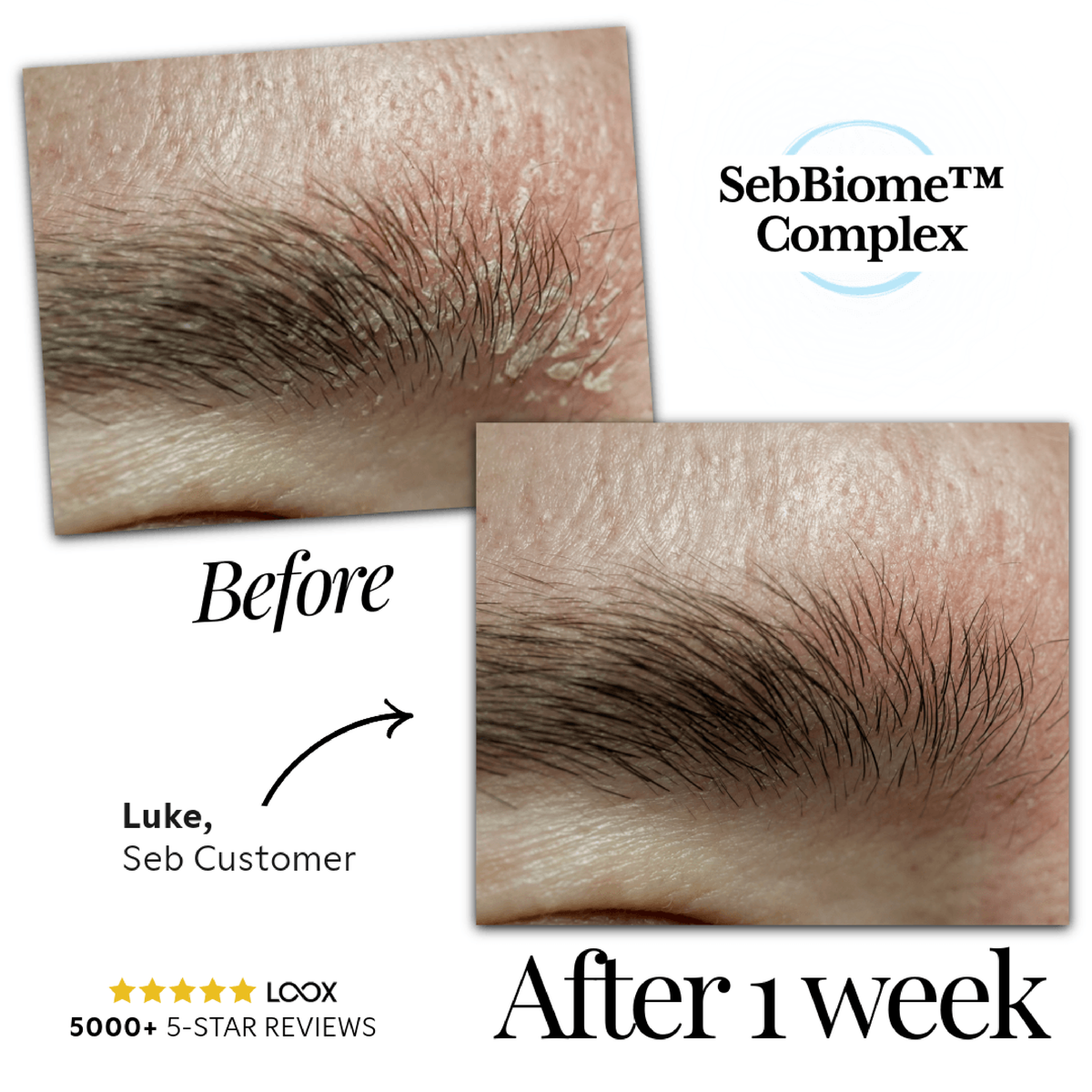
-Eyebrows
-Sides of the nose
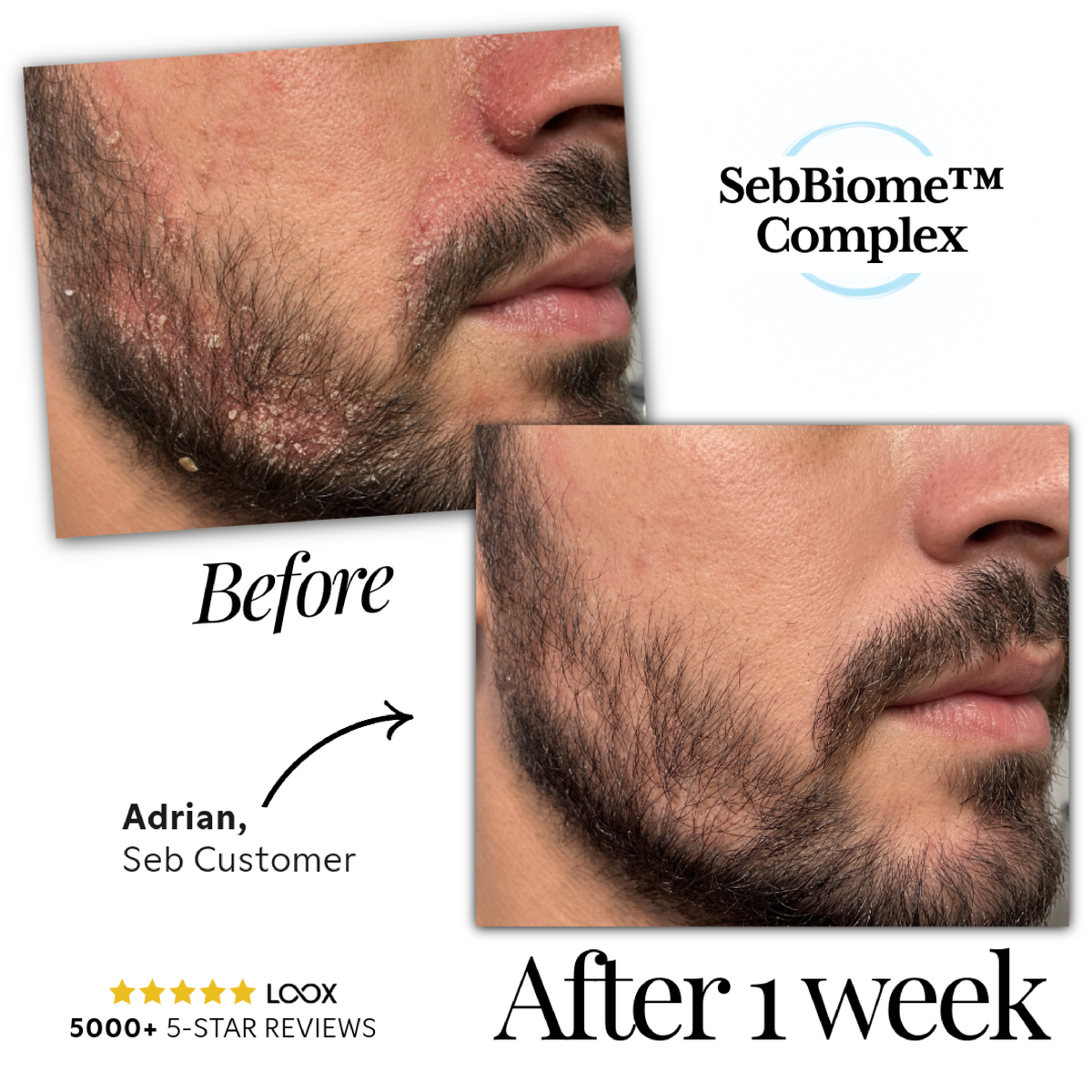
-Beard area
-Behind the ears
-Upper chest
-Eyelids
In infants, seborrheic dermatitis is commonly known as cradle cap.
Common Symptoms of Seborrheic Dermatitis
Symptoms vary from person to person, but the most common signs include:
Flaky Scalp
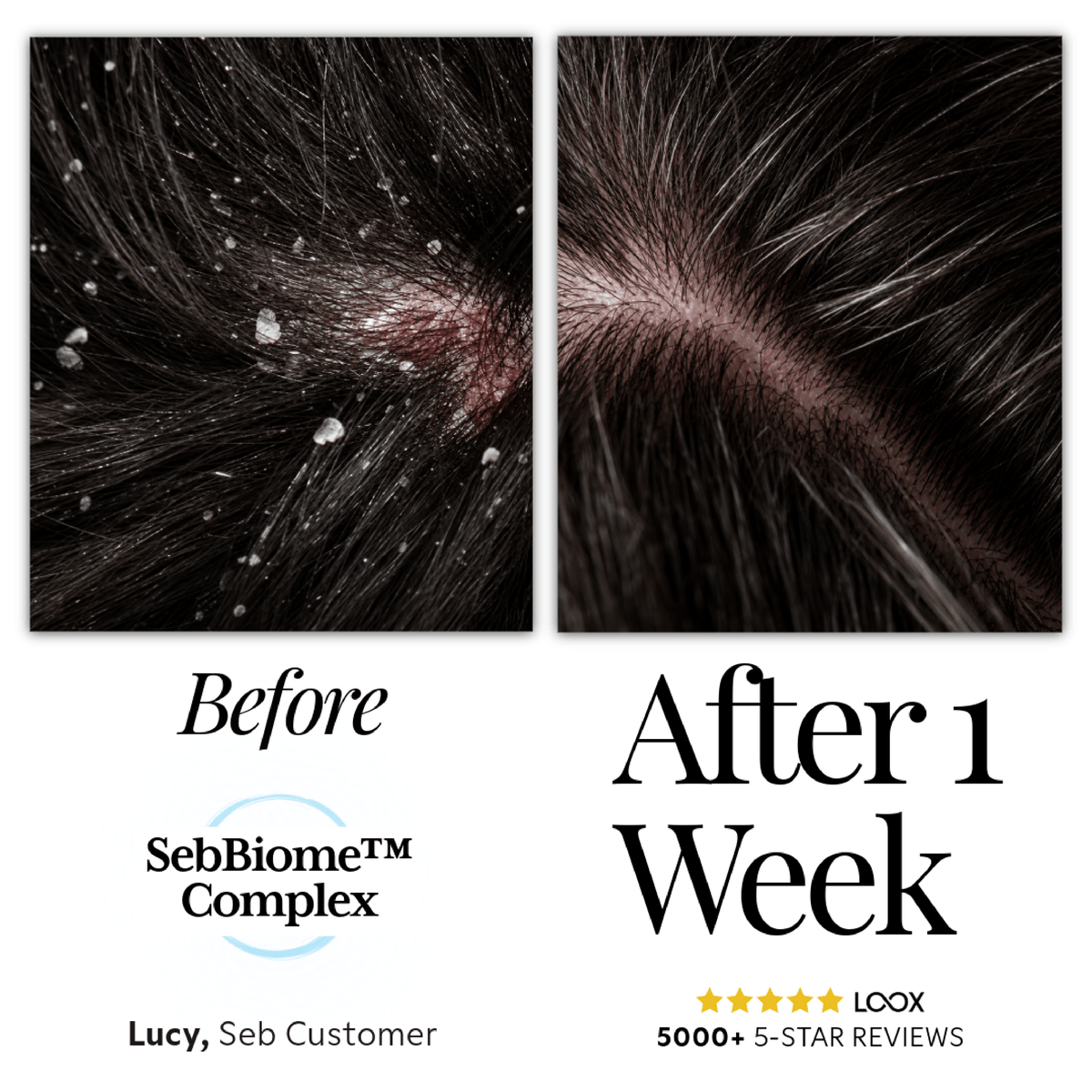
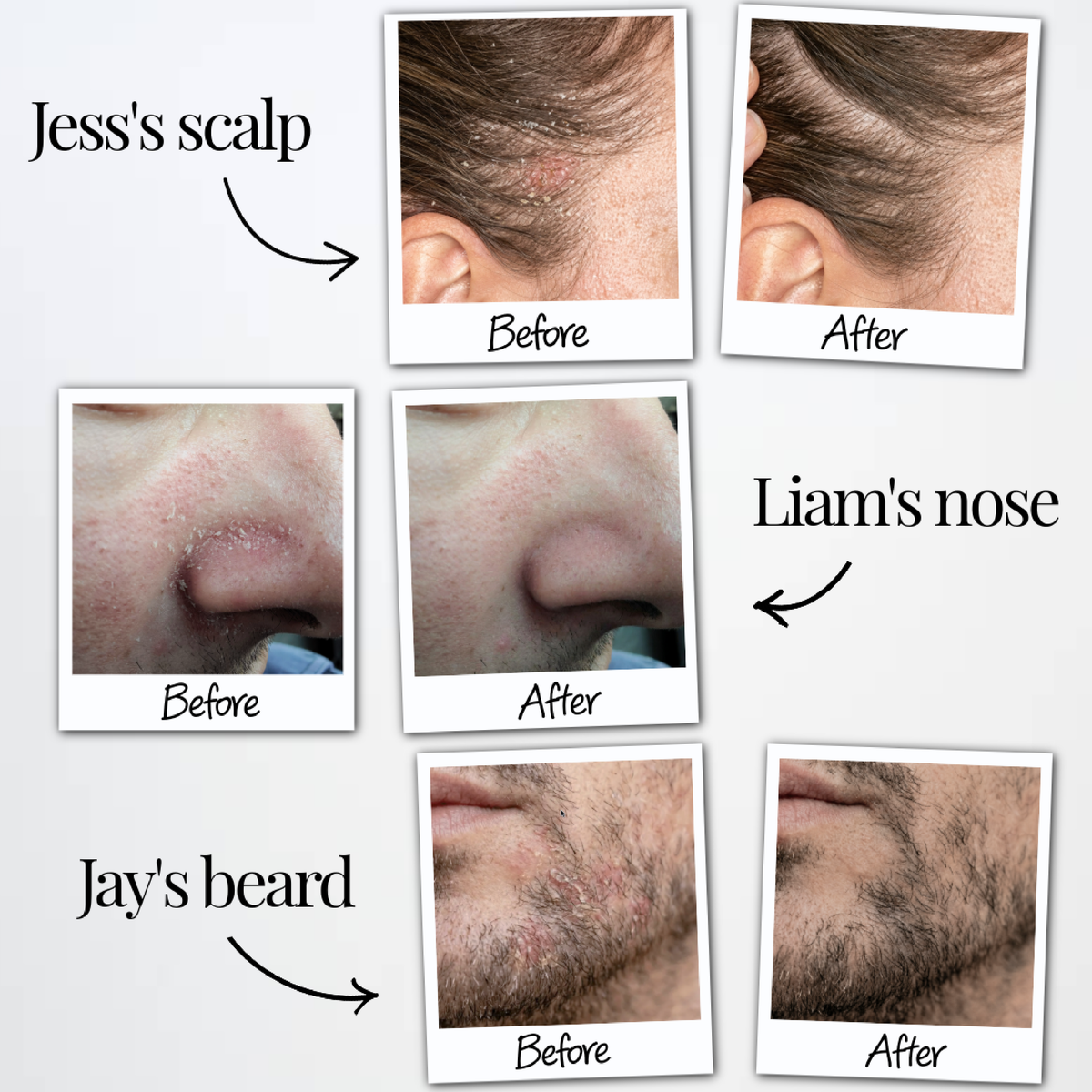
Many people first notice white or yellow flakes on the scalp. Unlike ordinary dry skin, seb derm flakes are often oily and accompanied by inflammation.
Redness and Inflammation
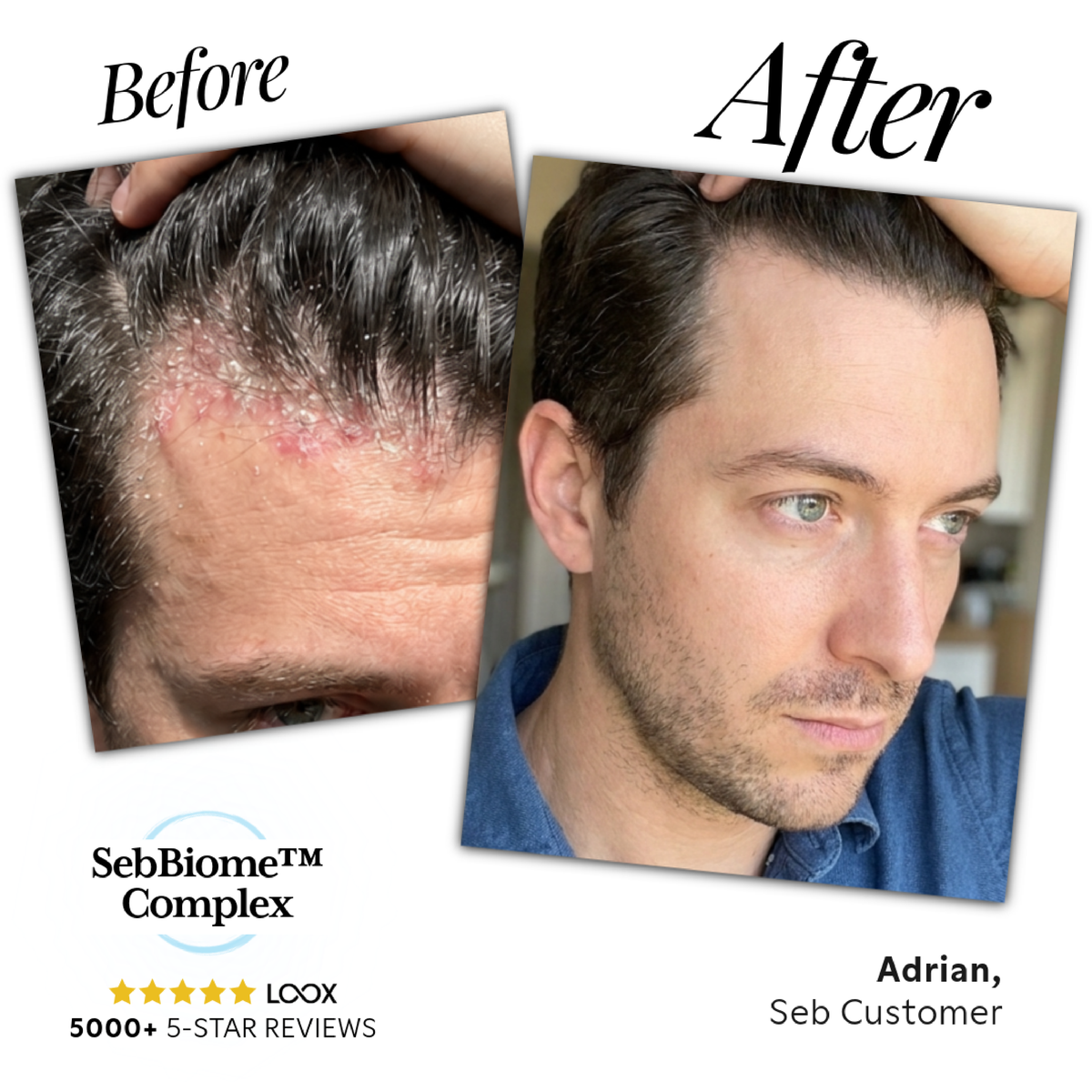
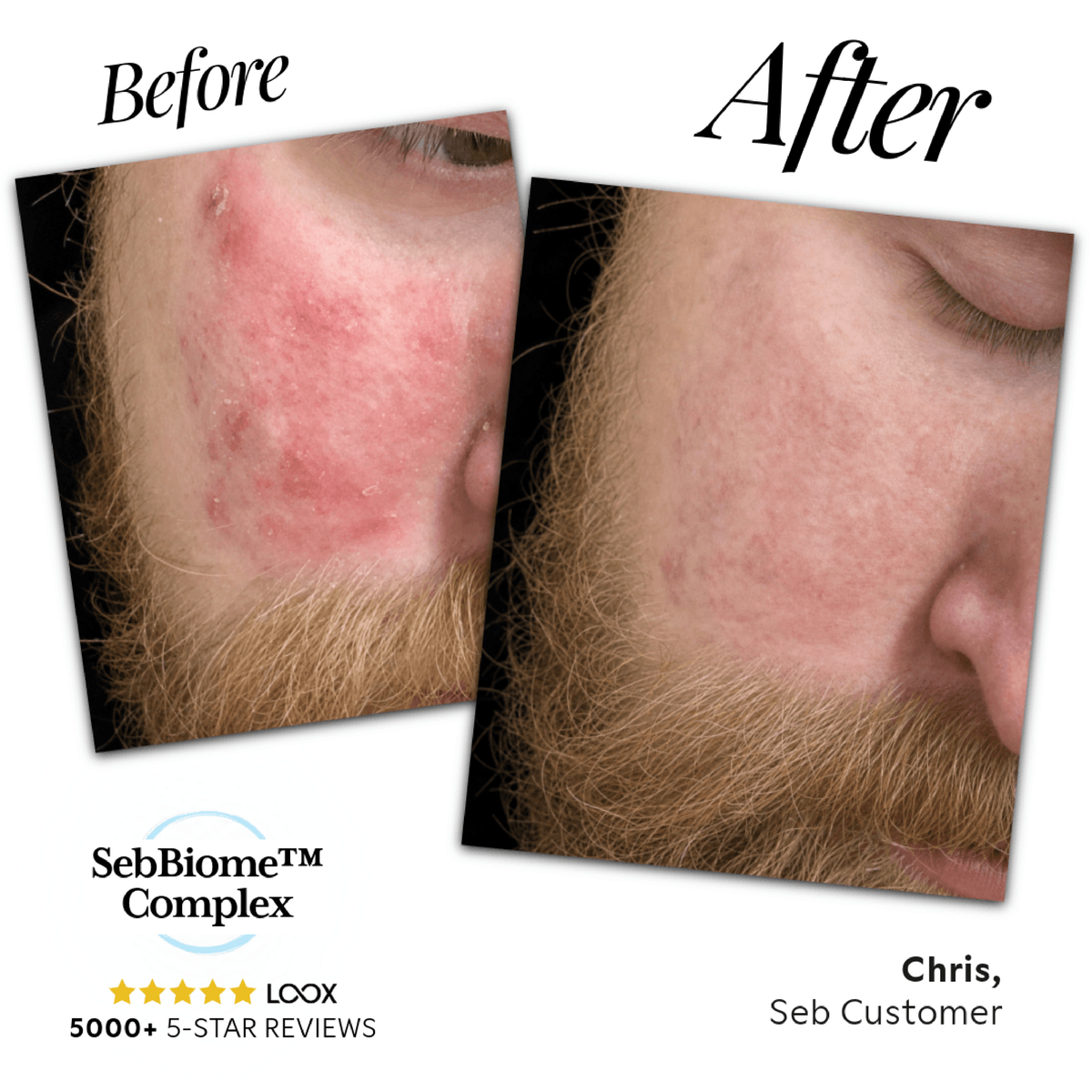
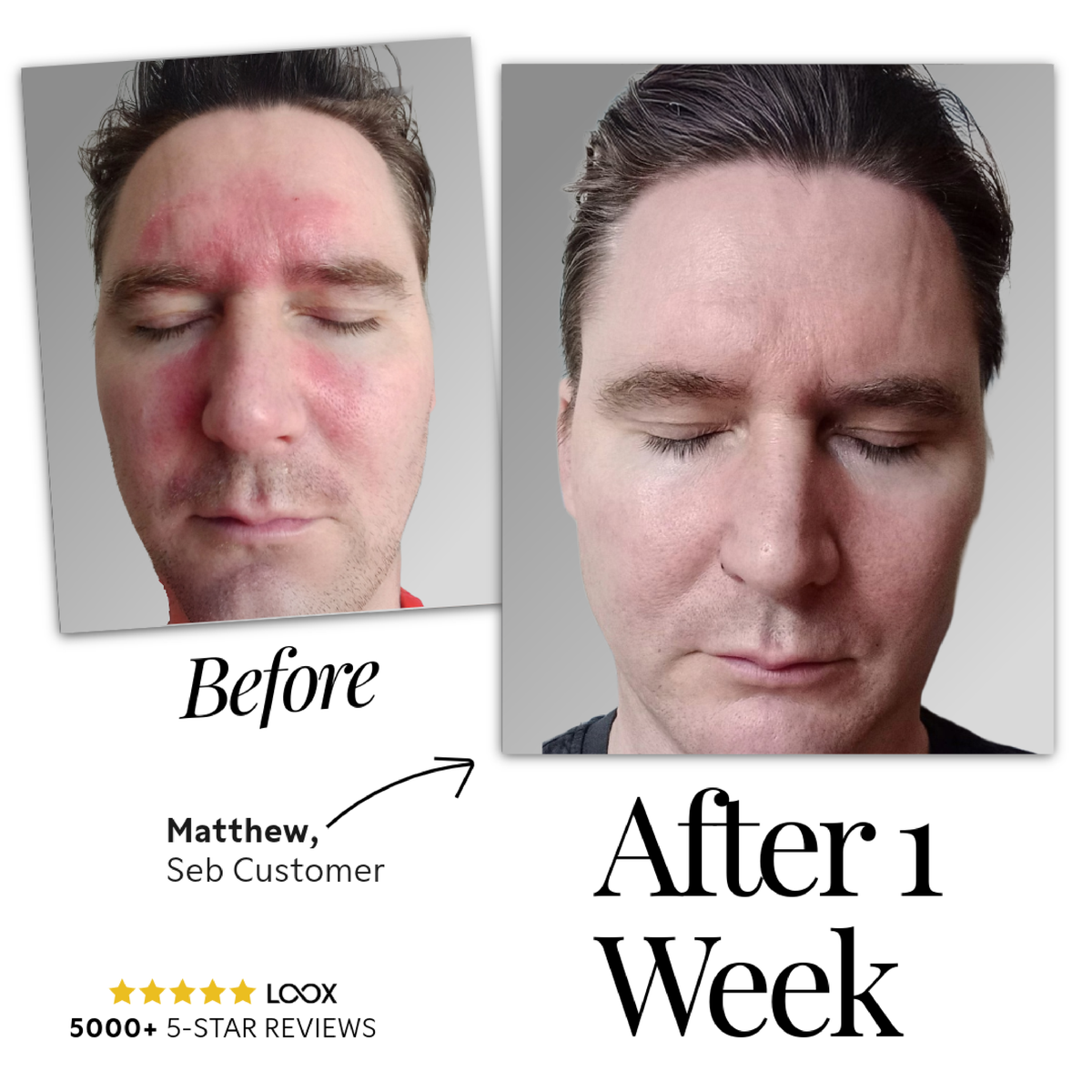
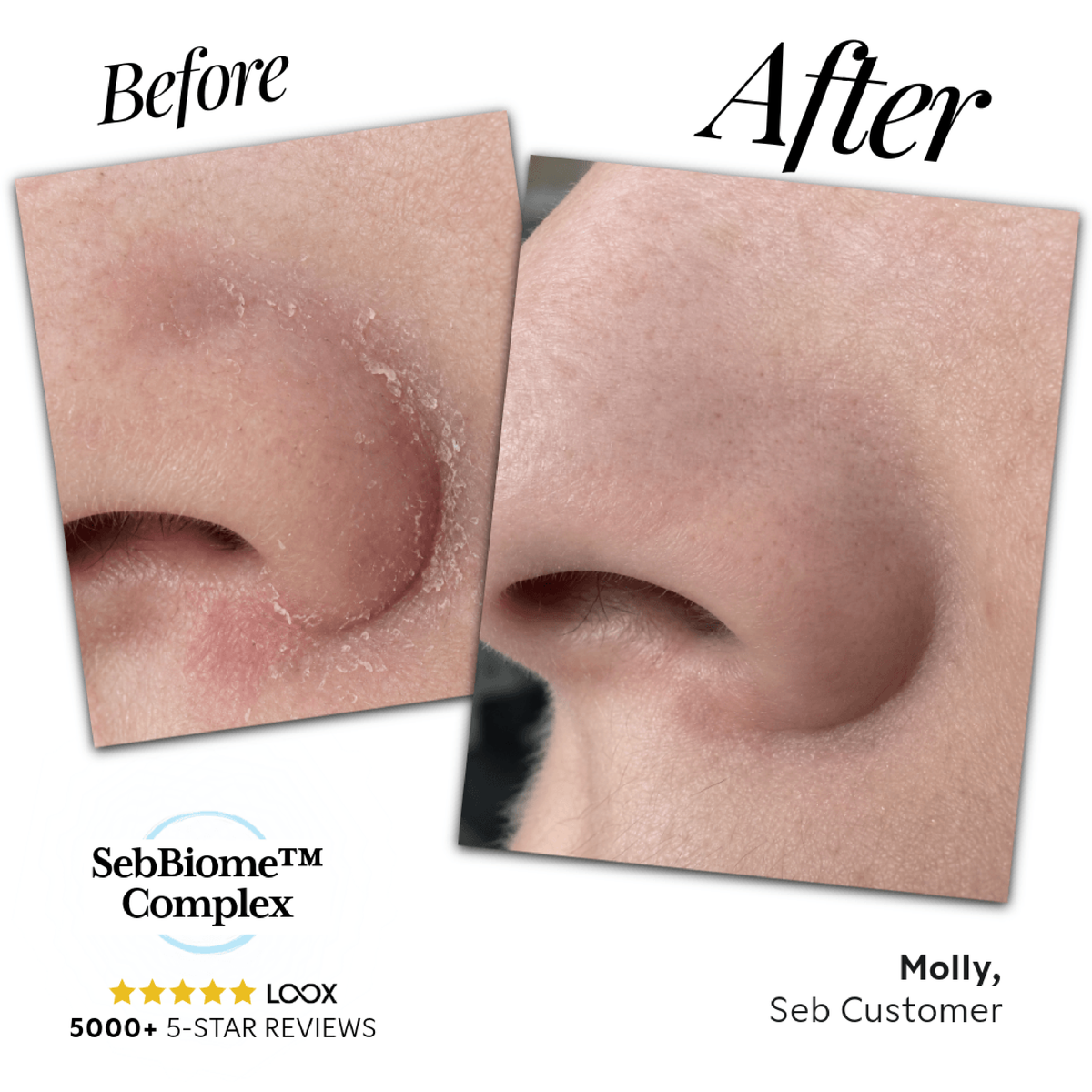
The skin may appear pink or red, especially around the nose, hairline, eyebrows, or ears.
Itching
Itching can range from mild irritation to intense discomfort, particularly during flare-ups.
Greasy or Crusty Patches
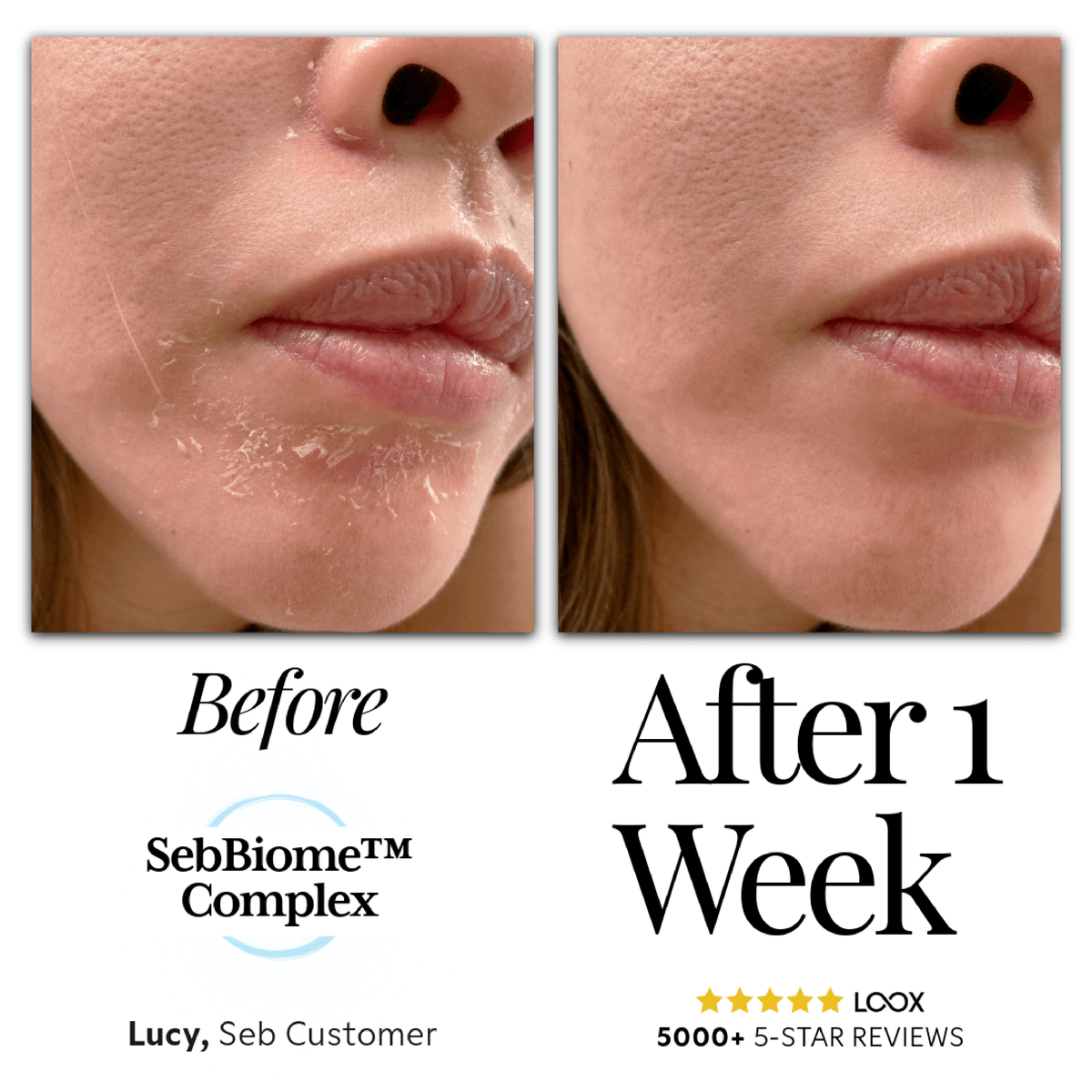
Affected areas may develop greasy scales or crust-like patches that feel sensitive or sore.
Burning Sensation
Some individuals experience tenderness or a stinging sensation, especially after sweating or using harsh skincare products.
What Causes Seborrheic Dermatitis?
There is no single cause of seborrheic dermatitis. Instead, several factors appear to contribute to its development.
1. Overgrowth of Malassezia Yeast
This yeast feeds on skin oils and thrives in oily areas. While harmless for most people, it can trigger inflammation in susceptible individuals.
2. Excess Sebum Production
People with oily skin are more likely to experience seb derm because the condition flourishes in oil-rich environments.
3. Genetics
A family history of eczema, psoriasis, or seborrheic dermatitis may increase the likelihood of developing the condition.
4. Immune System Response
An exaggerated immune response may contribute to chronic inflammation and recurring flare-ups.
5. Environmental Triggers
Cold weather, stress, fatigue, and seasonal changes frequently worsen symptoms.
Is Seborrheic Dermatitis Contagious?
No. Seborrheic dermatitis is not contagious and cannot spread from person to person. It is a chronic inflammatory condition, not an infection passed through contact.
Seborrheic Dermatitis vs. Dandruff
Many people assume dandruff and seborrheic dermatitis are identical, but they exist on a spectrum.
-Mild seb derm on the scalp is commonly referred to as dandruff.
-More severe seb derm includes redness, irritation, inflammation, and scaling beyond the scalp.
Dandruff usually involves flakes without major inflammation, while seborrheic dermatitis tends to include redness and irritation.
Triggers That Can Worsen Seb Derm
Even when symptoms are under control, flare-ups can happen unexpectedly. Common triggers include:
Stress
Emotional stress is one of the most frequently reported triggers. Stress can influence immune function and skin inflammation.
Weather Changes
Cold, dry weather often worsens symptoms. Many people notice improvement during warmer months.
Harsh Hair or Skincare Products
Products containing alcohol, strong fragrances, or sulfates can irritate sensitive skin.
Lack of Sleep
Poor sleep may contribute to inflammation and immune imbalance.
Hormonal Changes
Hormonal fluctuations may influence oil production and trigger flare-ups.
Treatment Options for Seborrheic Dermatitis
Although there is no permanent cure, seborrheic dermatitis can often be managed successfully with the right approach.
Medicated Shampoos
For scalp seb derm, medicated shampoos are often the first line of treatment. Active ingredients may include:
-Ketoconazole
-Selenium sulfide
-Zinc pyrithione
-Coal tar
-Salicylic acid
Rotating between shampoos can sometimes improve effectiveness.
Topical Antifungal Creams
Antifungal creams help reduce Malassezia yeast on the skin and may calm inflammation.
Corticosteroids
Low-strength steroid creams can quickly reduce redness and itching during severe flare-ups. However, long-term use should be avoided due to potential side effects such as skin thinning.
Calcineurin Inhibitors
Prescription medications like tacrolimus or pimecrolimus may be recommended for sensitive facial areas.
Gentle Skincare
Using fragrance-free, non-irritating skincare products can help maintain the skin barrier and reduce irritation.
Lifestyle Changes That May Help
While lifestyle changes alone may not cure seb derm, they can significantly reduce flare-ups.
Manage Stress
Activities such as exercise, meditation, journaling, and therapy may help reduce stress-related inflammation.
Improve Sleep
Consistent sleep supports immune regulation and skin healing.
Avoid Over-washing
Excessive washing can strip the skin barrier and trigger more oil production.
Maintain a Balanced Diet
Although research is still evolving, some people report improvements by reducing highly processed foods and excessive sugar intake.
When to See a Dermatologist
Medical attention is important if:
-Symptoms become severe or painful
-Over-the-counter treatments fail
-The rash spreads extensively
-Crusting or infection develops
-Hair loss occurs
A dermatologist can confirm the diagnosis and rule out similar conditions such as psoriasis, eczema, or fungal infections.
Living With Seborrheic Dermatitis
Seborrheic dermatitis is chronic, meaning symptoms may come and go over time. Many people experience cycles of remission and flare-ups. While this can feel frustrating, consistent treatment and trigger management often make the condition much more manageable.
The key is understanding that seb derm is not caused by poor hygiene. It is a medical skin condition influenced by inflammation, oil production, genetics, and immune response.
With the right care routine, many individuals successfully control symptoms and maintain healthy skin long term.