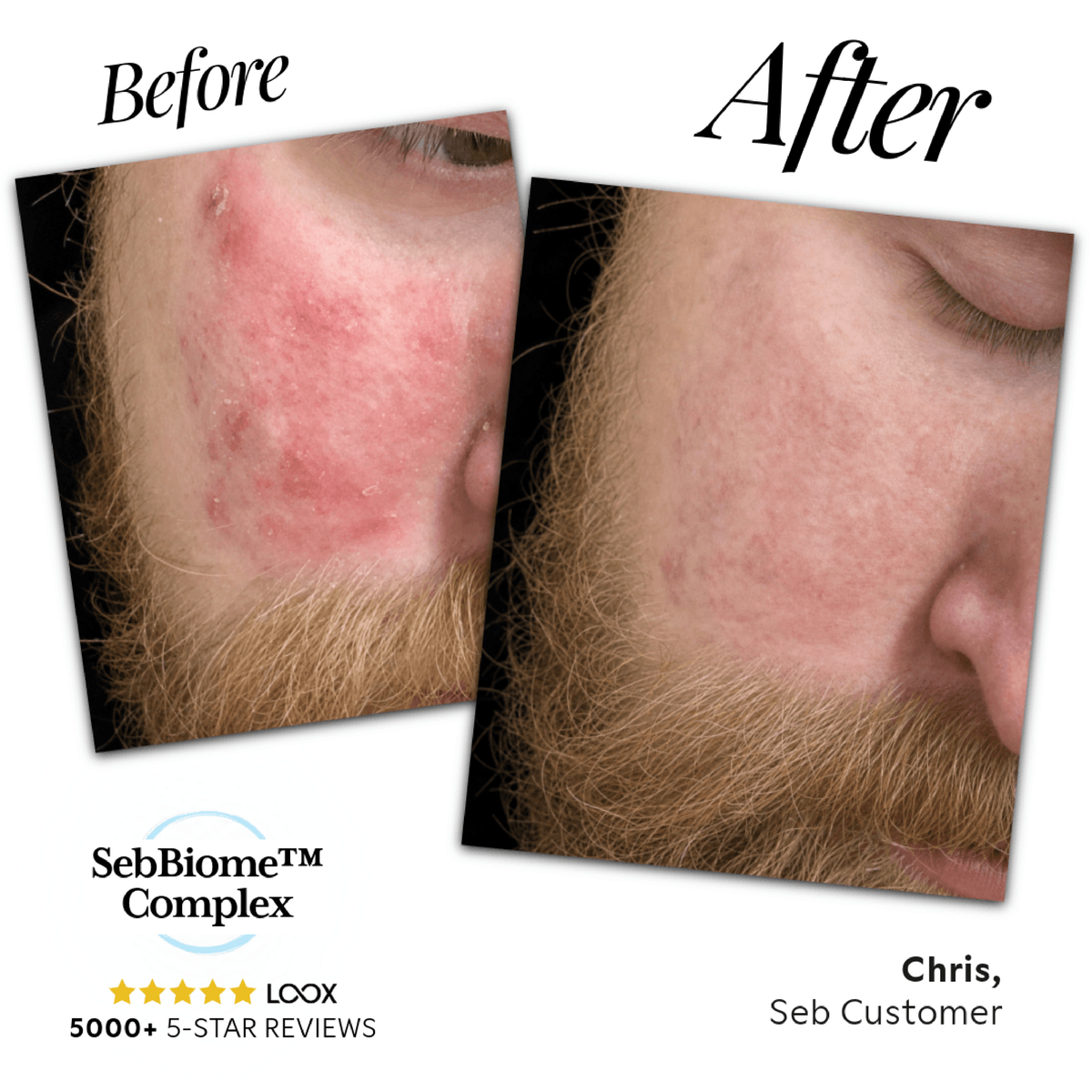
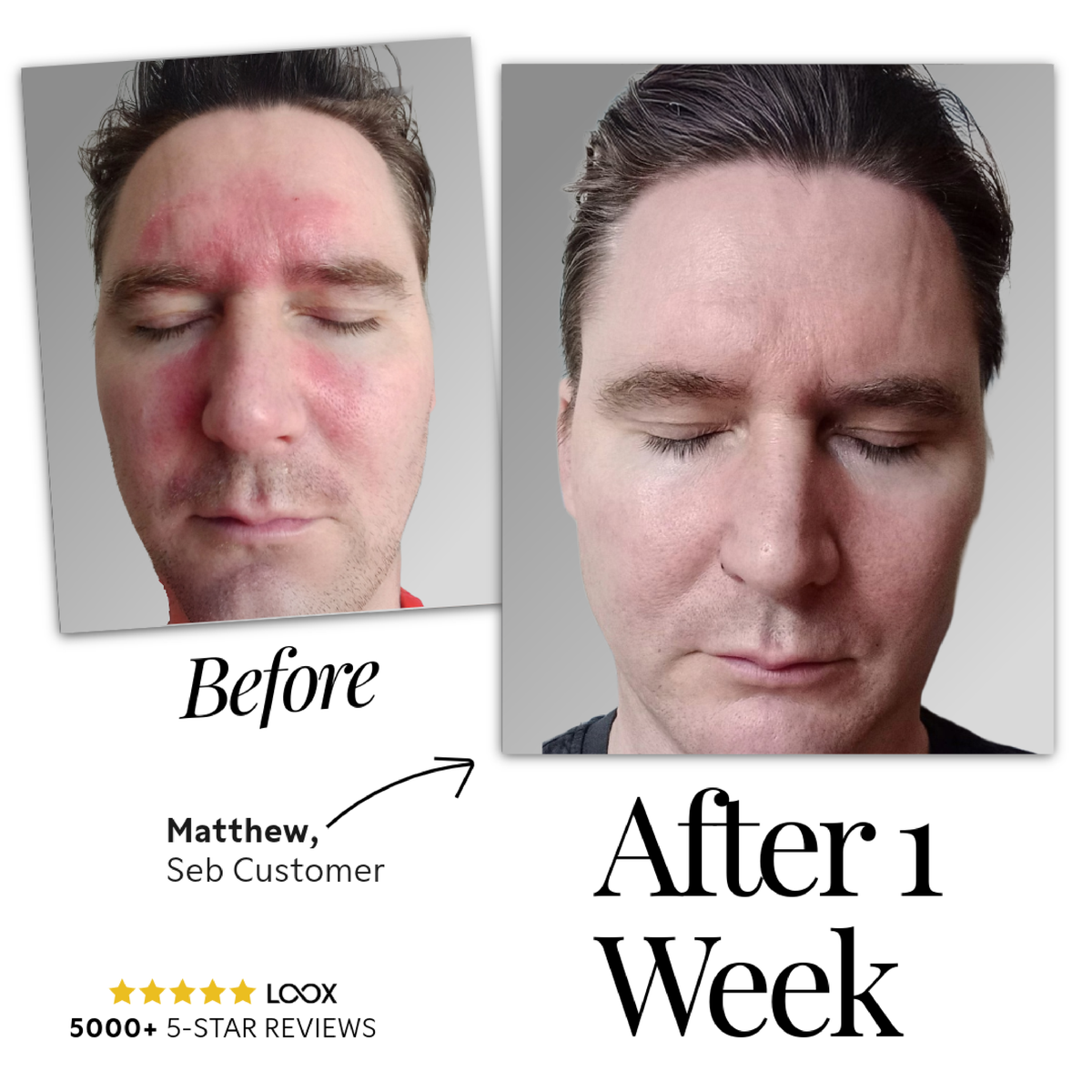
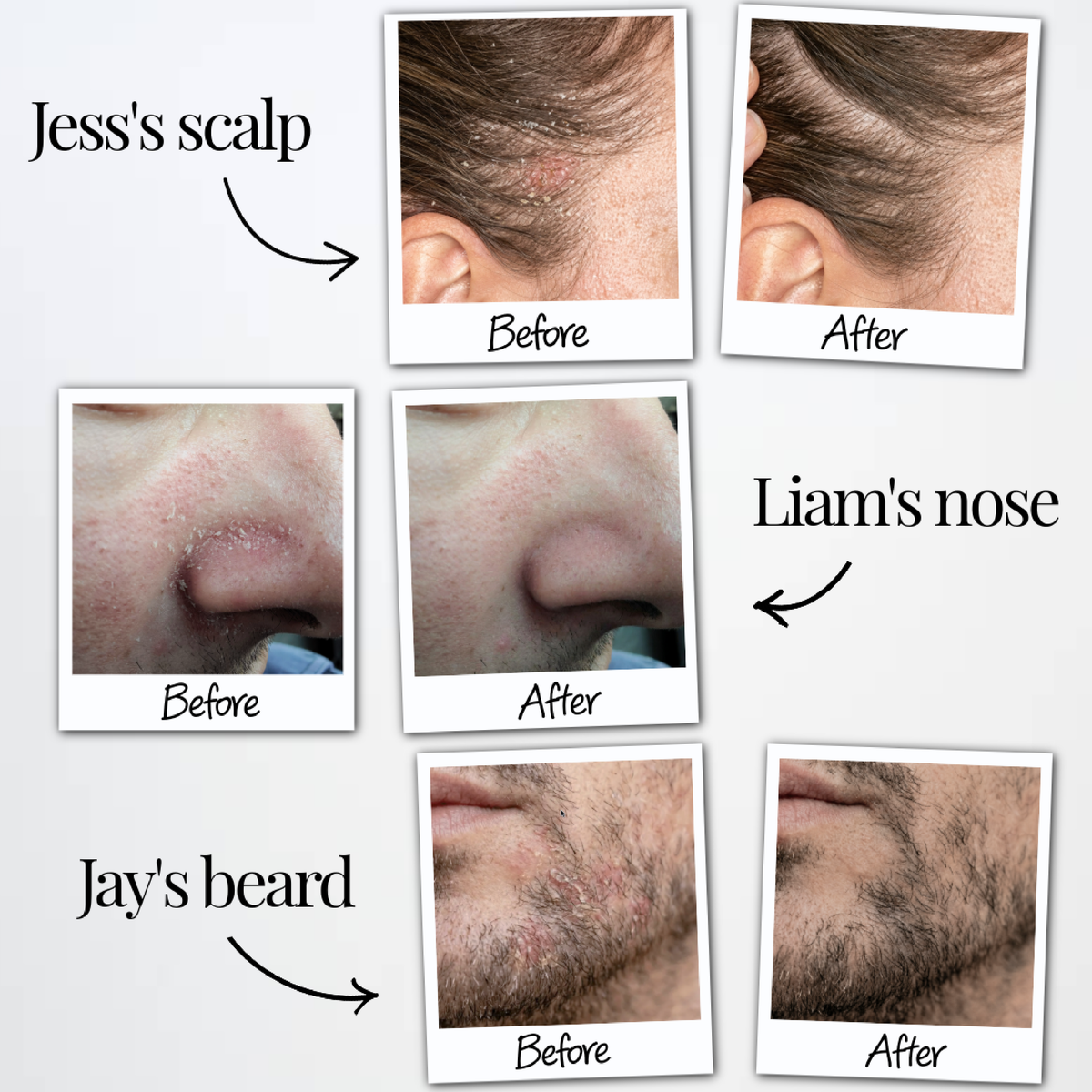
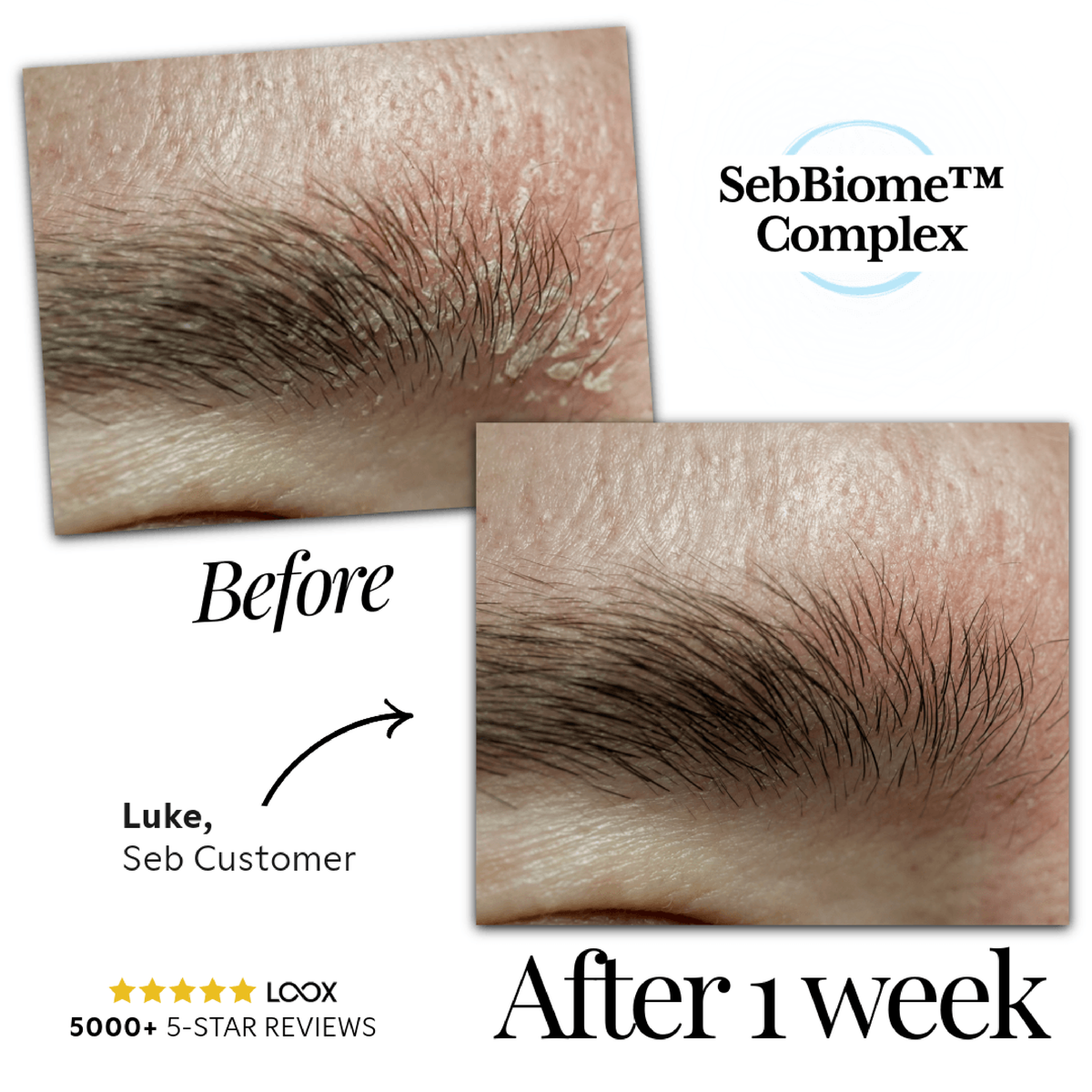
Seborrheic Dermatitis as a “Skin Metabolism Mismatch” Disorder
Seborrheic dermatitis is usually explained as a yeast-driven inflammation problem in oily skin zones. That explanation is not wrong—but it is incomplete in a way that hides the real pattern.
A more useful way to think about seborrheic dermatitis is this:
it is a mismatch between skin lipid output and microbial lipid metabolism speed.
The skin is constantly producing oils (sebum). Microbes on the skin are constantly consuming those oils. This is a normal, healthy metabolic exchange. Problems begin when the rate of transformation becomes unstable.
The Missing Concept: Lipid Turnover Timing
Most discussions focus on quantity of oil. But seborrheic dermatitis may be more about timing mismatch.
Even if sebum production is normal, issues arise when:
- sebum composition changes slightly (stress, hormones, inflammation)
- microbial processing becomes more enzymatically aggressive
- byproducts accumulate faster than they are cleared
This creates a situation where the skin is not “too oily”—it is processing oil too inefficiently for its own ecosystem stability.
The result is not immediate chaos, but slow biochemical drift toward irritancy.
Why the Condition Prefers Certain Zones
Seborrheic dermatitis does not randomly appear. It clusters in areas where lipid metabolism is most active:
- scalp
- eyebrows
- nasolabial folds
- behind ears
- upper chest
These are not just oily areas—they are high lipid flux zones, meaning:
- constant sebum renewal
- dense microbial populations
- frequent environmental exposure
- mechanical spread (touching, scratching, washing)
These regions behave like “metabolic intersections.” When balance is lost, these intersections destabilise first.
Why It Feels Cyclical, Not Progressive
Unlike many inflammatory conditions, seborrheic dermatitis often feels like it:
- appears suddenly
- improves suddenly
- then returns unpredictably
This is because it is not purely structural damage—it is dynamic equilibrium instability.
The system is constantly attempting to re-stabilize microbial and lipid balance. Each improvement is not full healing—it is a temporary equilibrium state that can be disrupted again by:
- stress
- sleep disruption
- climate shifts
- skincare changes
- immune fluctuations
So the condition behaves less like a wound and more like a balancing chemical system repeatedly tipping between states.