Seborrheic Dermatitis and the Immune System: Why Your Body Overreacts
Seborrheic dermatitis (SD) is more than just a cosmetic nuisance—it’s a chronic inflammatory skin condition that can affect the scalp, face, and other oily areas of the body. While dandruff, dryness, and redness are obvious symptoms, the underlying issue often involves your immune system. Why does your body overreact to what is normally harmless skin yeast? And why do some people experience persistent flare-ups while others don’t? This article dives deep into the connection between seborrheic dermatitis and the immune system, and how understanding it can help you better manage your skin.
Understanding Seborrheic Dermatitis
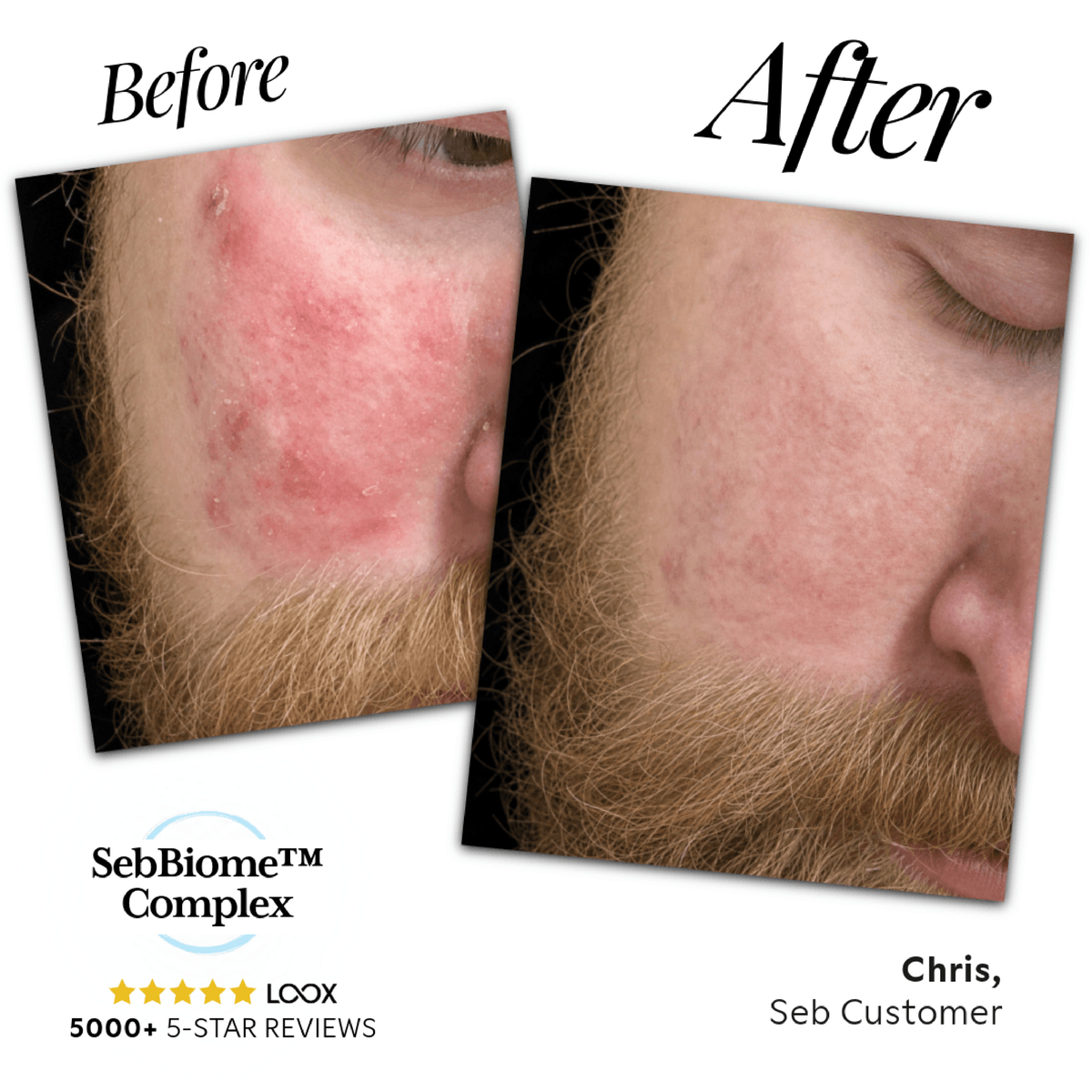
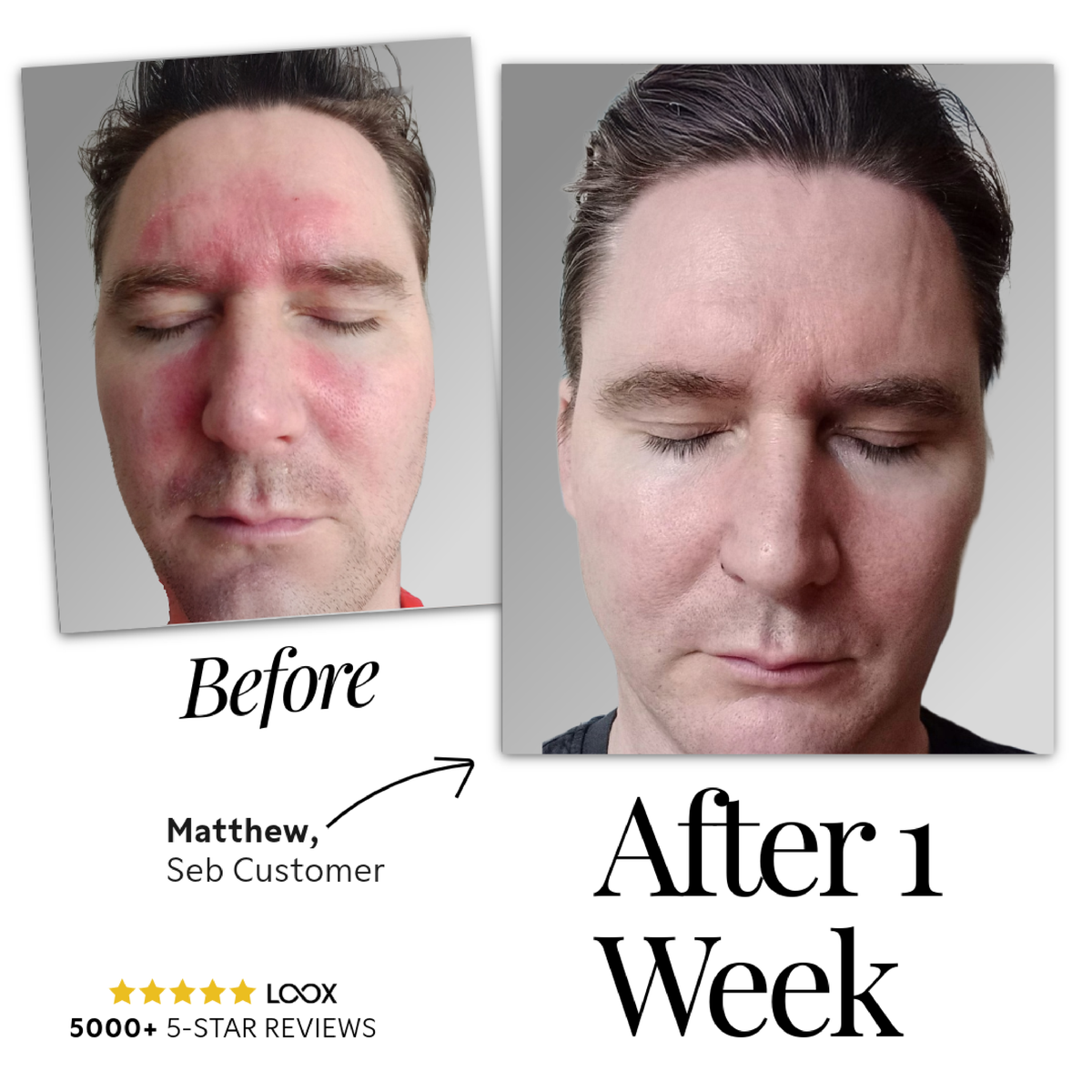
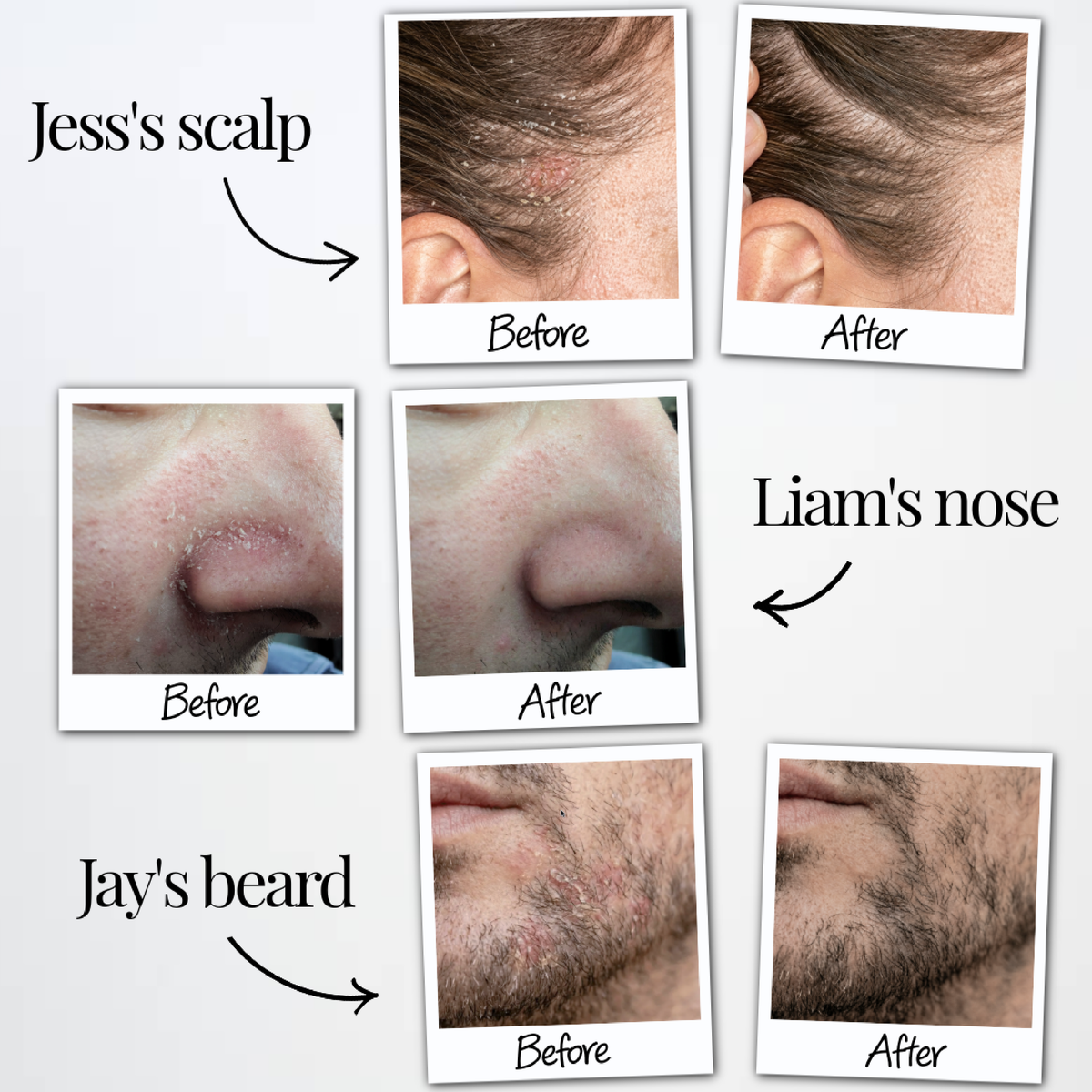
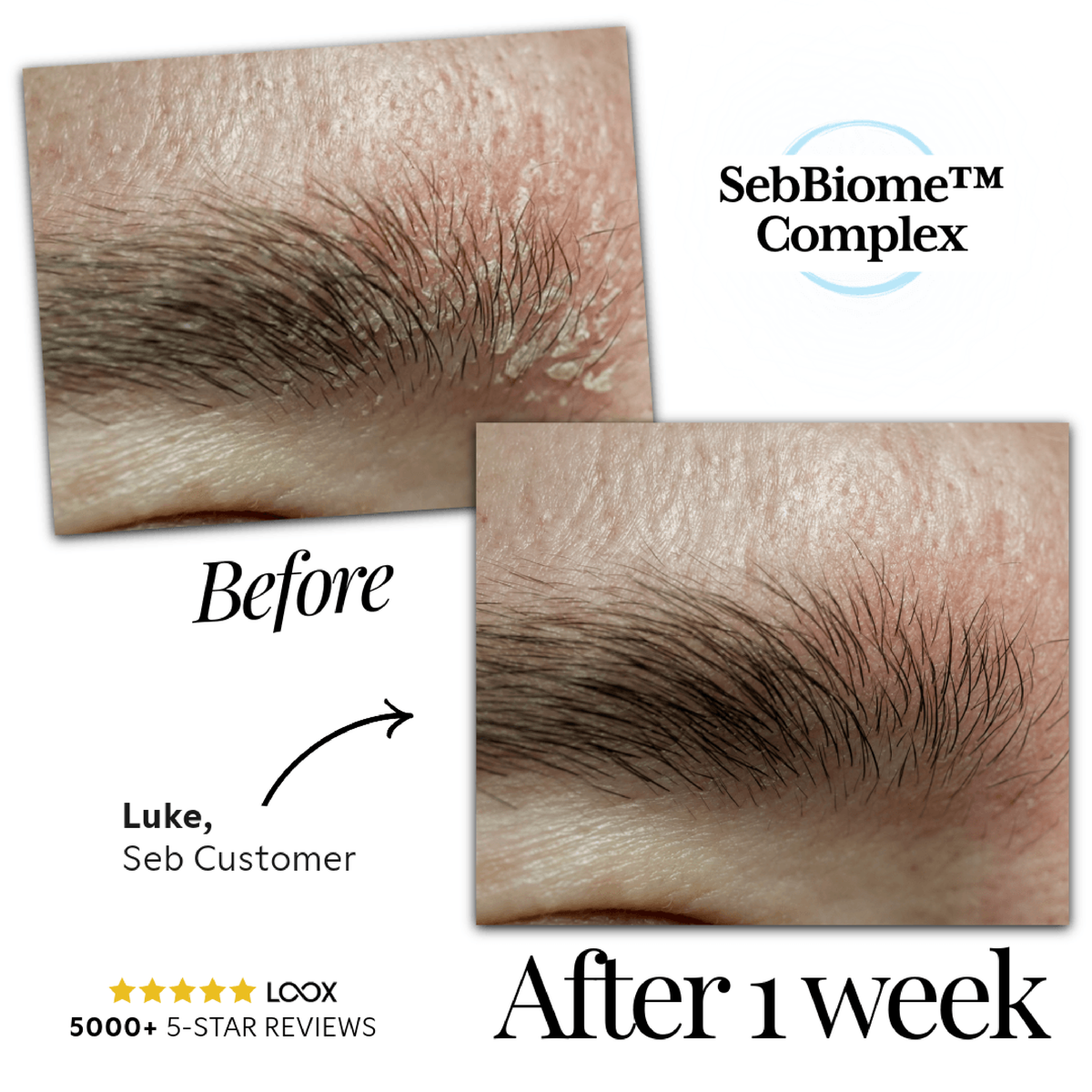
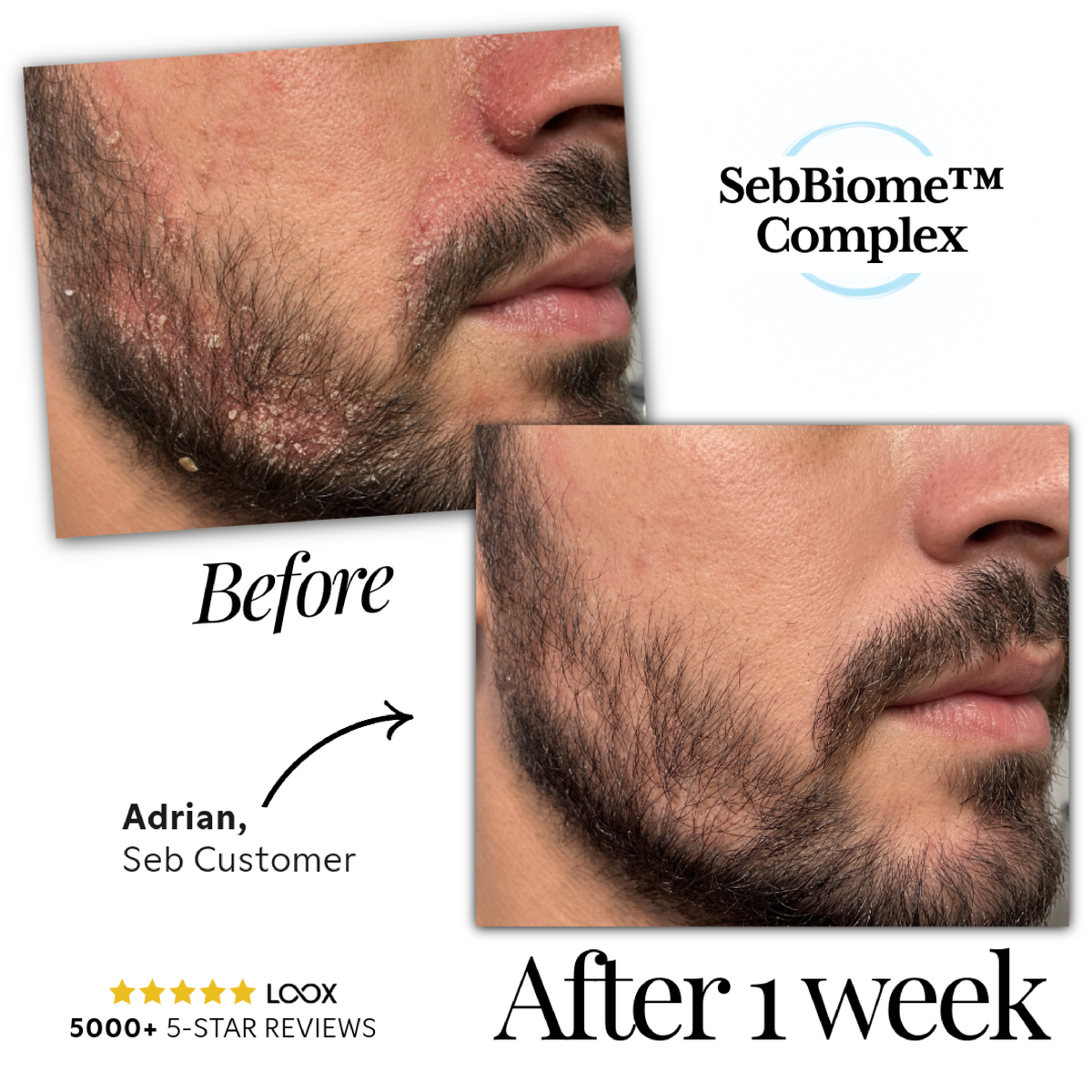
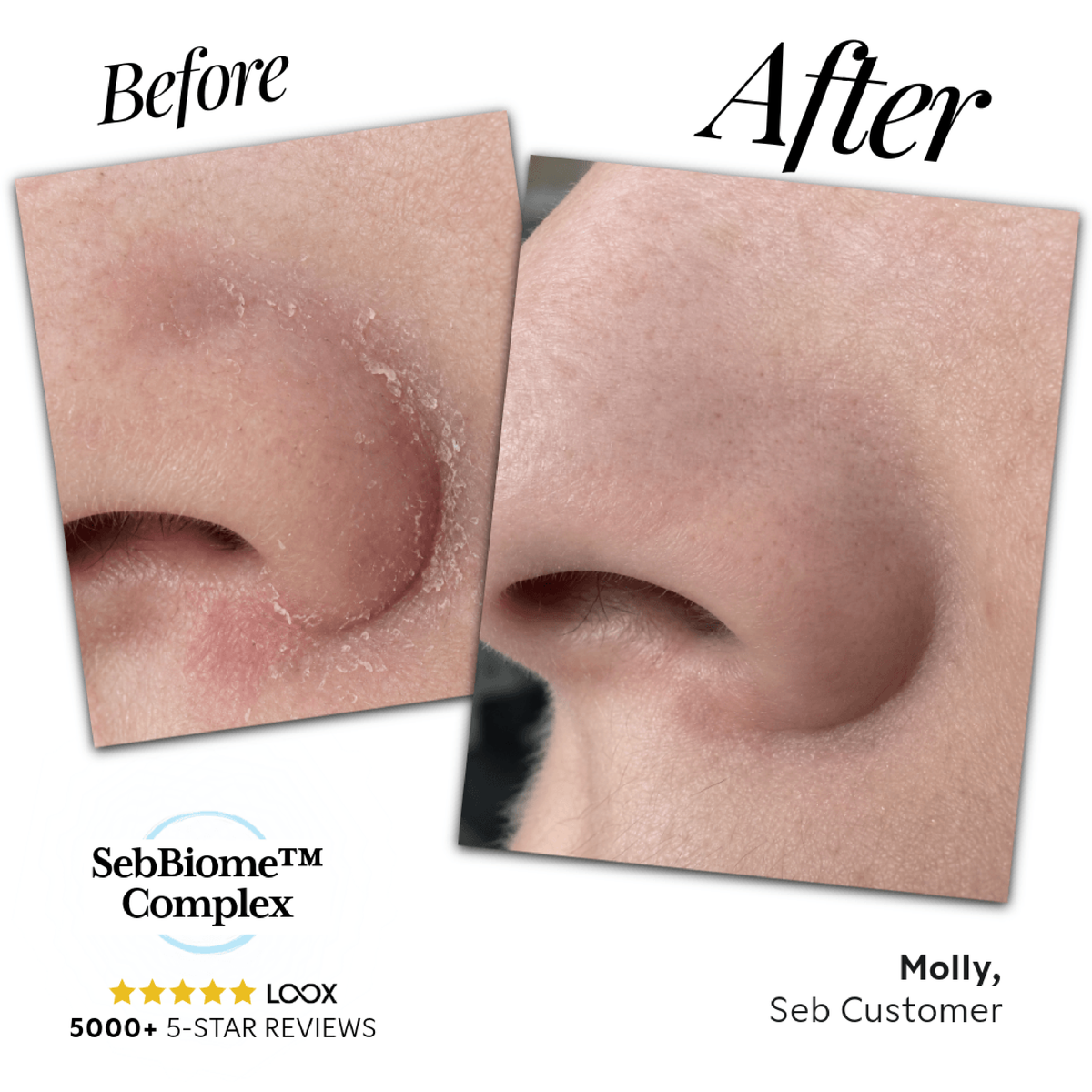
Seborrheic dermatitis is a common skin disorder that causes redness, flaking, and sometimes itching or burning sensations. It commonly affects:
-The scalp (leading to dandruff or patchy scaling)
-The eyebrows and eyelids
-The sides of the nose
-The ears
-The chest or upper back
While the exact cause of SD is multifactorial, key contributors include:
-Overgrowth of a naturally occurring yeast called Malassezia
-Excessive sebum (skin oil) production
-Environmental factors like climate and stress
-Genetic predisposition
Among these, the immune system’s role is increasingly recognised as central. Essentially, SD develops when the immune system reacts excessively to triggers that would be harmless in most people.
How the Immune System Reacts in Seborrheic Dermatitis
The immune system’s primary function is to protect the body from harmful pathogens like bacteria, viruses, and fungi. In SD, the immune system “misreads” harmless elements, particularly Malassezia, as threats, triggering inflammation. Here’s how it works:
1. Overreaction to Skin Yeast
Malassezia is a yeast that naturally resides on human skin. In people with SD, the immune system perceives its presence as a threat, leading to an inflammatory response. This reaction produces:
-Redness
-Itching
-Scaling
-Oily patches
Interestingly, not everyone with Malassezia overgrowth develops SD. The key difference is how the immune system responds. Some individuals have a hypersensitive immune system that overreacts even to normal levels of yeast.
2. Skin Barrier Dysfunction
The skin barrier is your first line of defense, protecting against pathogens and retaining moisture. When the barrier is compromised, irritants and microorganisms penetrate more easily. In SD:
-Sebum-rich areas provide a perfect environment for yeast growth.
-A weakened barrier allows the immune system to encounter yeast byproducts more directly.
-The immune system ramps up its response, resulting in visible inflammation and scaling.
This creates a vicious cycle: the barrier is damaged → the immune system overreacts → inflammation worsens → the barrier becomes further compromised.
3. Inflammatory Cytokines and Immune Signals
Research has found that people with SD often have higher levels of inflammatory cytokines in affected skin. Cytokines are signaling molecules that coordinate immune responses. Excess cytokines:
-Increase redness and itching
-Promote rapid turnover of skin cells, causing flakes
-Sustain chronic inflammation even when yeast levels are controlled
This explains why some flare-ups persist for weeks or months.
Factors That Make the Immune System Overreact
Several internal and external factors influence immune overreaction in SD:
1. Genetics
Some people are genetically predisposed to SD. Variants in genes regulating the immune response can make the body more sensitive to Malassezia and other triggers.
2. Stress
Chronic stress elevates cortisol, a hormone that affects immune function. Elevated cortisol can:
-Weaken the skin barrier
-Increase inflammation
-Trigger or worsen SD flare-ups
3. Hormonal Changes
Sebum production is influenced by hormones, particularly androgens. During puberty or hormonal fluctuations, oilier skin provides more fuel for yeast growth, increasing the immune response.
4. Underlying Health Conditions
People with compromised or dysregulated immune systems are more prone to severe SD. Examples include:
-HIV/AIDS
-Parkinson’s disease
-Certain autoimmune disorders
The Vicious Cycle: Immune Overreaction and Flare-Ups
Understanding the cycle helps explain why SD can be persistent:
-Yeast overgrowth or skin barrier disruption triggers immune overreaction.
-Inflammation occurs, causing redness, itching, and flaking.
-Scratching or harsh treatments further compromise the skin barrier.
-Barrier damage allows more yeast byproducts to penetrate, amplifying the immune response.
Breaking this cycle requires addressing both the immune response and the triggers.
Supporting Your Immune System to Reduce SD Flare-Ups
While you can’t change your genetics, you can influence how your immune system reacts. Here are strategies:
1. Protect and Repair the Skin Barrier
-Use gentle, non-foaming cleansers
-Avoid harsh soaps or scrubs
-Moisturise regularly with barrier-supporting ingredients like ceramides or hyaluronic acid
2. Target Yeast Overgrowth
-Use anti-fungal shampoos (ketoconazole, ciclopirox) or creams
-Rotate treatments under guidance to prevent resistance
-Avoid over-cleansing, which can worsen barrier damage
3. Manage Stress
-Mindfulness meditation, yoga, or breathing exercises can reduce cortisol levels
-Adequate sleep and regular exercise support immune regulation
4. Dietary and Lifestyle Considerations
-Diets rich in anti-inflammatory foods (omega-3s, leafy greens, berries) may help
-Avoid excessive alcohol or sugar, which can trigger inflammation
-Stay hydrated to support skin health
When to See a Doctor
Seek professional help if you experience:
-Severe or persistent redness and scaling
-Painful or oozing patches
-Frequent flare-ups despite over-the-counter treatments
-Flare-ups affecting sensitive areas like the eyelids
A dermatologist can provide a personalised plan to calm your immune response while controlling triggers.
The Takeaway
Seborrheic dermatitis is not merely a superficial skin problem. It reflects a complex interaction between yeast, the skin barrier, and the immune system. In people with SD, the immune system overreacts to normally harmless triggers, leading to redness, flaking, and chronic inflammation. By understanding this overreaction, protecting the skin barrier, controlling yeast overgrowth, and managing stress and lifestyle factors, you can significantly reduce flare-ups and improve long-term skin health.
Seborrheic dermatitis may not have a permanent cure, but by addressing the root immune causes and supporting your skin, you can break the cycle of flare-ups and live comfortably with healthier skin.