Seborrheic Dermatitis and the Gut-Skin Connection: Could Your Gut Be Part of the Picture?
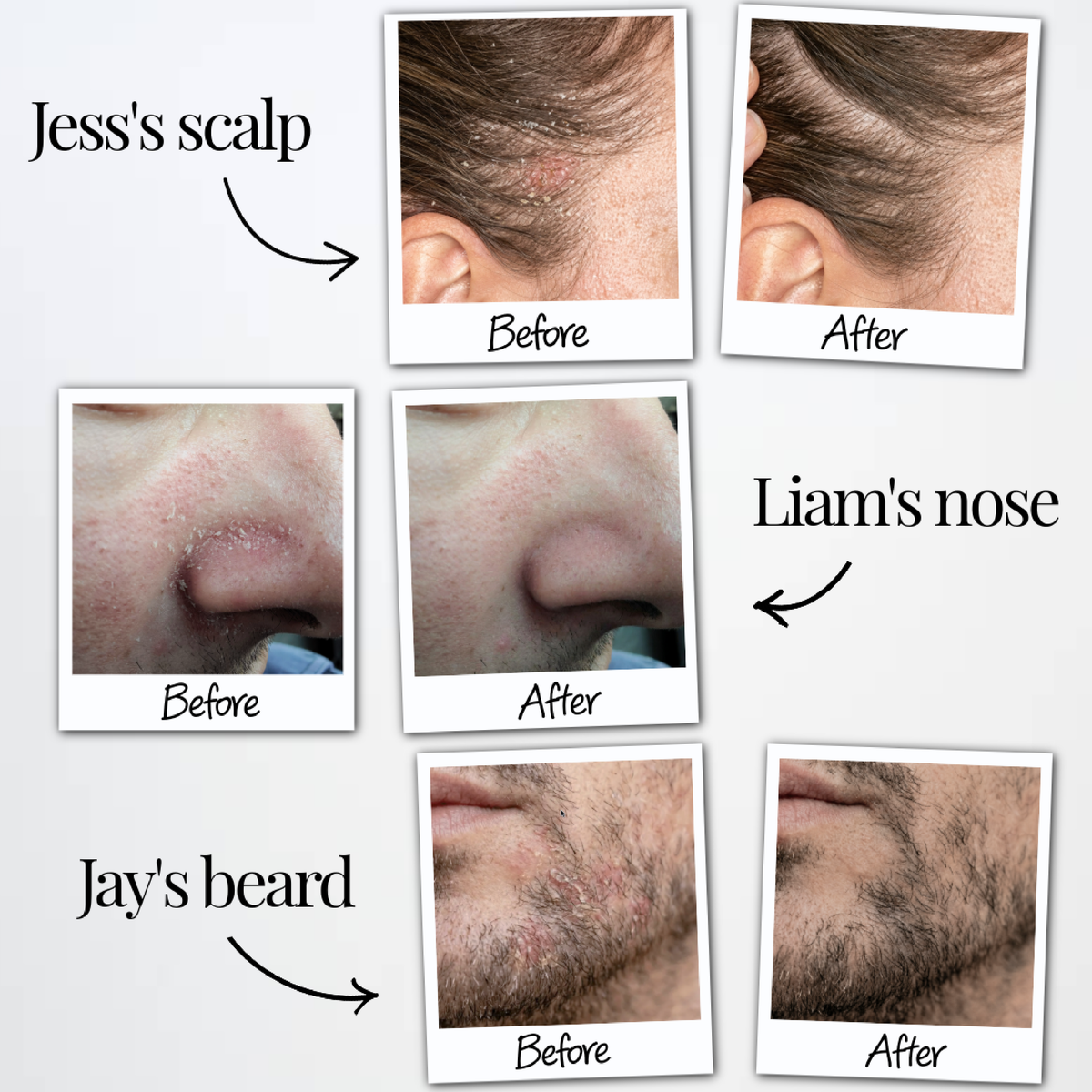
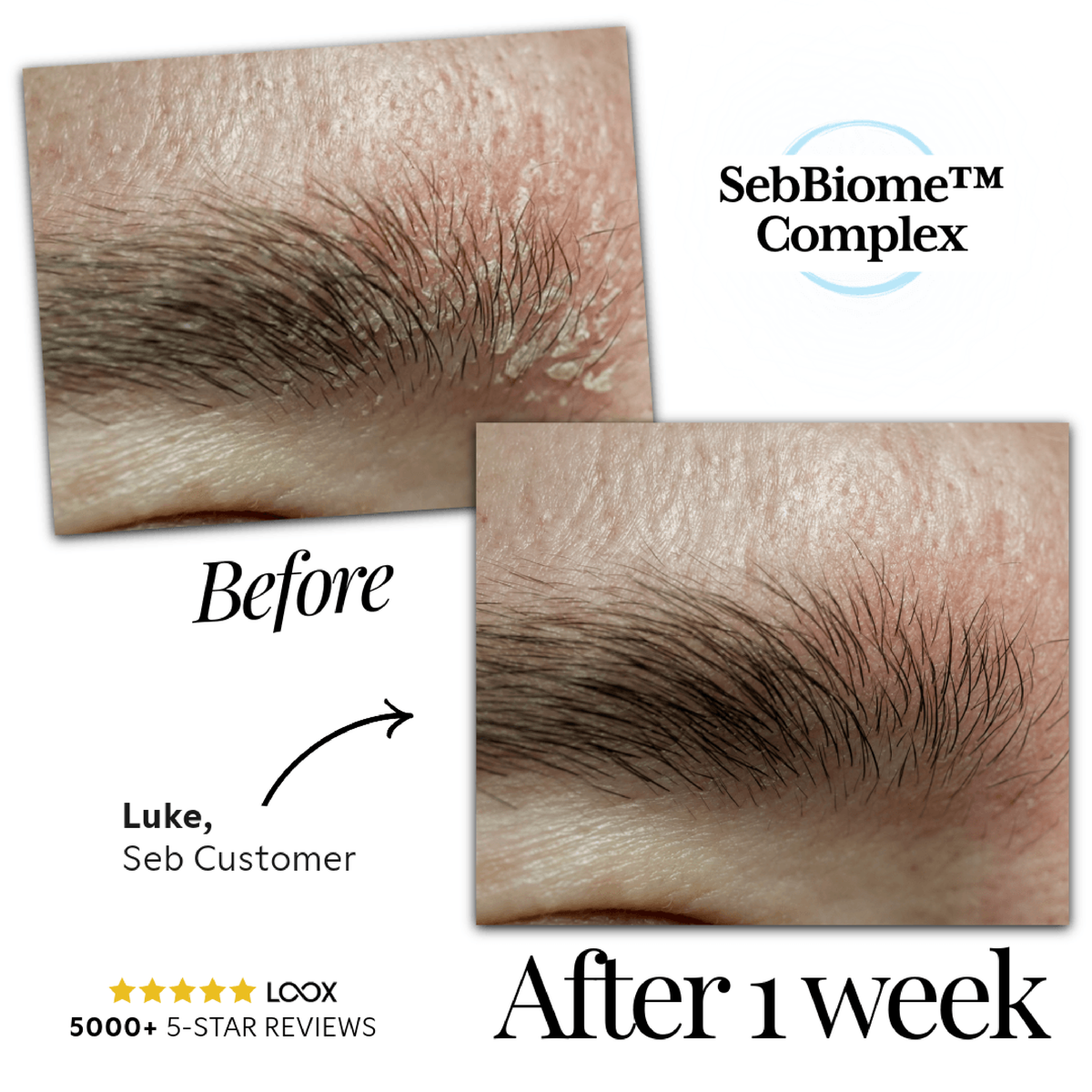
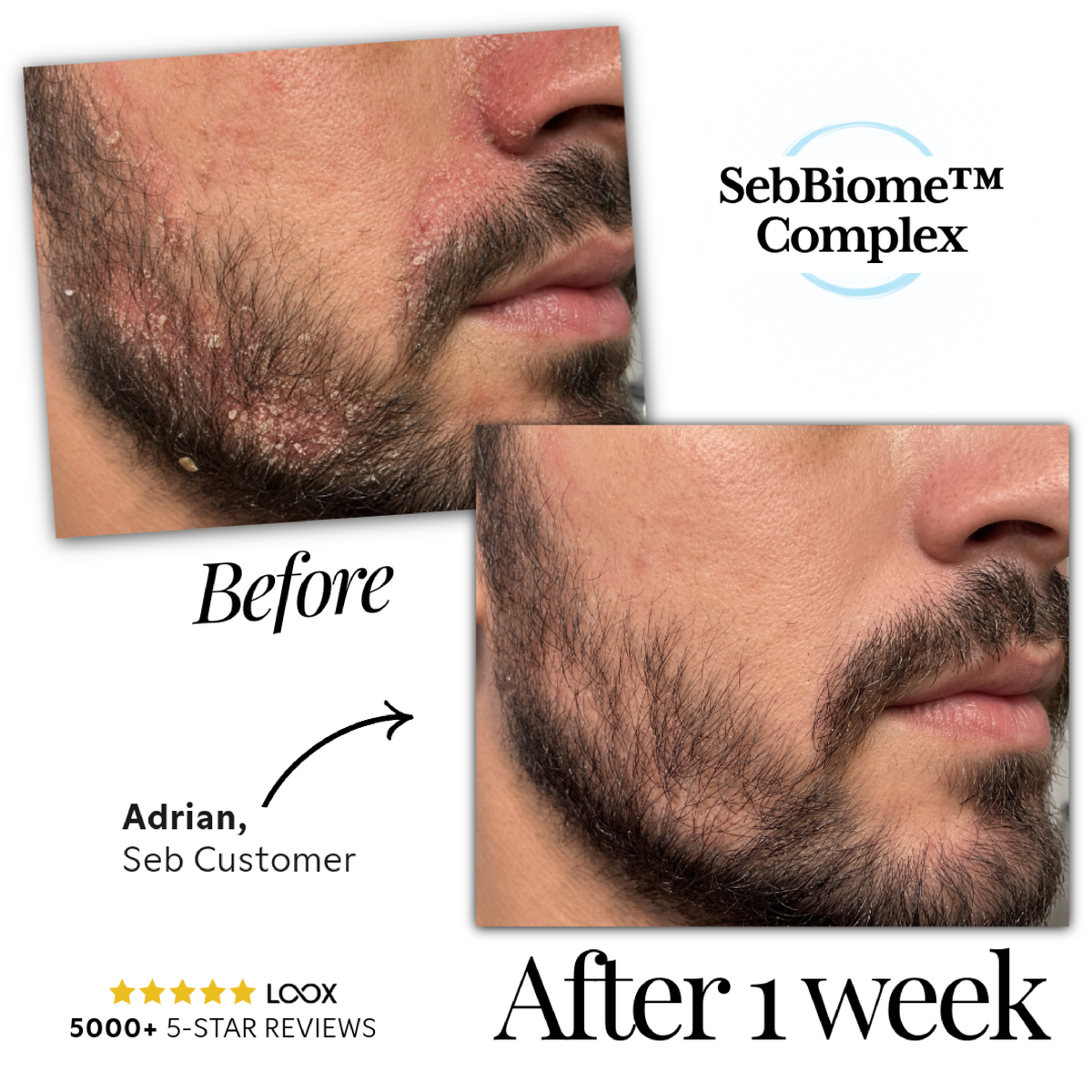
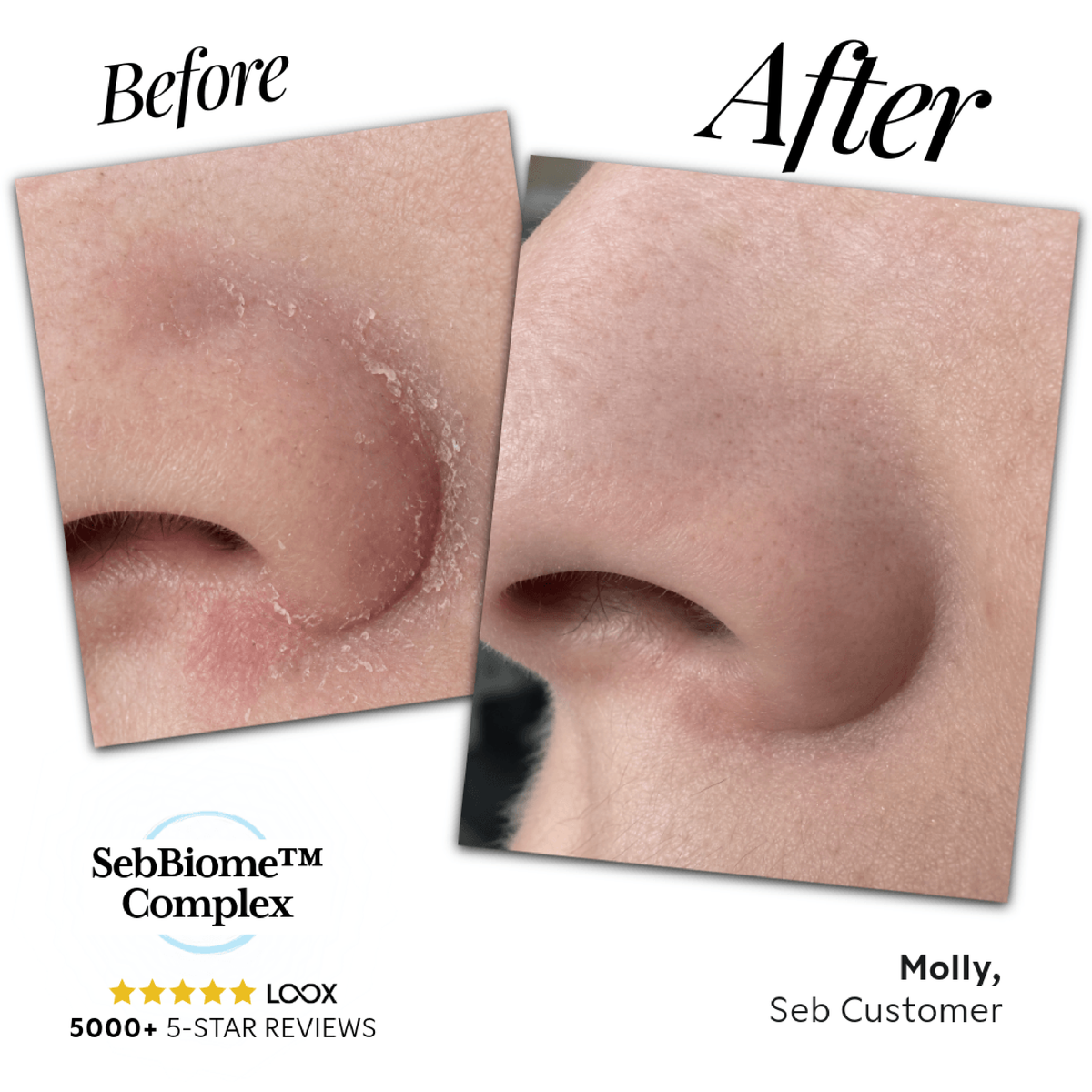
Seborrheic dermatitis is a common inflammatory skin condition that can cause redness, itching, flaking and irritation, particularly around areas where the skin produces more oil — such as the scalp, eyebrows, sides of the nose, ears and beard area.
But while seborrheic dermatitis is something we see on the skin, researchers are increasingly interested in the relationship between the gut and the skin.
This relationship is often referred to as the gut-skin axis — a two-way communication system in which the gut, immune system and skin can influence one another.
What does the gut have to do with the skin?
Your digestive system is home to trillions of microorganisms, collectively known as the gut microbiome. These bacteria and other microorganisms play roles in digestion, immune function and maintaining the gut environment.
The skin also has its own microbiome, which helps maintain the skin's natural balance.
When the body experiences changes in its microbial environment, immune activity or inflammation, researchers have suggested that these changes may influence the skin.
This doesn't mean that poor gut health causes seborrheic dermatitis. Seborrheic dermatitis is a complex condition involving factors including the skin's oil production, the yeast Malassezia, the skin barrier and the body's inflammatory response.
However, the gut-skin connection is an area of growing scientific interest.
Where does inflammation come in?
The immune system plays an important role in seborrheic dermatitis. In people who are susceptible, the presence of Malassezia on the skin can contribute to an inflammatory response.
The gut also has a major relationship with the immune system. A large proportion of immune activity is associated with the gastrointestinal tract, which is one reason researchers are interested in whether changes in the gut microbiome could influence inflammatory conditions elsewhere in the body.
The exact relationship between gut health and seborrheic dermatitis, however, is still being investigated.
Can improving your gut health help your skin?
There isn't currently enough evidence to say that changing your diet or taking probiotics will treat or cure seborrheic dermatitis.
That said, supporting overall health is still worthwhile.
A balanced diet containing plenty of fibre, vegetables, fruit, whole grains and a variety of minimally processed foods can support a healthy gut microbiome.
It can also be helpful to notice whether particular foods consistently seem to coincide with your own flare-ups. Keeping a simple food and symptom diary can help identify personal patterns without unnecessarily eliminating large groups of foods.
The bigger picture
Seborrheic dermatitis isn't simply a reflection of what's happening in your gut. It is a skin condition influenced by several interacting factors.
Think of the gut-skin connection as one potential piece of a much bigger puzzle, rather than a single explanation for your symptoms.
Taking care of your skin barrier, using appropriate treatments and identifying your personal triggers can all form part of a sensible approach to managing seborrheic dermatitis.
And as research into the gut-skin axis continues, we may learn more about how the microbiome, immune system and skin interact — and whether this could eventually lead to new ways of supporting people with inflammatory skin conditions.