Seborrheic Dermatitis and Sun Exposure: A Summer Skin-Care Guide
When summer arrives, protecting your skin from the sun becomes an essential part of any skincare routine. For people with seborrheic dermatitis, however, choosing and using sun-care products can require a little extra thought.
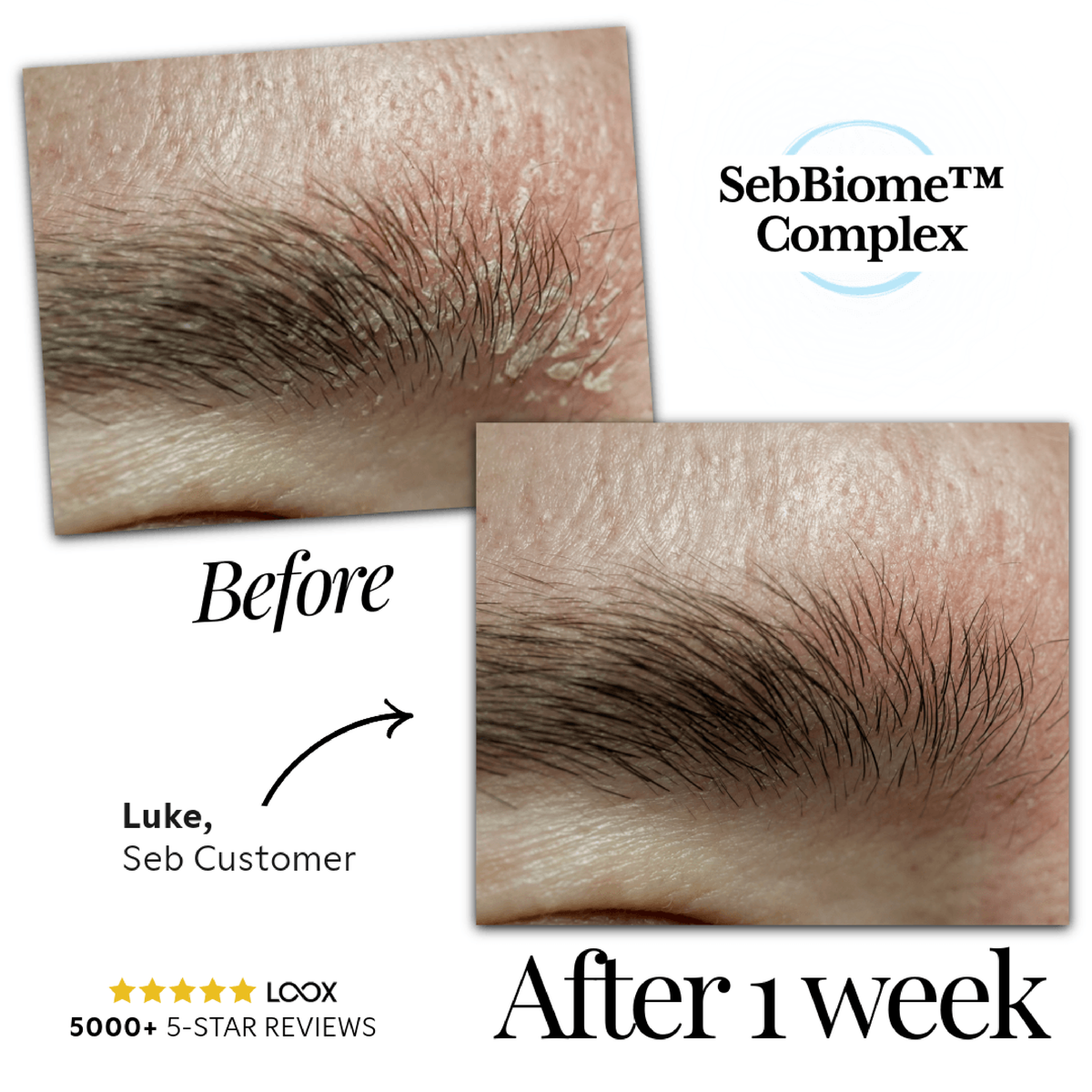
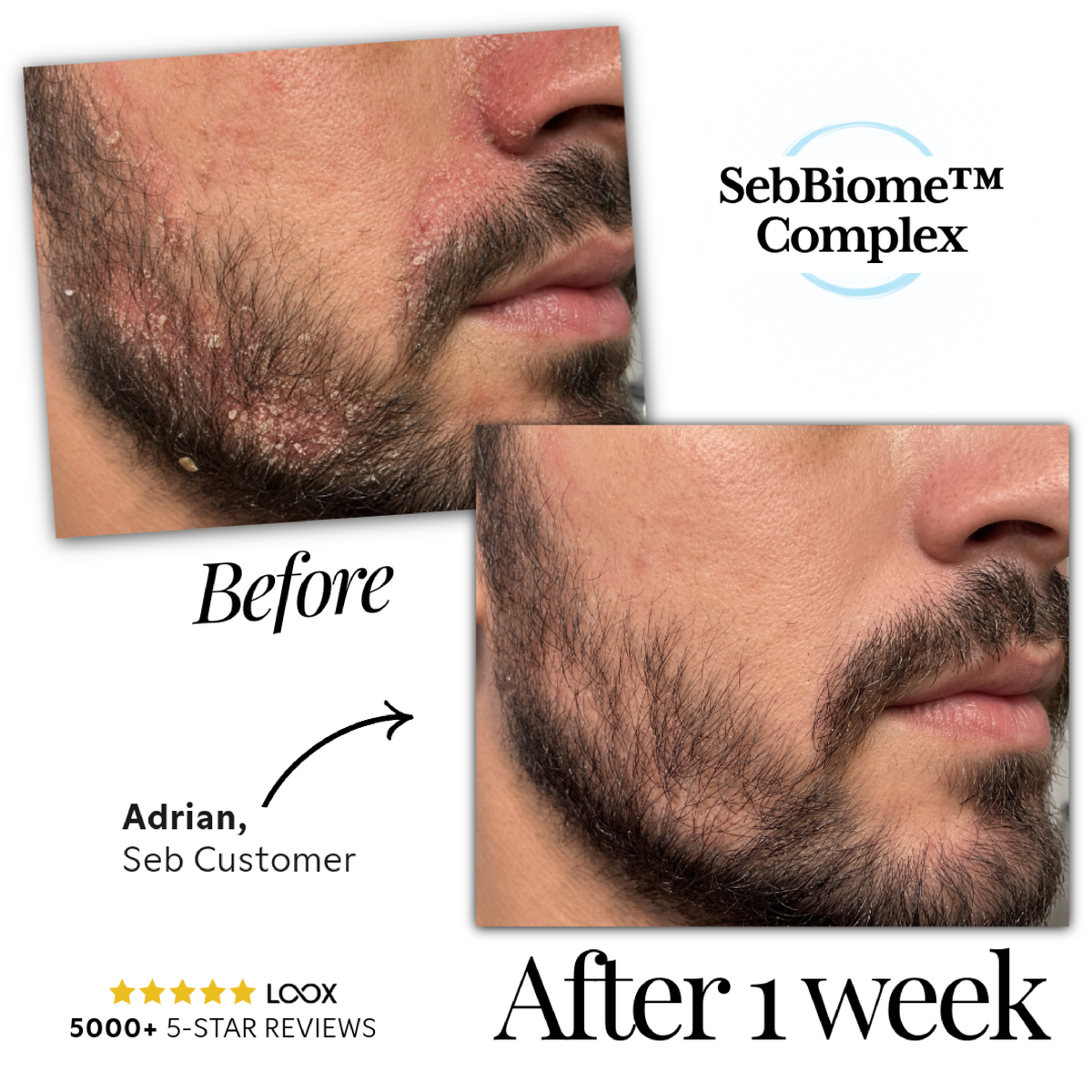
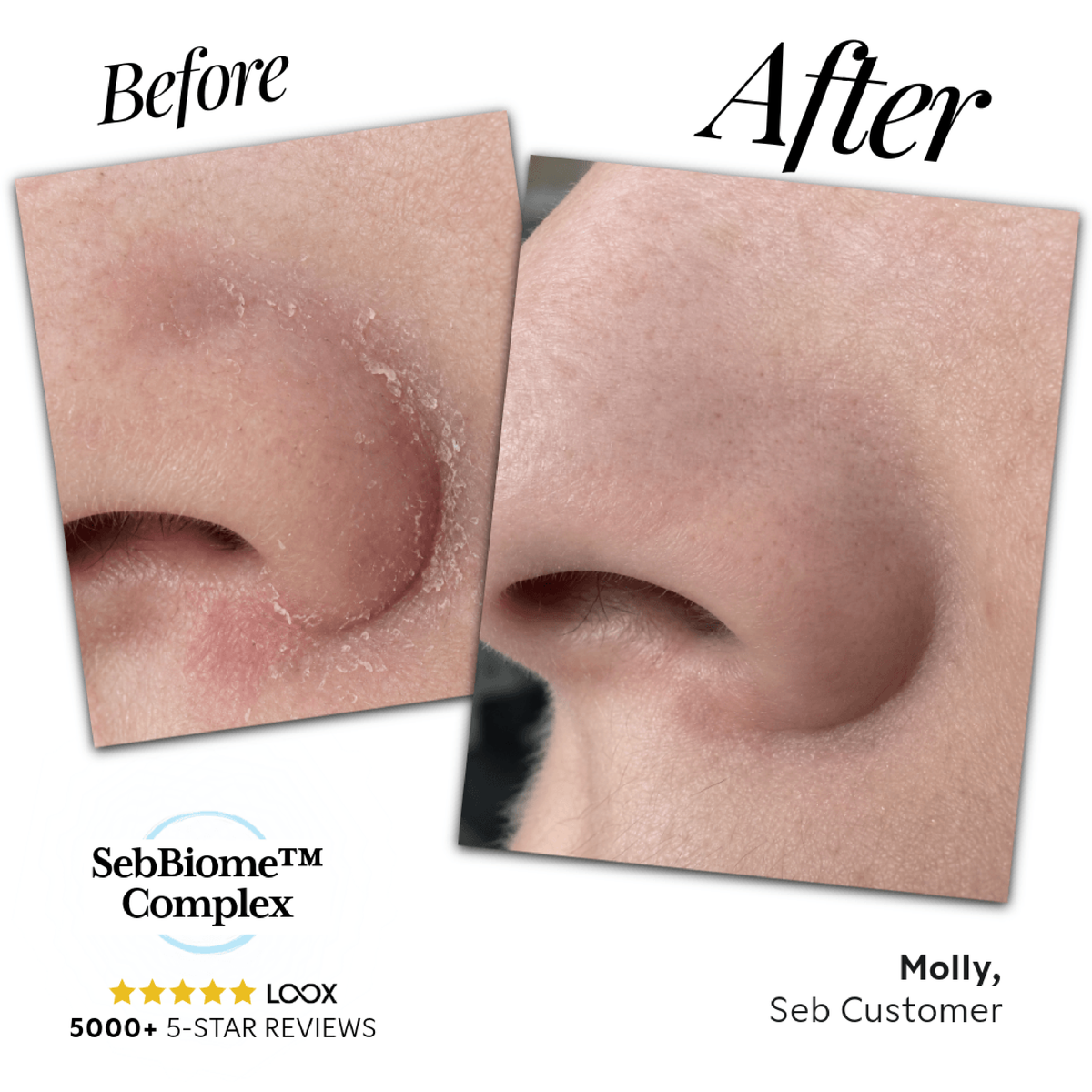
Seborrheic dermatitis can cause red, itchy and flaky skin, particularly around the scalp, eyebrows, nose and other oil-rich areas of the body. Because affected skin can be sensitive, some skincare products may cause additional irritation.
Can sunlight affect seborrheic dermatitis?
Sun and heat can act as triggers for some people with seborrheic dermatitis, although individual experiences vary. The American Academy of Dermatology recommends protecting affected skin from the sun and notes that sunscreen containing zinc oxide or titanium dioxide may be less irritating for some people.
This does not mean you need to avoid the outdoors. Instead, sensible sun protection should form part of your summer routine.
Building a summer routine for sensitive skin
Start with gentle cleansing
Wash your face and affected areas gently. Avoid harsh soaps, aggressive exfoliation and products that leave your skin feeling tight or irritated.
Choose suitable sunscreen
Look for a broad-spectrum sunscreen that suits your skin and does not cause irritation. Mineral sunscreen ingredients such as zinc oxide or titanium dioxide may be worth considering if your skin is particularly sensitive.
Apply sunscreen generously and reapply according to the product instructions, especially after swimming or heavy sweating.
Don't forget your scalp
Your scalp also needs protection. If your hair is thinning or you have areas of exposed scalp, consider appropriate sun protection such as a hat, shade or a suitable sunscreen.
A lightweight, breathable hat can also help protect your scalp during prolonged periods outdoors.
Watch out for fragranced products
Summer often means using more products — sunscreen, after-sun lotions, insect repellent, hair products and cosmetics. Introducing several new products at once can make it difficult to identify what is irritating your skin.
Where possible, choose gentle, fragrance-free products and introduce new products gradually.
What about swimming?
Swimming can be part of a great summer routine, but chlorine and prolonged water exposure can leave some people's skin feeling dry or irritated. After swimming, rinse your skin and scalp with clean water and follow your usual gentle skincare routine.
Protect your skin without overcomplicating things
A summer routine for seborrheic dermatitis does not need to be complicated. Gentle cleansing, appropriate moisturising, sensible sun protection and awareness of your personal triggers can help you look after your skin throughout the warmer months.
If your skin becomes increasingly red, painful, swollen or difficult to manage, seek advice from a healthcare professional. Symptoms that look like dandruff or seborrheic dermatitis can sometimes have other causes and may need a different treatment approach.