Seborrheic Dermatitis and Seasonal Allergies: Is There a Connection?
Seborrheic dermatitis (SD) and seasonal allergies are two common conditions that affect millions of people worldwide, but they are often thought of separately. While one primarily affects the skin and the other the immune system’s reaction to environmental allergens, recent studies and clinical observations suggest there might be a subtle connection between the two. Understanding this link can help you manage flare-ups more effectively.
What Is Seborrheic Dermatitis?
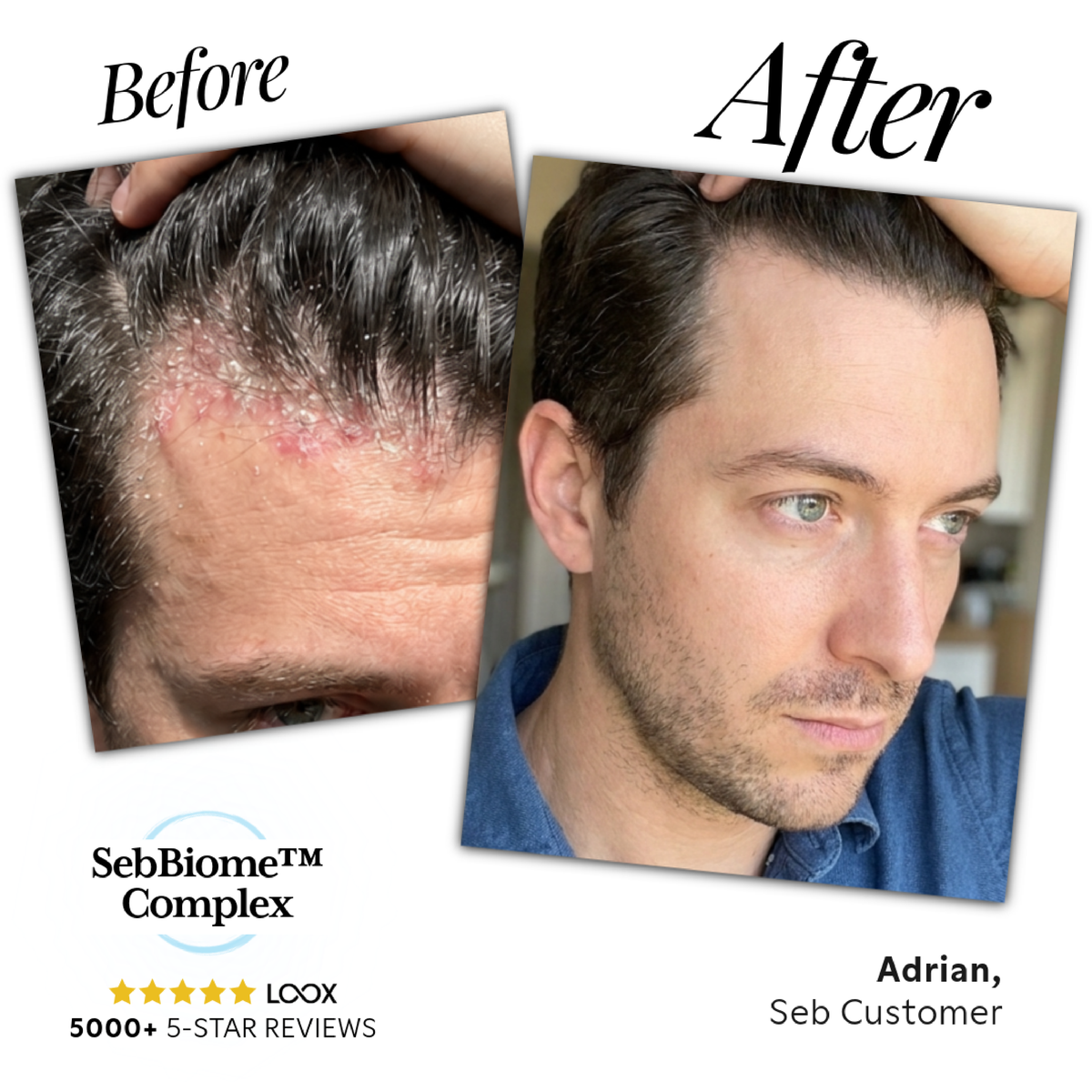
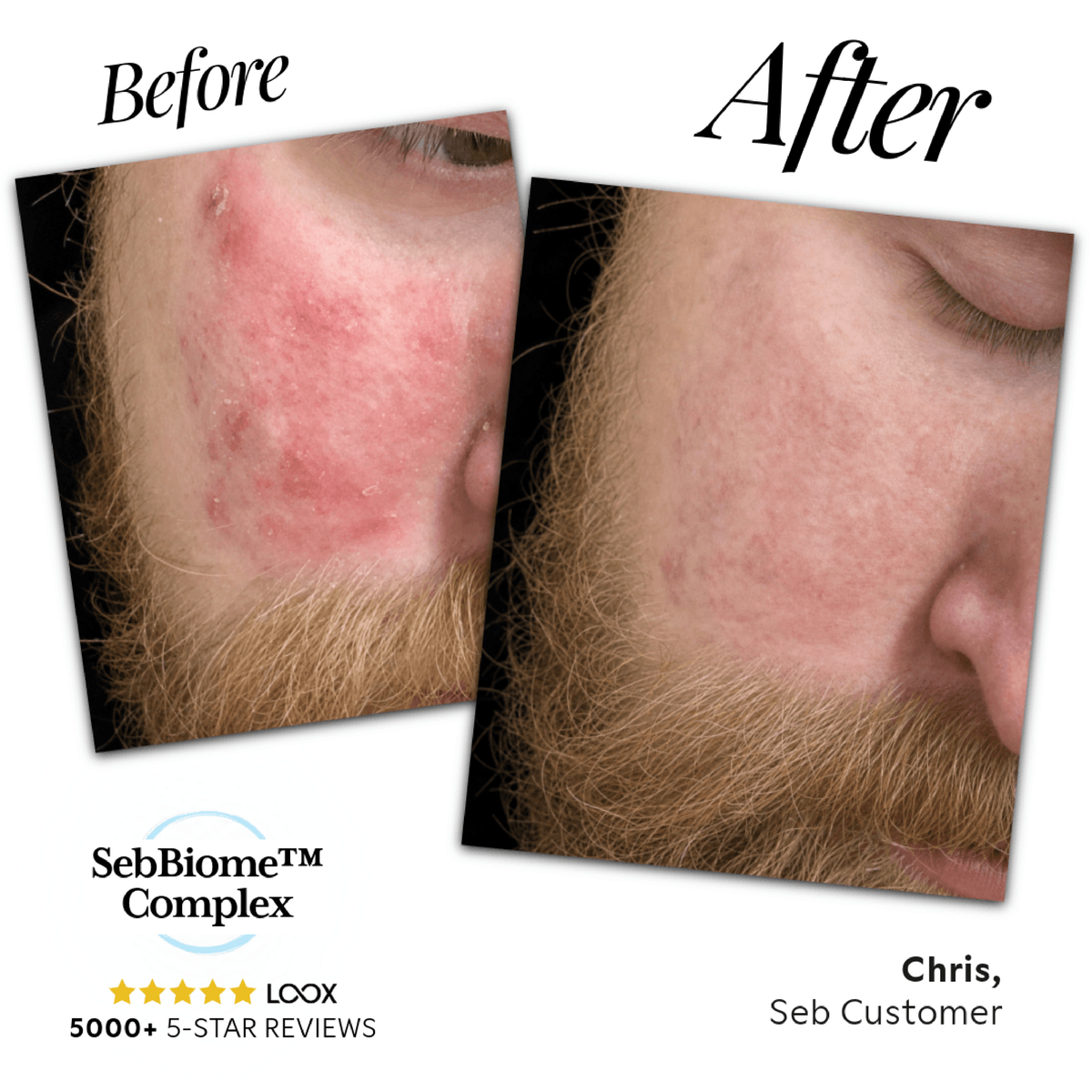
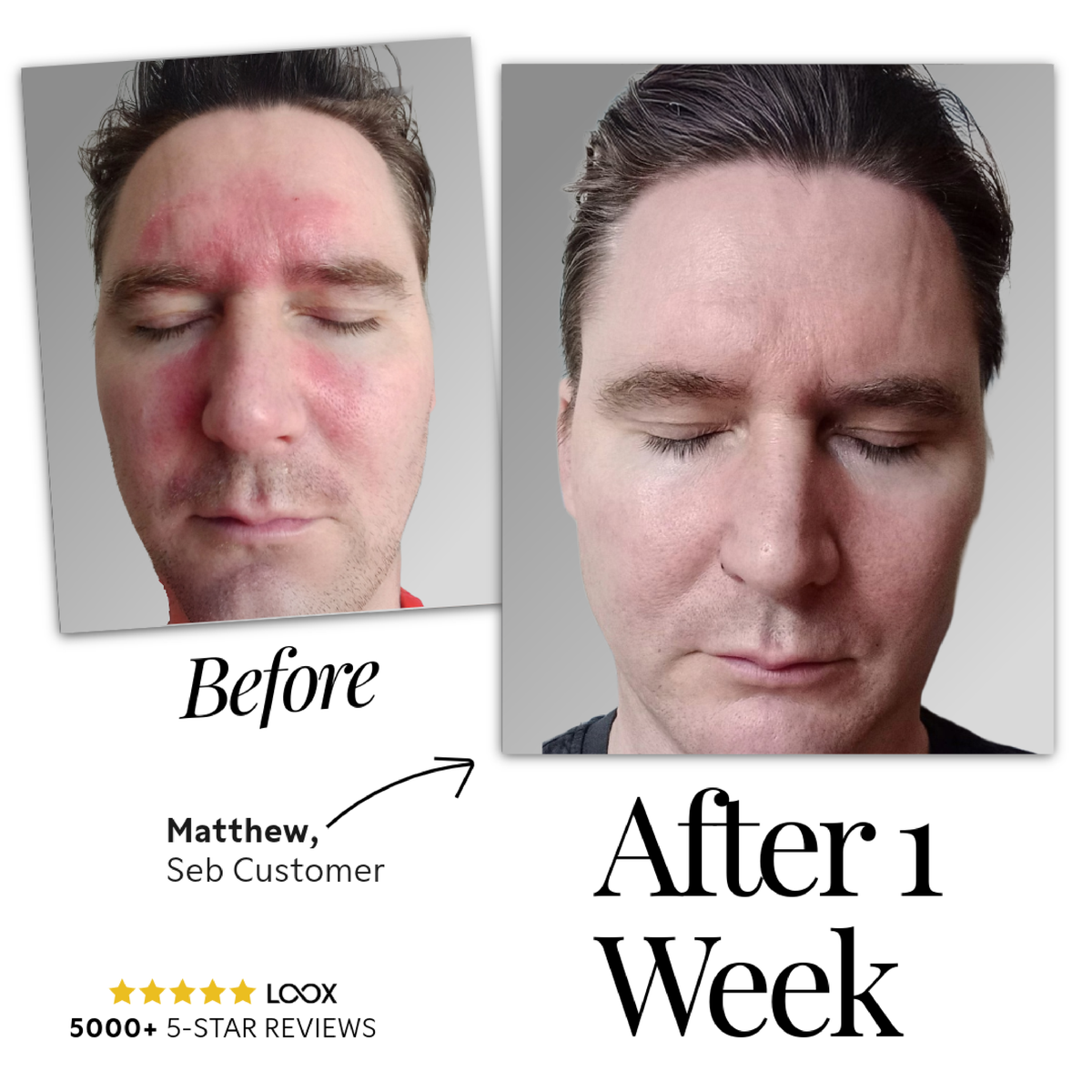
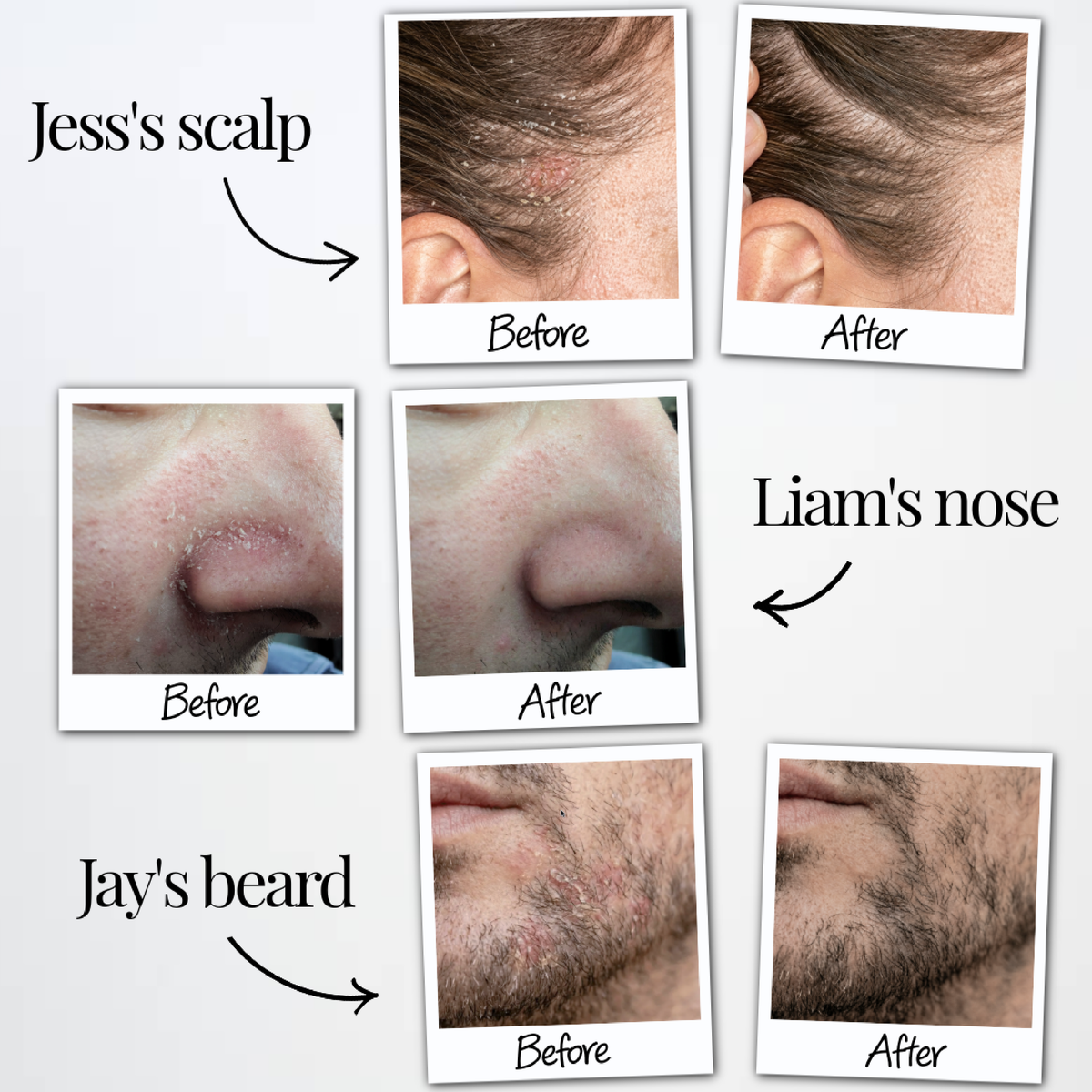
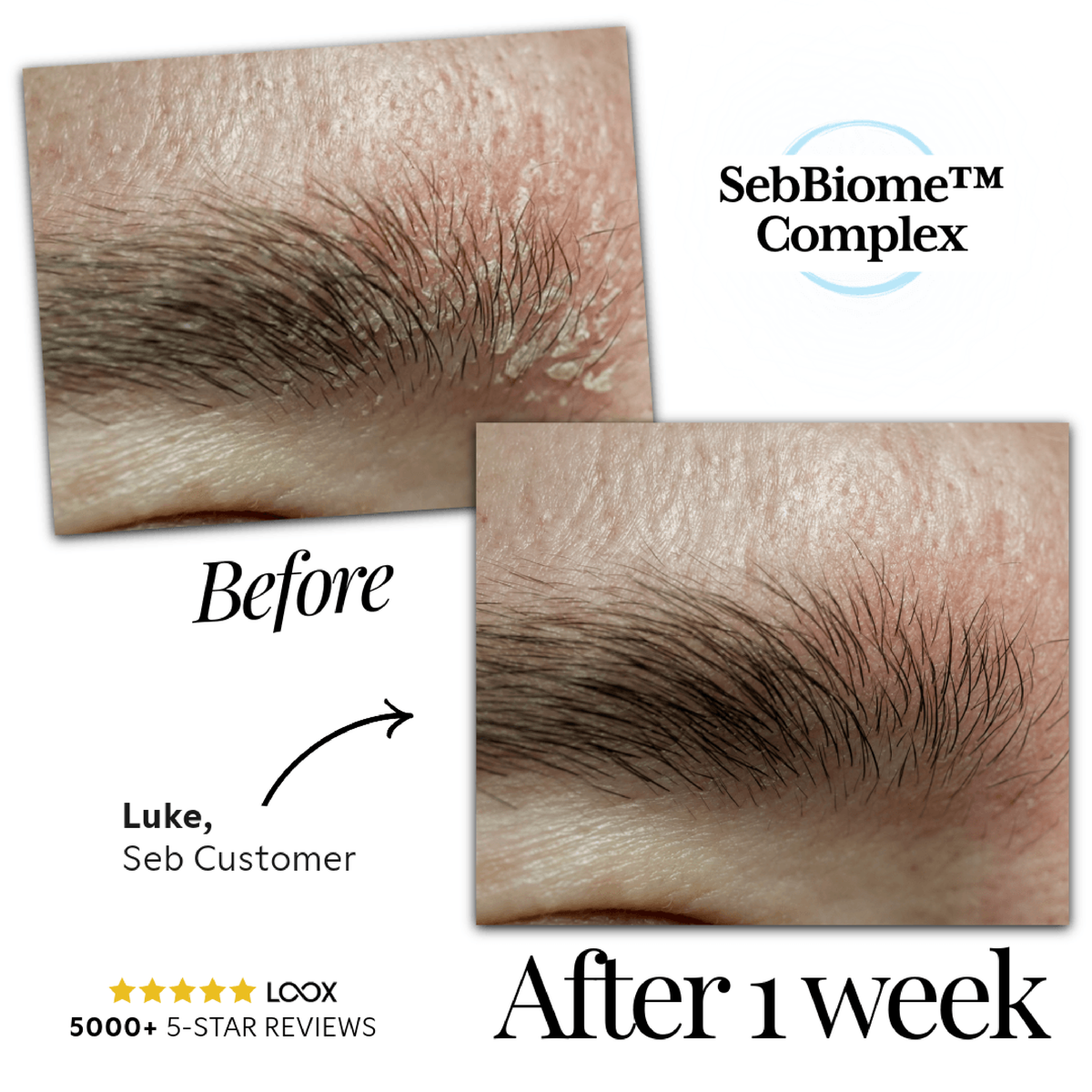
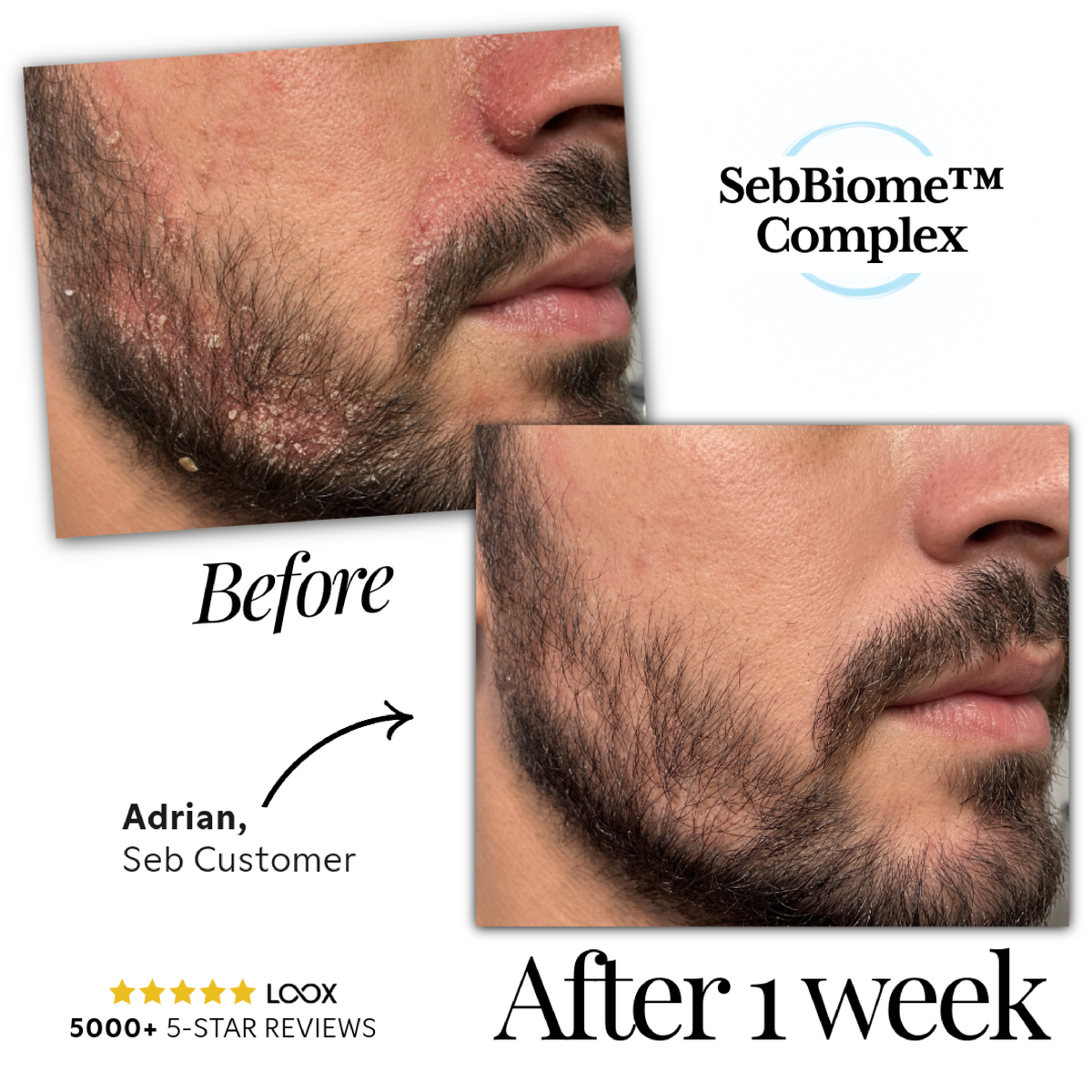
Seborrheic dermatitis is a chronic inflammatory skin disorder that usually affects areas rich in sebaceous (oil) glands, such as the scalp, face, chest, and back. It is characterised by:
-Red, inflamed skin
-Greasy, yellowish scales or flakes
-Itching or burning sensations
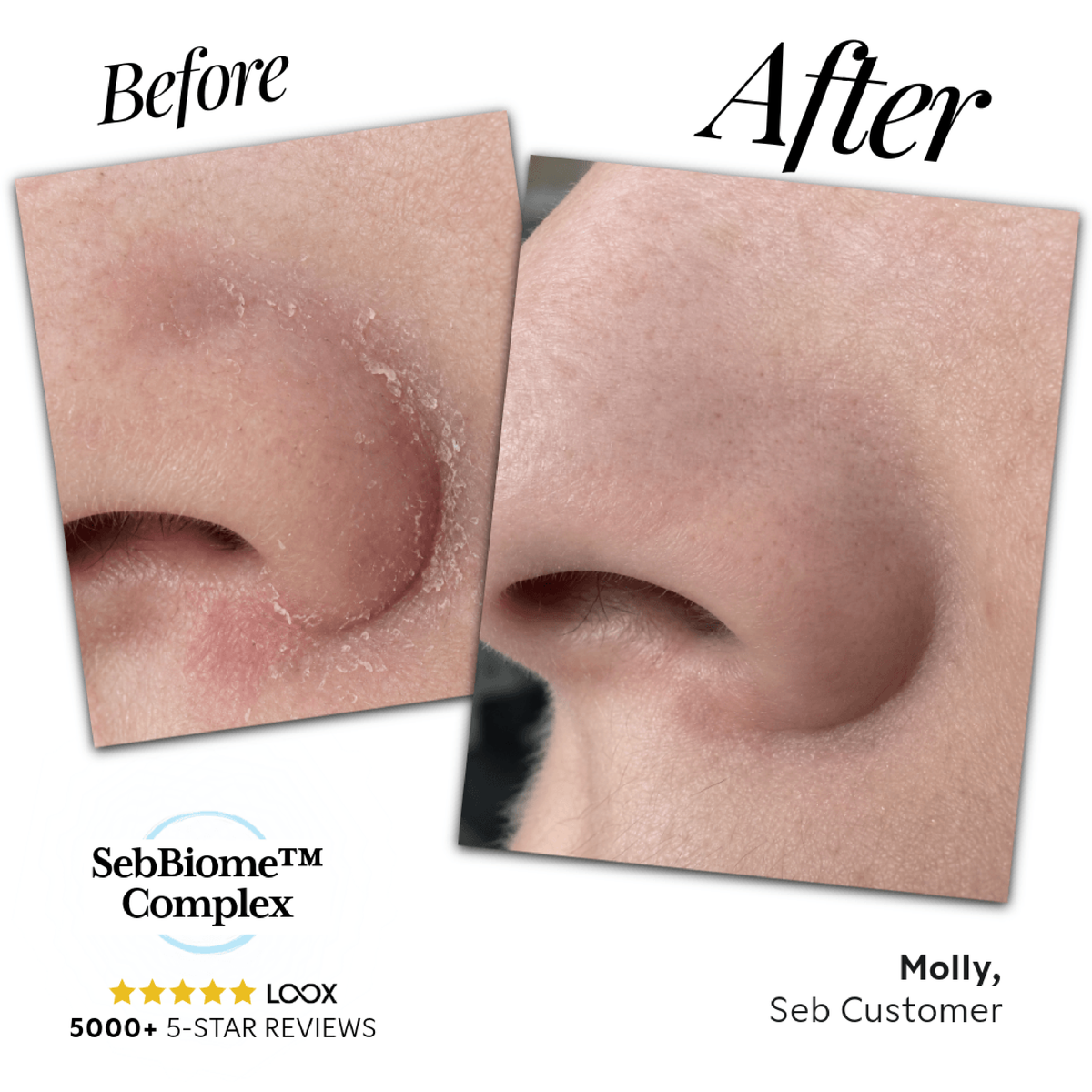
-Commonly affected areas include the scalp, eyebrows, sides of the nose, and behind the ears
Seborrheic dermatitis is believed to result from a combination of factors:
-Overgrowth of Malassezia yeast on the skin
-Immune system dysfunction leading to inflammation
-Genetic predisposition and environmental triggers such as stress, harsh weather, or certain skincare products
What Are Seasonal Allergies?
Seasonal allergies, also known as allergic rhinitis or hay fever, occur when the immune system overreacts to airborne allergens like pollen, mold, or dust. Common symptoms include:
-
Sneezing and nasal congestion
-
Itchy, watery eyes
-
Runny nose
-
Postnasal drip and throat irritation
At their core, seasonal allergies involve an immune system hypersensitivity reaction, typically mediated by Immunoglobulin E (IgE) antibodies.
Possible Connections Between Seborrheic Dermatitis and Seasonal Allergies
Although SD and seasonal allergies are distinct conditions, several mechanisms may link them:
1. Immune System Overlap
Both conditions involve immune dysregulation. In seborrheic dermatitis, the immune system reacts to Malassezia yeast, while in allergies, it reacts to harmless environmental triggers. People with an overactive immune response may be more prone to inflammatory skin conditions like SD during allergy season.
2. Increased Skin Sensitivity During Allergy Flare-Ups
Seasonal allergies can lead to histamine release, causing itching, redness, and inflammation. Scratching or rubbing itchy areas, especially around the face or scalp, may aggravate seborrheic dermatitis plaques or trigger new flares.
3. Environmental Triggers and Seasonal Patterns
-SD often worsens in cold, dry winters, but some people experience flare-ups in spring or fall—coinciding with high pollen counts.
-Seasonal allergens can cause systemic inflammation, which may subtly increase the activity of skin-resident yeasts and worsen SD symptoms.
4. Shared Risk Factors
-Stress, fatigue, and immune challenges can exacerbate both SD and allergies.
-Certain medications used for allergies, such as oral antihistamines or nasal corticosteroids, can indirectly impact skin barrier health and oil production, influencing SD severity.
Managing Both Conditions Simultaneously
If you suspect that your seborrheic dermatitis flares during allergy season, here are strategies to reduce symptoms:
1. Treat Seborrheic Dermatitis
-Medicated shampoos with ketoconazole, selenium sulfide, or zinc pyrithione for the scalp
-Topical antifungal creams or mild corticosteroids for facial or body plaques
-Gentle skin care: avoid harsh scrubs or strong chemical products
2. Control Seasonal Allergies
-Minimise exposure to pollen by keeping windows closed and using air filters
-Consider non-drowsy antihistamines or allergy medications recommended by a doctor
-Nasal irrigation with saline to reduce allergen load
3. Reduce Inflammation and Irritation
-Use fragrance-free moisturisers to support the skin barrier
-Avoid scratching, and gently cleanse affected areas
-Apply anti-inflammatory skincare ingredients like niacinamide or aloe vera to calm redness
4. Monitor Triggers
-Keep a journal of flare-ups, noting environmental conditions, diet, and allergy exposure
-Observe whether specific allergy seasons correlate with SD exacerbation
When to See a Dermatologist or Allergist
Consult a healthcare professional if:
-Seborrheic dermatitis becomes persistent, widespread, or painful
-You notice new or worsening allergy symptoms
-Over-the-counter treatments do not control flare-ups
A dermatologist can tailor SD treatment, while an allergist can identify specific triggers and recommend targeted therapy.
Conclusion
While seborrheic dermatitis and seasonal allergies are not directly the same condition, they share underlying immune system connections and environmental triggers. For many, allergy season can indirectly worsen SD symptoms, creating a cycle of inflammation and irritation.
By managing both your skin care and allergy triggers, you can reduce flare-ups and maintain healthier skin year-round. Awareness, gentle care, and timely medical guidance are key to staying comfortable and calm, no matter the season.