Seborrheic Dermatitis and Hormones: Puberty, Pregnancy, and Menopause
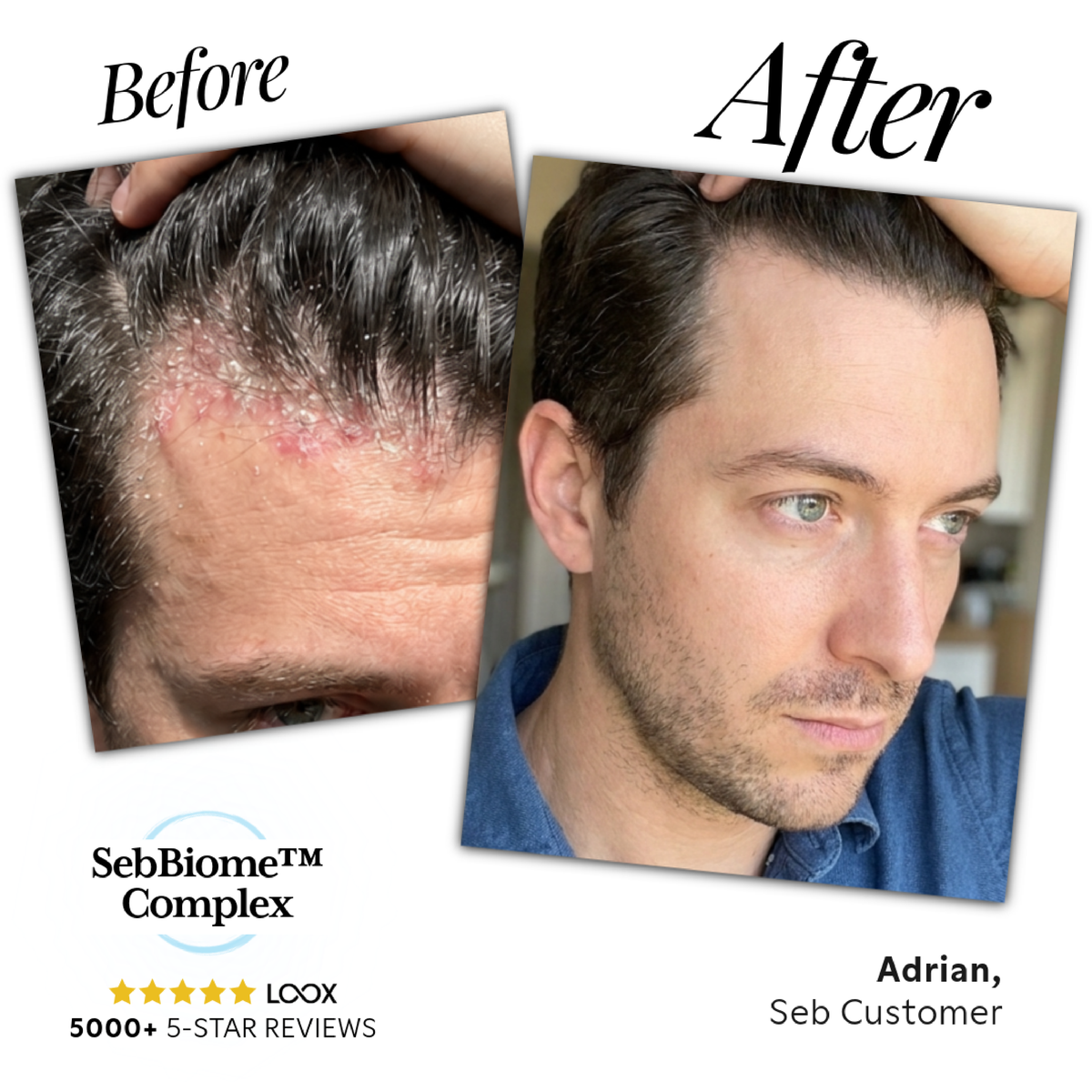
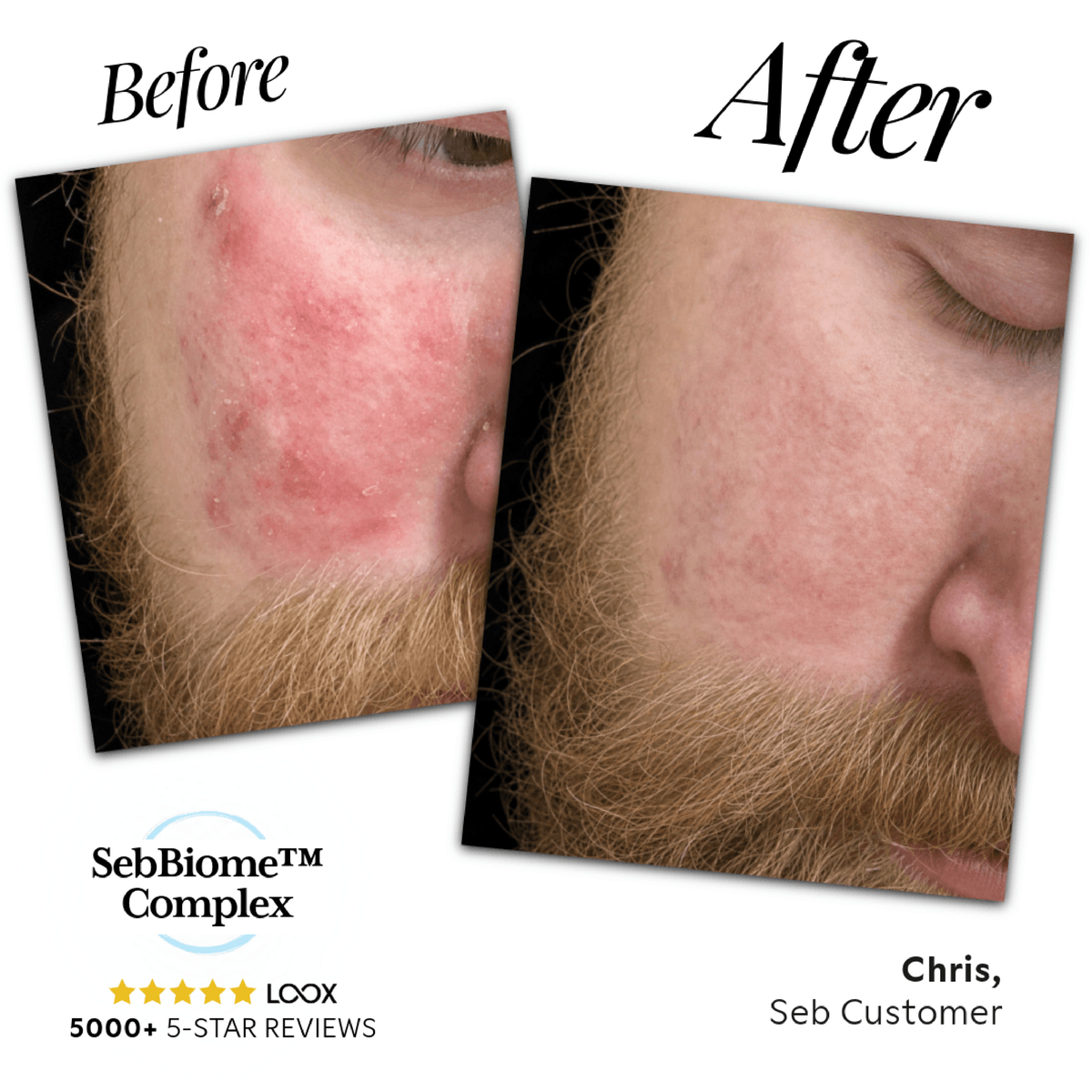
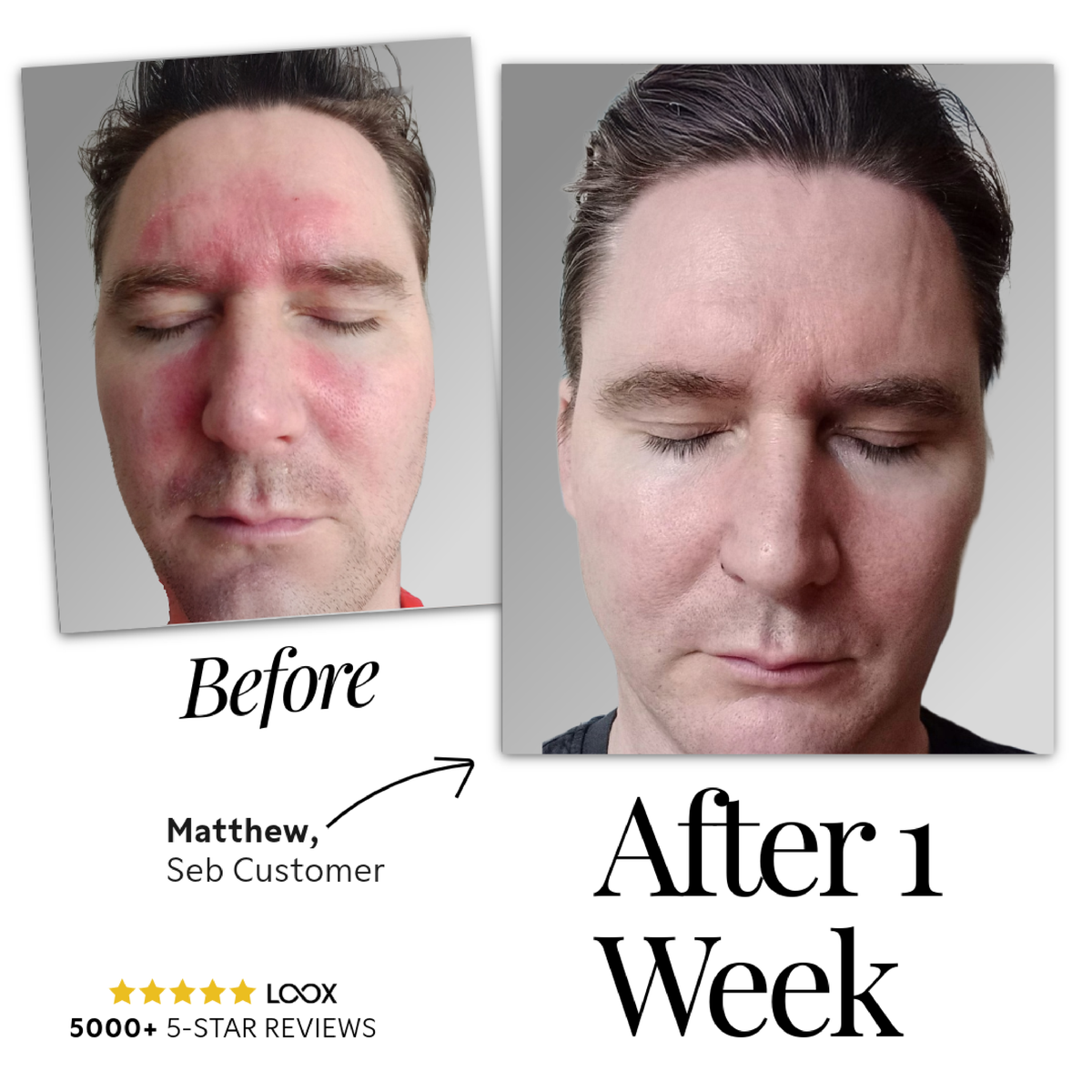
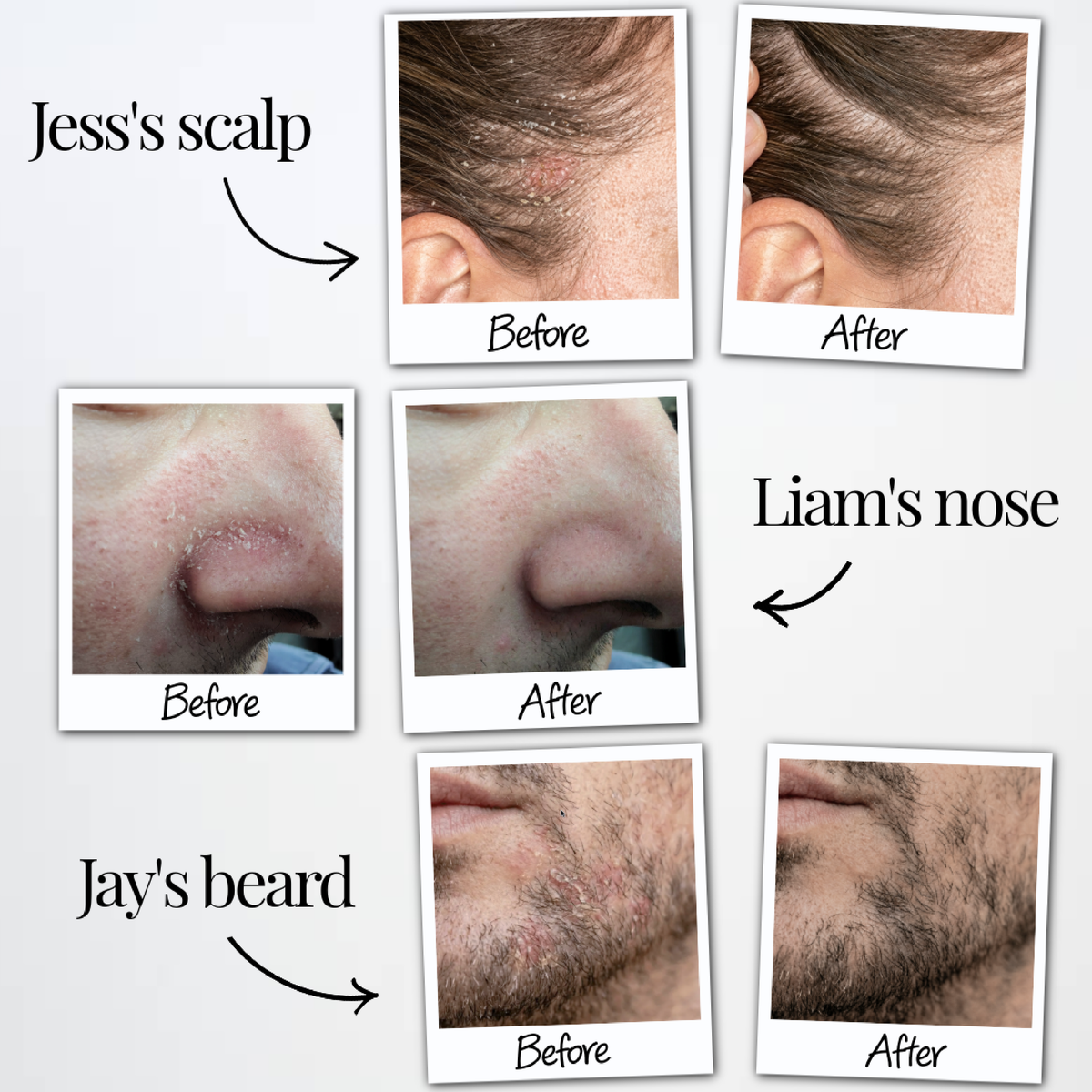
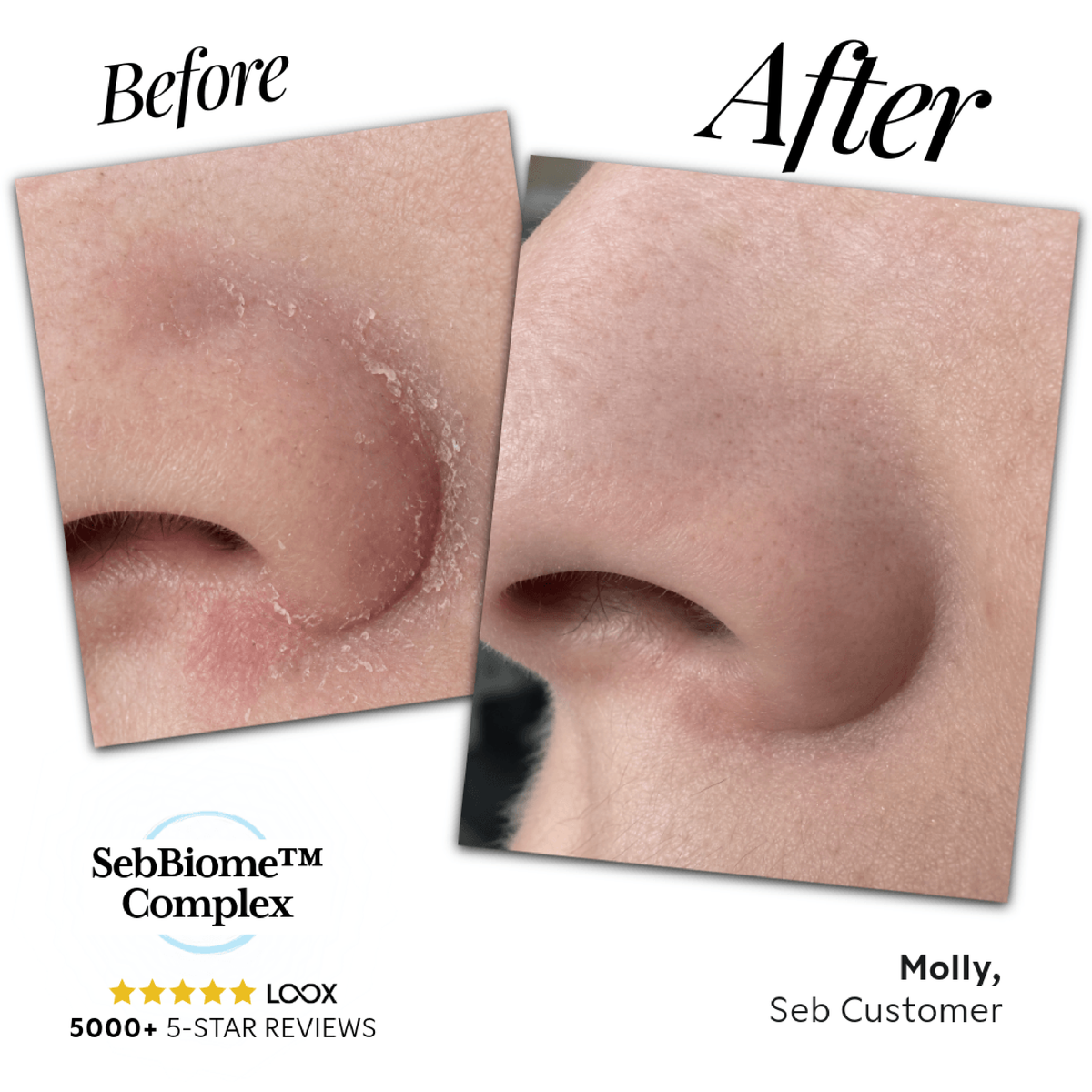
Seborrheic dermatitis (SD) is a chronic, inflammatory skin condition that primarily affects areas rich in sebaceous (oil) glands, such as the scalp, face, upper chest, and back. It is characterised by redness, flaking, itching, and sometimes greasy or scaly patches. While the exact cause is multifactorial—combining genetic predisposition, immune response, yeast (Malassezia) overgrowth, and environmental triggers—hormones play a crucial role in its onset, severity, and flare patterns.
Hormonal fluctuations during key life stages—puberty, pregnancy, and menopause—can significantly influence seborrheic dermatitis. Understanding these connections helps individuals anticipate flare-ups and manage the condition more effectively.
What Causes Seborrheic Dermatitis?
Before exploring hormones, let’s briefly understand the underlying factors:
-
Sebum Production: SD is associated with overactive sebaceous glands. Excess oil creates an environment conducive to the growth of Malassezia yeast.
-
Immune Response: Some individuals have an exaggerated inflammatory response to Malassezia, leading to redness, itching, and flaking.
-
Genetics: Family history plays a role; certain genes may influence sebum production and immune sensitivity.
-
Environmental Triggers: Stress, weather changes, diet, and alcohol can exacerbate symptoms.
Hormones, particularly androgens and estrogen, are central to regulating sebaceous gland activity and immune responses, which is why SD often coincides with significant hormonal life stages.
Seborrheic Dermatitis and Puberty
Puberty is one of the most common times for seborrheic dermatitis to first appear. During adolescence:
-Androgen Surge: Testosterone levels rise in both boys and girls, stimulating sebaceous glands and increasing oil production.
-Skin Changes: Oily skin provides an ideal environment for Malassezia overgrowth.
-Typical Locations: The scalp, hairline, eyebrows, and nasolabial folds often become affected.
-Gender Differences: Boys may experience more severe scalp involvement due to higher androgen levels, while girls often have milder facial involvement.
Key Insights:
-Many teenagers notice dandruff or red, flaky patches for the first time during puberty.
-Maintaining a gentle skincare routine and medicated shampoos (like ketoconazole or zinc pyrithione) can reduce flare-ups.
-Stress and lifestyle factors, like diet and sleep, can amplify symptoms.
Seborrheic Dermatitis and Pregnancy
Pregnancy brings profound hormonal changes, particularly in estrogen and progesterone levels. These changes can impact SD in several ways:
-Immune Modulation: Pregnancy induces immune tolerance to support the fetus, which can alter inflammatory responses in the skin.
-Sebum Production: Estrogen increases oil production in some women, potentially aggravating SD.
-Common Patterns: Many pregnant women experience facial flaking, redness around the nose, eyebrows, and hairline, or worsened scalp dandruff.
-Timing: Flare-ups often appear during the second and third trimesters when hormone levels peak.
Management Considerations:
-Topical antifungal creams or shampoos are usually safe but should be discussed with a healthcare provider.
-Gentle cleansing and avoiding harsh chemical products are recommended.--
-Moisturisers can help reduce irritation and scaling.
Pregnancy-related SD typically improves after childbirth, although some women may experience postpartum flares as hormones rapidly adjust.
Seborrheic Dermatitis and Menopause
Menopause marks the end of reproductive hormonal cycles and brings a decline in estrogen and progesterone, while androgen levels remain relatively higher. These changes can influence SD:
-Reduced Estrogen: Lower estrogen levels can cause skin thinning, dryness, and changes in barrier function, making it more prone to irritation.
-Sebum Imbalance: Despite reduced estrogen, androgen dominance can maintain or increase sebaceous activity, potentially triggering flare-ups.
-Symptoms: Older women may notice dryness, redness, and flaking on the face, scalp, and upper chest. In some cases, SD can appear for the first time in midlife.
Tips for Management:
-Use gentle, non-drying cleansers to avoid further irritation.
-Regular anti-fungal shampoos or creams may be necessary for scalp or facial involvement.
-Moisturisers with ceramides or niacinamide can help repair the skin barrier.
-Hormone replacement therapy (HRT) may indirectly improve skin barrier and hydration, but it is not a direct treatment for SD.
Hormones, Sebum, and Immune Response: The Connection
Across puberty, pregnancy, and menopause, the common link is how hormones affect sebum production and immune regulation:
-Androgens: Stimulate sebaceous glands → more oil → ideal environment for Malassezia yeast.
-Estrogen and Progesterone: Modulate immune responses and skin barrier → affect inflammation and sensitivity.
-Immune System: Hormonal shifts can alter inflammatory signaling, influencing how the skin reacts to yeast or other triggers.
Essentially, SD tends to flare when the hormonal balance tilts, whether from a surge (puberty, pregnancy) or a decline (menopause).
Lifestyle and Skincare Tips for Hormone-Related SD
Regardless of life stage, general strategies can help manage seborrheic dermatitis:
-Medicated Shampoos: Ingredients like ketoconazole, selenium sulfide, or zinc pyrithione help control scalp yeast.
-Gentle Cleansing: Avoid harsh soaps or scrubs that strip natural oils.
-Moisturising: Use non-comedogenic moisturizers to reduce dryness and irritation.
-Diet and Stress: High sugar intake, alcohol, and stress can trigger flares in susceptible individuals.
-Sun Protection: UV exposure can worsen inflammation, especially on facial areas.
Understanding your hormonal stage and its impact on SD can help in tailoring effective skincare routines.
Key Takeaways
-Seborrheic dermatitis is closely linked to hormonal fluctuations across the lifespan.
-Puberty: Androgen surge → increased oil → first SD flare-ups.
-Pregnancy: Estrogen and progesterone shifts → changes in sebum and immune response → facial and scalp flares.
-Menopause: Estrogen decline + relative androgen dominance → dryness, barrier dysfunction, and possible flare-ups.
-Management strategies must consider hormonal status, skin type, and safe treatments for each life stage.
Conclusion
Seborrheic dermatitis is not just “dandruff” or a minor skin annoyance—it reflects the complex interplay between hormones, sebum production, and immune response. Recognising how hormonal life stages influence SD empowers individuals to anticipate flare-ups, implement effective skincare, and seek timely treatment. Whether navigating puberty, pregnancy, or menopause, understanding your skin’s hormonal sensitivities is key to maintaining comfort, confidence, and healthy skin.