Seborrheic Dermatitis and Hair Loss: The Hidden Connection
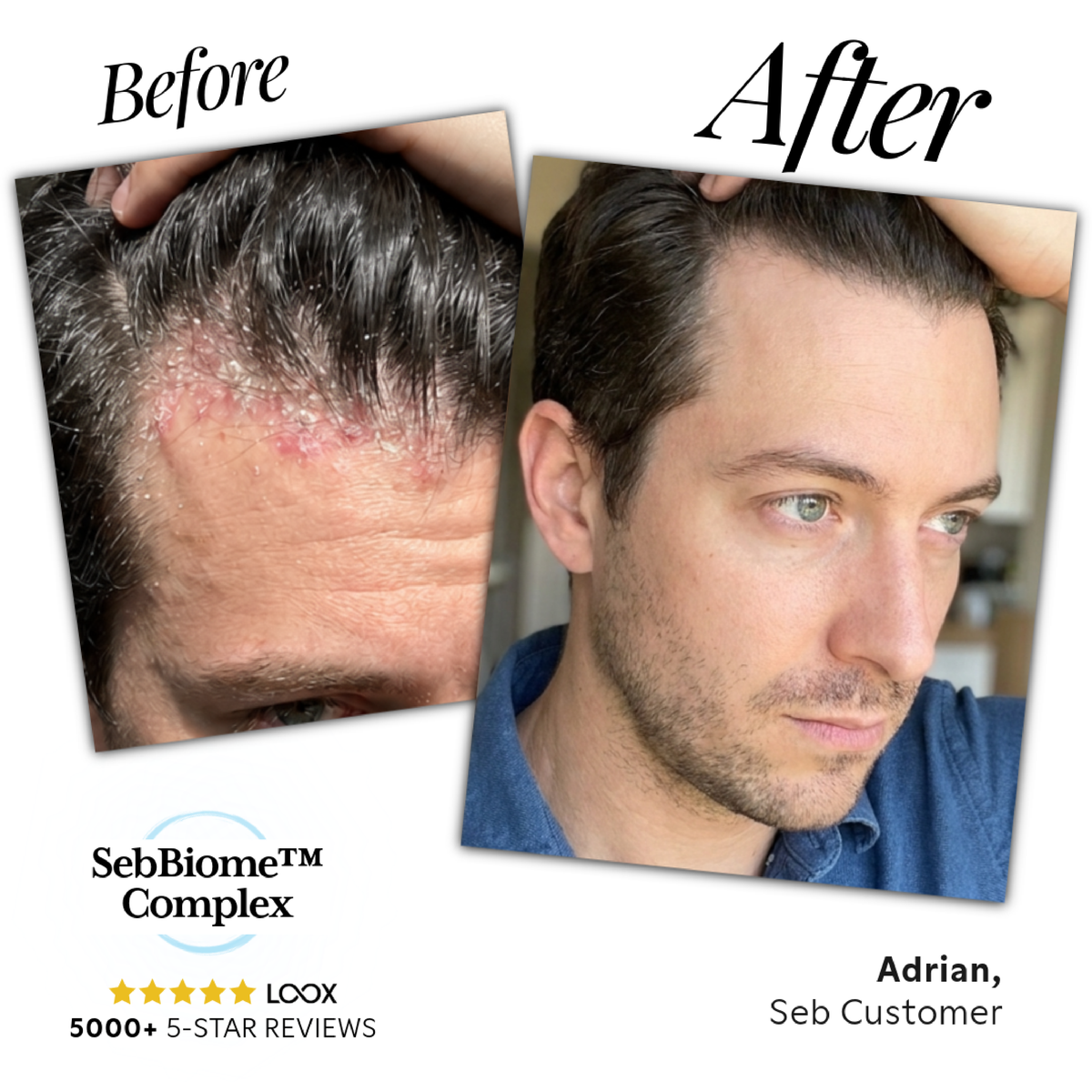
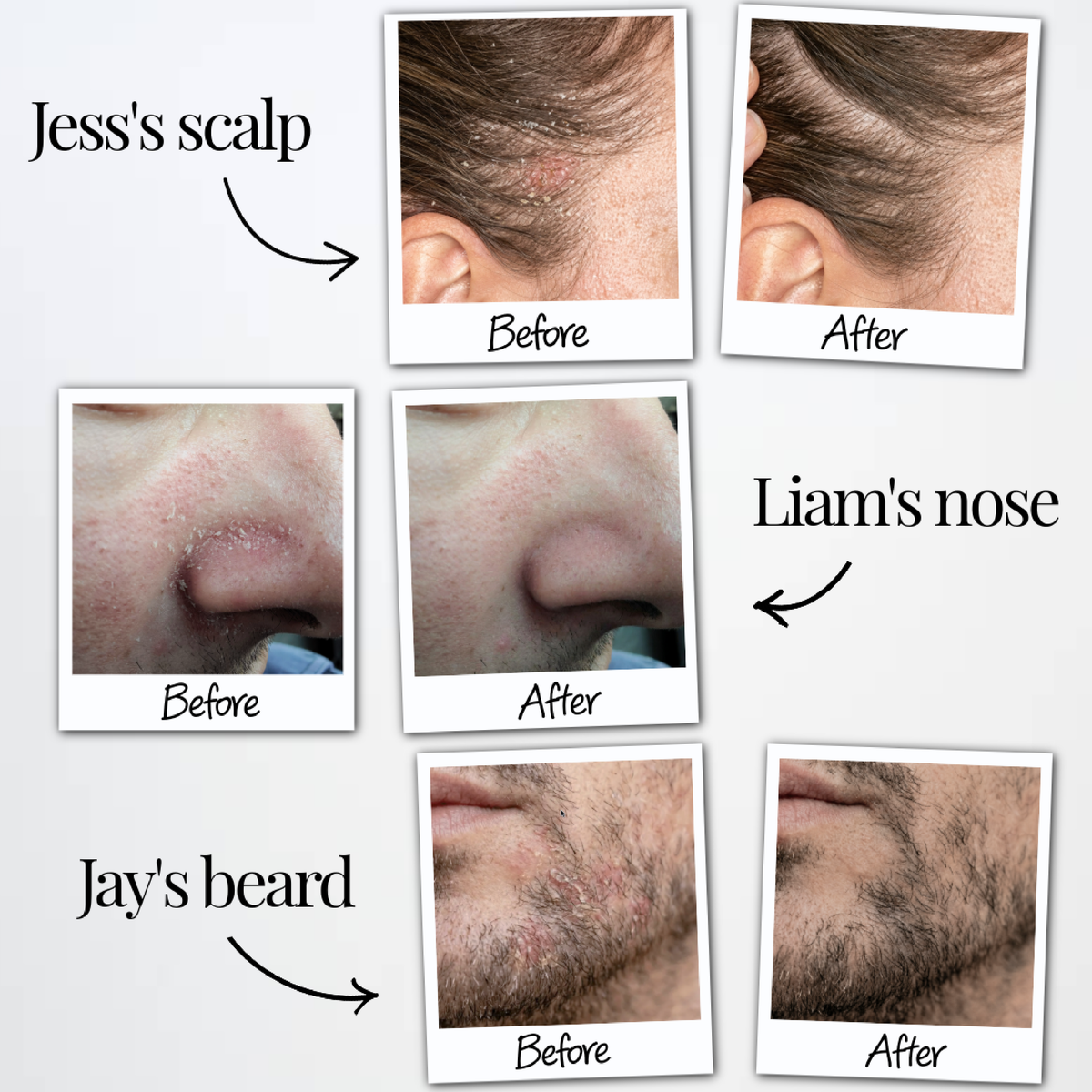
Seborrheic dermatitis (SD) is a chronic inflammatory skin condition that commonly affects the scalp, causing redness, itching, and flaking. While many people think of it primarily as a cosmetic concern, it can also impact hair health. Many individuals with SD notice hair thinning or shedding, raising the question of whether this condition can contribute to hair loss—and if so, whether treating it can reverse the damage.
Let’s explore the connection in detail.
Why Does Seborrheic Dermatitis Cause Hair Thinning?
Hair thinning in seborrheic dermatitis is generally not due to permanent damage to the hair follicles, but rather as a secondary effect of inflammation and scalp irritation. Here’s how it happens:
-
Inflammation and Follicle Stress
Seborrheic dermatitis triggers an inflammatory response in the scalp. Chronic inflammation can weaken hair follicles temporarily, causing hair to shed more easily. This type of hair loss is typically classified as telogen effluvium, where hairs prematurely enter the resting (telogen) phase and fall out. -
Excessive Flaking and Scaling
The accumulation of flakes and sebaceous oils can physically disrupt the environment around the hair follicle. Thick scaling may even trap hairs or make the scalp prone to mechanical stress when brushing or washing, contributing to hair breakage. -
Itching and Scratching
Persistent itching often leads to scratching, which can damage the hair shaft and follicles. Repeated trauma from scratching may accelerate hair shedding and make hair appear thinner. -
Secondary Infections
In some cases, the compromised scalp barrier can allow bacteria or fungi to proliferate, worsening inflammation. This secondary irritation can further stress the hair follicles.
Importantly, seborrheic dermatitis usually does not directly destroy hair follicles, so hair loss caused by SD is typically reversible once the underlying inflammation is controlled.
Can Treating Seborrheic Dermatitis Regrow Hair?
The good news is that treating seborrheic dermatitis can often restore hair density, provided the follicles are still healthy. Here’s what happens when SD is managed:
-
Reducing Inflammation
Medicated shampoos containing ketoconazole, selenium sulfide, zinc pyrithione, or corticosteroids can calm inflammation, creating a healthier environment for hair growth. Once the inflammatory stress is removed, hair follicles can resume normal cycling. -
Clearing Flakes and Sebum
Proper treatment removes excess flakes and oil, reducing mechanical stress on hair follicles and preventing breakage. A cleaner scalp also allows hair to grow without obstruction. -
Minimizing Scratching
Controlling itching reduces trauma to the hair follicles and shafts, allowing weakened hair to strengthen and regrow. -
Time and Hair Cycle Recovery
Hair regrowth takes time. Since the shedding is typically telogen effluvium, it may take several months (often 2–6 months) for hair to regrow fully after the scalp inflammation is under control.
The Takeaway
Seborrheic dermatitis can contribute to hair thinning primarily through inflammation, scalp irritation, and scratching—but it typically does not permanently damage hair follicles. The good news is that treating seborrheic dermatitis effectively can allow hair to regrow. Using medicated shampoos, calming inflammation, and protecting the scalp from scratching creates the optimal environment for hair recovery. Early and consistent treatment is key to minimizing shedding and restoring hair health over time.