Scalp Psoriasis vs Seborrheic Dermatitis: When Both Exist Together
Scalp conditions can be both frustrating and confusing, especially when symptoms overlap. Two of the most common scalp disorders are scalp psoriasis and seborrheic dermatitis, and while each can exist independently, they sometimes appear together. Understanding their similarities, differences, and management strategies is key to achieving relief and healthy hair.
What is Scalp Psoriasis?
Scalp psoriasis is a chronic autoimmune condition in which the immune system accelerates the life cycle of skin cells. Normally, skin cells take about a month to mature and shed. In psoriasis, this process happens in just a few days, leading to the buildup of thick, silvery scales.
Key features of scalp psoriasis include:
-Thick, silvery-white plaques
-Well-defined edges
-Intense itching or burning
-Possible involvement of nails, elbows, knees, or other body areas
Psoriasis is not contagious, and while the exact cause is unknown, it is linked to genetics, immune dysregulation, stress, and environmental triggers.
What is Seborrheic Dermatitis?
Seborrheic dermatitis is a chronic inflammatory skin disorder that primarily affects areas rich in sebaceous glands, such as the scalp, face, and chest. It is linked to an overgrowth of a yeast called Malassezia, combined with an immune response that triggers inflammation.
Key features of seborrheic dermatitis include:
-Yellowish, oily scales
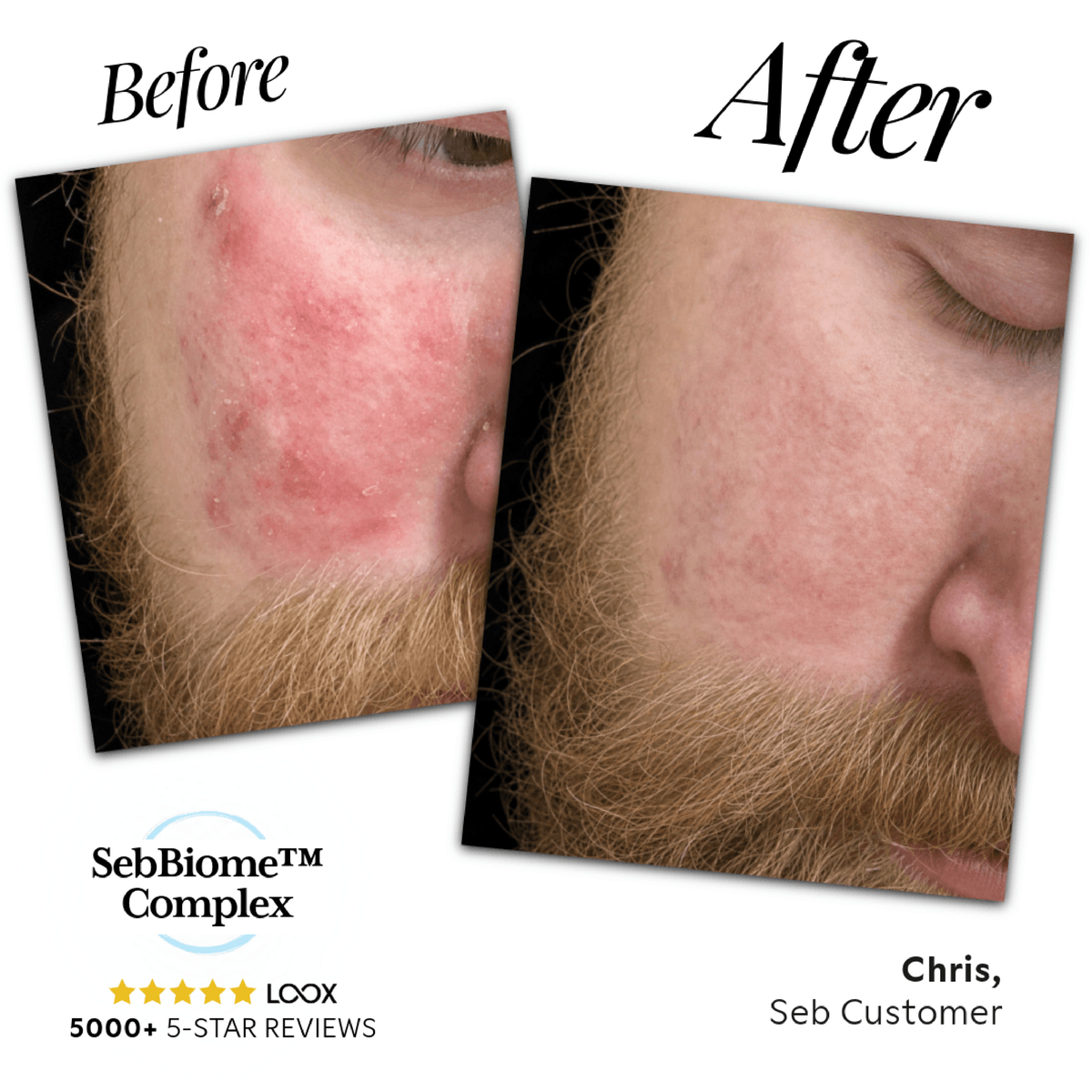
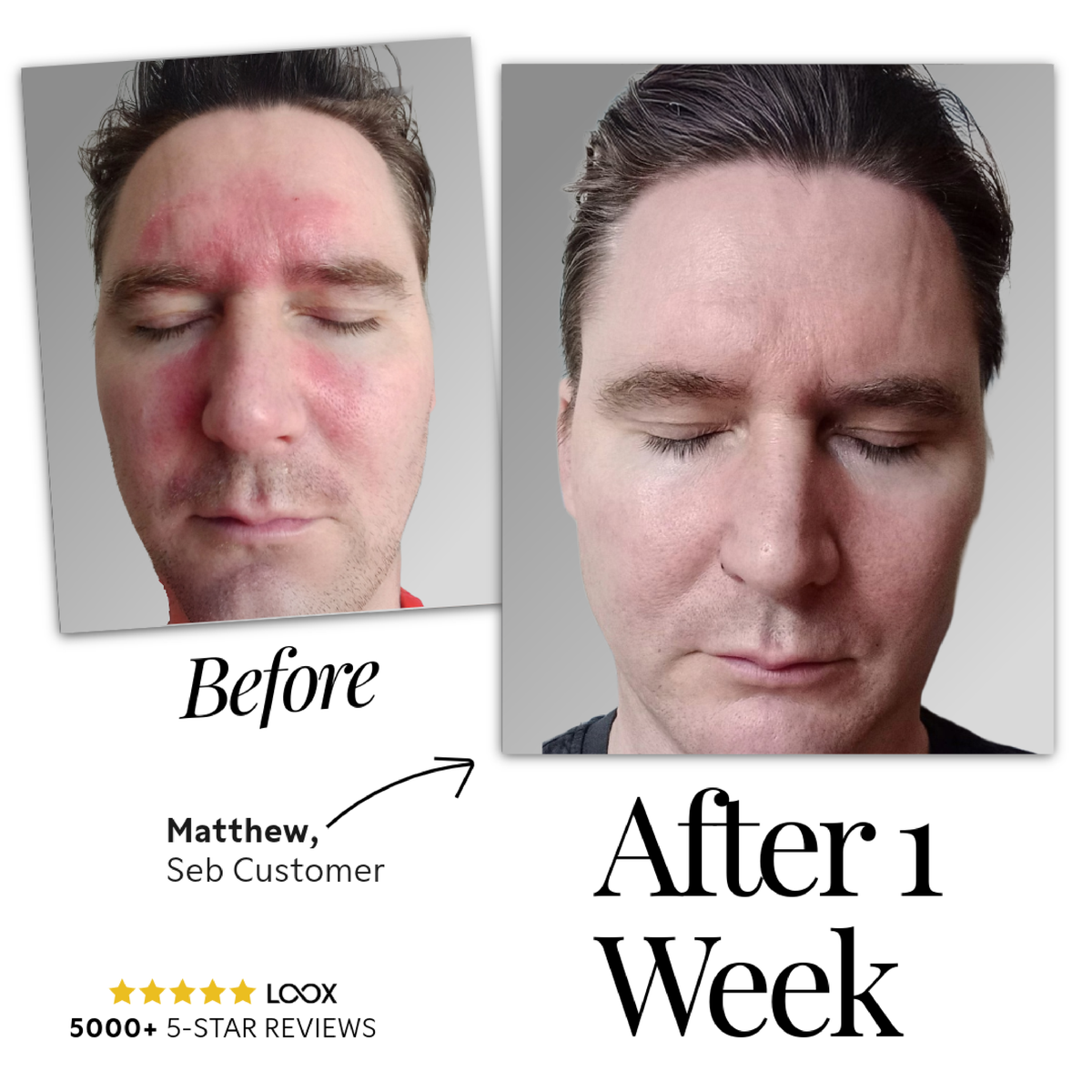
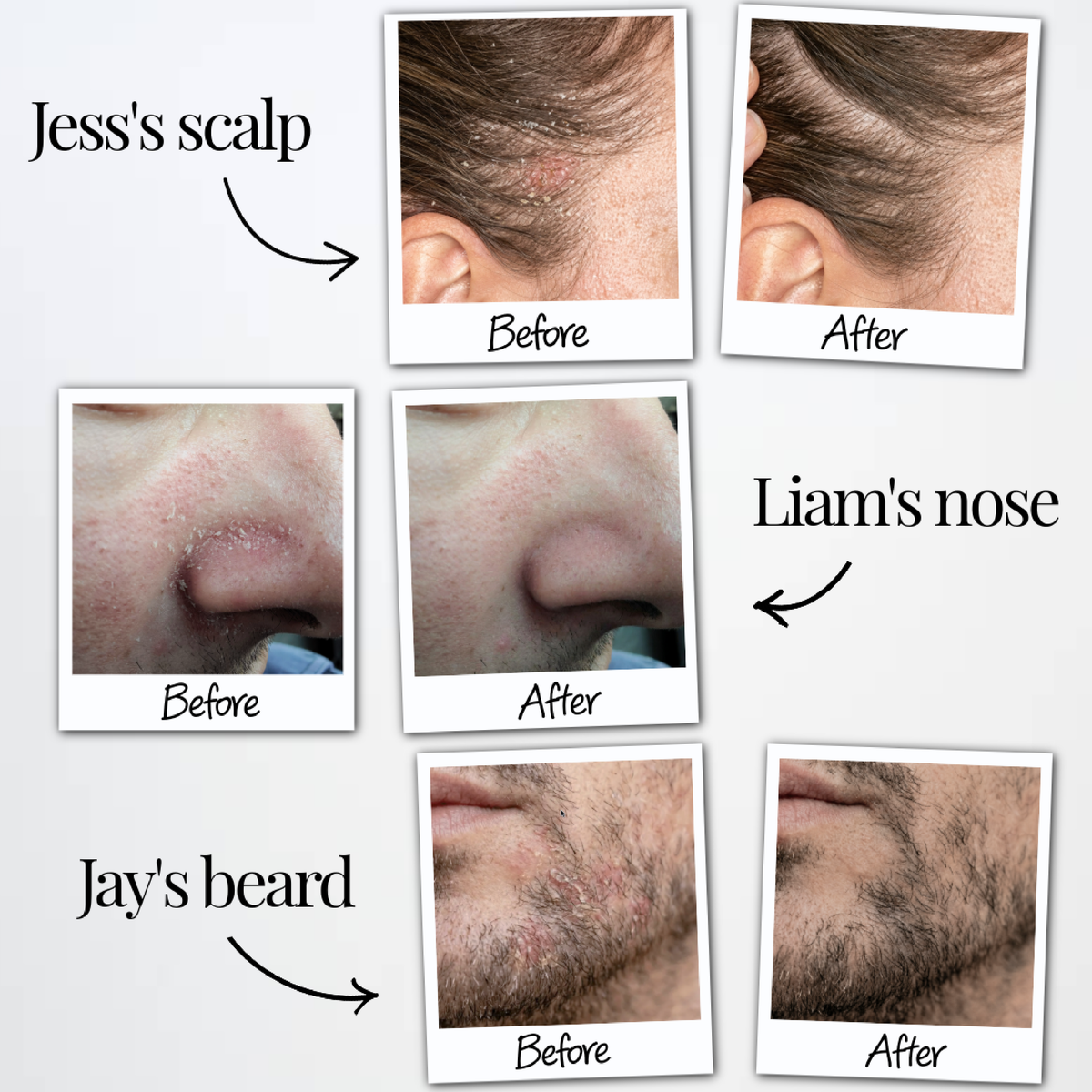
-Redness and mild inflammation
-Flaking (dandruff) and itching
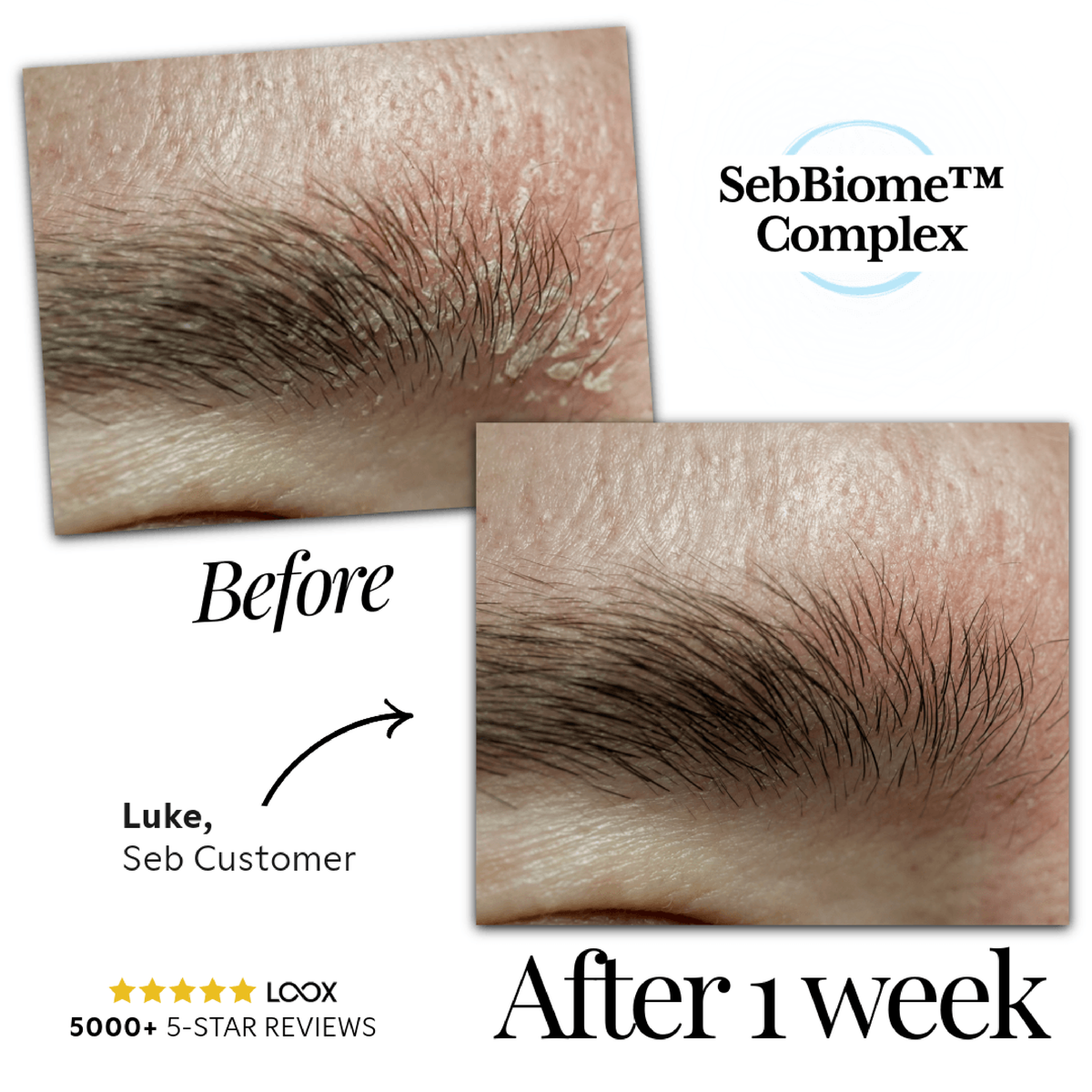
-Commonly affects the scalp, eyebrows, sides of the nose, and behind the ears
Unlike psoriasis, seborrheic dermatitis can improve seasonally and is often aggravated by stress, cold weather, or harsh shampoos.
When Both Conditions Coexist
Sometimes, scalp psoriasis and seborrheic dermatitis occur together, a phenomenon sometimes referred to as “sebopsoriasis.” This overlap can make diagnosis and treatment more challenging.
Clinical Signs of Overlap:
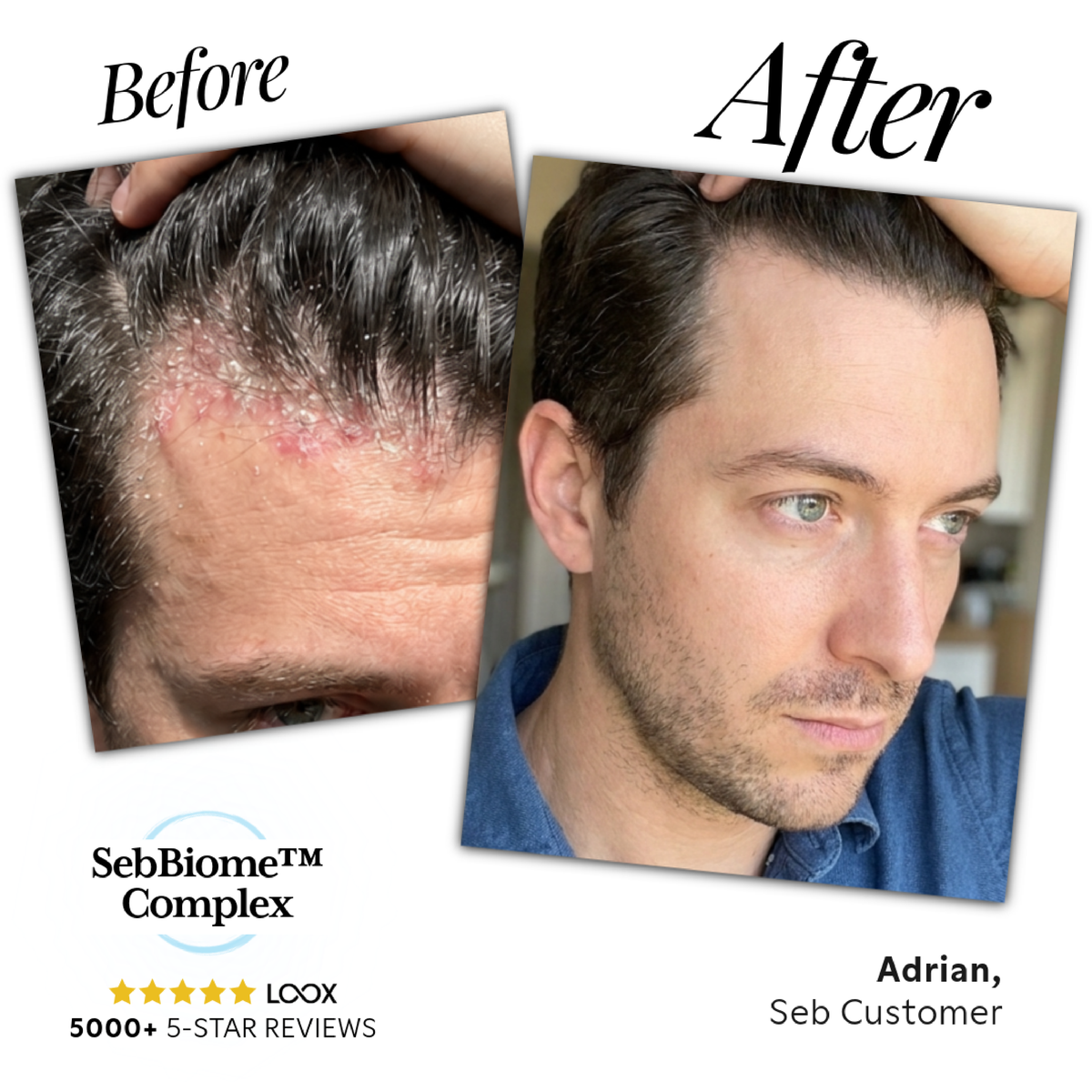
-Mixed appearance of thick silvery plaques with yellowish, greasy scaling
-Persistent itching, often more intense than with seborrheic dermatitis alone
-Areas of inflammation that do not respond to typical dandruff shampoos
Why Coexistence Happens:
-Both conditions involve immune system dysregulation and skin barrier dysfunction.
-Stress, hormonal changes, or infections may trigger flare-ups for both.
-Patients with psoriasis are more prone to seborrheic dermatitis due to increased skin turnover and altered scalp microenvironment.
Diagnosis Challenges
Distinguishing between the two conditions is critical for effective treatment. Dermatologists may consider:
-
Visual examination – Plaque thickness, scaling color, and distribution.
-
History – Duration, triggers, and response to past treatments.
-
Skin biopsy (rarely) – To confirm diagnosis in complicated cases.
Incorrect diagnosis can lead to ineffective treatments or worsening symptoms. For example, mild dandruff shampoos may help seborrheic dermatitis but have little effect on psoriasis plaques.
Treatment Approaches
When scalp psoriasis and seborrheic dermatitis coexist, a combination approach is usually necessary.
Topical Treatments
-Medicated shampoos: Containing ketoconazole, selenium sulfide, or zinc pyrithione for seborrheic dermatitis.
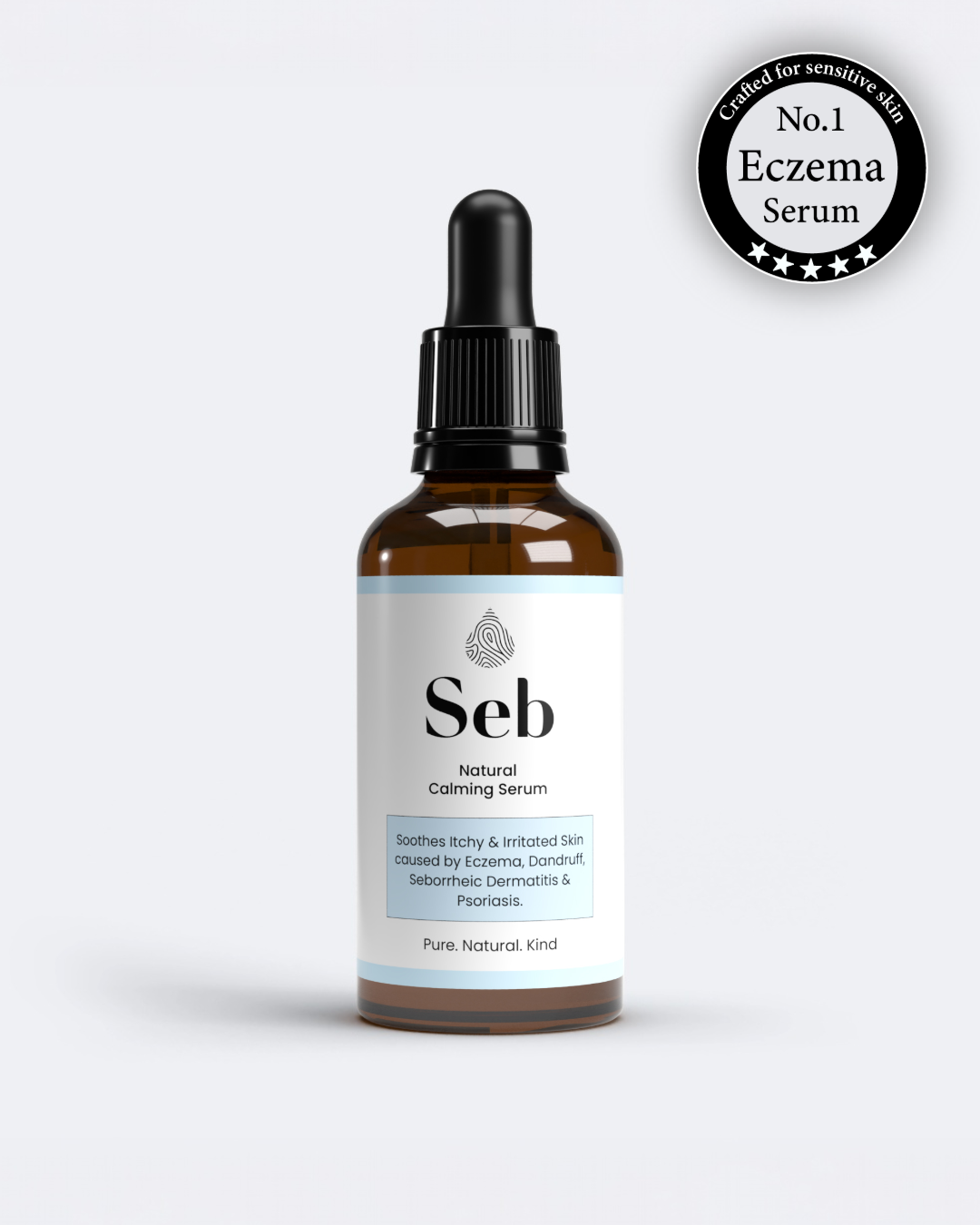
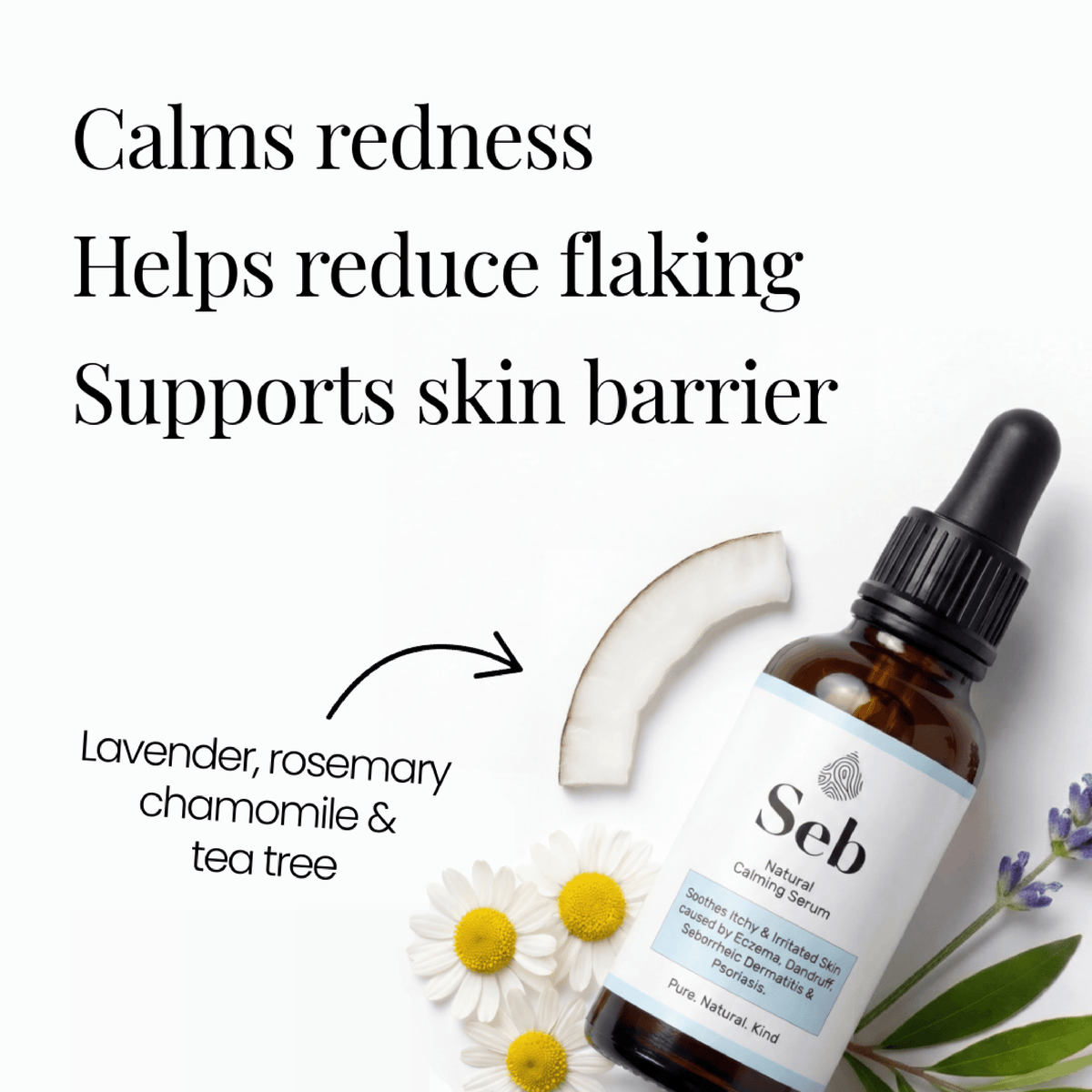
-Seb serum or balm: Reduce inflammation for psoriasis plaques.
-Coal tar or salicylic acid shampoos: Help soften thick scales and reduce itching.
Systemic Treatments
For severe or resistant cases:
-Oral or injectable biologics: Target immune pathways in psoriasis.
-Antifungal medications: Occasionally used for persistent seborrheic dermatitis.
Lifestyle and Home Care
-Gentle cleansing: Avoid harsh shampoos or scratching, which can worsen inflammation.
-Moisturising: Non-irritating oils or emollients to reduce flaking.
-Stress management: Yoga, meditation, or counseling, as stress can trigger flares.
When to See a Dermatologist
Immediate consultation is recommended if:
-Flakes and redness don’t improve with over-the-counter shampoos
-Plaques are thick, widespread, or bleeding
-Symptoms interfere with daily life or sleep
A dermatologist can tailor treatment to target both conditions simultaneously, minimizing irritation and improving scalp health.
Conclusion
Scalp psoriasis and seborrheic dermatitis are distinct conditions but share enough similarities to overlap in some individuals. Recognising the signs of coexistence and adopting a comprehensive treatment approach can dramatically improve outcomes. With the right combination of medicated shampoos, topical therapies, and lifestyle adjustments, most people can achieve relief and maintain a healthy scalp.
If you experience persistent scalp issues, don’t ignore them—early diagnosis and targeted treatment are key to preventing chronic discomfort and hair damage.