Rosacea and the Blood Vessels: Why Flushing Happens So Fast
If you have rosacea, you already know the feeling: your skin looks calm one minute, and the next—sudden redness, heat, and flushing that seems to come out of nowhere.
This rapid shift isn’t random. It’s deeply tied to how the blood vessels in your skin behave—and in rosacea, they’re far more reactive than they should be.
Let’s break down what’s actually happening beneath the surface, and why your face can flush so quickly.
What Is Rosacea Doing in Your Skin?
Rosacea is a long-term condition that primarily affects the central face—cheeks, nose, chin, and forehead.
Common symptoms include:
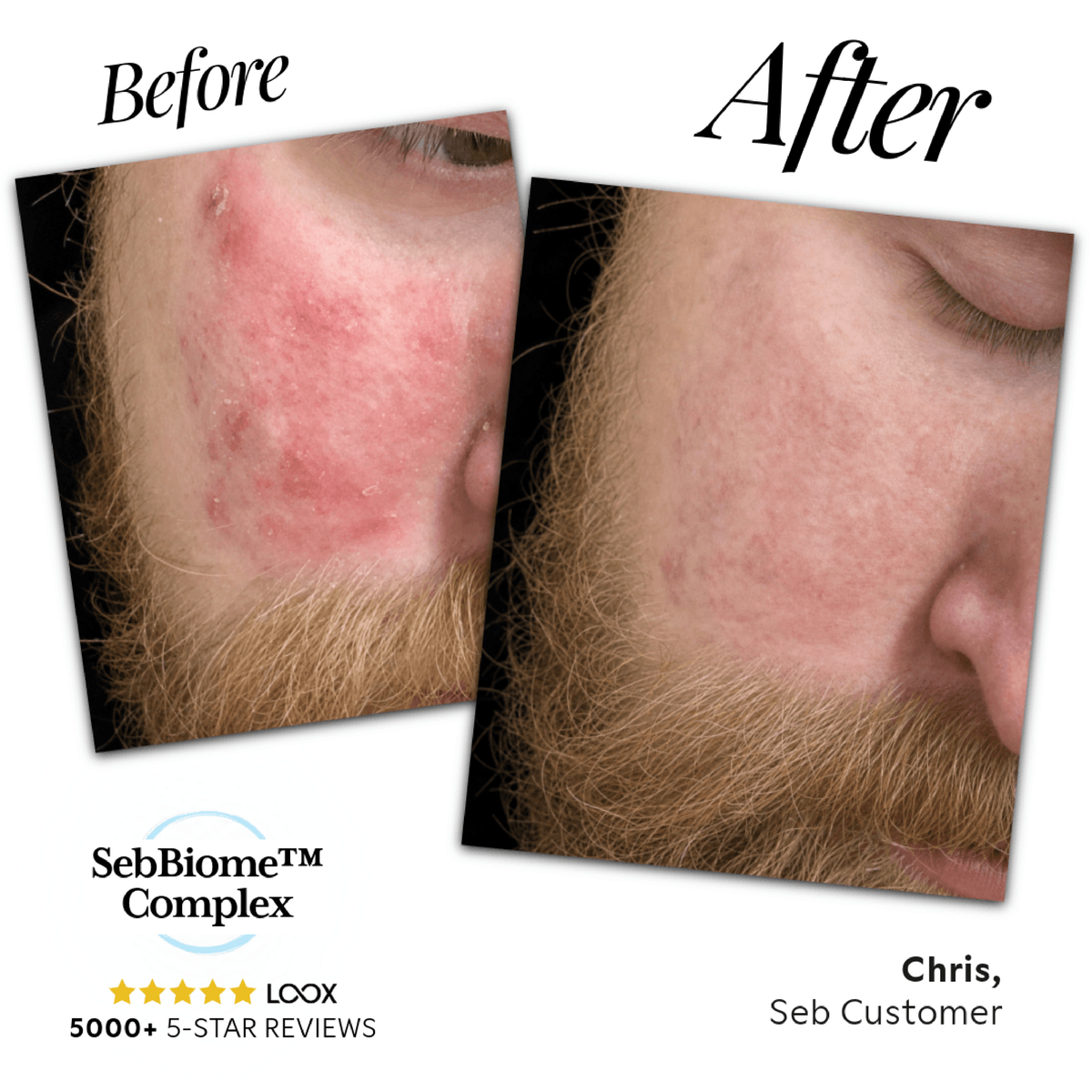
-Persistent redness
-Visible blood vessels (telangiectasia)
-Flushing episodes
-Burning or stinging sensations
-Sometimes acne-like bumps
At the core of many of these symptoms is one key issue: overactive blood vessels.
The Normal Role of Blood Vessels
Your skin contains a network of tiny blood vessels (capillaries) that help regulate temperature.
When your body needs to cool down or respond to stimuli:
-Blood vessels dilate (expand)
-More blood flows to the skin
-Heat is released
This is why your face might flush during:
-Exercise
-Hot weather
-Emotional stress
In people without rosacea, this process is temporary and controlled.
What Changes in Rosacea?
In rosacea, this system becomes hypersensitive.
The blood vessels:
-Dilate too easily
-Dilate too quickly
-Take longer to return to normal
It’s like having a volume knob that jumps from low to maximum with the slightest touch.
Why Flushing Happens So Fast
1. Hyper-Reactive Blood Vessels
The vessels in rosacea-prone skin are more sensitive to triggers like:
-Heat
-Spicy food
-Alcohol
-Stress
-Skincare products
Even mild stimuli can cause rapid dilation, leading to sudden redness.
2. Nerve–Blood Vessel Connection
Your skin’s blood vessels are closely linked to the nervous system.
In rosacea:
-Nerve signals that control vessel dilation are overactive
-Triggers send stronger-than-normal signals
-Blood vessels respond almost instantly
This is why flushing can feel immediate—sometimes within seconds.
3. Weak Vessel Control Mechanisms
Normally, your body balances dilation and constriction.
In rosacea:
-The “constrict” signal is weaker
-Blood vessels stay open longer
-Redness lingers
That’s why a flush doesn’t just happen fast—it also sticks around.
4. Chronic Inflammation
Rosacea isn’t just about blood vessels—it’s also an inflammatory condition.
Ongoing inflammation:
-Makes vessels more fragile
-Increases sensitivity
-Amplifies the flushing response
Over time, repeated flushing can even lead to permanently visible vessels.
Why Certain Triggers Hit So Hard
You might notice your skin reacts strongly to specific triggers. That’s because many of them directly affect blood vessel behavior:
-Heat & hot drinks → physically expand blood vessels
-Alcohol → causes vasodilation
-Spicy foods → activate nerve pathways linked to flushing
-Stress or embarrassment → rapid nerve-driven dilation
In rosacea, these effects are magnified.
The “Flare Loop” Effect
Here’s where things get frustrating:
- A trigger causes flushing
- Blood vessels dilate rapidly
- Inflammation increases
- Vessels become even more sensitive
This creates a cycle where:
-Each flare makes future flushing easier
-The threshold for triggers gets lower over time
Can You Slow Down the Flushing Response?
You can’t completely “turn off” rosacea, but you can reduce how quickly and intensely flushing happens.
Identify and Reduce Triggers
This is one of the most effective steps:
-Track what consistently causes flushing
-Adjust habits (e.g., cooler drinks, milder skincare)
Support the Skin Barrier
A stronger skin barrier means:
-Less irritation
-Lower sensitivity
-Fewer exaggerated responses
Use gentle, non-irritating products and avoid over-exfoliation.
Medical Treatments
Some treatments specifically target blood vessel behavior by:
-Reducing inflammation
-Constricting blood vessels
-Lowering sensitivity over time
These don’t cure rosacea—but they can significantly reduce flushing frequency and intensity.
Why Flushing Feels So Sudden
That “out of nowhere” feeling comes down to timing:
-Nerve signals act in milliseconds
-Blood vessels respond almost immediately
-In rosacea, there’s no buffering or gradual response
So what feels unpredictable is actually a very fast biological reaction.
Final Thoughts
Fast flushing in rosacea isn’t just a surface issue—it’s the result of a hypersensitive system involving blood vessels, nerves, and inflammation all working together (a little too enthusiastically).
Your skin isn’t overreacting for no reason—it’s reacting too efficiently to the wrong signals.
Understanding this can shift how you approach rosacea:
-Less about fighting your skin
-More about calming and supporting it
Because when you reduce the triggers and stabilise those underlying systems, the flushes don’t just feel less intense—they become far more manageable over time.