Psoriasis Is Not Just a Skin Condition — It’s an Immune System Running at Full Volume
For decades, psoriasis was treated primarily as a cosmetic skin disorder.
Today, scientists increasingly understand that psoriasis is something much bigger:
A systemic inflammatory disease with visible skin consequences.
The plaques are only the surface.
Underneath is a profoundly accelerated immune process that affects not just the skin, but potentially the joints, cardiovascular system, metabolism, and psychological health.
Psoriasis is one of the clearest examples of how the immune system can become trapped in overactivation.
The Speed Problem: Skin Cells in Overdrive
Healthy skin cells mature and shed gradually.
In psoriasis, the immune system sends signals that dramatically accelerate this process.
Skin cells begin reproducing too quickly.
Instead of turning over over several weeks, the process may happen within days.
The body cannot shed cells efficiently at that speed.
The result:
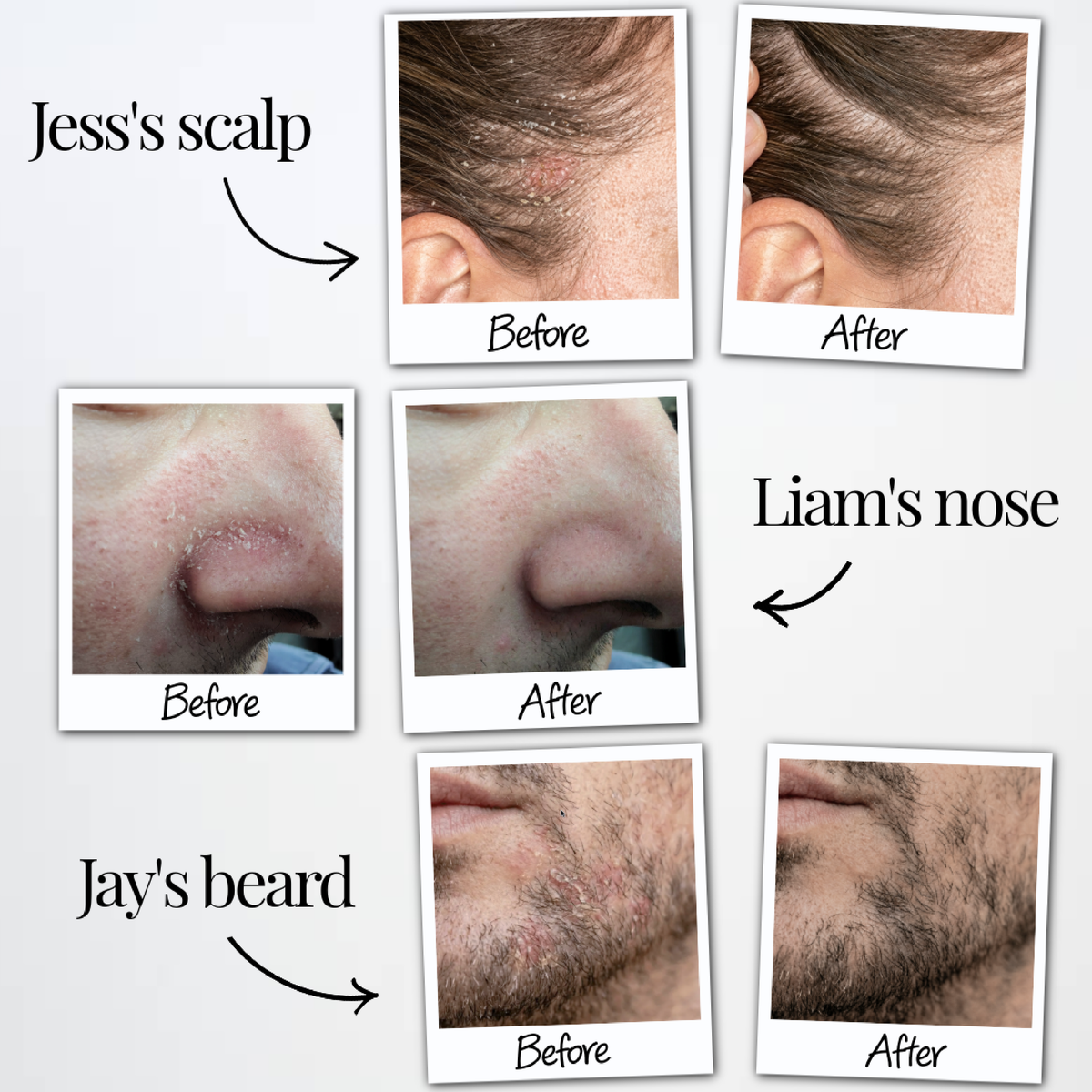
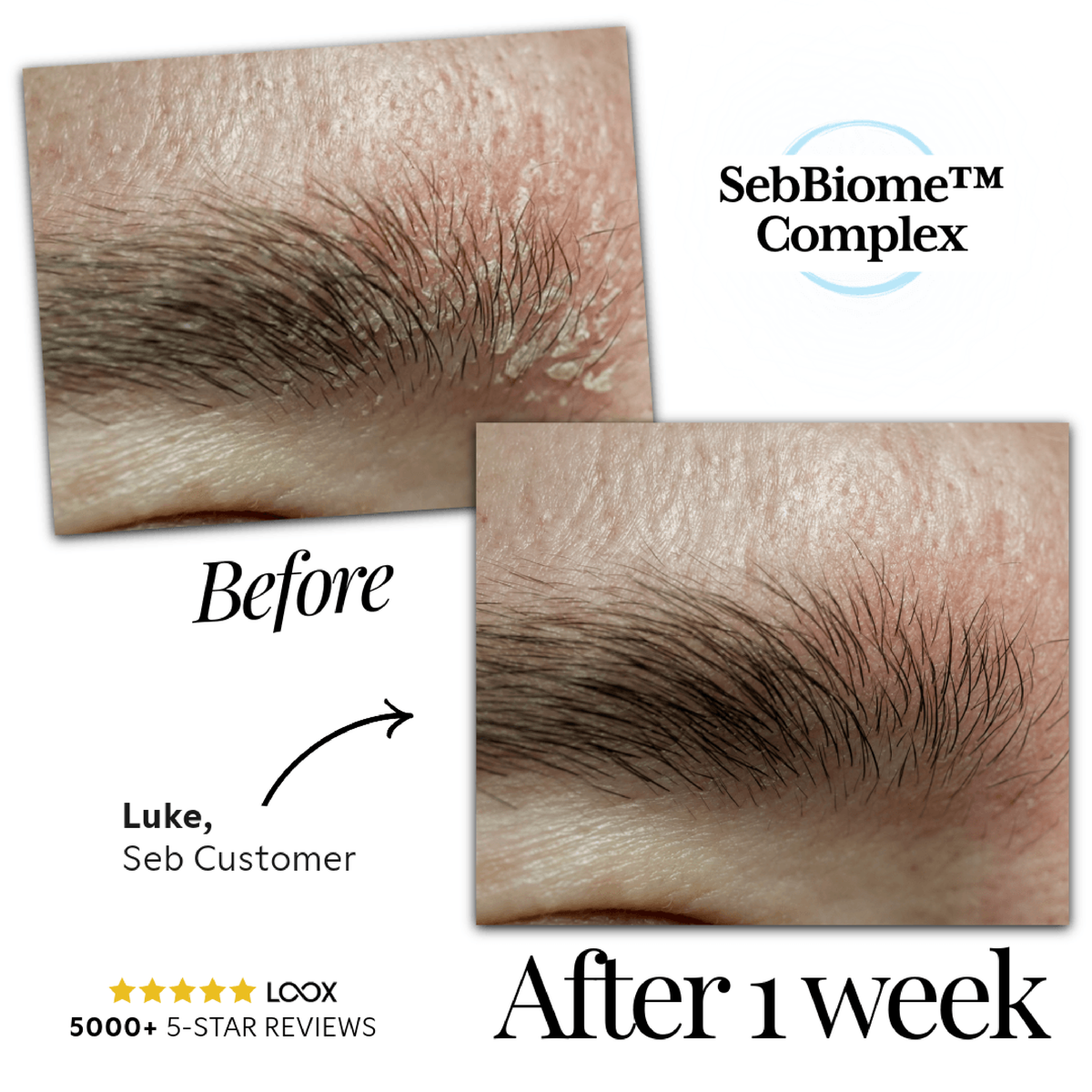
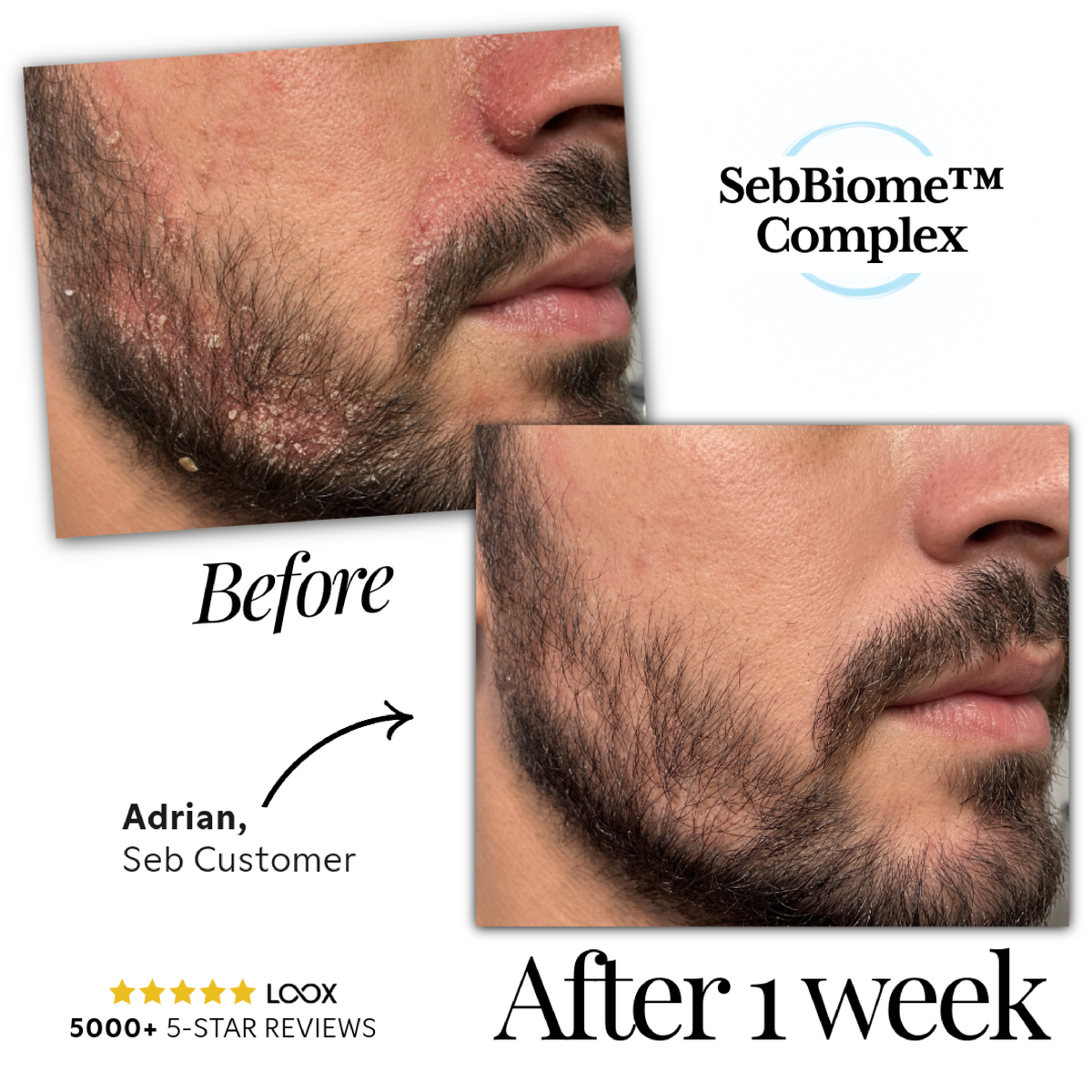
-Thick plaques
-Silvery scales
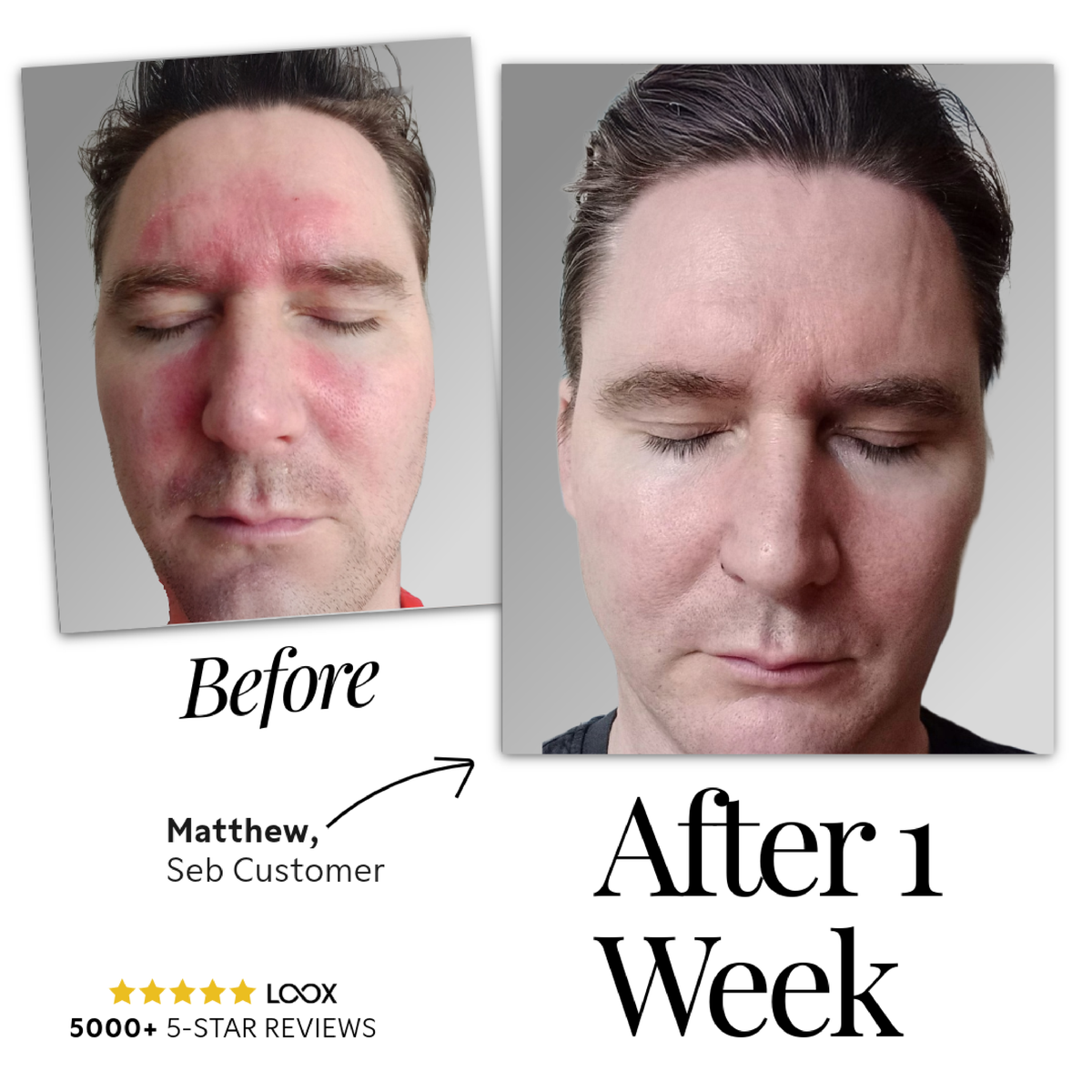
-Red inflammation
-Cracking
-Bleeding
-Burning sensations
Psoriasis is essentially skin growth happening too fast for biological organization.
Why Psoriasis Is Deeply Misunderstood Socially
Many people still mistakenly believe psoriasis is:
-Contagious
-Caused by poor hygiene
-An allergy
-Merely cosmetic
This misunderstanding creates enormous psychological damage.
People with visible psoriasis often report:
-Staring in public
-Avoidance by others
-Embarrassment at gyms or pools
-Workplace insecurity
The emotional burden becomes especially severe because psoriasis is so visible.
Unlike many chronic diseases, sufferers cannot easily hide it.
Their immune system is effectively broadcasting itself on the skin.
The Link Between Psoriasis and Mental Health
Psoriasis has unusually strong associations with:
-Anxiety
-Depression
-Social withdrawal
-Body dysmorphia tendencies
-Chronic stress
Part of this is social.
But part of it may also be biological.
Inflammation itself appears capable of influencing mood and cognition.
Researchers increasingly study the relationship between inflammatory cytokines and depression.
This means psoriasis may affect mental health through both:
- Psychological experience
- Biological inflammatory signalling
That distinction matters.
Mental exhaustion in psoriasis is not always purely emotional.
Psoriasis and the Body Beyond Skin
One of the biggest scientific shifts has been recognizing psoriasis as a whole-body inflammatory condition.
Moderate-to-severe psoriasis is associated with elevated risk of:
-Psoriatic arthritis
-Cardiovascular disease
-Metabolic syndrome
-Insulin resistance
-Obesity
-Fatty liver disease
This does not mean psoriasis directly causes all these conditions.
But chronic systemic inflammation appears to create overlapping risk pathways.
This is why modern psoriasis care increasingly involves broader health monitoring rather than focusing only on skin clearance.
The Fascinating Trauma Response Called the Koebner Phenomenon
One of psoriasis’s strangest characteristics is the Koebner phenomenon.
In some patients, skin trauma can trigger new psoriasis lesions.
Triggers may include:
-Scratches
-Cuts
-Sunburns
-Tattoos
-Surgical scars
-Friction
The immune system essentially overreacts to local injury and transforms healing into inflammatory plaque formation.
This reveals something profound:
Psoriasis is not merely excessive skin growth.
It is altered immune interpretation.
The body misreads signals and escalates repair into chronic inflammation.
Why Stress Flares Feel So Immediate
Many psoriasis patients experience flares after:
-Emotional trauma
-Work pressure
-Financial stress
-Grief
-Sleep deprivation
Stress changes inflammatory signalling throughout the body.
In genetically predisposed individuals, this may push the immune system into a flare state.
Interestingly, psoriasis itself also causes stress.
That creates another vicious cycle:
Stress worsens psoriasis.
Psoriasis increases stress.
Breaking this loop often requires more than creams.
Why Some Treatments Work Miraculously for One Person and Fail for Another
Psoriasis treatment is notoriously individualised.
One patient may respond dramatically to:
-Biologics
-UV therapy
-Coal tar
-Methotrexate
-Diet changes
-Weight reduction
Another may see little improvement from the same approach.
This variability reflects psoriasis’s biological complexity.
The disease involves multiple immune pathways, including:
-TNF-alpha
-IL-17
-IL-23
-T-cell dysregulation
Different patients may have different inflammatory dominance patterns.
That’s why personalized medicine is becoming increasingly important in psoriasis care.
The Rise of Biologic Therapy Changed Everything
Perhaps no dermatologic disease has been transformed more dramatically by biologic medications than psoriasis.
For severe sufferers, biologics have produced life-changing results.
Some patients who spent decades covered in plaques suddenly experience nearly clear skin.
This has shifted expectations dramatically.
Older generations of psoriasis patients were often taught to merely “manage” symptoms.
Now, significant clearance is increasingly possible.
But biologics also raise important questions:
-Long-term immune modulation effects
-Access inequality
-Insurance barriers
-Cost sustainability
-Infection risk balancing
The future challenge is not only scientific.
It is also economic and ethical.
The Diet Debate Around Psoriasis
Few topics generate more online argument than diet and psoriasis.
Some people report major improvement from:
-Weight loss
-Reducing alcohol
-Mediterranean-style diets
-Anti-inflammatory eating patterns
-Lower ultra-processed food intake
Others see no meaningful changes.
The evidence remains mixed.
But one thing is becoming increasingly clear:
Systemic inflammation and metabolic health appear connected to psoriasis severity in at least some patients.
The future may reveal that nutrition affects subtypes of psoriasis differently rather than universally.
Why Psoriasis Patients Often Become Experts in Immunology
Living with psoriasis frequently forces people to learn concepts most healthy individuals never think about:
-Cytokines
-Autoimmunity
-Immune modulation
-Biologic pathways
-Inflammatory markers
-Trigger mapping
Patients often become deeply informed because the condition demands constant adaptation.
In many ways, psoriasis transforms ordinary people into long-term investigators of their own immune systems.
Final Thought
Psoriasis is not simply skin growing too quickly.
It is the visible result of an immune system stuck in a chronic state of inflammatory acceleration.
The plaques matter.
But the story underneath them matters even more.
Understanding psoriasis requires moving beyond cosmetic thinking and recognising it as a complex immune, metabolic, psychological, and systemic condition.