Psoriasis in Thin vs Thick Skin Areas
Psoriasis doesn’t look the same everywhere on the body. A plaque on your elbow behaves very differently from one on your eyelid or in a skin fold. That’s because skin thickness varies dramatically across different body areas — and psoriasis responds to those structural differences.
Understanding how psoriasis presents in thin versus thick skin areas can help you:
-Recognise symptoms earlier
-Avoid misdiagnosis
-Choose safer treatments
-Prevent unnecessary irritation
Let’s break it down.
What Is Psoriasis?
Psoriasis is a chronic autoimmune inflammatory condition that speeds up skin cell turnover. Instead of renewing every 28–30 days, skin cells multiply in just a few days — causing:
-Thickened plaques
-Scaling
-Redness
-Itching
-Cracking
The most common type is Plaque psoriasis, which accounts for the majority of cases.
But how those plaques look depends heavily on where they appear.
What Do We Mean by Thin vs Thick Skin?
Skin thickness varies by location:
Thick Skin Areas
-Elbows
-Knees
-Palms
-Soles
-Lower back
-Scalp
These areas have:
-A thicker stratum corneum (outer layer)
-More keratin buildup
-Higher tolerance for friction
Thin Skin Areas
-Eyelids
-Genitals
-Underarms
-Inner thighs
-Neck
-Skin folds
These areas have:
-Thinner epidermis
-Less protective barrier
-Higher sensitivity
-Greater moisture retention
Now let’s compare how psoriasis behaves in each.
Psoriasis in Thick Skin Areas
Appearance
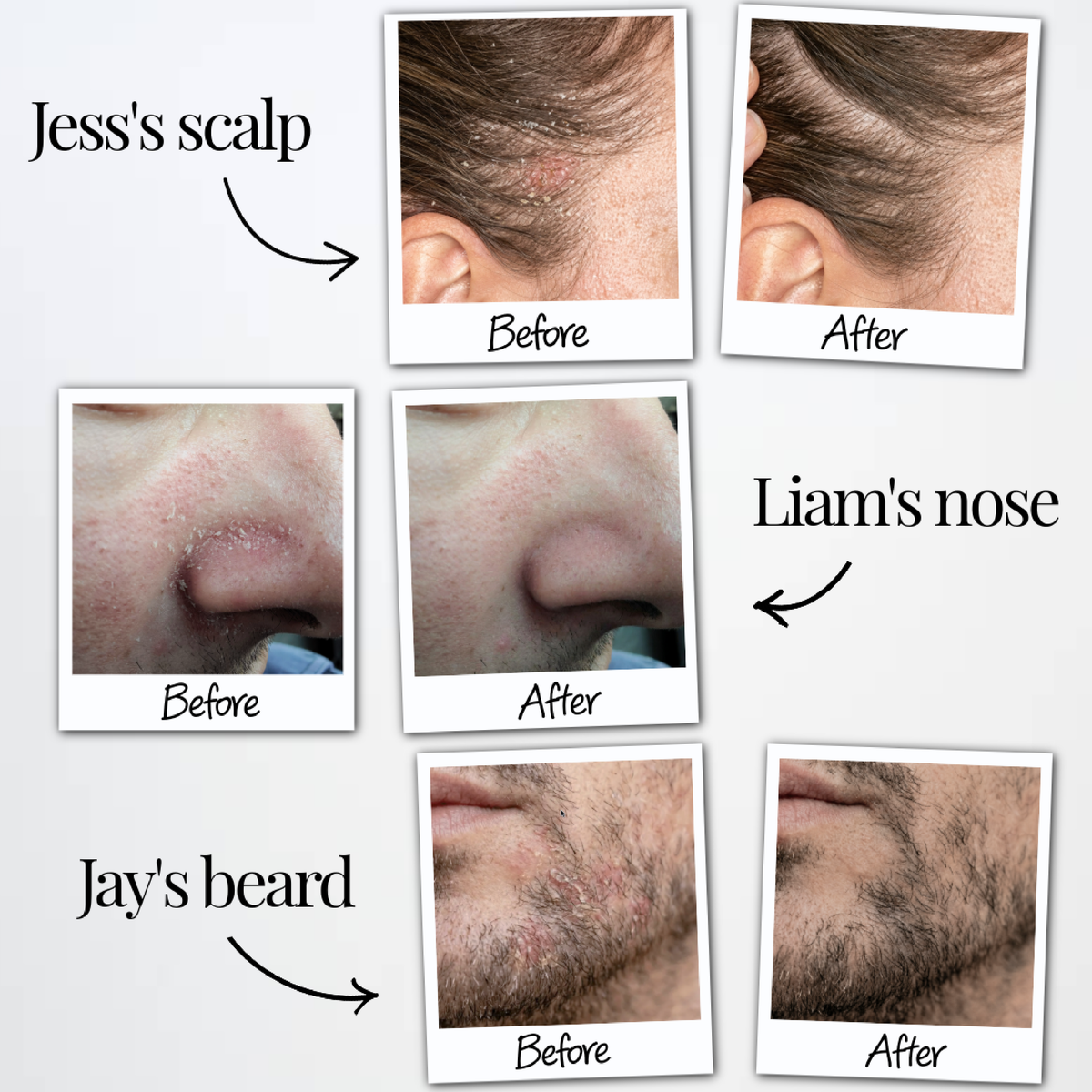
In thick skin, psoriasis typically appears as:
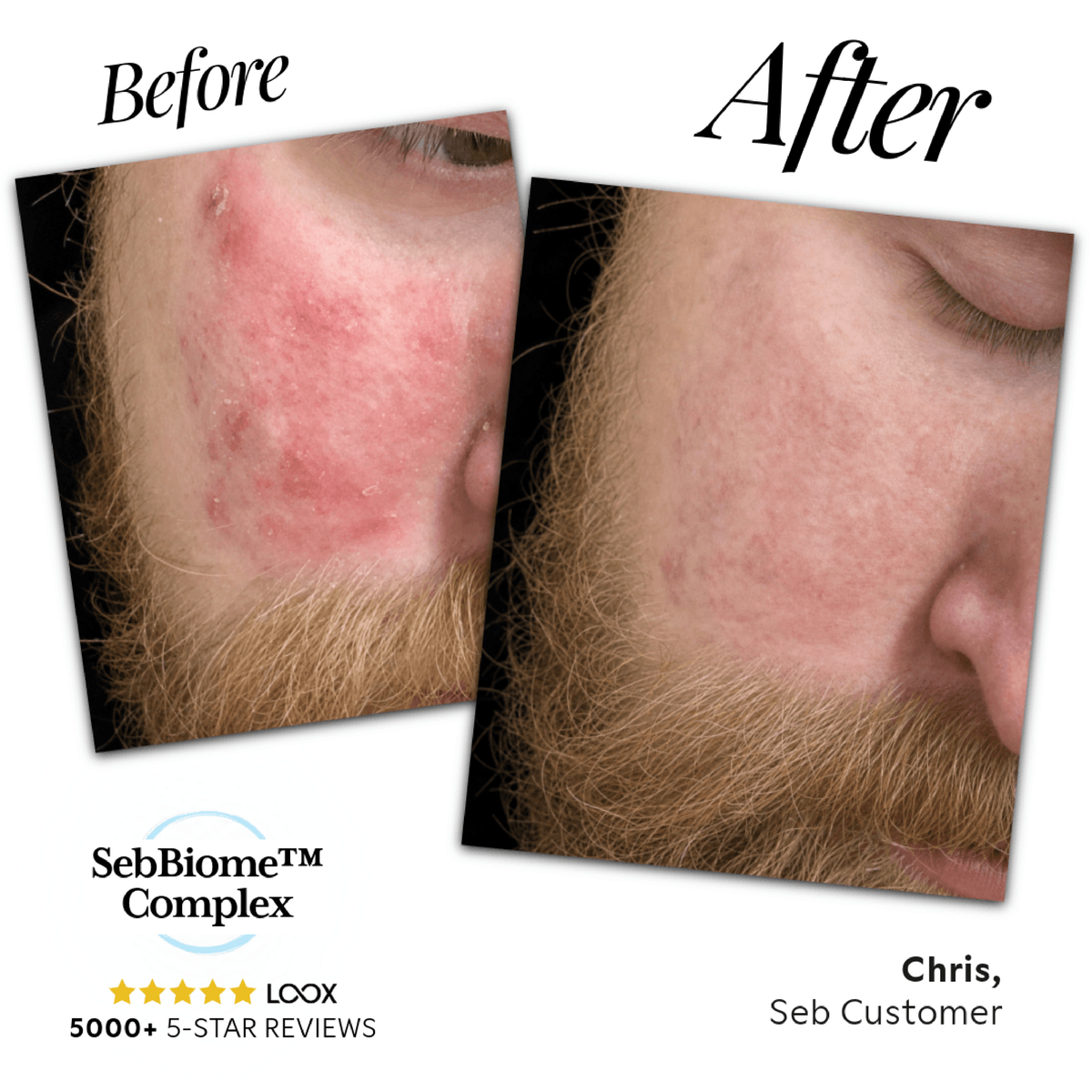
-Well-defined raised plaques
-Thick, silvery-white scales
-Deep red or pink base
-Cracking and bleeding in severe cases
The scale buildup can become substantial because the outer skin layer is already thicker in these areas.
Common Locations
-Elbows and knees (classic presentation)
-Scalp
-Palms and soles
-Lower back
Symptoms
-Intense itching
-Tightness
-Pain if cracks develop
-Scaling that sheds visibly
Why It Looks So Thick
In these areas:
-Rapid cell turnover stacks onto an already thick stratum corneum
-Friction stimulates further skin thickening
-Inflammation increases plaque buildup
Treatment Considerations
Thick plaques often require:
-Stronger topical corticosteroids
-Vitamin D analogs
-Coal tar preparations
-Keratolytics (like salicylic acid) to break down scale
The thicker skin can tolerate more potent treatments compared to delicate areas.
Psoriasis in Thin Skin Areas
Psoriasis in thin or folded skin areas is often referred to as Inverse psoriasis.
Appearance
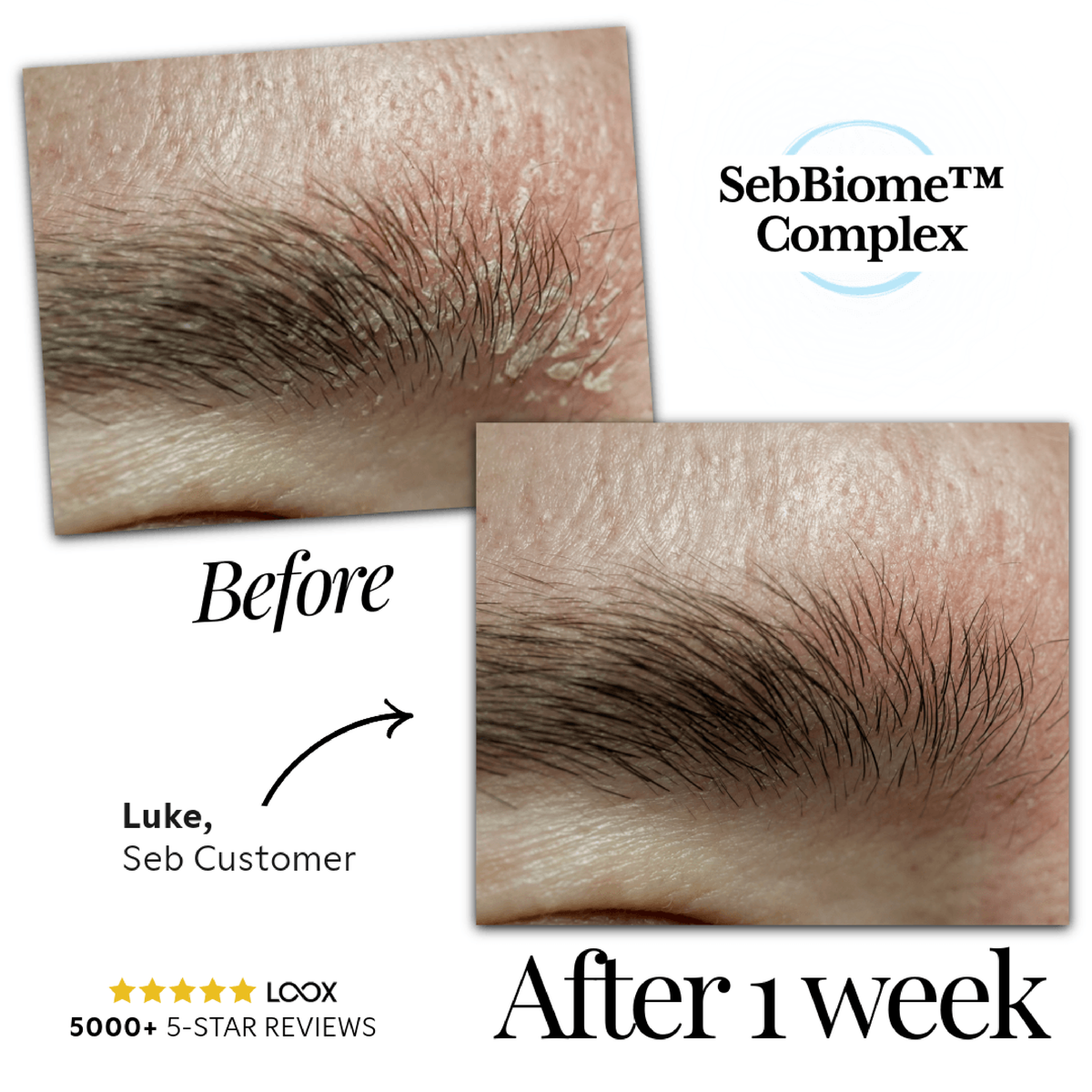
Instead of thick plaques, you’ll often see:
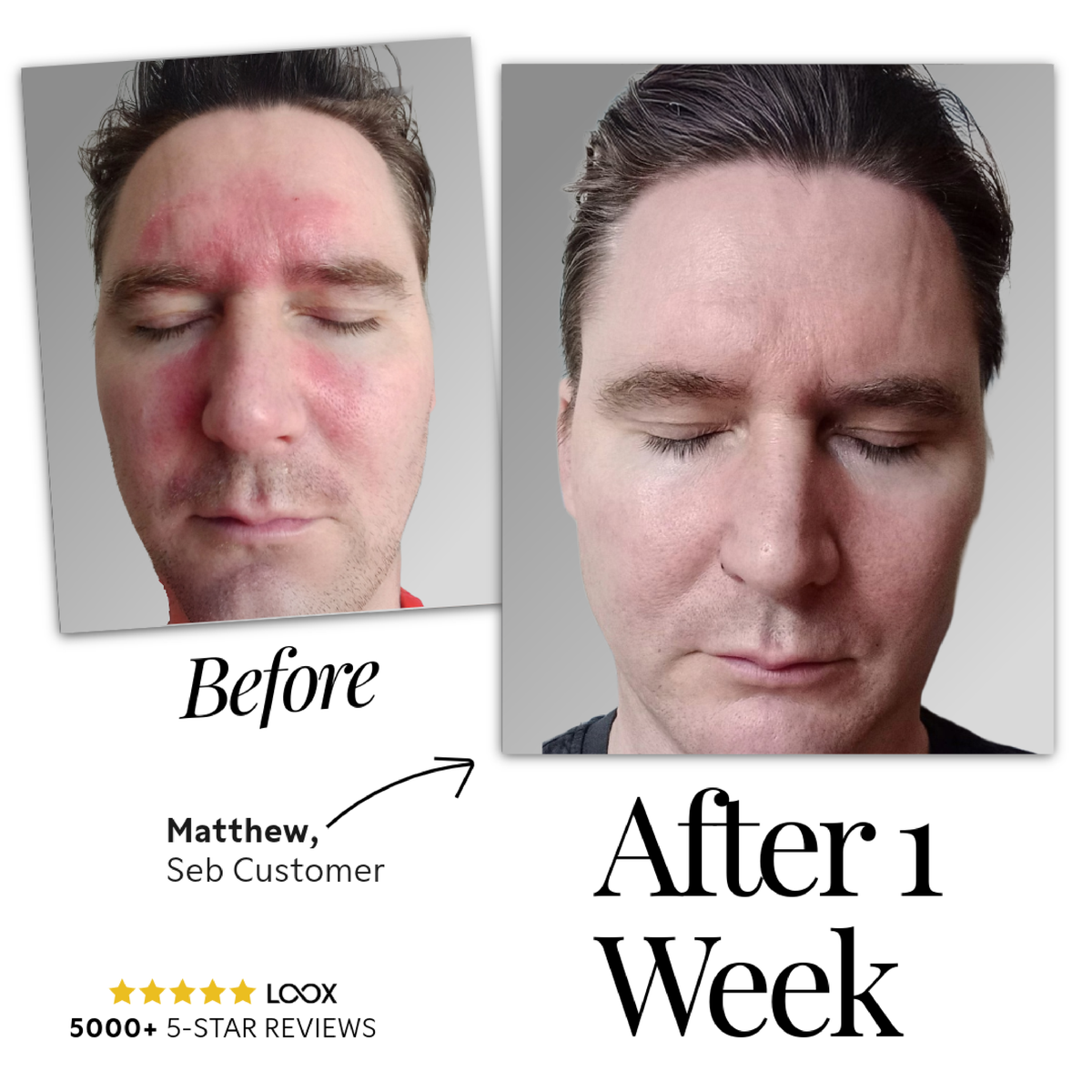
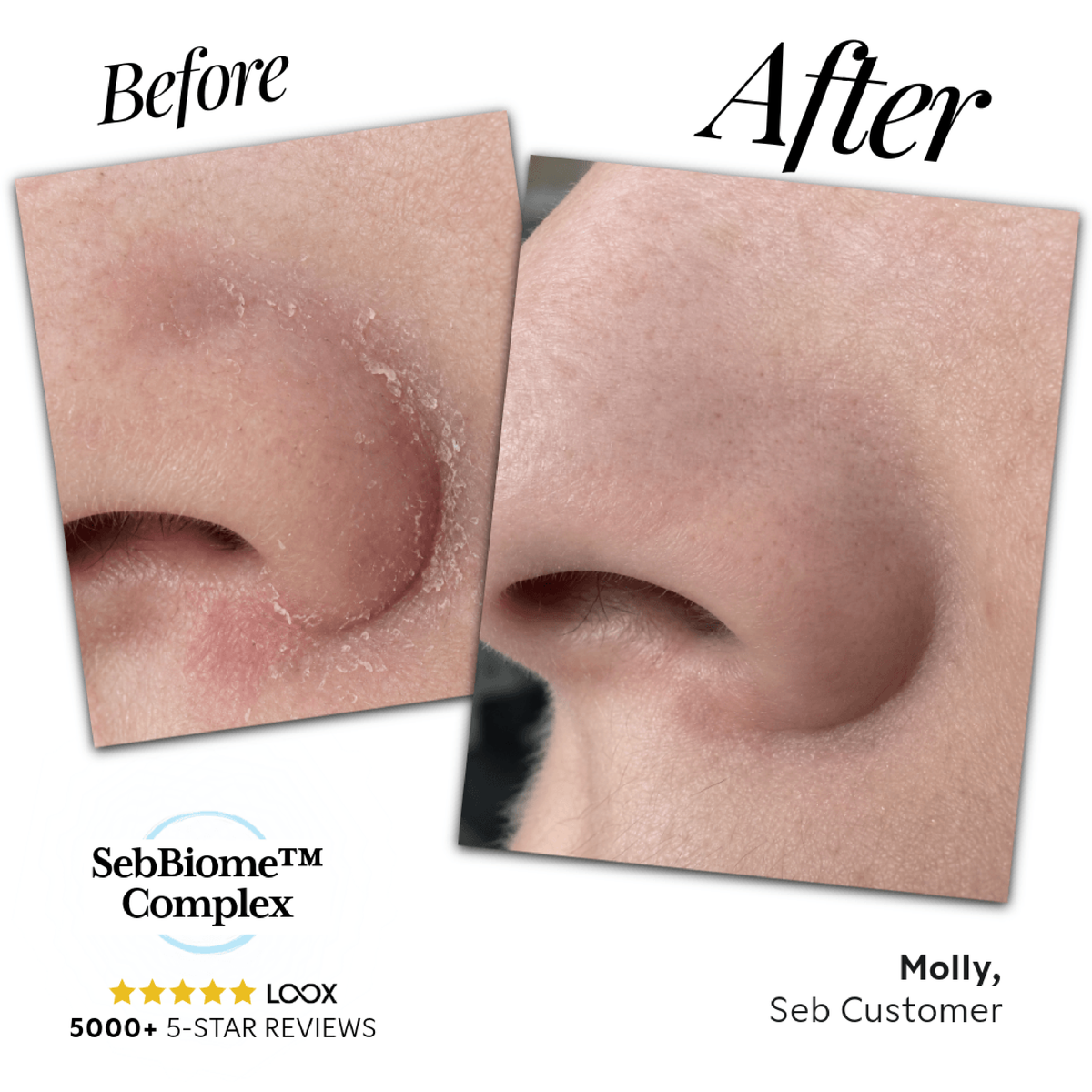
-Smooth, shiny red patches
-Minimal or no visible scaling
-Moist appearance
-Sharp borders
The absence of thick scale can make diagnosis tricky.
Common Locations
-Underarms
-Groin
-Under breasts
-Between buttocks
-Eyelids
-Genitals
Symptoms
-Burning more than itching
-Stinging
-Sensitivity to sweat
-Irritation from friction
Why There’s Less Scaling
In skin folds:
-Moisture prevents scale from accumulating
-Friction rubs off excess buildup
-Thin epidermis limits plaque thickness
The inflammation is still present — it just looks different.
Key Differences: Thin vs Thick Skin Psoriasis
| Feature | Thick Skin Areas | Thin Skin Areas |
|---|---|---|
| Scale | Thick, silvery | Minimal or absent |
| Texture | Raised plaques | Smooth, shiny |
| Discomfort | Itchy, cracking | Burning, sensitive |
| Treatment Strength | Higher potency tolerated | Must use low potency |
| Misdiagnosis Risk | Lower | Higher |
Why Treatment Must Be Adjusted by Location
Using the same medication strength everywhere can cause problems.
On Thick Skin:
Low-potency steroids may not penetrate enough.
On Thin Skin:
High-potency steroids can cause:
-Skin thinning (atrophy)
-Stretch marks
-Increased absorption and side effects
Thin areas require:
-Lower potency corticosteroids
-Non-steroid options (calcineurin inhibitors)
-Shorter treatment durations
Location matters as much as severity.
Special Case: Scalp Psoriasis
The scalp behaves like thick skin but is complicated by hair.
You may notice:
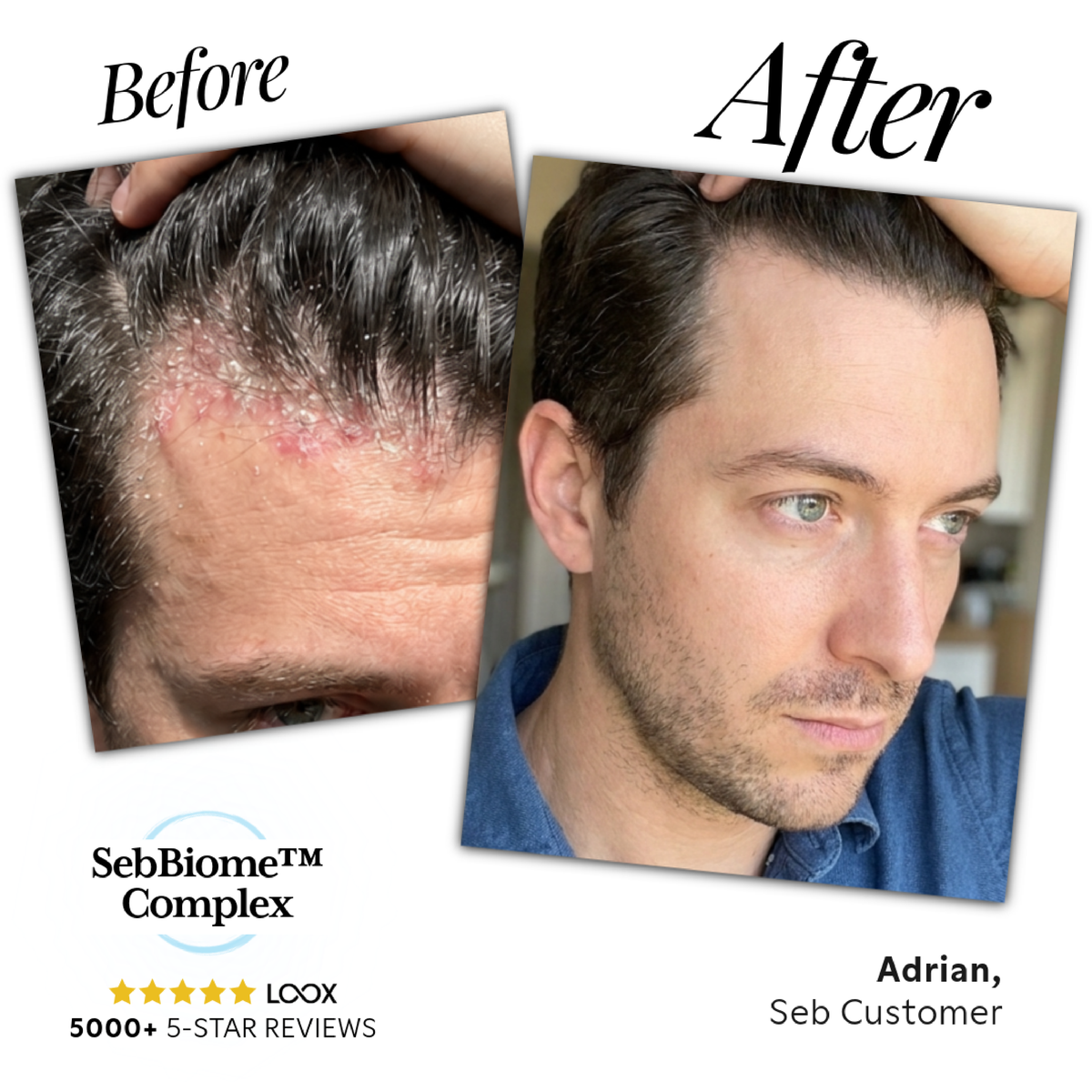
-Thick adherent scale
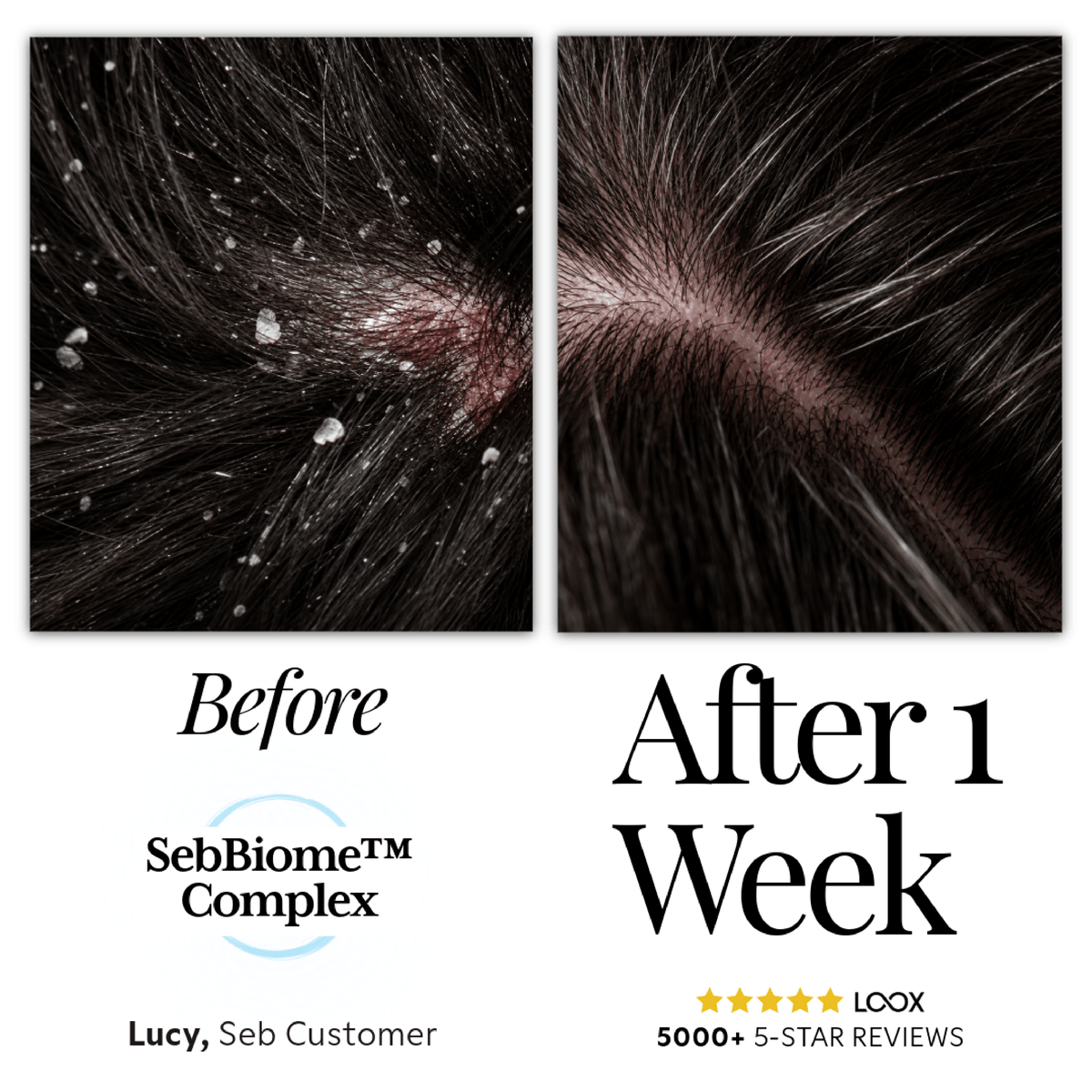
-Flakes resembling severe dandruff
-Plaques extending to the hairline
Unlike seborrheic dermatitis, scalp psoriasis plaques are often thicker and sharply defined.
Emotional Impact by Location
Thin-area psoriasis (especially genital or facial) can cause:
-Embarrassment
-Anxiety
-Avoidance of intimacy
-Reduced self-confidence
Even if plaques are smaller, the psychological burden can be greater.
When to See a Dermatologist
Seek medical evaluation if:
-Rash appears in skin folds and doesn’t improve
-You’re unsure whether it’s fungal infection or psoriasis
-Over-the-counter creams worsen symptoms
-You notice joint pain (possible psoriatic arthritis)
Accurate diagnosis is crucial — particularly in thin areas where psoriasis can mimic fungal or bacterial infections.
Final Thoughts
Psoriasis doesn’t behave the same everywhere.
In thick skin areas, expect:
-Raised plaques
-Heavy scaling
-Stronger treatment needs
In thin skin areas, expect:
-Smooth red patches
-Increased sensitivity
-Gentler treatment requirements
Understanding how skin thickness influences psoriasis can help you manage flare-ups more effectively — and avoid complications from inappropriate treatments.