Psoriasis 101 — Symptoms, Causes, Treatments, and Daily Management Tips
Psoriasis is one of the most common chronic autoimmune skin conditions, yet it remains widely misunderstood. Many people mistakenly believe it is contagious or simply a cosmetic issue. In reality, psoriasis is a complex immune-mediated disease that can affect not only the skin but also the joints, nails, mental health, and overall quality of life.
For some individuals, psoriasis appears as occasional patches of dry skin. For others, it becomes a lifelong condition involving pain, inflammation, and emotional stress. Understanding the disease is essential for early treatment, symptom management, and long-term health.
What Is Psoriasis?
Psoriasis is a chronic autoimmune condition that speeds up the skin cell life cycle.
Normally, skin cells grow and shed gradually over several weeks. In people with psoriasis, this process happens far too quickly. Skin cells accumulate on the surface before the body can shed them properly, forming thick, scaly plaques.
The condition is driven by immune system dysfunction and inflammation.
Common Symptoms of Psoriasis
Symptoms vary widely depending on the type and severity of psoriasis.
Common signs include:
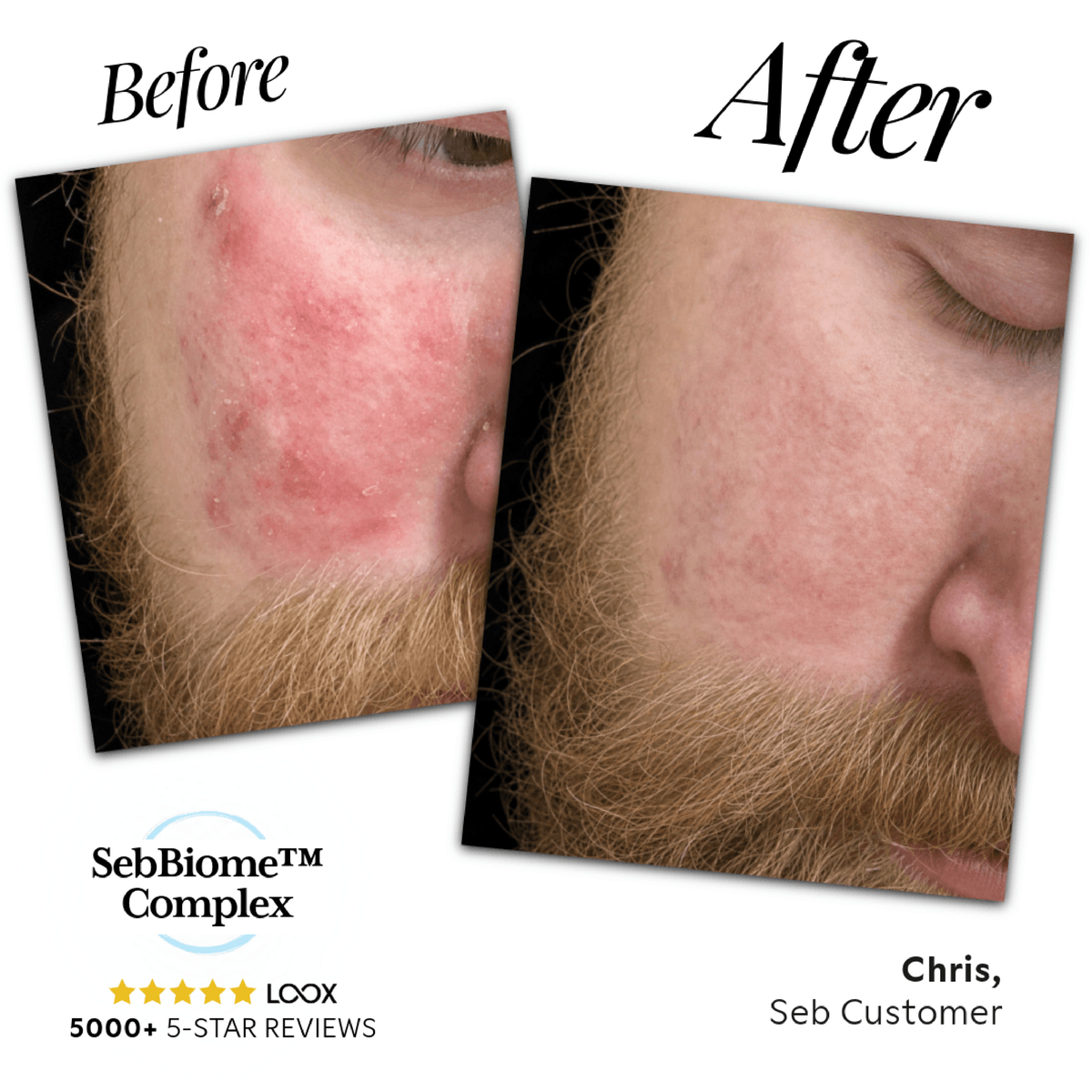
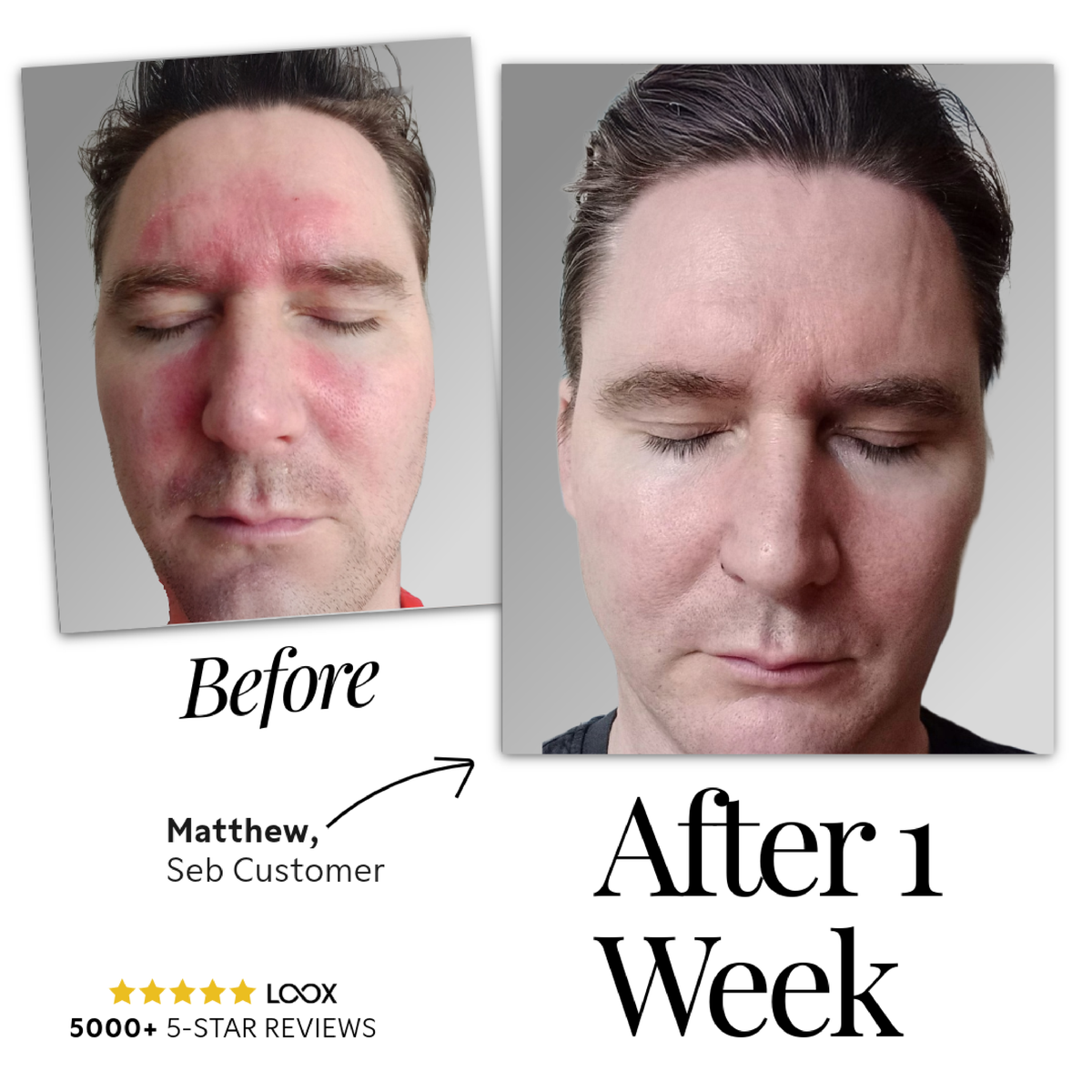
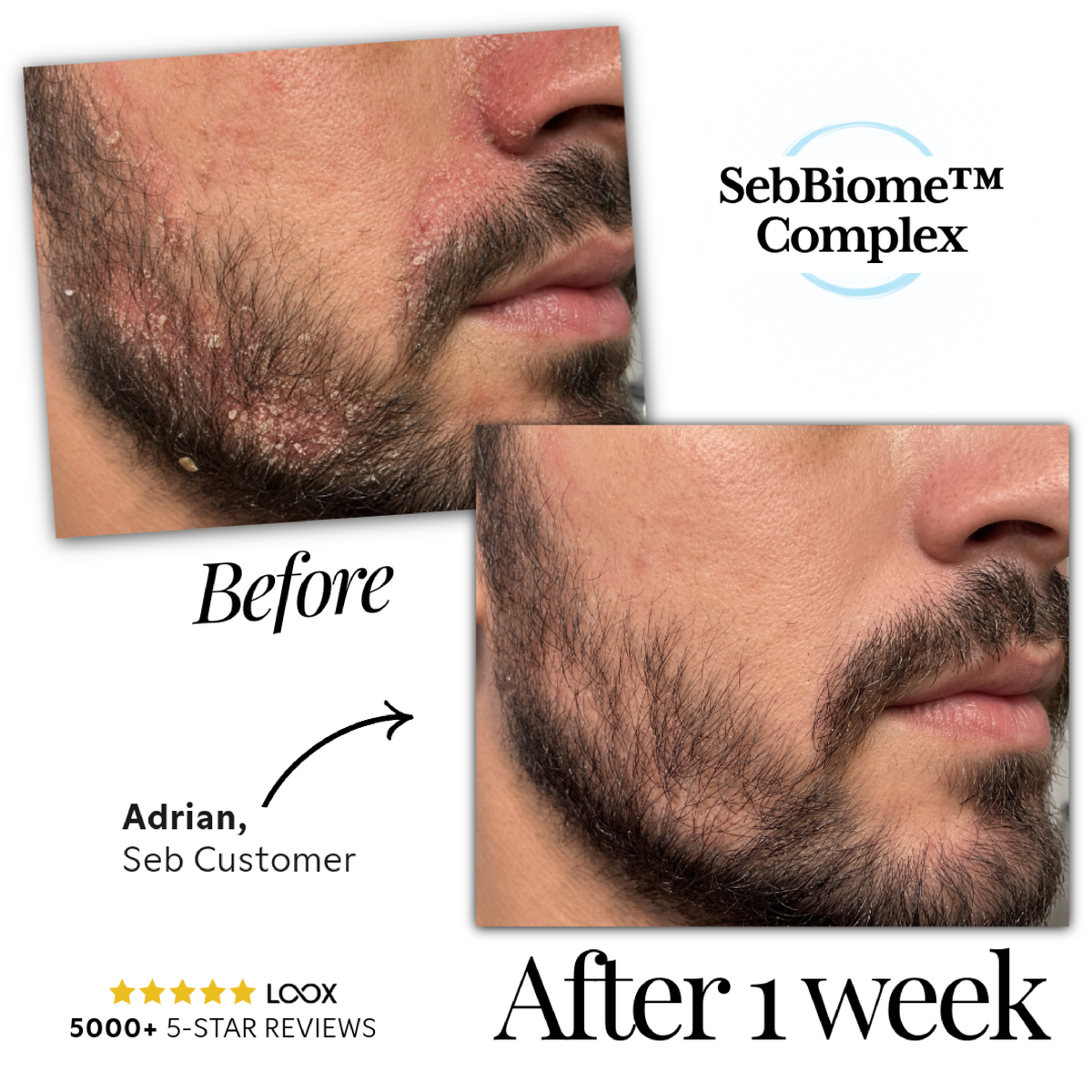
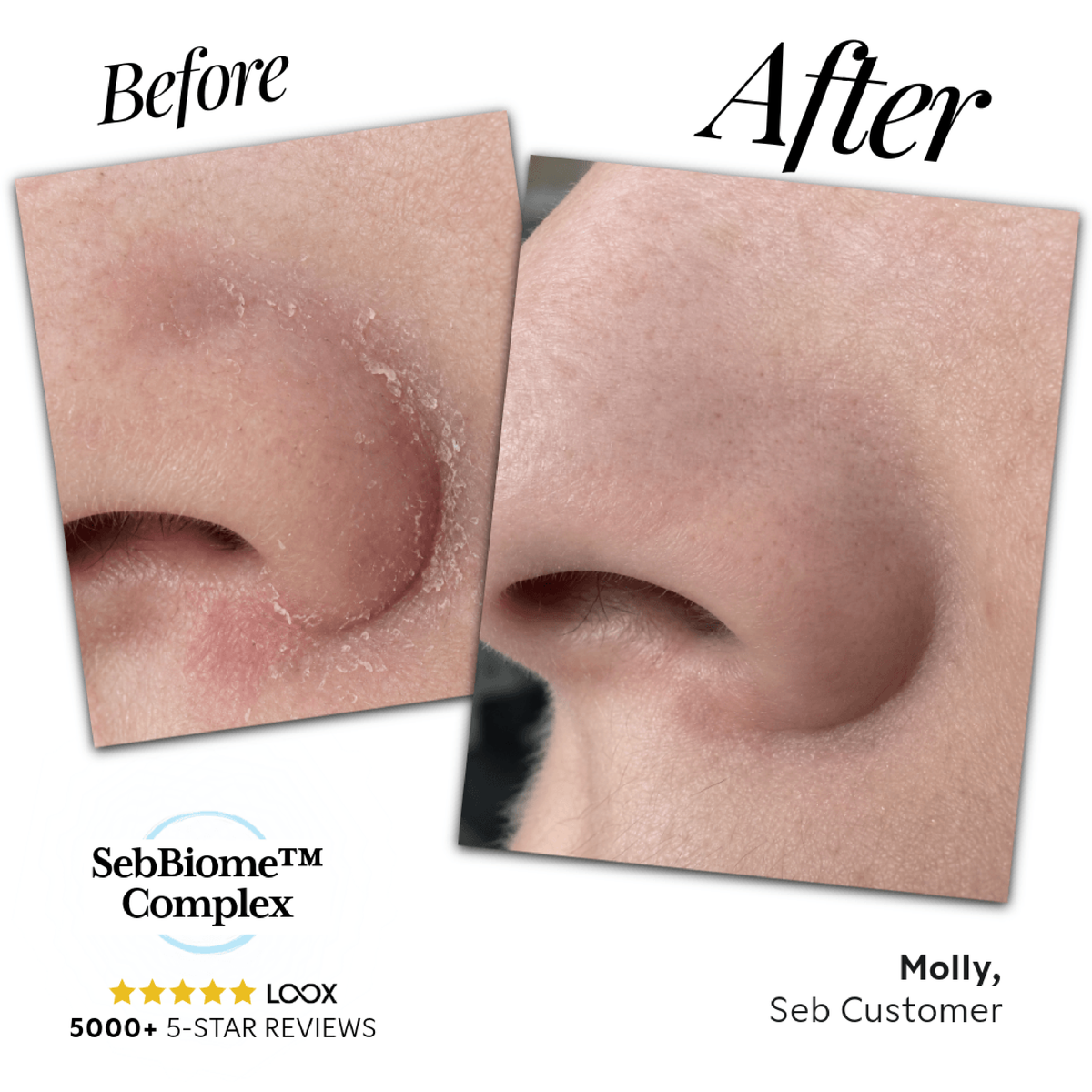
-Thick red patches of skin
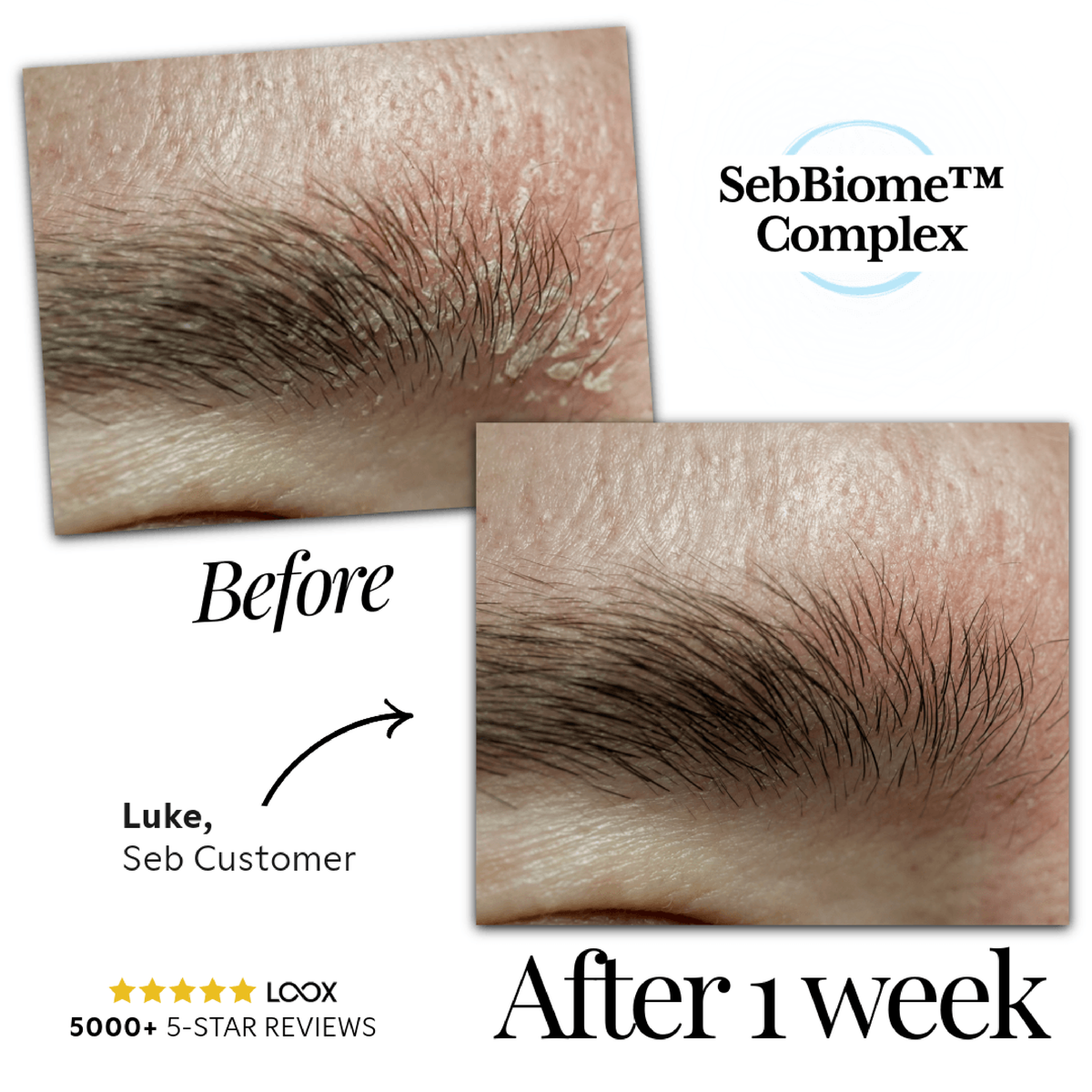
-Silvery-white scales
-Dry or cracked skin
-Itching or burning
-Painful plaques
-Bleeding from cracked skin
-Nail pitting or discolouration
Psoriasis commonly affects:
-Elbows
-Knees
-Scalp
-Lower back
-Hands
-Feet
Types of Psoriasis
There are several forms of psoriasis, each with unique characteristics.
Plaque Psoriasis
The most common type, characterised by raised, scaly plaques.
Scalp Psoriasis
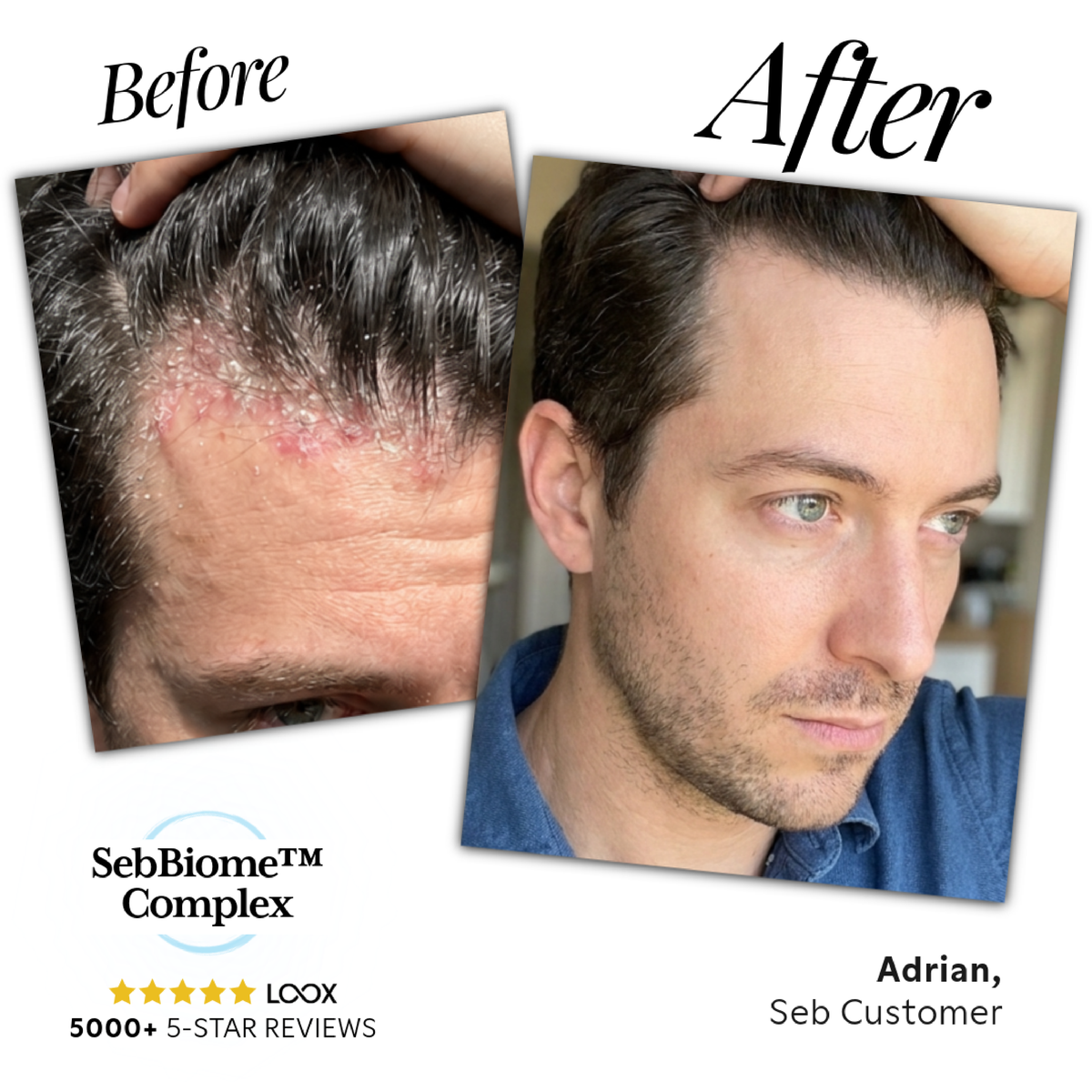
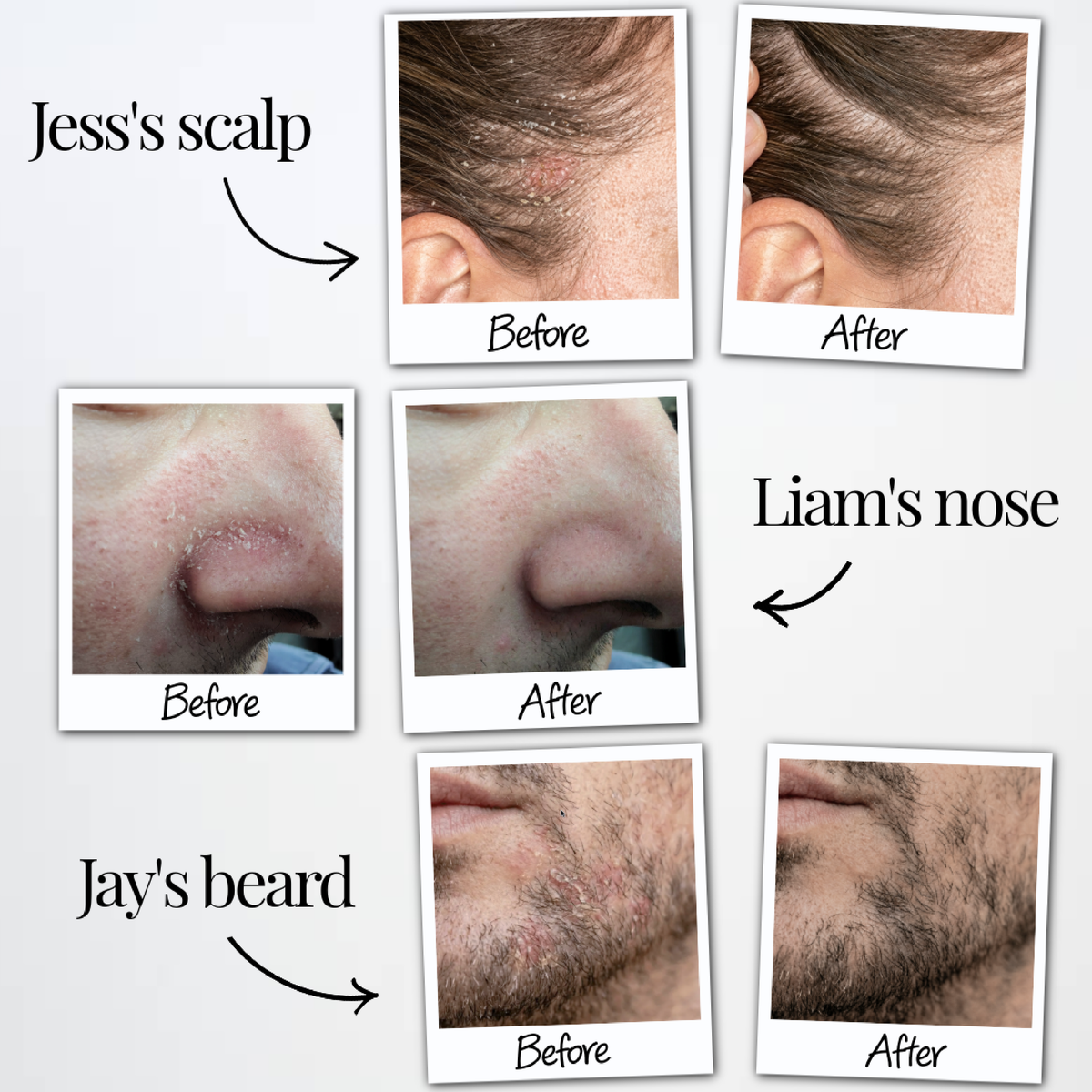
Affects the scalp and may resemble severe dandruff.
Guttate Psoriasis
Appears as small drop-shaped spots, often triggered by infections.
Inverse Psoriasis
Occurs in skin folds such as the armpits or groin.
Pustular Psoriasis
Features pus-filled bumps surrounded by inflamed skin.
Erythrodermic Psoriasis
A rare but severe form causing widespread redness and peeling.
What Causes Psoriasis?
Psoriasis develops due to an overactive immune response.
T-cells mistakenly attack healthy skin cells, triggering inflammation and accelerated skin turnover.
Several factors may contribute to the disease.
Genetics
Psoriasis often runs in families.
Immune Dysfunction
The immune system plays a central role in triggering inflammation.
Environmental Triggers
Certain external factors may activate flare-ups.
Common Psoriasis Triggers
Even when symptoms are controlled, flare-ups can occur.
Stress
Psychological stress is one of the most common triggers.
Skin Injury
Cuts, burns, or scratches may trigger new lesions.
Infections
Illnesses such as strep throat can provoke psoriasis flare-ups.
Cold Weather
Dry winter conditions often worsen symptoms.
Smoking and Alcohol
Both may intensify inflammation and reduce treatment effectiveness.
Certain Medications
Some drugs, including lithium and beta blockers, may aggravate psoriasis.
Is Psoriasis Contagious?
No. Psoriasis cannot spread from person to person through touch or contact.
This misconception contributes to unnecessary stigma and emotional distress for many patients.
Psoriasis and Psoriatic Arthritis
Up to 30% of people with psoriasis may develop psoriatic arthritis, an inflammatory joint condition.
Symptoms may include:
-Joint pain
-Stiffness
-Swelling
-Reduced mobility
Early treatment is important because untreated inflammation can lead to permanent joint damage.
Treatment Options for Psoriasis
Treatment depends on severity, location, and individual response.
Topical Treatments
Mild psoriasis is often treated with:
-Corticosteroid creams
-Vitamin D analogs
-Coal tar products
-Salicylic acid
Phototherapy
Controlled ultraviolet light therapy may reduce inflammation and slow skin cell production.
Systemic Medications
Moderate to severe psoriasis may require oral or injectable medications that suppress immune activity.
Biologic Therapies
Biologics target specific parts of the immune system and have transformed psoriasis treatment in recent years.
These medications can significantly reduce symptoms in many patients.
Skincare Tips for Psoriasis
Daily skin care is essential for minimising discomfort and preventing flare-ups.
Moisturise Frequently
Hydrated skin is less prone to cracking and irritation.
Avoid Harsh Products
Fragrances and strong chemicals can aggravate sensitive skin.
Use Lukewarm Water
Hot showers may worsen dryness and inflammation.
Protect the Skin
Prevent cuts, burns, and excessive scratching.
Diet and Psoriasis
Research on diet is still developing, but some individuals report improvement by reducing inflammatory foods.
Potentially helpful dietary habits may include:
-Eating more fruits and vegetables
-Increasing omega-3 intake
-Limiting processed foods
-Maintaining a healthy weight
However, no universal psoriasis diet exists.
Mental Health and Psoriasis
Psoriasis can significantly impact emotional well-being.
Visible skin lesions may contribute to:
-Anxiety
-Depression
-Social isolation
-Low self-esteem
Addressing mental health is an important part of overall psoriasis management.
When to See a Doctor
Medical care is important if:
-Symptoms worsen rapidly
-Joint pain develops
-Over-the-counter treatments fail
-Daily activities become difficult
-Skin becomes painful or infected
Early diagnosis and treatment may help prevent complications.
Living With Psoriasis
Psoriasis is a lifelong condition, but many people successfully manage it through treatment, skincare, and lifestyle adjustments.
Flare-ups may still happen, but understanding triggers and maintaining consistency can greatly improve symptom control.
The most important thing to remember is that psoriasis does not define a person. With proper care and support, individuals with psoriasis can lead healthy, active, and confident lives.