Managing Multiple Skin Conditions — Seborrheic Dermatitis, Eczema, and Psoriasis Together
When diagnoses overlap, the skin stops behaving like a single system
When someone is diagnosed with seborrheic dermatitis, eczema, and psoriasis at the same time, the immediate assumption is that something unusual is happening. In reality, it is not unusual at all. What is unusual is how differently each condition behaves under the same body. The mistake is treating them as three separate problems rather than three expressions of a shared regulatory system that is no longer stable.
These conditions are not variations of the same disease. They are fundamentally different immune strategies that the skin deploys in response to different kinds of stress. When they coexist, the skin is not confused; it is over-coordinated. Multiple immune programs are running at once in different regions, sometimes reinforcing each other and sometimes actively interfering.
The immune architecture behind each condition
Eczema represents a barrier failure state where the skin becomes overly permeable and reactive. The immune system shifts toward a Th2-dominant response, which makes the skin more sensitive to allergens, irritants, and environmental fluctuations. The core problem is not just inflammation, but instability in the barrier itself.
Psoriasis behaves in almost the opposite direction. It is an accelerated growth and immune activation state driven by Th17 and Th1 signalling. The skin becomes overly protective, producing cells too quickly and creating thickened plaques. It is not a fragile barrier, but an overactive one.
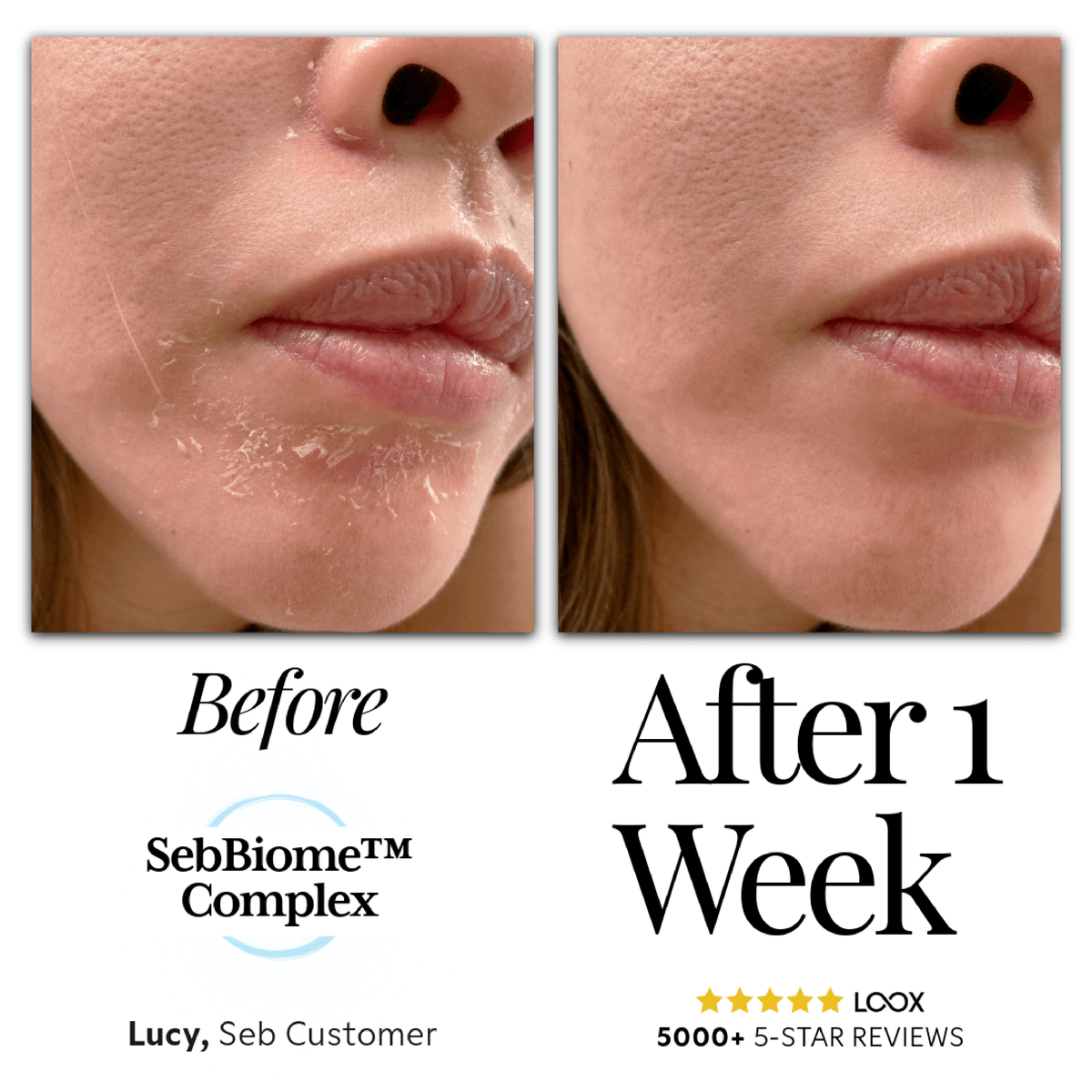
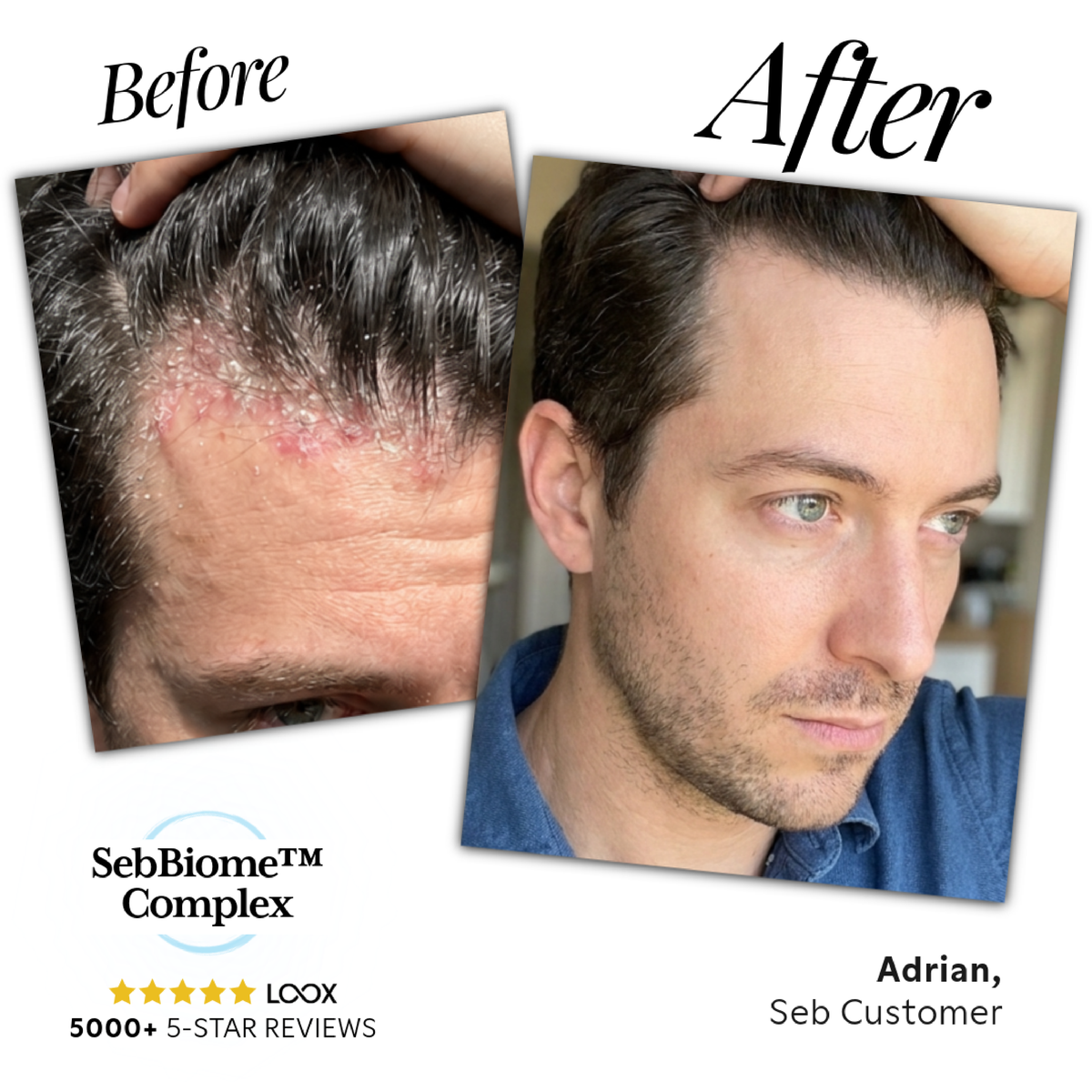
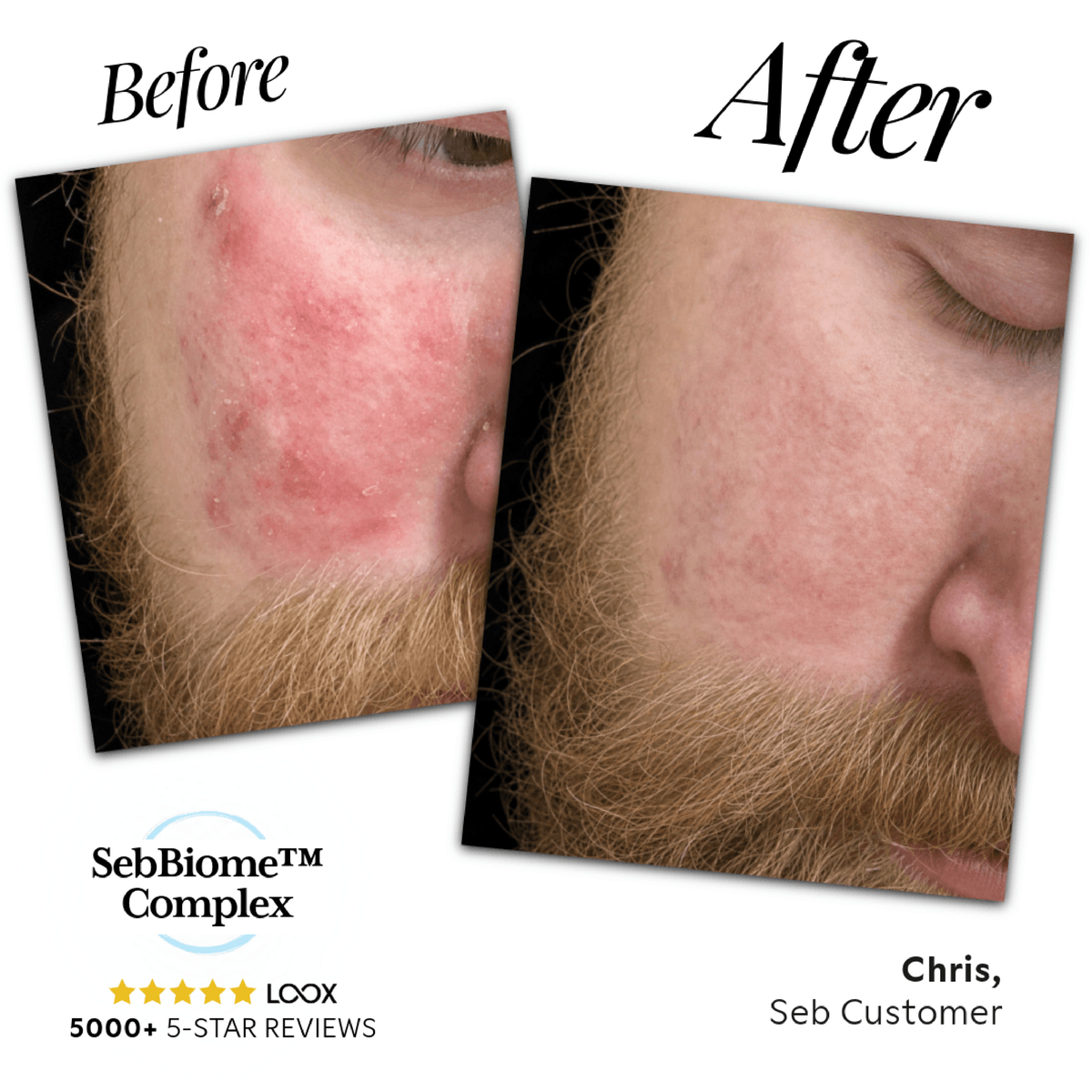
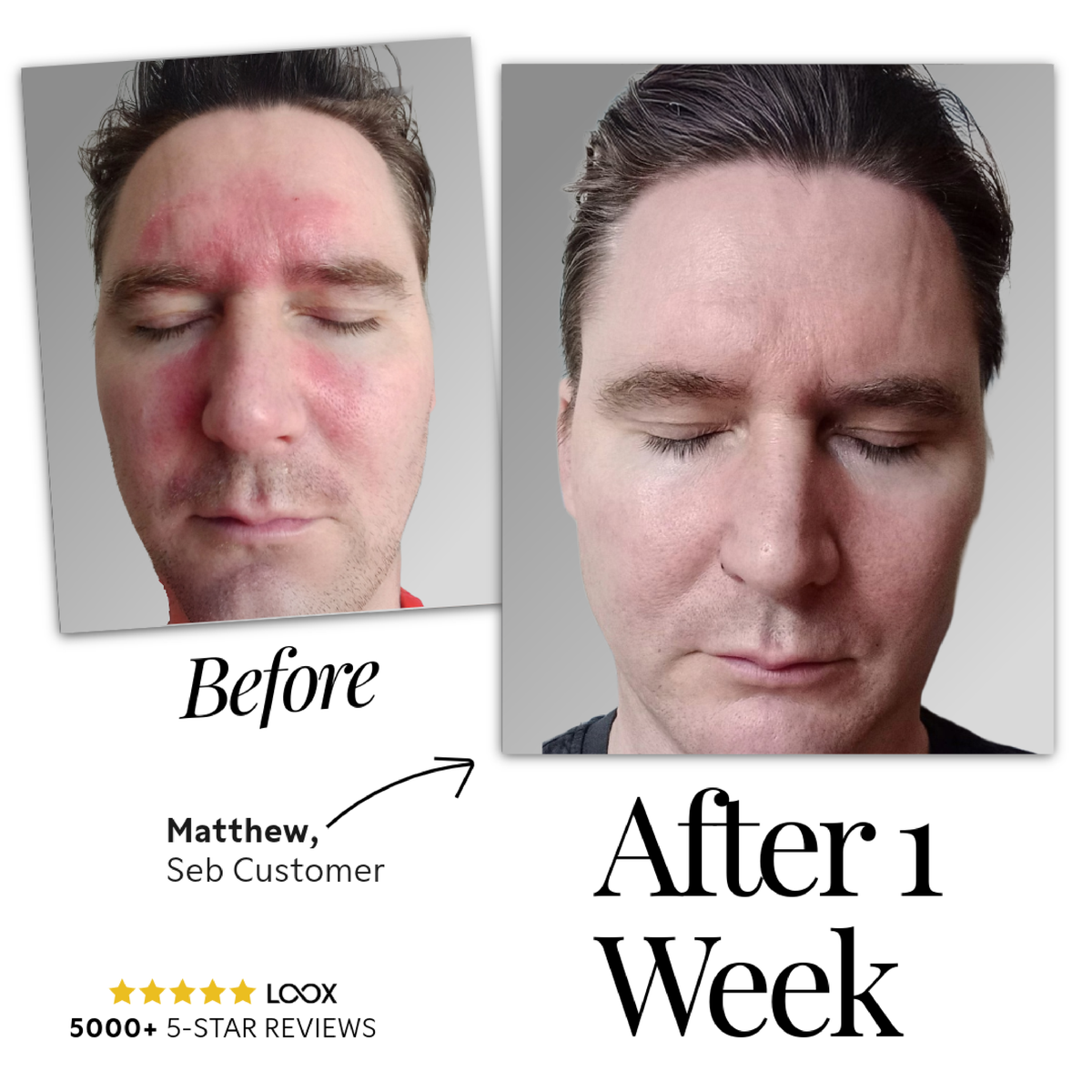
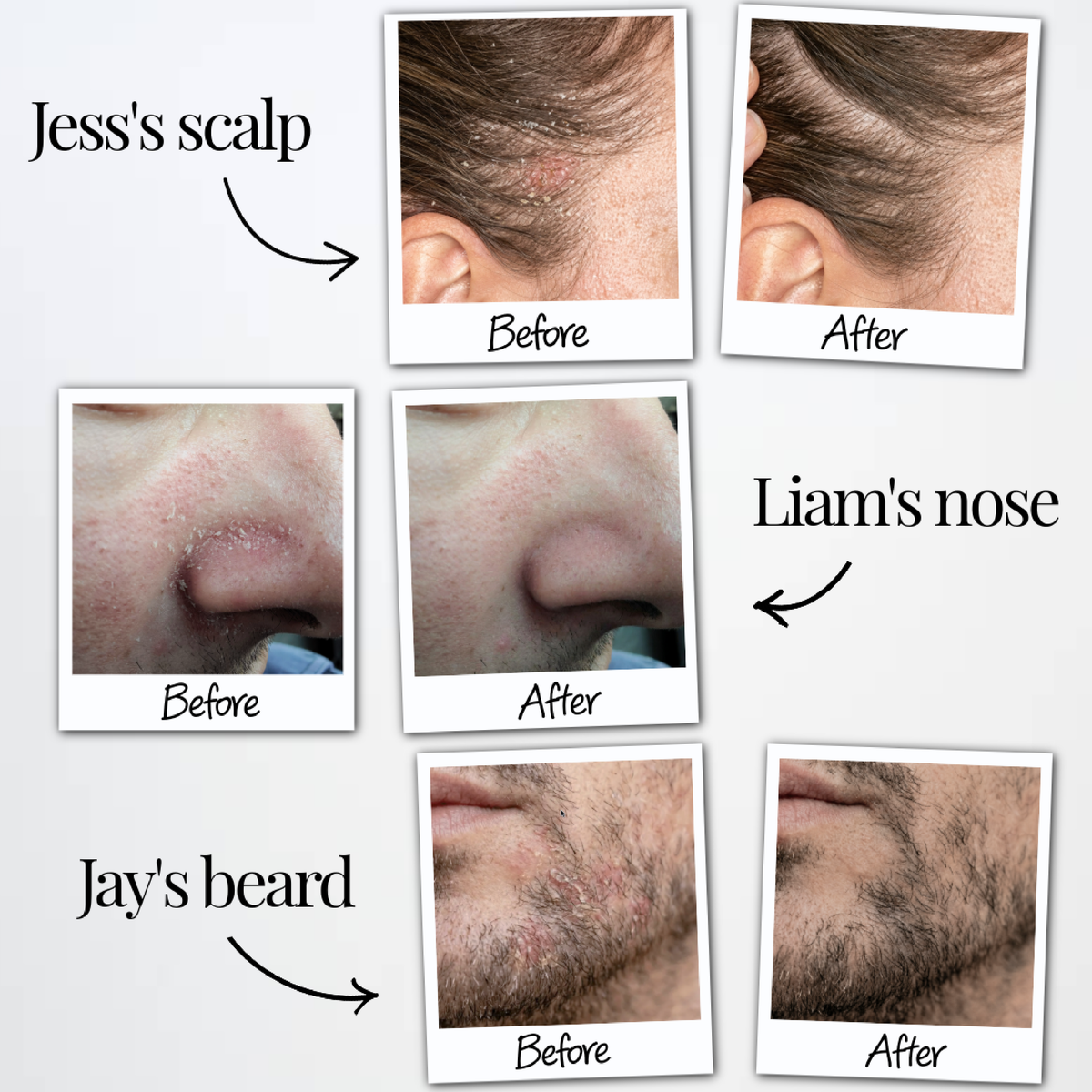
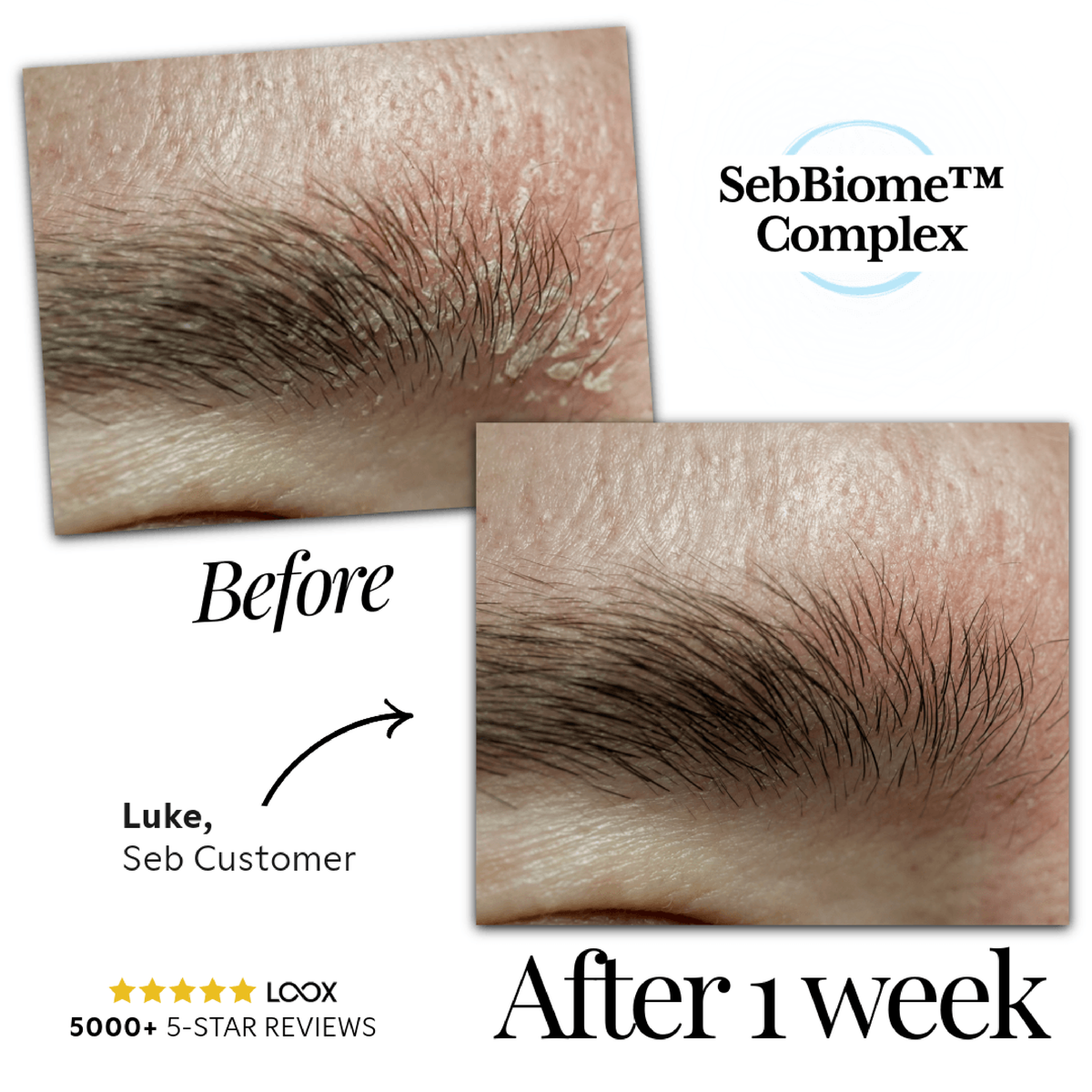
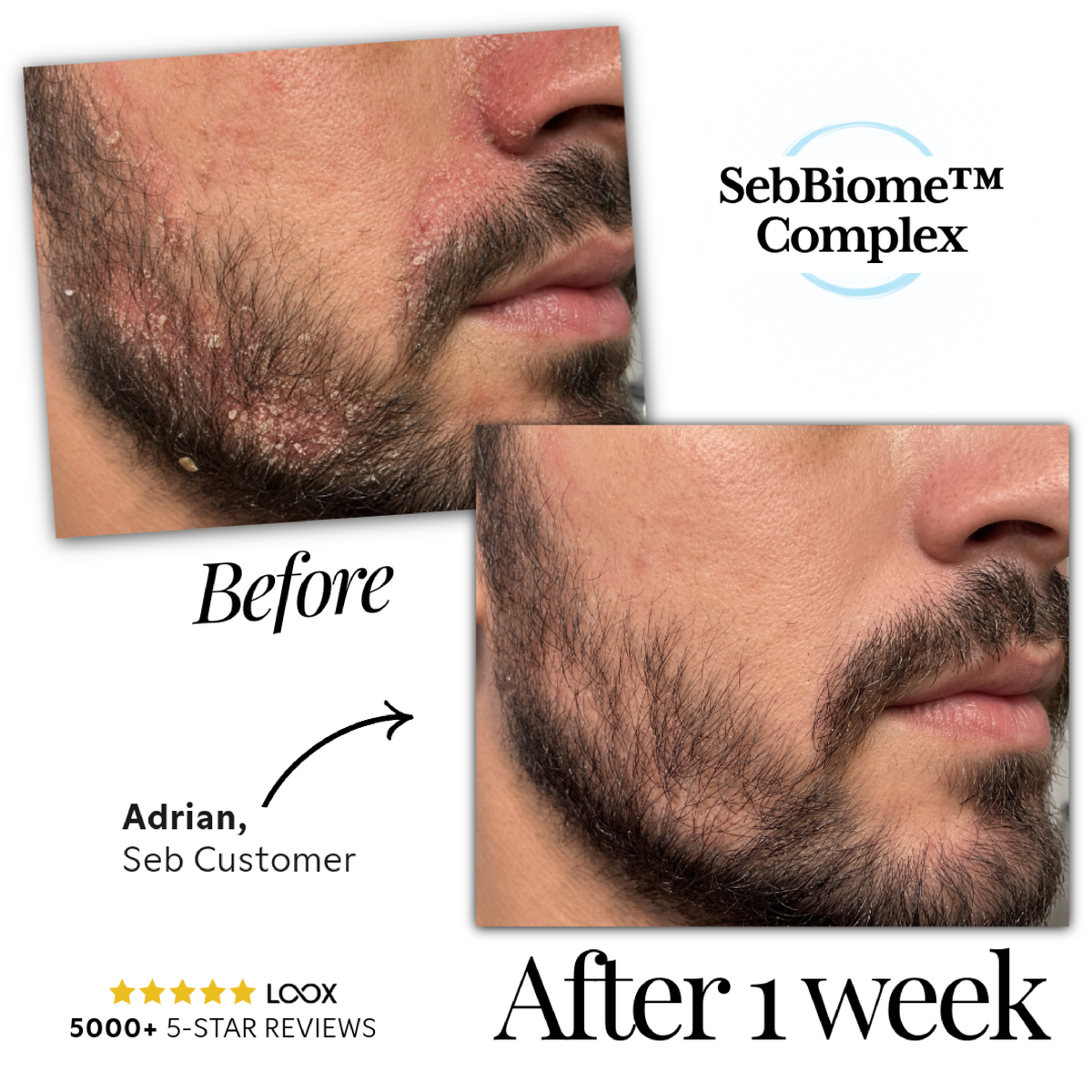
Seborrheic dermatitis sits in a different category entirely. It is not purely autoimmune or purely barrier-based. It is heavily influenced by microbial metabolism, especially lipid-dependent yeast activity. The immune response here is typically mild but persistent, and it tends to concentrate where oil production is highest.
When all three occur in one person, the immune system is effectively running incompatible operating systems in parallel.
Why treatment becomes unpredictable
The difficulty in managing overlapping skin conditions does not come from severity, but from interaction. Treatments that stabilise one condition often destabilise another because they shift the skin’s baseline environment.
For example, strong anti-inflammatory treatments can reduce eczema symptoms quickly, but by lowering immune vigilance they may allow microbial imbalance in seborrheic areas to worsen. Heavy moisturisation improves barrier function in eczema but can create a lipid-rich environment that fuels seborrheic dermatitis. Antifungal treatments improve seborrheic areas but do nothing to address autoimmune-driven plaque formation in psoriasis.
This is why patients often experience a pattern of improvement followed by unexpected relapse. The skin is not failing to respond; it is responding differently in different zones.
The skin is divided into microenvironments, not uniform tissue
One of the most important but least discussed aspects of these conditions is that the skin is not biologically uniform. Different regions behave like distinct ecosystems.
Sebaceous areas such as the scalp, nose, and upper chest behave differently from dry flexural areas or high-friction extensor surfaces. Each of these zones has different microbial populations, immune cell densities, and barrier characteristics. This means that eczema, psoriasis, and seborrheic dermatitis are not randomly distributed but are selecting environments where they are most likely to persist.
This also explains why treatment must be spatially intelligent rather than uniform. Applying the same approach everywhere ignores the fact that each zone is already operating under different biological rules.
The hidden problem: cross-triggering between conditions
The most complex issue in overlapping skin disease is not the presence of multiple conditions, but their ability to amplify each other indirectly. Systemic inflammation, stress, sleep disruption, and microbial shifts do not stay localised. They influence all skin regions simultaneously.
This creates a situation where a flare in one area can lower the threshold for flares elsewhere. The skin becomes a network of interconnected sensitivity rather than isolated patches of disease.
What stability actually means in multi-condition skin disease
True management does not mean eliminating all visible symptoms simultaneously. That approach is rarely sustainable. Stability instead means reducing the degree to which one condition destabilises the others.
In practical biological terms, this means lowering systemic inflammation, reducing environmental volatility, and avoiding treatment strategies that create extreme shifts in skin chemistry. The goal is not uniform clearance, but reduced internal conflict.
When the skin stops competing with itself, flares become less interconnected and more predictable.