Malassezia Yeast and Skin: What Is It and Why Does It Matter?
The word "yeast" might not be the first thing you associate with healthy skin, but yeast naturally lives on our skin. One of the most talked-about examples is Malassezia.
So what exactly is Malassezia, and why does it appear in conversations about acne, dandruff and irritated skin?
What Is Malassezia?
Malassezia is a genus of yeast that naturally occurs on human skin. It is particularly associated with areas that contain more sebaceous glands, such as the scalp, face, chest and back.
Having Malassezia on your skin isn't automatically a problem. In fact, it is part of the normal skin microbiome.
Problems can occur when the relationship between the microorganism and the skin becomes disrupted.
What Skin Conditions Are Associated With Malassezia?
Malassezia has been associated with several skin conditions, including seborrhoeic dermatitis and pityriasis versicolor.
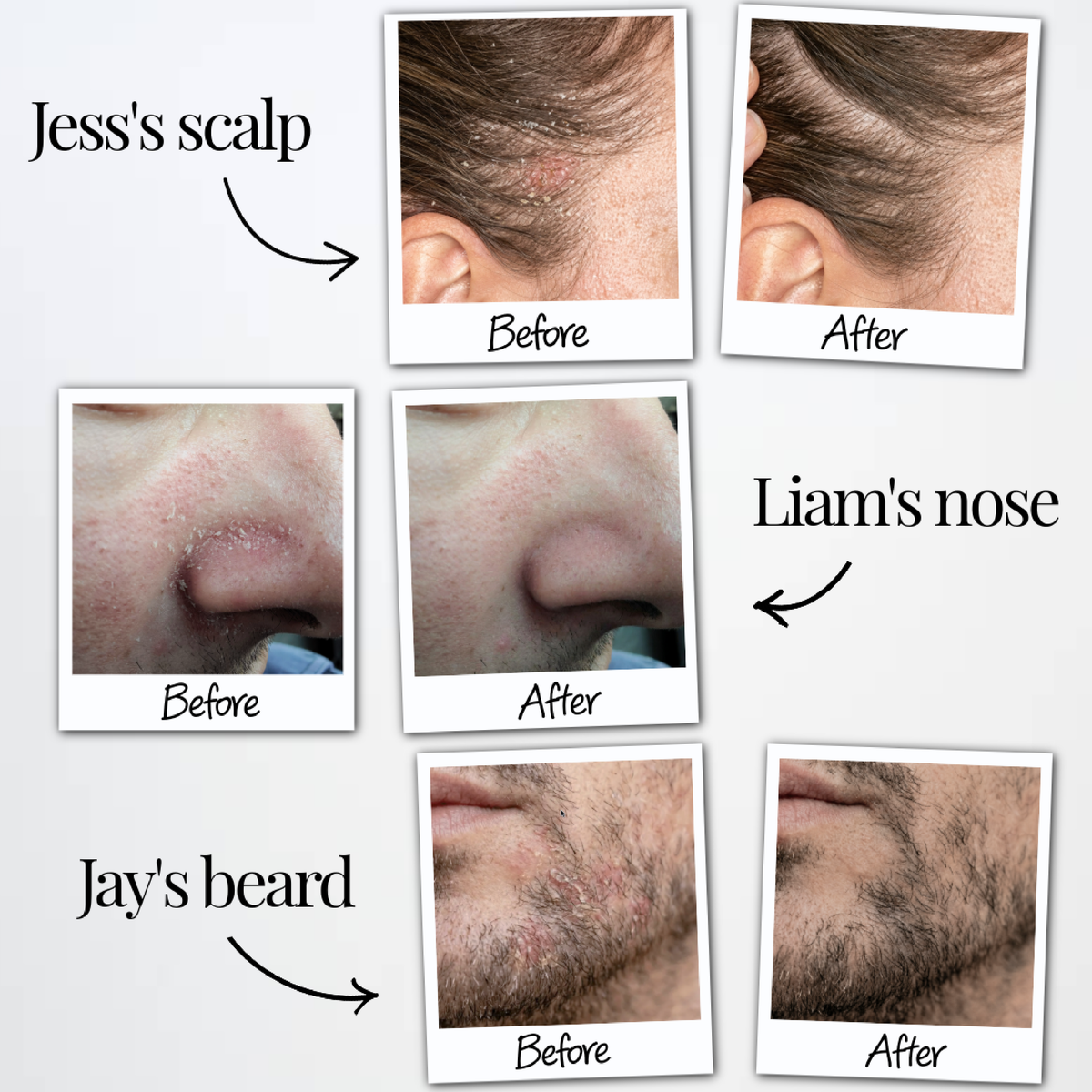
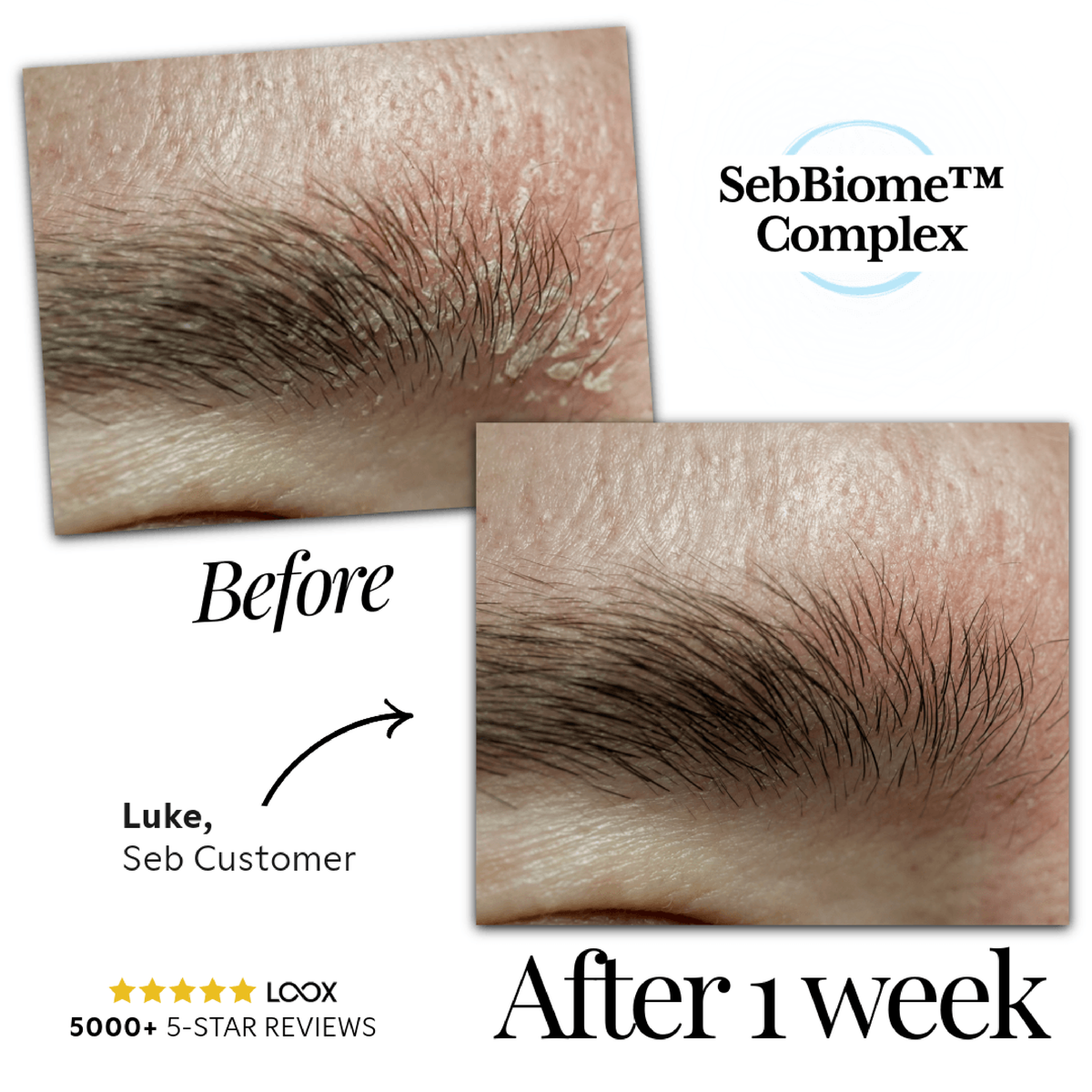
Seborrhoeic dermatitis commonly affects oily areas of the skin and scalp. It can cause:
-
Flaking
-
Redness
-
Itching
-
Greasy or dry-looking scales
Malassezia may also be involved in some cases of what is commonly called "fungal acne" or Malassezia folliculitis.
However, not every breakout that looks like acne is caused by Malassezia.
What Is Malassezia Folliculitis?
Malassezia folliculitis occurs when Malassezia contributes to inflammation around hair follicles.
It can sometimes resemble acne, but there can be differences. For example, bumps may be relatively uniform and itchy, and they may appear on areas such as the forehead, chest, shoulders or upper back.
Because acne and folliculitis can look similar, self-diagnosis isn't always reliable.
Why Do People Talk About Oils and Malassezia?
Skincare communities sometimes discuss whether particular oils or cosmetic ingredients are suitable for people concerned about Malassezia.
This has led to the popularity of so-called "Malassezia-safe" skincare lists.
The problem is that these lists can oversimplify a complex area of skin science. Individual ingredients can behave differently within a finished cosmetic formulation, and an ingredient appearing on an online list doesn't necessarily mean a product will or won't work for a particular person.
What Should You Do If You Suspect Malassezia-Related Skin Problems?
First, don't assume every small bump is fungal.
If you're experiencing persistent itching, flaking, recurring bumps or inflammation, consider speaking to a dermatologist or another qualified healthcare professional.
They can help distinguish between conditions that may require very different approaches.
A Balanced Approach to Skincare
Rather than becoming afraid of every ingredient, focus on understanding your skin and keeping your routine appropriate for your concerns.
A simple routine with gentle cleansing and suitable moisturisation may be preferable to constantly switching between products based on internet ingredient lists.
Your skin microbiome is complex—and good skincare isn't about eliminating every microorganism. It's about supporting healthy, comfortable skin.
Skincare tip: If you're introducing a new product, consider adding one product at a time. This makes it easier to identify what your skin likes and dislikes.