Malassezia Yeast and Dandruff: What’s the Connection?
Dandruff is one of the most common scalp concerns, but those familiar white flakes are not always simply a sign of dry skin. One of the key factors associated with dandruff is a naturally occurring yeast called Malassezia.
Malassezia lives on the skin of most adults and is normally harmless. However, in people who are prone to dandruff and seborrheic dermatitis, the interaction between Malassezia, scalp oils and the skin's inflammatory response may contribute to flaking, itching and irritation.
What Is Malassezia?
Malassezia is a type of yeast that naturally lives on human skin. It is particularly common in areas where the skin produces more sebum, including the scalp, face and upper body.
Having Malassezia on your scalp does not mean you have a fungal infection. Its presence is a normal part of the skin microbiome. The issue is more about how the yeast interacts with the skin and its natural oils in people who are susceptible to dandruff or seborrheic dermatitis.
Malassezia uses components of sebum as part of its metabolism. This interaction can produce substances that may irritate susceptible skin and contribute to inflammation and increased shedding of skin cells.
Does Malassezia Cause Dandruff?
It is too simplistic to say that Malassezia alone causes dandruff.
Dandruff is thought to involve several factors, including Malassezia, sebum, the condition of the skin barrier and an individual's sensitivity to irritation and inflammation.
This helps explain why two people can have Malassezia naturally living on their scalps but only one develops noticeable dandruff.
The skin's response appears to be just as important as the presence of the yeast itself.
How Is Dandruff Connected to Seborrheic Dermatitis?
Dandruff and seborrheic dermatitis are closely related.
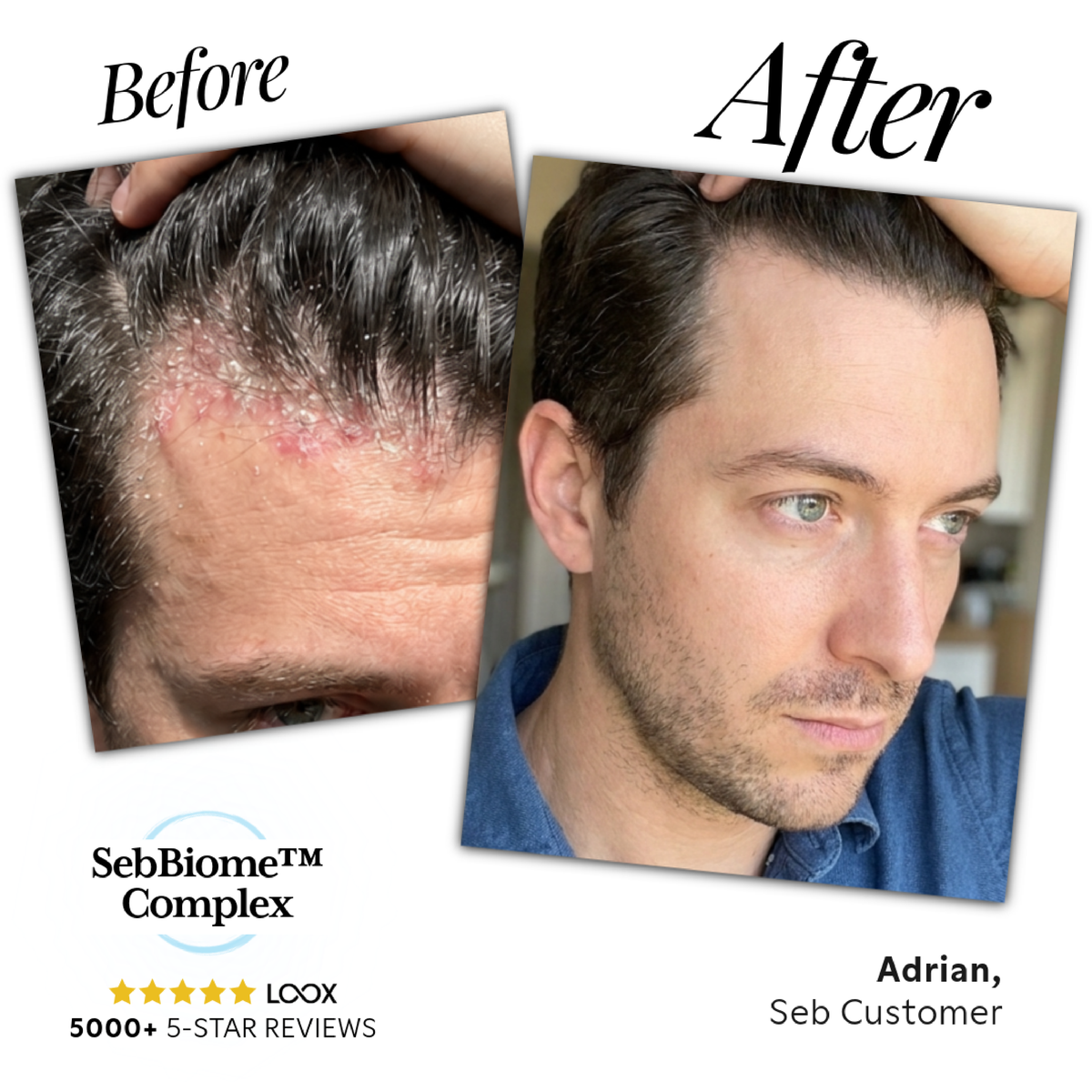
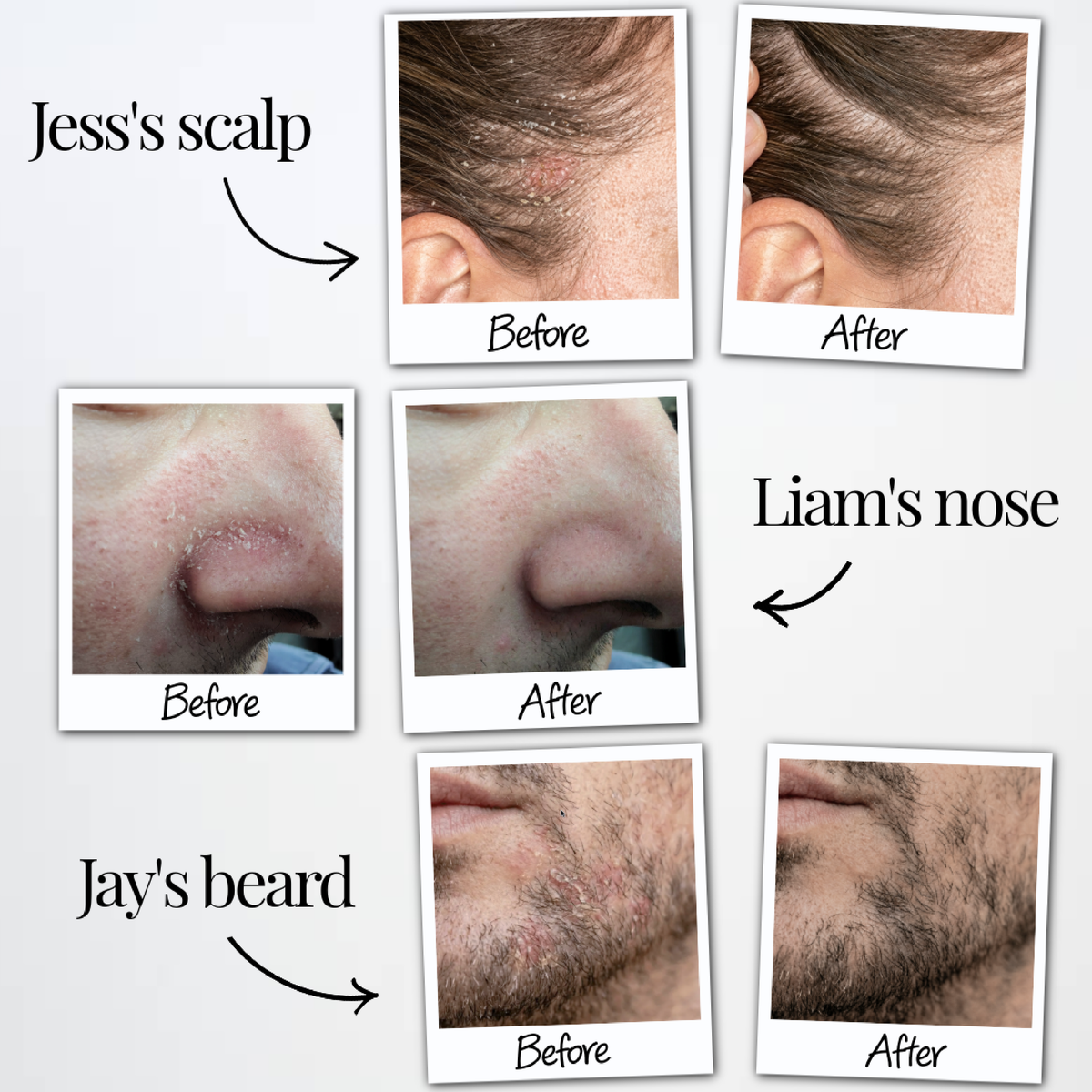
Dandruff is generally limited to the scalp and primarily involves flaking and itching. Seborrheic dermatitis can involve more noticeable inflammation and may affect other oily areas of the body.
Seborrheic dermatitis commonly affects:
- The scalp
- The hairline
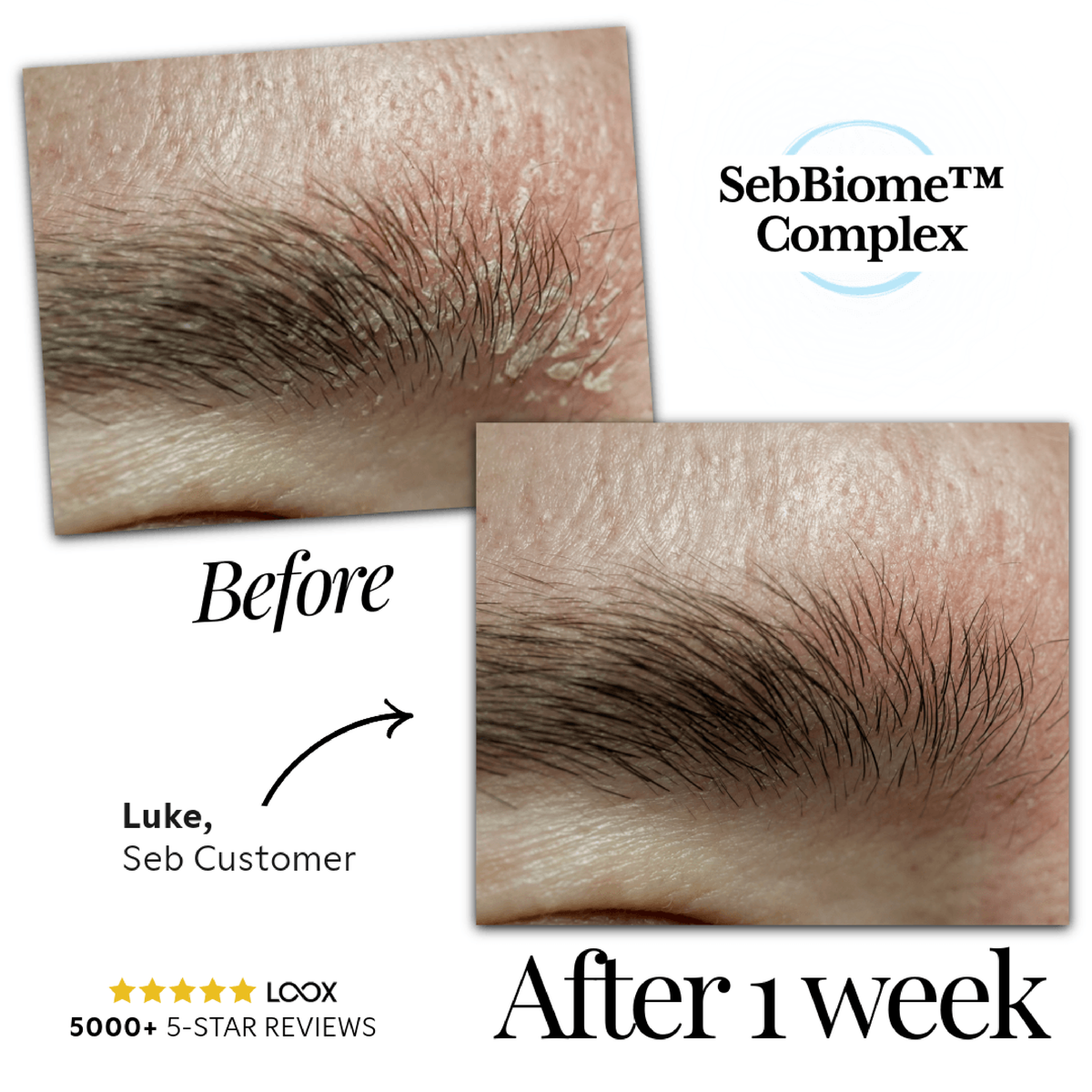
- The eyebrows
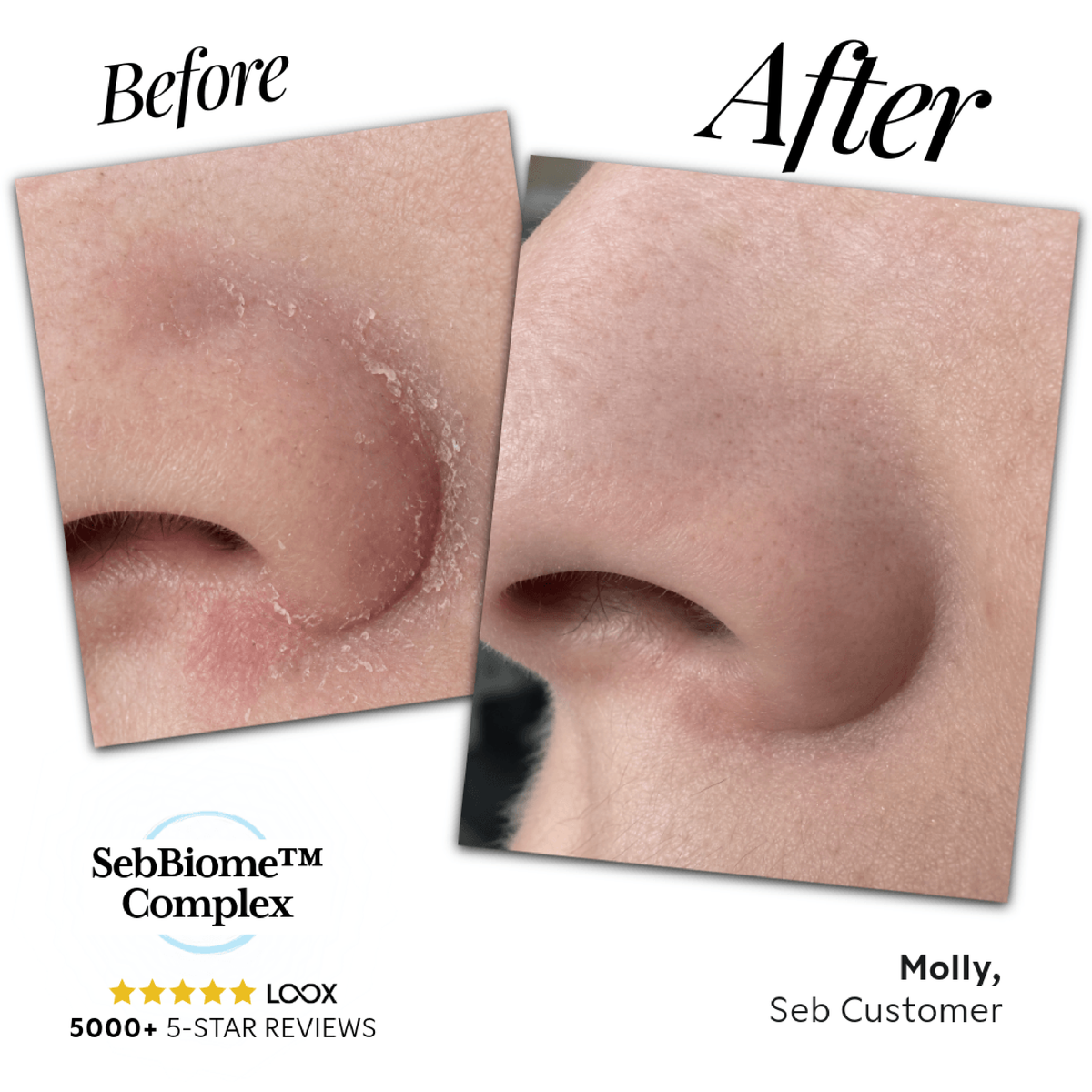
- Around the nose
- Behind or around the ears
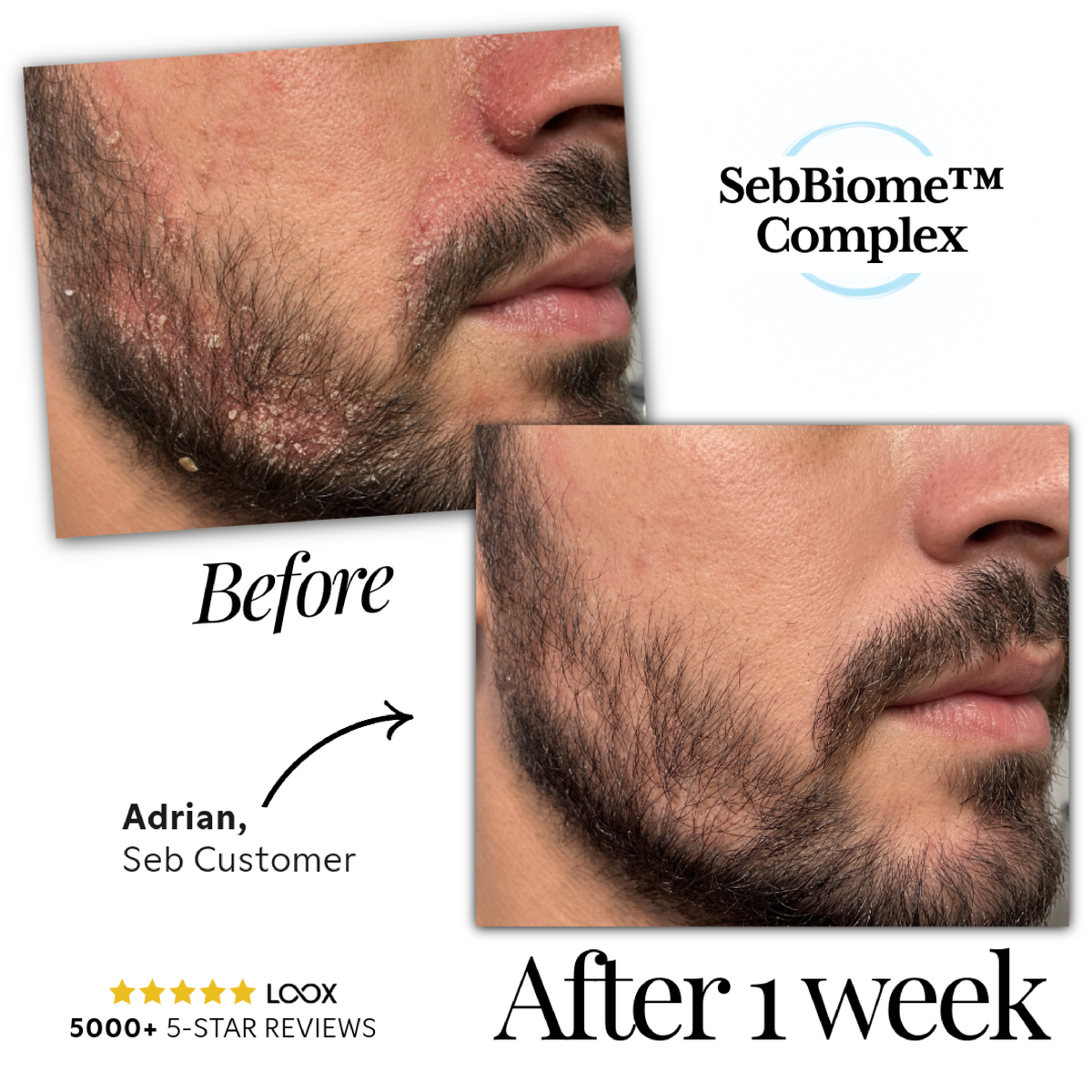
- The beard area
- The upper chest
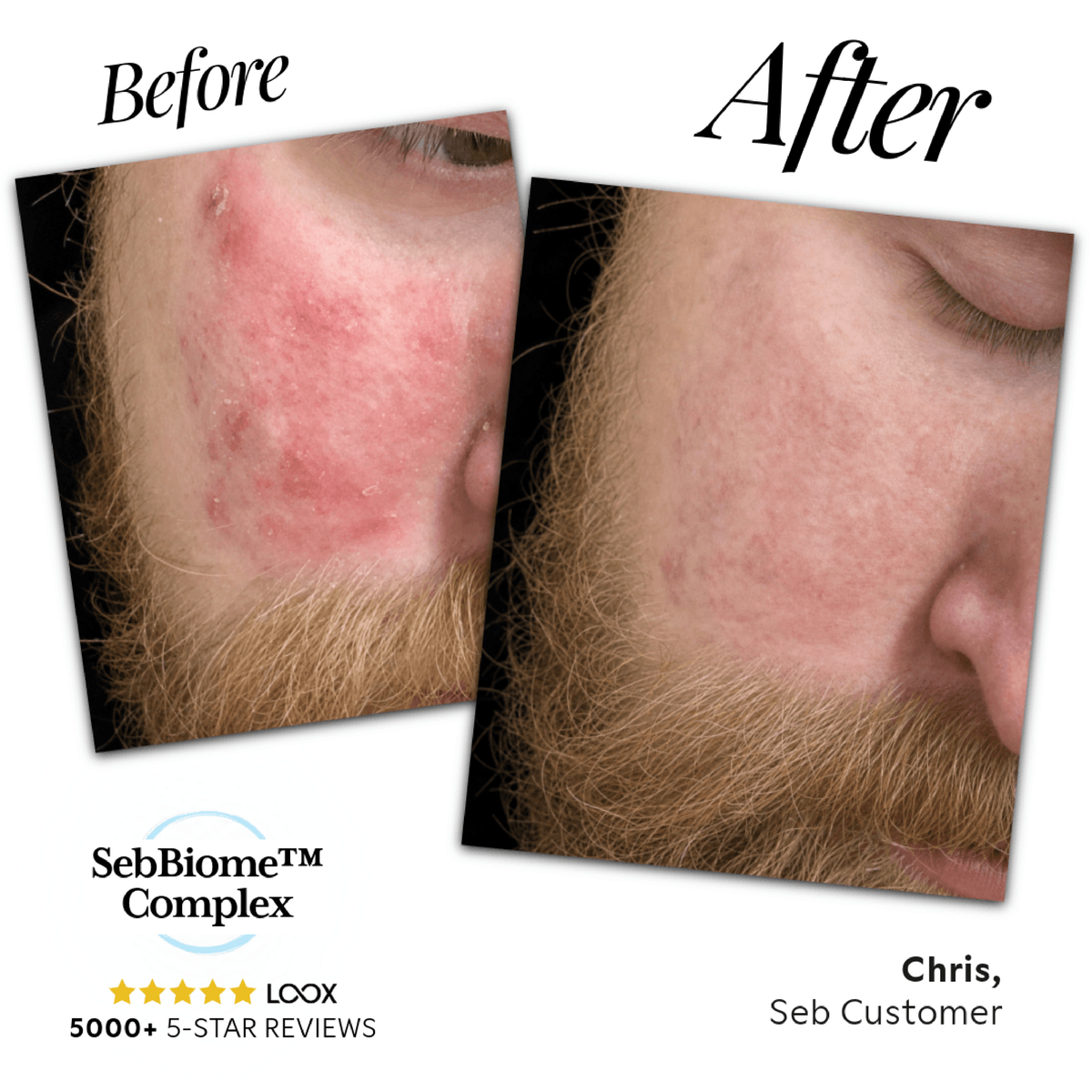
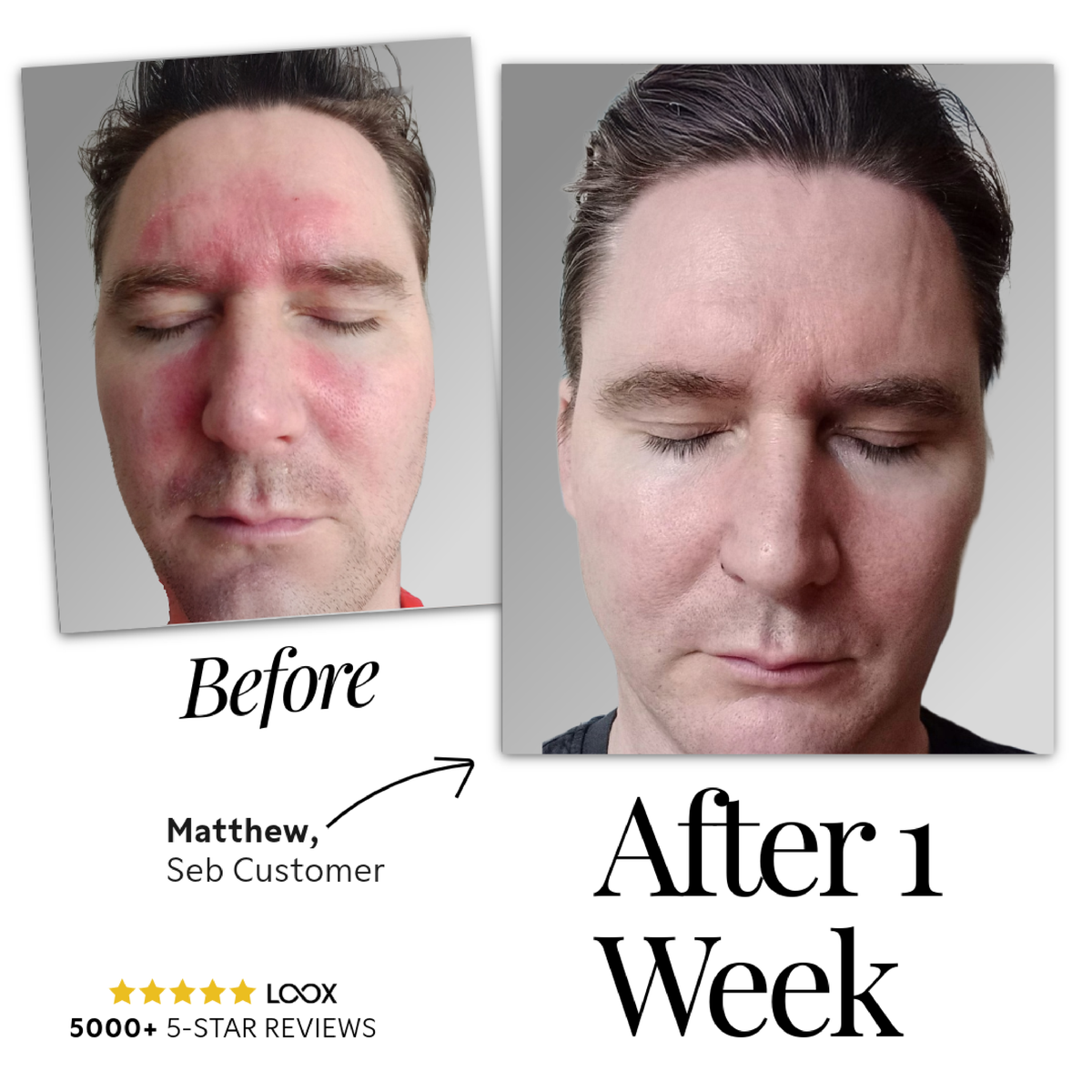
Someone who repeatedly experiences scalp flakes alongside redness, itching, greasy scaling or facial scaling may have more than simple dandruff.
Why Does Malassezia Thrive on the Scalp?
The scalp contains many sebaceous glands, which produce sebum. Sebum provides the lipid-rich environment that Malassezia prefers.
This does not mean that having an oily scalp automatically causes seborrheic dermatitis. People with oily skin can have no symptoms at all. Instead, sebum appears to be one part of a much more complicated relationship involving the skin barrier, Malassezia and the body's inflammatory response.
Can You Get Rid of Malassezia?
Because Malassezia is a normal resident of human skin, completely eliminating it is neither realistic nor necessary.
The goal of managing dandruff or seborrheic dermatitis is generally to control the factors contributing to symptoms.
This is one reason anti-dandruff and antifungal products are commonly used when Malassezia is thought to be contributing to scalp symptoms.
Treatment can help reduce scaling and itching, but seborrheic dermatitis can be a recurring condition, meaning ongoing management may be necessary.
When Is Dandruff More Than Dandruff?
Occasional flakes are common and do not necessarily indicate an underlying skin condition.
However, persistent or recurring symptoms may deserve closer attention, particularly if you experience:
- Significant scalp itching
- Redness or inflammation
- Greasy or yellowish scaling
- Flaking around the eyebrows or nose
- Scaling around the ears
- Symptoms that repeatedly return after treatment
These symptoms can be associated with seborrheic dermatitis, although other scalp conditions can look similar.
Understanding the Bigger Picture
The relationship between Malassezia, sebum, dandruff and inflammation is complex.
Malassezia is a normal part of the skin microbiome, and its presence alone does not mean something is wrong. For susceptible individuals, however, interactions between Malassezia and the scalp environment can contribute to the symptoms associated with dandruff and seborrheic dermatitis.
Understanding this relationship can make it easier to recognise why recurring dandruff may require a different approach from simply treating the scalp as though it were dry skin.
For more information, explore our complete Seborrheic Dermatitis Guide.