Makeup and Seborrheic Dermatitis: How to Wear It Without Triggering Flares
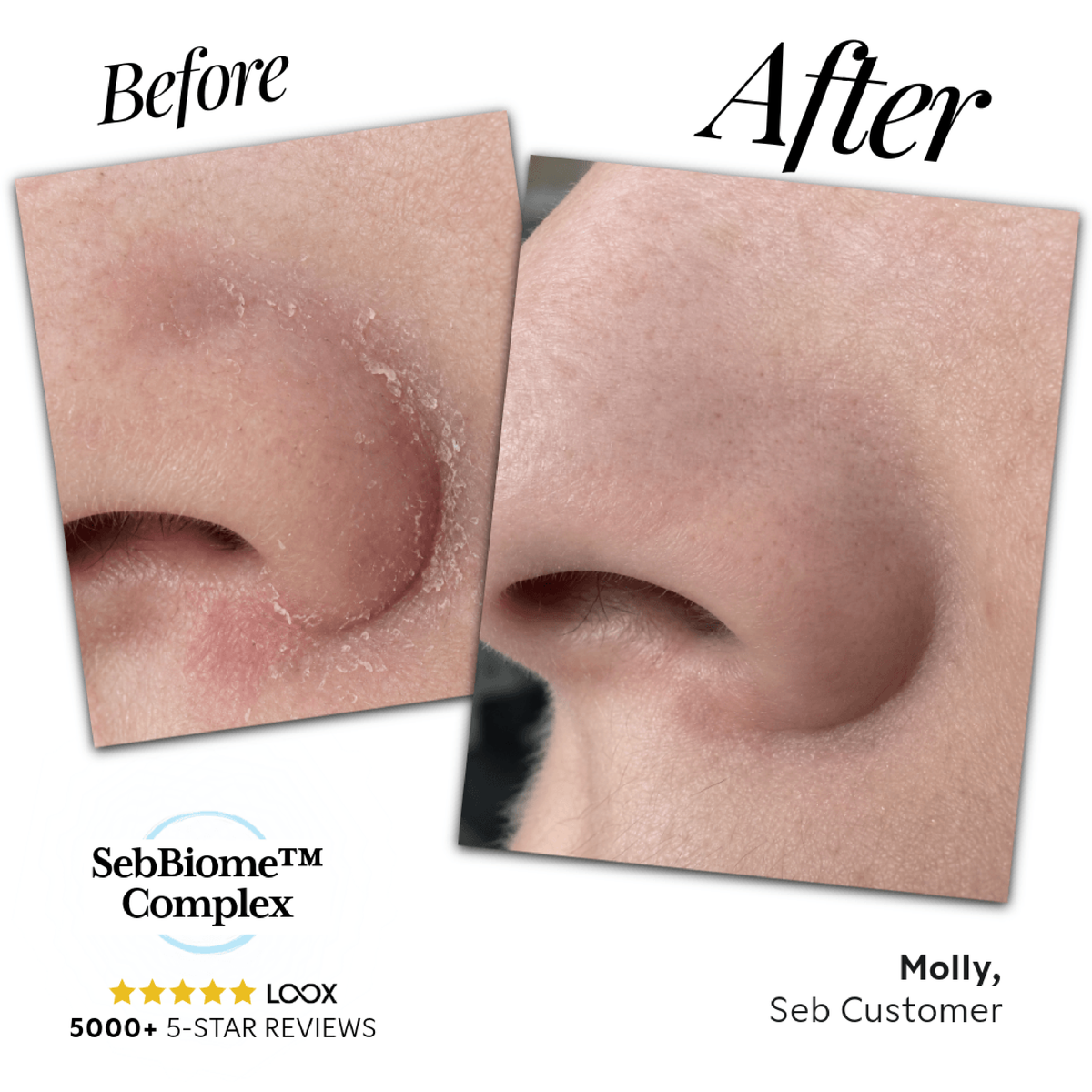
Seborrheic dermatitis (SD) is a chronic skin condition that can make wearing makeup feel like walking a tightrope. Characterised by red, inflamed, and flaky skin, particularly around the face, scalp, and eyebrows, SD is caused by a combination of overactive sebaceous glands, irritation, and yeast overgrowth on the skin. For many, makeup feels like both a necessity for confidence and a potential trigger for flare-ups. But the good news is—you don’t have to choose between looking your best and caring for your skin. With careful selection and smart application, makeup and seborrheic dermatitis can coexist.
1. Understanding Seborrheic Dermatitis and Its Triggers
Before diving into makeup strategies, it’s important to understand why SD flares. Common triggers include:
-Excess oil production – SD often appears in areas rich in sebaceous glands. Heavy or occlusive makeup can exacerbate oiliness.
-Yeast overgrowth (Malassezia) – This naturally occurring fungus thrives in oily environments, and certain makeup ingredients can feed it.
-Skin barrier disruption – Irritating products, harsh cleansers, or allergens can weaken the skin barrier and trigger flares.
-Environmental factors – Stress, cold weather, humidity, and sweat can aggravate symptoms.
By recognising these triggers, you can choose makeup that minimises risk while still achieving coverage and style.
2. Choosing Makeup for Seborrheic Dermatitis-Prone Skin
The right makeup starts with careful selection of products. Here’s what to look for:
a. Opt for Non-Comedogenic and Oil-Free Products
Non-comedogenic makeup is formulated to avoid clogging pores, which helps reduce excess oil buildup—a major SD trigger. Oil-free foundations and primers minimize the chance of feeding Malassezia, helping keep flare-ups at bay.
b. Avoid Heavy, Occlusive Formulas
Thick cream-based foundations, heavy concealers, or waxy products can trap heat and oil, worsening inflammation. Instead, opt for lightweight, water-based, or mineral foundations. They provide coverage without suffocating the skin.
c. Look for Anti-Irritant Ingredients
Fragrance-free and hypoallergenic products reduce the risk of irritation. Ingredients like niacinamide or zinc oxide can be beneficial, as they calm redness and support the skin barrier. Avoid alcohol-heavy primers or powders that can strip moisture.
d. Be Mindful of Yeast-Feeding Ingredients
Malassezia feeds on certain fatty acids and esters found in cosmetics. Ingredients to watch for include:
-Oleic acid
-Myristic acid
-Isopropyl myristate
-Stearic acid
Check labels and favour formulations that are labeled “Malassezia-safe” or suitable for SD-prone skin.
3. Preparing Your Skin Before Makeup
Even the best makeup can trigger SD if the skin isn’t prepped properly. Here’s a routine to minimise risk:
-
Cleanse gently – Use a mild, non-stripping cleanser. Avoid harsh scrubs or soaps that can inflame the skin.
-
Treat active flares – Apply medicated creams or antifungal treatments as prescribed by your dermatologist.
-
Moisturise strategically – Use a lightweight, non-comedogenic moisturizer to maintain the skin barrier. Well-hydrated skin tolerates makeup better.
-
Use a barrier primer – Choose a primer designed for sensitive skin; it can create a protective layer and reduce friction from makeup application.
4. Application Techniques to Minimize Flare-Ups
Even the safest products can irritate if applied incorrectly. Here’s how to protect your skin during makeup application:
-Use clean brushes and sponges – Bacteria and old makeup residue can aggravate SD. Wash tools at least once a week.
-Apply lightly – Build coverage gradually rather than layering thickly. Thin layers are less likely to trap heat or oil.
-Avoid aggressive rubbing – Pat or dab products instead of rubbing, which can disrupt the skin barrier.
-Focus on SD-free areas first – If redness or flaking is localized, target makeup away from active patches and blend gently.
5. Choosing Makeup Removal Methods
Proper removal is just as important as careful application. Residual makeup can worsen inflammation and feed Malassezia.
-Use gentle, non-oily removers – Micellar water or water-based cleansers are effective without leaving a heavy residue.
-Avoid harsh scrubs or exfoliants – Physical exfoliation can irritate flares. Opt for chemical exfoliants only if approved by your dermatologist.
-Follow with SD treatment or moisturiser – After cleansing, apply your regular anti-fungal treatment or barrier-supporting moisturiser to protect skin overnight.
6. Additional Tips for Makeup Wearers With SD
-Rotate products carefully – Avoid changing brands or formulas frequently, as new ingredients can provoke flares.
-Patch test new products – Apply a small amount to a less visible area before full-face application.
-Prioritise breathable formulas – Mineral powders or tinted moisturizers often allow the skin to “breathe” better than thick foundations.
-Plan for touch-ups – SD-prone skin can become oily or flaky during the day. Blot gently and reapply thin layers rather than caking on makeup.
Conclusion
Living with seborrheic dermatitis doesn’t mean giving up makeup entirely. By understanding the triggers, selecting the right products, and practicing gentle application and removal, you can wear makeup confidently without exacerbating flare-ups.
The key is balance: protective skincare routines, SD-friendly formulations, and mindful application techniques. With these strategies, makeup can be a tool for self-expression rather than a trigger for inflammation.
Your skin doesn’t have to dictate your style—careful choices allow you to put your best face forward every day.