Long-Term Scarring and Pigmentation: What Seborrheic Dermatitis Can Leave Behind
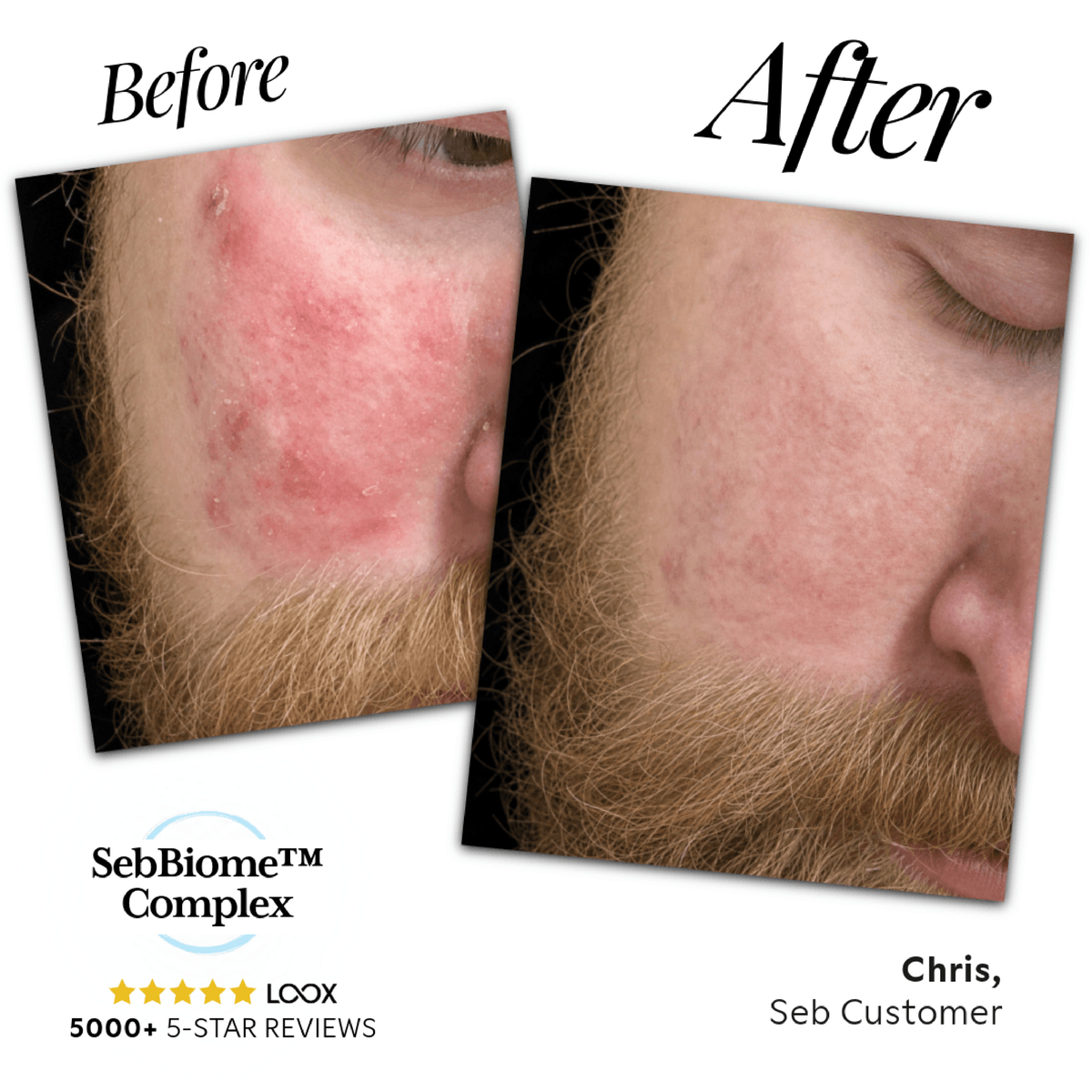
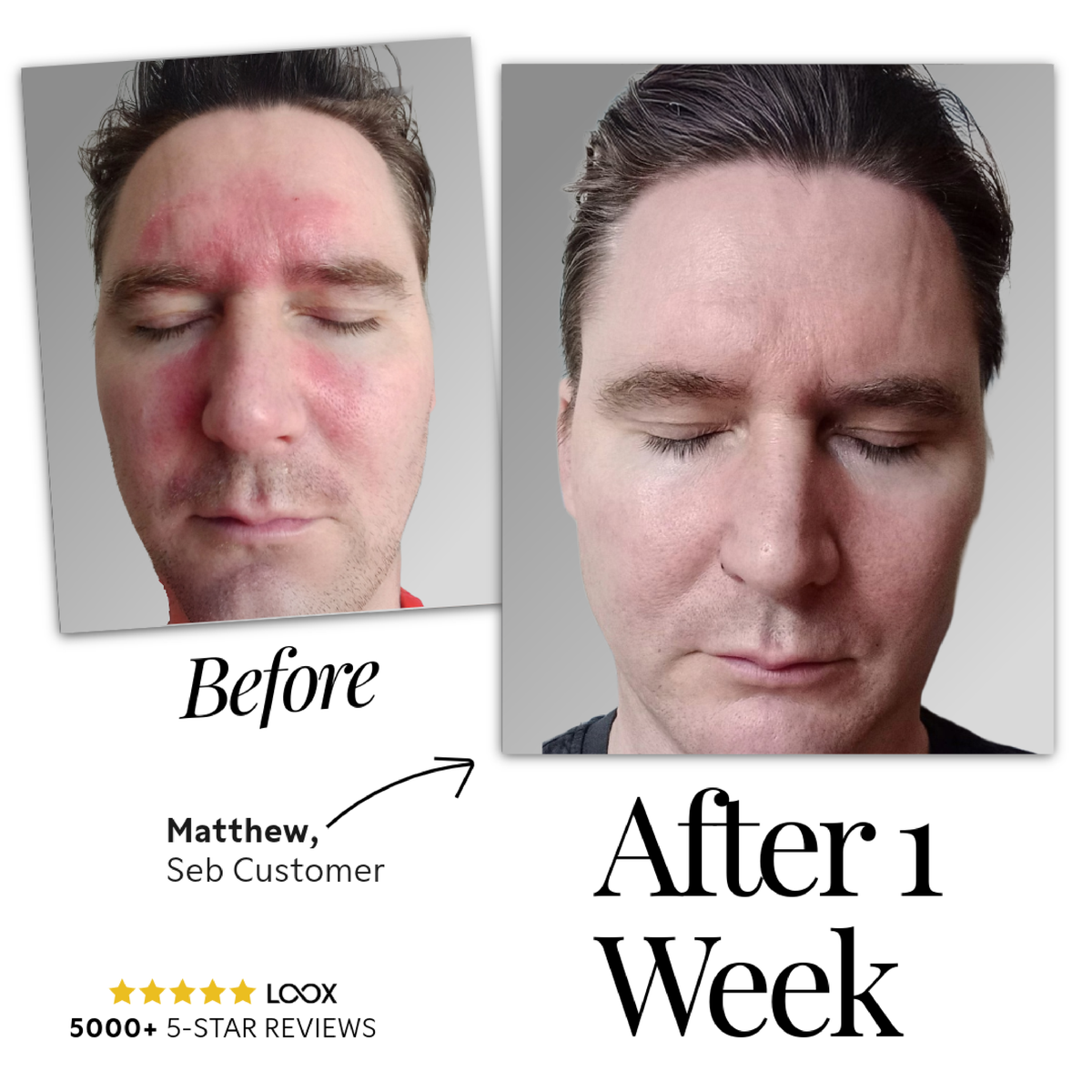
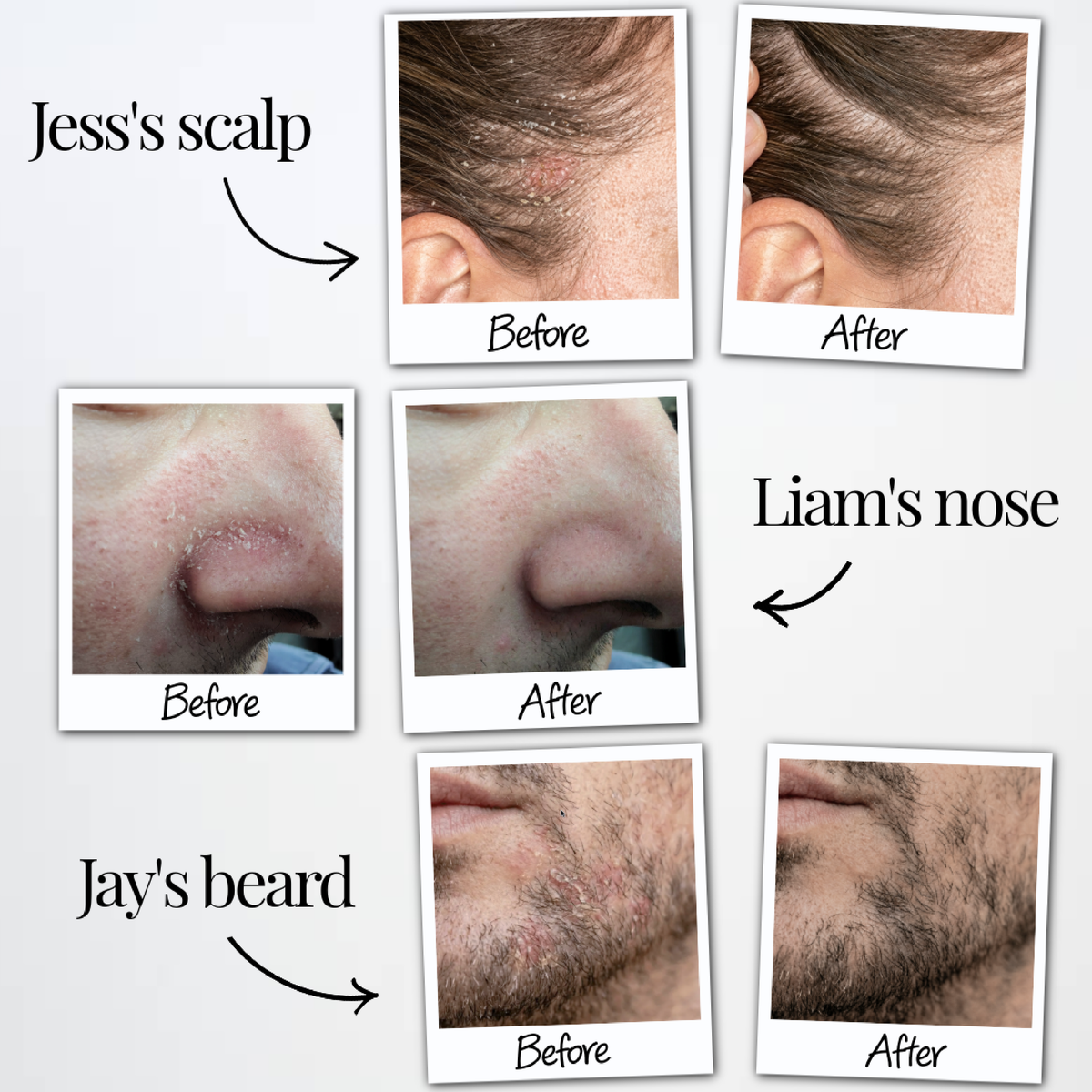
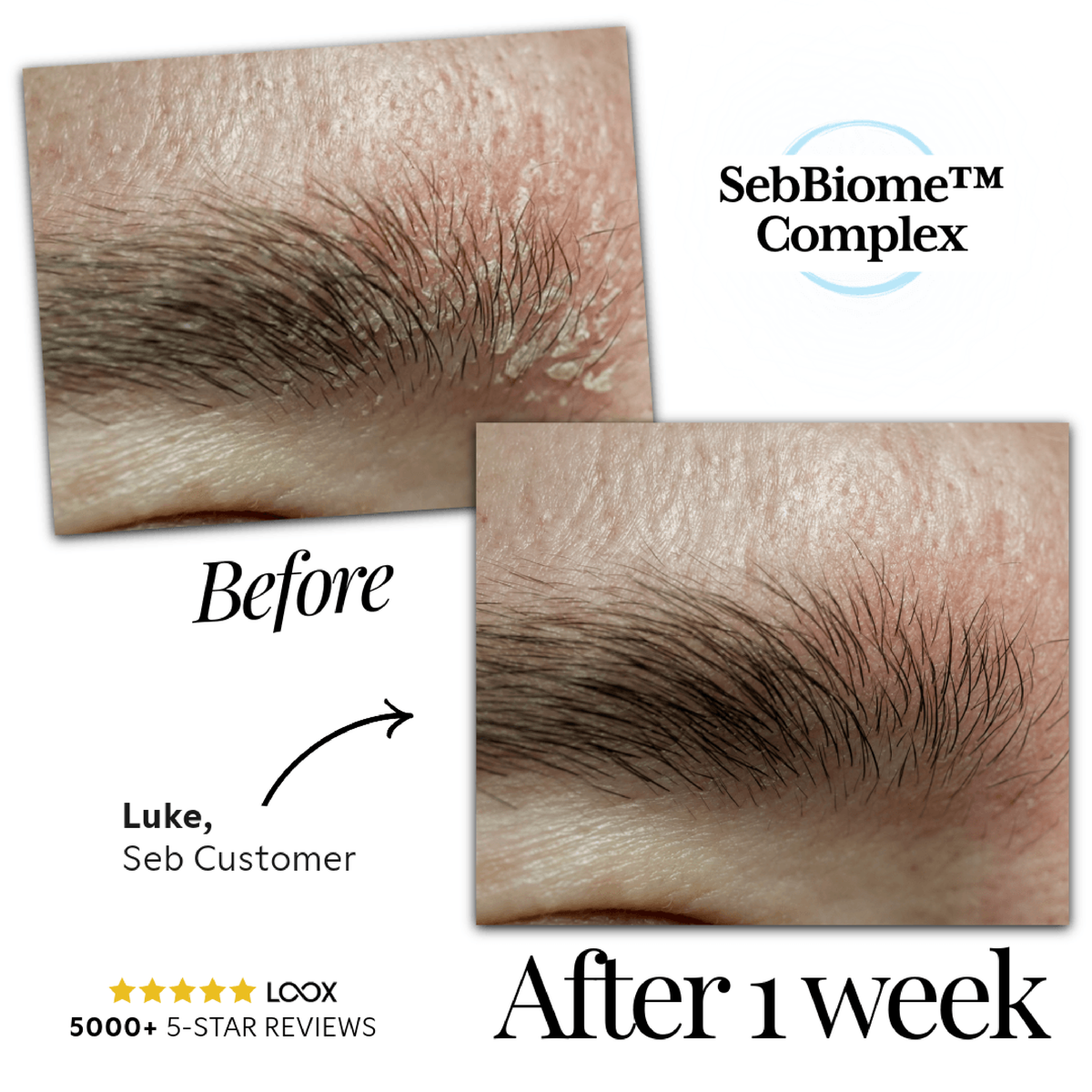
Seborrheic Dermatitis is a chronic inflammatory condition affecting oil-rich areas such as the scalp, face, and upper chest. It is associated with yeast overgrowth, immune reactivity, and skin barrier dysfunction. Although it is not typically considered a scarring disease, long-term inflammation can lead to visible skin changes.
Why visible changes occur
Repeated inflammation disrupts normal skin barrier function and stimulates pigment-producing cells. Over time, cycles of flare and healing can leave behind residual discolouration and subtle textural changes.
Pigmentation changes
Post-inflammatory hyperpigmentation is common, particularly in individuals with darker skin tones. It appears as darker patches after inflammation resolves and may persist for weeks or months. In some cases, lighter patches known as hypopigmentation can occur due to temporary reduction in melanin production.
Scalp involvement
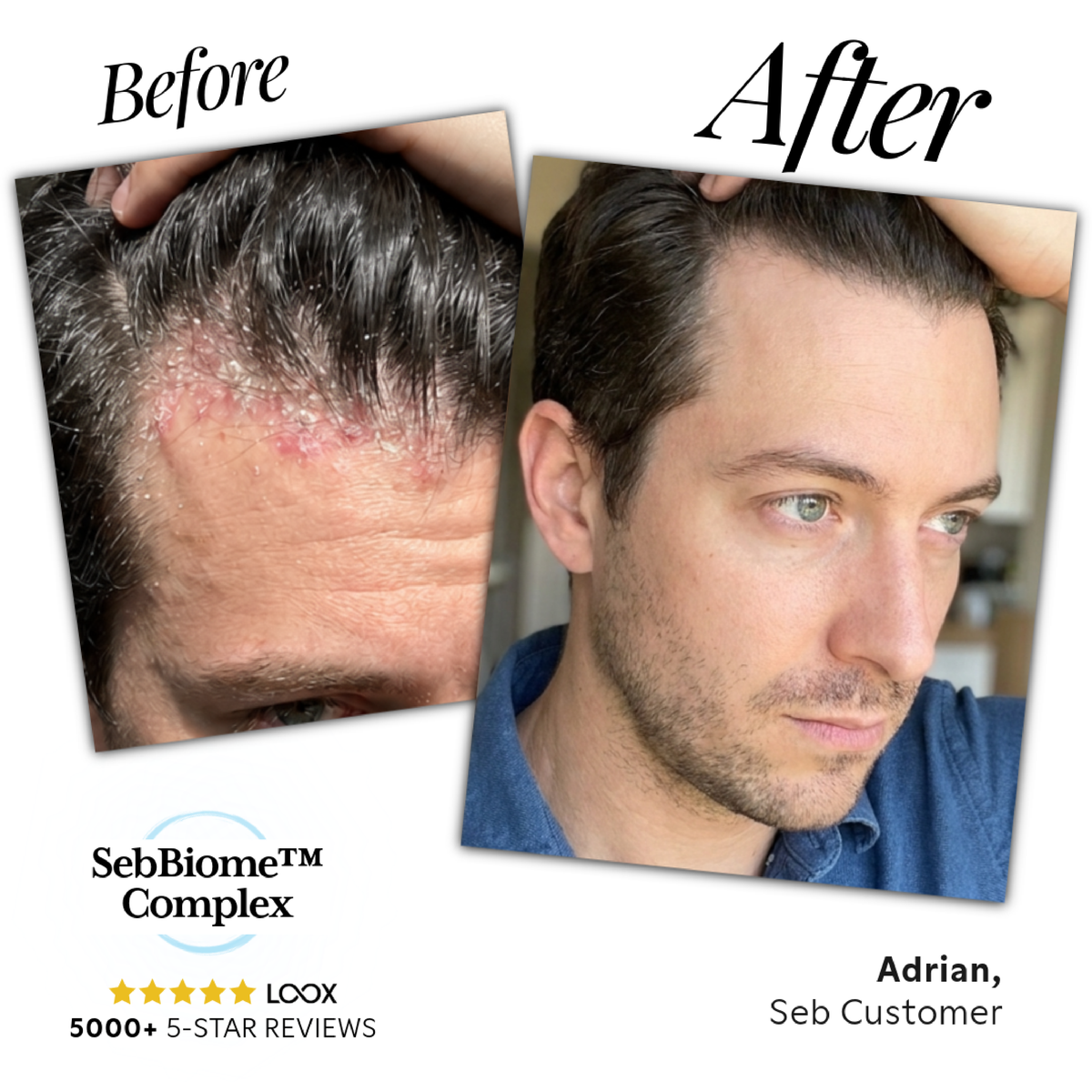
When the scalp is affected, persistent inflammation can contribute to temporary hair shedding. This is typically reversible once inflammation is controlled. The hair follicles are not permanently damaged in most cases, but chronic irritation can prolong recovery.
Role of scratching
Scratching worsens inflammation and increases pigment production in affected areas. It also damages the skin barrier further, leading to a cycle of irritation and delayed healing that increases the likelihood of long-term marks.
Prevention strategies
Early and consistent treatment is the most effective way to prevent long-term changes. Antifungal treatments, anti-inflammatory therapies, and barrier-repair moisturisers help control flares. Avoiding mechanical irritation such as scratching is important. Sun protection also helps reduce darkening of post-inflammatory pigmentation.
Treatment of residual changes
Once active inflammation is controlled, pigmentation can be treated with agents such as azelaic acid or niacinamide. Gentle exfoliation may help in some cases. Persistent pigmentation may require dermatological treatments such as laser therapy under medical supervision.
Key takeaway
Seborrheic Dermatitis does not typically cause true scarring, but repeated inflammation can leave behind pigmentation changes and subtle texture irregularities. Preventing flares is the most effective way to avoid long-term visible effects.