How to Treat Seborrheic Dermatitis on the Eyelids: Causes, Fast Relief, and Long-Term Care
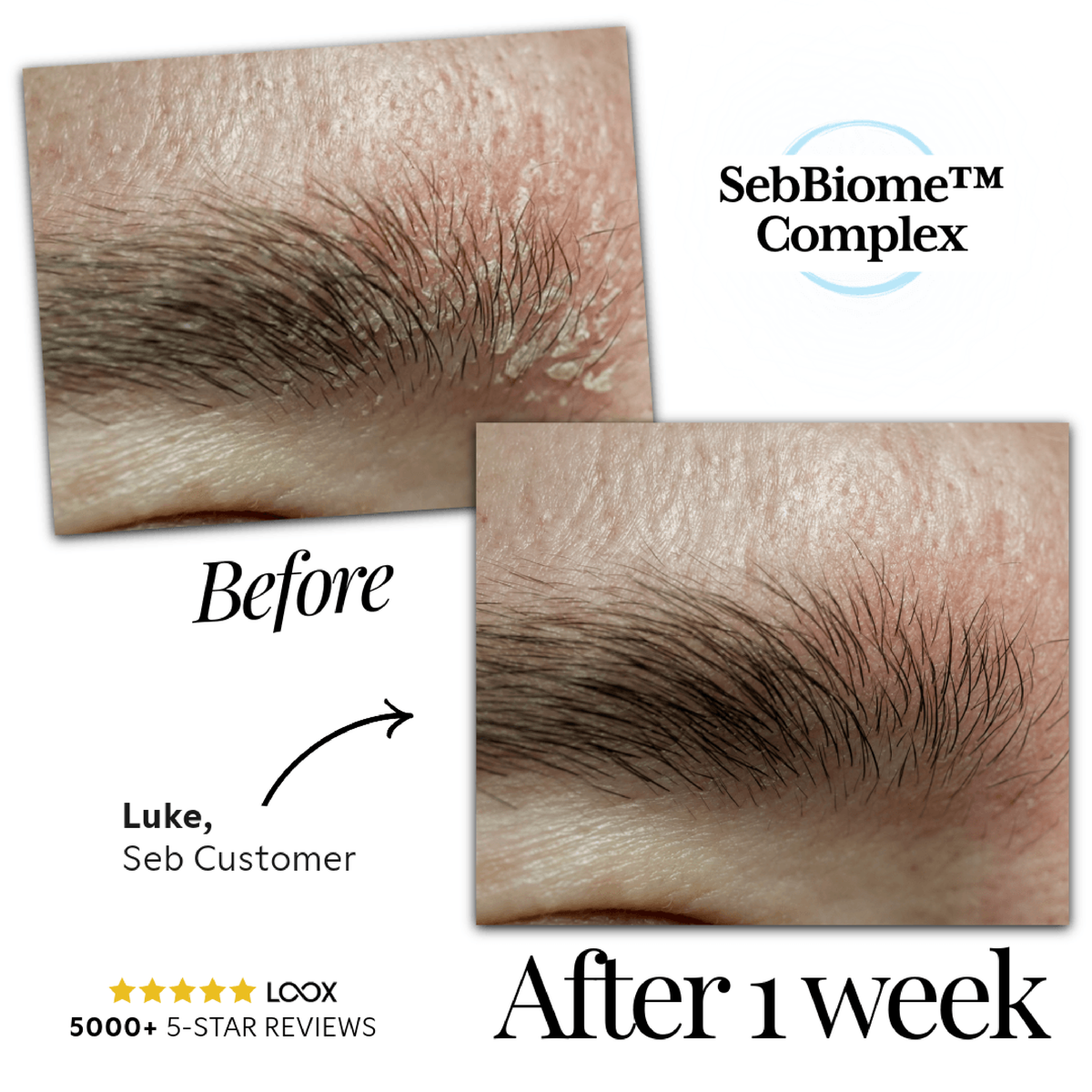
Seborrheic dermatitis (SD) is a common skin condition that can affect various parts of the body, including the scalp, face, and oily areas. One area that can be particularly frustrating is the eyelids, where the skin is thin, delicate, and highly sensitive. Seborrheic dermatitis on the eyelids can cause redness, itching, flaking, and irritation, making daily life uncomfortable. In this blog, we’ll explore how to treat seborrheic dermatitis on the eyelids, what triggers it, and the fastest ways to relieve symptoms.
How Do You Treat Seborrheic Dermatitis on Your Eyelids?
Treating SD on the eyelids requires extra care because the skin around the eyes is thin and sensitive. Over-the-counter treatments for other areas of the body may be too harsh for eyelids, so a gentle and targeted approach is crucial.
Treatment Options:
-Gentle Cleansing:
Use a mild, fragrance-free cleanser or baby shampoo diluted with water to gently clean the eyelids. This helps remove excess oils and flakes without irritating the skin.
-Topical Anti-fungals:
In some cases, doctors may prescribe a low-strength anti-fungal cream suitable for sensitive areas. Ingredients like ketoconazole can reduce the Malassezia yeast that triggers SD.
-Moisturising:
Applying a gentle, non-comedogenic moisturizer can help restore the skin barrier and reduce flaking. Look for products formulated for sensitive or periocular skin.
-Avoid Irritants:
Avoid harsh skincare products, makeup, or eye creams that contain alcohol, fragrances, or other irritants.
-Medical Supervision:
Because the eyes are delicate, it’s essential to consult a dermatologist before using medicated creams near the eyelids.
Tip: Consistency is key. Daily gentle cleansing and moisturizing, combined with occasional anti-fungal treatment, can significantly reduce symptoms.
What Is the Fastest Way to Get Rid of Eyelid Dermatitis?
There’s no instant cure, but fast relief is possible with careful treatment:
-Cool Compresses: Applying a clean, cool compress to the eyelids can relieve itching and redness temporarily.
-Short-term Medications: Dermatologists may prescribe a mild topical corticosteroid for a very short duration to calm acute inflammation.
-Anti-fungal Cleansers or Creams: These address the underlying yeast overgrowth, which is often the root cause of SD on eyelids.
-Avoid Scratching: Scratching can worsen inflammation and may lead to infection.
The fastest results usually come from combining gentle cleansing, antifungal treatment, and soothing care under professional guidance.
Why Do I Suddenly Get Dermatitis on My Eyelids?
Sudden eyelid dermatitis can occur due to a variety of triggers:
-Stress or Hormonal Changes: Stress can weaken the skin barrier and immune response, making eyelid skin more prone to flare-ups.
-Allergens or Irritants: New eye makeup, skincare products, or environmental allergens can trigger dermatitis.
-Yeast Overgrowth: A sudden imbalance in skin oils or microbiome can cause Malassezia to overgrow, leading to SD.
-Medical Conditions: Conditions like rosacea, eczema, or blepharitis can sometimes mimic or trigger seborrheic dermatitis on the eyelids.
Key Insight: Even if you’ve never experienced eyelid dermatitis before, changes in lifestyle, products, or stress levels can suddenly make this delicate area more reactive.
Long-Term Management Tips
-Stick to gentle cleansers and moisturisers daily.
-Use anti-fungal treatments as advised by a dermatologist.
-Avoid rubbing or scratching the eyelids.
-Identify and avoid potential triggers, including new makeup or skincare products.
-Maintain a healthy lifestyle with proper sleep, stress management, and a balanced diet to support overall skin health.
With consistent care, seborrheic dermatitis on the eyelids can be well-managed, reducing flare-ups and improving comfort and appearance.
The Takeaway:
Seborrheic dermatitis on the eyelids is sensitive and tricky, but with the right approach, it can be managed effectively. Gentle cleansing, targeted anti-fungal treatment, and avoiding irritants are essential for both fast relief and long-term control. Understanding why eyelid dermatitis occurs—whether due to yeast overgrowth, stress, or irritants—can help prevent future flare-ups and keep your delicate eye area healthy.