How to Support Your Skin Barrier: A Simple Guide to Healthier-Looking Skin
Your skin does an extraordinary job every day. It helps protect your body from the outside environment while helping prevent excessive water loss.
One of the most important parts of this protective function is the skin barrier.
When the barrier is functioning well, skin often feels comfortable, smooth and hydrated. When it becomes compromised, skin can feel dry, tight, rough or unusually sensitive.
What Is the Skin Barrier?
The outermost layer of the skin, known as the stratum corneum, plays a major role in barrier function.
It contains skin cells surrounded by lipids, creating a structure that helps regulate water movement and protect the skin.
You can think of it as a brick-and-mortar system: the skin cells act like the bricks, while lipids help form the mortar between them.
What Can Damage the Skin Barrier?
Several everyday habits can put stress on the skin barrier.
These can include:
-
Over-cleansing
-
Very hot water
-
Excessive exfoliation
-
Harsh skincare products
-
Extremely dry environments
-
Frequent changes to your skincare routine
This doesn't mean these things will damage everyone's skin equally. Individual tolerance varies.
Signs Your Skin Barrier May Be Struggling
Possible signs include:
Tightness: Your skin feels uncomfortable after cleansing.
Dryness: Moisture seems to disappear quickly.
Sensitivity: Products that previously felt fine suddenly sting or irritate.
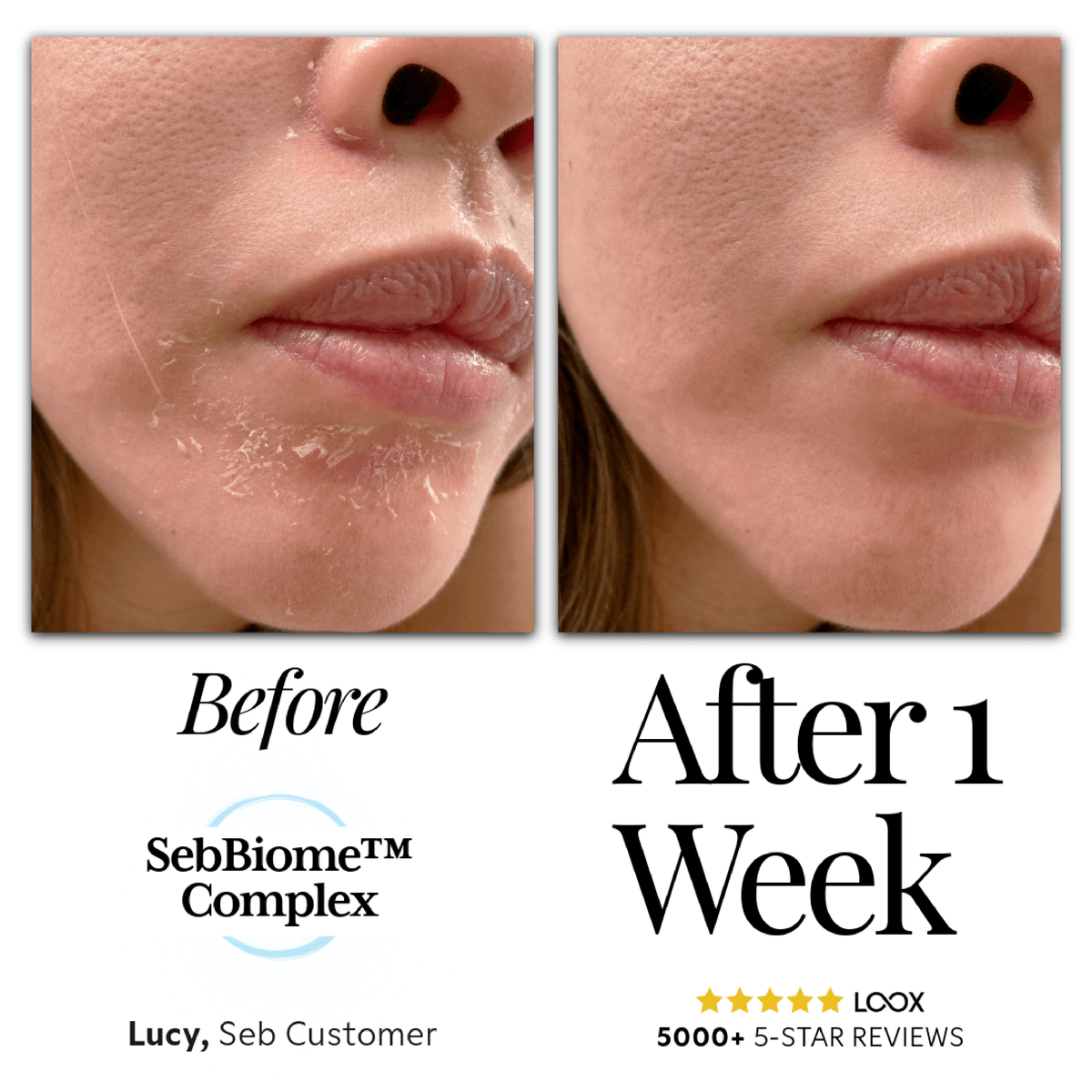
Flaking: The skin becomes visibly rough or flaky.
These signs can have many causes, so they don't necessarily mean your skin barrier is damaged.
How Can You Support It?
The basics are often surprisingly effective.
1. Cleanse Gently
You don't necessarily need an aggressive cleanser to get your skin clean. A gentle cleansing routine can help remove dirt, sunscreen and excess oils without unnecessarily stripping the skin.
2. Moisturise Regularly
Moisturisers can combine ingredients with different functions, including humectants, emollients and occlusives.
Together, these can help improve hydration and reduce water loss.
3. Don't Over-Exfoliate
Exfoliation can be useful for some skin types, but more isn't always better.
If your skin is already irritated or sensitive, temporarily simplifying your routine may be more appropriate.
4. Introduce Products Slowly
Adding five new products at once makes it difficult to know which product is helping—or causing irritation.
One change at a time can make skincare much easier to understand.
Healthy Skin Doesn't Mean Perfect Skin
Skin naturally changes with age, weather, hormones, lifestyle and many other factors.
The goal of a good skincare routine isn't necessarily flawless skin. It's about supporting skin that feels comfortable, balanced and well cared for.
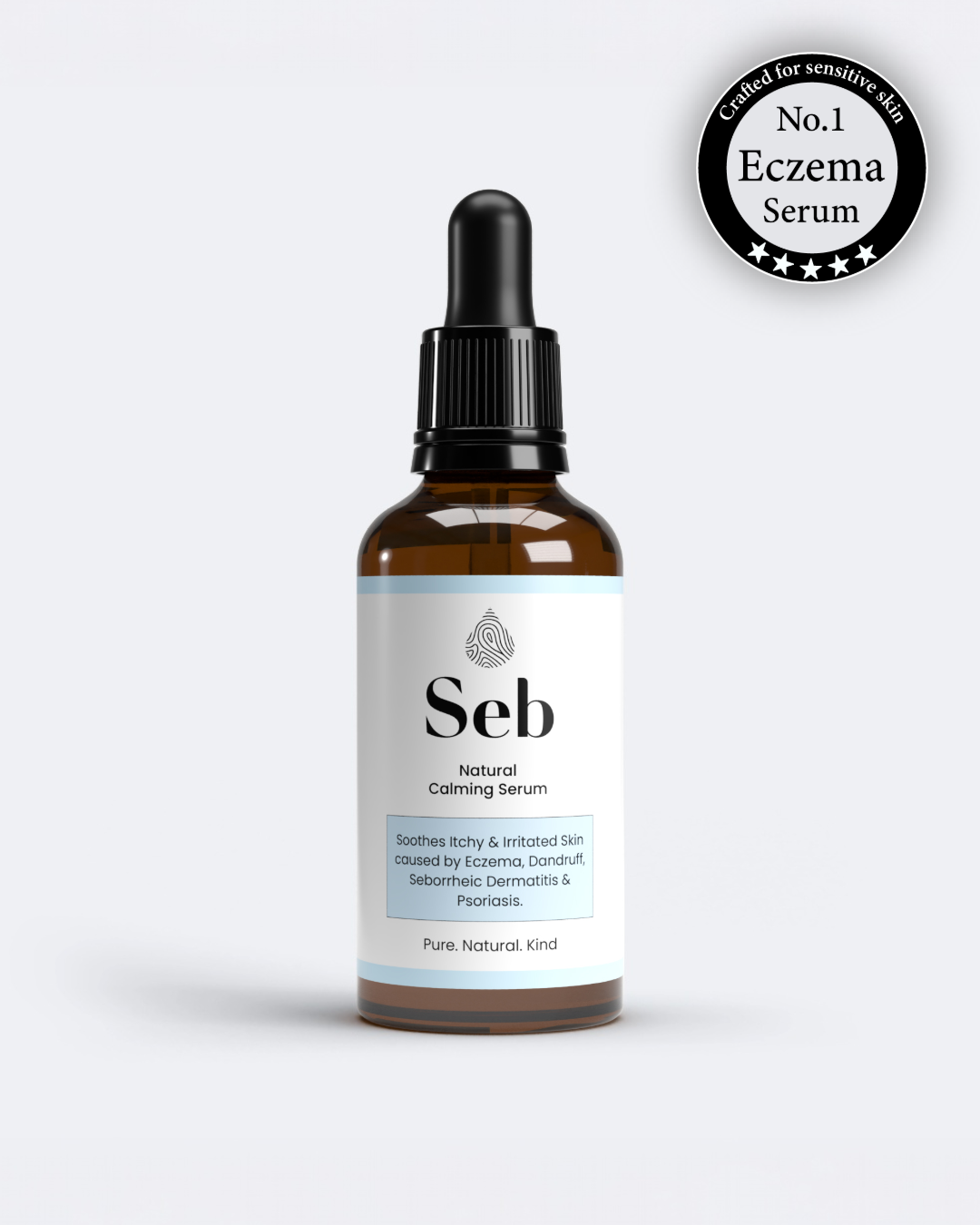
At Seb Skincare, a barrier-conscious approach means focusing on what skin actually needs rather than adding unnecessary complexity.
Sometimes, better skincare starts with doing less—but doing it consistently.