How to remove seborrheic dermatitis - Treatments, and Long-Term Care
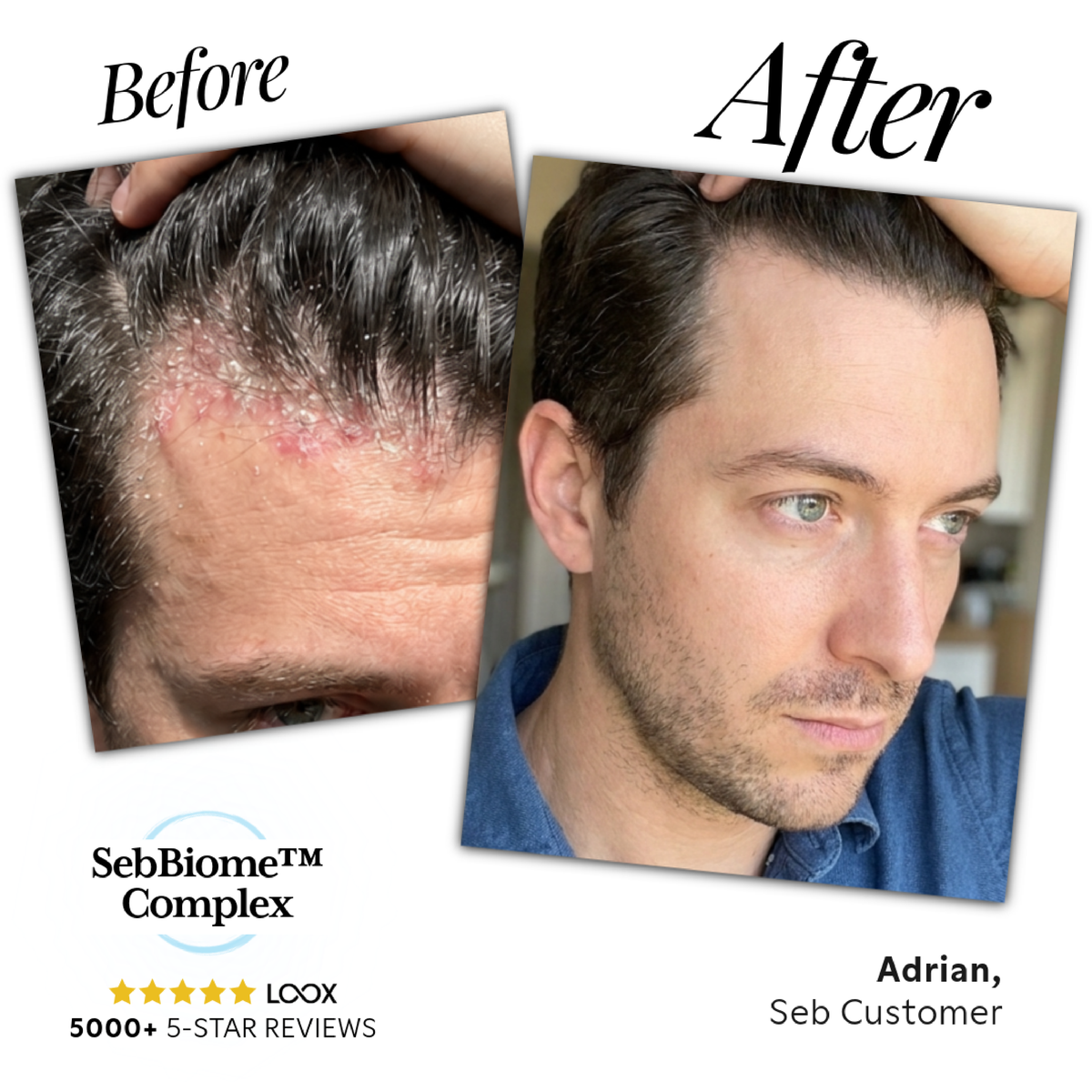
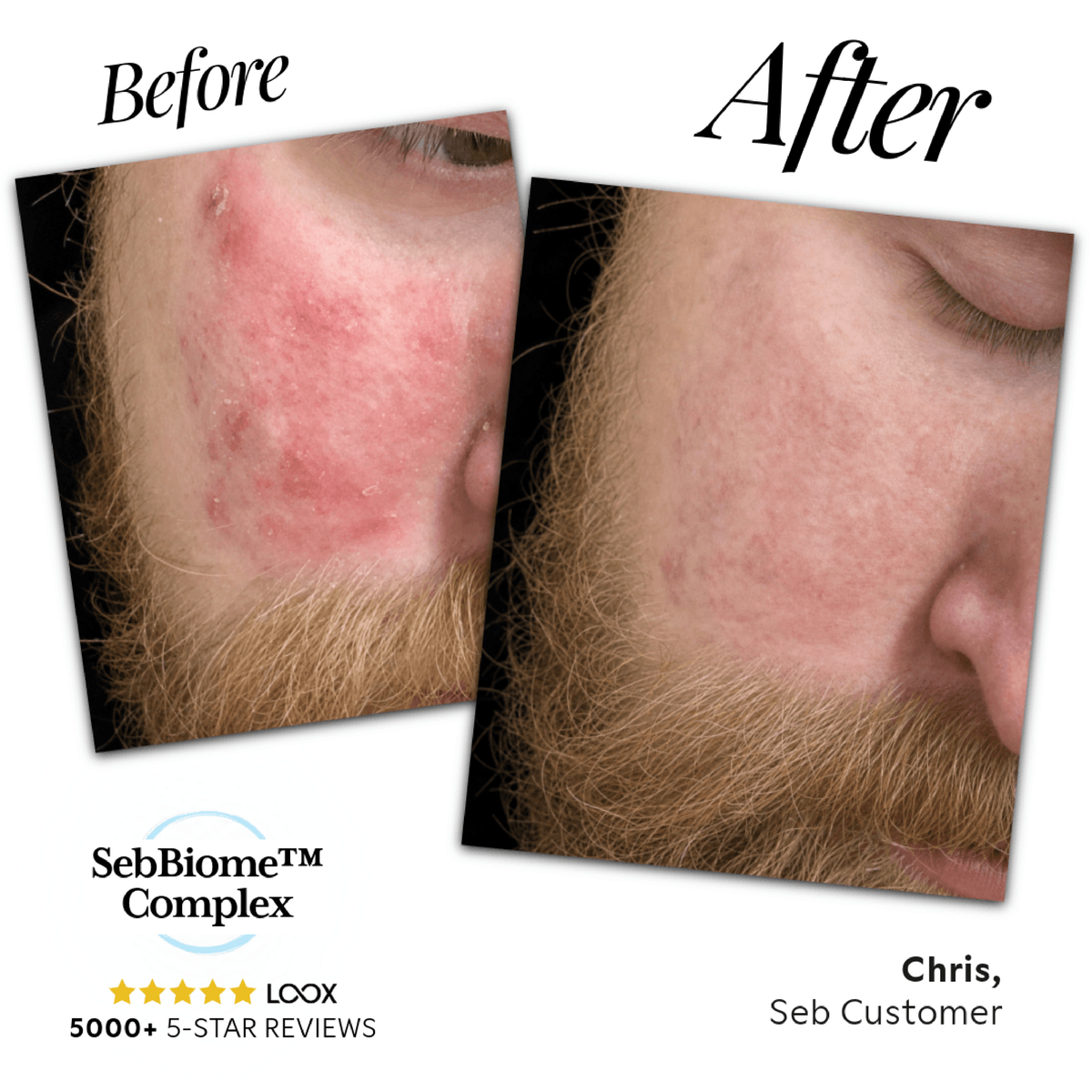
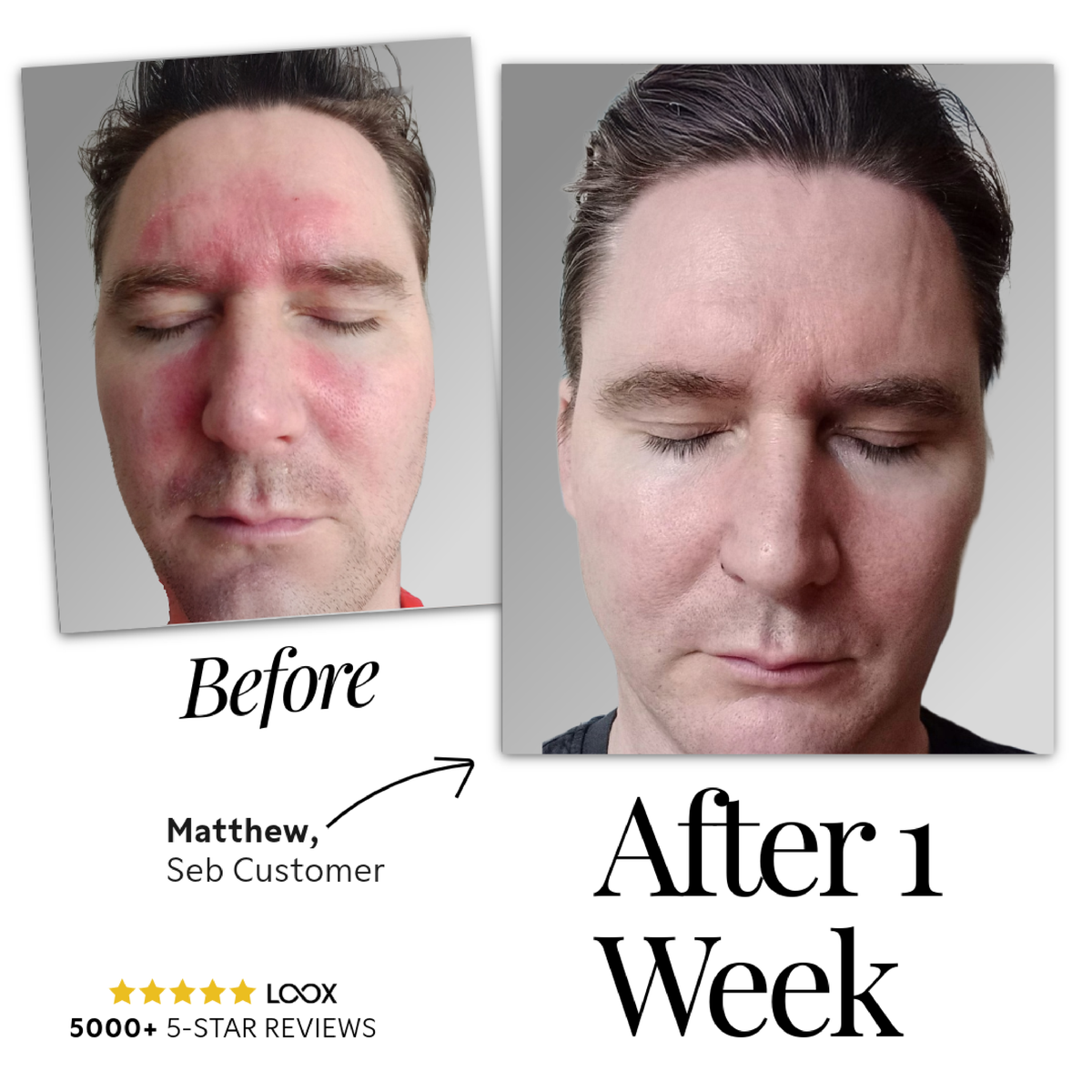
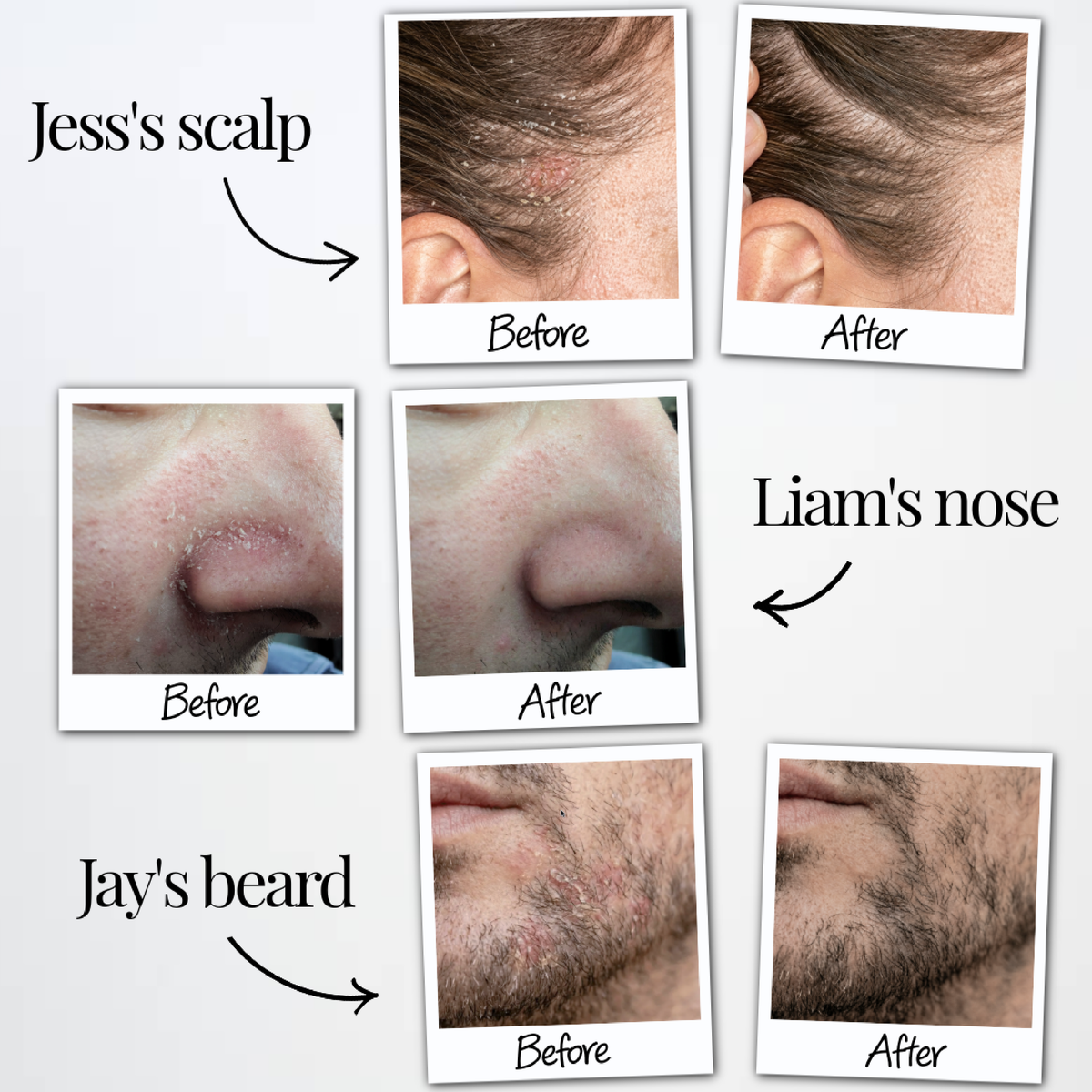
Seborrheic dermatitis (SD) is a common, chronic skin condition that causes red, flaky, and itchy patches, often on the scalp, face, and other oily areas of the body. While it can be uncomfortable and frustrating, understanding its causes and how to manage it effectively can make a huge difference in daily life. In this blog, we’ll answer some key questions about seborrheic dermatitis, including how to treat it, what causes it
How Do You Get Rid of Seborrheic Dermatitis?
The short answer is: you can’t usually cure seborrheic dermatitis permanently. SD is a chronic condition, meaning it tends to flare up and calm down over time. However, it can be managed effectively with a consistent skincare routine and the right treatments.
Key Management Strategies:
-Anti-fungal Treatments: Topical anti-fungal shampoos and creams reduce the yeast that triggers inflammation.
-Medicated Shampoos: Selenium sulfide, zinc pyrithione, and coal tar shampoos can control scaling and irritation.
-Lifestyle Measures: Gentle cleansing, avoiding harsh soaps, reducing stress, and maintaining a healthy diet support long-term skin health.
The goal is to control flare-ups, reduce symptoms, and maintain a healthy scalp and skin, rather than achieve a permanent cure.
What Is the Main Cause of Seborrheic Dermatitis?
Seborrheic dermatitis arises from a combination of factors, with Malassezia yeast overgrowth being the primary culprit. This yeast naturally lives on the skin, feeding on sebum (skin oils). In some individuals, the immune system reacts excessively to Malassezia, causing inflammation and the characteristic red, flaky patches.
Other contributing factors include:
-Excessive sebum production
-Stress or hormonal changes
-Cold or dry weather
-Certain neurological or immune conditions
Essentially, SD is a complex interplay between yeast, oils, and immune response, making targeted treatments necessary.
What Kills the Fungus That Causes Seborrheic Dermatitis?
The yeast Malassezia is the root cause of seborrheic dermatitis. To control SD, it’s essential to reduce the presence of this fungus on the skin. Traditional treatments include anti-fungal agents like ketoconazole, ciclopirox, selenium sulfide, and zinc pyrithione. Or you can opt for a natural route with botanical ingredients.
How Seb Skincare Helps:
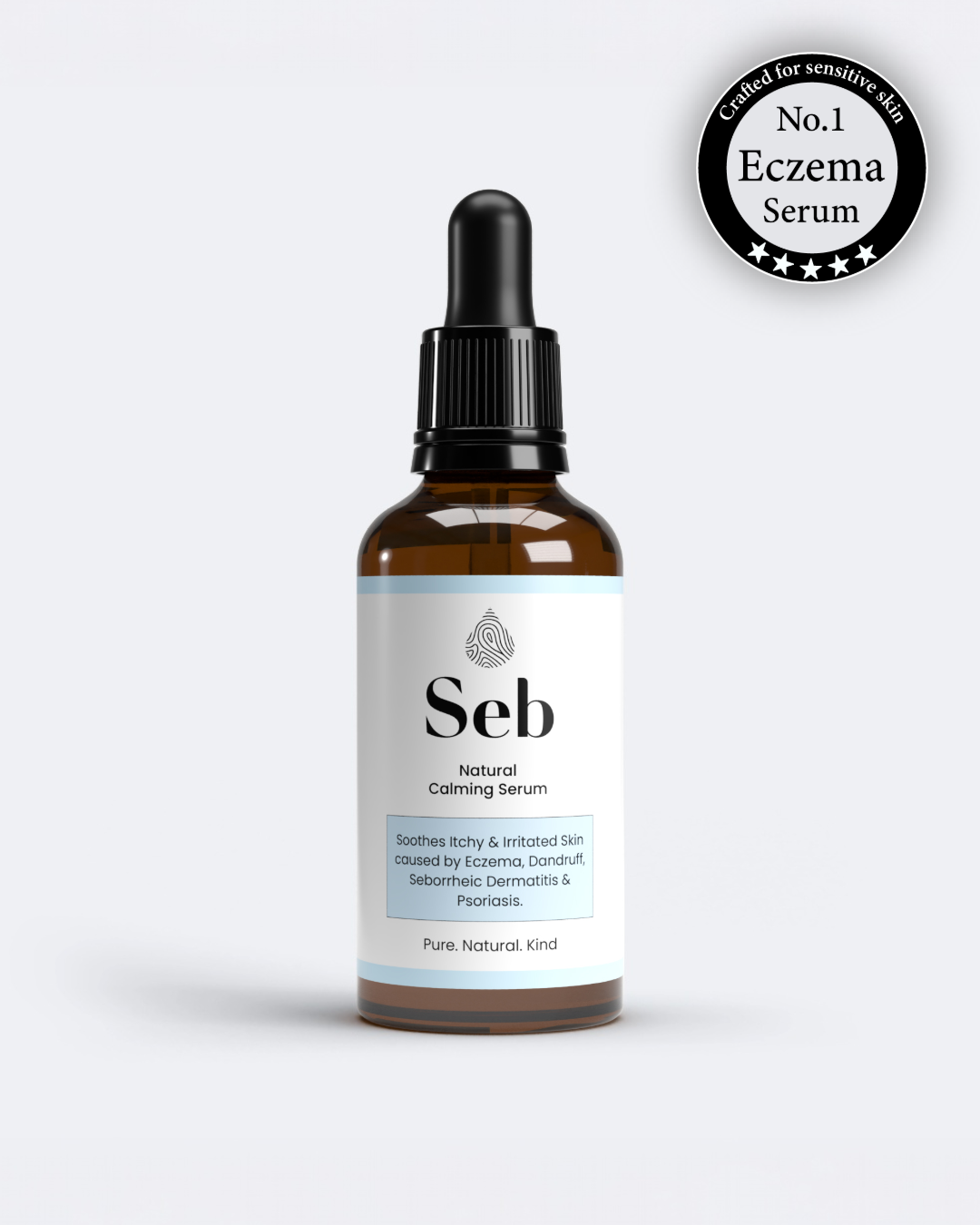
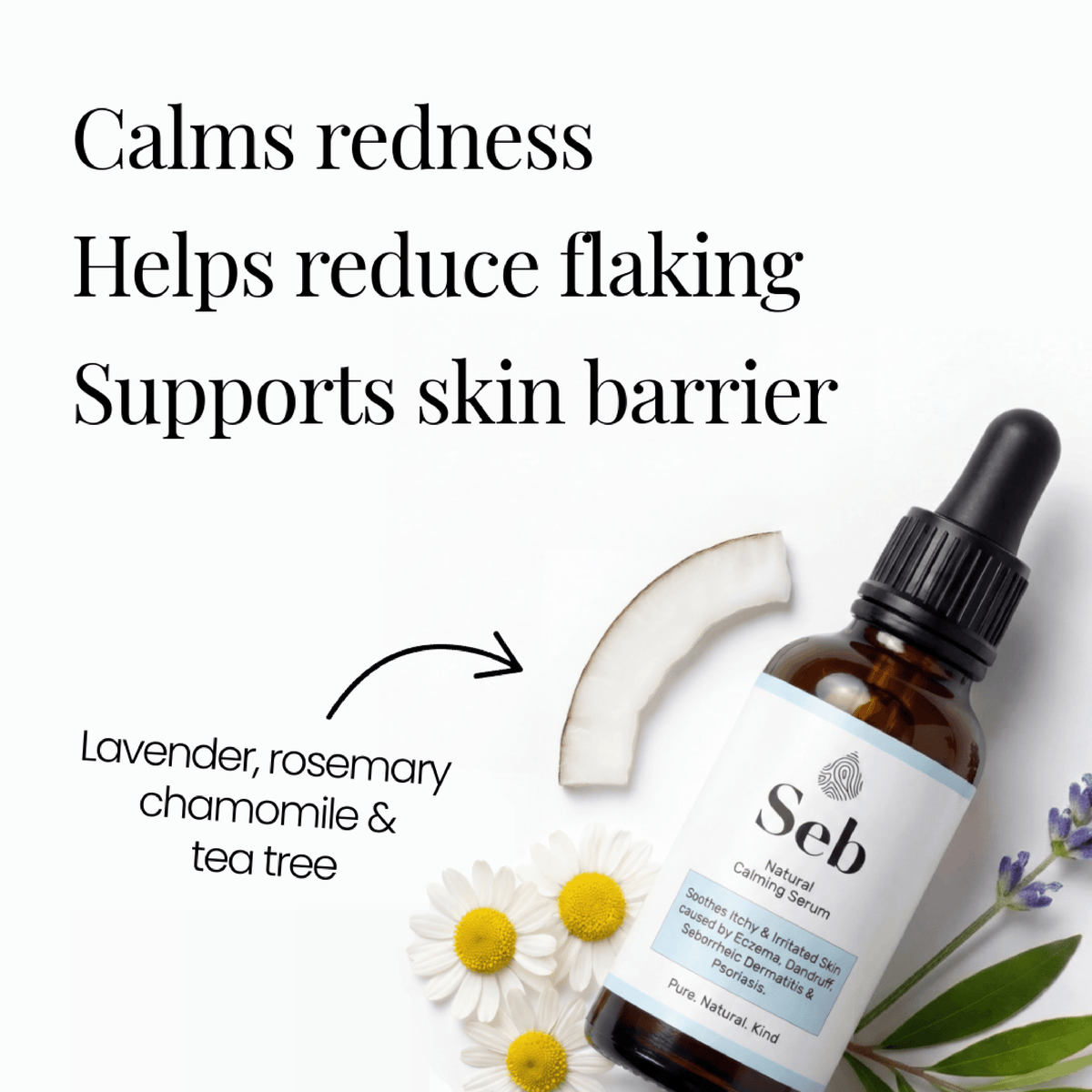
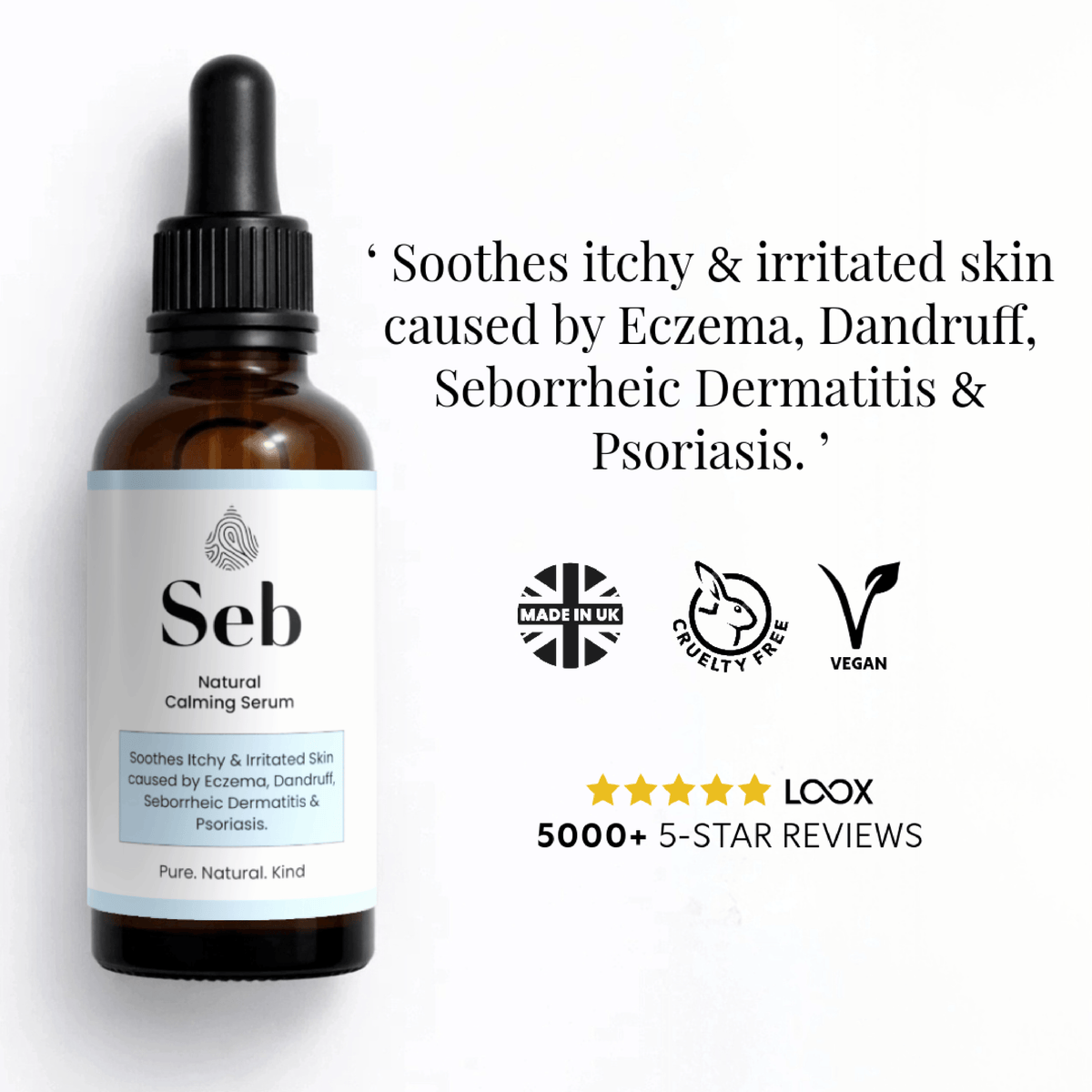
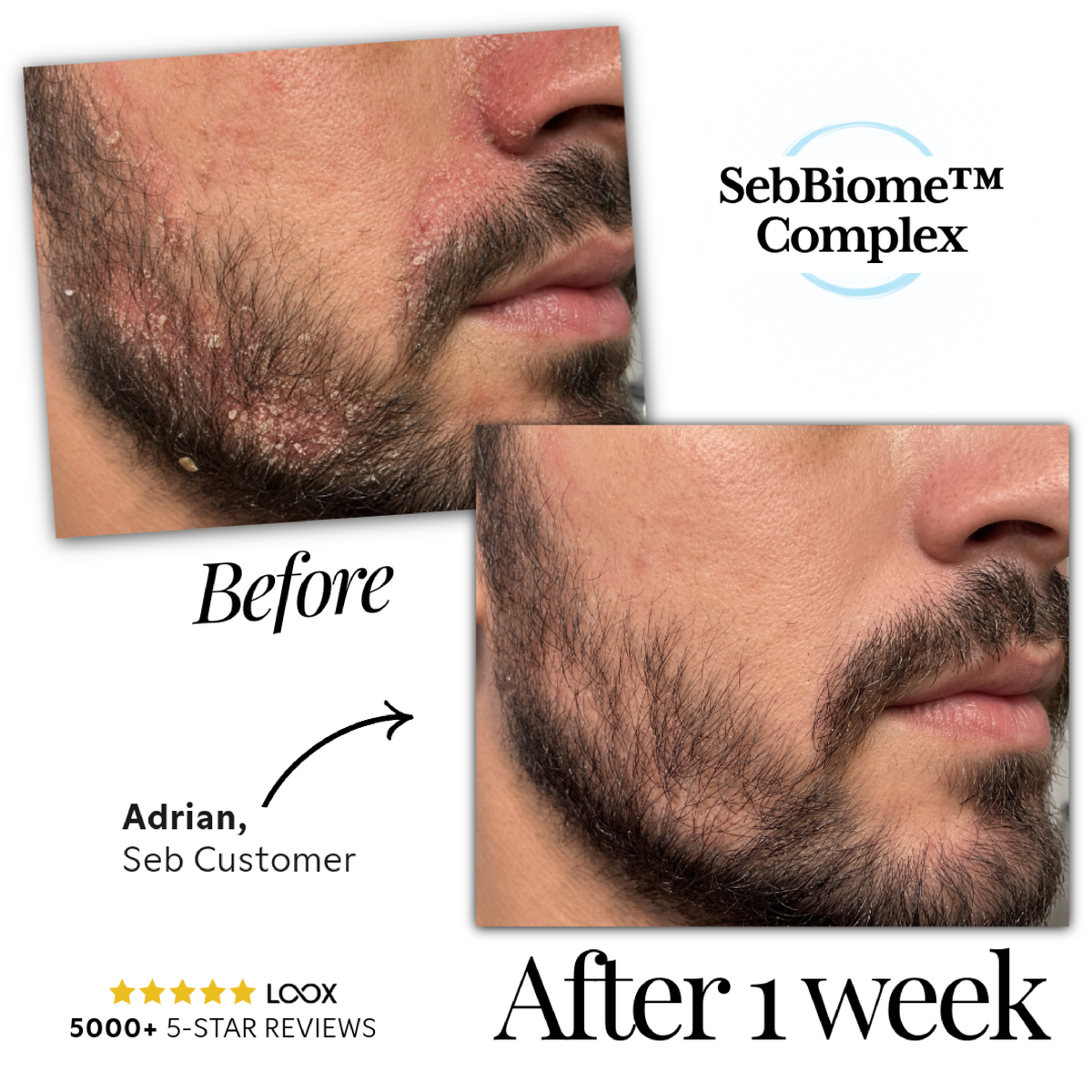
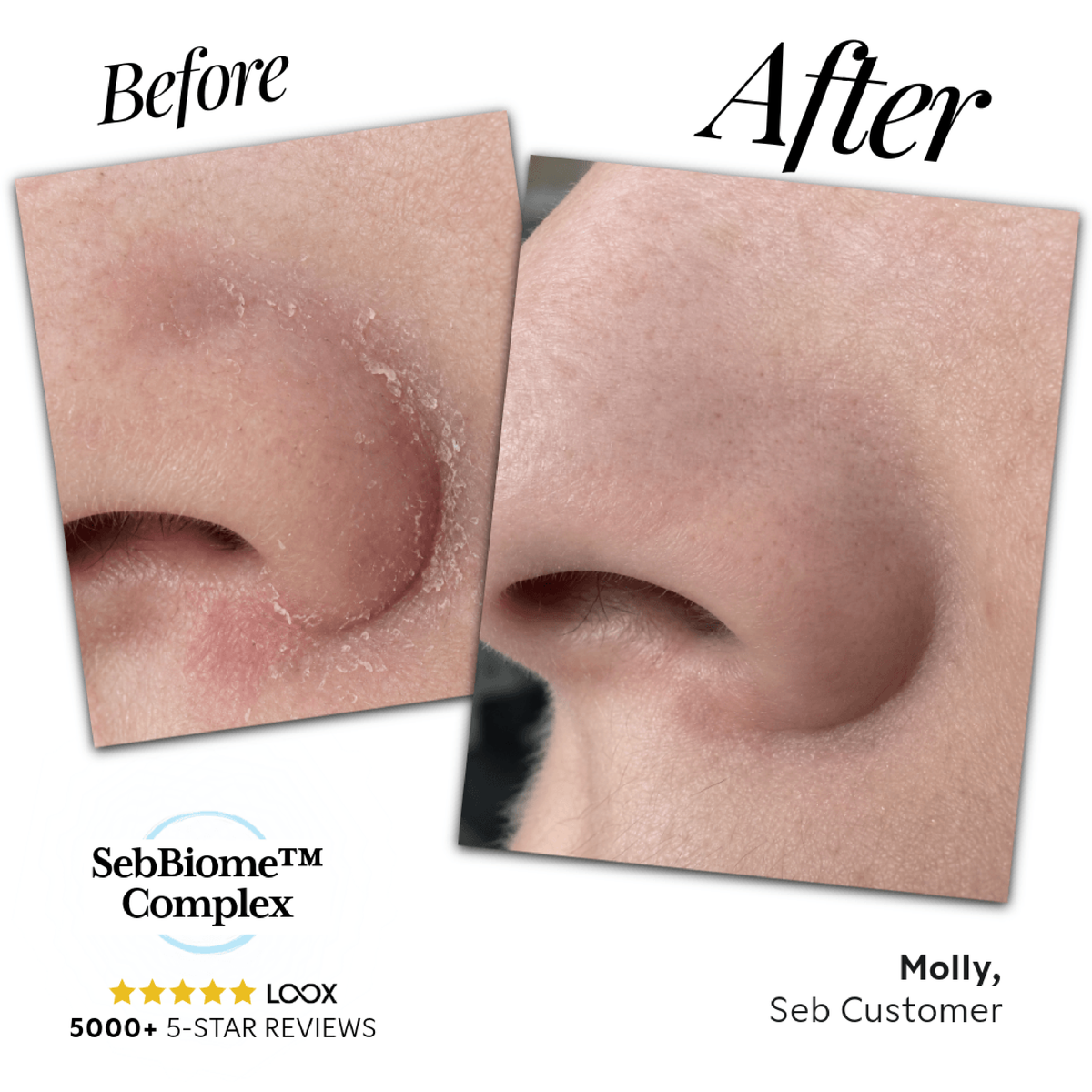
Seb Skincare’s products, including the Natural Calming Serum and Soothing Balm, are formulated with botanical anti-fungal and antibacterial ingredients designed to balance the skin microbiome and inhibit Malassezia growth. These ingredients help:
Calm inflammation
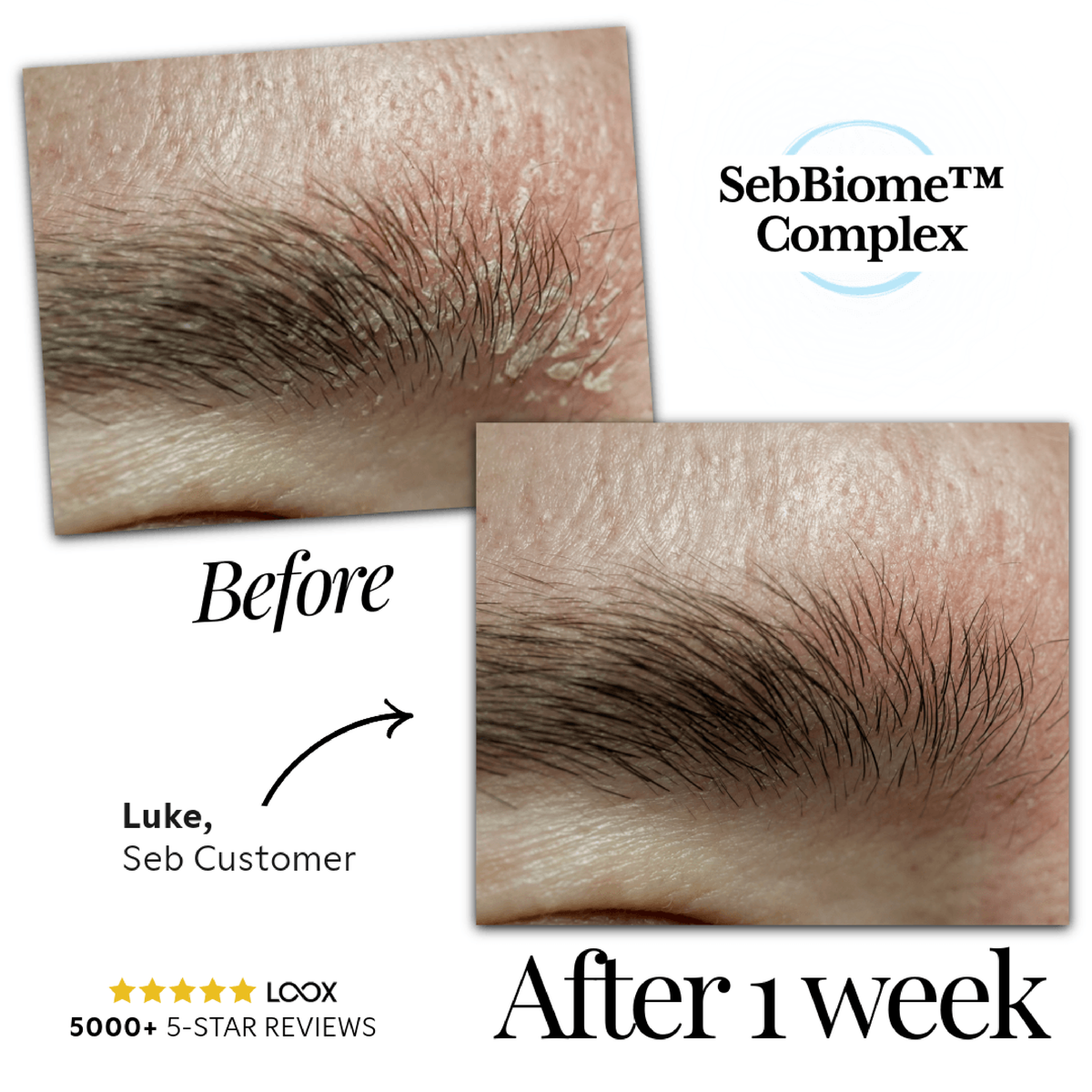
Reduce flakiness and redness
Prevent the yeast from feeding on your skin oils
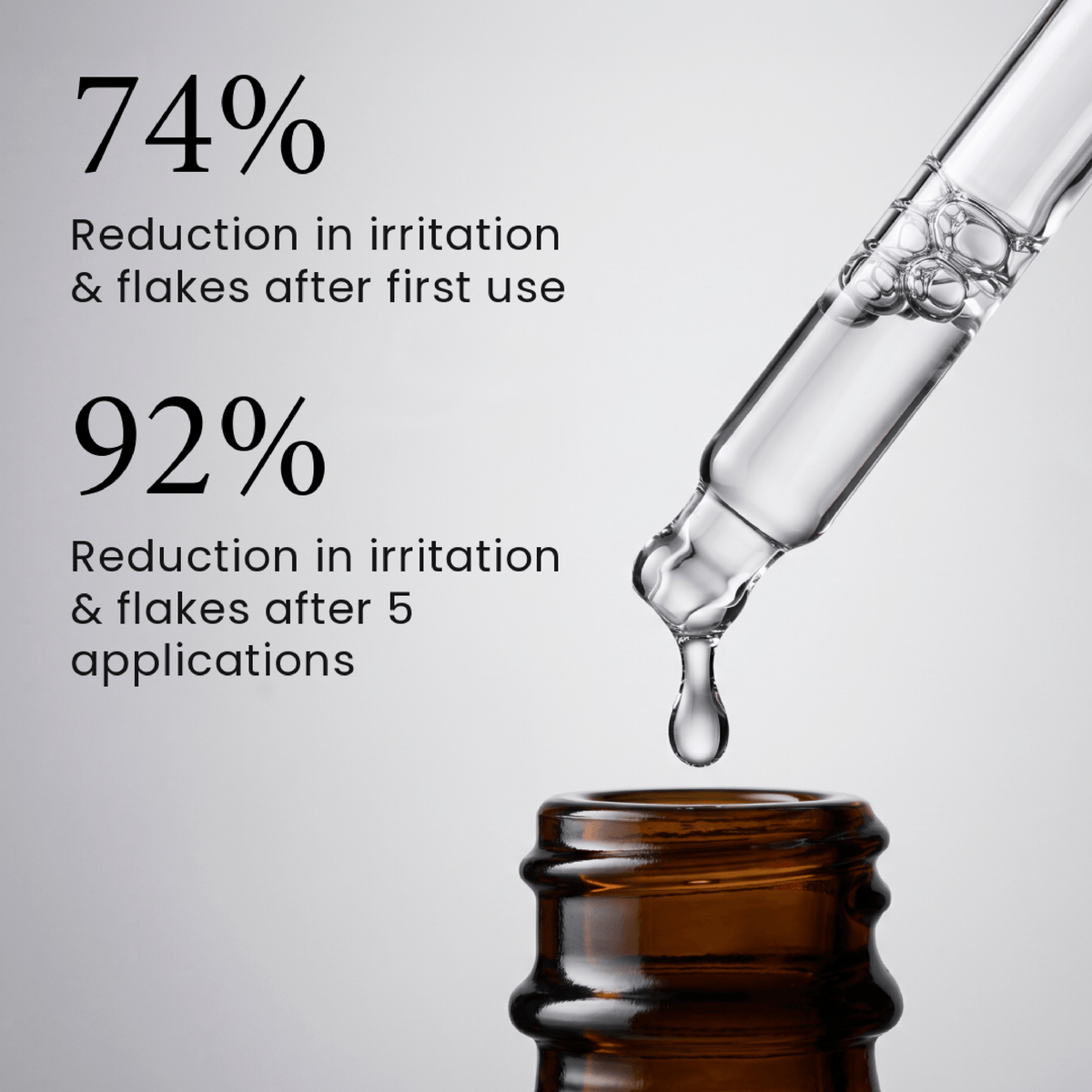
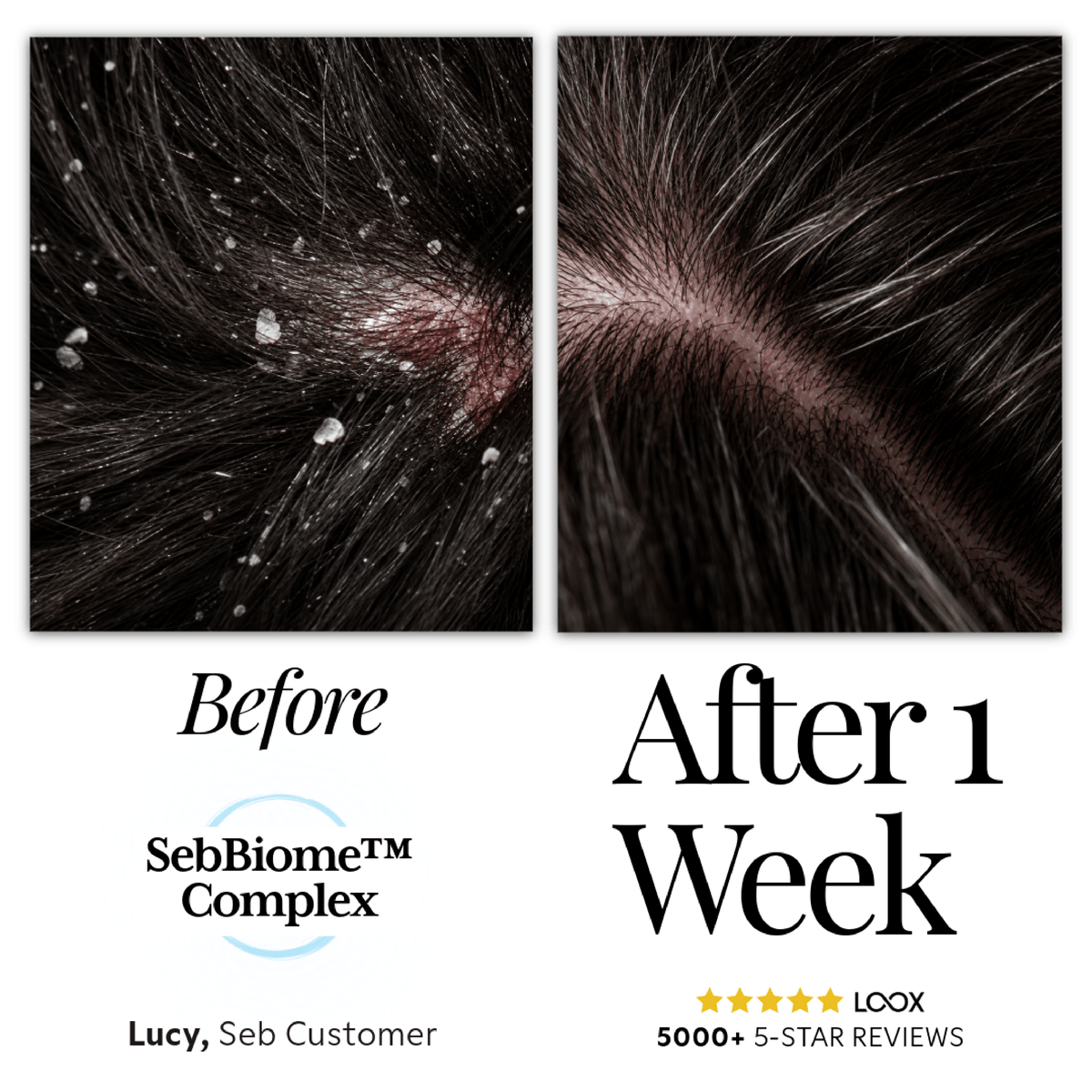
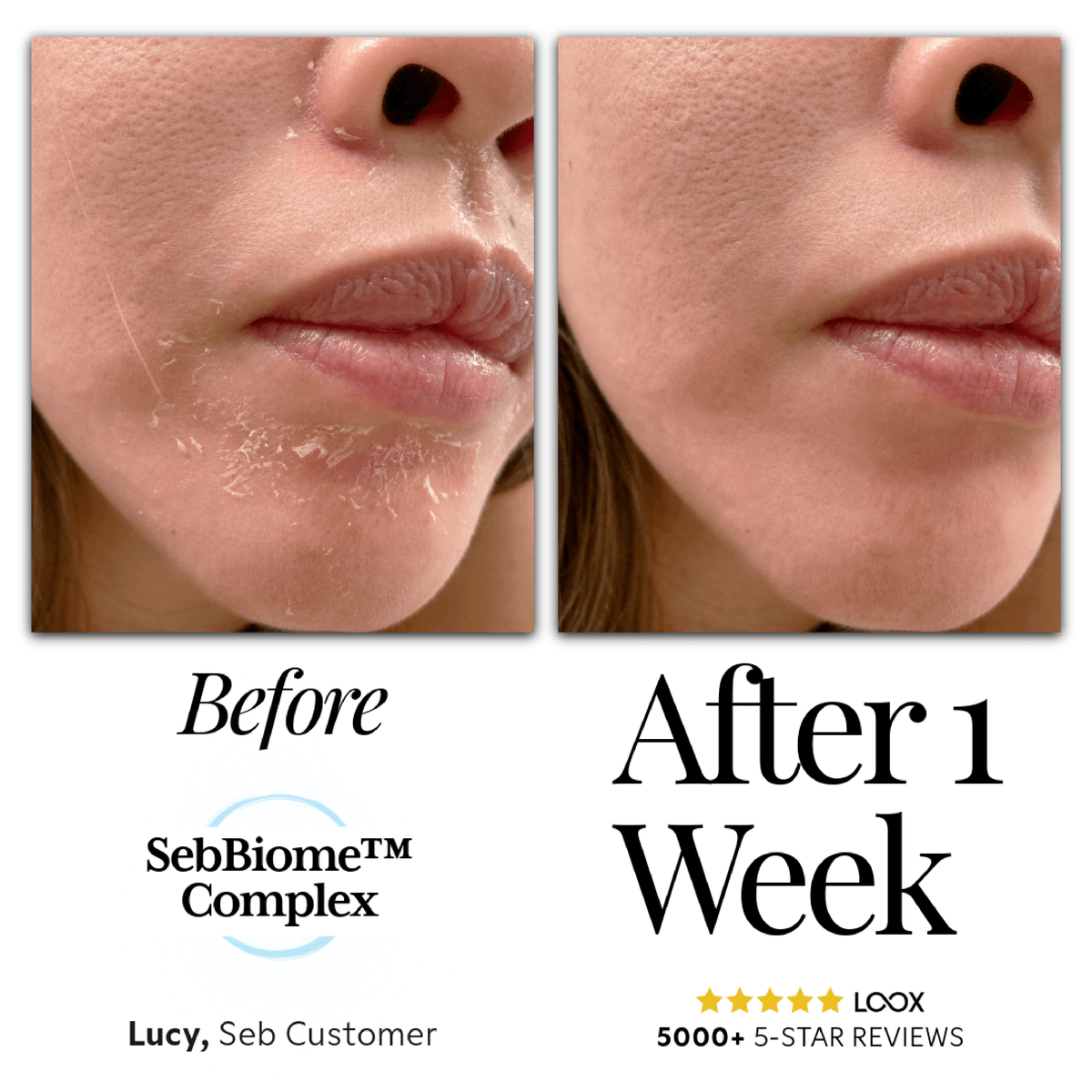
By addressing the fungal overgrowth naturally, Seb Skincare products help manage seborrheic dermatitis effectively, providing relief without harsh chemicals.
Long-Term Care and Tips
-Consistency is Key: Use anti-fungal products regularly, even when symptoms improve.
-Gentle Cleansing: Avoid harsh soaps or hot water, which can worsen irritation.
-Moisturise: Hydrating your skin helps reduce flaking and itching.
-Lifestyle Support: Stress management, adequate sleep, and a balanced diet can minimise flare-ups.
With the right approach, seborrheic dermatitis can be well-controlled, allowing you to maintain clear, comfortable skin over time.
The Takeaway:
While there is no permanent cure for seborrheic dermatitis, understanding its causes and using targeted treatments can make it manageable. The key is reducing Malassezia yeast and calming inflammation. Natural products like those from Seb Skincare combine anti-fungal botanicals with soothing ingredients to tackle the root cause, giving you relief from flakes, redness, and itching. With consistent care and attention, you can keep seborrheic dermatitis under control and enjoy healthier, more comfortable skin.