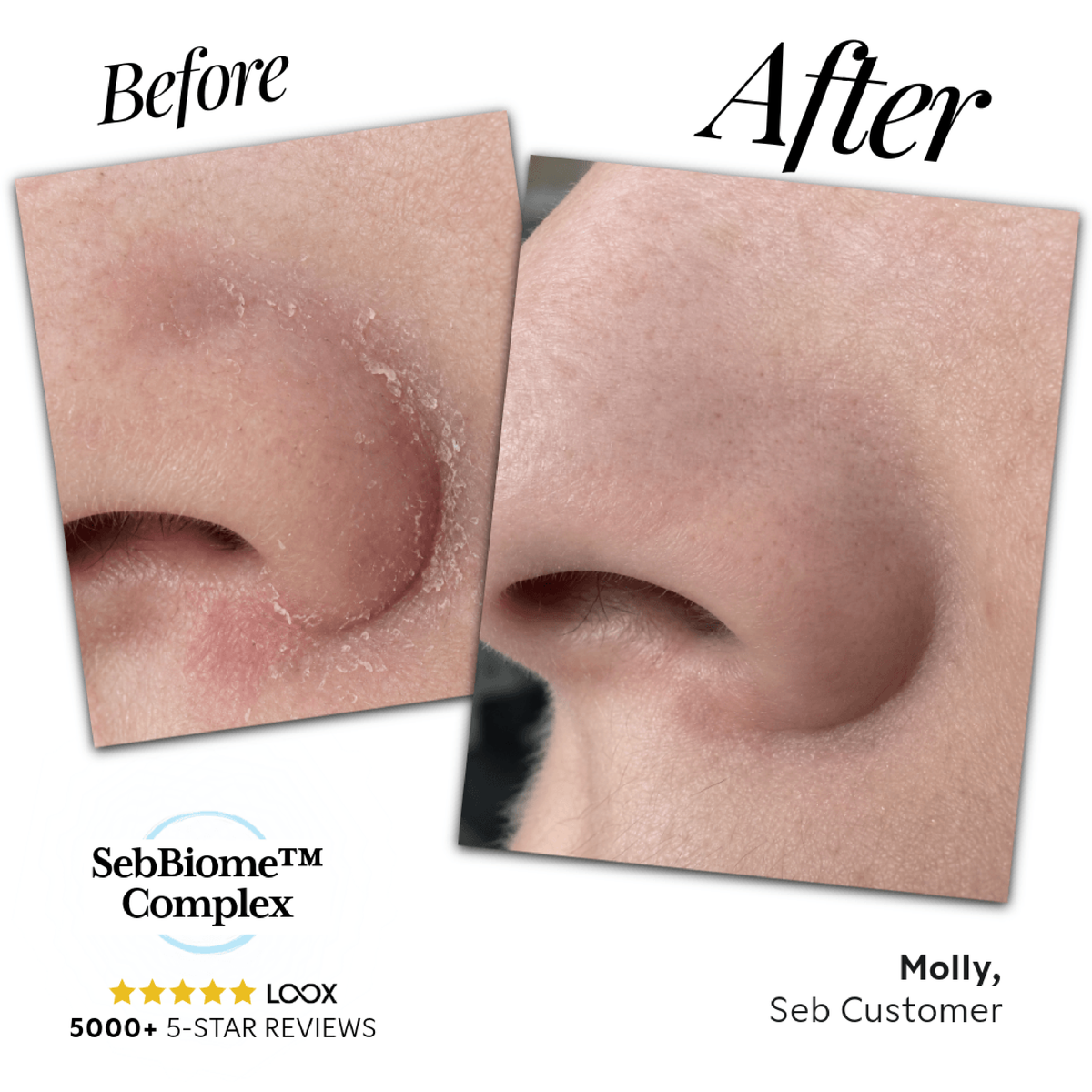
How Sleeping Habits Can Influence Seborrheic Dermatitis Severity
Seborrheic dermatitis (SD) is a chronic inflammatory skin condition characterised by red, flaky, itchy patches, primarily affecting areas rich in sebaceous (oil) glands such as the scalp, face, and upper chest. While its exact cause is not fully understood, factors such as genetics, immune system response, yeast overgrowth (Malassezia), stress, and environmental triggers play significant roles. Interestingly, one factor often overlooked in the management of seborrheic dermatitis is sleep. Recent studies and clinical observations suggest that sleeping habits can have a notable impact on the severity and frequency of SD flare-ups. In this article, we explore the connection between sleep and seborrheic dermatitis and offer insights into how improving sleep hygiene may help manage this condition.
Understanding the Sleep-Seborrheic Dermatitis Connection
Sleep is essential for overall health, supporting immune function, hormonal balance, and skin regeneration. Poor or insufficient sleep disrupts these processes and may exacerbate inflammatory conditions, including seborrheic dermatitis. Here’s how:
1. Immune System Regulation
During sleep, particularly deep sleep stages, the body undergoes immune system repair and regulation. Poor sleep has been linked to:
-Increased inflammatory cytokines such as interleukin-6 (IL-6) and tumour necrosis factor-alpha (TNF-α), which can worsen skin inflammation.
-Reduced production of anti-inflammatory mediators, making the skin more susceptible to flare-ups.
Since seborrheic dermatitis is driven in part by an inflammatory response to Malassezia yeast, disrupted immune regulation due to inadequate sleep may lead to more severe symptoms.
2. Hormonal Imbalances
Sleep affects hormone levels, including cortisol, melatonin, and growth hormone:
-Cortisol, the stress hormone, is naturally regulated during sleep. Chronic sleep deprivation can increase cortisol, leading to heightened inflammation and exacerbating SD.
-Melatonin, which regulates circadian rhythm and has antioxidant properties, decreases with poor sleep. Low melatonin levels may impair skin repair and immune defence.
-Growth hormone, which supports tissue repair, is primarily released during deep sleep. Inadequate sleep may delay healing of affected skin areas.
3. Skin Barrier Function
The skin barrier protects against external irritants, microbes, and moisture loss. Poor sleep has been associated with:
-Increased transepidermal water loss (TEWL), making skin drier and more prone to irritation.
-Impaired barrier repair, which can allow Malassezia yeast to proliferate more easily, triggering inflammation and scaling.
4. Stress Amplification
Chronic poor sleep often contributes to stress and anxiety, both of which are known triggers for seborrheic dermatitis flare-ups. Stress can worsen inflammation through:
-Increased cortisol levels
-Dysregulation of the immune system
-Changes in sebaceous gland activity
In this way, sleep indirectly influences SD severity via stress modulation.
Practical Tips for Using Sleep to Manage Seborrheic Dermatitis
While sleep alone cannot cure seborrheic dermatitis, improving sleeping habits can reduce flare severity and frequency. Here are evidence-based strategies:
1. Maintain a Consistent Sleep Schedule
-Go to bed and wake up at the same time every day.
-A consistent circadian rhythm supports immune regulation and hormonal balance.
2. Prioritise 7–9 Hours of Quality Sleep
-Most adults require 7–9 hours of sleep per night.
-Chronic sleep deprivation is linked to increased inflammation and skin sensitivity.
3. Create a Sleep-Friendly Environment
-Keep your bedroom cool (around 18–22°C or 65–72°F).
-Reduce light exposure using blackout curtains or eye masks.
-Minimise noise disruptions to prevent fragmented sleep.
4. Reduce Evening Stimulants
-Limit caffeine, alcohol, and nicotine close to bedtime, as they disrupt sleep architecture.
-Avoid heavy meals right before bed to prevent discomfort and acid reflux.
5. Manage Stress
-Relaxation techniques such as meditation, deep breathing, or gentle stretching before bed can improve sleep quality and reduce SD flare triggers.
6. Optimise Skin Care Before Bed
-Wash affected areas gently to remove excess oil and scaling, using dermatologist-recommended cleansers.
-Avoid harsh soaps that strip natural oils, which can worsen irritation.
-Apply lightweight, non-comedogenic moisturisers if dryness is an issue.
When to Seek Professional Help
If seborrheic dermatitis persists despite improved sleep and standard skincare measures, it’s essential to consult a dermatologist. They may recommend:
-
Medicated shampoos or creams containing ketoconazole, selenium sulfide, or zinc pyrithione
-
Topical corticosteroids for flare management
-
Lifestyle counselling that includes sleep hygiene as part of a holistic treatment plan
The Takeaway
Sleep is a powerful, often underestimated factor in skin health. For individuals with seborrheic dermatitis, poor sleeping habits can increase inflammation, disrupt immune function, and worsen flare-ups. By prioritising sleep quality and adopting consistent, healthy sleep routines, it is possible to reduce SD severity and support overall skin wellness. Combining proper sleep with medical treatments and stress management can offer a comprehensive approach to living more comfortably with seborrheic dermatitis.