How Hair Styling Products Can Trigger Seborrheic Dermatitis
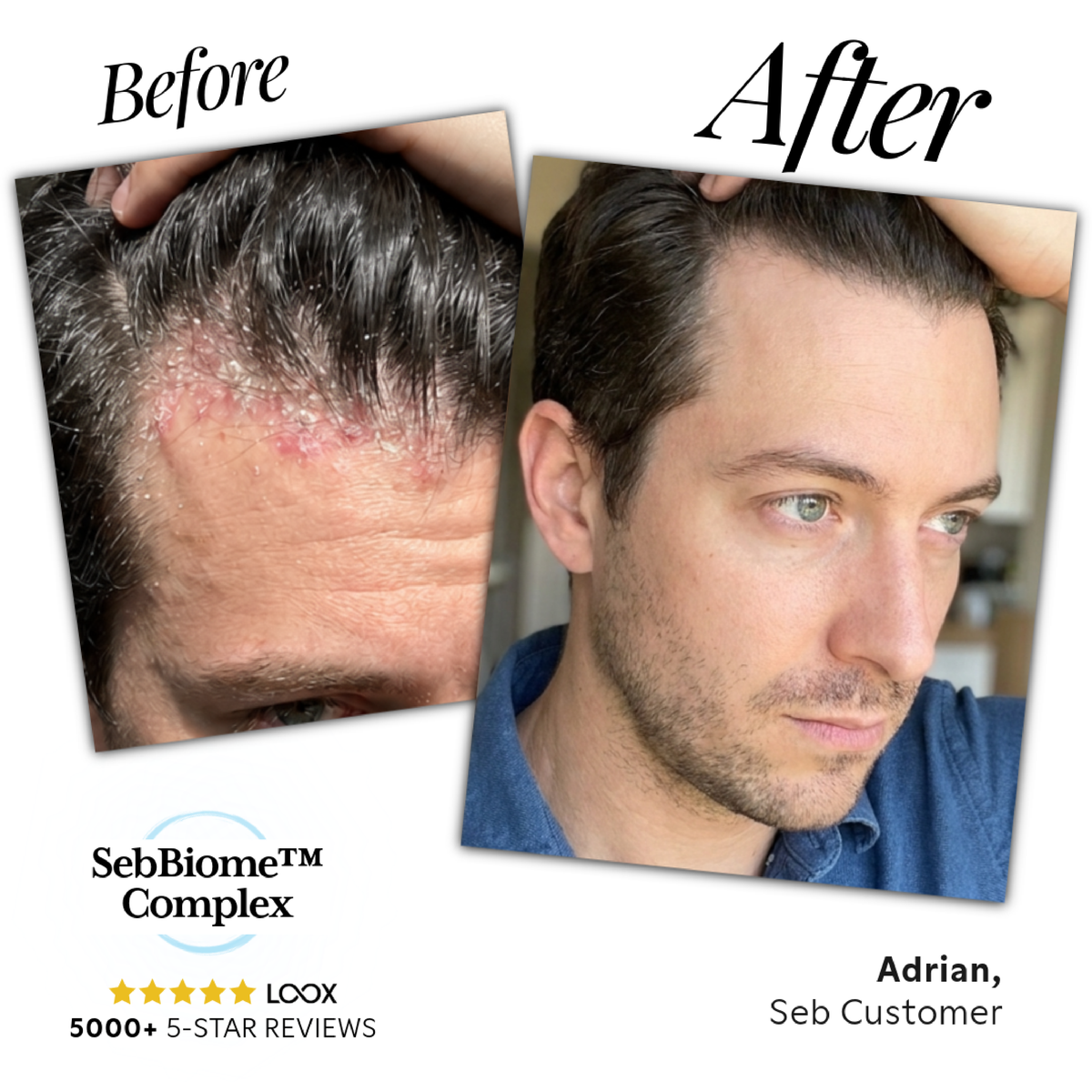
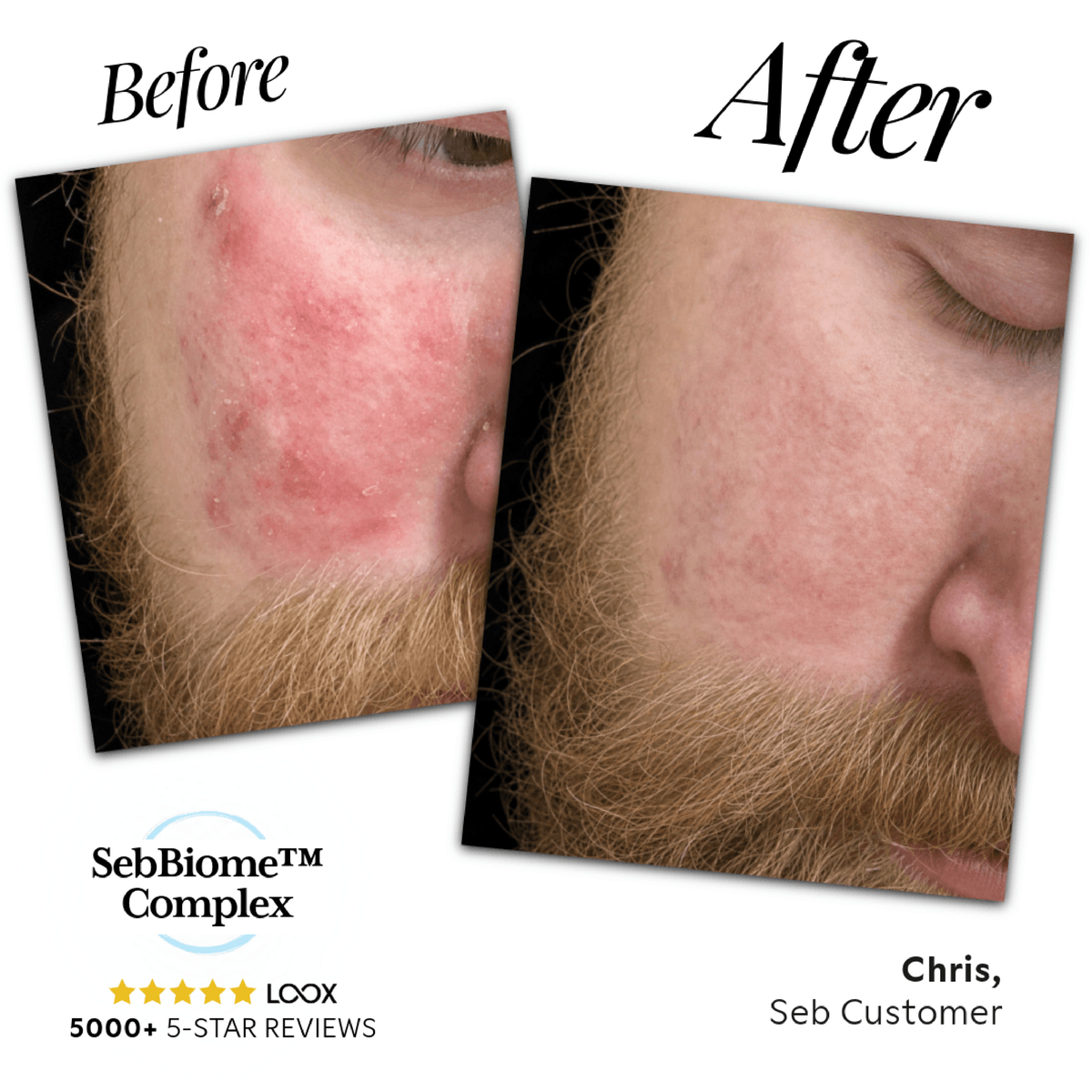
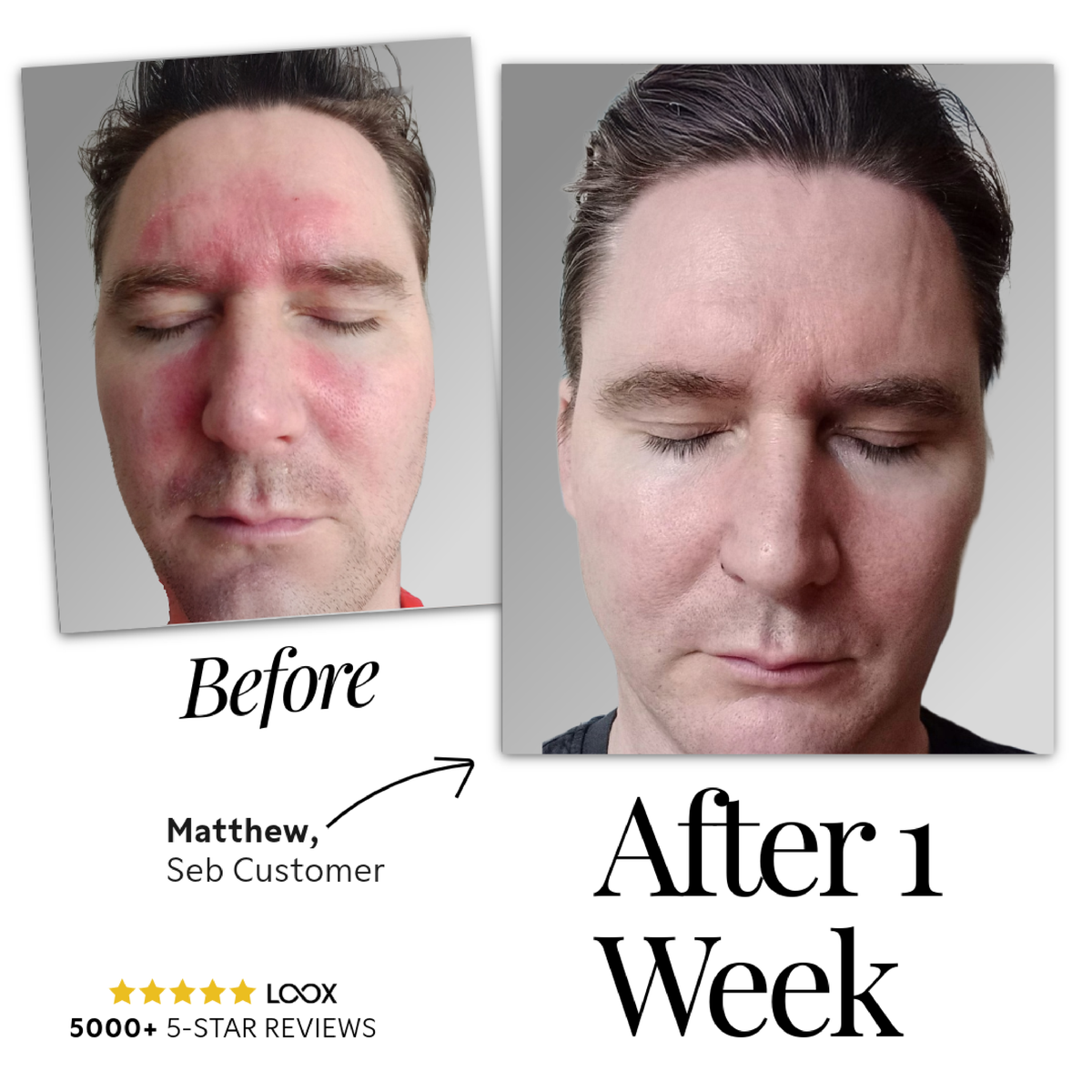
Seborrheic dermatitis (SD) is a common skin condition that often affects the scalp, causing redness, itching, and flaking. If you’ve been struggling with recurring dandruff or irritated scalp patches, you might be surprised to learn that your favorite hair styling products could be making things worse. From gels and waxes to hairsprays and dry shampoos, the products you use to style your hair can sometimes trigger flare-ups in people with seborrheic dermatitis. In this blog, we’ll explore why this happens, which ingredients to watch out for, and how to enjoy styling your hair without aggravating your skin.
How Hair Products Affect the Scalp
Your scalp is more than just a base for your hair—it’s a delicate ecosystem of skin, oil glands, and natural microbes. Seborrheic dermatitis occurs when the yeast Malassezia, which naturally lives on the skin, grows excessively, often triggered by excess oil, stress, or irritation. Hair styling products can contribute to this problem in several ways:
-Trapping Oil and Sweat
Many gels, pomades, and waxes create a coating on the hair and scalp. This layer can trap natural oils and sweat, creating the perfect environment for yeast to multiply, which worsens SD.
-Blocking Pores
Heavy styling products can clog hair follicles and tiny pores on the scalp, leading to inflammation and flare-ups.
-Irritating Ingredients
Fragrances, alcohol, preservatives, and harsh chemicals in some hair products can irritate sensitive skin, triggering redness, itching, and flaking.
-Altered pH Balance
Healthy skin has a slightly acidic pH, which keeps yeast growth in check. Some styling products are highly alkaline, disrupting the natural pH and creating conditions favorable for SD.
Common Culprits in Hair Styling Products
Here are some types of products that often trigger seborrheic dermatitis flare-ups:
-Hair Gels and Pomades: Especially those with heavy oils or waxes that coat the scalp.
-Hairsprays: Alcohol-heavy sprays can dry out the scalp, leading to irritation and increased flaking.
-Dry Shampoos: While convenient, dry shampoos absorb oil and sweat but can leave residues that irritate sensitive skin.
-Hair Serums and Oils: Thick, greasy products may worsen oil buildup and feed yeast overgrowth.
-Fragranced Products: Perfumes and essential oils in styling products can be irritating to inflamed skin.
Tips to Style Hair Without Triggering SD
You don’t have to give up hairstyling completely—there are ways to protect your scalp while still enjoying your favourite looks:
1. Choose Lightweight Products
-Opt for water-based gels, light mousses, or non-greasy sprays.
-Avoid heavy waxes, pomades, or oily serums that sit on the scalp.
2. Check Ingredient Labels
-Avoid products with alcohol denat, strong fragrances, parabens, and sulfates.
-Look for gentle, hypoallergenic, or dermatologist-tested products.
3. Keep Your Scalp Clean
-Wash your hair regularly to remove styling residues.
-Use a medicated shampoo with ingredients like ketoconazole, zinc pyrithione, or selenium sulfide if flare-ups are frequent.
4. Apply Products Carefully
-Focus styling products on your hair, not the scalp. For example, use pomade on the ends of your hair rather than directly on the roots.
5. Give Your Scalp a Break
-Avoid using multiple heavy products daily.
-Allow your scalp to breathe by having occasional “no-product” days.
6. Test New Products Slowly
-Introduce one new product at a time and monitor your scalp for irritation over several days.
When to See a Dermatologist
If you notice persistent redness, itching, or flaking despite adjusting your hair care routine, it’s time to consult a dermatologist. They can help:
-Prescribe medicated shampoos or topical treatments
-Identify irritants in your hair care routine
-Provide advice for safe styling practices that won’t worsen SD
The Takeaway
Hair styling products can be fun and expressive, but for people with seborrheic dermatitis, the wrong product can trigger flare-ups and make symptoms worse. Understanding how these products interact with your scalp, choosing gentle alternatives, and keeping a clean, balanced scalp are key to enjoying both healthy hair and healthy skin.
With the right approach, you can keep styling your hair while keeping seborrheic dermatitis under control—because everyone deserves a good hair day without irritation.