Essential Oils for Seborrheic Dermatitis: Which Are Safe and Effective
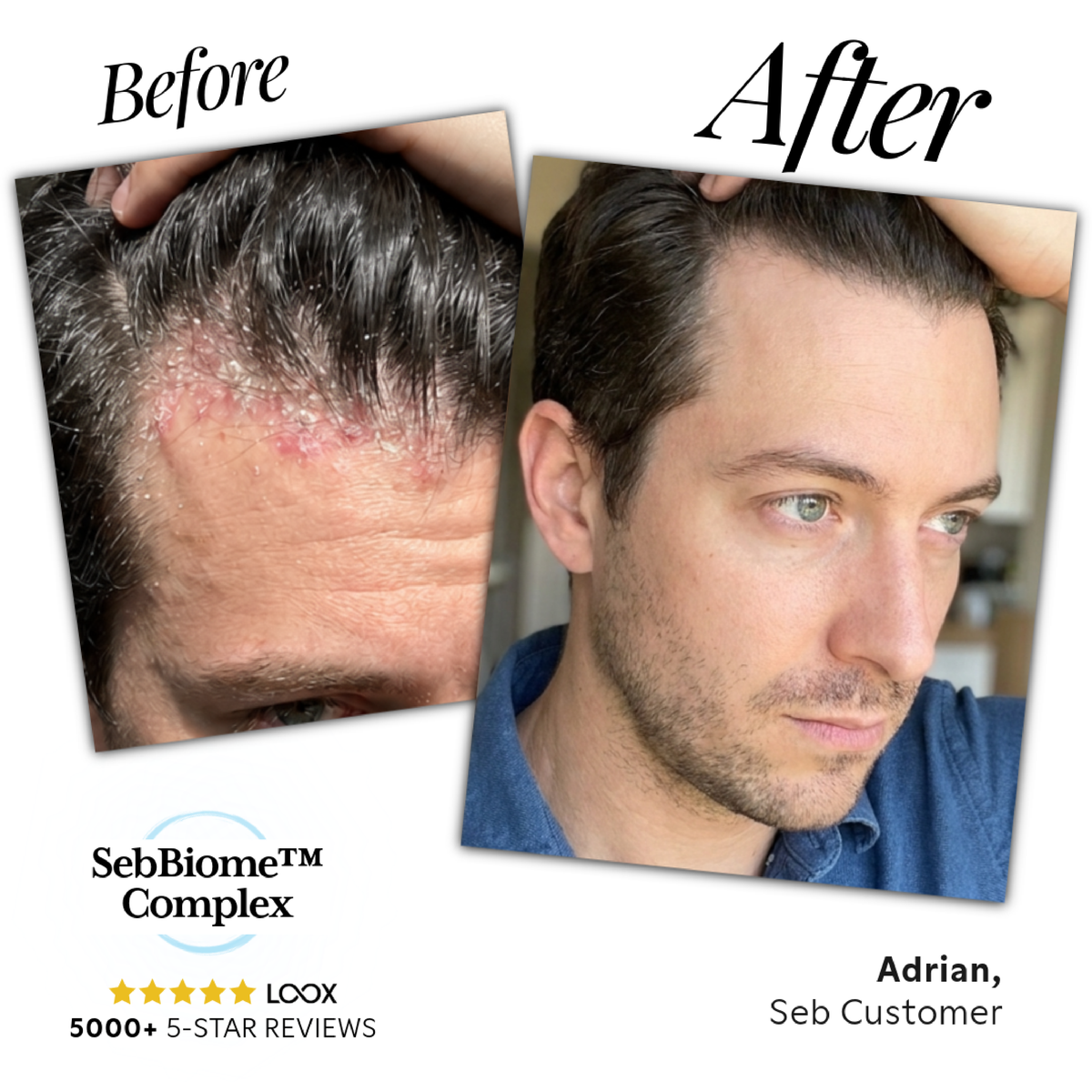
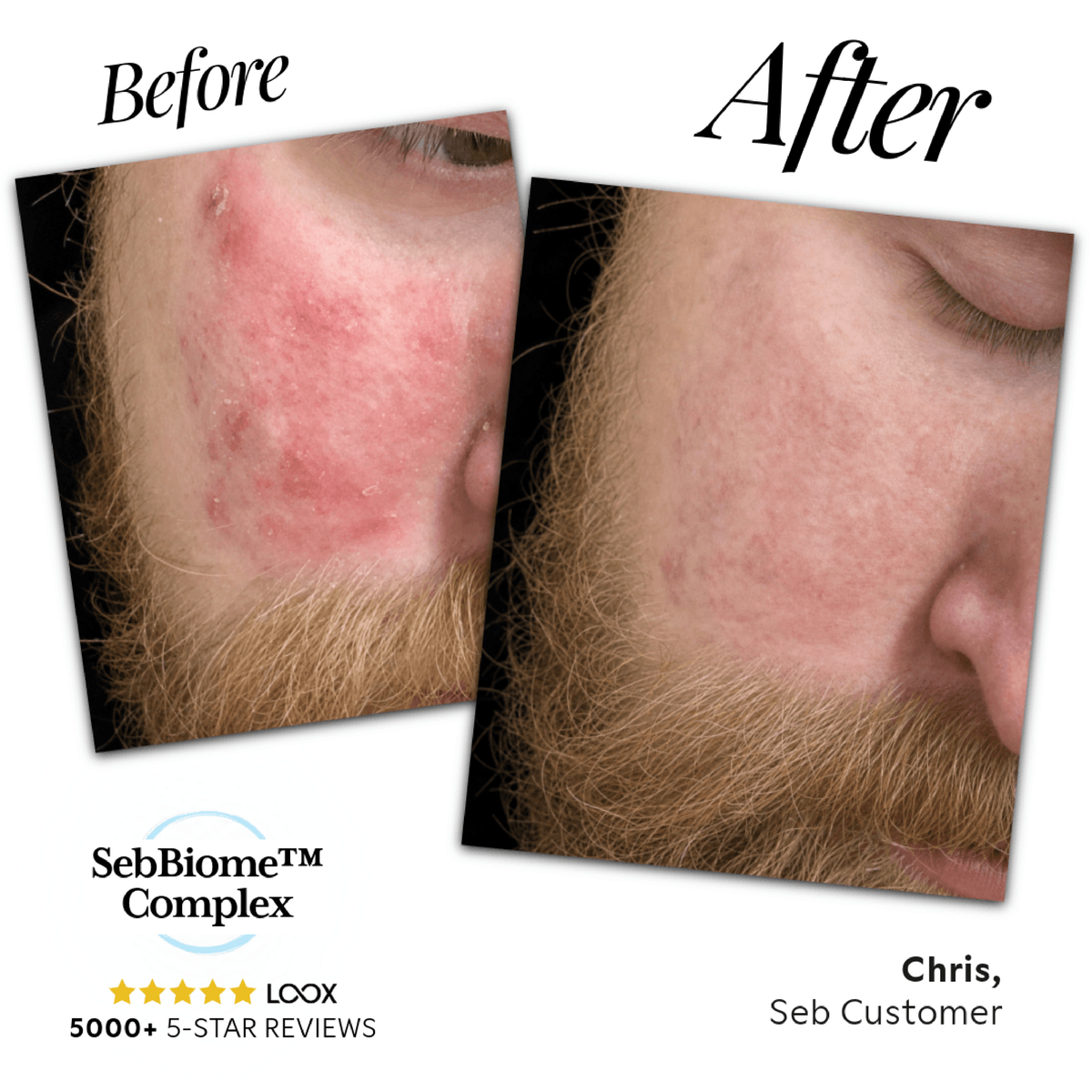
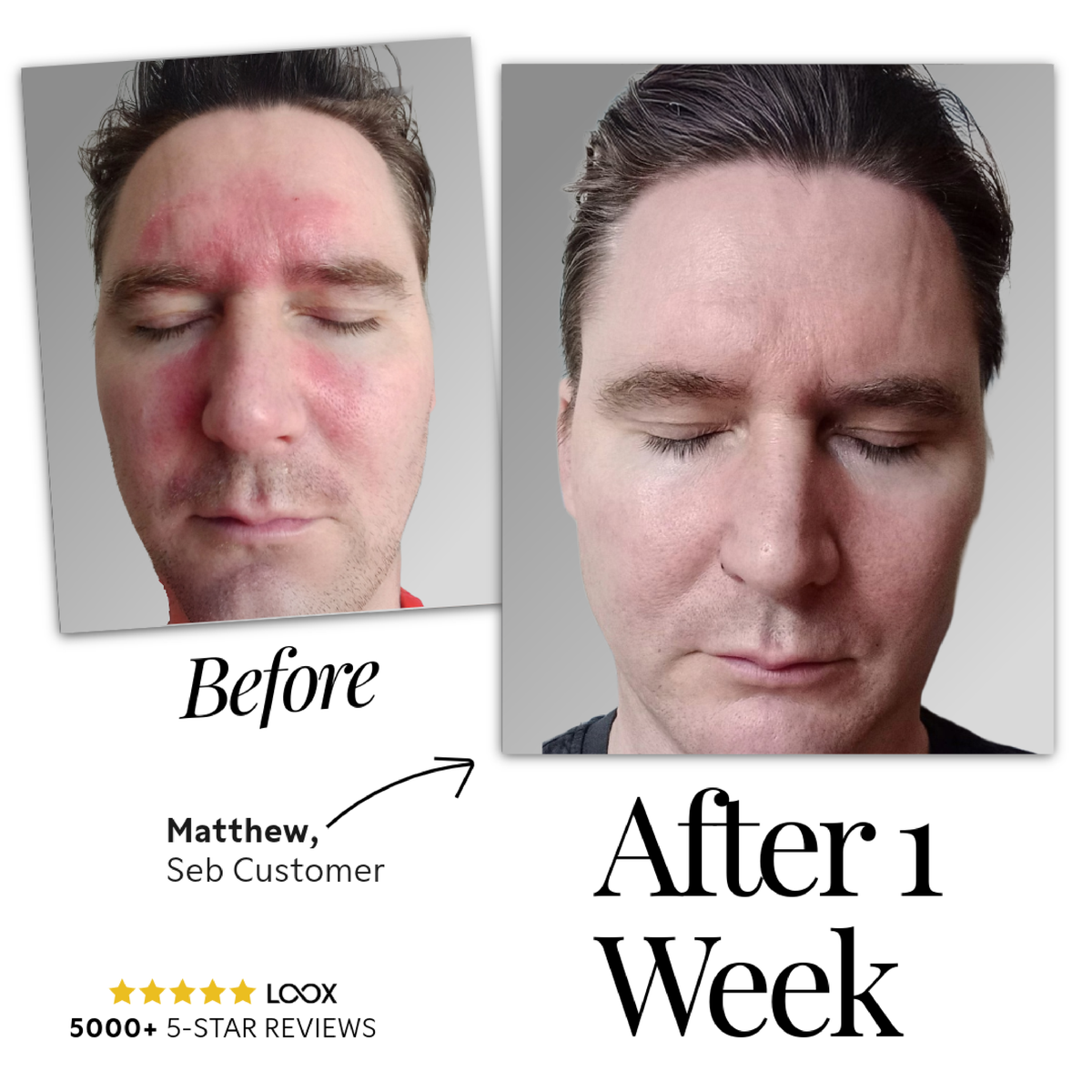
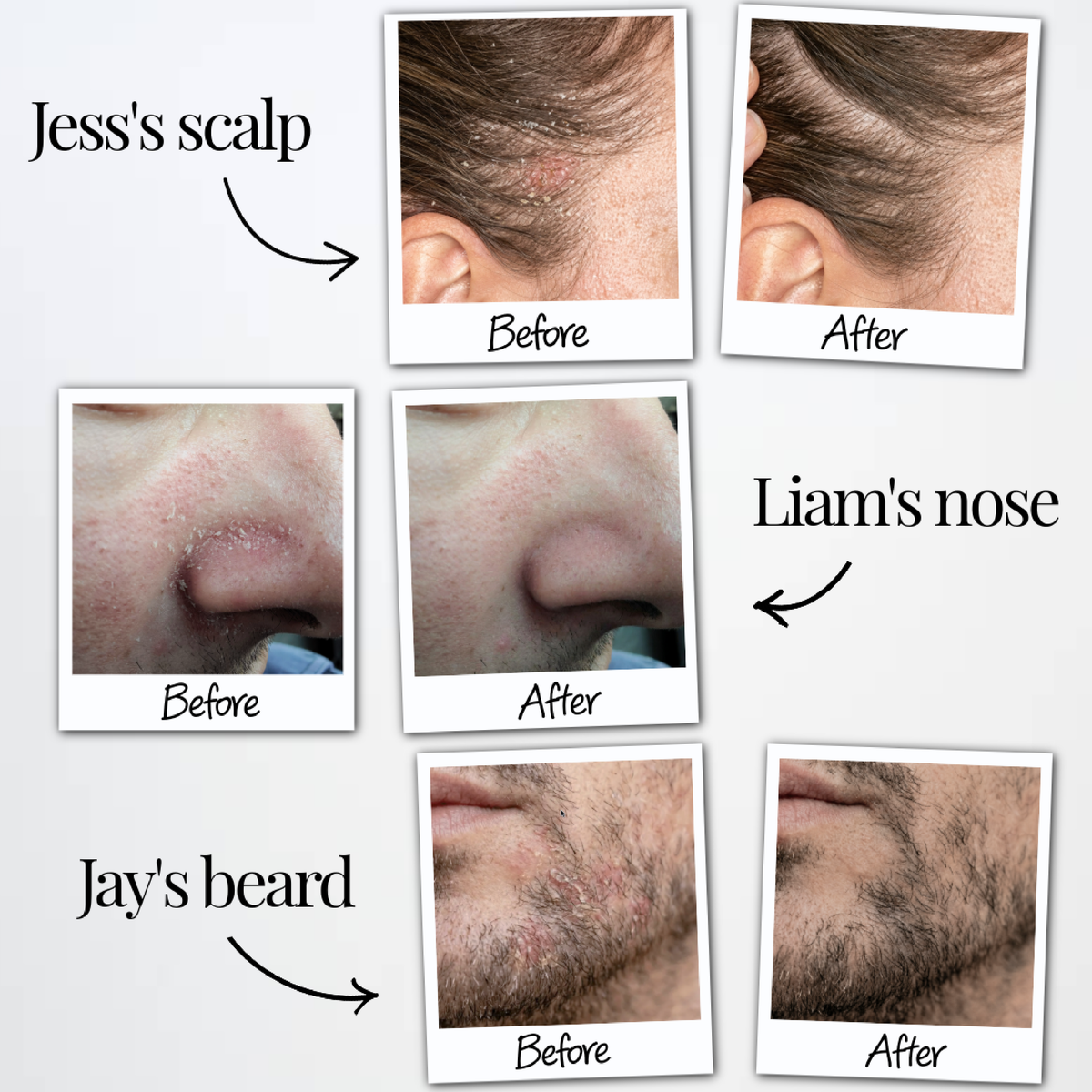
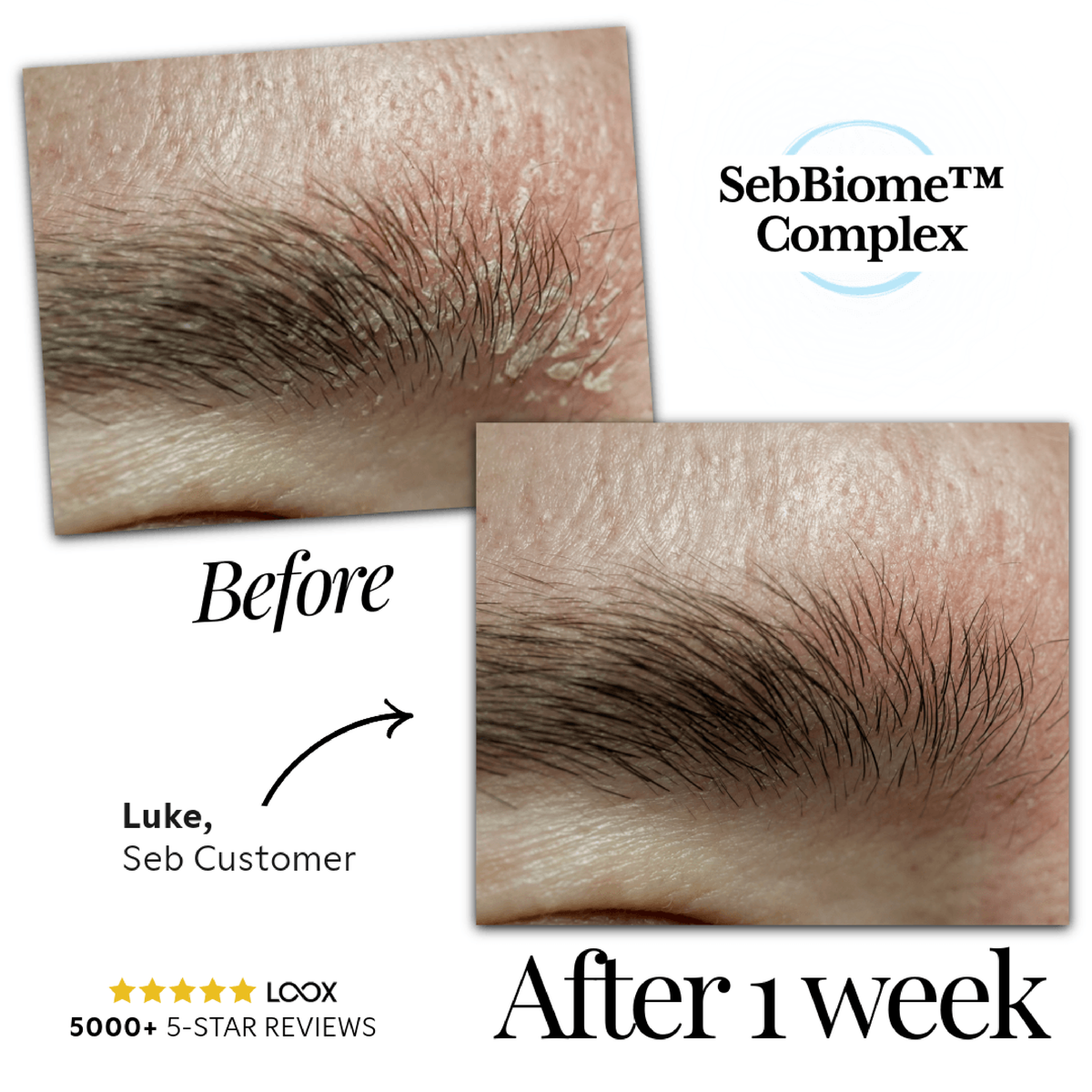
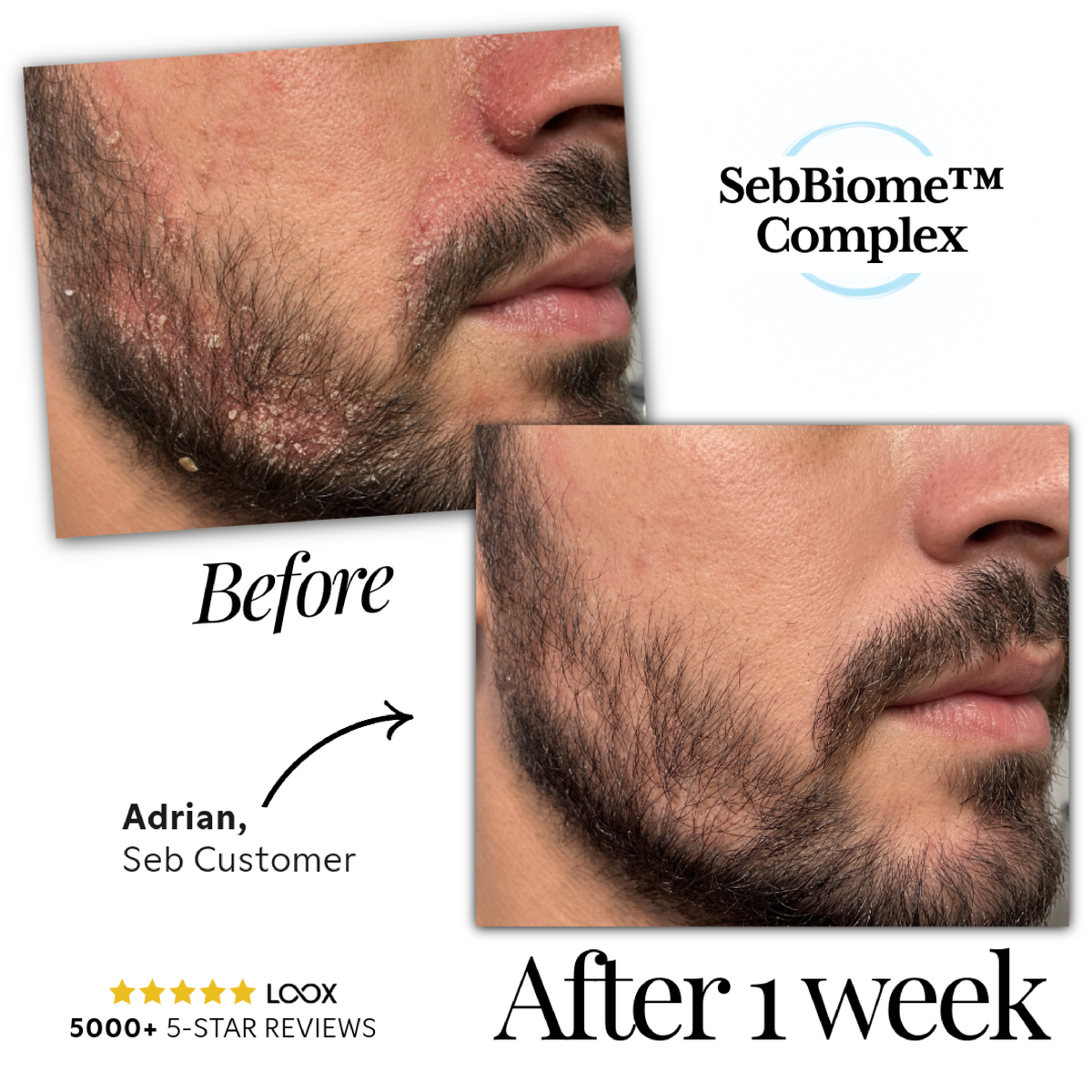
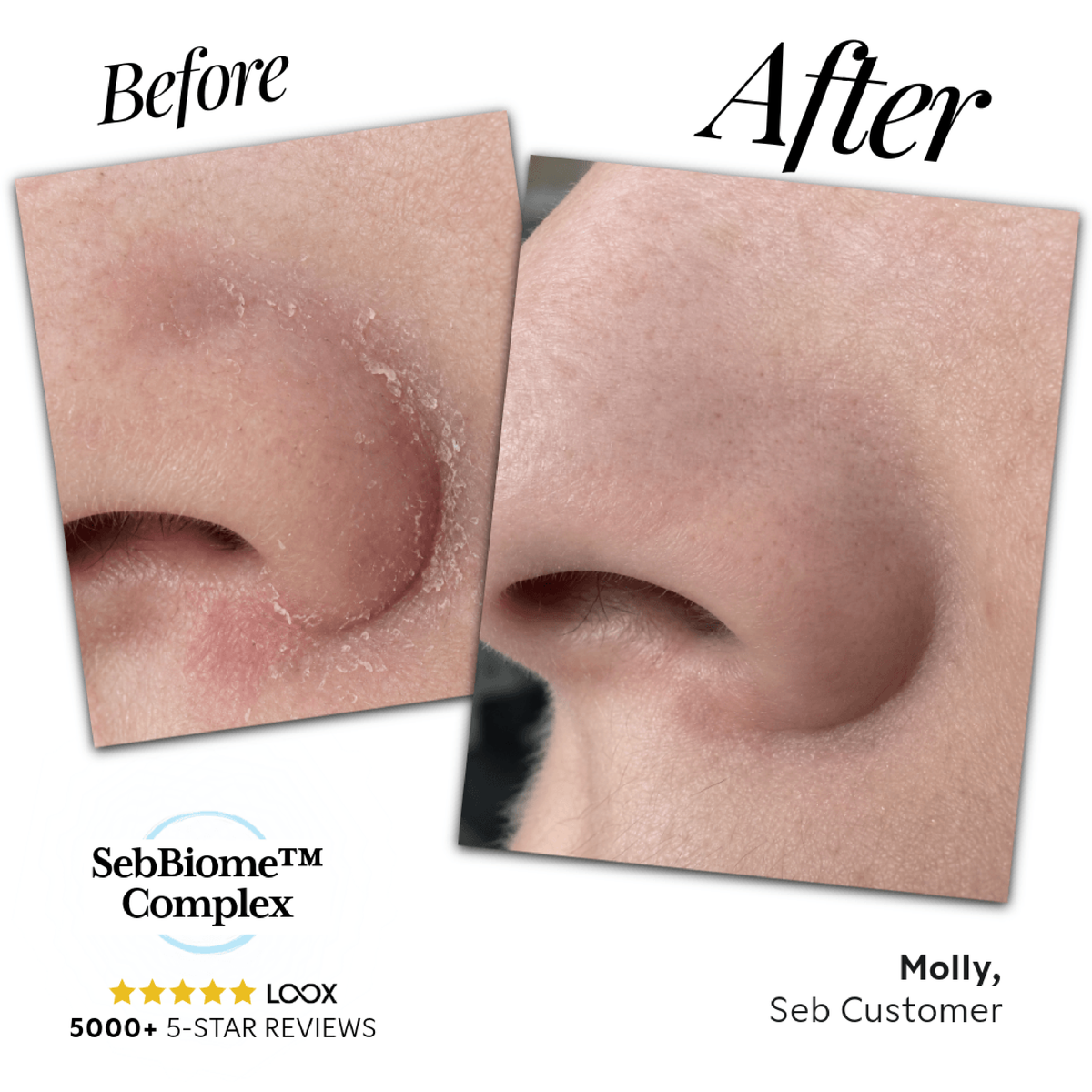
Seborrheic dermatitis (SD) is a chronic inflammatory skin condition marked by redness, itching, flakes, and irritation — often in oil‑rich areas like the scalp, face, and chest. Many people look to natural treatments alongside medical options, and essential oils frequently come up in that conversation. But which oils are safe and effective for managing SD, and how do they compare to the carefully blended botanicals in products like Seb Skincare’s Calming Serum and Soothing Balm? Let’s unpack it.
Essential oils are highly concentrated plant extracts that contain volatile compounds with biological activity. Some have anti-microbial, anti‑inflammatory, or anti-fungal properties — all potentially relevant to seborrheic dermatitis, where an immune response to Malassezia yeast plays a central role in symptom flare‑ups.
However, essential oils are potent and can irritate sensitive skin if used incorrectly. For SD management, dilution and formulation matter a lot.
✅ Tea Tree Oil (Melaleuca alternifolia)
One of the most studied essential oils for seborrheic dermatitis, tea tree oil has anti-fungal and anti‑inflammatory properties that may help control Malassezia — the yeast linked to SD and dandruff.
✅ Lavender Oil (Lavandula angustifolia)
Lavender essential oil is widely used in skincare for its anti‑inflammatory and calming effects. It can potentially help reduce redness and irritation that often accompany seborrheic dermatitis.
✅ Chamomile Oil (Anthemis nobilis)
Chamomile is known for its skin‑calming, anti‑inflamatory and soothing properties. It has been used in natural skincare for irritated or reactive skin, including conditions like eczema and dermatitis.
Rosemary, Geranium, Oregano, and Clove Bud Oils
These essential oils also show antimicrobial and anti-fungal activity against yeast and microbes. For example:
-Rosemary oil has anti-fungal effects and may disrupt microbial biofilms.
-Oregano oil is known for strong anti-fungal and antimicrobial potency.
-Geranium oil can help balance sebum and support skin healing.
-Clove bud oil offers anti-fungal actions while helping relieve irritation.
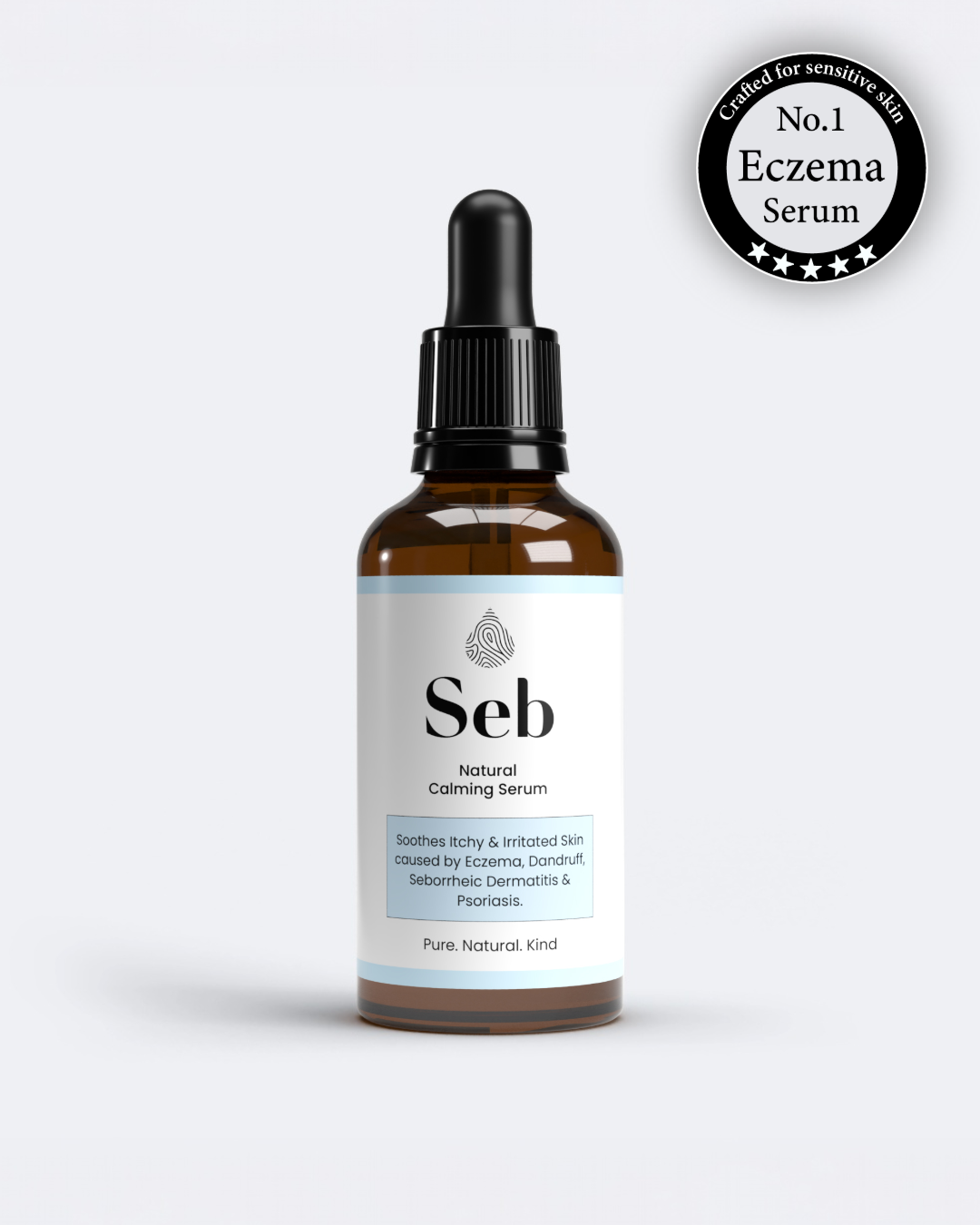
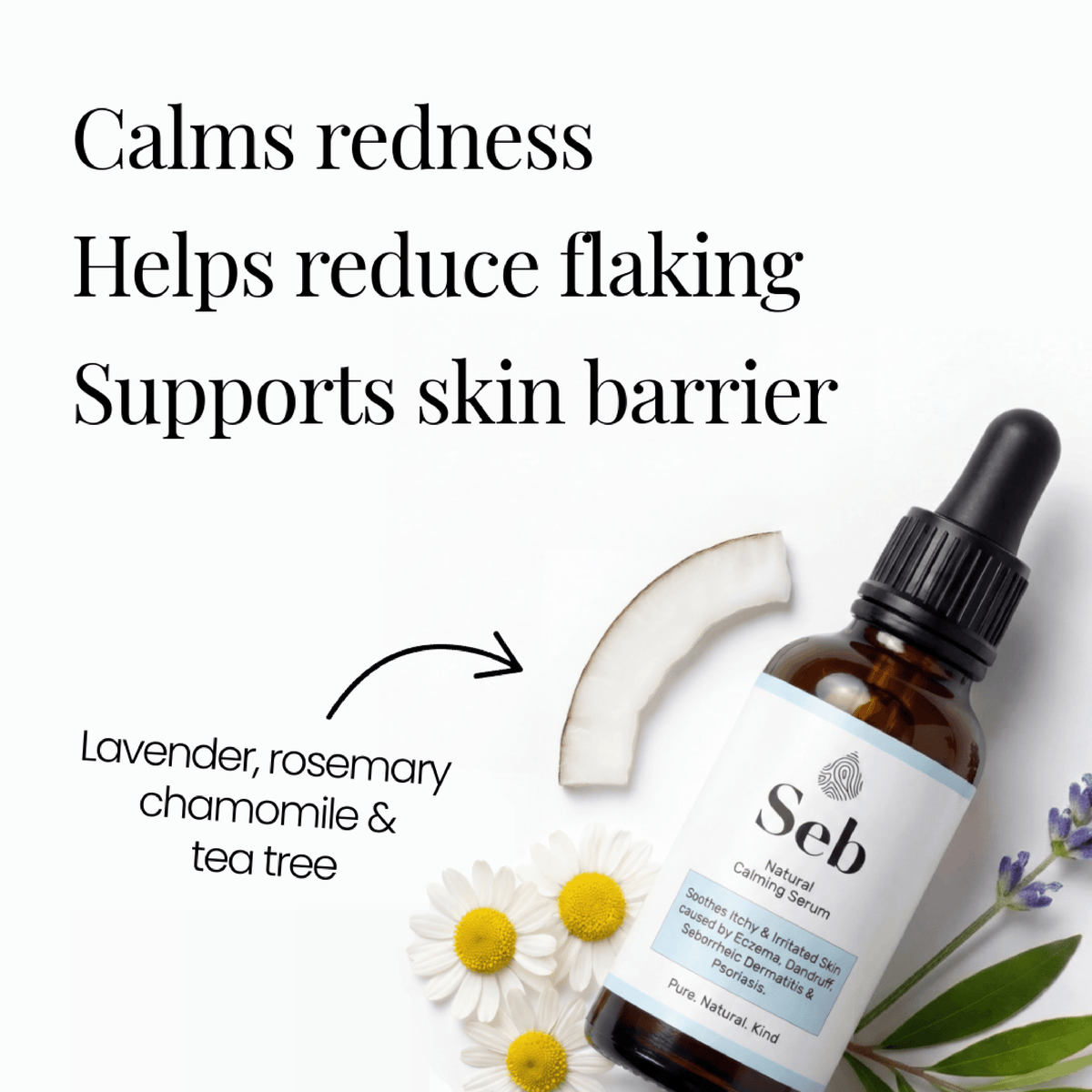
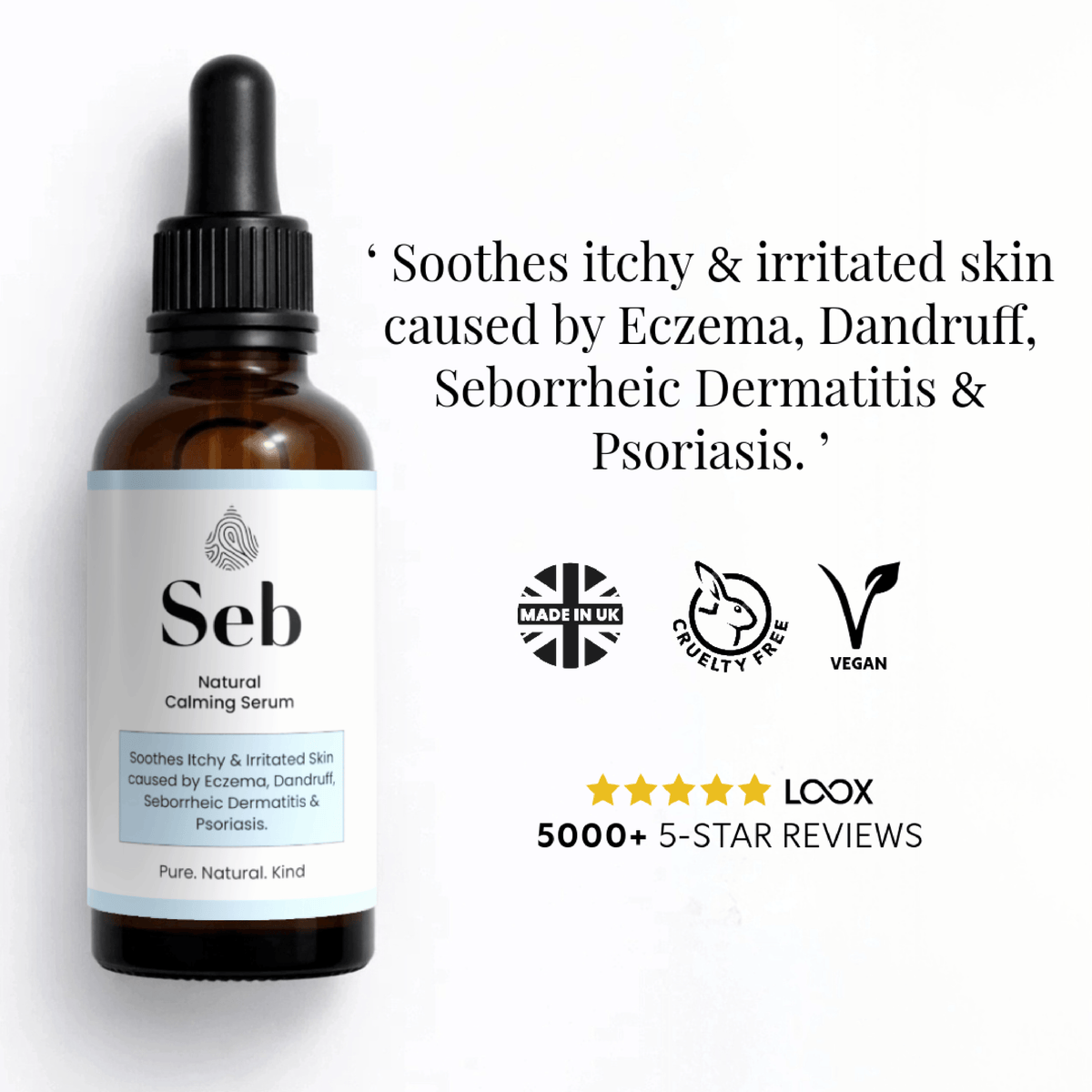
These oils are included in the Calming Serum’s botanical blend, chosen for their complementary effects that address inflammation, microbial balance, and skin comfort without feeding yeast overgrowth.
🌿 How Seb Skincare’s Formulations Use Essential Oils Safely
Seb Skincare’s products combine essential oils within carefully balanced, skin‑compatible formulas:
🧴 Calming Serum
-
Includes tea tree, lavender, chamomile, rosemary, geranium, oregano, and clove bud oils, chosen for anti-fungal, anti‑inflammatory, and soothing contributions.
-
Paired with MCT oil and squalane, lightweight carriers that hydrate without feeding Malassezia yeast.
🧴 Soothing Balm
-
Also blends several essential oils with barrier‑supporting ingredients like zinc oxide and vitamin E to calm flare‑ups and protect irritated skin.
These formulations aim to leverage essential oils’ benefits without overwhelming sensitive skin — an important consideration for anyone managing SD.
The Takeaway
Essential oils can be helpful adjuncts in managing seborrheic dermatitis when chosen and used appropriately. Some — like tea tree, lavender, and chamomile — offer anti-fungal, antimicrobial, and anti‑inflammatory benefits that may alleviate symptoms such as itching, flaking, and irritation.
However, the potency of essential oils means dilution and formulation matter — and poorly used oils can irritate sensitive skin. The essential oils in Seb Skincare’s Calming Serum and Soothing Balm are selected and combined within gentle carrier bases to offer supportive relief while reducing the risk of irritation.
As with any skincare approach, consider patch‑testing, listen to your skin’s response, and consult a dermatologist for persistent or severe seborrheic dermatitis.