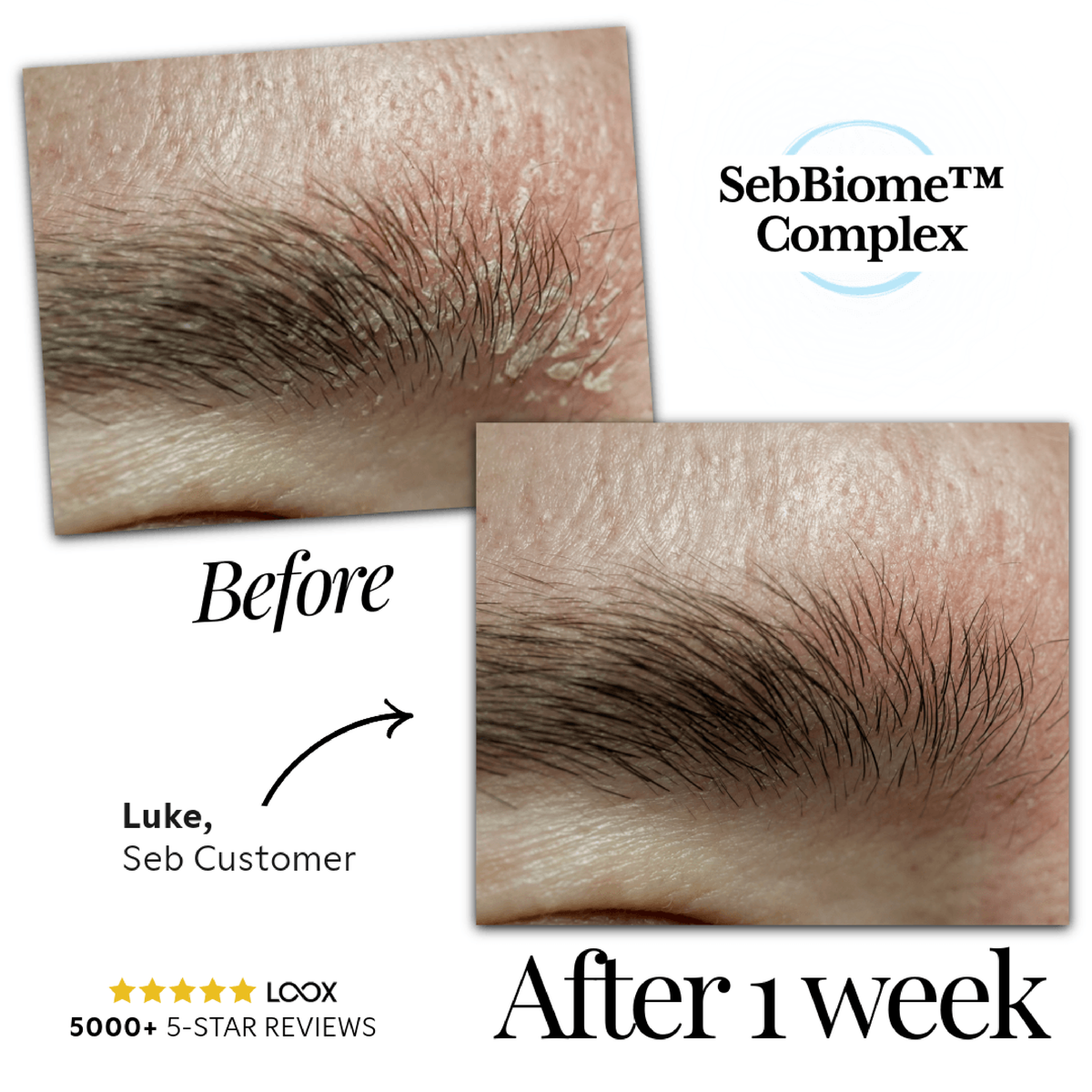
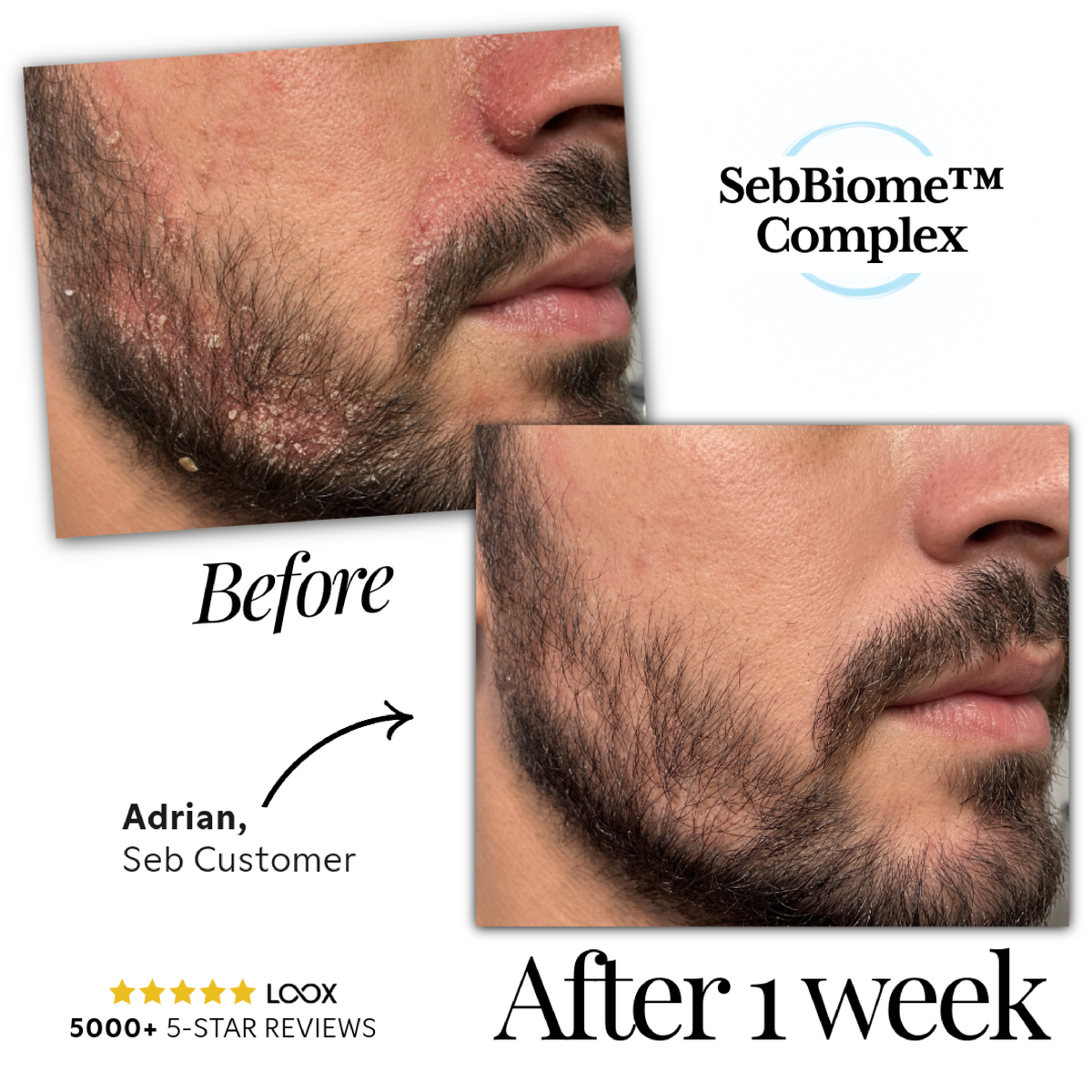
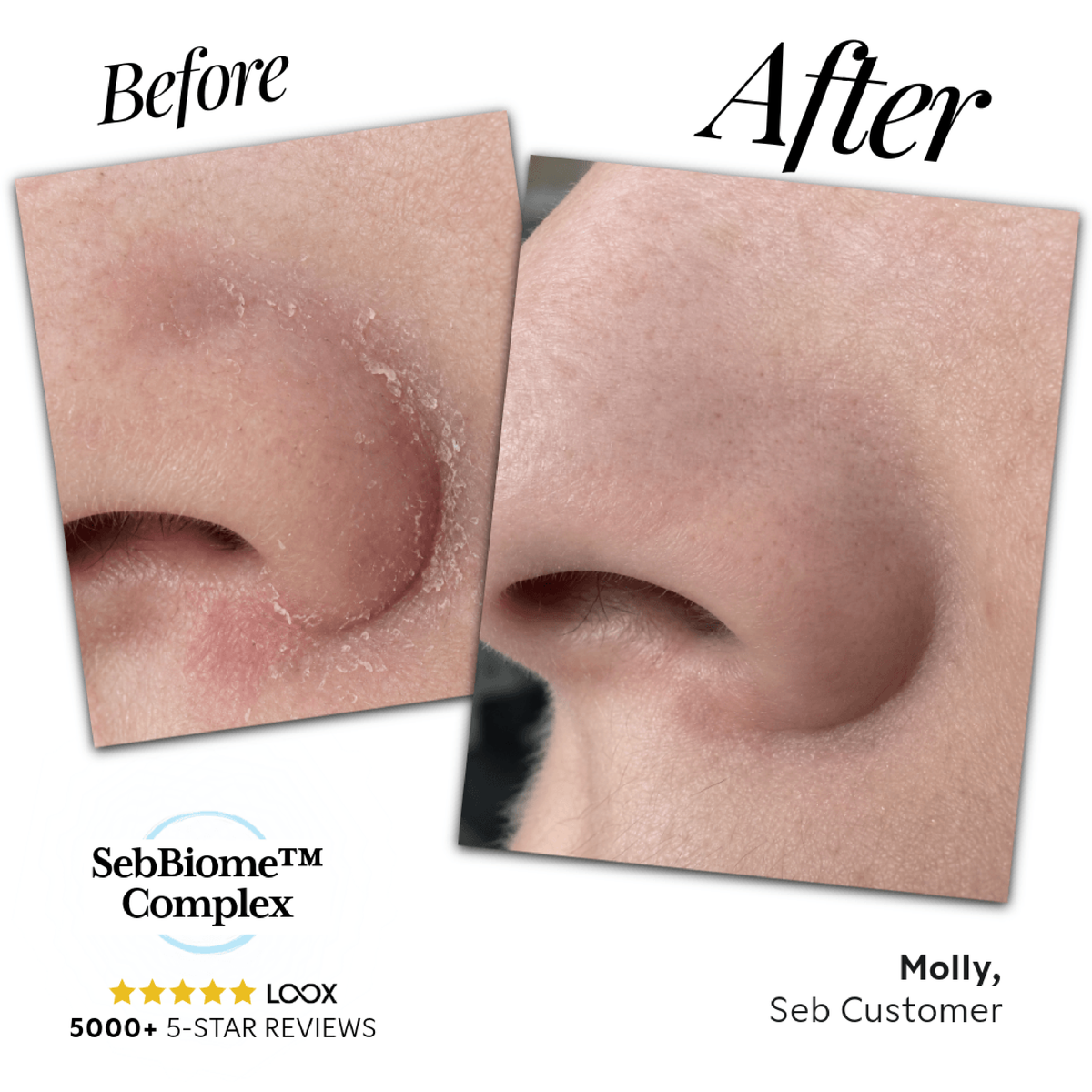
Eczema Is More Than Dry Skin — It’s an Exhausted Barrier Living in a Hyperalert World
Eczema is often described with simplistic language:
“Dry skin.” “Sensitive skin.” “An allergic reaction.”
None of those explanations capture what living with eczema actually feels like.
Eczema is not merely dryness.
It is a chronic state of barrier instability where the skin becomes unable to properly regulate moisture, irritation, microbes, inflammation, and environmental stress.
People with eczema are not just reacting to the world.
Their skin is negotiating with it every minute.
The Skin Barrier Is Not Cosmetic — It’s Infrastructure
Healthy skin is often imagined as a passive covering.
In reality, it functions like highly active infrastructure.
The skin barrier:
-Prevents water loss
-Blocks irritants
-Regulates microbial balance
-Communicates with the immune system
-Detects environmental threats
-Maintains chemical stability
In eczema, this barrier becomes porous and unstable.
Water escapes too quickly. Irritants enter too easily. Inflammatory signals activate too aggressively.
This is why eczema skin can react to things other people barely notice:
-Wool
-Hard water
-Fragrance
-Sweat
-Dust
-Stress
-Heat
-Detergent residue
-Air conditioning
-Humidity shifts
The skin is operating with reduced tolerance thresholds.
Why Scratching Feels Compulsive
People without eczema often underestimate the neurological intensity of itching.
Eczema itch is not a casual annoyance.
It can become consuming.
Researchers now understand that chronic itch activates some of the same neural pathways associated with chronic pain.
The itch-scratch cycle is partly neurological:
- Skin becomes inflamed
- Nerves become hypersensitive
- Itching intensifies
- Scratching damages skin further
- Inflammation worsens
- Nerve sensitivity increases again
Over time, the nervous system itself becomes sensitized.
This explains why some eczema patients report itching even when visible inflammation is mild.
The brain and skin begin reinforcing each other.
The Sleep Deprivation Nobody Sees
One of eczema’s most overlooked consequences is sleep destruction.
Many people with moderate-to-severe eczema:
-Wake repeatedly from itching
-Scratch unconsciously during sleep
-Experience nighttime inflammation spikes
-Feel exhausted despite spending hours in bed
Poor sleep then worsens:
-Cortisol regulation
-Immune function
-Skin healing
-Emotional resilience
-Stress tolerance
The result is a vicious physiological loop.
Eczema is not just a skin issue. It becomes a fatigue issue. A concentration issue. A mood issue. A nervous system issue.
Why Modern Life May Be Making Eczema Worse
Eczema rates have risen dramatically in industrialised societies.
Several theories attempt to explain this.
The Hygiene Hypothesis
Modern environments may expose children to fewer microbes early in life.