Can Seborrheic Dermatitis Spread or Get Worse Over Time?
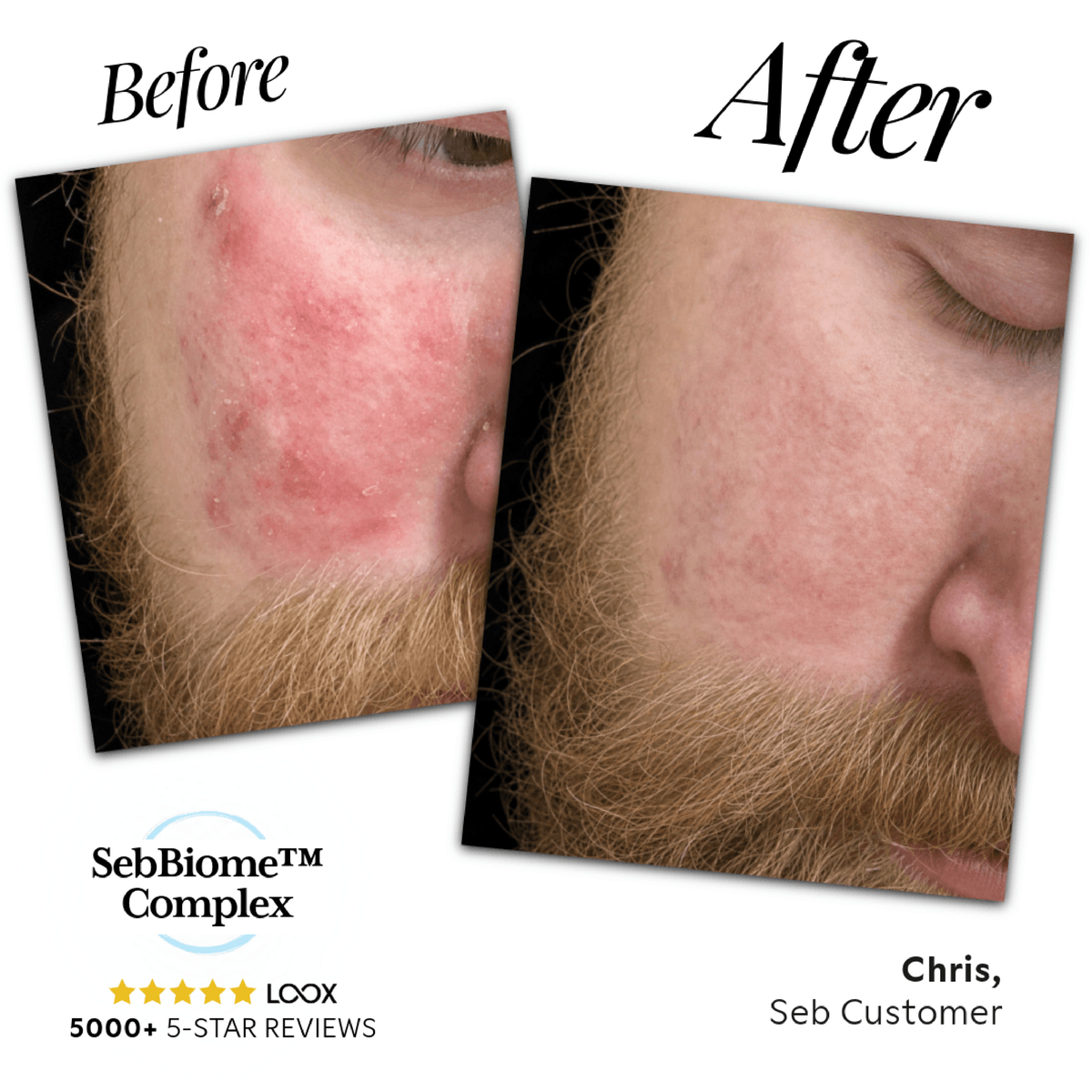
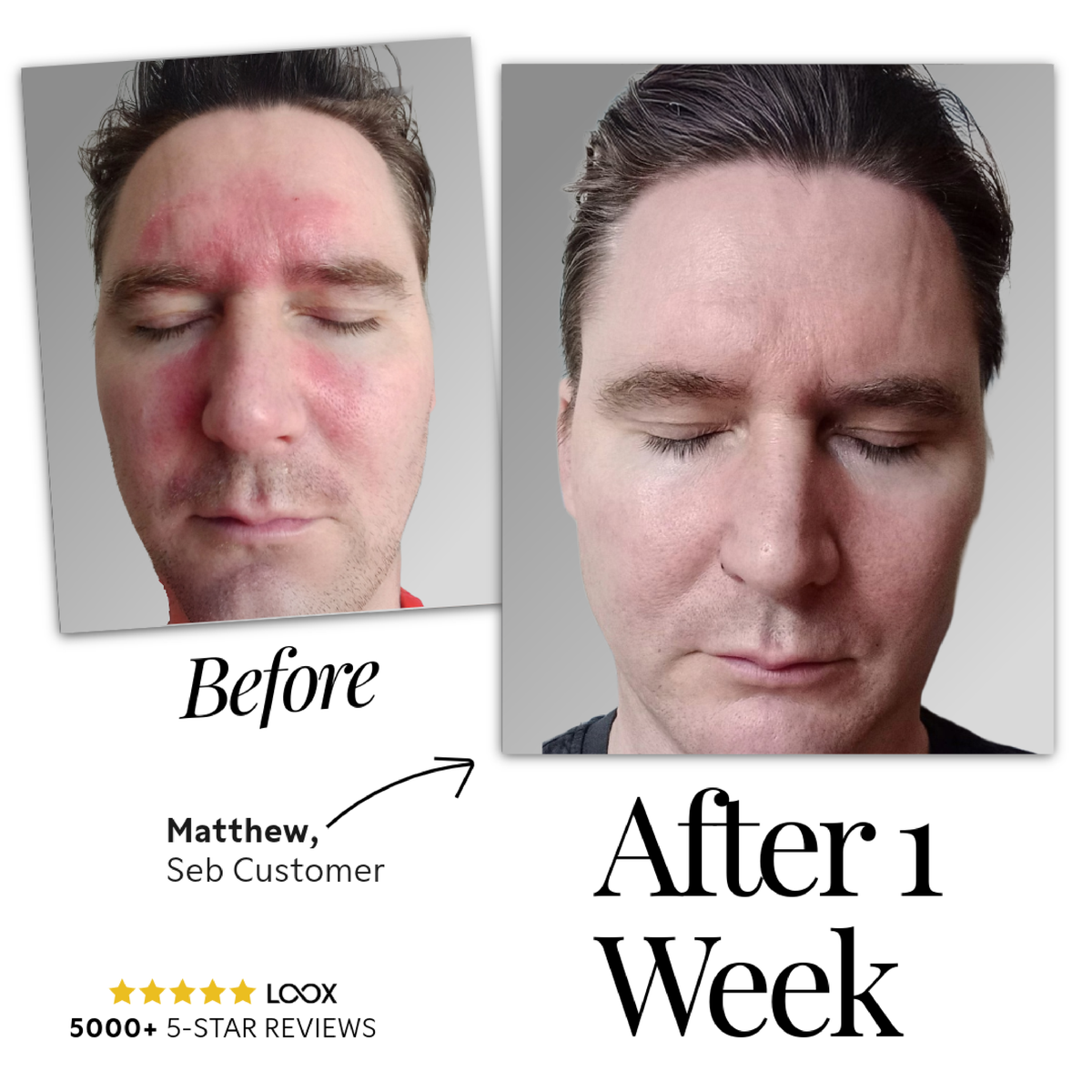
Seborrheic dermatitis is a common skin condition that can cause redness, flaking, itching, and irritation, often affecting the scalp, face, and other oily areas of the body. While it’s not life-threatening, it can be frustrating, especially because it sometimes seems to worsen or appear in new areas over time. In this blog, we’ll explore whether seborrheic dermatitis can spread, what triggers flare-ups, and answer some common questions about this condition.
Is Seborrheic Dermatitis Contagious?
A very common concern among people with seborrheic dermatitis is whether it can be passed to others. The short and scientifically accurate answer is no – seborrheic dermatitis is not contagious.
Seborrheic dermatitis arises from a combination of internal factors: an overgrowth of the naturally occurring yeast Malassezia, an immune system reaction, genetic predisposition, and environmental triggers. Because it is not caused by bacteria or viruses, it cannot be transmitted from person to person through touch, sharing towels, or close contact.
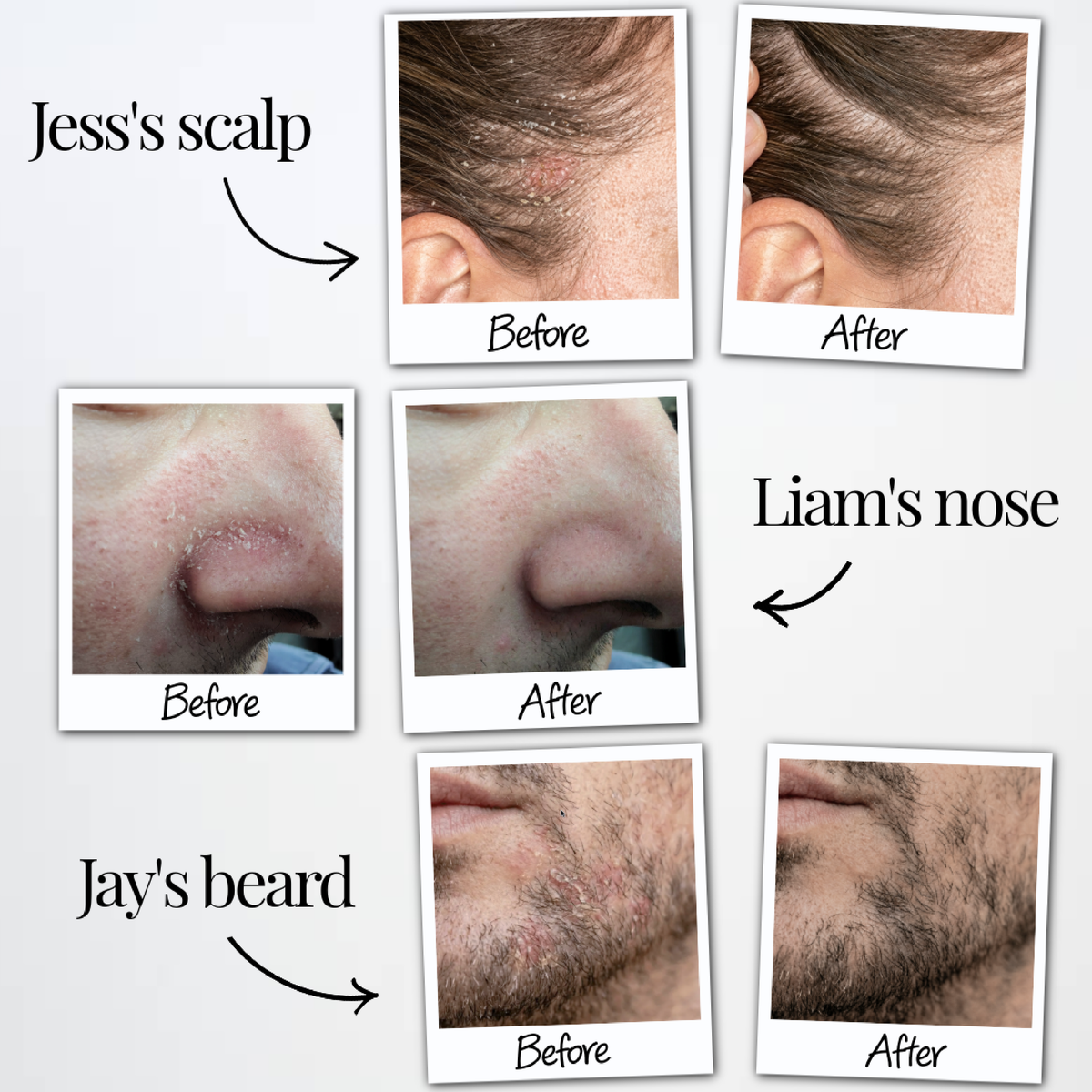
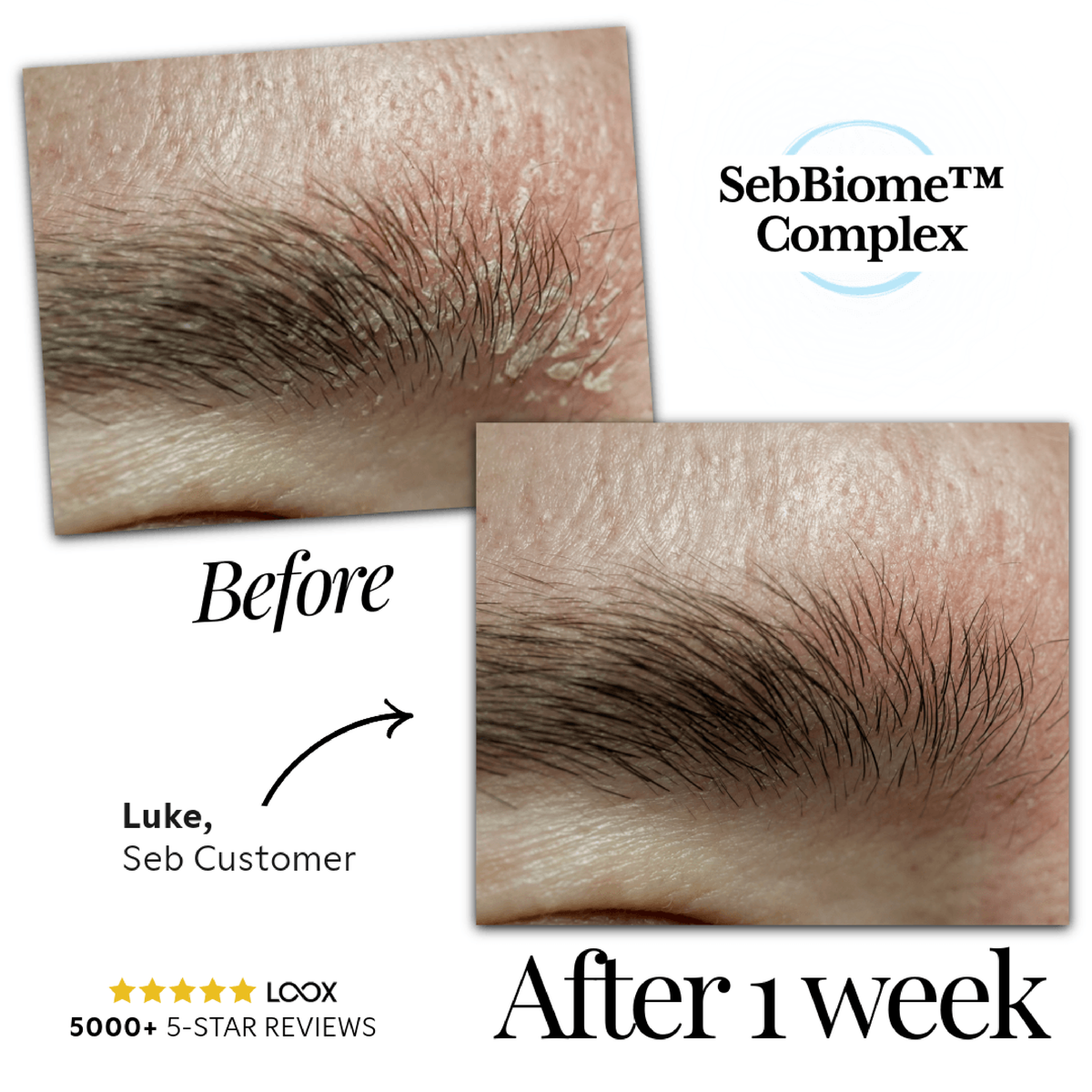
However, it’s worth noting that seborrheic dermatitis can “appear” in new areas on your own body over time. This may make it feel like it’s “spreading,” but it’s simply the condition flaring in different regions where the skin produces more oil, such as the scalp, eyebrows, sides of the nose, behind the ears, chest, or upper back.
Understanding that seborrheic dermatitis is internal and non-infectious is crucial for managing social concerns and avoiding unnecessary worry about spreading it to family or friends.
What Makes Seborrheic Dermatitis Flare Up Faster?
Seborrheic dermatitis is a chronic condition, and its severity can fluctuate. Certain triggers are known to accelerate flare-ups, making symptoms like redness, scaling, and itching worse:
1. Stress and Mental Health
Emotional stress, anxiety, or periods of fatigue can impact the immune system and trigger inflammatory responses in the skin. Many patients notice flare-ups during particularly stressful life events.
2. Weather and Climate Conditions
Cold, dry air in winter can worsen dryness and irritation, while hot, humid conditions can increase oil production and yeast activity, both of which can exacerbate symptoms. Rapid changes in climate may also make the skin more reactive.
3. Hormonal Fluctuations
Hormones influence oil production and immune function. Puberty, pregnancy, or other hormonal shifts can trigger seborrheic dermatitis flare-ups. Some adults notice increased severity during periods of hormonal imbalance.
4. Excess Oil and Sweat
Seborrheic dermatitis primarily affects oily areas of the body. Overactive sebaceous glands provide more lipids for Malassezia yeast to thrive, which can lead to faster flare-ups. Sweating, especially if skin isn’t cleansed gently afterward, may aggravate the condition.
5. Harsh Skincare or Hair Products
Products containing strong fragrances, alcohol, or harsh surfactants can strip the skin of its natural oils or irritate the scalp, triggering inflammation and worsening seborrheic dermatitis.
6. Other Health Conditions
Individuals with compromised immune systems (e.g., due to HIV/AIDS, organ transplant, or autoimmune disorders) or certain neurological conditions (such as Parkinson’s disease) may experience more frequent or severe flare-ups.
7. Lifestyle and Diet
While diet alone doesn’t cause seborrheic dermatitis, high sugar intake, excessive processed foods, alcohol, and lack of sleep may indirectly contribute to flare-ups by influencing overall inflammation and stress levels.
The Takeaway
-Contagion: Seborrheic dermatitis is not contagious and cannot be passed to others. Any “spreading” occurs only within the same person’s body.
-Flare Triggers: Stress, weather changes, hormones, excess oil, harsh skincare products, certain medical conditions, and lifestyle factors can accelerate flare-ups and worsen symptoms over time.
By understanding these factors, individuals can better manage seborrheic dermatitis, anticipate triggers, and reduce the frequency or severity of flare-ups.