Can Seborrheic Dermatitis Be Cured? What Dermatologists Want You to Know
Seborrheic dermatitis is one of those skin conditions that can be frustrating, persistent, and often misunderstood. Many people wonder whether it can ever be fully cured or if it’s something they’ll have to manage indefinitely. As dermatologists explain, understanding the nature of seborrheic dermatitis, its triggers, and how it relates to other skin conditions is key to managing it effectively.
In this blog, we’ll explore whether seborrheic dermatitis can be cured and answer some commonly asked questions, including: why it’s considered chronic, who you should see for treatment, and whether it can turn into psoriasis.
Why Is Seborrheic Dermatitis Considered Chronic?
Seborrheic dermatitis is considered chronic because it tends to persist over a lifetime and often comes and goes in cycles. Unlike acute skin conditions that can be treated once and resolved, SD involves a long-term imbalance between skin oils, the natural yeast on the skin, and the immune system.
Several factors contribute to its chronic nature:
-Yeast overgrowth: Malassezia, a type of fungus normally present on the skin, can multiply excessively and trigger inflammation.
-Immune system response: Some individuals’ immune systems react more strongly to the presence of Malassezia, leading to repeated flare-ups.
-Environmental and lifestyle triggers: Stress, cold or dry weather, hormonal changes, and certain medications can all exacerbate symptoms.
-Genetic predisposition: People with a family history of skin conditions like eczema or psoriasis may be more prone to chronic seborrheic dermatitis.
Because of these factors, SD isn’t something that simply goes away. Instead, it’s a condition that requires ongoing management. While flare-ups can often be minimised with the right treatments, the underlying tendency for the skin to react remains.
Who Should I See for Seborrheic Dermatitis?
If you have seborrheic dermatitis, the best professional to consult is a dermatologist. Dermatologists specialize in skin, hair, and nail conditions and are best equipped to provide both diagnosis and long-term management plans.
You should consider seeing a dermatologist if:
-Over-the-counter treatments, like medicated shampoos or creams, aren’t controlling your symptoms.
-The rash is widespread, painful, or persistent.
-You’re unsure whether your skin condition is seborrheic dermatitis or another condition, such as psoriasis or eczema.
A dermatologist can not only confirm the diagnosis but also:
-Recommend the most effective topical treatments for your skin type.
-Create a long-term maintenance plan to prevent flare-ups.
-Identify potential triggers and advise on lifestyle modifications that can reduce symptoms.
In some cases, dermatologists may coordinate with other healthcare providers if SD appears linked to systemic conditions, such as immune disorders or neurological conditions. Early consultation can prevent complications and help you regain confidence in your skin.
Can Seborrheic Dermatitis Turn Into Psoriasis?
No, seborrheic dermatitis cannot turn into psoriasis. However, it can sometimes look very similar to psoriasis, and some people may even experience a combination of both conditions—known as sebopsoriasis.
Here’s how dermatologists distinguish the two:
Seborrheic dermatitis:
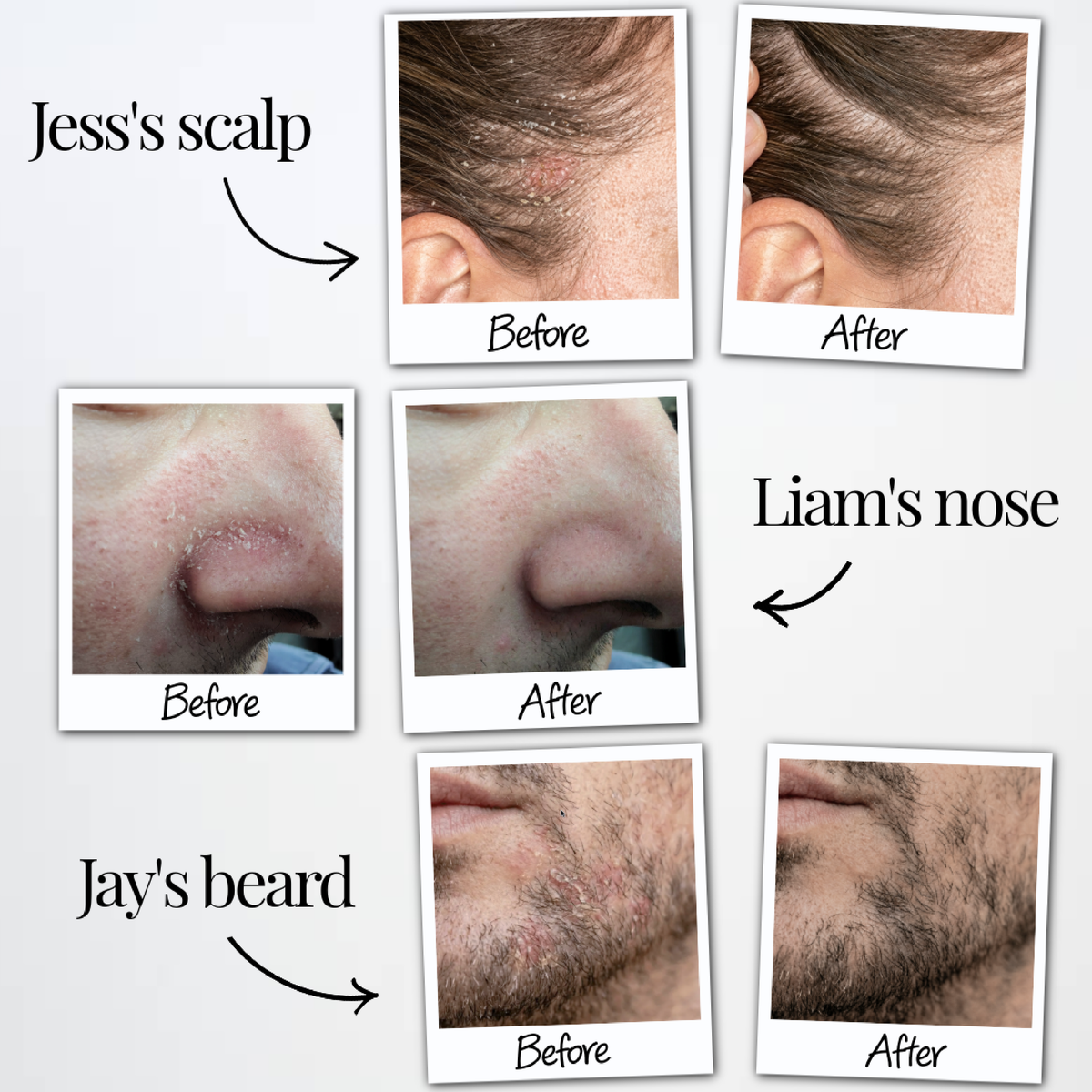
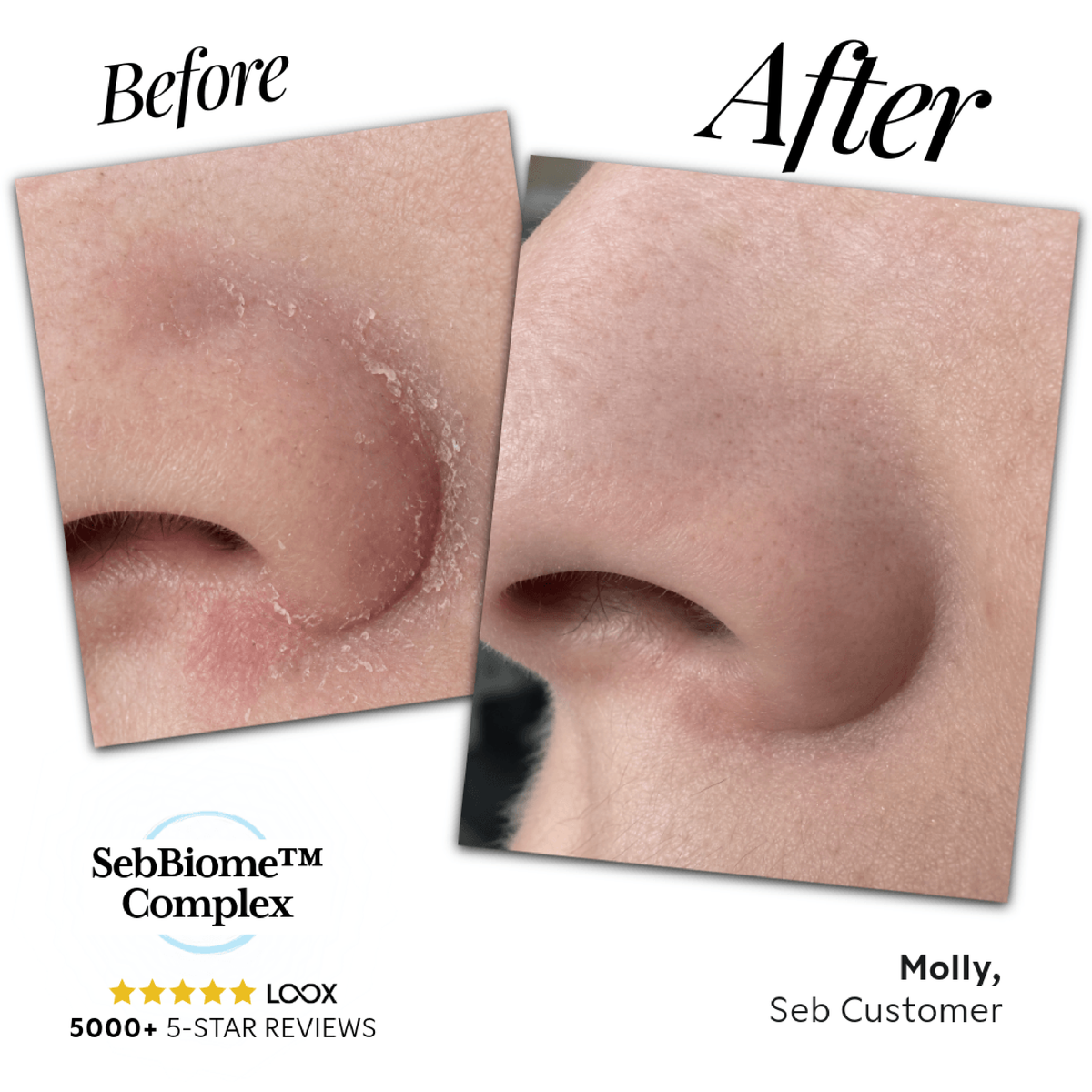
-Usually affects oil-rich areas like the scalp, eyebrows, sides of the nose, and upper chest.
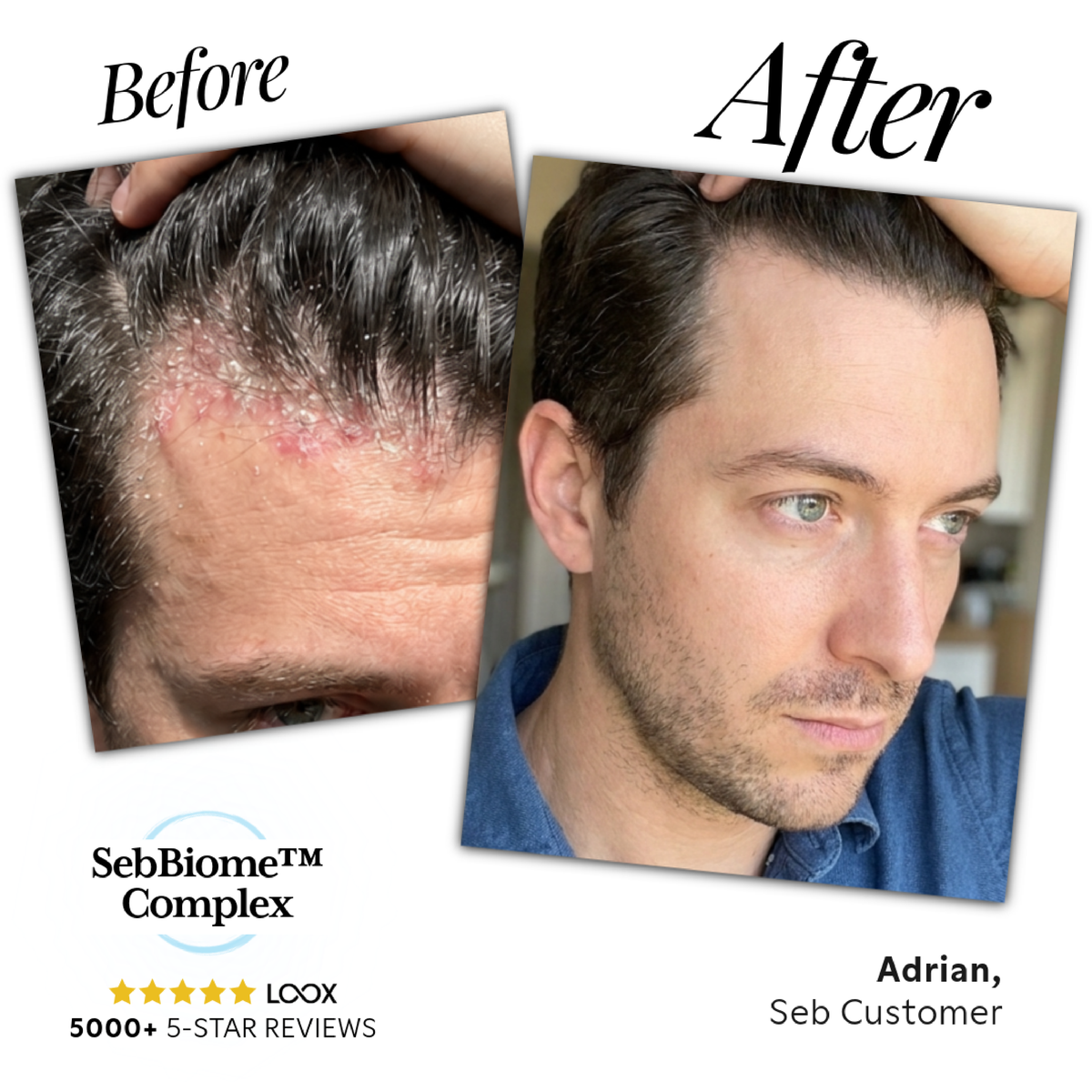
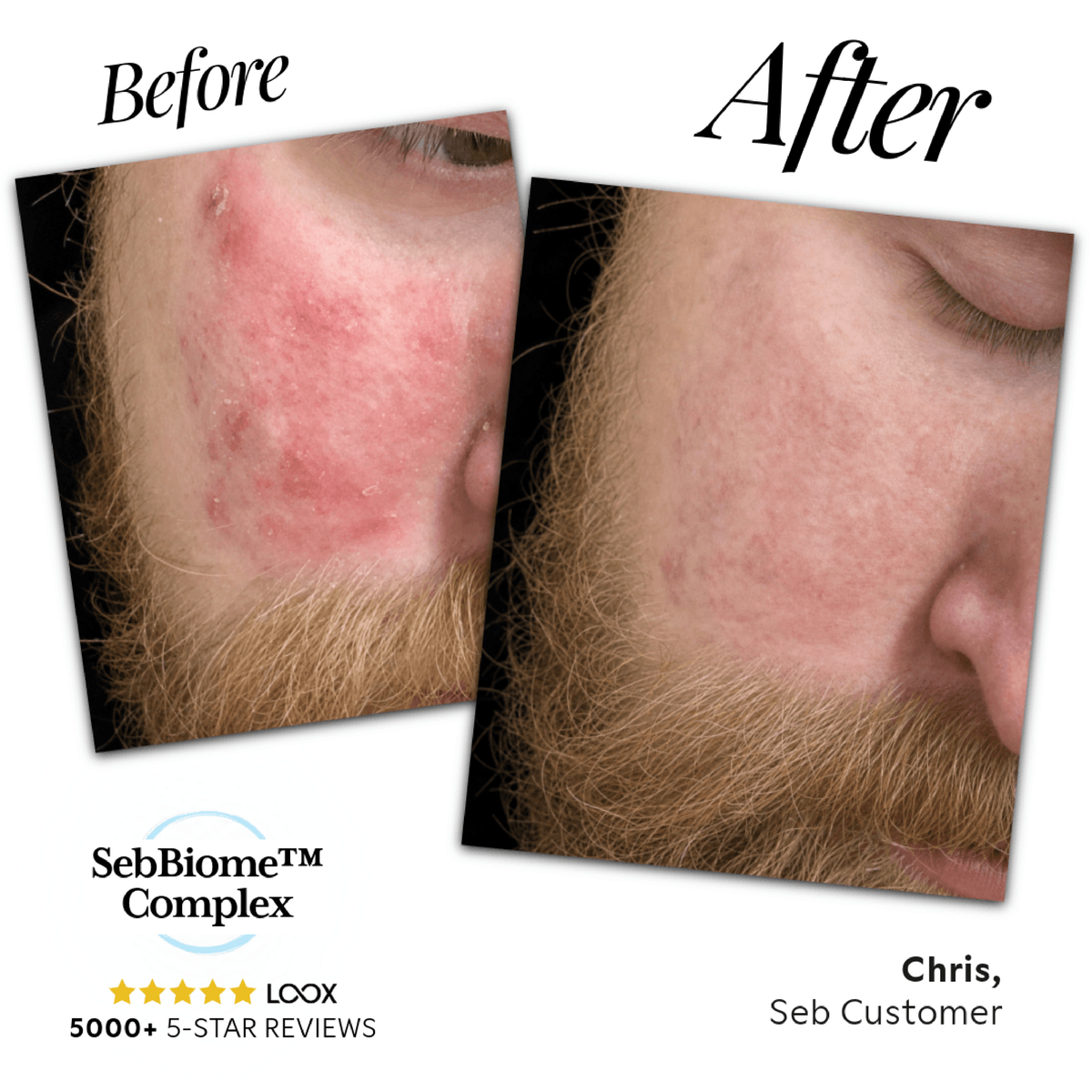
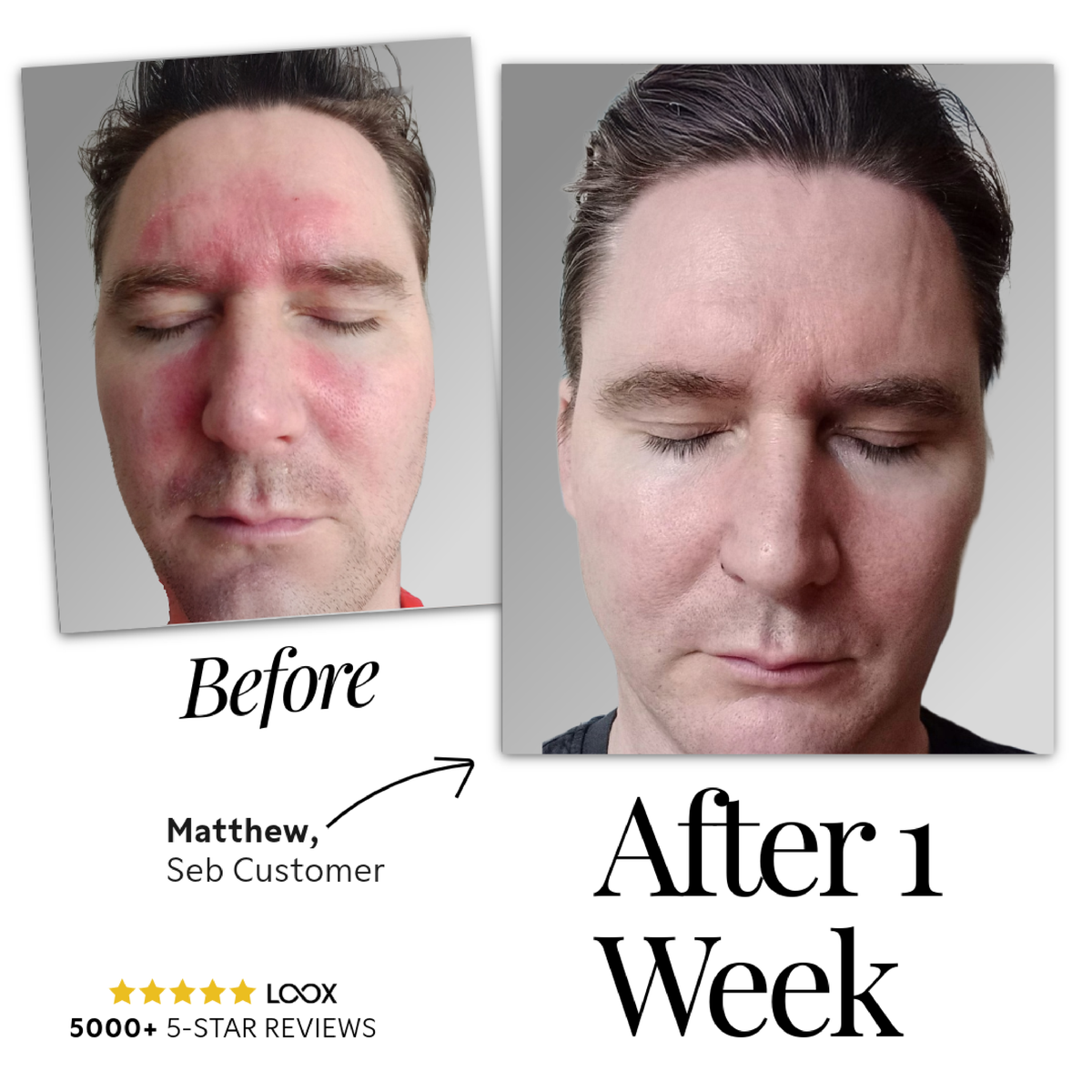
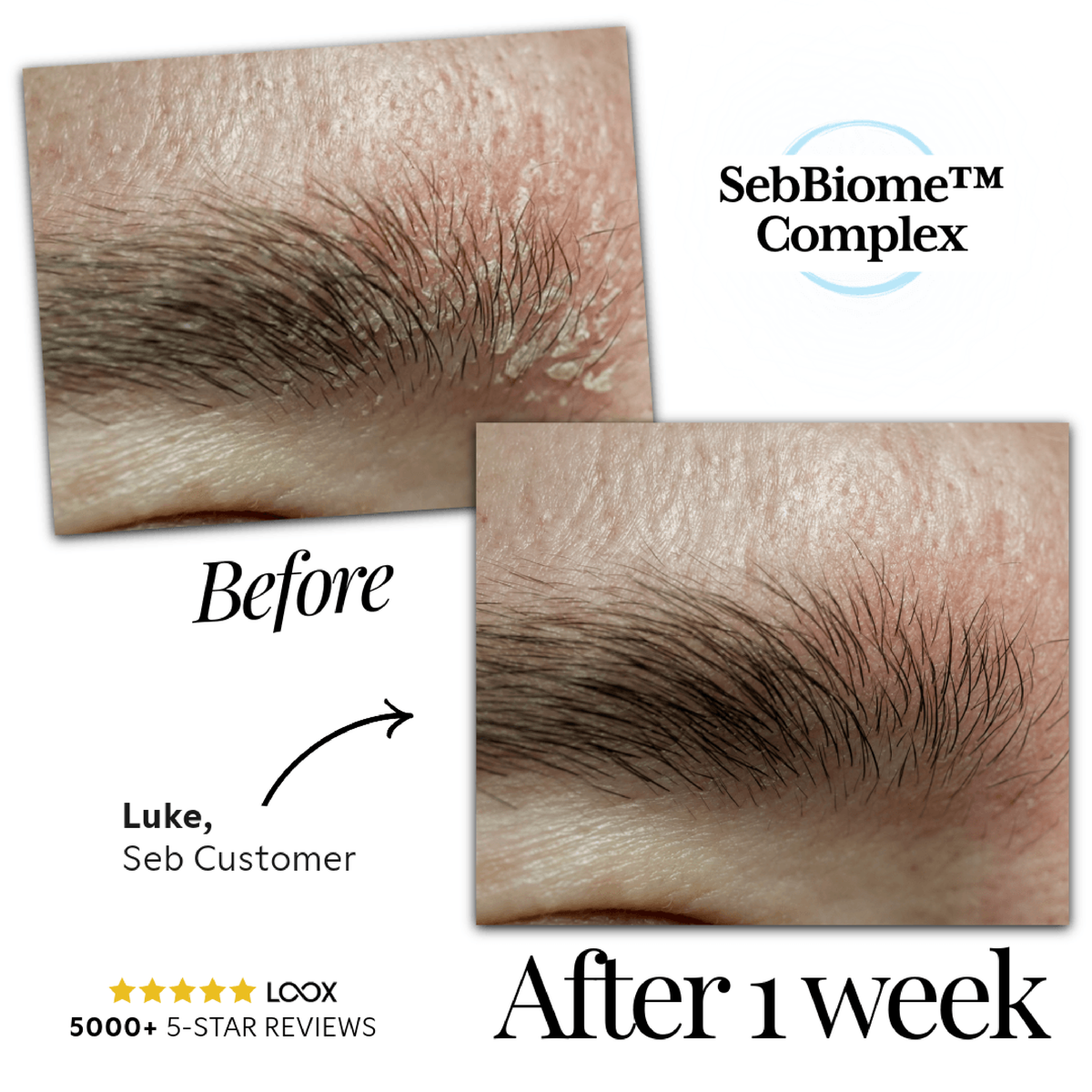
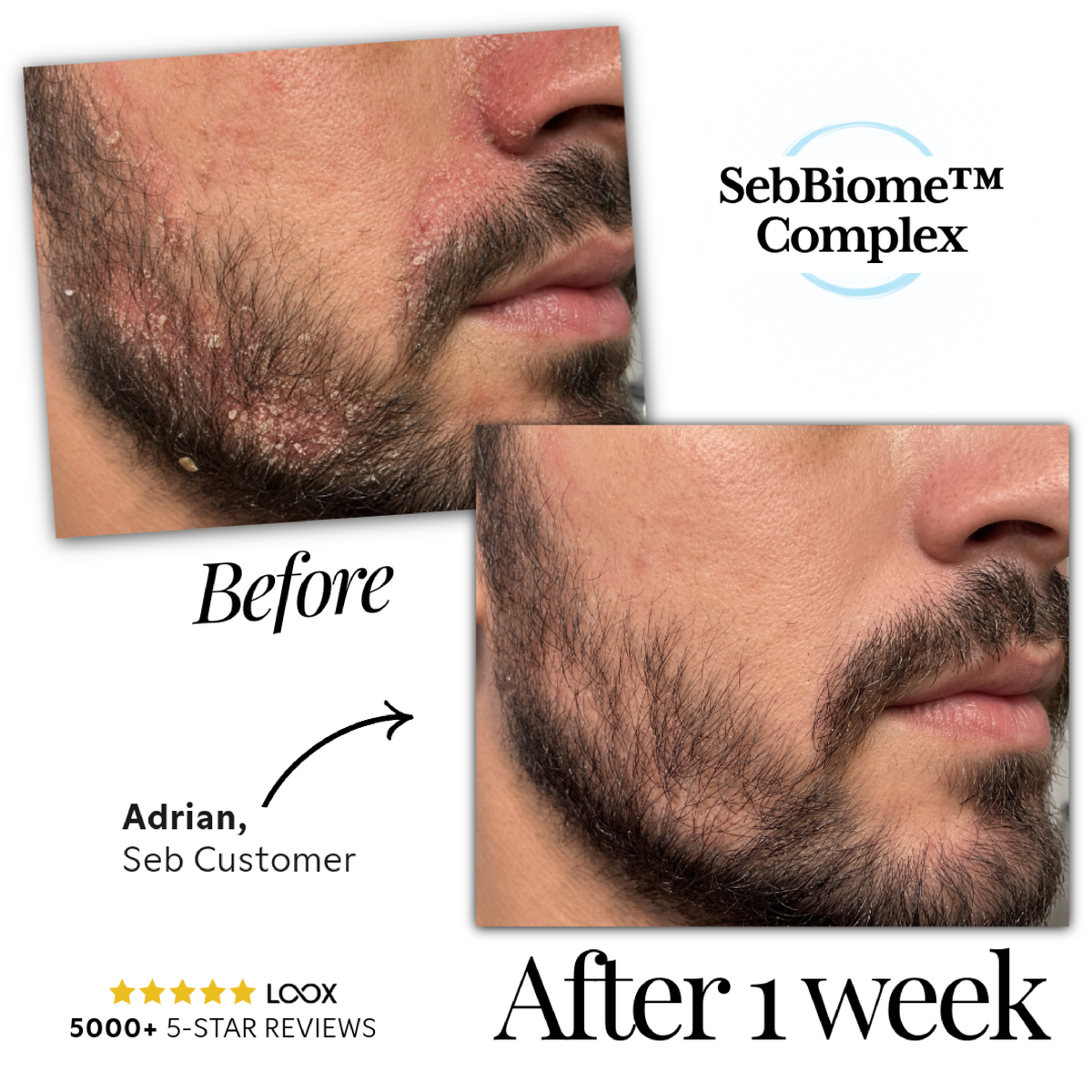
-Lesions are often red and flaky, with greasy or yellowish scales.
-Itching and mild irritation are common.
Psoriasis:
-Can appear almost anywhere, including the elbows, knees, scalp, and back.
-Lesions are typically thicker, well-defined, and covered with silvery scales.
-Psoriasis may be more persistent and can involve systemic inflammation in severe cases.
Because the appearance of SD and psoriasis can overlap, it’s important to get a professional evaluation if you notice persistent, worsening, or unusual patches. Correct diagnosis ensures the right treatment is used, whether it’s anti-fungal creams, medicated shampoos, or other therapies.
The Takeaway
Seborrheic dermatitis may be chronic, but it is highly manageable. While there is no permanent cure, working with a dermatologist can help you control symptoms, prevent flare-ups, and improve your quality of life.
Key takeaways:
-SD is chronic because it tends to recur and has no definitive cure.
-A dermatologist is the best professional for diagnosis and long-term management.
-SD does not turn into psoriasis, although overlapping symptoms can occur.
-Effective treatments and lifestyle strategies can significantly reduce discomfort and visible symptoms.
With proper care, most people with seborrheic dermatitis can lead comfortable, flare-up-free lives. The goal isn’t to “cure” it once and for all, but to manage it intelligently and proactively.