Can Over-washing Make Seborrheic Dermatitis Worse?
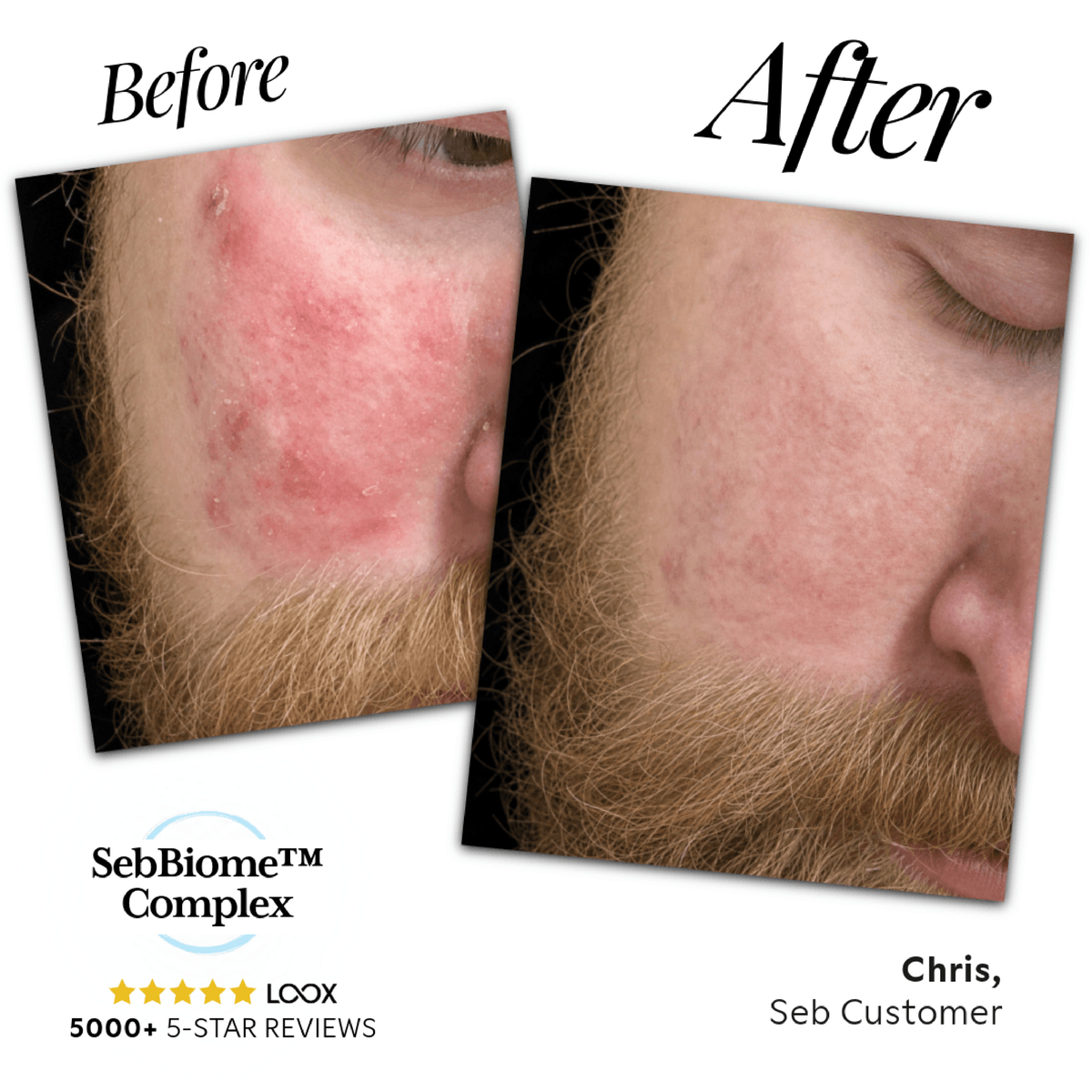
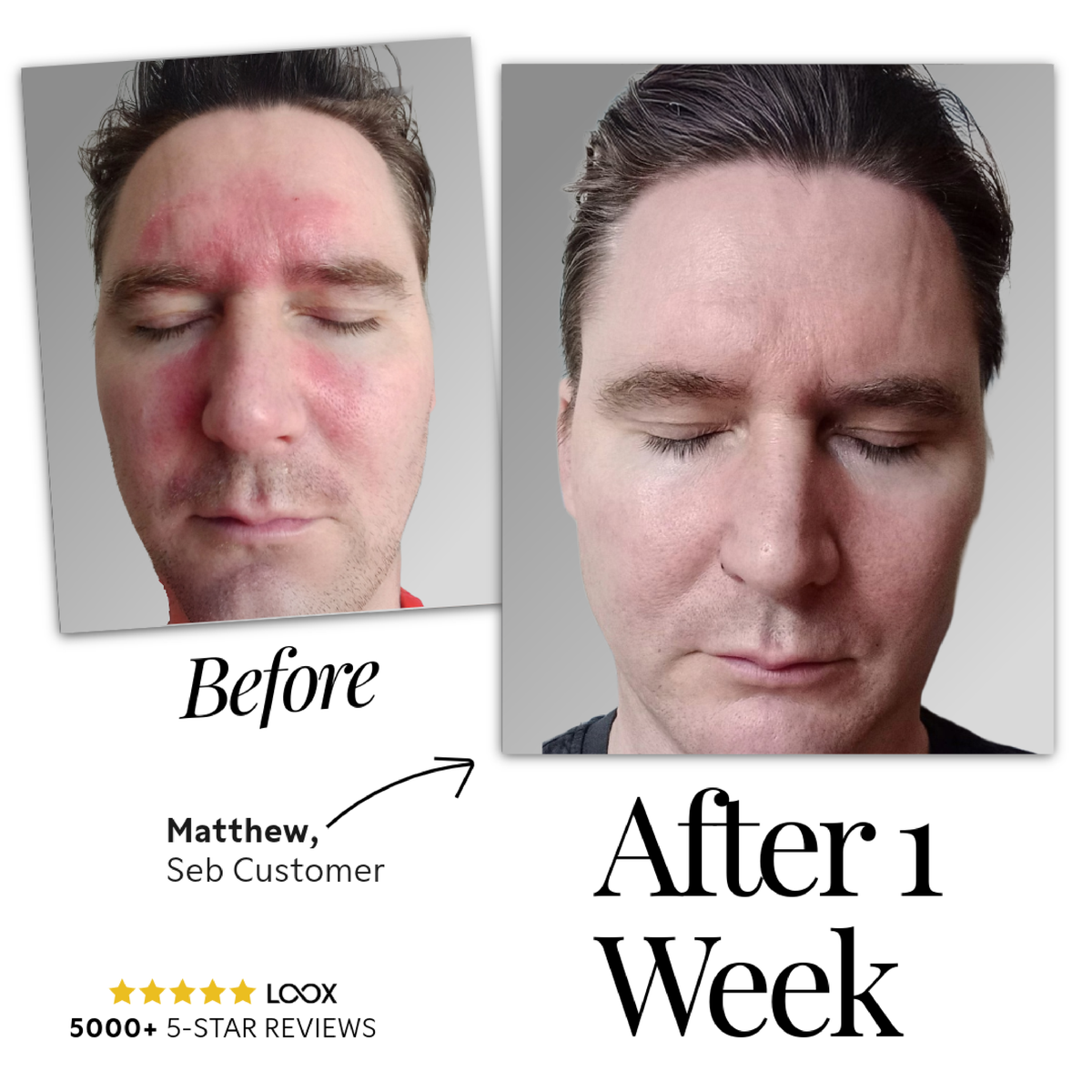
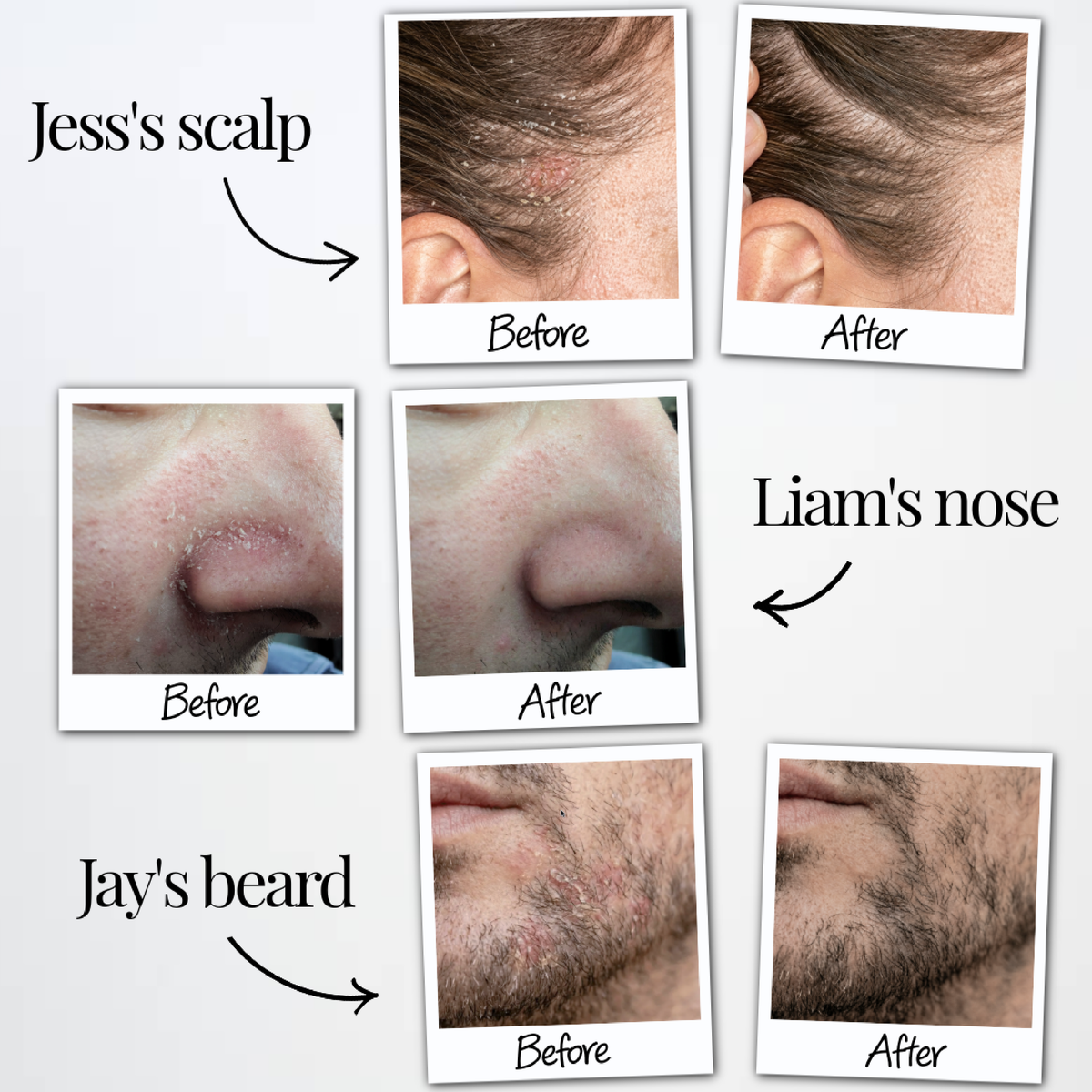
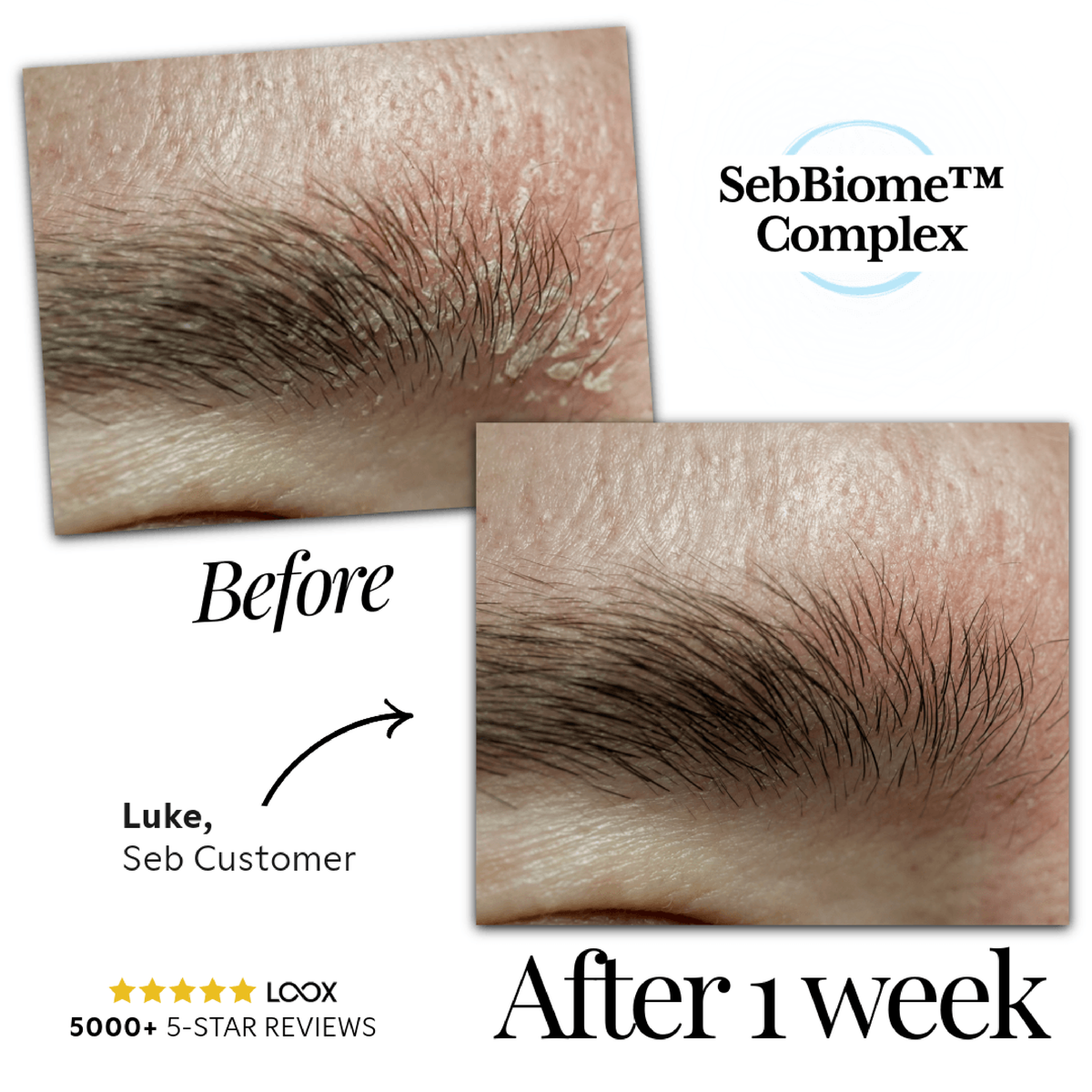
Seborrheic dermatitis is a common, chronic skin condition that often affects the scalp, face, eyebrows, eyelids, and other oily areas. It can be frustrating, with symptoms like redness, flaking, itching, and irritation. If you have seborrheic dermatitis, you may think washing your skin or hair more frequently is the key to controlling flakes—but could over-washing actually make your condition worse? The answer is yes—and here’s why.
Understanding Seborrheic Dermatitis
Before we dive into the effects of over-washing, it’s important to understand what seborrheic dermatitis really is.
Seborrheic dermatitis is not caused by dirt—it’s a chronic inflammatory reaction of the skin influenced by:
-Malassezia yeast, a fungus that naturally lives on the skin
-Overactive oil glands (sebaceous glands)
-Immune system sensitivity
-Triggers like stress, weather changes, hormonal fluctuations, and certain skin products
Because seborrheic dermatitis is an inflammation-based condition, cleanliness alone does not cure it. In fact, how you wash can either help or harm.
Why Over-washing Can Worsen Seborrheic Dermatitis
-
Stripping the Skin’s Natural Oils
Frequent washing—especially with harsh shampoos or soaps—can strip the skin of its natural oils. While it might feel cleaner, removing these oils:
-Disrupts the skin’s protective barrier
-Triggers the sebaceous glands to produce even more oil
-Creates a cycle of oiliness and irritation
Ironically, over-washing can make seborrheic dermatitis flare more quickly, because the skin becomes more reactive.
-
Weakening the Skin Barrier
The skin barrier is your body’s first defense against irritation, microbes, and inflammation. Over-washing can:
-Damage this barrier
-Allow yeast and bacteria to penetrate more easily
-Increase redness, itching, and flaking
When the barrier is compromised, your skin becomes hyper-sensitive, making even gentle products irritating.
-
Increasing Yeast Activity
Malassezia yeast feeds on skin oils. Over-washing temporarily removes oils, but once the skin senses dryness, oil production rebounds, giving yeast more fuel to grow.
The result? More flakes, redness, and itching over time—exactly what you’re trying to prevent.
-
Exacerbating Inflammation
Harsh scrubbing or using strong anti-dandruff shampoos daily can irritate skin cells, triggering inflammatory signals.
This inflammation is central to seborrheic dermatitis, so anything that ramps it up—like over-washing—can worsen symptoms.
How Often Should You Wash?
The optimal washing routine depends on your skin type, severity of seborrheic dermatitis, and areas affected:
-Scalp: Most dermatologists recommend 2–3 times per week with medicated shampoo for mild cases. Severe cases may need every other day, but over-daily washing is usually counterproductive.
-Face: Use a gentle cleanser once or twice daily. Avoid harsh soaps or scrubs.
-Beard/Other Areas: Gentle cleansing once daily is often enough. Focus on soft, patting motions rather than aggressive scrubbing.
Remember: consistency is more important than frequency. Overwashing is more harmful than under-washing for seborrheic dermatitis.
Best Practices for Washing With Seborrheic Dermatitis
-
Use Medicated or Gentle Shampoos
Ingredients like ketoconazole, zinc pyrithione, selenium sulfide, or ciclopirox can help reduce yeast levels without overly stripping oils. -
Avoid Hot Water
Hot water can dry the skin and strip natural oils. Lukewarm water is ideal. -
Skip Harsh Scrubs
Avoid abrasive exfoliants or brushes. Gentle massaging with fingertips is enough. -
Pat Dry, Don’t Rub
Rubbing can irritate the skin and spread flakes. -
Moisturize After Washing
Use a lightweight, non-comedogenic moisturizer or barrier-repair cream to restore the skin barrier. -
Follow a Maintenance Routine
Once symptoms are under control, you may only need medicated shampoo 1–2 times per week to prevent flare-ups.
Lifestyle Factors That Can Help Reduce Flares
Washing frequency is just one part of the equation. Managing seborrheic dermatitis also involves:
-Reducing stress – stress hormones can worsen inflammation
-Adjusting diet – some people notice improvements with anti-inflammatory foods
-Avoiding triggers – harsh skincare, alcohol, extreme temperatures
-Maintaining sleep and hydration – overall skin health matters
The Bottom Line
Over-washing can definitely make seborrheic dermatitis worse. The key is balance: clean enough to control flakes and yeast, but gentle enough to preserve your skin barrier and natural oils.
Seborrheic dermatitis is a chronic, relapsing condition, so treatment is about management, not elimination. By adopting a mindful washing routine, using appropriate products, and supporting your skin barrier, you can reduce flare-ups and keep your symptoms under control.
Quick Tips to Avoid Over-washing Flare-Ups
-Stick to 2–3 washes per week for scalp, gentle once-daily for face
-Avoid hot water and harsh soaps
-Use medicated shampoos as directed, not daily unless prescribed
-Moisturise after washing to repair the skin barrier
-Track triggers and adjust routine seasonally
Final Thought:
Seborrheic dermatitis is a marathon, not a sprint. Over-washing is a common mistake, but understanding your skin’s needs and maintaining a consistent, gentle routine can make a world of difference. Treat, protect, and maintain—and the flares will become more manageable over time.