Can Diet Affect Seborrheic Dermatitis? The Gut–Skin Connection
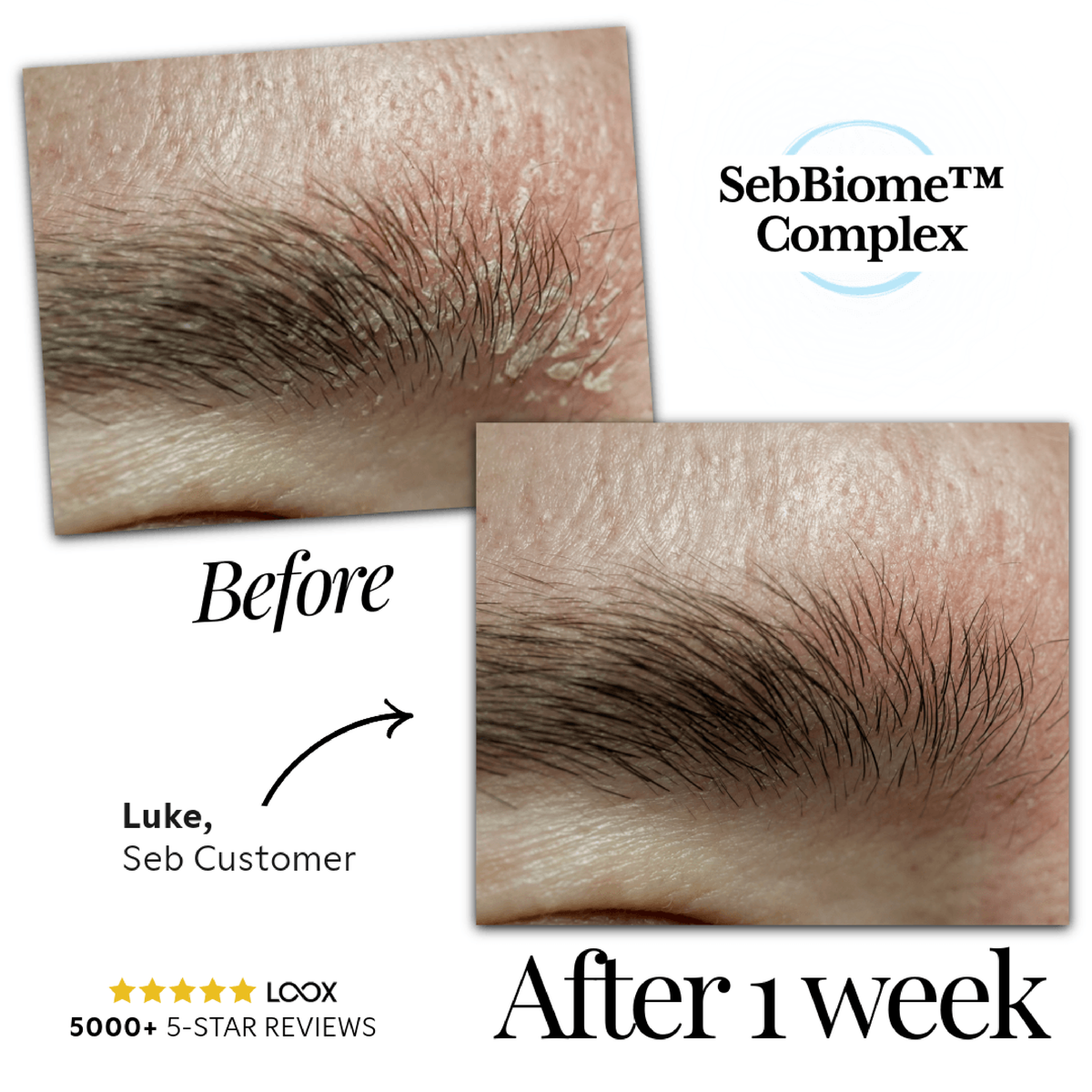
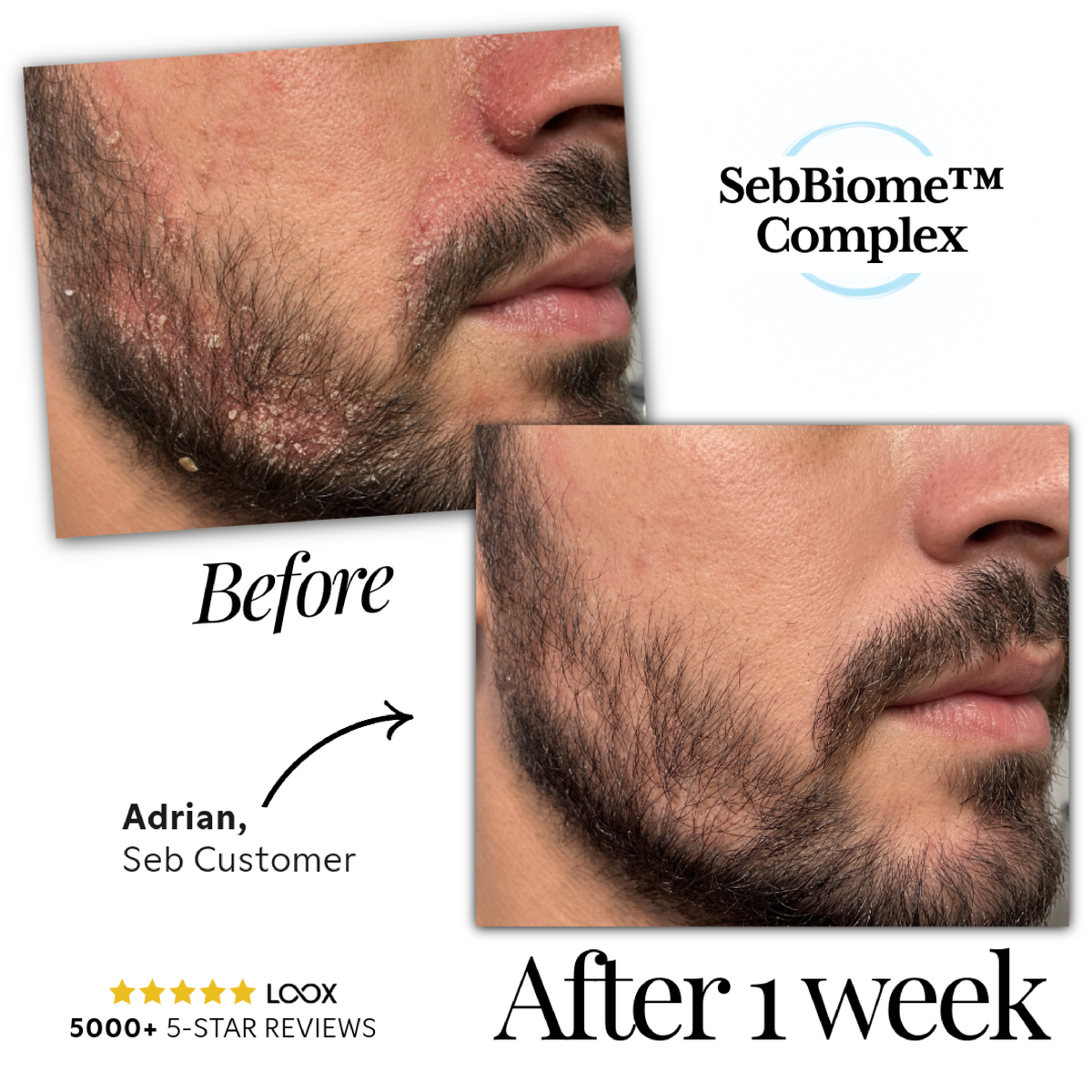
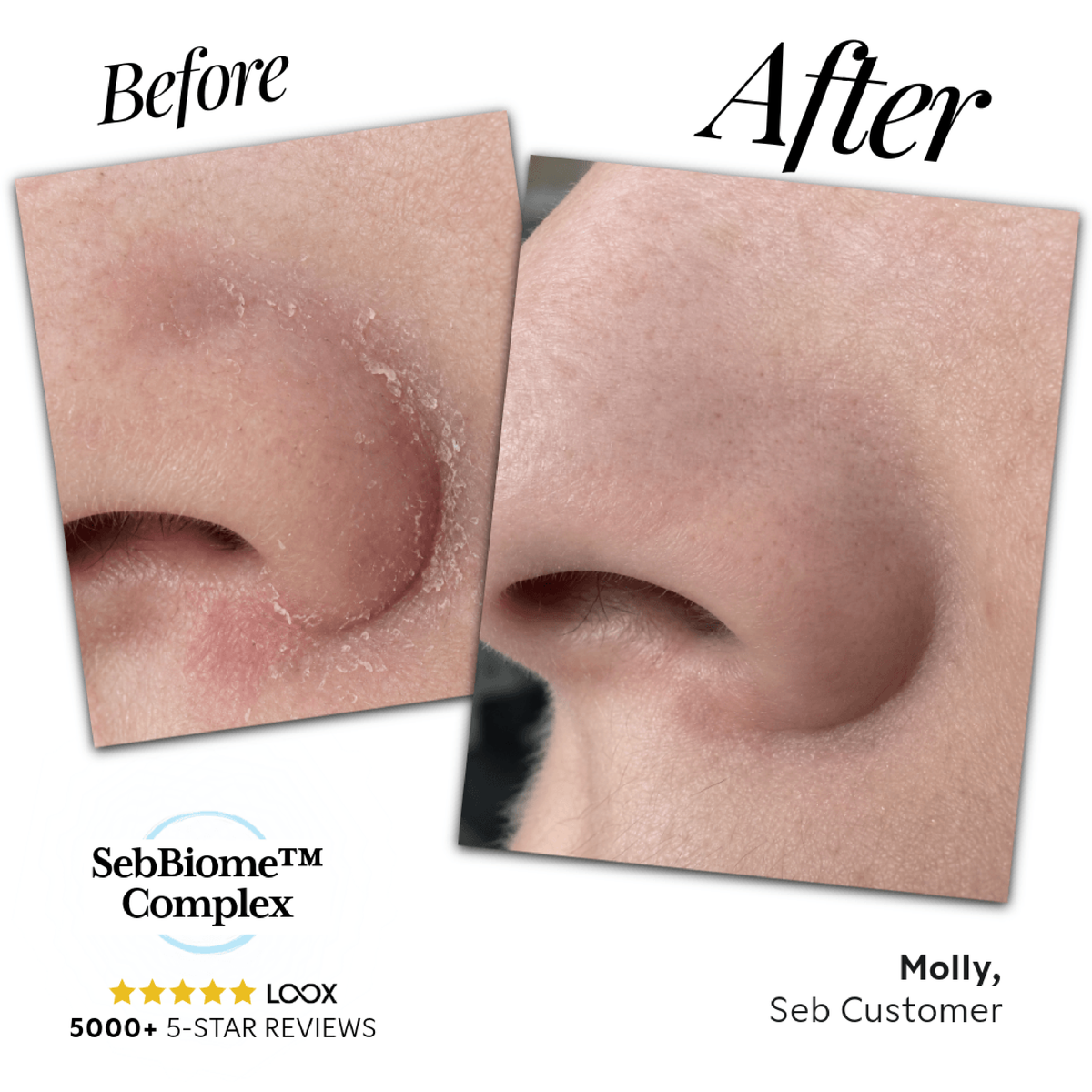
Seborrheic dermatitis (SD) is a chronic inflammatory skin condition best known for causing flaking, redness, and itching, especially on the scalp, eyebrows, sides of the nose, beard, ears, and chest. Although genetics, hormones, and an overgrowth of Malassezia yeast play major roles, many people notice something else:
certain foods seem to make their skin better or worse.
This idea is part of a growing body of research exploring the gut–skin connection—the way your digestive system and skin communicate through immune, hormonal, and microbial pathways. While diet is not a cure, it may influence flare frequency or severity for some individuals.
In this article, we’ll explore:
-What foods may help improve seborrheic dermatitis
-What foods may worsen symptoms
-Whether sugar or alcohol can trigger flare-ups
What Foods Help Seborrheic Dermatitis?
These foods don’t “cure” SD, but they may support gut health, reduce inflammation, and improve skin resilience.
1. Anti-Inflammatory Foods
Chronic inflammation is a trigger for many skin conditions.
Helpful choices include:
-Fatty fish (salmon, sardines, mackerel) – rich in omega-3s
-Leafy greens (spinach, kale, chard)
-Colorful vegetables (carrots, peppers, beets, sweet potatoes)
-Berries – high antioxidants
-Nuts and seeds – especially walnuts and flaxseeds
2. Fermented Foods for Gut Health
The microbiome may influence SD severity.
Potentially helpful foods:
-Yogurt with live cultures
-Kefir
-Sauerkraut
-Kimchi
-Kombucha
These foods support a diverse gut microbiome, which may improve inflammatory skin response.
3. Foods Rich in B Vitamins
Some research links seborrheic dermatitis with lower levels of B6, B7 (biotin), and B12, though findings are mixed.
Foods to include:
-Eggs
-Lean meats and poultry
-Nutritional yeast
-Legumes
-Whole grains
4. Zinc-Rich Foods
Zinc supports skin repair and has antifungal properties.
Sources:
-Pumpkin seeds
-Chickpeas
Oysters
Cashews
Whole grains
5. Low-Glycemic, Blood-Sugar-Balanced Meals
Stable blood sugar may calm inflammation and oil production.
Helpful patterns:
High-fibre vegetables
Whole grains
Beans and lentils
Balanced meals with protein + healthy fats
What Foods Make Seborrheic Dermatitis Worse?
Everyone’s triggers differ, but several food categories commonly worsen inflammation or sebum production.
1. Sugary Foods
High sugar intake spikes insulin, which may:
-Increase inflammation
-Increase sebum/oil production
-Aggravate yeast growth on the skin
Common culprits:
-Candy, desserts
-Sweetened beverages
-Pastries and baked goods
-Sweetened cereals
-Flavored coffees
(More on sugar below.)
2. Alcohol
Alcohol can worsen SD for several reasons:
-It dehydrates the skin
-It disrupts the gut microbiome
-It increases systemic inflammation
-It may increase facial redness and sensitivity
Red wine, beer, and sugary cocktails are the most commonly reported triggers.
(More on alcohol below.)
3. Foods High in Saturated Fat
Heavy, oily meals can sometimes worsen oil production and inflammation.
These include:
-Fatty cuts of meat
-Fried foods
-High-fat dairy (cream, cheese, butter)
4. Yeast-Containing Foods (in some individuals)
Seborrheic dermatitis involves a reaction to Malassezia yeast on the skin—not dietary yeast—but some people speculate that reducing yeast-heavy foods helps them.
These foods do not cause SD, but some people notice improvement when limiting:
-Bread
-Pizza
-Beer
-Processed pastries
This is highly individual and not universally recommended.
5. Processed Foods
Foods high in additives, preservatives, trans fats, or refined grains can disrupt gut balance and promote inflammation.
Can Sugar or Alcohol Trigger Seborrheic Dermatitis?
Sugar
Many people report that sugar contributes to SD flare-ups, and several mechanisms support the idea:
-Spikes insulin and inflammation
-Increases oil production
-May influence the Malassezia environment
-Can disturb the gut–microbiome balance
While research is still limited specifically to SD, other inflammatory skin conditions worsen with high sugar intake.
Bottom line:
Sugar doesn’t cause seborrheic dermatitis, but it may trigger flares or make symptoms more severe.
Alcohol
Alcohol is one of the most commonly reported dietary triggers for seborrheic dermatitis.
Possible reasons:
-Increases inflammation
-Disrupts gut microbiota
-Dehydrates the skin
-Causes facial flushing and sensitivity
-May impair immune response
Some people notice flares after drinking beer or wine due to both alcohol and histamines.
Bottom line:
Alcohol can absolutely contribute to flares for many individuals.
Putting It All Together: A Practical Approach
Diet changes are personal—what triggers one person may not trigger another. A helpful approach is:
1. Keep a food + symptom journal
Track what you eat and your SD symptoms for 2–4 weeks to identify patterns.
2. Focus on overall gut health
More fiber, more fermented foods, fewer processed foods.
3. Reduce—but don’t obsess over—trigger foods
You don’t need a perfect diet; small improvements often help.
4. Try gradual experimentation
Cut out one potential trigger at a time (e.g., sugar for 2 weeks).
5. Support the skin topically too
Diet is complementary—not a replacement—for good skin care and medical treatment when needed.
The Takeaway
Diet doesn’t cause seborrheic dermatitis, but for many people, it plays a meaningful role in how often and how severely it flares. Supporting gut health, reducing inflammatory foods, and paying attention to personal triggers—especially sugar and alcohol—may help improve symptoms over time.
If your symptoms are severe, spreading, or not responding to lifestyle changes, it’s always wise to consult a dermatologist for personalized treatment options.